


What Are the ADU Electrical Requirements in California in 2026?
 Share
Share
75 min read
California ADUs must comply with strict electrical and energy regulations under the California Electrical Code (CEC) and Title 24 energy standards. Most ADUs require detailed planning for electrical panels, load calculations, dedicated circuits, solar readiness, and utility coordination to meet modern safety and efficiency requirements. Homeowners in San Diego and across California often underestimate the need for panel upgrades, EV-ready infrastructure, and Title 24 compliance during the permitting process. Proper electrical planning helps prevent failed inspections, project delays, costly retrofits, and long-term electrical safety hazards.
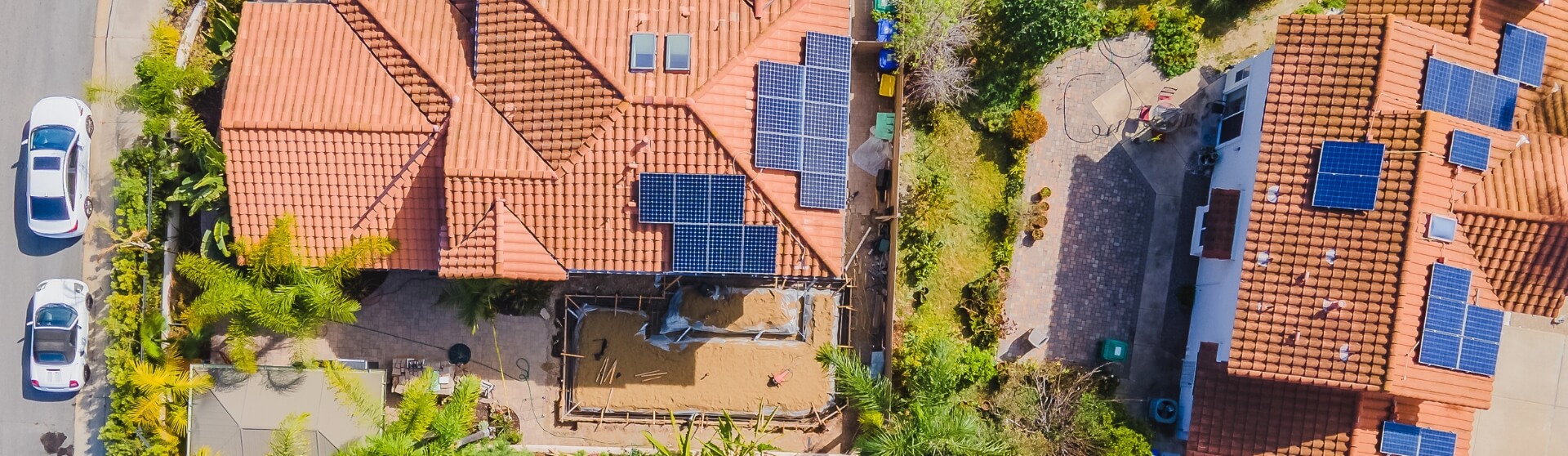

Understanding ADU Electrical Requirements in California
California ADU electrical requirements are governed by the California Electrical Code (CEC), the Title 24 energy code, and other standards within the California Building Standards Code. Most accessory dwelling units must include proper load calculations, dedicated appliance circuits, GFCI and AFCI protection, adequate main electrical panel capacity, and energy-efficient systems that align with California’s electrification goals. In many California jurisdictions, new ADU plans may also require solar-ready infrastructure, battery backups, and EV charger readiness depending on the project scope and local zoning requirements. Proper electrical planning is essential for passing inspections, supporting safe residential use, and avoiding costly construction delays.
What Are ADU Electrical Requirements in California?
California accessory dwelling units must comply with both the California Electrical Code and the National Electrical Code (NEC), which establish minimum standards for safe electrical design, wiring methods, grounding, circuit breakers, and circuit protection. Local California jurisdictions — including San Diego and Los Angeles County — may also enforce additional permitting rules involving electric panel sizing, separate metering, service conduit placement, solar power integration, and energy efficiency compliance.
Typical California ADU electrical requirements include:
- Proper electrical load calculations
- Dedicated appliance circuits
- GFCI and AFCI protection
- Main Service Panel capacity verification
- Energy-efficient lighting and HVAC systems
- Solar PV system readiness
- Battery backup provisions
- EV charger readiness in some projects
Under Title 24 energy standards, ADUs must meet strict efficiency requirements involving lighting, insulation, ventilation, electric space conditioning, and HVAC performance. Detached accessory dwelling units may also need to comply with solar PV system requirements depending on the Conditioned floor area, local code interpretation, and project type.
Because ADU electrical systems directly impact fire safety and code compliance, homeowners should work with licensed electricians, design professionals, and experienced ADU contractors familiar with California permitting requirements. Improper wiring, overloaded circuit breakers, or non-compliant sub-panel installation can result in failed inspections, permit delays, and expensive corrections later in the project.
What Is the New Law for ADUs in California?
California has passed several ADU-friendly laws in recent years to help address the state’s housing shortage and streamline the building application process for homeowners. These updates to the Government Code and local ordinances simplify approval timelines, reduce certain restrictions, and encourage the construction of smaller, energy-efficient housing options throughout the state.
Recent California ADU regulations continue pushing projects toward electrification and energy efficiency through requirements tied to the Title 24 energy code. Many new ADUs and JADU plan submissions must now include:
- Electric-ready infrastructure
- Solar-ready design provisions
- Battery-ready panel capacity
- High-efficiency mini-split systems or VCHP systems
- Energy-efficient lighting and appliances
California’s energy code also encourages future-ready electrical planning by supporting electric water heaters, induction cooking appliances, smart home technology, and EV charger readiness. Some projects may also require Title-24 energy calculations or review by a HERS rater during the permitting process.
According to Verywell Health, “Several cities are already banning natural gas in new buildings.” This trend reflects California’s broader movement toward all-electric residential construction and long-term sustainability planning.
Why Proper Electrical Planning Matters
Proper electrical planning is one of the most important parts of building safe, code-compliant accessory dwelling units in California. Poorly planned electrical systems can create serious fire hazards, overload circuits, increase electrocution risks, and lead to failed inspections or costly retrofit work.
Electrical planning also affects:
- Utility coordination with SDG&E and other utility companies
- Main electrical panel upgrade requirements
- Solar power integration
- Future EV charger installation
- Long-term operating costs
- Overall project timelines
Many homeowners underestimate how much electrical demand modern ADUs require, especially when incorporating all-electric appliances, mini-split systems, heat pump HVAC systems, battery backups, and future smart home technology upgrades. Failing to account for future electrical needs early in the planning process can significantly increase costs later.
Long-term energy planning can also improve efficiency and reduce utility expenses over time. According to The Washington Post, “Heat pump water heaters can cut energy usage by three to six times compared to conventional heaters.” For California homeowners building accessory dwelling units, incorporating efficient electric systems early can help future-proof the property while supporting lower operating costs and evolving California energy regulations.
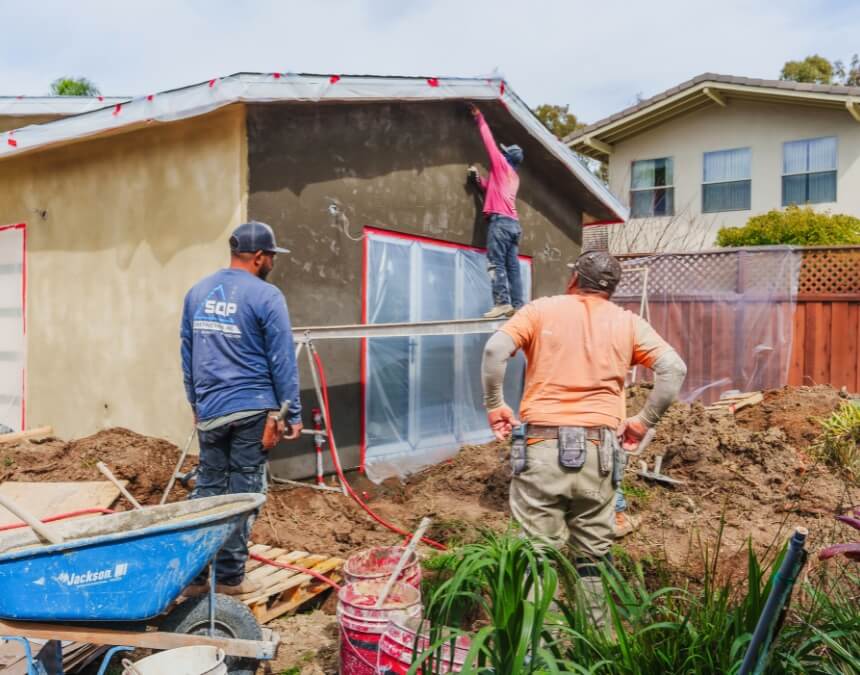
Early coordination between contractors, electricians, and permitting departments helps prevent inspection delays and costly revisions.
Wiring and Circuit Requirements for California ADUs
California ADUs must comply with the California Electrical Code (CEC), California Residential Code, and National Electrical Code (NEC) to ensure safe wiring, proper circuit sizing, and energy-efficient electrical systems. Most accessory dwelling units require dedicated circuits for kitchens, HVAC systems, laundry appliances, lighting, bathrooms, and water heaters as part of a compliant ADU Electrical Service plan. Electrical requirements can vary depending on the ADU size, appliance load, floor plan, and whether the unit is attached or detached. Proper planning with accurate load calculations and coordination with local Safety Departments or a City Building Inspector can help prevent overloaded circuits, failed inspections, and future upgrade costs.
What Type of Wiring Is Used in an ADU?
California ADUs commonly use:
- Romex (NM cable) for interior residential wiring
- BX cable for added mechanical protection
- Conduit wiring for garages, exterior walls, and underground runs
Detached ADUs often require underground service conduit connections from the main home, while attached ADUs may connect more directly to the existing electrical system. Wiring methods must comply with local permitting, inspection requirements, and in some cases truss structural calculations or fire sprinkler system planning depending on the project scope and California jurisdiction.
How Many Circuits Does an ADU Need?
Most California ADUs require dedicated circuits for:
- Kitchen appliances
- HVAC systems
- Laundry equipment
- Bathroom GFCI outlets
- Lighting
- Exterior outlets
- Water heaters
- Electric ranges or induction cooktops
The exact number depends on the ADU’s size, appliance load, electrical access needs, and future upgrades such as EV chargers, battery storage systems, or PV modules connected to a solar power system. Contractors may also use a Feeder Load Calculator or live calculator to determine safe circuit sizing and panel capacity.
Outlet Spacing and Dedicated Circuit Requirements
California ADUs must follow outlet spacing and dedicated circuit rules under the NEC, California Electrical Code, and local building requirements.
Common requirements include:
- GFCI-protected bathroom and kitchen outlets
- Weather-resistant exterior outlets
- Dedicated circuits for electric ranges and induction cooktops
- Proper countertop outlet spacing in kitchens
Dedicated appliance circuits help prevent overloaded breakers and improve overall electrical safety. Some projects submitted through local Standard Plan Program processes or standard plans may also require additional review by Public Works or local inspection departments.
GFCI and AFCI Requirements for ADUs
California ADUs require both GFCI and AFCI protection to reduce electrical hazards and improve fire safety.
GFCI protection is typically required in:
- Kitchens
- Bathrooms
- Laundry areas
- Exterior outlets
AFCI protection is commonly required in:
- Bedrooms
- Living spaces
- Hallways
- General-use circuits
These safety devices help prevent electrical shock, arc faults, and wiring-related fires while supporting compliance with the California Electrical Code and broader California Building Standards Code safety requirements.
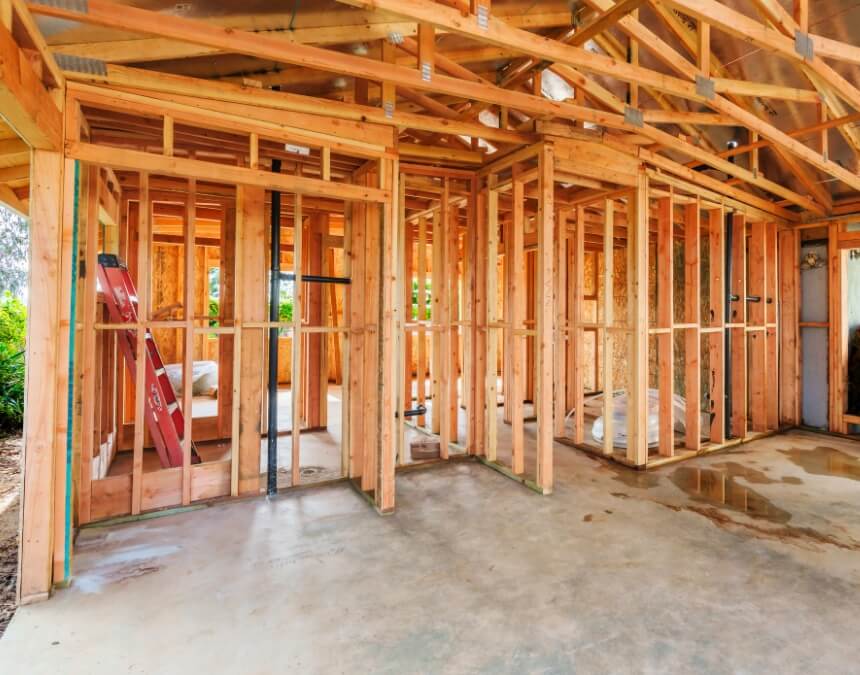
Proper circuit planning and load calculations are essential for supporting HVAC systems, appliances, and future electrical upgrades.
Does an ADU Need Its Own Electrical Panel?
An ADU does not always need a separate electrical meter, but many California ADUs require a dedicated subpanel or upgraded main electrical panel depending on the unit’s electrical load, appliance choices, and local utility requirements. In San Diego, homeowners should also account for SDG&E utility coordination, meter placement, and possible service upgrades before finalizing ADU plans. The right setup depends on whether the ADU will be rented, whether it includes all-electric appliances, and whether the existing electrical system has enough capacity to support the added load.
Separate Electrical Panels vs Subpanels
A subpanel connects to the main home’s electrical service and distributes power to the ADU. A separate electrical service or meter allows the ADU to be tracked and billed independently, which can be useful for long-term rental units or properties designed for flexible residential use.
Homeowners often compare these options based on:
- Independent usage tracking
- Rental billing needs
- Existing main panel capacity
- SDG&E meter placement rules
- Installation and trenching costs
A subpanel is often simpler and more affordable, while a separate meter may be more practical for larger properties, detached units, or projects with additional resource sharing considerations.
How Many Amps Does an ADU Require?
Most ADUs in California use a 100-amp electrical panel, although smaller units may require less and larger all-electric ADUs may need additional capacity. The right amperage depends on the ADU’s appliances, HVAC system, water heater, laundry equipment, and whether the homeowner plans to add EV charging or battery storage systems.
Common planning considerations include:
- 60 amps: May work for small ADUs with limited electrical loads
- 100 amps: Common for many standard ADUs
- More than 100 amps: May be needed for larger units, EV chargers, or all-electric appliance packages
Heat pump systems, electric ranges, induction cooktops, and EV chargers can increase load requirements, so future expansion should be considered early during the electrical design phase.
When Does a Main Panel Upgrade Become Necessary?
A main panel upgrade becomes necessary when the existing electrical service cannot safely support the ADU’s added load. This is common in older homes, properties with limited panel capacity, or projects adding high-demand electric appliances.
A panel upgrade may be needed when:
- The existing panel is undersized
- The ADU adds electric HVAC or water heating
- The project includes EV charger readiness
- The home has limited breaker space
- Future solar or battery storage is planned
Some San Diego ADU projects may require larger service capacity, especially when the main residence and ADU share one electrical system. Homeowners should confirm service requirements early with their contractor and SDG&E to help avoid permit delays, utility coordination issues, or additional inspection requirements.
Separate Meter vs Shared Utilities
A separate meter can make billing easier for rental ADUs, but it may cost significantly more than sharing the main home’s electrical service. Shared utilities or submeters can be more affordable, although they may require manual tracking or private billing arrangements between the homeowner and tenant.
Projects involving detached ADUs, Movable Tiny House conversions, or unique architectural styles such as Spanish Colonial, Desert Modern, or Mission Revival may also have different utility planning considerations depending on site conditions and local jurisdiction requirements.
A separate meter installation may involve trenching, SDG&E coordination, electrician labor, and patching work on the main home. The outline notes that installing a separate electrical meter for an ADU in California can cost around $15,000, depending on the property and utility requirements.
For all-electric ADUs, appliance choices also affect the electrical plan. “Installing a heat pump water heater still costs more: about $4,000… compared with about $2,500 for gas.” (The Washington Post)
Key tradeoffs include:
| Option | Pros | Cons |
|---|---|---|
| Separate meter | Easier rental billing, independent tracking | Higher installation cost, SDG&E coordination, trenching |
| Shared utilities | Lower upfront cost, simpler setup | Harder to track tenant usage |
| Submeter | Tracks ADU usage without full separate service | Still tied to main home’s utility account |
How to Calculate Electrical Load Requirements for an ADU
Electrical load calculations determine whether an ADU’s electrical system can safely support appliances, HVAC equipment, lighting, water heating, EV charging, and future electrical expansion. Proper load calculations help contractors size electrical panels, circuits, wiring, and service entrances correctly while meeting California Electrical Code (CEC) requirements. In California ADUs, load planning is especially important because all-electric appliances, heat pump systems, and EV-ready infrastructure can significantly increase power demand.
Why Load Calculations Matter
Electrical load calculations help prevent overloaded circuits, undersized wiring, and electrical safety hazards. They also determine whether the existing main panel can support the ADU or if a service upgrade is necessary.
Load calculations are used for:
- Correct wire sizing
- Electrical panel sizing
- Service entrance sizing
- Permit approval
- Utility coordination
- Future expansion planning
Accurate calculations are critical for passing inspections and avoiding expensive electrical changes later in the project.
Appliances That Significantly Affect Electrical Load
Several appliances and systems can dramatically increase an ADU’s electrical demand, especially in all-electric projects.
The largest electrical loads often include:
- Electric ranges
- Heat pump HVAC systems
- Heat pump water heaters
- EV chargers
- Electric dryers and laundry equipment
- Mini-split HVAC systems
Heat pumps are becoming increasingly common in California ADUs because of their efficiency and compatibility with electrification goals. According to Wikipedia, “Heat pumps use three to four times less electricity than resistance heating.”
Heat pump systems are also highly efficient because they transfer heat instead of generating it directly. As noted by Wikipedia, “Heat pumps move three to five times more heat energy than the electric energy they consume.”
Load Calculation Mistakes Homeowners Make
One of the most common ADU planning mistakes is underestimating future electrical demand. Many homeowners only calculate current appliance needs and forget about future upgrades or electrification requirements.
Common mistakes include:
- Forgetting EV charger planning
- Ignoring future solar readiness
- Not accounting for all-electric appliances
- Underestimating HVAC demand
- Installing undersized panels
Failing to plan for future electrical needs can lead to costly panel upgrades, utility delays, and additional permitting work later. Planning ahead for electrification, solar integration, and future energy storage can help California homeowners avoid expensive retrofits while improving long-term energy efficiency.
Accurate load calculations are essential for sizing panels correctly and supporting future upgrades like EV chargers and battery storage.
Title 24 Requirements for California ADUs
Title 24 requires California ADUs to meet strict energy efficiency standards involving lighting, insulation, HVAC performance, solar readiness, ventilation, and electric-ready infrastructure. These regulations are designed to reduce energy consumption, improve indoor comfort, and support California’s long-term greenhouse gas reduction goals. Most new ADUs in California must comply with Title 24 during the permitting process, and local building departments enforce these standards before final approval.
What Is Title 24?
Title 24 is California’s statewide building energy code managed by the California Energy Commission. The code establishes minimum energy-efficiency requirements for residential and commercial buildings, including ADUs.
Title 24 focuses on:
- Reducing energy consumption
- Lowering greenhouse gas emissions
- Improving indoor air quality
- Supporting electrification and renewable energy adoption
Local cities and counties enforce Title 24 requirements during plan review and inspections to ensure ADUs meet California energy standards before occupancy approval.
Title 24 Electrical Requirements for ADUs
California ADUs must meet several electrical and energy-efficiency requirements under Title 24.
Common requirements include:
- Energy-efficient LED lighting
- High-efficiency HVAC systems
- Electric-ready infrastructure
- Solar-ready provisions
- Battery-ready panel capacity
- Whole-house ventilation systems
Many detached ADUs in California must also comply with solar photovoltaic requirements depending on project size and location. Battery-ready infrastructure may require dedicated breaker space and emergency subpanel planning for future energy storage systems.
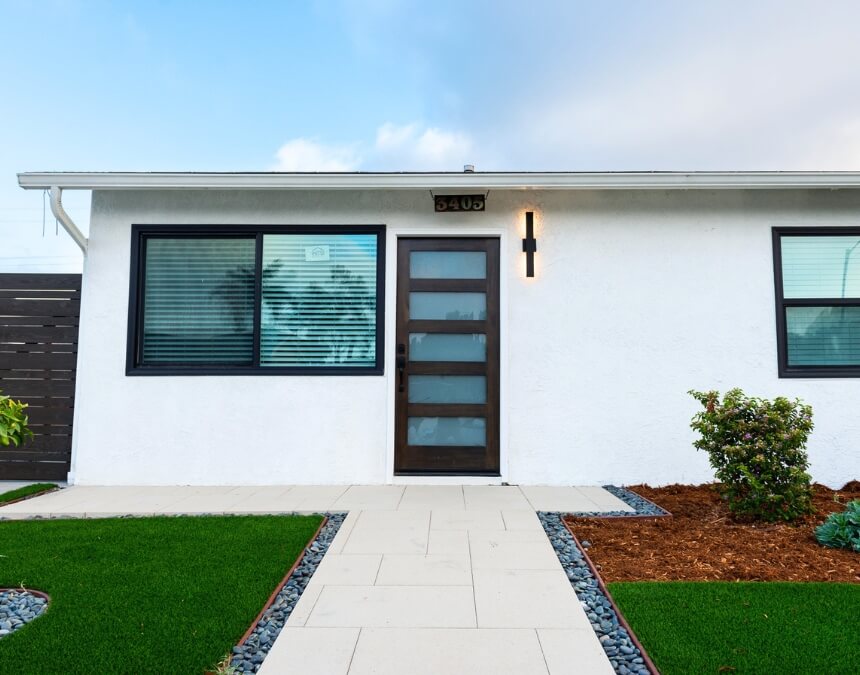
Meeting Title 24 requirements early helps streamline permitting while improving long-term energy performance and comfort.
Electric-Ready Requirements for New ADUs
California continues pushing new ADUs toward electrification through electric-ready infrastructure requirements tied to Title 24 updates.
Electric-ready planning may include:
- Electric water heater readiness
- Electric cooking appliance readiness
- EV charger readiness
- Panel capacity for future electrification
- Heat pump compatibility
These requirements help homeowners prepare for future energy regulations, rising electrification trends, and potential solar or battery system upgrades without major retrofits later.
Prescriptive vs Performance Compliance Methods
California ADUs can comply with Title 24 using either the Prescriptive Method or the Performance Method.
The Performance Method often involves energy consultants and computer modeling software to evaluate the building’s projected energy usage. Some projects may also require HERS (Home Energy Rating System) testing to verify energy performance and ventilation compliance.
| Compliance Method | Description |
|---|---|
| Prescriptive Method | Follows fixed energy-efficiency requirements established by code |
| Performance Method | Uses computer energy modeling to demonstrate compliance |
Solar Panel Requirements for California ADUs
Many newly constructed California ADUs must comply with solar-ready or solar installation requirements under Title 24, especially detached ADUs. California’s energy code encourages solar integration, battery readiness, and electrification to reduce long-term energy consumption and greenhouse gas emissions. Solar planning is becoming increasingly important for homeowners building all-electric ADUs in San Diego and throughout California.
Do California ADUs Require Solar Panels?
Many detached, newly constructed ADUs in California are required to include solar photovoltaic (PV) systems under Title 24 energy standards. Requirements can vary depending on the size of the ADU, whether it is attached or detached, and local jurisdiction rules.
Solar requirements commonly apply to:
- Detached ADUs
- Non-manufactured ADUs
- Newly constructed standalone structures
Some local factors can affect solar requirements, including:
- Roof size limitations
- Roof orientation
- Shading from nearby trees or structures
- Local permitting requirements
Because cities and counties may interpret Title 24 differently, homeowners should confirm solar requirements with their local building department during the planning phase.
Solar Battery Ready Requirements
California ADUs may also need to be “battery-ready” under Title 24 standards. Battery-ready infrastructure allows homeowners to add energy storage systems later without major electrical upgrades.
Battery-ready requirements may include:
- A dedicated 60 amp breaker
- Emergency subpanel planning
- Space for future battery storage systems
- Electrical infrastructure for backup power integration
Planning for future battery storage early can help support energy resilience, backup power needs, and future utility rate changes.
Solar Exceptions for ADUs
Some California ADUs may qualify for solar exceptions depending on site conditions and project type.
Common exceptions can include:
- Significant roof shading
- Poor roof orientation
- Existing structure limitations
- Certain garage conversion scenarios
In some cases, ADUs built within the footprint of an existing structure may have different solar requirements than newly constructed detached units.
Why Solar Integration Matters Long-Term
Solar integration can help California homeowners reduce long-term utility costs while supporting the state’s growing electrification movement. As more ADUs transition toward all-electric systems, solar energy can offset higher electrical demand from HVAC systems, heat pump water heaters, induction cooktops, and EV chargers.
Long-term benefits of solar integration include:
- Lower utility bills
- Improved energy efficiency
- Increased property value
- Better future code compliance
- Reduced dependence on fossil fuels
California’s electrification trends are also influencing future building regulations. According to Verywell Health, “Several cities are already banning natural gas in new buildings.”
The environmental impact of gas appliances is also becoming a larger factor in residential construction decisions. According to Verywell Health, “Methane emissions from gas stoves… could have the same climate impact as the annual carbon dioxide emissions of half a million cars.”
For many California homeowners, integrating solar into an ADU project is becoming both a financial and long-term energy planning strategy.
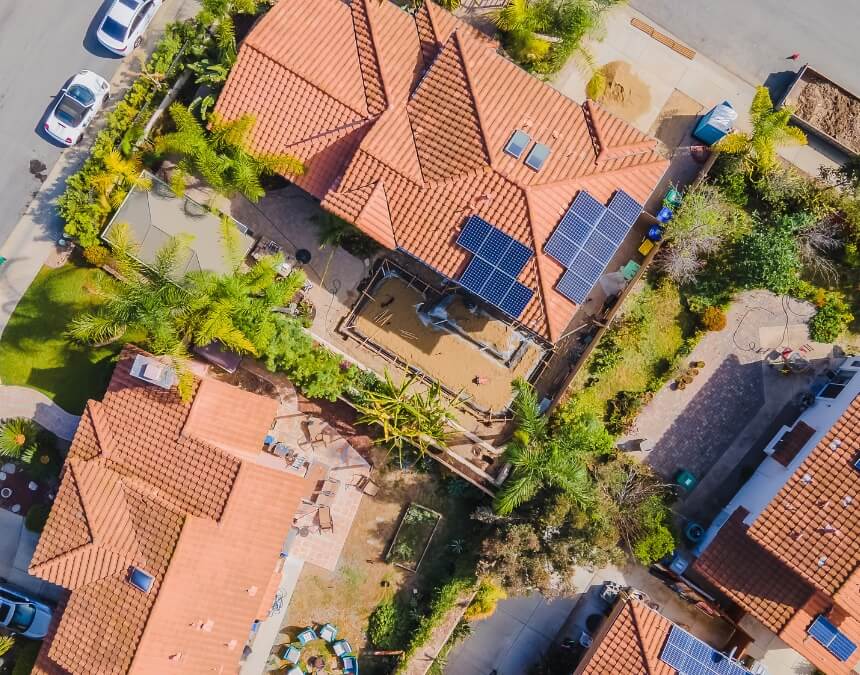
Planning solar-ready infrastructure during construction can reduce future upgrade costs and improve long-term energy efficiency.
Energy Efficiency Upgrades for California ADUs
California ADUs are increasingly being designed as all-electric homes to support energy efficiency, lower emissions, and future building code compliance. Modern ADU upgrades often include heat pump HVAC systems, heat pump water heaters, induction cooking appliances, EV charger readiness, and smart energy management systems. These upgrades can reduce long-term utility costs while supporting California’s growing electrification movement and Title 24 energy goals.
Why All-Electric ADUs Are Becoming More Popular
All-electric ADUs are becoming more common throughout California because they simplify utility coordination, reduce dependence on natural gas infrastructure, and align with future energy regulations. Many homeowners are also choosing electric systems to improve energy efficiency and reduce operating costs over time.
Benefits of all-electric ADUs include:
- Lower greenhouse gas emissions
- Reduced gas infrastructure costs
- Simplified utility planning
- Easier solar integration
- Better compatibility with future building codes
Heat pump systems are a major driver of this trend because of their energy efficiency. According to Wikipedia, “Heat pumps use three to four times less electricity than resistance heating.”
The long-term savings can also be significant. According to The Washington Post, “For the average American family of four… that’s $5,600 in savings over the appliance’s lifetime.”
Industry experts also view heat pumps as a major energy-saving technology. As noted by The Washington Post, “This is a silver-bullet technology to save money and energy.”
Heat Pump HVAC and Water Heater Benefits
Heat pump HVAC systems and heat pump water heaters are among the most energy-efficient upgrades available for California ADUs. Instead of generating heat directly, heat pumps transfer heat, allowing them to operate much more efficiently than traditional systems.
Benefits of heat pump systems include:
- Lower operating costs
- Reduced electrical demand
- Improved energy efficiency
- Better compatibility with solar systems
- Efficient heating and cooling in San Diego’s mild climate
According to Wikipedia, “Heat pumps move three to five times more heat energy than the electric energy they consume.”
Heat pump water heaters can also dramatically reduce energy usage. According to The Washington Post, “Heat pump water heaters can cut energy usage by three to six times compared to conventional heaters.”
Indoor Air Quality Benefits of All-Electric ADUs
All-electric ADUs can improve indoor air quality by reducing exposure to combustion-related pollutants commonly produced by gas appliances. This is especially important in compact ADUs where ventilation is more limited and pollutants can become concentrated indoors.
Benefits of electric appliances and induction cooking include:
- Reduced indoor air pollution
- Lower combustion emissions
- Safer indoor environments
- Improved ventilation performance
- Reduced gas exposure risks
Gas appliance pollution has become a growing health concern. According to The Guardian, “Cooking with a gas hob can produce indoor air pollution levels higher than those found on one of the UK’s busiest roads.”
Research has also linked gas stoves to childhood asthma risks. According to Wikipedia, “One in eight cases of asthma in U.S. children are due to pollution from gas stoves.”
Indoor air quality concerns may be even greater in smaller ADUs. According to Better Homes & Gardens, “In homes smaller than 800 square feet, exposure to NO2 is four times higher than in larger homes.”
Smart Home and Energy Management Systems
Smart energy systems can help California ADU owners monitor energy usage, improve efficiency, and better manage electrical demand.
Common smart energy upgrades include:
- Smart thermostats
- Energy monitoring systems
- Demand management controls
- Smart electrical panels
These systems can help homeowners optimize HVAC usage, track energy consumption, and prepare for future solar or battery integration.
EV Charger Readiness for ADUs
Many California homeowners are planning ADUs with future EV charging in mind as electric vehicle adoption continues to grow statewide. Preparing for EV charging during construction is often easier and more affordable than upgrading electrical infrastructure later.
EV-ready planning may include:
- Additional panel capacity
- Dedicated EV charger circuits
- Future load planning
- Solar and battery compatibility
Planning for EV charging early can help future-proof the ADU while supporting California’s ongoing transition toward electrification and renewable energy use.
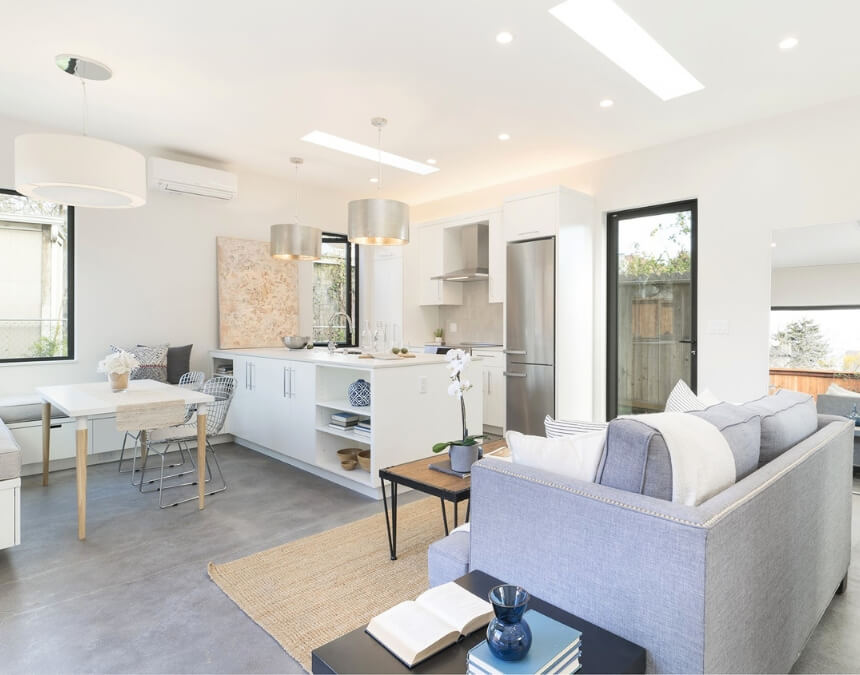
All-electric ADUs with heat pump systems and efficient appliance layouts can significantly reduce long-term utility costs in California.
Utility Coordination and SDG&E Requirements
Building an ADU in San Diego often requires coordination with SDG&E for electrical service reviews, meter placement, and utility approvals. Utility planning is an important part of the permitting process because panel upgrades, trenching work, and service changes can affect both project timelines and overall construction costs. Early coordination with utility providers can help homeowners avoid delays, failed inspections, and unexpected upgrade requirements.
Coordinating Utility Connections for an ADU
Most California ADU projects require utility coordination before construction begins, especially when adding a detached unit or increasing electrical demand.
Utility coordination may involve:
- SDG&E service applications
- Electrical load reviews
- Meter placement approval
- Trenching requirements
- Utility inspections
- Final electrical sign-offs
Detached ADUs often require trenching to connect power from the main residence to the new structure. Utility providers may also review service capacity to determine whether the existing electrical panel can support the ADU or if upgrades are required.
Homeowners in San Diego should coordinate early with SDG&E, their contractor, and local permitting departments to reduce approval delays.
Typical SDG&E Timelines for ADUs
SDG&E review timelines can vary depending on project complexity, utility workload, and whether service upgrades are required.
Common utility timeline factors include:
- Utility application reviews
- Electrical load evaluations
- Meter approval scheduling
- Inspection coordination
- Service upgrade reviews
- Permit processing timelines
Projects requiring new meters, upgraded service panels, or extensive trenching may take longer because utility approvals must be coordinated alongside local building permits and inspections.
How to Avoid Utility Delays
Early planning is one of the best ways to reduce utility-related delays during an ADU project. Many delays occur because homeowners wait too long to begin utility coordination or underestimate the electrical demands of the new unit.
Homeowners can help avoid delays by:
- Starting utility planning early
- Hiring experienced ADU contractors
- Completing accurate load calculations
- Coordinating permits before construction
- Confirming panel capacity early
- Planning ahead for solar or EV charging
Working with experienced professionals familiar with California Electrical Code, Title 24 requirements, and SDG&E processes can help streamline approvals and reduce costly project interruptions.
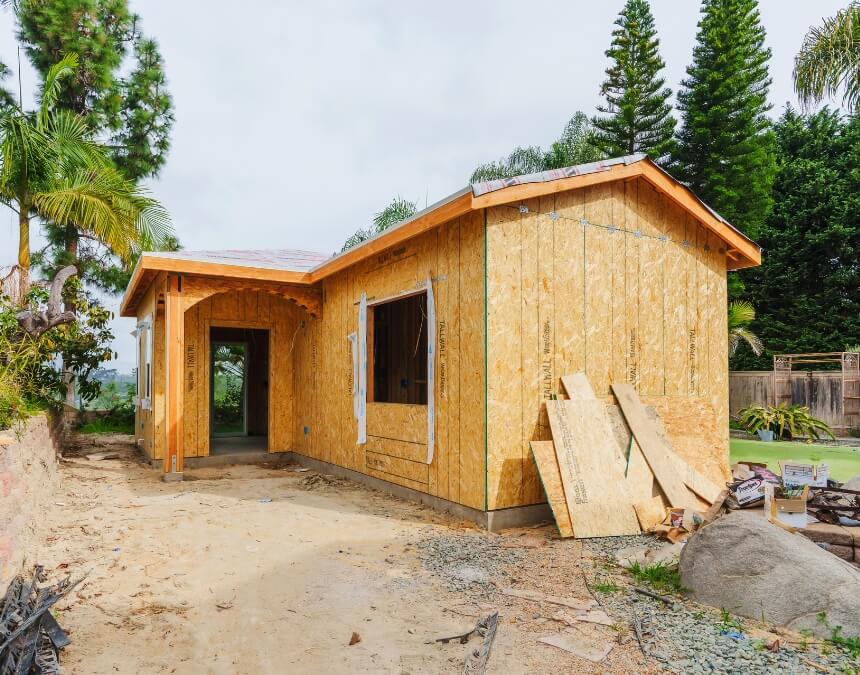
Coordinating utility applications, trenching plans, and electrical load calculations early can help keep ADU projects on schedule.
Underground vs Overhead Power Lines
The type of existing electrical service can significantly affect ADU utility planning and installation costs.
Underground utility work often increases installation costs because it may require trenching, conduit installation, and landscaping repairs. Easement restrictions or limited access can also complicate underground utility routing.
Overhead service connections may involve clearance requirements and coordination with utility poles or existing service lines. The existing utility setup on the property often determines which option is more practical for the ADU.
Projects may involve either:
| Service Type | Common Considerations |
|---|---|
| Underground power lines | Trenching, conduit installation, excavation costs |
| Overhead power lines | Clearance requirements, pole access, utility coordination |
Electrical Safety Requirements for California ADUs
California ADUs must comply with strict electrical safety requirements involving grounding, bonding, GFCI protection, AFCI protection, proper wiring methods, and code-compliant installations. These safety standards are enforced through the California Electrical Code (CEC) and local building inspections to help prevent electrical fires, shock hazards, and overloaded systems. Proper electrical safety planning is essential for passing inspections and protecting both the ADU and the primary residence.
Grounding and Bonding Requirements
Grounding and bonding are critical safety components in every California ADU electrical system. Proper grounding helps safely direct excess electrical current into the earth, while bonding ensures all electrical components remain electrically connected to reduce shock risks.
These systems help with:
- Shock prevention
- Fire prevention
- Electrical fault protection
- Safe subpanel operation
Detached ADUs with subpanels must follow specific grounding and bonding rules under the California Electrical Code. Improper grounding can increase the risk of electrical fires, equipment damage, and failed inspections.
Common Electrical Safety Mistakes in ADUs
Electrical safety issues are one of the most common reasons ADU projects fail inspection or require expensive corrections during construction.
Common safety mistakes include:
- Overloaded electrical panels
- Improper grounding or bonding
- DIY wiring installations
- Missing electrical permits
- Undersized circuits or wiring
Many older California homes were not designed to support modern electrical loads from all-electric ADUs, EV chargers, or heat pump systems. Failing to properly calculate electrical demand can create serious safety hazards and increase the risk of overheating or breaker failures.
Why Hiring a Licensed Electrician Matters
Hiring a licensed electrician is one of the most important steps in ensuring a safe and code-compliant ADU project. Experienced electricians understand California permitting requirements, local inspection standards, and utility coordination processes.
Licensed electricians help with:
- Permit compliance
- Inspection preparation
- Proper panel sizing
- Safe wiring installation
- Utility coordination with SDG&E
- California code compliance
Working with qualified professionals can help homeowners avoid failed inspections, electrical hazards, costly repairs, and project delays while ensuring the ADU meets all required safety standards.
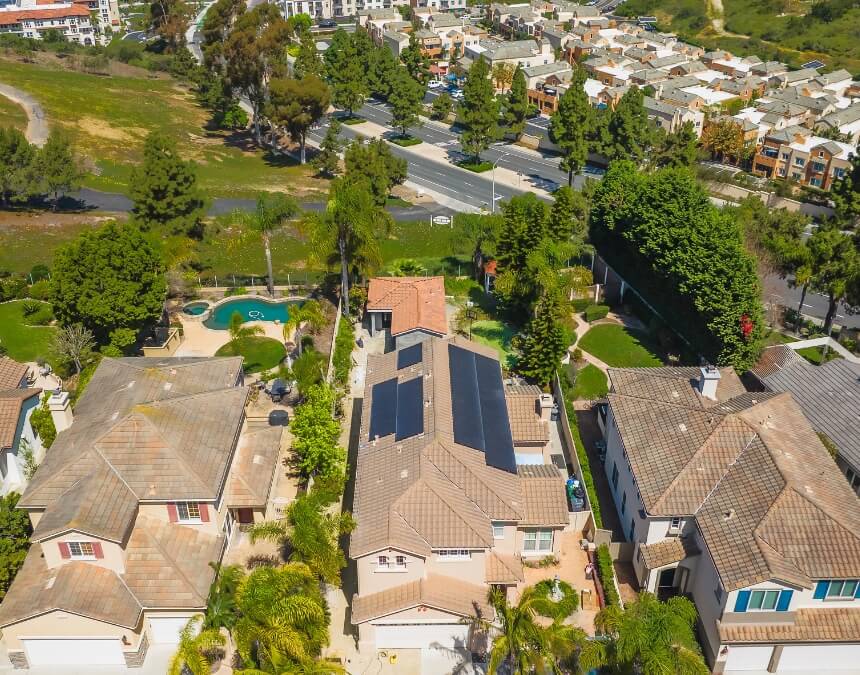
Proper electrical rough-in planning early in construction helps prevent failed inspections, overloaded circuits, and costly code corrections later.
ADU Electrical Costs in California
ADU electrical costs in California vary depending on panel upgrades, utility coordination, separate meters, wiring complexity, trenching work, and solar integration. In San Diego, costs can also increase because of SDG&E requirements, older home electrical limitations, and rising labor prices. Homeowners building all-electric ADUs should plan for both upfront installation costs and long-term energy savings when budgeting electrical work.
Regional Cost Differences in San Diego
Electrical costs in San Diego can be higher than other parts of California because of local labor pricing, utility coordination requirements, and older housing infrastructure.
Several factors commonly affect San Diego ADU electrical costs:
- SDG&E utility review requirements
- Main panel upgrade demand
- Higher labor and permit costs
- Utility inspection scheduling
- Trenching and underground utility work
Projects requiring new meters, upgraded service panels, or underground utility routing may experience longer timelines and higher installation costs because of coordination with SDG&E.
How to Reduce Long-Term Electrical Costs
Many California homeowners reduce long-term ADU operating costs by installing energy-efficient electric systems during construction. Planning for efficiency early can lower utility bills while supporting future electrification and solar integration.
Popular energy-saving upgrades include:
- Heat pump HVAC systems
- Heat pump water heaters
- Smart energy management systems
- Solar panel integration
- Energy-efficient appliances
- Smart thermostats and panels
According to The Washington Post, “Heat pump water heaters can cut energy usage by three to six times compared to conventional heaters.”
Although high-efficiency systems may cost more upfront, they can provide long-term savings over time. As noted by The Washington Post, “Installing a heat pump water heater still costs more: about $4,000… compared with about $2,500 for gas.”
For many California ADU homeowners, combining efficient electric systems with solar integration and smart energy management can help offset rising utility costs while supporting long-term energy goals.
Typical Electrical Costs for California ADUs
Electrical costs for California ADUs depend heavily on the property’s existing electrical system and the complexity of the new installation.
Separate utility meters can significantly increase project costs because they may require trenching, SDG&E coordination, additional inspections, and utility-approved meter placement. Older homes may also require service upgrades before an ADU can be safely connected.
Common electrical cost categories include:
| Electrical Upgrade | Typical Cost Factors |
|---|---|
| Panel upgrades | Existing service limitations, amperage increases |
| Subpanels | Wiring distance and load requirements |
| Separate meters | Utility coordination, trenching, inspections |
| Wiring labor | ADU size and installation complexity |
| Permit fees | Local city and inspection requirements |
| Trenching work | Underground conduit installation and patching |
Final Thoughts
California ADU electrical requirements are becoming increasingly focused on electrification, energy efficiency, safety, and future-ready infrastructure. Homeowners building ADUs in San Diego must plan for Title 24 compliance, electrical load calculations, panel capacity, solar readiness, and utility coordination with providers like SDG&E. Proper electrical planning can help prevent permit delays, failed inspections, overloaded systems, and expensive retrofits later in the project.
As California continues moving toward all-electric construction and stricter energy-efficiency standards, investing in efficient HVAC systems, heat pump water heaters, EV-ready infrastructure, and solar-compatible electrical systems can help future-proof your ADU while reducing long-term utility costs.
Working with experienced ADU professionals is critical for navigating electrical code requirements, permitting, utility coordination, and system design. A properly planned electrical system not only improves safety and energy efficiency but also supports the long-term value and functionality of the property.
Ready to Plan Your ADU Electrical System?
Speak with Better Place Design & Build about designing a code-compliant, energy-efficient ADU electrical system tailored for your property in San Diego.
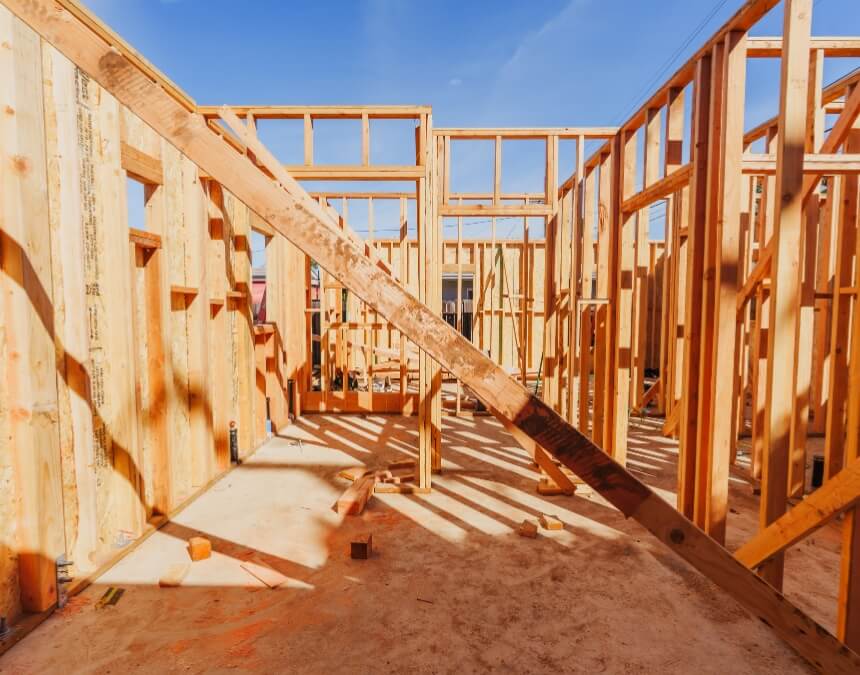
Planning for solar readiness, panel capacity, and future electrification early can help homeowners avoid expensive retrofits later.
Frequently Asked Questions
No, an ADU does not always need its own electrical panel or separate meter. Many California ADUs operate using a dedicated subpanel connected to the main home’s electrical service. However, larger ADUs or all-electric units with higher energy demand may require a main panel upgrade or separate service depending on load calculations and local utility requirements.
California ADUs must comply with the California Electrical Code (CEC) and Title 24 energy standards. Common requirements include proper electrical load calculations, dedicated appliance circuits, GFCI and AFCI protection, safe grounding, energy-efficient systems, and in many cases solar-ready or electric-ready infrastructure.
Most ADU electrical projects require permits for wiring installations, panel upgrades, subpanels, separate meters, HVAC systems, solar integration, and EV charger circuits. Electrical work must usually pass inspections before final occupancy approval is granted.
California ADUs must follow the California Electrical Code (CEC), National Electrical Code (NEC), Title 24 energy regulations, and local city or county building requirements. These codes regulate electrical safety, panel sizing, wiring methods, grounding, ventilation, and energy efficiency standards.
California building codes affect nearly every part of an ADU electrical system, including panel capacity, dedicated circuits, solar readiness, EV charger planning, HVAC efficiency, and electrical safety protections. Local jurisdictions may also enforce additional permitting and utility coordination requirements.
California ADUs must include proper grounding and bonding, GFCI and AFCI protection, code-compliant wiring methods, and safe circuit sizing. These safety standards help reduce the risk of electrical fires, overloaded systems, and electrocution hazards while ensuring the ADU passes inspection.
Most California ADUs use a 100-amp electrical panel, although smaller units may require less and larger all-electric ADUs may require additional capacity. Panel sizing depends on the ADU’s appliances, HVAC system, EV charger planning, water heating equipment, and future expansion needs.
More Projects
-
ADU Trends & Insights
The Perfect ADU Kitchen
Discover how smart layouts and stylish design choices can transform even the smallest ADU kitchens into luxurious, functional spaces.
-

ADU Trends & Insights
How Does Choosing the Right Color Scheme Impact an ADU’s Design and Value?
Choosing the right ADU color scheme—especially light, neutral palettes with intentional accents—can make small spaces feel larger, improve livability, and increase rental and long-term property value.
-
ADU Trends & Insights
What Is ADU Construction?
ADU construction involves planning, permitting, and building a self-contained living space on a residential property — adding value, flexibility, and income potential without buying new land.
-
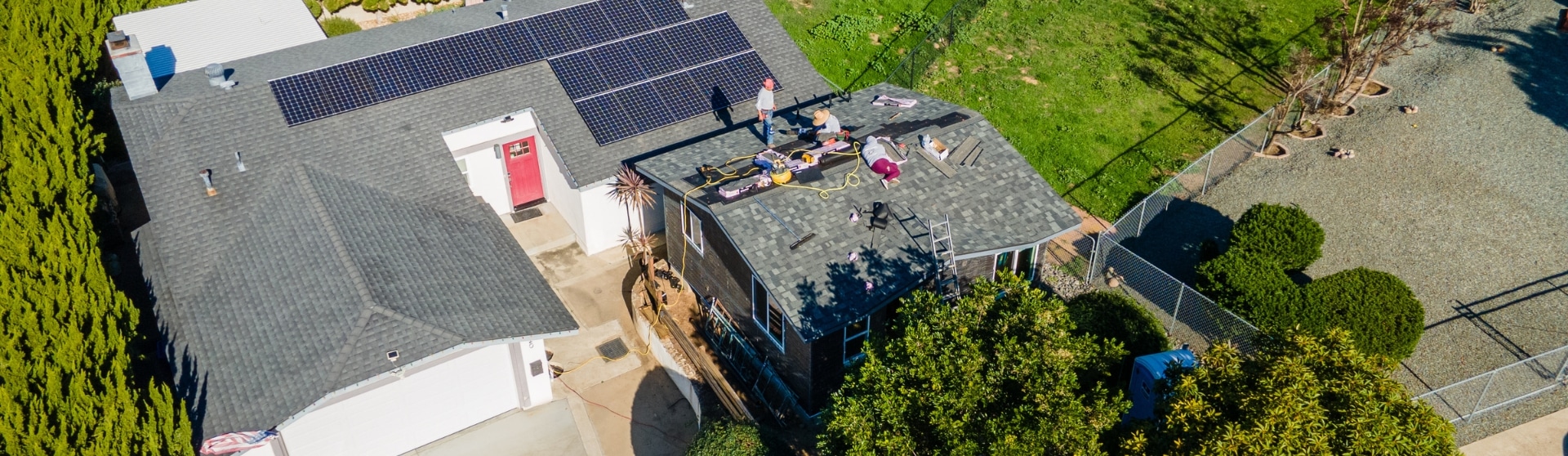
ADU Trends & Insights
What Are ADU Electrical Requirements in California?
Get the complete breakdown of electrical requirements for ADUs in California, from panel upgrades to solar compliance, to help you build safely and within code.
-
ADU Trends & Insights
How to Build an ADU in the San Diego Coastal Zone
Building an ADU in San Diego’s Coastal Zone requires checking if the property is in the Coastal Overlay Zone, which typically triggers a Coastal Development Permit or exemption.
-
ADU Trends & Insights
Do You Trust Your Builder?
You can trust your ADU builder when they prove real ADU experience, proper California licensing/insurance, and clear written contracts, not just a good sales pitch.
-
ADU Trends & Insights
What Are the Legal Bedroom Requirements in California?
California has made building ADUs easier to tackle the housing crisis, but specific state and local regulations still apply. Here's what you need to know before starting.
-
ADU Trends & Insights
SB9 vs ADU: What’s the Difference and Which Is Better?
While promising, the complexity and lengthy approval process of SB9 projects make traditional accessory dwelling units (ADUs) an often simpler and quicker alternative for expanding property use.
-
ADU Trends & Insights
How to Finance an ADU Project in California
California homeowners can finance an ADU using home equity, cash-out refinancing, construction or renovation loans, and programs like San Diego’s SDHC (up to $250K), with rental income often helping offset the $200K–$450K build cost.
-
ADU Trends & Insights
Can an HOA Prevent an ADU in California?
If you’re part of a homeowners association and considering building an accessory dwelling unit on your property, it's key to consider any rules your HOA may have about ADUs.
-
ADU Trends & Insights
How to Finance an ADU in San Diego
ADUs are growing popular in San Diego, offering housing for family or rental income, but demand substantial upfront investment.
-
ADU Trends & Insights
What Qualifies as an ADU?
ADUs are reshaping the California housing market, providing homeowners with cost-effective, independent living spaces to meet diverse needs.
-
ADU Trends & Insights
How Much Does an ADU Increase Property Value?
Discover how adding an ADU can significantly boost your property value, generate rental income, and enhance long-term equity—all while making the most of your available space.
-
ADU Trends & Insights
How Does ADU Construction Work in San Diego, CA?
San Diego’s ADU process is fast and flexible, with permits approved within 60 days and options for detached units up to 1,200 sq. ft. or garage conversions. Thanks to state laws and the city’s ADU Bonus Program, homeowners can build quickly, add value, and even earn extra units by including affordable housing.
-
ADU Trends & Insights
Should You Invest in Building an ADU in San Diego?
Building an ADU in San Diego can be a worthwhile investment for homeowners looking to generate rental income, increase property value, or create flexible living space for family members. An Accessory Dwelling Unit (ADU) is a secondary residential unit built on the same lot as a primary home, and demand for ADUs continues to grow […]
-
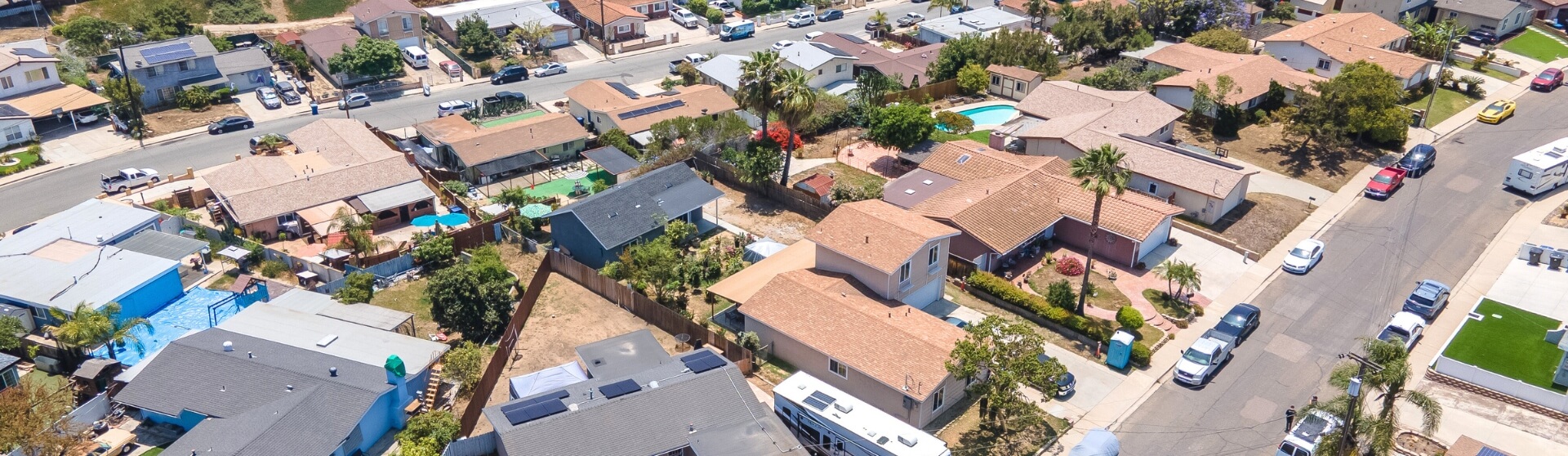
ADU Trends & Insights
What is stormwater management for Accessory Dwelling Units (ADUs) in California?
Stormwater management for ADUs is the process of controlling and treating rainwater runoff generated by new backyard cottages or secondary homes.
-
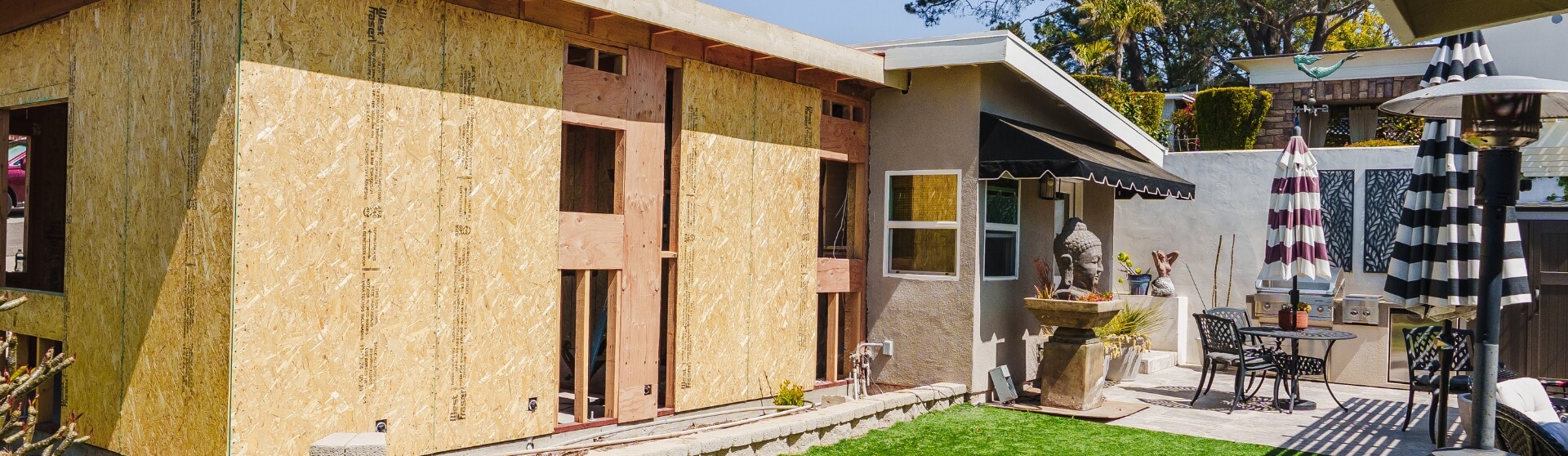
ADU Trends & Insights
Garage ADU: What It Is, Costs, Rules, and Conversion Options
Unlock your property's potential by converting your detached garage into a cost-effective, versatile ADU that increases property value and generates rental income.
-
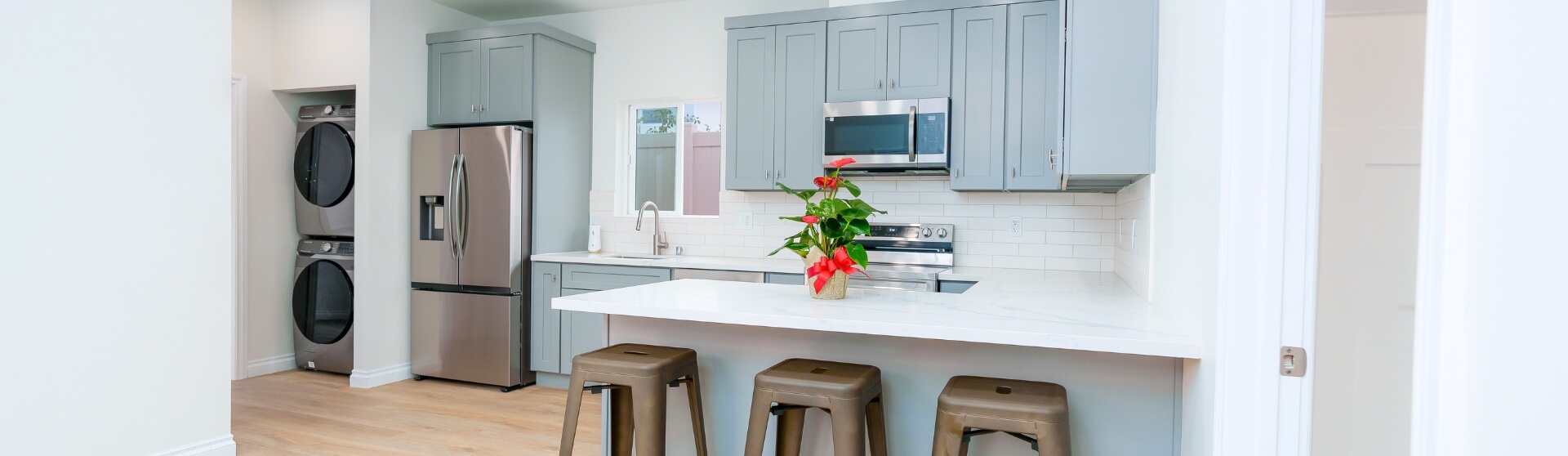
ADU Trends & Insights
How Long Until an ADU Pays for Itself?
Most ADUs pay for themselves within 5–15 years by combining rental income and property value appreciation, with faster payback in high-demand markets like San Diego.
-
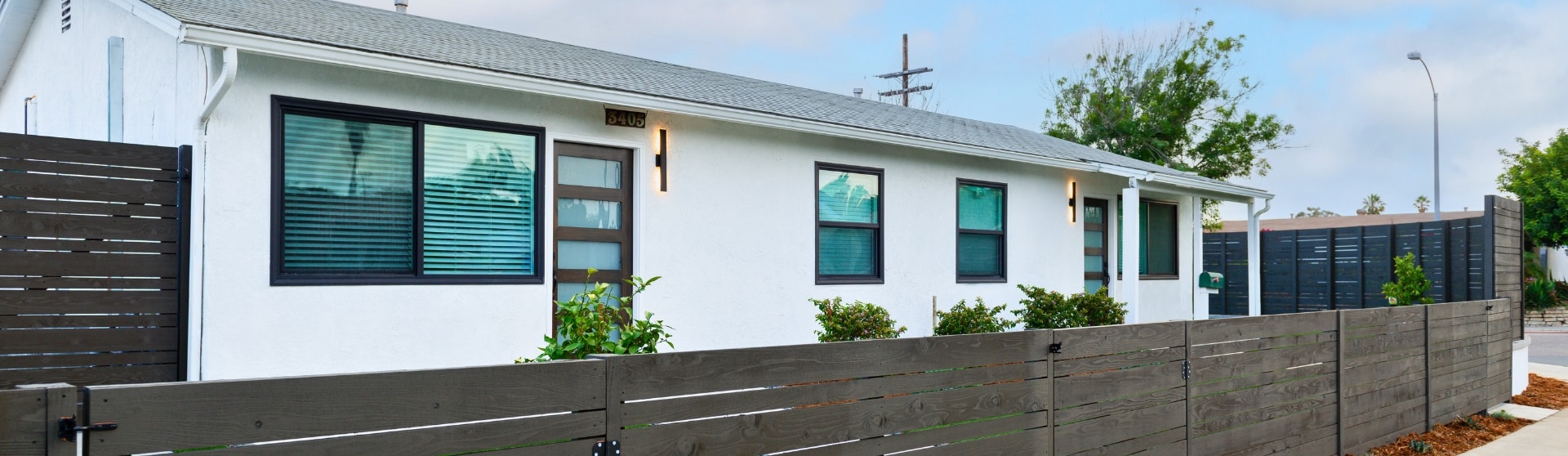
ADU Trends & Insights
What Is ADU Rental Income and Why Are California Homeowners Investing in It?
Explore how to maximize rental income from an ADU with tips on design, rental strategies, and legal considerations to turn your ADU into a profitable investment.
-
ADU Trends & Insights
Custom ADU: Your Ultimate Guide
A custom ADU may cost more than manufactured or prefab units, depending on size, type, and finishes, but it offers several benefits.
-
ADU Trends & Insights
Construction Loans vs. Personal Loans for ADUs: What Do California Homeowners Need to Know?
Building an ADU in California typically requires high financing and San Diego homeowners usually choose between construction loans, which are based on the future value of the property, and personal loans, which offer fast approval but higher interest rates.
-
ADU Trends & Insights
Using a HELOC to Fund an ADU in California?
A HELOC lets California homeowners fund an ADU in phases using home equity, paying interest only on what they use. In San Diego, strong rental income often offsets payments, though variable rates and post–draw-period repayment increases should be considered.
-
ADU Trends & Insights
Where Can ADUs be Built in San Diego, CA?
ADUs are allowed on nearly all residential lots in California, including single-family and multifamily properties, under state law. In San Diego, any property zoned for residential use qualifies, making it easier than ever for homeowners to add an ADU and expand their living or rental space.
-
ADU Trends & Insights
What Are ADU Owner Occupancy Requirements?
ADU owner occupancy requirements are rules that require a property owner to live on the same lot as an accessory dwelling unit, either in the primary residence or the ADU itself. These rules were historically imposed by local governments to discourage absentee landlords and preserve neighborhood character. In California, however, owner-occupancy requirements for ADUs are […]
-
ADU Trends & Insights
How We Make Your ADU’s Interior Design Stress Free & Feel Like Home
Our interior designers simplify the finish selection process—so you get a stylish, renter-friendly ADU without the stress, delays, or costly mistakes.
-
ADU Trends & Insights
Prefab ADUs: Pros and Cons
Explore the pros and cons of prefab ADUs in California, including cost, customization, durability, and ROI, to decide if modular construction suits your needs.
-
ADU Trends & Insights
What Are the Key Differences Between Attached and Detached ADUs in California?
An attached ADU shares at least one wall or structural connection with the primary residence, while a detached ADU is a standalone structure located on the same property. Both provide complete independent living facilities, including areas for living, sleeping, cooking, and sanitation, but they differ in privacy, construction requirements, utility infrastructure, design flexibility, and rental […]
-
ADU Trends & Insights
How Do You Compare ADU Builder Quotes in San Diego and California?
Compare itemized ADU quotes—labor, materials, permits, timelines—to ensure transparent pricing, true value, and no surprise costs.
-
ADU Trends & Insights
What Is a Retaining Wall for an ADU?
A retaining wall for an ADU is a structural wall designed to hold back soil, stabilize slopes, and create a level building area. These walls help prevent erosion, protect the structure from water damage, and make construction possible on sloped or uneven lots.
-
ADU Trends & Insights
How Many ADUs Can You Have on Your Property in California?
Understand California's rules for ADUs and JADUs, including property limits, zoning laws, and strategies to maximize space, rental income, and property value.
-
ADU Trends & Insights
What Roofing Options Are Best for ADUs in California (Especially San Diego)?
The best ADU roofing in California (especially San Diego) balances budget, durability, and curb appeal—using options like asphalt shingles, metal, tile, or low-slope membranes that meet Title 24 cool-roof/solar requirements and hold up to intense sun, heat, and wildfire risk.
-
ADU Trends & Insights
What Is a Casita? Definition, Uses, and How It’s Different From an ADU
Casitas are stylish, small ADUs under 800 sq. ft., perfect for guests, rentals, or in-law suites. Discover the benefits, costs, and designs.
-
ADU Trends & Insights
Setback Requirements for ADUs in San Diego
Ensure your ADU meets California's setback requirements—learn essential rules, local variations, and expert tips to maximize your space and streamline permitting.
-
ADU Trends & Insights
Should You Build Your ADU Yourself or Hire a Contractor in San Diego, California?
Building your own ADU in San Diego can save on labor and contractor markup, but it’s essentially managing a small-house build with permits, trades, and inspections—so hiring an experienced contractor (or using a hybrid approach) often reduces delays, risk, and costly mistakes.
-
ADU Trends & Insights
How do ADUs benefit real estate agents in California and San Diego?
ADUs benefit real estate agents in California and San Diego by increasing property value and buyer appeal, creating built-in rental and multigenerational living opportunities, and giving ADU-savvy agents a competitive edge in pricing, marketing, and closing deals in a tight housing market.
-
ADU Trends & Insights
Downsizing to an ADU: Benefits, Costs, and Key Considerations
Downsizing to an ADU means moving into an Accessory Dwelling Unit—a smaller, self-contained home on your property—while renting out or repurposing your main house.
-
ADU Trends & Insights
What Is ADU Project Management?
ADU project management is the process of overseeing every stage of an accessory dwelling unit project to ensure it stays on schedule, within budget, and compliant with local regulations. It involves coordinating architects, contractors, and inspectors while managing permits, timelines, and construction milestones. Effective project management also includes tracking costs, minimizing delays, and maintaining clear […]
-

ADU Trends & Insights
What Are the Best Loan Programs for ADUs in California (San Diego Guide)?
California homeowners can finance ADUs through home equity, construction or renovation loans, cash-out refinancing, and programs like CalHFA (when available) and San Diego’s SDHC, with the best option depending on equity, income, and timing.
-
ADU Trends & Insights
Are Pre-Approved ADU Plans Right for You in San Diego?
Compare pre-approved vs. custom plans and why the cheapest option isn't always best.
-
ADU Trends & Insights
Spanish Style ADUs
Explore the timeless elegance of Spanish-style ADUs with iconic features like stucco walls, red tile roofs, and stunning architectural details.
-
ADU Trends & Insights
Why ADUs & Costs Matter in San Diego
Planning an ADU in San Diego? Get the lowdown on all the hidden costs that can catch you off guard.
-
ADU Trends & Insights
How Do You Design the Perfect Granny Flat?
Designing the perfect granny flat starts with understanding local ADU regulations, defining the unit’s intended use, and planning a layout that maximizes comfort within a compact footprint. In California, granny flats—legally classified as Accessory Dwelling Units (ADUs)—must comply with state and local rules covering size, setbacks, and permitting. A successful design balances budget, livability, and […]
-

ADU Trends & Insights
Is it Worth It To Build An ADU in 2026? Assessing the ROI of Building an ADU
Discover the financial benefits and pitfalls of building an ADU with our comprehensive, detailed guide.
-
ADU Trends & Insights
How Do You Budget for an ADU Build in California and San Diego?
Learn how to budget for an ADU in California and San Diego by understanding costs, timelines, financing options, and strategies to avoid surprises and maximize long-term value.
-
ADU Trends & Insights
When Do You Need a Survey for an ADU in San Diego?
A survey for an ADU in San Diego is typically required when the new unit is built close to property lines, situated on a sloped or irregular lot, or when local regulations mandate setback verification.
-
ADU Trends & Insights
What are the universal design principles for ADUs?
Universal design principles for ADUs focus on creating safe, flexible, and comfortable homes—using features like step-free entries, wider doorways, accessible bathrooms, and intuitive layouts—so the space remains usable for people of all ages and abilities over time.
-
ADU Trends & Insights
What Is the Cost of Building an ADU in California?
The cost of building an ADU in California varies based on factors such as size, design, site conditions, utility work, and local fees. A statewide homeowner survey found that the median ADU construction cost is $150,000, or approximately $250 per square foot, providing a useful benchmark for homeowners planning an ADU. The California Department of […]
-
ADU Trends & Insights
What Is a Granny Flat? Definition, Types, and How They’re Used
Granny flats offer San Diego homeowners flexible housing solutions, from accommodating family to generating rental income, with options including detached builds, garage conversions, or junior ADUs.
-
ADU Trends & Insights
What Are the Best Floor Plans for ADUs?
The best ADU floor plans are goal-driven and code-compliant—using efficient layouts like studios, 1-bed/1-bath rentals, or split-bedroom designs that maximize light, privacy, and flexibility while fitting your lot and budget.
-
ADU Trends & Insights
Are ADUs a good alternative to nursing homes for California homeowners?
ADUs offer California homeowners a practical alternative to nursing homes by allowing aging parents to live independently on the same property, supporting aging in place while turning ongoing care costs into a long-term home investment.
-
ADU Trends & Insights
How Do You Integrate Outdoor Living Into ADU Design?
Integrating outdoor living features such as patios, decks, and seamless indoor-outdoor connections helps ADUs feel larger, more livable, and more valuable.
-
ADU Trends & Insights
What is the importance of an ADU feasibility study in California and San Diego?
An ADU feasibility study is a comprehensive analysis of zoning, site constraints, existing utilities, and a proposed design that determines whether building an accessory dwelling unit is practical and financially viable on a specific property.
-
ADU Trends & Insights
California ADU Law: The Ultimate Guide
California has streamlined ADU construction to address the housing crisis, but development standards still apply. Check local regulations before starting your project.
-
ADU Trends & Insights
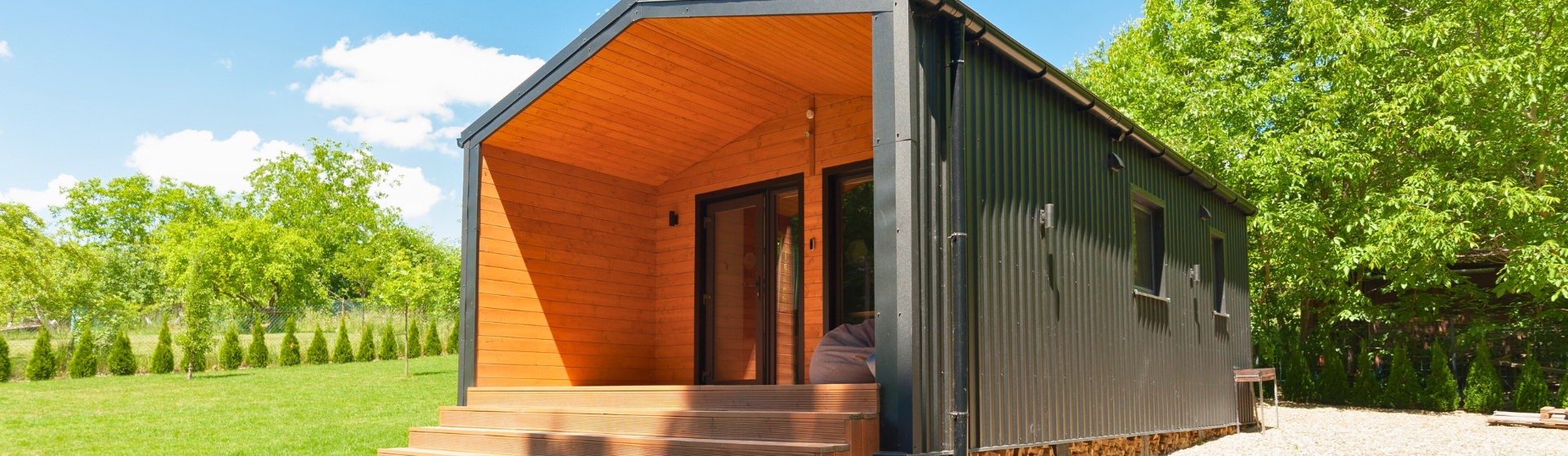
ADU Manufactured Homes in San Diego: Are They Right for You?
Discover whether a manufactured home is the right choice by exploring costs, regulations, benefits, and potential drawbacks.
-
ADU Trends & Insights
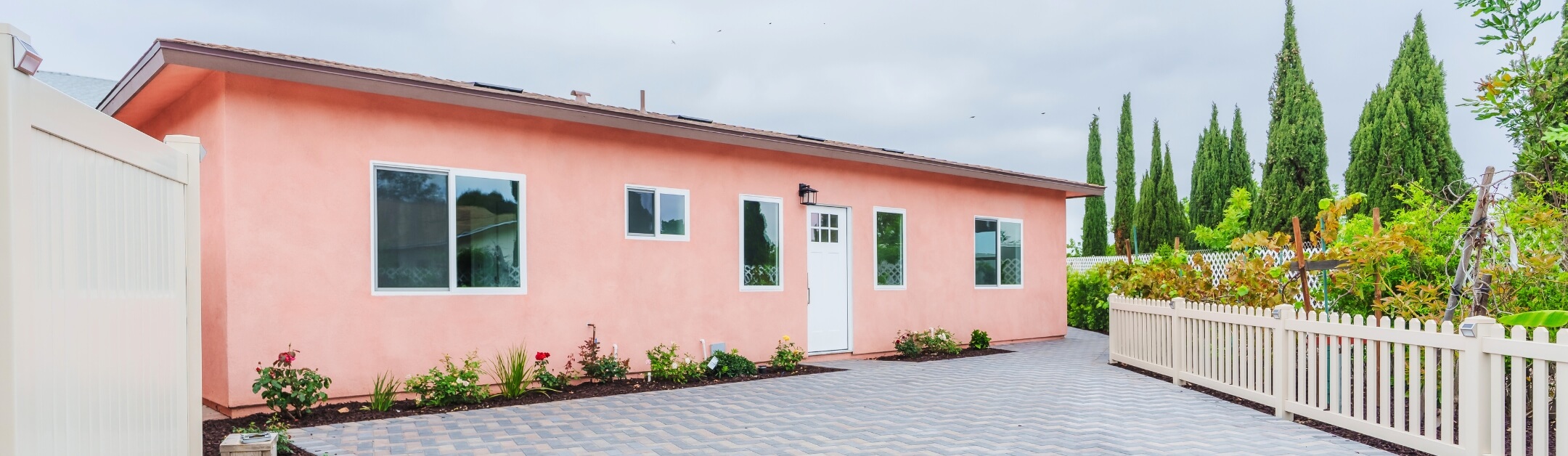
What Is an ADU Cost Breakdown?
An ADU cost breakdown shows where your budget goes—hard construction costs (about 85–90%) versus soft costs like plans, permits, and city fees (about 10–15%)—so you can set realistic expectations and avoid surprises.
-
ADU Trends & Insights
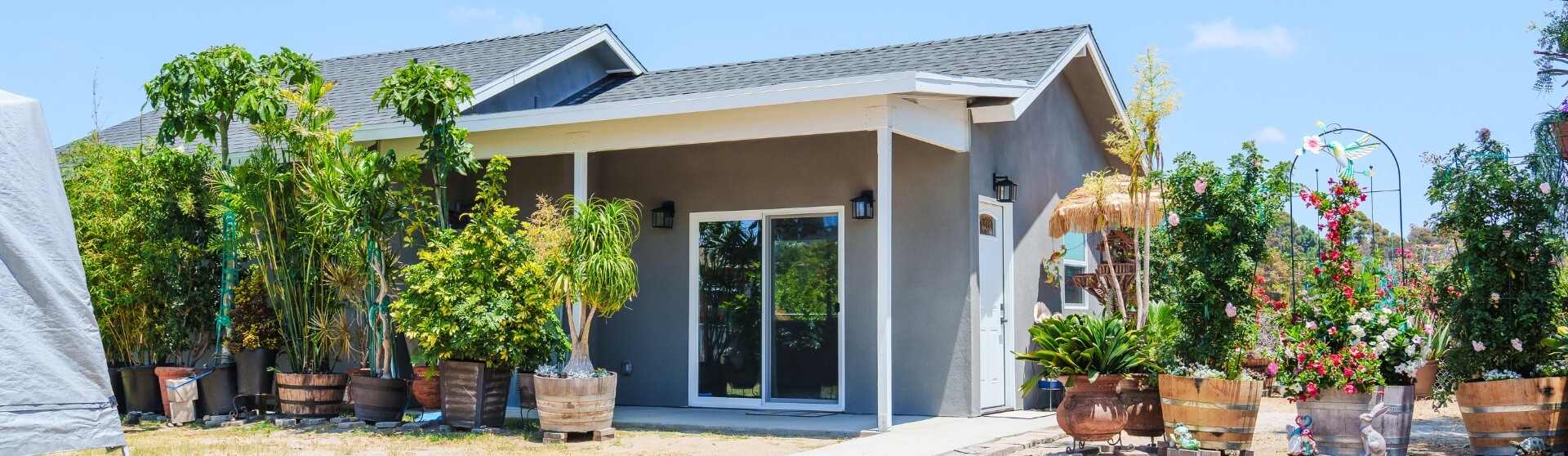
What Makes an Ideal Lot for an ADU in California (Especially San Diego)?
An ideal ADU lot in California (especially San Diego) is flat or gently sloped with enough clear buildable space for setbacks, good construction access, nearby utility tie-ins, and minimal easements or overlays—since slope, access, and utility distance are the biggest drivers of cost and feasibility even with “by-right” ADU rules.
-
ADU Trends & Insights
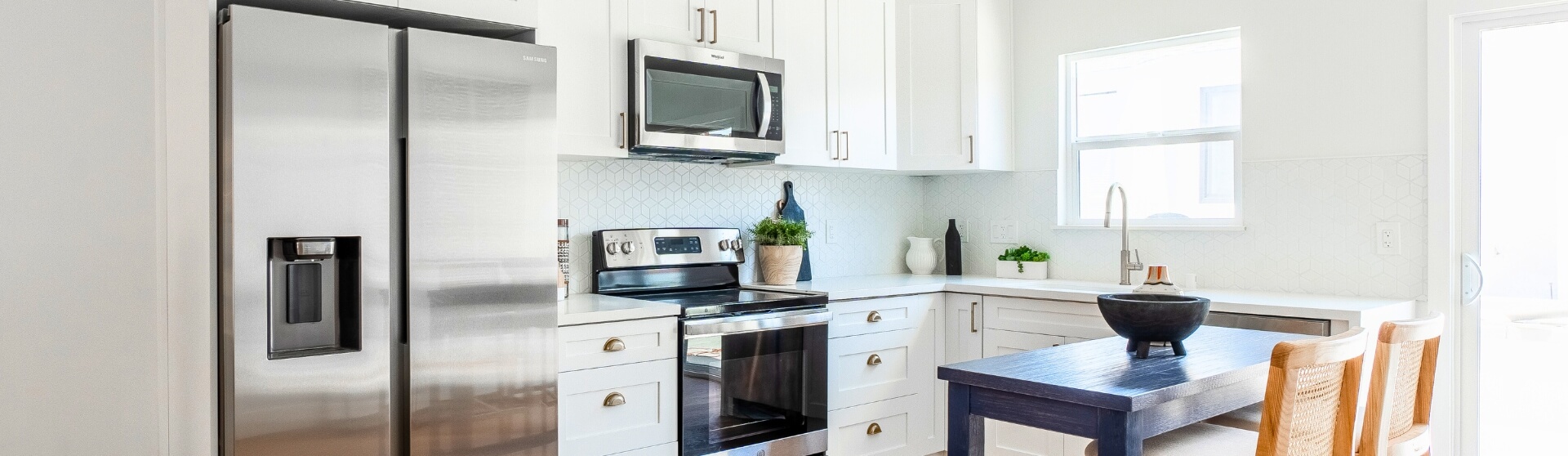
Best ADU Designs
Explore essential ADU design trends and practical insights, from layout optimization to style choices, ensuring your accessory dwelling unit maximizes comfort, functionality, and investment potential.
-
ADU Trends & Insights
13 Common Misconceptions About ADUs
Uncover the truth about ADU misconceptions and navigate construction, costs, and regulations for informed decisions.
-
ADU Trends & Insights
ADU vs JADU: What’s the Difference?
Explore the crucial differences between ADUs and JADUs—including size, regulations, costs, and ROI—to determine the best fit for your property and goals.
-
ADU Trends & Insights
Can You Sell an ADU in San Diego?
San Diego's pending ordinance may soon enable homeowners to sell ADUs as separate condominiums, expanding affordable housing opportunities.
-
ADU Trends & Insights
20 Day Preliminary Notice for ADUs in California: Requirements and Deadlines
A California 20-Day Preliminary Notice is a required filing for most ADU projects that subcontractors and suppliers must send within 20 days of providing labor or materials, notifying owners, contractors, and lenders.
-
ADU Trends & Insights
Key Differences Between Pool Houses and ADUs
Discover the differences between pool houses and ADUs to choose the right addition for your property—find out about amenities, regulations, and value impact!
-
ADU Trends & Insights
What Are Vaulted Ceilings and High Ceilings in ADUs and Are They Worth It in California?
Vaulted ceilings enhance ADUs by maximizing vertical space, increasing natural light, improving comfort, and boosting long-term property value in California when designed and built correctly.
-
ADU Trends & Insights
What Is an ADU Cost Calculator and How Much Does It Cost to Build an ADU in California?
An ADU cost calculator helps California homeowners estimate the cost of building an accessory dwelling unit based on factors like square footage, construction type, utility work, site conditions, and finish quality. In California, ADU construction costs typically range from $100,000 to $200,000, although detached ADUs with premium finishes or difficult site conditions can exceed that […]
-
ADU Trends & Insights
When Should You Build an ADU in San Diego?
ADU construction involves planning, permitting, and building a self-contained living space on a residential property — adding value, flexibility, and income potential without buying new land. In California, ADUs now make up about one in six new homes, reflecting their growing role in solving the state’s housing shortage.
-
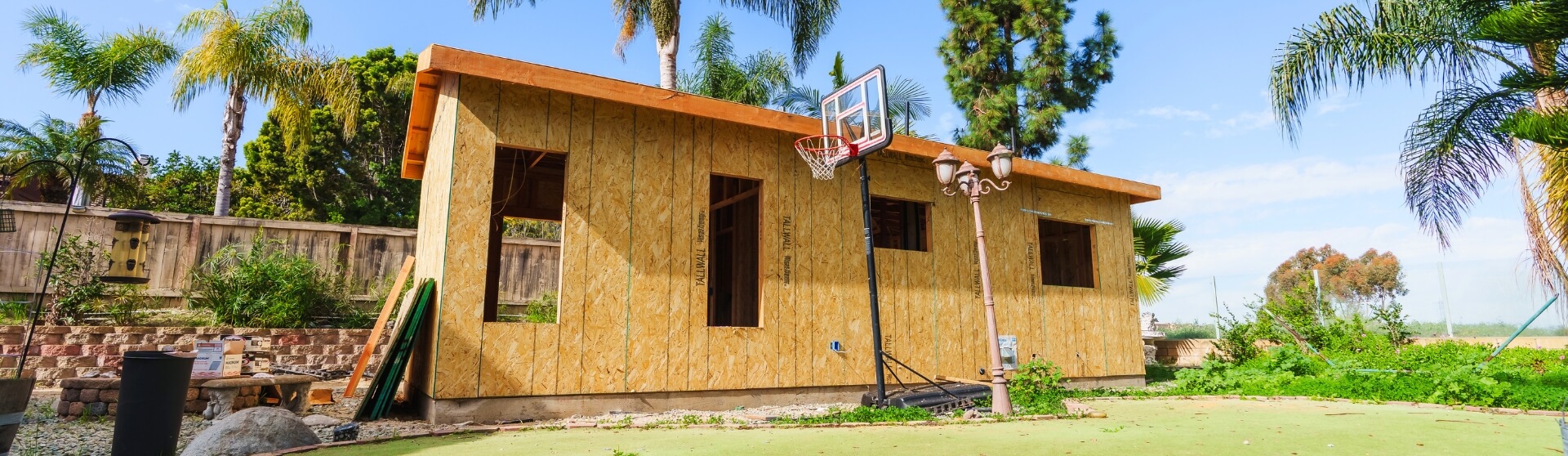
ADU Trends & Insights
Why Do You Need an Experienced ADU Builder in California?
An experienced ADU builder helps homeowners navigate California’s complex permitting rules, zoning regulations, and construction requirements while avoiding costly mistakes and delays. Accessory Dwelling Units (ADUs) are secondary housing units built on the same property as a primary residence and can include detached backyard homes, attached additions, garage conversions, or basement apartments with independent living […]
-
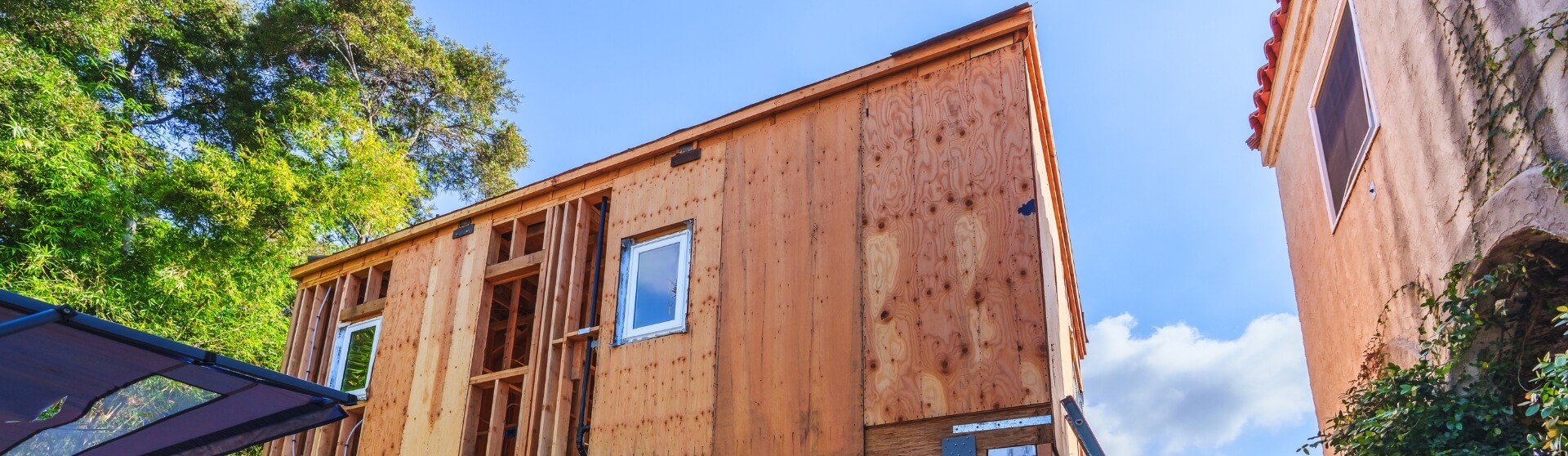
ADU Trends & Insights
What Are Stacked Accessory Dwelling Units (ADUs)?
Stacked ADUs are two fully independent accessory dwelling units built vertically in a single two-story structure, allowing California homeowners to add multiple homes on one lot without increasing the building footprint when local height and zoning rules allow.


