


What Are the Key Differences Between Attached and Detached ADUs in California?
 Share
Share
132 min read
An attached ADU shares at least one wall or structural connection with the primary residence, while a detached ADU is a standalone structure located on the same property. Both provide complete independent living facilities, including areas for living, sleeping, cooking, and sanitation, but they differ in privacy, construction requirements, utility infrastructure, design flexibility, and rental appeal. For California and San Diego homeowners, the best choice often depends on lot size, budget, intended use, and long-term goals. According to the California Department of Housing and Community Development (HCD) and the City of San Diego, both attached and detached ADUs are legally recognized forms of accessory housing that can provide valuable living space and long-term flexibility.
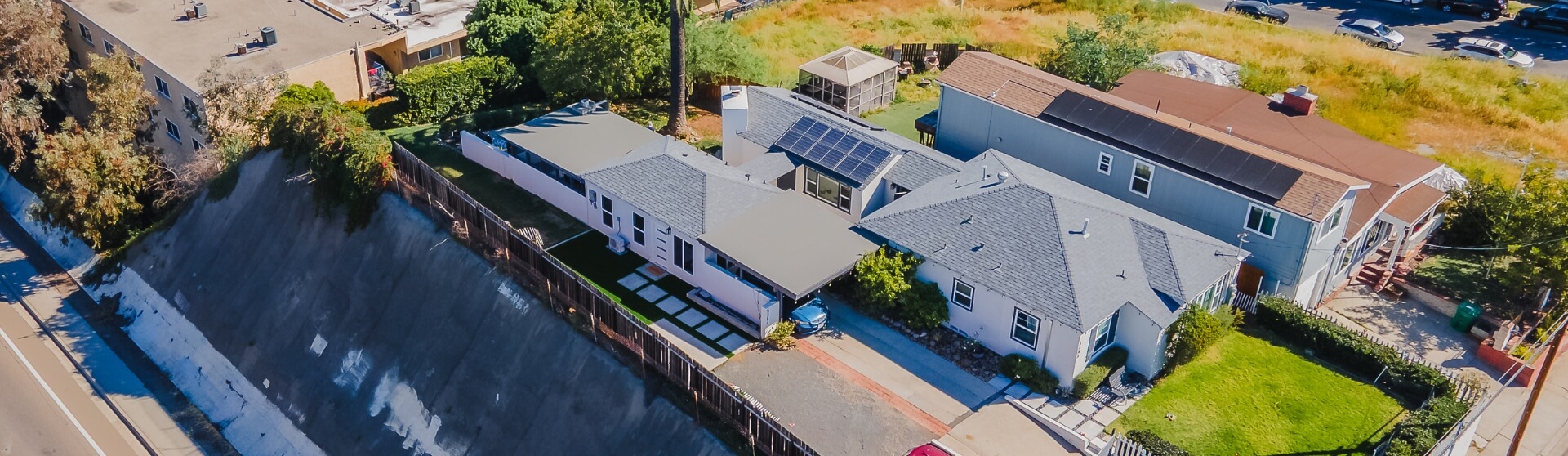

Attached vs Detached ADU at a Glance
An attached ADU shares at least one wall or structural connection with the primary residence, while a detached ADU is a separate structure located on the same property. Both can be used for long-term housing, multigenerational living, or rental income, but detached ADUs typically offer more privacy, while attached ADUs often benefit from lower construction costs and shared infrastructure.
| Factor | Attached ADU | Detached ADU |
|---|---|---|
| Definition | Connected to the primary residence and shares at least one wall. | Separate standalone structure on the same lot. |
| Privacy | Less privacy due to shared walls and proximity to the main home. | Greater privacy and independence for occupants. |
| Construction Cost | Often lower because existing walls and infrastructure can be utilized. | Typically higher because a new foundation, roof, and utility infrastructure may be required. |
| Utility Connections | May share utility systems with the primary residence, depending on project type and local requirements. | More likely to require additional utility infrastructure and connection planning. |
| Design Flexibility | Must often integrate with the architecture and footprint of the existing home. | Greater flexibility in layout, appearance, windows, rooflines, and site placement. |
| Rental Potential | Suitable for long-term rentals but may offer less tenant separation. | Often preferred for rental income because it functions more like a standalone home. |
| Property Value Impact | Can increase property utility and living space. | Often viewed as a premium feature due to privacy and independent living potential. |
| San Diego Zoning Considerations | May benefit from existing infrastructure but must comply with local development standards. | May qualify for unique setback allowances and has specific solar-related considerations. |
| Best Use Cases | Smaller lots, home additions, garage conversions, housing family members nearby. | Backyard cottages, independent guest housing, long-term rentals, multigenerational living with more separation. |
Why More California Homeowners Are Building ADUs
California homeowners are increasingly turning to accessory dwelling units (ADUs) as a practical solution for creating additional living space, generating income, and accommodating changing family needs. State legislation and streamlined building permit processes have made ADUs more accessible in recent years, helping them become an important part of California’s housing supply. Homeowners can now explore a variety of options, from an attached dwelling unit to standalone backyard homes, while navigating local zoning laws and development requirements. According to the California Department of Housing and Community Development (HCD), ADUs are considered “innovative and effective” housing options that can help address housing shortages while providing homeowners with greater flexibility.
ADUs Have Become Mainstream Housing
ADUs are no longer a niche housing solution. Across California, homeowners are using ADUs to maximize the value and functionality of their properties while contributing to the state’s growing housing inventory. Growing demand for housing, combined with more flexible building requirements and development standards, has helped fuel this trend throughout the state.
“California permitted more than 83,000 ADUs between 2016 and 2022, and ADUs accounted for roughly 19% of new housing production statewide.” (Wikipedia)
This rapid growth highlights how ADUs have evolved from occasional backyard projects into a mainstream housing option for homeowners throughout California. Whether through conversions, additions, or New Construction ADUs, homeowners are finding new ways to make better use of their properties.
Why Homeowners Choose ADUs
Homeowners choose ADUs for a variety of financial, family, and lifestyle reasons. Whether attached or detached, an ADU can provide long-term flexibility that adapts to changing household needs over time. Modern ADUs can also be customized through thoughtful design and layout choices that align with a homeowner’s goals and available space.
Rental Income
Many homeowners build ADUs to generate long-term rental income. A secondary dwelling unit can provide an additional revenue stream while helping meet local housing demand. As housing costs continue to rise, ADUs offer a way to create rental housing without purchasing a separate investment property.
Multigenerational Living
ADUs make it easier for multiple generations of a family to live on the same property while maintaining privacy and independence. This arrangement can help families stay connected while reducing housing costs and making more efficient use of existing residential lots.
Housing Adult Children or Aging Parents
An ADU can provide a comfortable and private living space for adult children, aging parents, or other family members who want to remain close to loved ones without sharing the same household. Depending on the property’s lot size and layout, homeowners can choose between attached or detached designs that best fit their family’s needs.
Increasing Property Value
Adding a legal secondary dwelling can improve a property’s functionality and appeal. Many homeowners view ADUs as a long-term investment that expands the ways a property can be used while creating additional housing opportunities on the same lot.
Creating Flexible Living Space
An ADU can serve multiple purposes throughout its lifespan, including guest accommodations, a home office, housing for family members, or a future rental unit. This versatility is one of the primary reasons ADUs continue to grow in popularity across California, especially as homeowners seek flexible housing solutions that can adapt to changing needs over time.
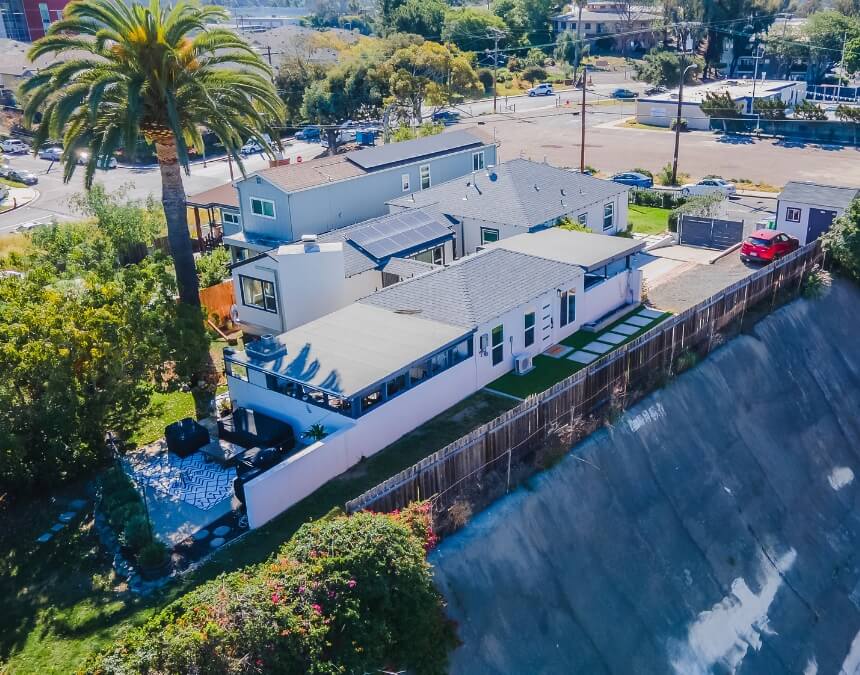
Growing housing demand and flexible state laws continue to make ADUs an attractive investment for California homeowners.
Understanding the Fundamentals: What Defines an ADU?
Before comparing attached and detached ADUs, it’s important to understand what legally qualifies as an accessory dwelling unit in California. While ADUs can vary in size, floor area, design, and location on a property, they must meet specific state requirements related to independent living, access, and functionality. Homeowners should also be aware that local zoning laws, building standards, and development regulations may influence what type of ADU can be built on a particular lot. Understanding these requirements can help homeowners determine what type of ADU is possible on their property and avoid common misconceptions during the planning process.
What Is an Accessory Dwelling Unit (ADU)?
An accessory dwelling unit (ADU) is a secondary residential unit located on the same lot as a main dwelling. California defines an ADU as a self-contained living space that includes permanent provisions for living, sleeping, cooking, and sanitation. ADUs can be attached to the primary home, detached as a separate structure, or created through the conversion of existing space. (California HCD)
California Definition of an ADU
To qualify as an ADU under California law, the unit must function as an independent residence. This means it must contain all of the essential features needed for someone to live in the space on a long-term basis.
An ADU typically includes:
- Independent living facilities
- A separate entrance
- A kitchen or cooking area, which may be designed as an efficiency kitchen in certain ADU configurations
- A bathroom with sanitation facilities
- A sleeping area
- Permanent residential use
California recognizes both attached and detached ADUs, provided they meet state and local development standards. These standards may address issues such as utilities and connections, setbacks, height limits, and other site-specific requirements. (California HCD)
California ADU Laws Homeowners Should Know
California has enacted several laws designed to make ADU construction more accessible for homeowners. These regulations limit local barriers and establish statewide standards for ADU approval and development.
Key statewide provisions include:
- A ministerial approval process that eliminates discretionary review for qualifying ADU projects
- A 60-day review timeline for completed ADU applications
- Statewide standards governing size, setbacks, height, and other development requirements
- Protections against overly restrictive local regulations
These reforms have helped accelerate ADU development throughout California by creating a more predictable approval process for homeowners. Before submitting an application, homeowners may still need to provide Required Plans and Documents, including Construction Drawings and other materials required by the local Building and Safety Division. (California HCD)
What Is the Ministerial Approval Process?
A ministerial approval process means qualifying ADU applications are reviewed against objective standards rather than subjective design review criteria. In most cases, local agencies cannot require public hearings or discretionary approvals for ADUs that comply with applicable regulations.
This streamlined process is one of the primary reasons ADUs have become more accessible to homeowners throughout California. Depending on the jurisdiction, homeowners may work with planning staff, design-build services, or conduct preliminary feasibility studies before submitting an application. (California HCD)
What Is the 60-Day Permit Review Requirement?
California law requires local agencies to act on a completed ADU application within a specific timeframe.
“California requires local agencies to approve or deny a completed ADU application within 60 days.” (Government Code §65852.2)
While the overall project timeline may vary depending on revisions, construction schedules, site conditions, and local review requirements, the 60-day requirement helps provide greater certainty during the permitting process.
Are Attached ADUs Limited to 50% of the Primary Home?
This is one of the most common misconceptions homeowners encounter when researching ADUs.
“The idea that attached ADUs are limited to 50% of the primary home is not a statewide California rule.” (California HCD)
Some local jurisdictions may apply size limitations, lot size restrictions, or other development standards based on the existing residence, but California does not impose a universal statewide requirement that all attached ADUs be limited to 50% of the primary home’s square footage. Because local regulations can vary by Zoning District, homeowners should always verify requirements with their city or county planning department before beginning the design process.
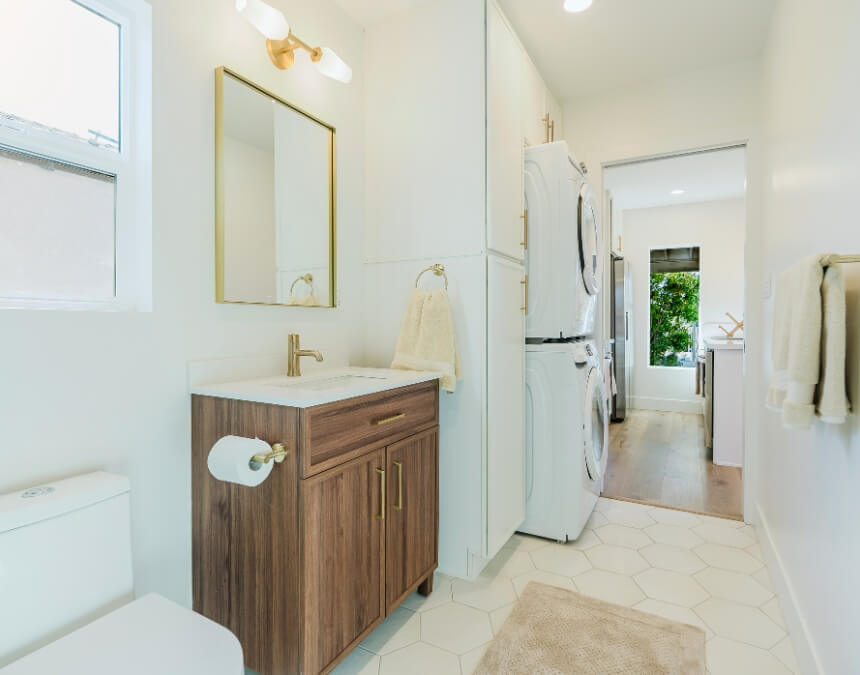
A successful ADU starts with understanding local regulations, site constraints, and how the unit will function as an independent residence.
Defining the Attached Accessory Dwelling Unit (ADU)
An attached ADU is a secondary residential unit that shares at least one wall or structural connection with the primary residence. For many California homeowners, attached ADUs offer a practical way to add living space while taking advantage of existing infrastructure, making them a popular option for home additions and garage conversions. Because they are integrated with the main home, attached ADUs can often be more cost-effective than building a separate detached structure. (California HCD)
What Is an Attached ADU?
An attached ADU is an accessory dwelling unit that is physically connected to the primary residence. While it shares a wall, roofline, or other structural component with the main home, it must still function as an independent living space with its own entrance and residential amenities.
Like all ADUs, attached units must provide permanent provisions for living, sleeping, cooking, and sanitation. They are legally recognized as separate dwelling units even though they remain connected to the primary structure. (California HCD)
Common Types of Attached ADUs
Attached ADUs can take several forms depending on the existing home and the homeowner’s goals.
Home Additions
One of the most common approaches is building an addition onto the existing home. This creates a new living space while maintaining a physical connection to the primary residence.
Attached Garage Conversions
Homeowners may convert an attached garage into a fully functional ADU. This option can reduce construction costs by utilizing an existing structure rather than building from the ground up.
Existing Space Conversions
Some attached ADUs are created by converting unused portions of the home, such as a wing, basement, or other underutilized living area that can be separated into an independent dwelling.
Structural Integration and Shared Walls
The defining characteristic of an attached ADU is its structural connection to the primary residence. While this integration can create efficiencies during construction, it also requires careful planning to ensure the unit functions independently.
Common Wall Requirements
Attached ADUs typically share at least one wall with the primary residence. The extent of the connection may vary depending on the design, but the unit remains physically connected to the main structure.
Separate Entrance Requirements
Although attached to the home, an ADU must have its own entrance that allows occupants to enter and exit independently. This separation helps maintain privacy and supports the ADU’s status as a separate dwelling unit. (California HCD)
Lockable Separation Requirements
Attached ADUs are generally designed to provide clear separation between the primary residence and the accessory unit. Depending on the layout, this may include lockable doors or other design elements that allow each space to function independently.
Pros of an Attached ADU
Attached ADUs offer several advantages for homeowners, particularly when space or budget is a concern.
Lower Construction Costs
Because attached ADUs can utilize portions of the existing structure, they may require less new construction than a detached unit. Shared walls and existing building components can help reduce overall project costs.
Smaller Lot Compatibility
Attached ADUs are often a practical solution for properties with limited backyard space. Since they expand from the existing home, they may require less dedicated outdoor area than a detached structure.
Shared Infrastructure
Attached ADUs can benefit from proximity to existing plumbing, electrical, and mechanical systems. This can simplify portions of the construction process and reduce infrastructure requirements.
Easier Utility Connections
Because they are connected to the primary residence, attached ADUs may have more straightforward utility routing compared to detached ADUs that require utilities to be extended across the property.
Potential Drawbacks of an Attached ADU
While attached ADUs provide several benefits, homeowners should also consider potential limitations before choosing this option.
Less Privacy
Because the unit shares a structure with the primary residence, occupants may experience less separation than they would in a detached ADU.
Noise Transfer Concerns
Shared walls can allow sound to travel between the primary residence and the ADU. Proper design and construction techniques can help address these concerns, but the potential for noise transfer remains higher than in a detached structure.
Design Limitations
Attached ADUs must work within the footprint, architecture, and structural constraints of the existing home. This can limit layout options compared to a standalone detached ADU.
Potential Code Upgrade Requirements
Modifying or expanding an existing structure may trigger building code considerations that do not apply in the same way to every detached ADU project. Homeowners should work with qualified professionals to understand how local and state requirements apply to their specific property.
Attached ADU Summary
An attached ADU can be an excellent option for homeowners who want to maximize existing space, reduce construction complexity, or build on a smaller lot. By sharing infrastructure and remaining connected to the primary residence, attached ADUs often provide a more efficient path to creating additional housing while still offering the benefits of an independent living space.
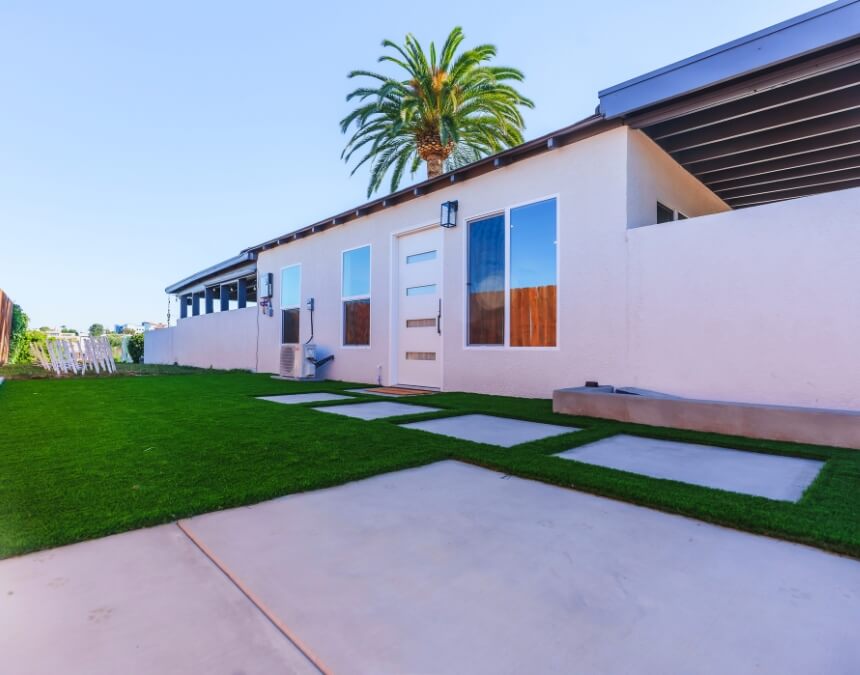
Attached ADUs can reduce construction costs by leveraging existing structures, utilities, and infrastructure already connected to the main home.
Defining the Detached Accessory Dwelling Unit (ADU)
A detached ADU is a standalone secondary dwelling located on the same lot as the primary residence. Unlike an attached ADU, it does not share walls or structural components with the main home, which gives occupants more privacy and independence. For California and San Diego homeowners, detached ADUs are often attractive for long-term rentals, guest housing, and multigenerational living because they function more like a separate small home. (California HCD)
What Is a Detached ADU?
A detached ADU is an independent residential unit built separately from the primary dwelling. It may be located in the backyard, side yard, or another allowable area of the property, depending on local zoning, setbacks, fire-safety rules, and lot conditions.
Like any ADU, a detached unit must include permanent provisions for living, sleeping, cooking, and sanitation. It also needs its own entrance so occupants can access the space independently from the main residence. (California HCD)
Common Types of Detached ADUs
Detached ADUs can take several forms depending on the property layout, budget, and homeowner goals.
Backyard Cottages
A backyard cottage is a small standalone dwelling built behind or beside the primary home. This is one of the most common detached ADU styles because it creates a private living space while keeping the unit on the same residential lot.
Standalone Guest Houses
A detached ADU can also function as a standalone guest house for visiting family, aging parents, adult children, or long-term occupants. Unlike a simple guest room, it must include the required independent living facilities of an ADU.
Detached Garage Conversions
Some homeowners create detached ADUs by converting an existing detached garage into a legal dwelling unit. This can be a practical option when the garage structure is suitable for conversion and can meet applicable building, utility, and safety requirements.
Independent Living and Privacy Benefits
Detached ADUs are often chosen because they offer the highest level of separation between the main home and the accessory unit.
Separate Structure
Because a detached ADU is physically separate from the primary residence, it creates a clearer boundary between households. This can be especially useful for homeowners who want to house tenants, extended family, or guests without sharing interior walls.
Independent Living Experience
Detached ADUs feel more like small standalone homes because they have their own living space, entrance, kitchen, bathroom, and sleeping area. This independence can make the unit more comfortable for long-term occupants.
Tenant Appeal
For rental use, detached ADUs may be more appealing to tenants because they provide greater privacy and separation from the homeowner’s main residence. The independent layout can make the unit feel less like an addition and more like a private home.
Pros of a Detached ADU
Detached ADUs offer several advantages for homeowners who have enough space and want a more independent secondary dwelling.
Maximum Privacy
Detached ADUs provide the strongest privacy advantage because they do not share walls with the primary home. This helps reduce noise transfer and gives both the homeowner and occupant more separation.
Strong Rental Appeal
Because detached ADUs function more like separate homes, they can be attractive for long-term renters who value privacy and independence. This can make them a strong option for homeowners who are building primarily for rental income.
Greater Design Flexibility
Detached ADUs usually allow more flexibility in layout, window placement, natural light, rooflines, and exterior design. While they still need to comply with local rules, they are not as constrained by the existing floor plan or structure of the primary home.
Stronger Property Value Enhancement
A detached ADU can increase the functional value of a property by adding a separate living unit with independent use potential. For many homeowners, this added flexibility can make the property more appealing over time.
Potential Drawbacks of a Detached ADU
Detached ADUs can be highly valuable, but they also tend to involve more planning, construction, and site work than attached ADUs.
Higher Construction Costs
Detached ADUs often require more new construction because they need their own foundation, roof, exterior walls, and building systems. This usually makes them more expensive than attached ADUs or conversions that can reuse parts of an existing structure.
Additional Utility Infrastructure
Because the unit is separate from the main home, utilities may need to be extended across the property. Plumbing, electrical, sewer, and other connections can add complexity depending on the distance from the primary residence and the condition of existing systems.
Larger Site Requirements
Detached ADUs typically need more usable lot area than attached units. Homeowners must consider setbacks, access, outdoor space, easements, fire-safety requirements, and how the new structure will fit within the property.
More Complex Permitting Considerations
Detached ADUs may involve additional permitting considerations because they are standalone structures. In San Diego, homeowners also need to evaluate local setback rules, fire hazard zones, and other site-specific requirements before moving forward. (City of San Diego)
Detached ADU Summary
A detached ADU is often the best fit for homeowners who prioritize privacy, long-term rental appeal, and independent living space. While detached units may require a larger investment and more site planning, they can provide a highly flexible housing option for renters, family members, guests, or future property use.
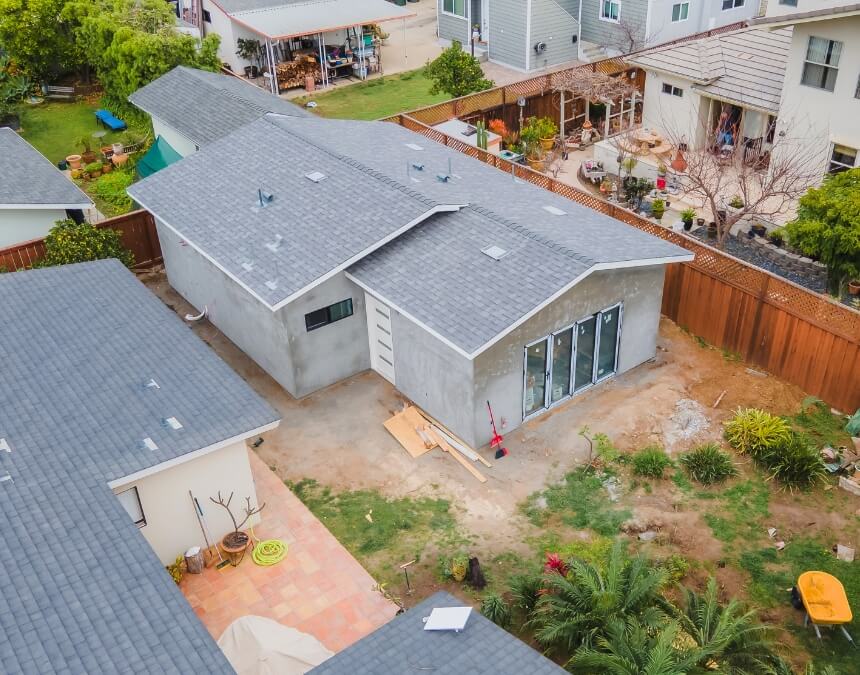
Detached ADUs often command stronger rental appeal because they provide a more independent living experience for occupants.
The Junior ADU (JADU) Distinction
While most homeowners are familiar with attached and detached ADUs, California also allows a smaller housing option known as a Junior Accessory Dwelling Unit (JADU). A JADU can be an effective way to create additional living space within an existing home without building a separate structure. For homeowners with limited space or budget, a JADU may offer a simpler path to adding housing while still complying with California ADU regulations. (California HCD)
What Is a JADU?
A Junior Accessory Dwelling Unit (JADU) is a small residential unit created entirely within the walls of an existing or proposed single-family home. Unlike a standard ADU, a JADU is intended to be a more compact living space and is subject to its own set of state regulations.
California created the JADU category to help homeowners add housing opportunities without requiring large additions or new detached structures. As a result, JADUs can be a practical solution for properties where a traditional ADU may not be necessary or feasible.
How JADUs Differ from Standard ADUs
Although both ADUs and JADUs provide additional housing on residential properties, there are several important distinctions homeowners should understand.
Maximum 500 Square Feet
One of the defining characteristics of a JADU is its size. A JADU cannot exceed 500 square feet, making it significantly smaller than many standard ADUs. This limitation encourages efficient use of existing space within the primary residence. (California HCD)
Existing Home Conversion Requirement
Unlike detached ADUs or home additions, a JADU must be created within the existing walls of a single-family residence or within the walls of a proposed single-family residence. This means homeowners cannot build a standalone JADU in the backyard. Instead, the unit must be carved out of existing residential space.
Shared Bathroom Allowances
A standard ADU must contain its own sanitation facilities. A JADU, however, may share bathroom facilities with the primary residence. This flexibility can reduce construction costs and make it easier to create a functional living space within an existing home.
Owner Occupancy Requirements
California law has historically treated JADUs differently from standard ADUs when it comes to owner occupancy. In many cases, the owner must occupy either the primary residence or the JADU, subject to current state and local regulations. Homeowners should verify the latest requirements with their local jurisdiction before beginning a project.
Deed Restriction Requirements
JADUs typically require a deed restriction that is recorded against the property. This restriction helps ensure the unit continues to comply with applicable state and local regulations governing JADUs. Because deed restrictions can affect future use of the property, homeowners should review all requirements carefully during the planning process.
When a JADU Makes Sense for Homeowners
A JADU can be a smart option for homeowners who want to add housing while minimizing construction costs and preserving outdoor space. A JADU may be worth considering if you:
- Have unused interior space within your home.
- Want to create housing for an aging parent or adult child.
- Need a smaller independent living space rather than a full-sized ADU.
- Want to avoid building a detached structure in the yard.
- Are looking for a more affordable way to add housing to your property.
For homeowners deciding between an attached ADU, detached ADU, or JADU, the right choice often comes down to available space, budget, privacy needs, and how the unit will be used over the long term. A JADU may not offer the same level of independence as a detached ADU, but it can provide a practical and cost-effective housing solution within the existing footprint of a home.
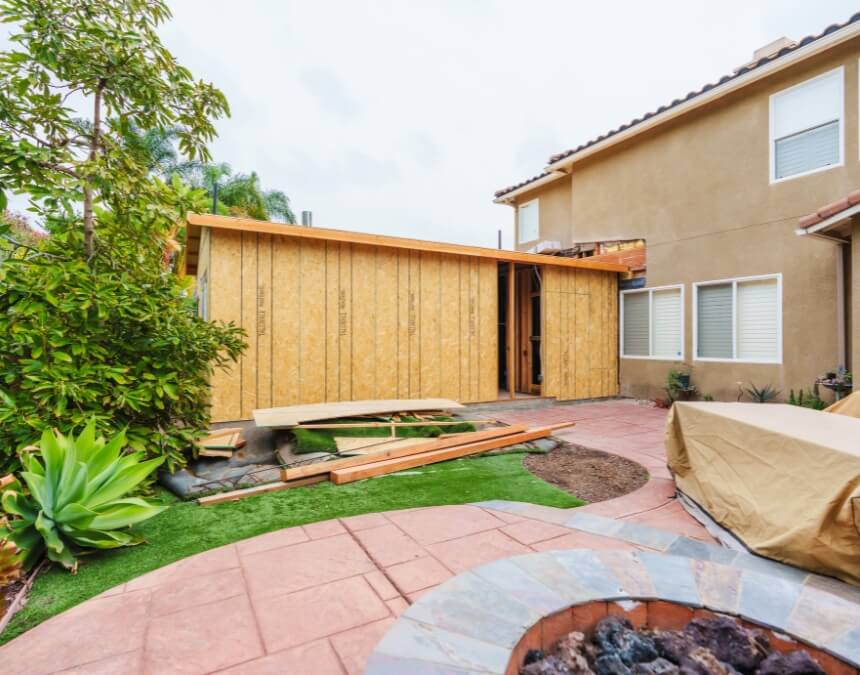
JADUs can be a cost-effective option for homeowners who want additional housing without building a full-size ADU.
Attached vs Detached ADU: A Comparative Breakdown
The primary difference between an attached and detached ADU is the physical relationship to the main home. An attached ADU shares at least one wall or structural connection with the primary residence, while a detached ADU is a completely separate structure located on the same property. (California HCD)
For many homeowners, the decision comes down to balancing privacy, cost, lot constraints, and future use of the space.
Privacy and Noise Control
How Does Privacy and Noise Control Vary Between Attached and Detached ADUs?
Detached ADUs generally provide greater privacy because they are physically separated from the primary residence. Attached ADUs, while still functioning as independent living spaces, may experience more interaction between occupants due to shared walls and closer proximity.
Shared Walls vs. Standalone Structures
The most noticeable difference is whether the ADU shares structural elements with the main home.
An attached ADU shares at least one wall with the primary residence, while a detached ADU is located in a separate structure. This separation often creates a more independent living environment for both homeowners and occupants. (California HCD)
Sound Transmission Considerations
Because attached ADUs share walls with the primary home, sound transmission may be more noticeable between units. While proper construction techniques and insulation can help reduce noise, detached ADUs naturally provide more acoustic separation due to the physical distance between structures.
Fire Separation Considerations
Attached ADUs may require additional design considerations related to wall assemblies, openings, and other building code requirements where structures are connected. Detached ADUs avoid some of these considerations because they function as separate buildings, although they must still comply with applicable fire and building codes.
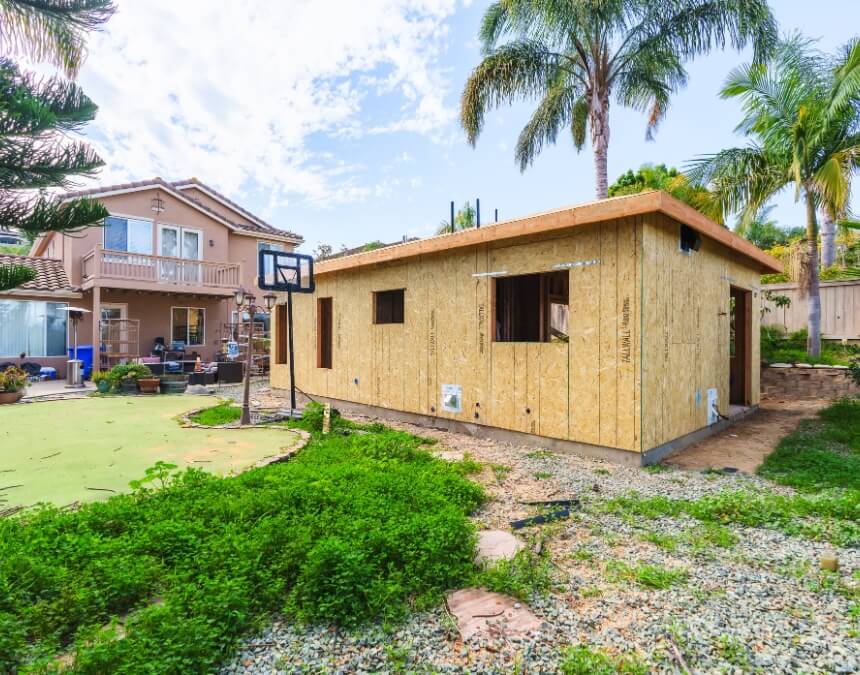
Detached ADUs typically provide better privacy for both homeowners and occupants, making them a strong choice for long-term rentals and multigenerational living.
Construction Costs
How Do Construction Costs Compare Between Attached and Detached ADUs?
Attached ADUs are often viewed as the more cost-effective option because they can leverage portions of the existing structure and utility infrastructure. Detached ADUs generally require more new construction and site work, which can increase project costs. While project costs vary significantly based on design, site conditions, and local requirements, homeowners should consider the scope of work required for each option rather than focusing solely on square footage.
Attached ADUs
Potential cost advantages include:
- Shared walls and structural components
- Shorter utility runs
- Reduced site work
- Existing building integration
Detached ADUs
Potential cost drivers include:
- New foundation construction
- New roof and exterior walls
- Expanded utility infrastructure
- Additional site preparation
Because every property is unique, homeowners should consult qualified design and construction professionals to evaluate project-specific costs.
Utility Connections and Infrastructure
What Differences Exist in Utility Connections and Infrastructure?
Utility infrastructure is often one of the most important distinctions between attached and detached ADUs.
Shared Utilities
Attached ADUs frequently benefit from closer proximity to existing plumbing, electrical, and mechanical systems. This can simplify utility routing and reduce the amount of infrastructure required to support the new living space.
Separate Utility Requirements
Detached ADUs may require utility lines to be extended from the primary residence to the new structure. Depending on the property’s layout, this can increase construction complexity and coordination.
Meter Considerations
Utility metering requirements can vary by jurisdiction and project type. Homeowners should verify local requirements regarding electrical service, utility connections, and metering during the planning process.
Infrastructure Expansion
Detached ADUs often require more extensive infrastructure planning because utilities must reach an entirely separate building. Factors such as distance, topography, and existing service capacity can influence project scope.
Design Flexibility and Architectural Options
One of the biggest advantages of a detached ADU is the ability to design the structure independently from the main home.
Natural Light Opportunities
Detached ADUs typically have more flexibility for window placement because all sides of the structure may be exposed. This can improve natural lighting and ventilation opportunities.
Skylights
Both attached and detached ADUs can incorporate skylights, but detached structures may offer more flexibility in roof design and placement.
Floor Plan Flexibility
Because detached ADUs are not constrained by the existing home’s footprint, they often provide greater freedom when designing room layouts, entrances, and circulation patterns. Attached ADUs must generally work within the architectural limitations of the primary residence.
Exterior Design Considerations
Detached ADUs allow homeowners to create a distinct structure that complements the primary residence while maintaining its own identity. Attached ADUs typically need to integrate more directly with the existing home’s exterior design and architectural style.
Outdoor Space and Landscaping
Outdoor space is another important consideration when comparing attached and detached ADUs.
Yard Impact
Detached ADUs typically occupy a portion of the backyard or side yard, which can reduce available outdoor space. Homeowners should carefully evaluate how a new structure will affect landscaping, recreation areas, and overall site functionality.
Placement Flexibility
Detached ADUs generally offer more flexibility in where the unit can be positioned on the property, subject to local setback and zoning requirements. Attached ADUs are naturally limited by the location and configuration of the existing home.
Property Aesthetics
Both attached and detached ADUs can be designed to complement the primary residence. The right choice often depends on how homeowners want the property to function and appear over the long term. For homeowners who prioritize privacy and independence, a detached ADU may be the better fit. For those seeking a more efficient use of space and existing infrastructure, an attached ADU may provide a practical solution with fewer structural and site constraints.
| Feature | Attached ADU | Detached ADU |
|---|---|---|
| Structure | Connected to primary residence | Separate standalone structure |
| Privacy | Moderate | High |
| Utility Infrastructure | Often shares existing systems | May require expanded infrastructure |
| Design Flexibility | More limited by existing home | Greater design freedom |
| Lot Space Required | Typically less | Typically more |
| Rental Appeal | Good | Often stronger |
| Construction Complexity | Often simpler | Often more complex |
Cost Considerations and Financial Impact
Cost is one of the biggest factors homeowners consider when deciding between an attached and detached ADU. While every project is unique, attached ADUs and conversion projects are often more affordable because they can take advantage of existing structures and utility systems. Detached ADUs typically require more new construction and infrastructure, which can increase overall project costs. Understanding where these costs come from can help homeowners make a more informed investment decision.
Which Type of ADU Is Cheaper to Build?
In many cases, attached ADUs and garage conversion projects are less expensive than building a new detached ADU from the ground up. Because they can utilize portions of an existing structure, they may require less framing, roofing, foundation work, and utility expansion. Detached ADUs often involve more construction activity because they function as entirely separate buildings. However, the best option depends on the property’s existing conditions, available space, and long-term goals.
New Construction vs Conversion ADUs
One of the most significant cost differences comes from whether the project involves converting an existing structure or building a new one. Conversions generally take advantage of existing walls, foundations, and roof systems, which can reduce construction scope. New construction projects require those elements to be built from scratch, increasing labor and material costs.
Attached Garage Conversion ADUs
Converting an attached garage into an ADU is often viewed as one of the more efficient ways to create additional housing.
Potential cost advantages include:
- Existing structural framework
- Existing roof system
- Existing foundation
- Proximity to plumbing and electrical systems
- Reduced site preparation requirements
Because the space is already connected to the home, utility integration may also be simpler compared to detached structures.
Detached Garage Conversion ADUs
Detached garage conversions can also offer cost savings compared to building a completely new detached ADU.
However, homeowners may still need to address:
- Utility extensions
- Plumbing installation
- Structural modifications
- Building code compliance upgrades
- Insulation and energy-efficiency improvements
The overall cost will depend on the condition of the existing garage and how much work is required to convert it into a habitable dwelling.
Building a New Detached ADU
Building a new detached ADU typically involves the most extensive construction process.
A new detached unit often requires:
- Site preparation
- Foundation construction
- Framing
- Roofing
- Exterior finishes
- Utility installation
- Landscaping restoration
While detached ADUs generally provide greater privacy and design flexibility, homeowners should account for the additional construction requirements during budgeting and project planning.
Permit Fees and Impact Fees
Permit costs vary by jurisdiction, project type, and ADU size. California has adopted several policies intended to reduce financial barriers for homeowners building ADUs. Homeowners should always confirm current fee schedules with their local jurisdiction before beginning a project.
Impact Fee Exemptions Under 750 Square Feet
California law limits certain impact fees for smaller ADUs. ADUs that are less than 750 square feet are generally exempt from impact fees. This exemption can significantly reduce development costs for homeowners building smaller units. (California HCD)
Reduced Impact Fees Above 750 Square Feet
For ADUs larger than 750 square feet, impact fees must generally be charged proportionately based on the size relationship between the ADU and the primary residence. This approach helps prevent ADUs from being assessed the same fees that would typically apply to a new primary dwelling. (California HCD)
Utility and Solar Costs
Utility infrastructure can represent a meaningful portion of an ADU budget, particularly for detached projects.
Potential utility-related costs may include:
- Water connections
- Sewer connections
- Electrical service upgrades
- Gas service modifications
- Utility trenching
For San Diego homeowners, solar requirements may also affect project planning. Because energy code requirements can evolve over time, homeowners should verify current requirements during the design phase.
Hidden Costs Homeowners Should Consider
Construction costs often extend beyond the visible structure itself. Understanding potential hidden expenses can help homeowners develop a more realistic project budget.
Utility Upgrades
Older homes may require upgrades to support the additional electrical, plumbing, or mechanical demands of an ADU. These improvements can increase project costs if existing systems lack sufficient capacity.
Structural Upgrades
Conversion projects may reveal structural deficiencies that need to be addressed before occupancy can be approved. Depending on the age and condition of the structure, additional reinforcement or repairs may be necessary.
Fire Safety Upgrades
Some projects may require fire-safety improvements to comply with applicable building and safety codes. Requirements vary depending on project type, location, and local regulations.
Site-Specific Constraints
Every property presents unique challenges that can affect project costs. Examples include:
- Sloped lots
- Limited site access
- Easements
- Utility placement
- Soil conditions
- Fire hazard zones
These factors can influence design decisions, permitting requirements, and construction complexity.
Cost Summary
For homeowners focused primarily on affordability, an attached ADU or garage conversion may offer the most cost-efficient path to creating additional housing. Detached ADUs often require a larger investment because they involve more extensive construction and infrastructure work, but they can provide greater privacy, flexibility, and long-term functionality. Before choosing a project type, homeowners should evaluate not only construction costs but also permitting requirements, utility needs, and site-specific conditions that may affect the total investment.
Privacy, Livability, and Lifestyle Considerations
When choosing between an attached and detached ADU, construction costs and regulations are only part of the decision. Just as important is how the space will be used on a daily basis. The right ADU should support your lifestyle, provide the level of privacy you need, and adapt to your family’s long-term goals. For some homeowners, staying close to family is the priority. For others, creating a more independent living environment may be the deciding factor.
Which ADU Type Is Better for Your Lifestyle?
There is no one-size-fits-all answer when it comes to choosing between an attached and detached ADU. The best option depends on who will live in the unit, how much privacy is desired, and whether the space will be used for family, guests, work, or rental income.
In general:
- Attached ADUs are often ideal when proximity and shared access are important.
- Detached ADUs are often preferred when independence and privacy are the primary goals.
Multigenerational Living
ADUs have become a popular solution for multigenerational households because they allow family members to live on the same property while maintaining separate living spaces.
An attached ADU can be a practical choice when family members want to remain closely connected. Because the unit is integrated with the primary residence, it may be easier to provide support and assistance when needed.
A detached ADU can also work well for multigenerational living, particularly when aging parents or adult children want greater independence while remaining close to family.
According to California HCD, ADUs are considered “innovative and effective” housing options that help address evolving housing needs for California residents. (California HCD)
Long-Term Rental Housing
Many homeowners build ADUs specifically to create long-term rental opportunities.
Research suggests that most California ADUs are used for long-term housing rather than short-term vacation rentals.
“The majority of ADUs constructed in California are used for housing, compared to only 8% being used for short-term rentals” (Wikipedia)
For homeowners prioritizing rental income, a detached ADU may have a slight advantage because it provides a more independent living experience for tenants. However, attached ADUs can also be highly successful long-term rental units, particularly in areas where housing demand is strong.
Housing Adult Children or Aging Parents
One of the most common reasons homeowners build ADUs is to accommodate family members who need housing nearby. For aging parents, an attached ADU can make caregiving and daily support more convenient while still providing a private living space.
For adult children, either option may work well depending on the family’s preferences. An attached ADU offers greater proximity, while a detached ADU may provide more independence and privacy. Because both attached and detached ADUs are located on the same property, they allow families to stay connected without requiring everyone to live under the same roof.
Guest Accommodations
Homeowners who frequently host visiting family or friends often appreciate the flexibility an ADU provides. A detached ADU can function much like a private guest house, giving visitors their own space while minimizing disruptions to the primary household.
An attached ADU can also work well for guests, especially when visits are shorter or when homeowners prefer to keep accommodations close to the main residence. Because ADUs include independent living facilities, they offer a more comfortable and flexible alternative to a spare bedroom or temporary sleeping arrangement.
Work-From-Home Flexibility
As remote and hybrid work arrangements become more common, many homeowners are looking for ways to create dedicated workspace separate from their primary living areas. A detached ADU may be particularly attractive as a home office because it creates physical separation from household distractions. The independent structure can provide a quieter environment for meetings, focused work, and professional activities.
An attached ADU can also serve as an effective workspace while remaining easily accessible from the main home. For homeowners who anticipate changing needs over time, an ADU used as a home office today could later serve as housing for family members, guests, or renters. This flexibility is one of the key reasons ADUs continue to grow in popularity throughout California.
Lifestyle Considerations Summary
If your priority is staying closely connected to family, maximizing existing space, or creating a cost-efficient housing solution, an attached ADU may be the better fit. If privacy, independence, guest accommodations, or rental appeal are more important, a detached ADU may offer greater long-term value. The best choice ultimately depends on how you plan to use the space today—and how those needs may evolve in the future.
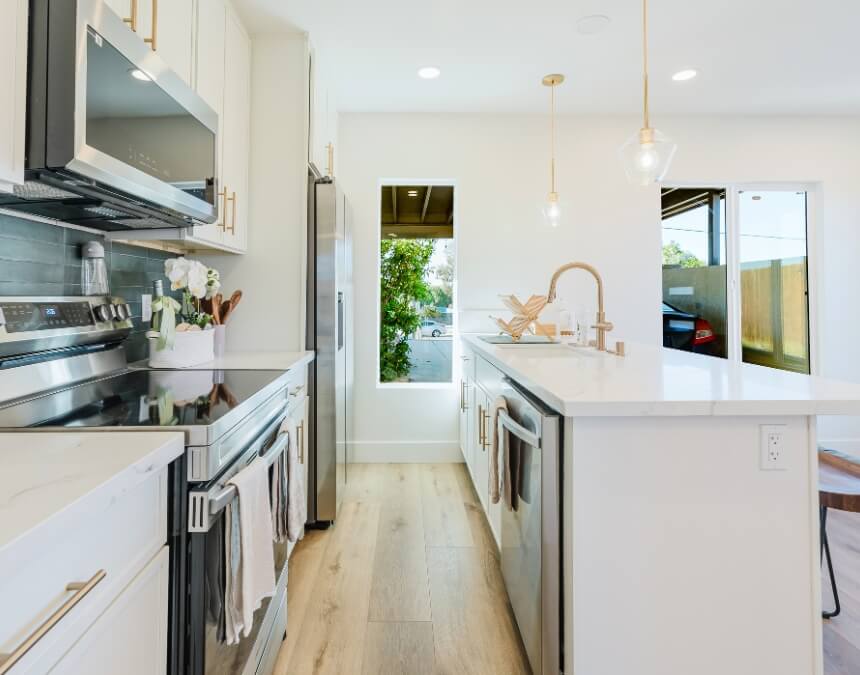
Prioritize livability features that support long-term use, especially if the ADU may serve multiple purposes over time.
Navigating California and San Diego ADU Regulations
California has adopted some of the most ADU-friendly laws in the country, making it easier for homeowners to add attached and detached accessory dwelling units. However, while state law establishes baseline requirements, local jurisdictions such as San Diego can apply additional development standards related to setbacks, fire safety, and site-specific conditions. Understanding both state and local regulations is essential before choosing between an attached or detached ADU.
What California Rules Apply to Attached and Detached ADUs?
California law establishes statewide standards for ADU approval, size allowances, setbacks, parking, and permitting. These regulations are designed to reduce barriers to housing creation while providing homeowners with more flexibility to develop ADUs on residential properties. (California HCD)
Size Requirements
California law establishes minimum standards that local agencies must follow when reviewing ADU applications. The allowable size of an attached or detached ADU can vary depending on the property, zoning designation, and local development standards.
Because local regulations may affect maximum unit size, homeowners should verify current requirements with their city or county before beginning the design process. (California HCD)
Height Requirements
Height limits for ADUs vary based on the type of unit, property conditions, and local regulations. California law provides statewide protections for qualifying ADUs, while local jurisdictions may apply additional standards consistent with state requirements.
Attached ADU Height Rules
Attached ADUs are typically designed as an extension of the primary residence and often follow height standards that align with the existing structure and local zoning regulations.
Detached ADU Height Rules
Detached ADUs may be subject to different height allowances than attached units because they function as separate structures. Homeowners should review local development standards to determine how height limits may affect their project. (California HCD)
Setback Requirements
Setbacks determine how close an ADU can be built to property lines. California law limits the ability of local agencies to impose overly restrictive setback requirements on ADUs, helping homeowners make better use of their property. (California HCD)
Because setback standards may vary based on lot conditions, fire hazard zones, and the type of ADU being constructed, homeowners should confirm applicable requirements with their local planning department.
Parking Requirements
California ADU laws have reduced parking requirements in many situations. Depending on the location of the property and specific project conditions, homeowners may not be required to provide additional parking for an ADU.
Parking requirements can vary based on factors such as proximity to public transit and whether the ADU is created through the conversion of existing space. (California HCD)
Utility Connection Rules
Utility requirements differ depending on whether the ADU is attached or detached and how the unit will be served by existing infrastructure.
Potential utility considerations include:
- Water service
- Sewer connections
- Electrical service
- Gas service
- Utility metering
Because utility requirements can vary by jurisdiction and project type, homeowners should review local requirements during the planning process. (California HCD)
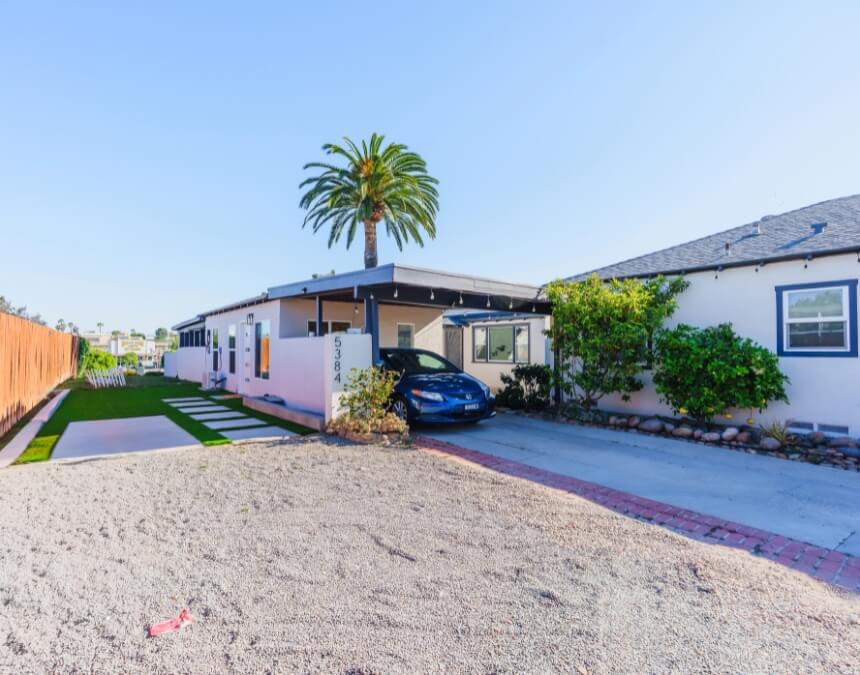
Understanding local setback, height, and site-specific requirements early can help prevent costly design revisions during permitting.
What San Diego Homeowners Need to Know
San Diego has become one of California’s most active ADU markets, supported by local policies designed to encourage housing production. While many state ADU regulations apply in San Diego, homeowners should also be aware of city-specific development standards that may affect project design and construction.
San Diego Setback Rules
Setbacks can play a significant role in determining where a detached ADU can be placed on a property. “Detached ADUs under 16 feet tall may require no side or rear setbacks in many San Diego locations outside Very High Fire Hazard Severity Zones.” (City of San Diego)
This flexibility can make detached ADUs more feasible on smaller lots where traditional setback requirements would otherwise limit development opportunities.
Solar Requirements for Detached ADUs
Homeowners planning a detached ADU should be aware of California’s energy-efficiency requirements.Newly constructed detached ADUs are subject to California Energy Code solar requirements. Depending on the project, solar requirements may influence roof design, construction costs, and overall project planning.
Fire Sprinkler Considerations
Fire sprinkler requirements for ADUs depend on the characteristics of the primary residence and the specific project design. In many cases, California law does not require an ADU to install fire sprinklers if they are not required for the primary residence. However, site-specific conditions and local code requirements may still apply. Homeowners should consult local building officials and design professionals to determine whether fire sprinklers are required for their project. (California HCD)
ADU Rental Restrictions
Homeowners planning to generate rental income from an ADU should understand San Diego’s rental regulations. “ADUs and JADUs cannot be rented for fewer than 31 consecutive days.” (City of San Diego) This rule means ADUs are generally intended for long-term housing rather than short-term vacation rentals.
Can You Sell an ADU Separately in San Diego?
In most cases, ADUs are considered accessory structures that remain tied to the primary property and cannot be sold separately from the main residence. Homeowners should verify current regulations with the City of San Diego and applicable state laws, as requirements may evolve over time.
California and San Diego ADU Regulations Summary
Both attached and detached ADUs benefit from California’s streamlined approval process and statewide ADU protections. However, homeowners in San Diego should pay particular attention to local setback standards, solar requirements, rental restrictions, and site-specific development considerations. Understanding these regulations early in the planning process can help avoid delays and ensure the chosen ADU type aligns with both state and local requirements.
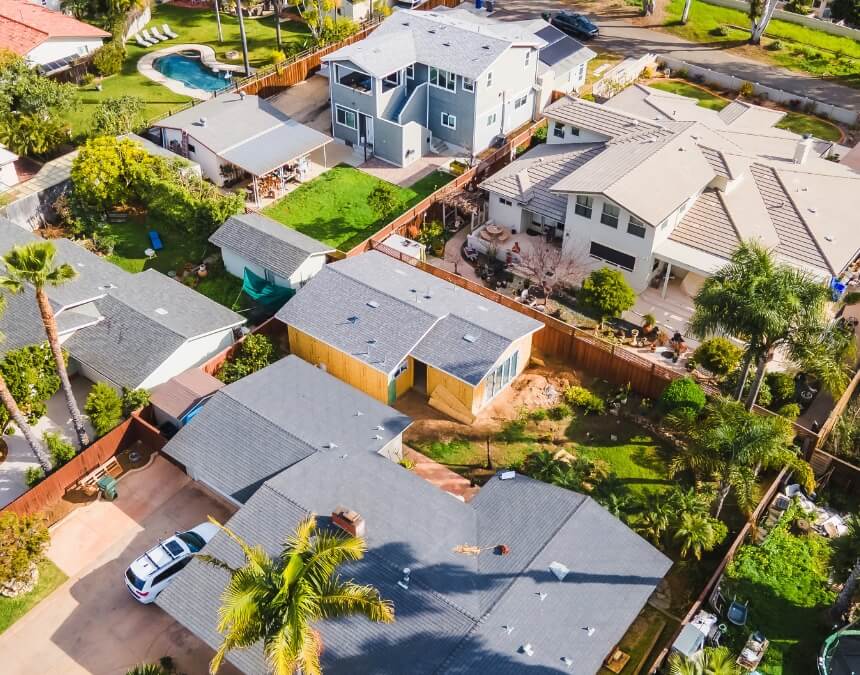
Evaluating setbacks, access, and site conditions early can help streamline the permitting process in San Diego.
Investment Strategy: Rental Income vs Property Value
For many homeowners, building an ADU is both a housing decision and a long-term investment strategy. Whether your goal is generating rental income, increasing your property’s functionality, or creating flexible living space for future needs, understanding how attached and detached ADUs contribute to return on investment (ROI) can help guide your decision. While every property is different, the best ROI often depends on how the ADU will be used over time rather than simply which type costs less to build.
Which Type of ADU Offers Better ROI?
There is no universal answer to which ADU offers the highest return on investment. An attached ADU may provide a stronger return if your primary goal is minimizing construction costs and maximizing efficiency. A detached ADU may offer greater long-term value if privacy, tenant appeal, and flexibility are your top priorities.
When evaluating ROI, homeowners should consider:
- Initial construction costs
- Rental income potential
- Long-term housing needs
- Property functionality
- Local housing demand
- Future resale considerations
The right choice depends on balancing upfront investment with long-term benefits.
Rental Income Potential
ADUs have become an increasingly popular option for homeowners seeking additional income while contributing to California’s housing supply. Research suggests that most ADUs are used for long-term housing rather than short-term vacation rentals.
This is one reason many homeowners view ADUs as a stable long-term investment. Rather than relying on short-term rental demand, ADUs are often used to house tenants, family members, or other long-term occupants.
For rental purposes:
- Detached ADUs often appeal to tenants seeking greater privacy and independence.
- Attached ADUs can still generate rental income while benefiting from lower construction costs and shared infrastructure.
- Both options can create housing opportunities on property that homeowners already own.
Property Value Considerations
An ADU can increase the overall utility of a property by creating additional livable space and expanding future use options.
Potential value drivers include:
- Additional housing capacity
- Multigenerational living opportunities
- Long-term rental potential
- Flexible use as family housing or guest accommodations
- Increased functionality of the property
Because housing markets vary, homeowners should avoid assuming a specific increase in property value. Instead, it is often more useful to view an ADU as an investment in flexibility and future housing options.
Attached ADU ROI
An attached ADU may offer a strong return for homeowners who want to maximize efficiency and control construction costs.
Potential advantages include:
- Lower construction costs compared to many detached projects
- Shared infrastructure and utility systems
- Reduced site work requirements
- Better compatibility with smaller lots
For homeowners focused on cost efficiency, an attached ADU can provide a practical balance between investment and usability.
Detached ADU ROI
A detached ADU often requires a larger upfront investment, but it may provide benefits that support long-term value creation.
Potential advantages include:
- Greater privacy for occupants
- Stronger appeal for long-term renters
- More flexible design options
- Independent living environment
- Greater separation between households
Because detached ADUs function more like standalone homes, they are often attractive to homeowners planning to use the space for rental housing, guest accommodations, or multigenerational living.
Which ADU Investment Strategy Makes the Most Sense?
If your primary goal is minimizing costs while creating additional living space, an attached ADU may offer the strongest return relative to the initial investment. If your priority is maximizing privacy, rental appeal, and long-term flexibility, a detached ADU may justify the additional construction costs.
Ultimately, the best ROI comes from choosing the ADU type that aligns with your property’s characteristics, your family’s needs, and your long-term plans. For many California homeowners, the true value of an ADU extends beyond financial returns—it lies in creating housing flexibility that can adapt as circumstances change over time.
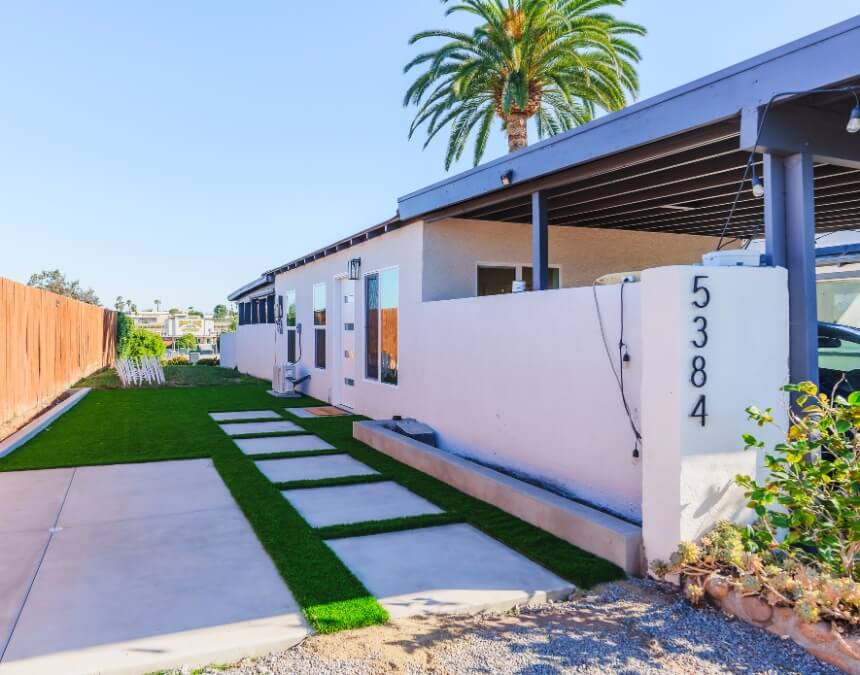
When evaluating ROI, focus on long-term usability and rental demand rather than construction cost alone.
ADU Market Trends in San Diego
San Diego has emerged as one of the most active ADU markets in California, driven by housing demand, state legislation, and local policies designed to encourage the development of accessory dwelling units. As more homeowners look for ways to create housing, generate income, and support multigenerational living, ADUs have become an increasingly important part of the region’s housing supply. The rapid growth in both ADU permits and completed projects highlights the growing role these units play in addressing housing needs across San Diego County.
Why ADUs Continue to Grow in San Diego
Several factors have contributed to the expansion of ADU development throughout San Diego.
Key drivers include:
- Increased housing demand across the region
- State laws that simplify the ADU approval process
- Local policies that support ADU construction
- Rising interest in multigenerational living arrangements
- Homeowners seeking long-term rental income opportunities
- The need for flexible housing options without purchasing additional property
These factors have made ADUs an attractive investment for homeowners while helping expand housing availability throughout the county.
Local Market Growth
Recent research from the UC San Diego Center for Community Health and Planning demonstrates just how rapidly ADU development has expanded in San Diego County. “ADU permits in San Diego County increased from 1,150 in 2020 to 3,991 in 2024.” (UC San Diego Center for Community Health and Planning)
This increase reflects a significant rise in homeowner interest and local housing production over a relatively short period.
The growth is also evident in completed ADU projects. “ADU completions increased from 342 in 2020 to 1,984 in 2024.” (UC San Diego Center for Community Health and Planning)
The increase in completions suggests that ADUs are not only being proposed but are successfully moving through permitting and construction, resulting in thousands of new housing units throughout the region. The UC San Diego research highlights the growing impact of ADUs on local housing production and their role in helping communities respond to ongoing housing challenges.
Why San Diego Homeowners Continue to Invest in ADUs
For many homeowners, ADUs represent an opportunity to make better use of existing property while creating long-term flexibility.
Common reasons San Diego homeowners continue to invest in ADUs include:
- Creating housing for aging parents or adult children
- Generating long-term rental income
- Expanding living space without relocating
- Increasing property functionality
- Supporting multigenerational living arrangements
- Preparing for future housing needs
Unlike many larger housing developments, ADUs can be integrated into existing residential neighborhoods, allowing homeowners to add housing while maintaining the character of their communities.
As housing demand continues to grow throughout Southern California, ADUs are likely to remain an important part of San Diego’s housing strategy. The steady increase in permits and completed projects demonstrates that homeowners increasingly view attached and detached ADUs as practical, long-term solutions for both housing and investment goals.
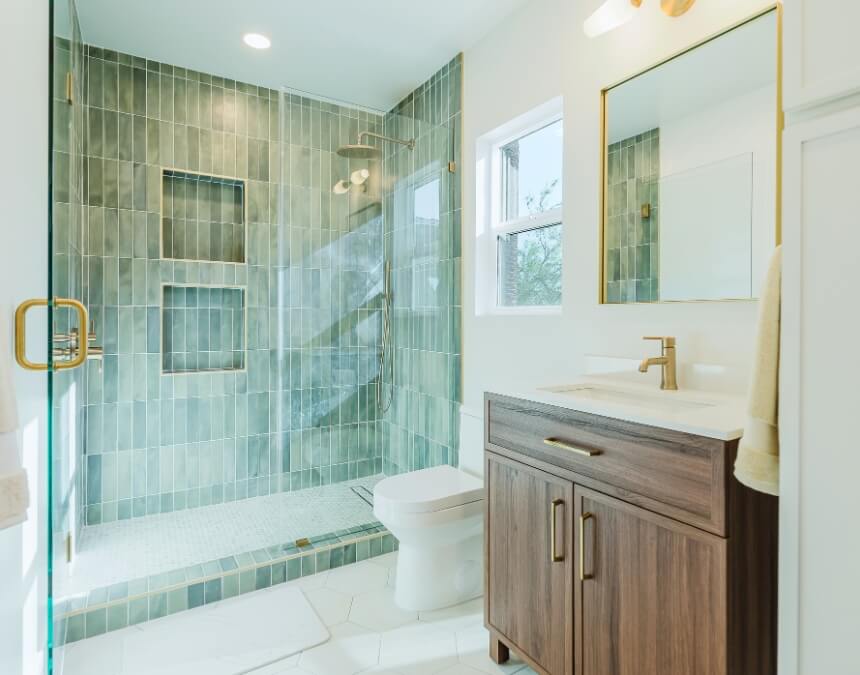
Rising ADU permit activity reflects growing homeowner interest in creating flexible housing and generating long-term property value.
The Decision-Making Framework: Which ADU Is Right for You?
The best ADU for your property depends on more than construction costs or available space. Homeowners should evaluate how the unit will be used, who will occupy it, and how their needs may change in the future. While attached ADUs often offer efficiency and affordability, detached ADUs typically provide greater privacy and flexibility. By considering your goals early in the planning process, you can choose an ADU type that delivers the greatest long-term value for your household.
Choose an Attached ADU If…
An attached ADU may be the better choice if your priority is maximizing existing space while minimizing construction complexity. Consider an attached ADU if:
Budget Is a Primary Concern
Attached ADUs can often leverage existing walls, infrastructure, and utility systems, which may reduce overall construction costs compared to a new detached structure.
You Have a Smaller Lot
Because attached ADUs are connected to the primary residence, they generally require less dedicated yard space than detached ADUs. This can make them a practical option for properties with limited outdoor area.
You Have an Existing Conversion Opportunity
If your property includes an attached garage, unused wing, or underutilized portion of the home, converting that space into an ADU may be an efficient way to add housing.
Family Proximity Is Preferred
Attached ADUs allow family members to live independently while remaining close to the primary residence. This can be particularly beneficial for multigenerational households and homeowners who want to stay closely connected to aging parents or adult children.
Choose a Detached ADU If…
A detached ADU may be the better fit when privacy, independence, and long-term flexibility are top priorities. Consider a detached ADU if:
Privacy Is a Top Priority
Detached ADUs do not share walls with the primary residence, creating a greater degree of separation between households. This often results in a more private living experience for both homeowners and occupants.
Rental Income Is a Goal
Many homeowners choose detached ADUs because they provide a standalone living environment that can be attractive to long-term renters. ADUs provide relatively affordable rental housing units.
Your Property Has Adequate Yard Space
Detached ADUs require sufficient space to accommodate the new structure while meeting setback and development requirements. Homeowners with larger lots may have more flexibility when considering a detached unit.
Long-Term Property Value Is Important
Detached ADUs can add a fully independent living space to a property, increasing its overall functionality and expanding future use options for homeowners and potential buyers.
Homeowner Decision Checklist
Before deciding between an attached and detached ADU, ask yourself the following questions:
Budget
- What is your realistic project budget?
- Are you looking to minimize upfront construction costs?
- Would a conversion project be possible on your property?
Lot Size
- How much usable space is available on your property?
- Will a detached structure significantly impact your yard or outdoor living areas?
- Are there site constraints that limit where an ADU can be built?
Intended Use
- Will the ADU house family members, guests, renters, or serve as a home office?
- Do you need a highly independent living space or simply additional housing on the property?
Rental Goals
- Is generating rental income one of your primary objectives?
- Would a detached unit better support long-term tenant privacy and independence?
Privacy Needs
- How important is separation between the ADU and the primary residence?
- Will shared walls or closer proximity affect how the space is used?
Local Zoning Considerations
- What setback requirements apply to your property?
- Are there fire hazard zones or site-specific restrictions that may affect development?
- Do local regulations influence whether an attached or detached ADU is more practical?
For San Diego homeowners, local development standards can play an important role in the decision-making process. For example:
“Detached ADUs under 16 feet tall may require no side or rear setbacks in many San Diego locations outside Very High Fire Hazard Severity Zones.” (City of San Diego)
Final Decision Framework
If affordability, proximity to family, and efficient use of existing space are your top priorities, an attached ADU may be the right choice. If privacy, rental appeal, and long-term flexibility are more important, a detached ADU may provide greater value over time. Ultimately, the best ADU is the one that aligns with your property’s characteristics, your budget, and the way you plan to use the space for years to come.
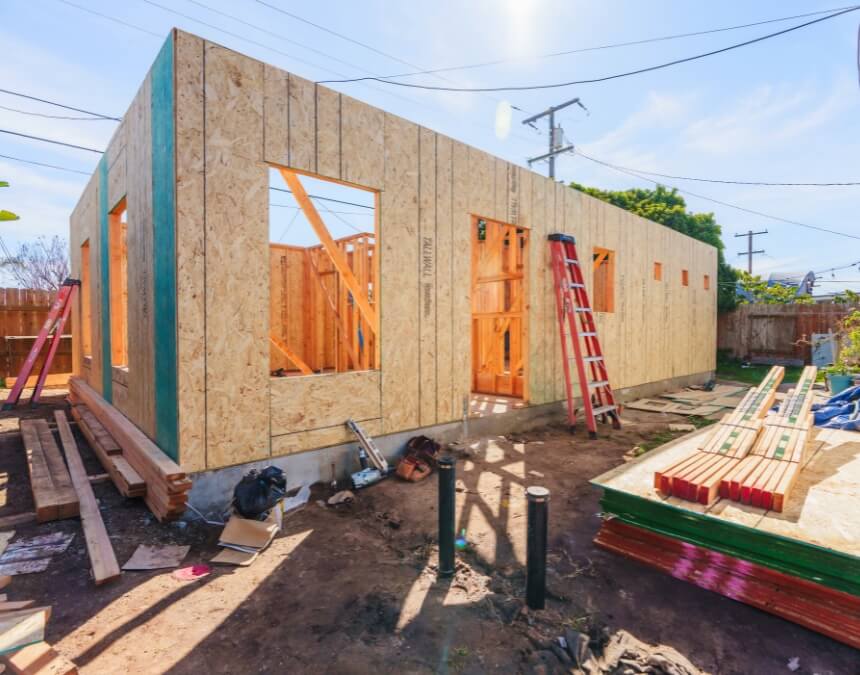
The right ADU choice depends on balancing budget, privacy needs, rental goals, and available lot space.
Conclusion: Making the Right ADU Investment for Your Property
Choosing between an attached and detached ADU depends on your budget, lot size, privacy needs, and long-term goals. Attached ADUs are often more cost-efficient and work well on smaller lots, while detached ADUs offer more privacy, independence, and rental appeal.
Key Takeaways
- Attached ADUs typically cost less and work well on smaller lots.
- Detached ADUs offer more privacy and stronger rental appeal.
- California law provides flexibility for both options.
- San Diego homeowners should evaluate setbacks, solar requirements, and lot constraints before choosing.
The best ADU is the one that fits your property, supports your lifestyle, and gives you the most useful long-term flexibility.
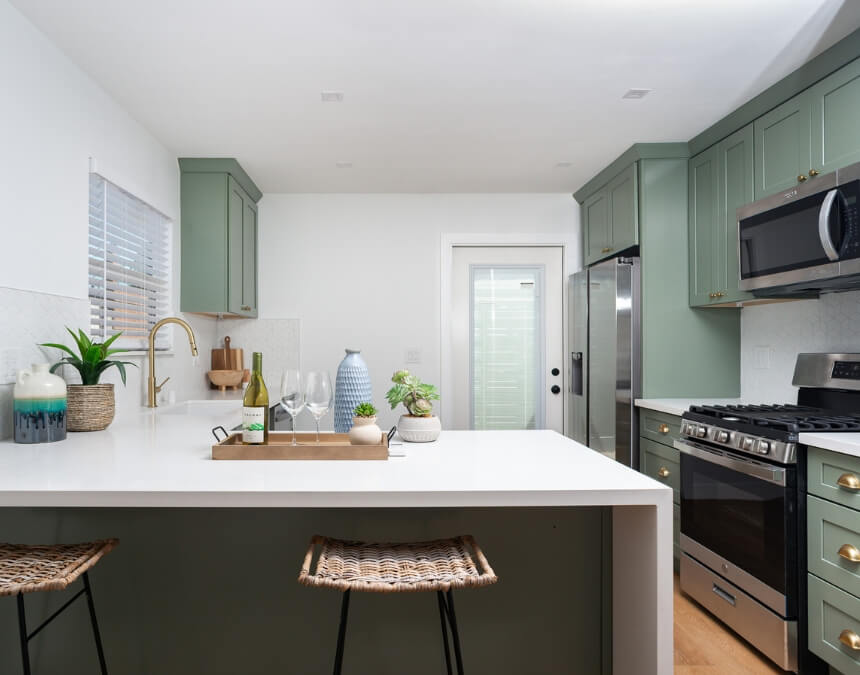
The best ADU investment is one that aligns with your property constraints, lifestyle needs, and long-term housing goals.
Frequently Asked Questions
An attached ADU shares at least one wall or structural connection with the primary residence, while a detached ADU is a separate standalone structure on the same property. Attached ADUs are often more cost-efficient and space-conscious, while detached ADUs typically provide greater privacy, design flexibility, and rental appeal.
Advantages of attached ADUs:
- Lower construction costs
- Easier utility connections
- Better suited for smaller lots
- Can utilize existing structures or space
Disadvantages of attached ADUs:
- Less privacy
- Potential noise transfer through shared walls
- More design limitations due to integration with the main home
Detached ADUs offer more privacy and flexibility but often require a larger investment and more available yard space.
The decision typically depends on:
- Budget
- Lot size and layout
- Intended use of the ADU
- Privacy preferences
- Rental income goals
- Existing conversion opportunities
- Local zoning and development requirements
Homeowners should evaluate both their current needs and long-term plans before choosing a design.
Detached ADUs generally provide better privacy because they are physically separated from the primary residence. Attached ADUs share walls with the main home, which can result in more interaction and greater potential for noise transfer between occupants.
Attached ADUs can often connect more easily to existing plumbing, electrical, and mechanical systems because they are part of the primary structure. Detached ADUs may require utility extensions, trenching, and additional infrastructure work to serve the separate building.
Attached ADUs are often less expensive to build because they can leverage existing structures, shared walls, and nearby utility systems. Detached ADUs typically cost more because they require a new foundation, roof, exterior walls, and independent utility infrastructure.
Both attached and detached ADUs generally follow California’s streamlined ADU permitting process and are subject to many of the same state regulations. However, detached ADUs may require additional review related to site layout, setbacks, utility infrastructure, and other project-specific considerations. Financing options are typically available for both types, though project costs and lender requirements may vary.
More Projects
-

ADU Trends & Insights
Setback Requirements for ADUs in San Diego
Ensure your ADU meets California's setback requirements—learn essential rules, local variations, and expert tips to maximize your space and streamline permitting.
-
ADU Trends & Insights
How We Make Your ADU’s Interior Design Stress Free & Feel Like Home
Our interior designers simplify the finish selection process—so you get a stylish, renter-friendly ADU without the stress, delays, or costly mistakes.
-

ADU Trends & Insights
What Makes an Ideal Lot for an ADU in California (Especially San Diego)?
An ideal ADU lot in California (especially San Diego) is flat or gently sloped with enough clear buildable space for setbacks, good construction access, nearby utility tie-ins, and minimal easements or overlays—since slope, access, and utility distance are the biggest drivers of cost and feasibility even with “by-right” ADU rules.
-
ADU Trends & Insights
California ADU Law: The Ultimate Guide
California has streamlined ADU construction to address the housing crisis, but development standards still apply. Check local regulations before starting your project.
-
ADU Trends & Insights
13 Common Misconceptions About ADUs
Uncover the truth about ADU misconceptions and navigate construction, costs, and regulations for informed decisions.
-
ADU Trends & Insights
What Is ADU Construction?
ADU construction involves planning, permitting, and building a self-contained living space on a residential property — adding value, flexibility, and income potential without buying new land.
-
ADU Trends & Insights
What Are ADU Electrical Requirements in California?
Get the complete breakdown of electrical requirements for ADUs in California, from panel upgrades to solar compliance, to help you build safely and within code.
-
ADU Trends & Insights
What is stormwater management for Accessory Dwelling Units (ADUs) in California?
Stormwater management for ADUs is the process of controlling and treating rainwater runoff generated by new backyard cottages or secondary homes.
-
ADU Trends & Insights
How Does ADU Construction Work in San Diego, CA?
San Diego’s ADU process is fast and flexible, with permits approved within 60 days and options for detached units up to 1,200 sq. ft. or garage conversions. Thanks to state laws and the city’s ADU Bonus Program, homeowners can build quickly, add value, and even earn extra units by including affordable housing.
-
ADU Trends & Insights
What Is an ADU Cost Calculator and How Much Does It Cost to Build an ADU in California?
An ADU cost calculator helps California homeowners estimate the cost of building an accessory dwelling unit based on factors like square footage, construction type, utility work, site conditions, and finish quality. In California, ADU construction costs typically range from $100,000 to $200,000, although detached ADUs with premium finishes or difficult site conditions can exceed that […]
-
ADU Trends & Insights
Garage ADU: What It Is, Costs, Rules, and Conversion Options
Unlock your property's potential by converting your detached garage into a cost-effective, versatile ADU that increases property value and generates rental income.
-
ADU Trends & Insights
When Should You Build an ADU in San Diego?
ADU construction involves planning, permitting, and building a self-contained living space on a residential property — adding value, flexibility, and income potential without buying new land. In California, ADUs now make up about one in six new homes, reflecting their growing role in solving the state’s housing shortage.
-

ADU Trends & Insights
Key Differences Between Pool Houses and ADUs
Discover the differences between pool houses and ADUs to choose the right addition for your property—find out about amenities, regulations, and value impact!
-
ADU Trends & Insights
What Roofing Options Are Best for ADUs in California (Especially San Diego)?
The best ADU roofing in California (especially San Diego) balances budget, durability, and curb appeal—using options like asphalt shingles, metal, tile, or low-slope membranes that meet Title 24 cool-roof/solar requirements and hold up to intense sun, heat, and wildfire risk.
-
ADU Trends & Insights
How Do You Compare ADU Builder Quotes in San Diego and California?
Compare itemized ADU quotes—labor, materials, permits, timelines—to ensure transparent pricing, true value, and no surprise costs.
-
ADU Trends & Insights
Should You Invest in Building an ADU in San Diego?
Building an ADU in San Diego can be a worthwhile investment for homeowners looking to generate rental income, increase property value, or create flexible living space for family members. An Accessory Dwelling Unit (ADU) is a secondary residential unit built on the same lot as a primary home, and demand for ADUs continues to grow […]
-
ADU Trends & Insights
Using a HELOC to Fund an ADU in California?
A HELOC lets California homeowners fund an ADU in phases using home equity, paying interest only on what they use. In San Diego, strong rental income often offsets payments, though variable rates and post–draw-period repayment increases should be considered.
-

ADU Trends & Insights
Can You Sell an ADU in San Diego?
San Diego's pending ordinance may soon enable homeowners to sell ADUs as separate condominiums, expanding affordable housing opportunities.
-

ADU Trends & Insights
Are Pre-Approved ADU Plans Right for You in San Diego?
Compare pre-approved vs. custom plans and why the cheapest option isn't always best.
-

ADU Trends & Insights
How do ADUs benefit real estate agents in California and San Diego?
ADUs benefit real estate agents in California and San Diego by increasing property value and buyer appeal, creating built-in rental and multigenerational living opportunities, and giving ADU-savvy agents a competitive edge in pricing, marketing, and closing deals in a tight housing market.
-
ADU Trends & Insights
How Do You Budget for an ADU Build in California and San Diego?
Learn how to budget for an ADU in California and San Diego by understanding costs, timelines, financing options, and strategies to avoid surprises and maximize long-term value.
-
ADU Trends & Insights
Are ADUs a good alternative to nursing homes for California homeowners?
ADUs offer California homeowners a practical alternative to nursing homes by allowing aging parents to live independently on the same property, supporting aging in place while turning ongoing care costs into a long-term home investment.
-
ADU Trends & Insights
Can an HOA Prevent an ADU in California?
If you’re part of a homeowners association and considering building an accessory dwelling unit on your property, it's key to consider any rules your HOA may have about ADUs.
-
ADU Trends & Insights
Custom ADU: Your Ultimate Guide
A custom ADU may cost more than manufactured or prefab units, depending on size, type, and finishes, but it offers several benefits.
-

ADU Trends & Insights
The Perfect ADU Kitchen
Discover how smart layouts and stylish design choices can transform even the smallest ADU kitchens into luxurious, functional spaces.
-
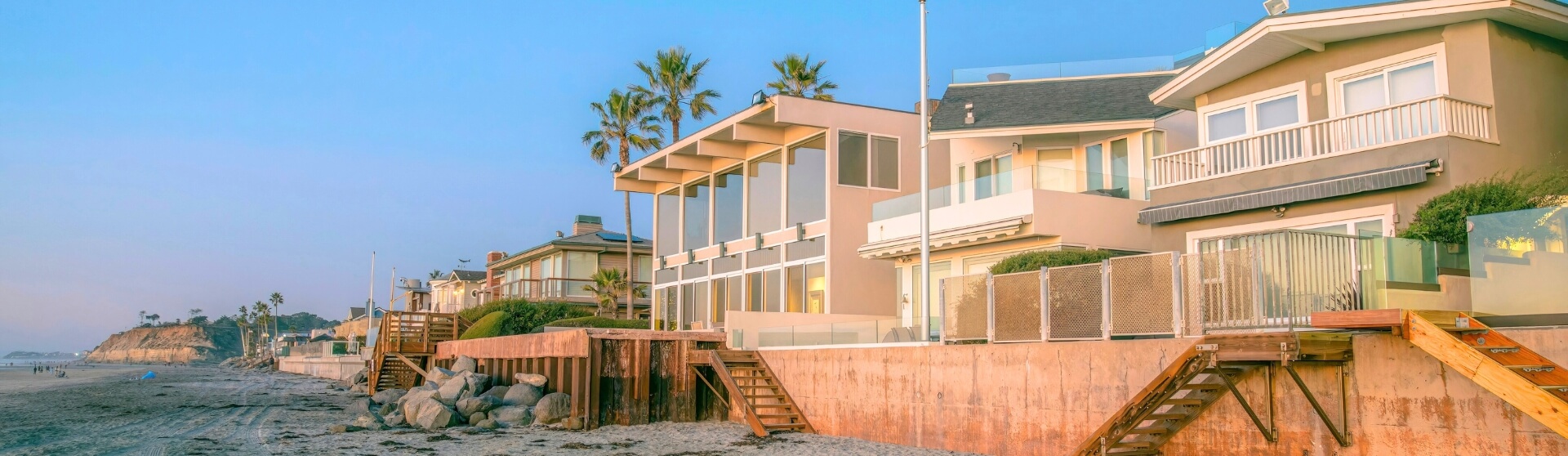
ADU Trends & Insights
How to Build an ADU in the San Diego Coastal Zone
Building an ADU in San Diego’s Coastal Zone requires checking if the property is in the Coastal Overlay Zone, which typically triggers a Coastal Development Permit or exemption.
-
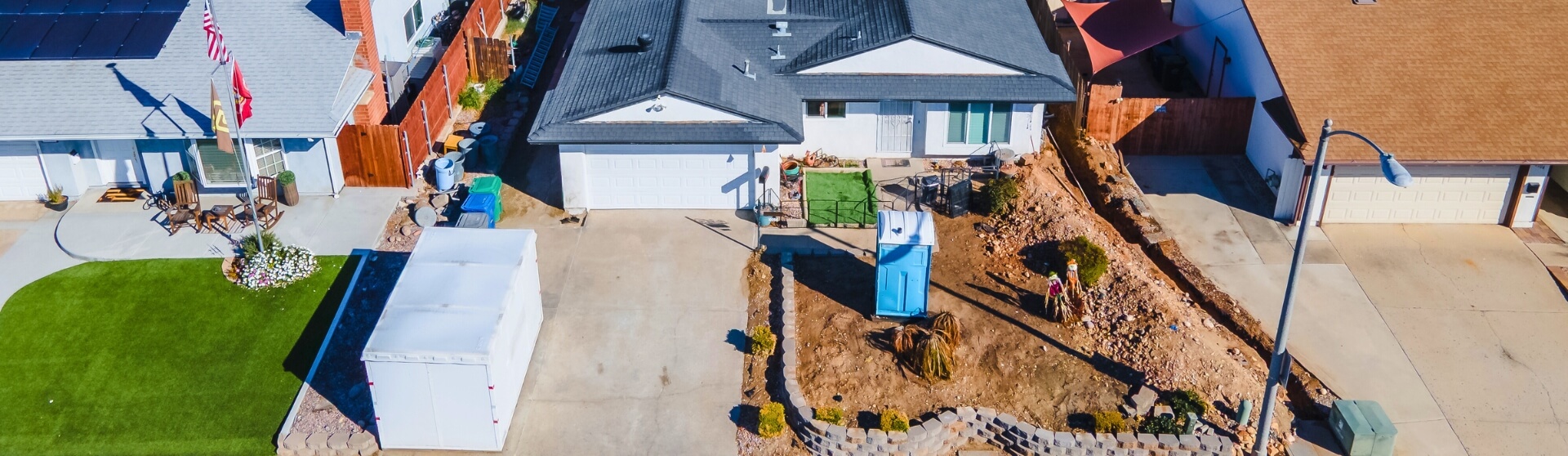
ADU Trends & Insights
What Is a Retaining Wall for an ADU?
A retaining wall for an ADU is a structural wall designed to hold back soil, stabilize slopes, and create a level building area. These walls help prevent erosion, protect the structure from water damage, and make construction possible on sloped or uneven lots.
-
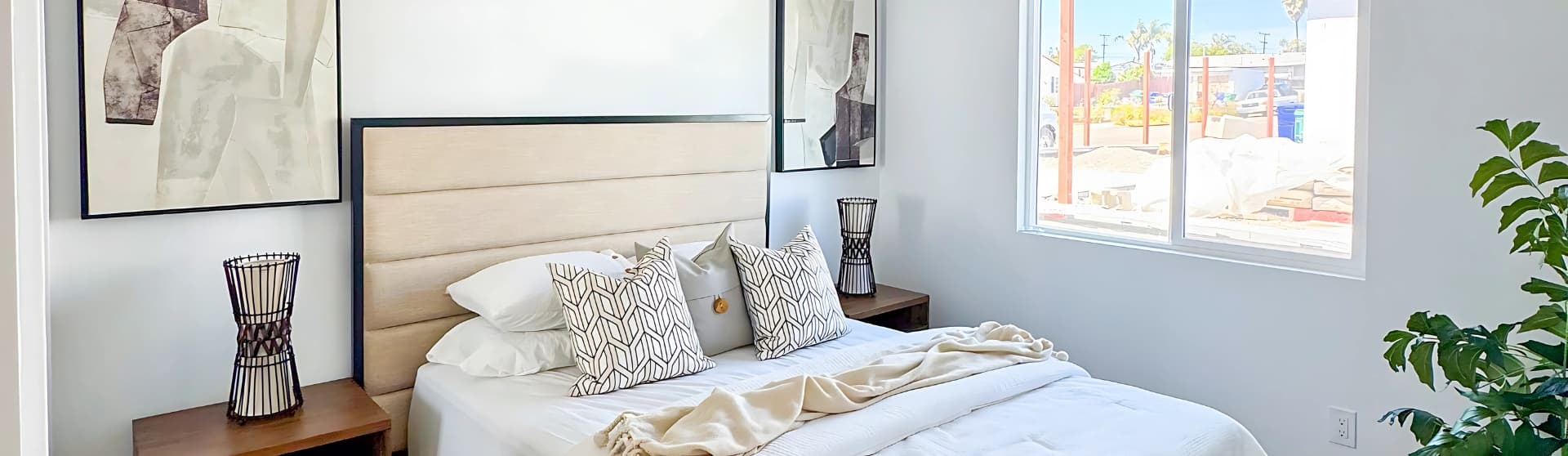
ADU Trends & Insights
What Are the Legal Bedroom Requirements in California?
California has made building ADUs easier to tackle the housing crisis, but specific state and local regulations still apply. Here's what you need to know before starting.
-
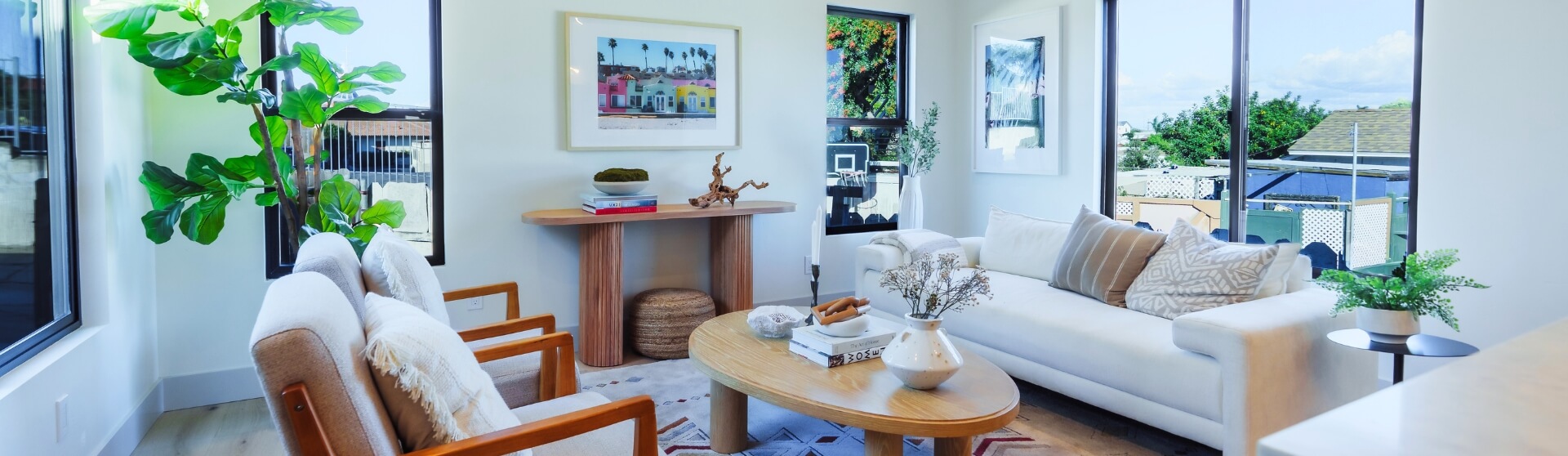
ADU Trends & Insights
What Are the Best Floor Plans for ADUs?
The best ADU floor plans are goal-driven and code-compliant—using efficient layouts like studios, 1-bed/1-bath rentals, or split-bedroom designs that maximize light, privacy, and flexibility while fitting your lot and budget.
-
ADU Trends & Insights
Why Do You Need an Experienced ADU Builder in California?
An experienced ADU builder helps homeowners navigate California’s complex permitting rules, zoning regulations, and construction requirements while avoiding costly mistakes and delays. Accessory Dwelling Units (ADUs) are secondary housing units built on the same property as a primary residence and can include detached backyard homes, attached additions, garage conversions, or basement apartments with independent living […]
-
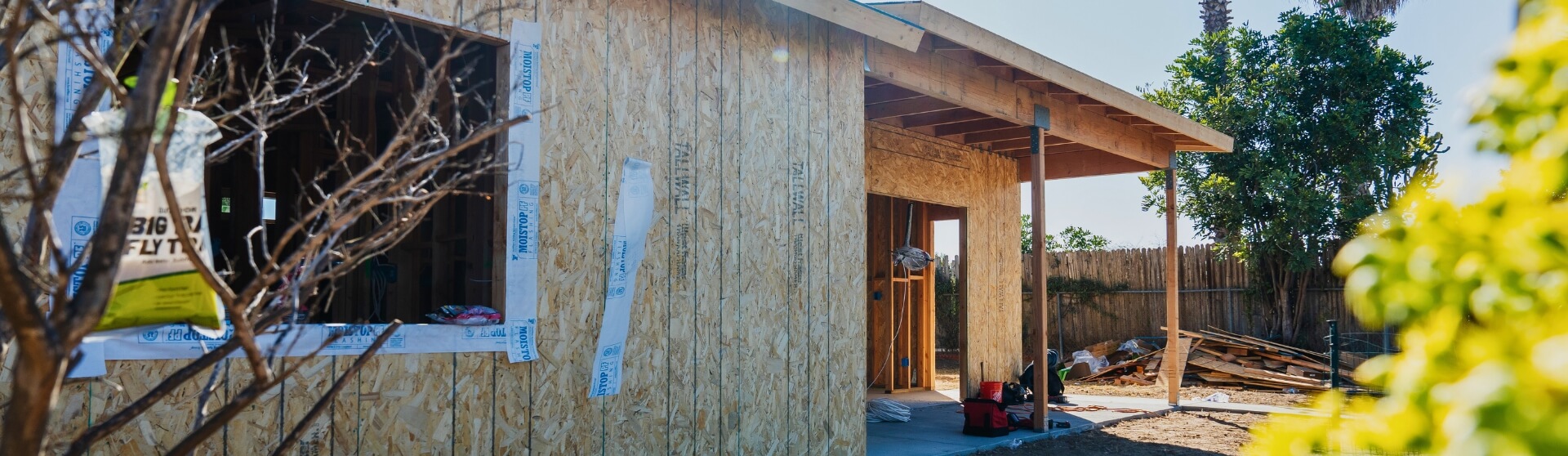
ADU Trends & Insights
What Is a Granny Flat? Definition, Types, and How They’re Used
Granny flats offer San Diego homeowners flexible housing solutions, from accommodating family to generating rental income, with options including detached builds, garage conversions, or junior ADUs.
-
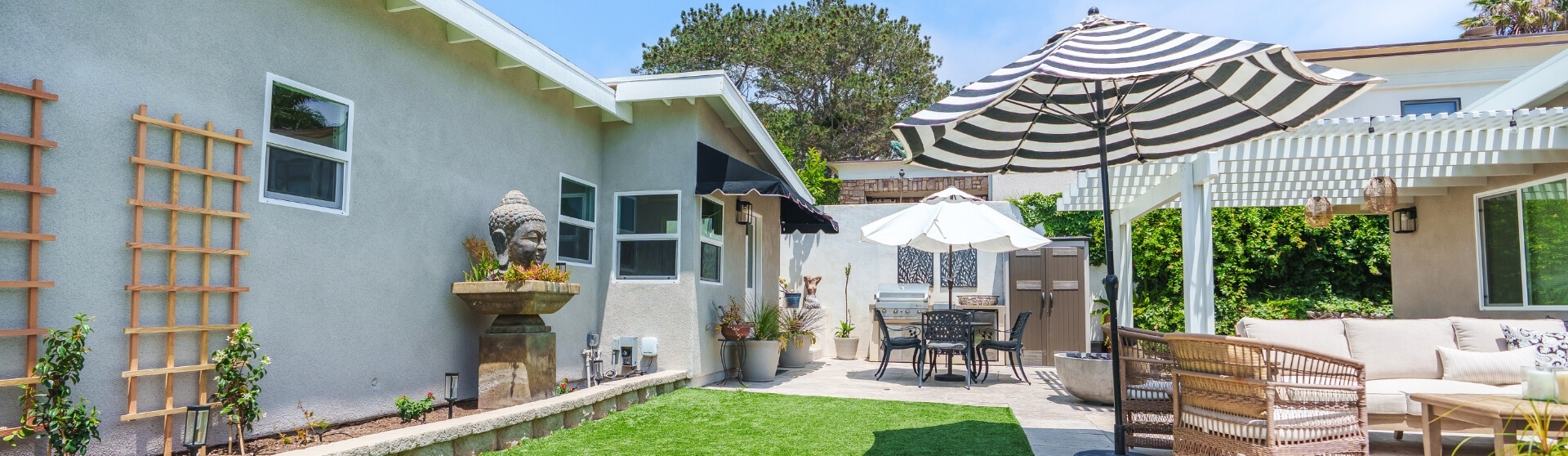
ADU Trends & Insights
What are the universal design principles for ADUs?
Universal design principles for ADUs focus on creating safe, flexible, and comfortable homes—using features like step-free entries, wider doorways, accessible bathrooms, and intuitive layouts—so the space remains usable for people of all ages and abilities over time.
-
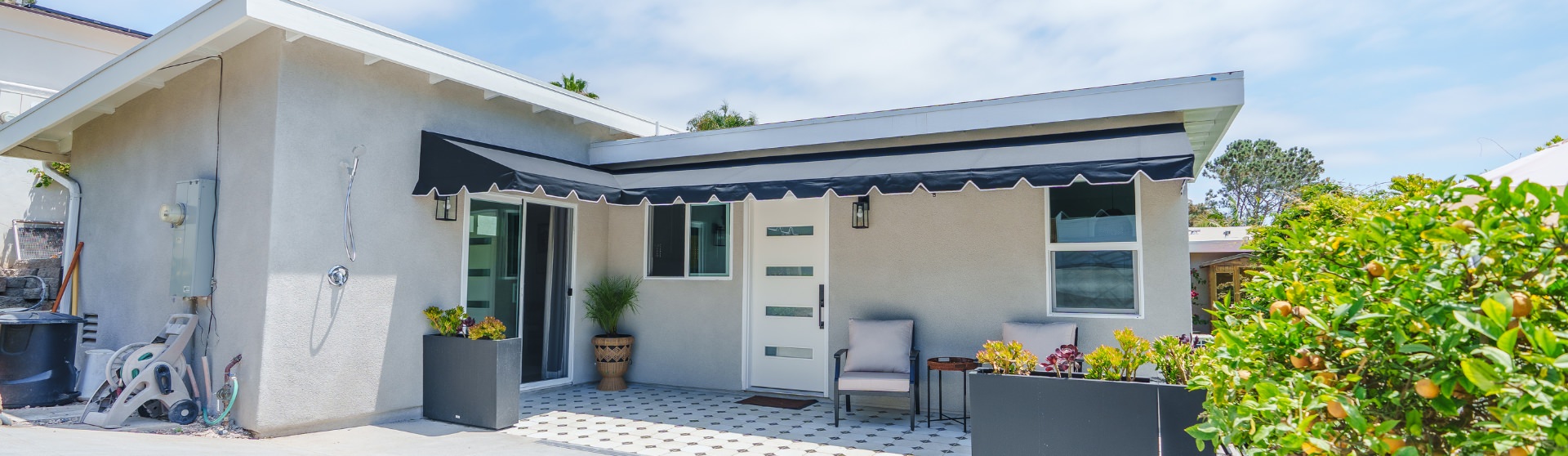
ADU Trends & Insights
How to Finance an ADU in San Diego
ADUs are growing popular in San Diego, offering housing for family or rental income, but demand substantial upfront investment.
-
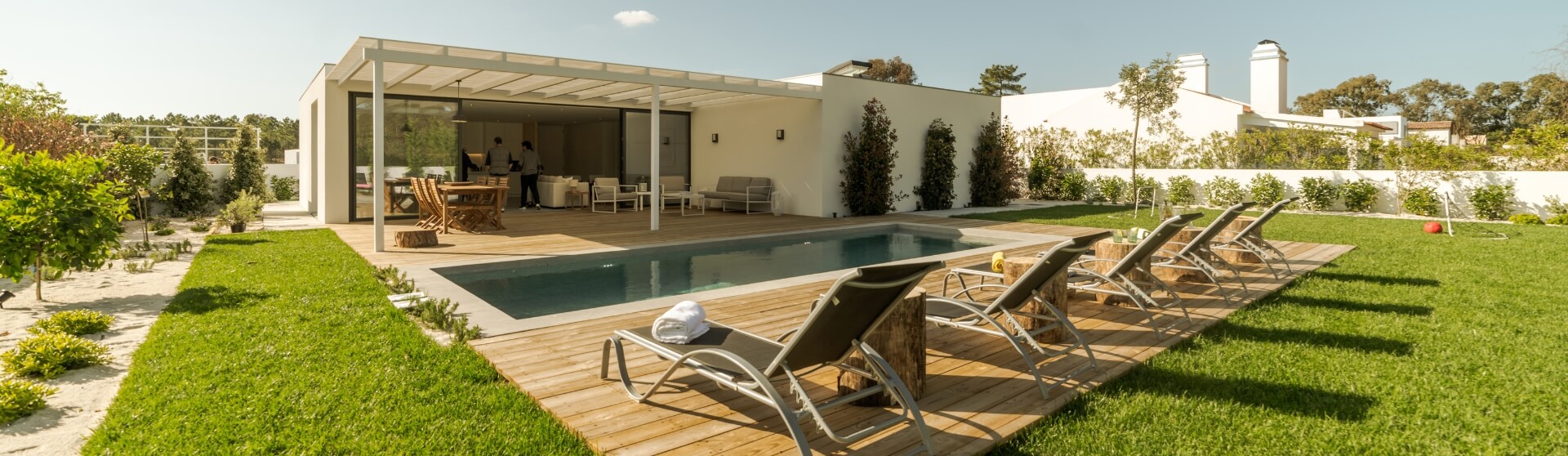
ADU Trends & Insights
How Do You Integrate Outdoor Living Into ADU Design?
Integrating outdoor living features such as patios, decks, and seamless indoor-outdoor connections helps ADUs feel larger, more livable, and more valuable.
-
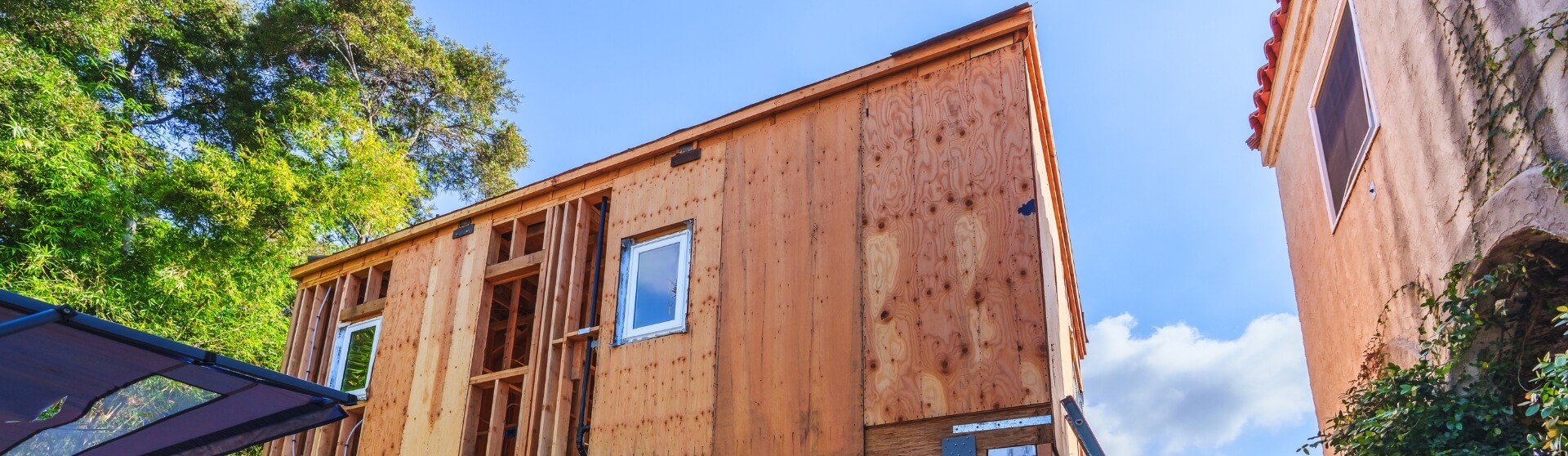
ADU Trends & Insights
What Are Stacked Accessory Dwelling Units (ADUs)?
Stacked ADUs are two fully independent accessory dwelling units built vertically in a single two-story structure, allowing California homeowners to add multiple homes on one lot without increasing the building footprint when local height and zoning rules allow.
-
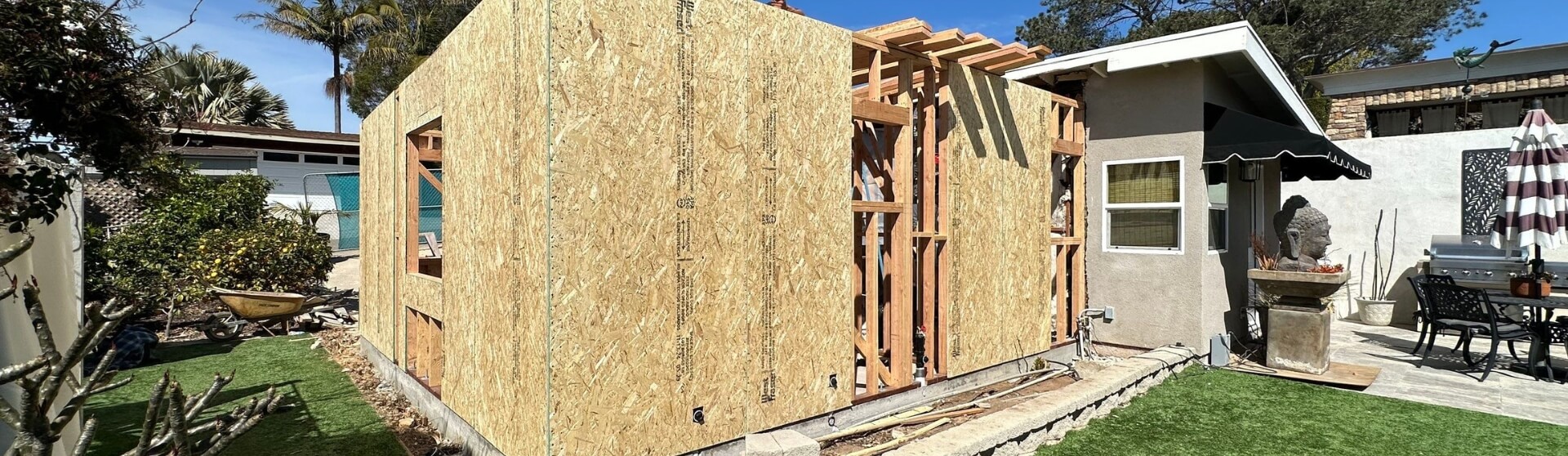
ADU Trends & Insights
ADU vs JADU: What’s the Difference?
Explore the crucial differences between ADUs and JADUs—including size, regulations, costs, and ROI—to determine the best fit for your property and goals.
-
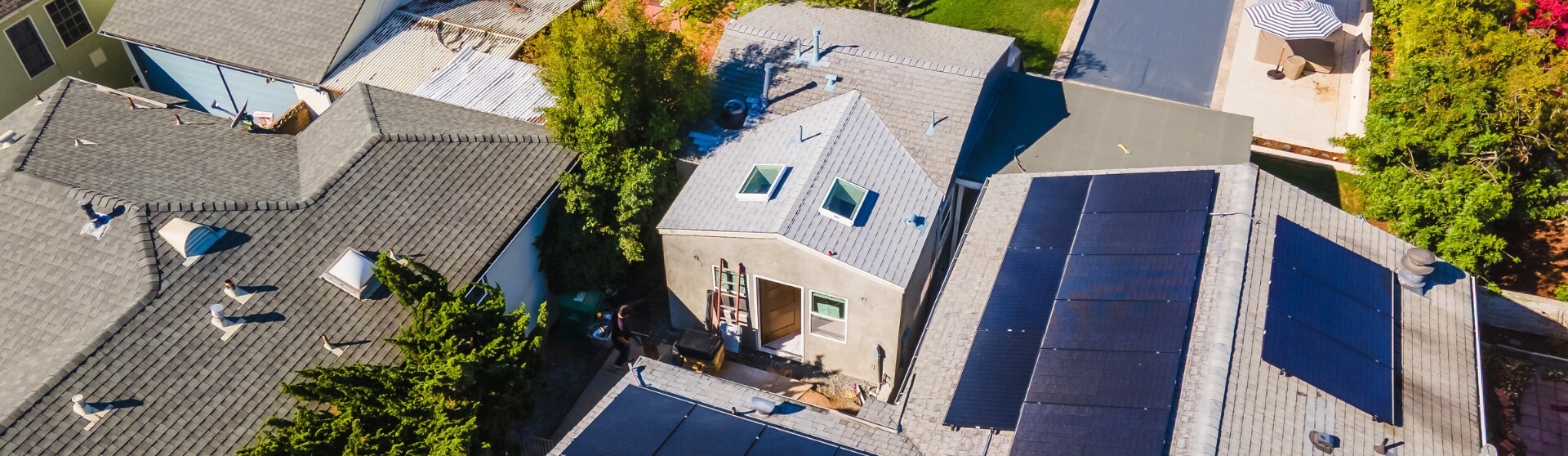
ADU Trends & Insights
Should You Build Your ADU Yourself or Hire a Contractor in San Diego, California?
Building your own ADU in San Diego can save on labor and contractor markup, but it’s essentially managing a small-house build with permits, trades, and inspections—so hiring an experienced contractor (or using a hybrid approach) often reduces delays, risk, and costly mistakes.
-
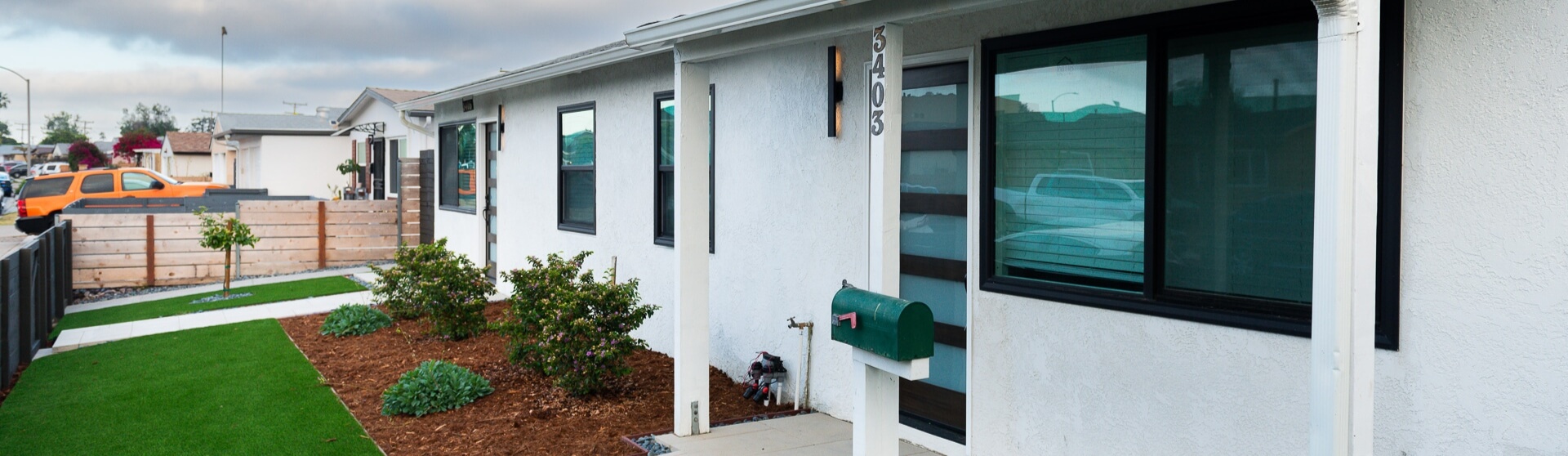
ADU Trends & Insights
How Do You Design the Perfect Granny Flat?
Designing the perfect granny flat starts with understanding local ADU regulations, defining the unit’s intended use, and planning a layout that maximizes comfort within a compact footprint. In California, granny flats—legally classified as Accessory Dwelling Units (ADUs)—must comply with state and local rules covering size, setbacks, and permitting. A successful design balances budget, livability, and […]
-
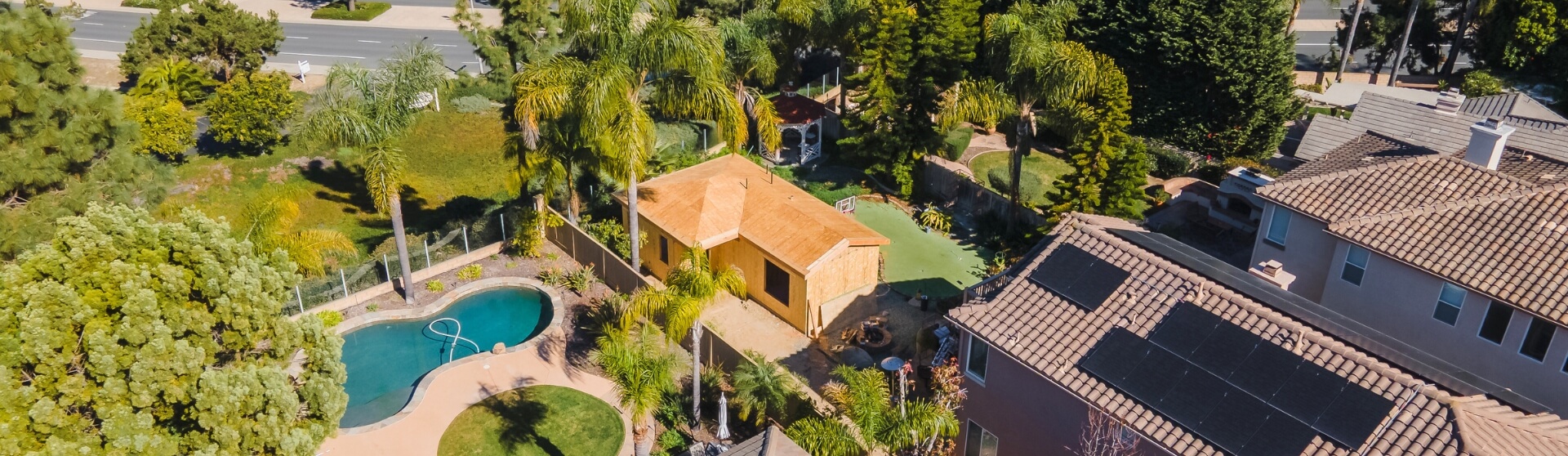
ADU Trends & Insights
What Is ADU Project Management?
ADU project management is the process of overseeing every stage of an accessory dwelling unit project to ensure it stays on schedule, within budget, and compliant with local regulations. It involves coordinating architects, contractors, and inspectors while managing permits, timelines, and construction milestones. Effective project management also includes tracking costs, minimizing delays, and maintaining clear […]
-
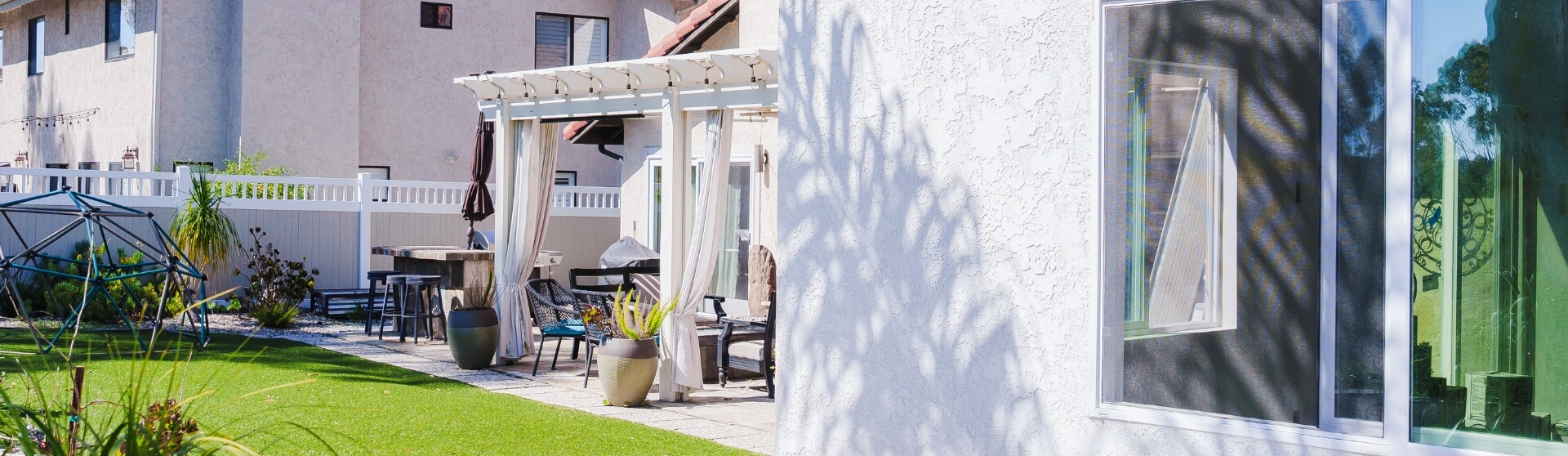
ADU Trends & Insights
Downsizing to an ADU: Benefits, Costs, and Key Considerations
Downsizing to an ADU means moving into an Accessory Dwelling Unit—a smaller, self-contained home on your property—while renting out or repurposing your main house.
-
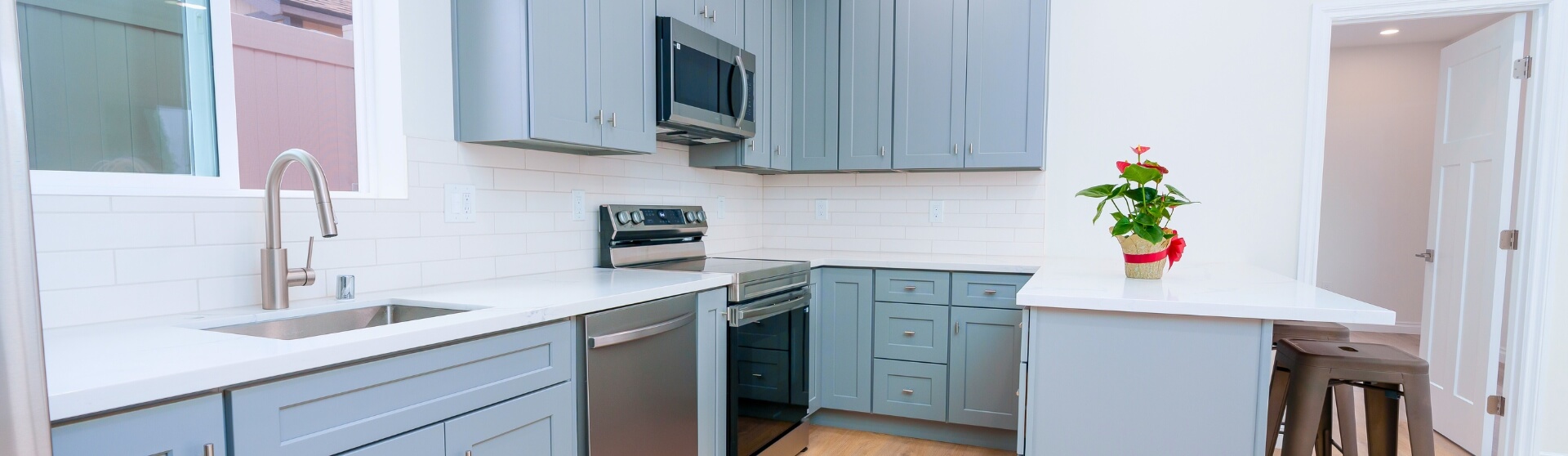
ADU Trends & Insights
How to Finance an ADU Project in California
California homeowners can finance an ADU using home equity, cash-out refinancing, construction or renovation loans, and programs like San Diego’s SDHC (up to $250K), with rental income often helping offset the $200K–$450K build cost.
-
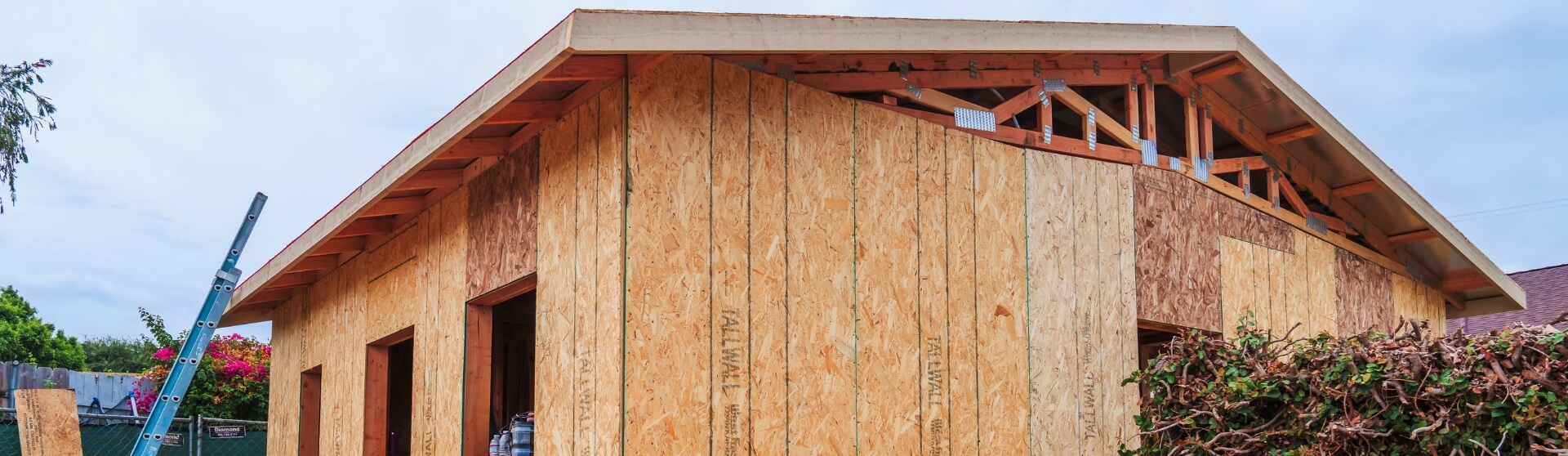
ADU Trends & Insights
What is the importance of an ADU feasibility study in California and San Diego?
An ADU feasibility study is a comprehensive analysis of zoning, site constraints, existing utilities, and a proposed design that determines whether building an accessory dwelling unit is practical and financially viable on a specific property.
-

ADU Trends & Insights
What Are the Best Loan Programs for ADUs in California (San Diego Guide)?
California homeowners can finance ADUs through home equity, construction or renovation loans, cash-out refinancing, and programs like CalHFA (when available) and San Diego’s SDHC, with the best option depending on equity, income, and timing.
-
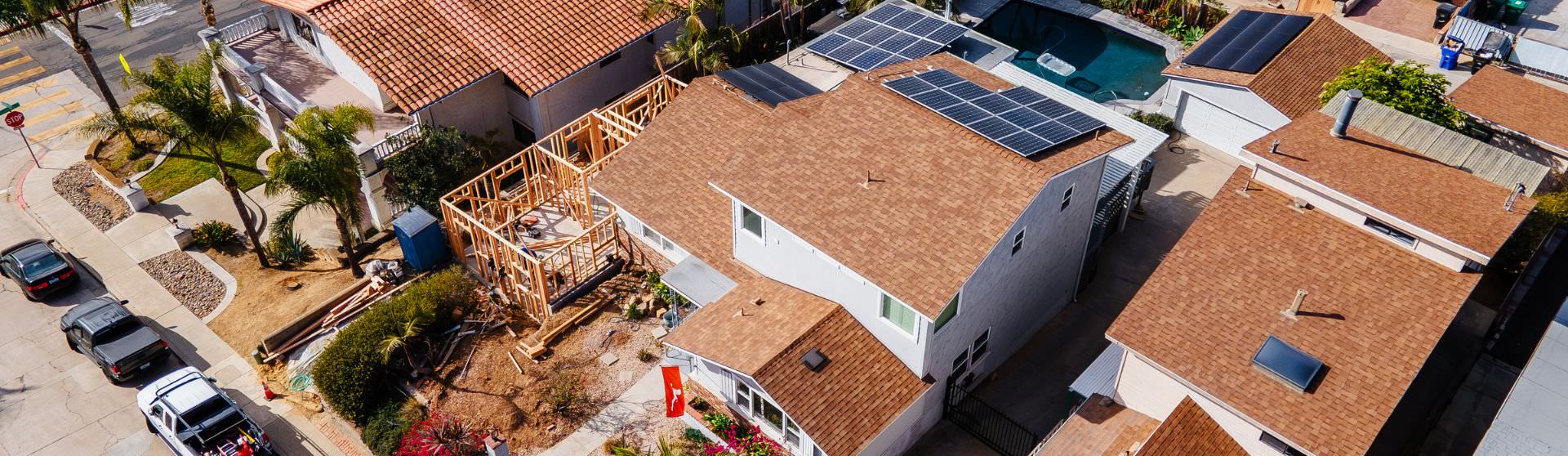
ADU Trends & Insights
What Is a Casita? Definition, Uses, and How It’s Different From an ADU
Casitas are stylish, small ADUs under 800 sq. ft., perfect for guests, rentals, or in-law suites. Discover the benefits, costs, and designs.
-
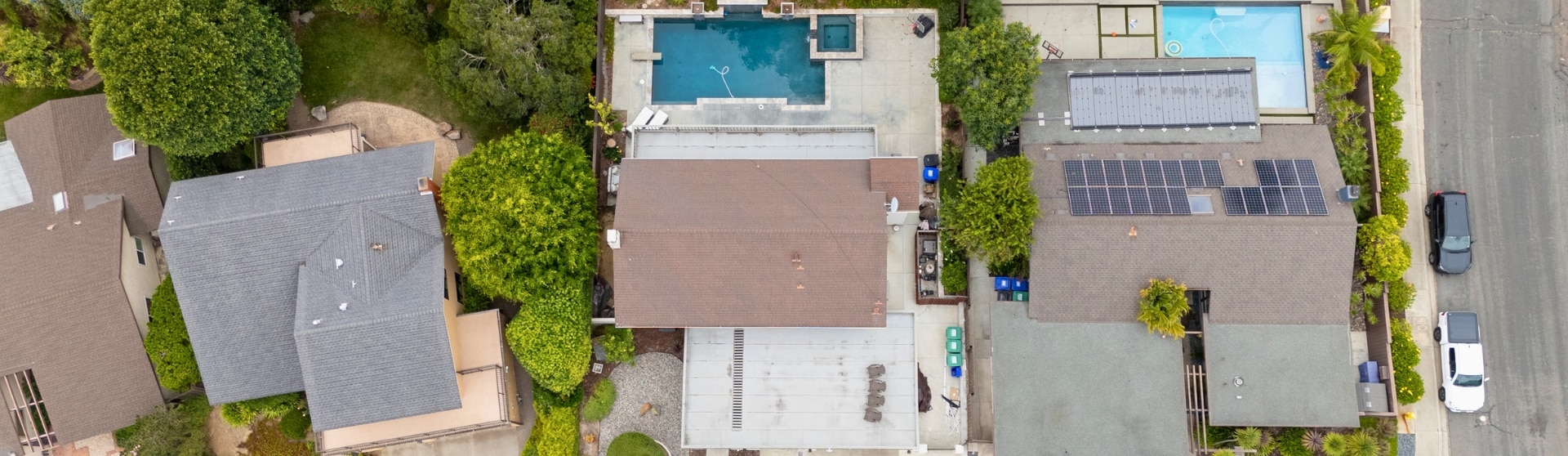
ADU Trends & Insights
How Much Does an ADU Increase Property Value?
Discover how adding an ADU can significantly boost your property value, generate rental income, and enhance long-term equity—all while making the most of your available space.
-

ADU Trends & Insights
Is it Worth It To Build An ADU in 2026? Assessing the ROI of Building an ADU
Discover the financial benefits and pitfalls of building an ADU with our comprehensive, detailed guide.
-
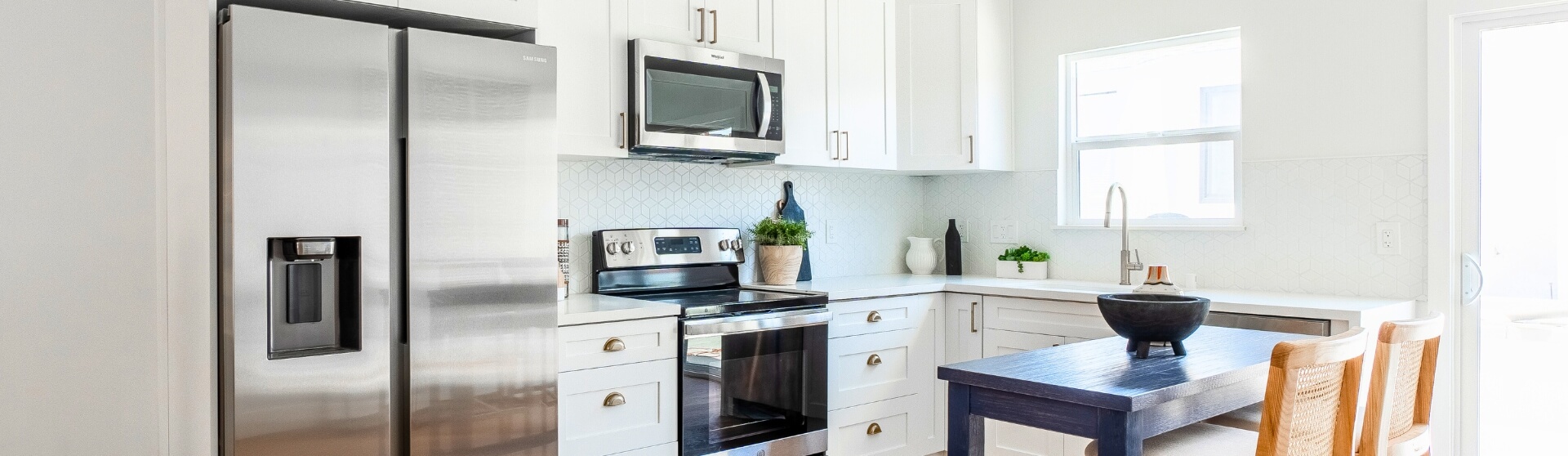
ADU Trends & Insights
Best ADU Designs
Explore essential ADU design trends and practical insights, from layout optimization to style choices, ensuring your accessory dwelling unit maximizes comfort, functionality, and investment potential.
-
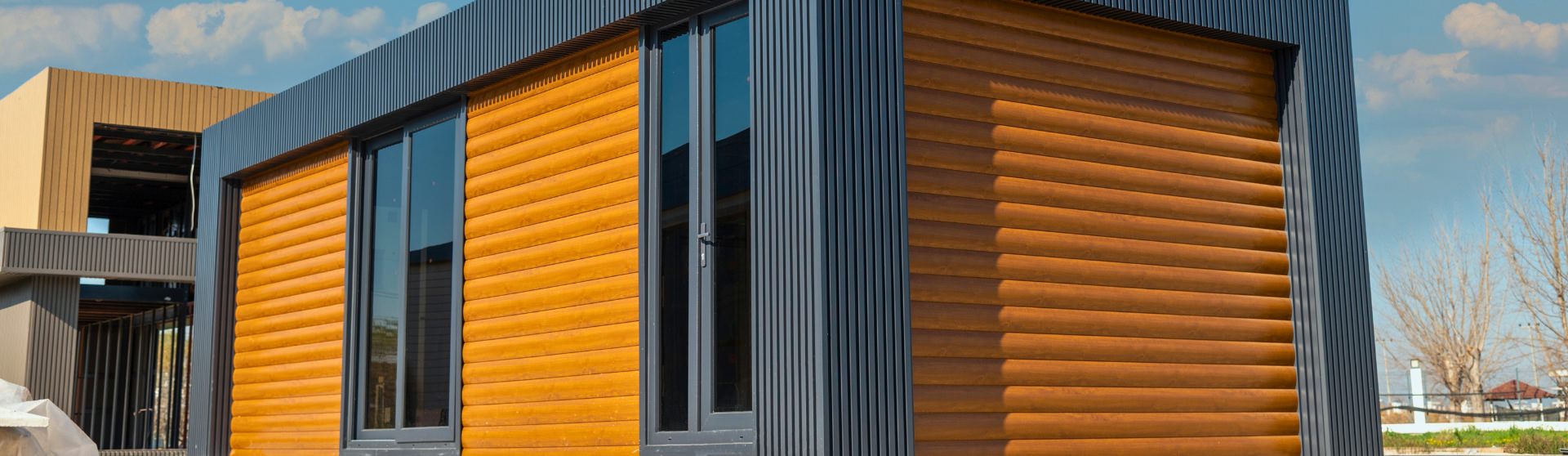
ADU Trends & Insights
Prefab ADUs: Pros and Cons
Explore the pros and cons of prefab ADUs in California, including cost, customization, durability, and ROI, to decide if modular construction suits your needs.
-
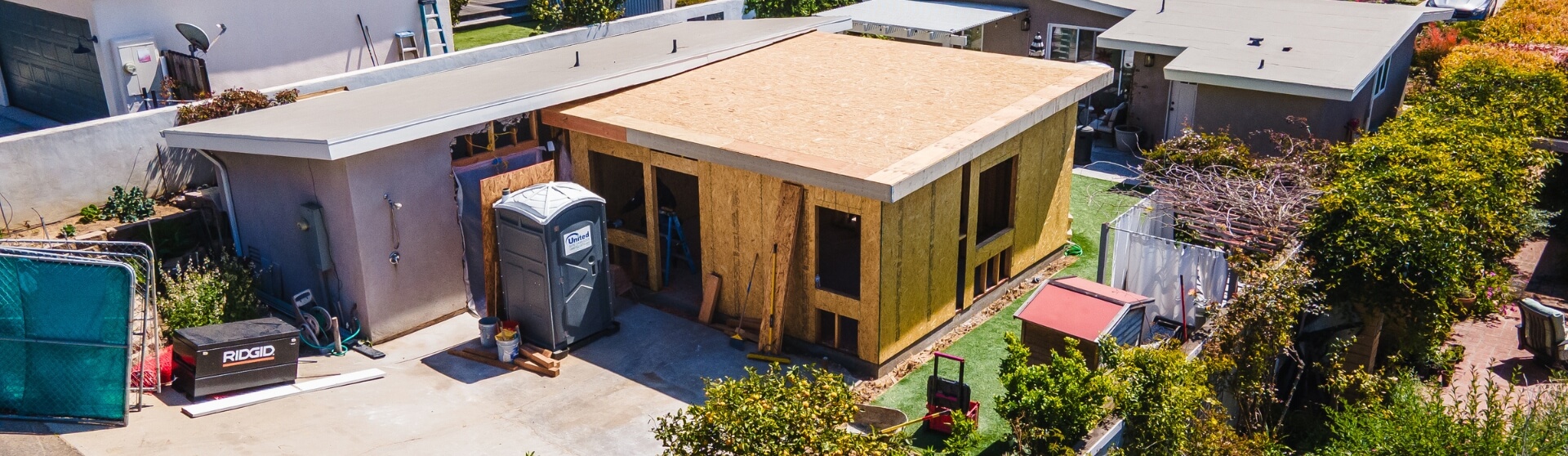
ADU Trends & Insights
SB9 vs ADU: What’s the Difference and Which Is Better?
While promising, the complexity and lengthy approval process of SB9 projects make traditional accessory dwelling units (ADUs) an often simpler and quicker alternative for expanding property use.
-
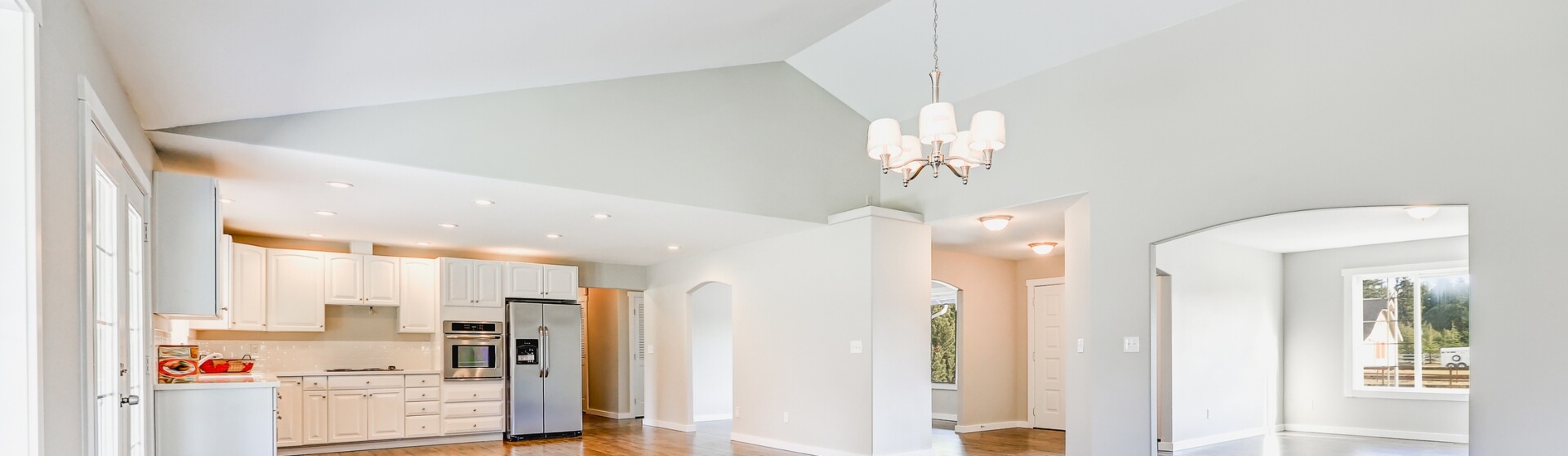
ADU Trends & Insights
What Are Vaulted Ceilings and High Ceilings in ADUs and Are They Worth It in California?
Vaulted ceilings enhance ADUs by maximizing vertical space, increasing natural light, improving comfort, and boosting long-term property value in California when designed and built correctly.
-
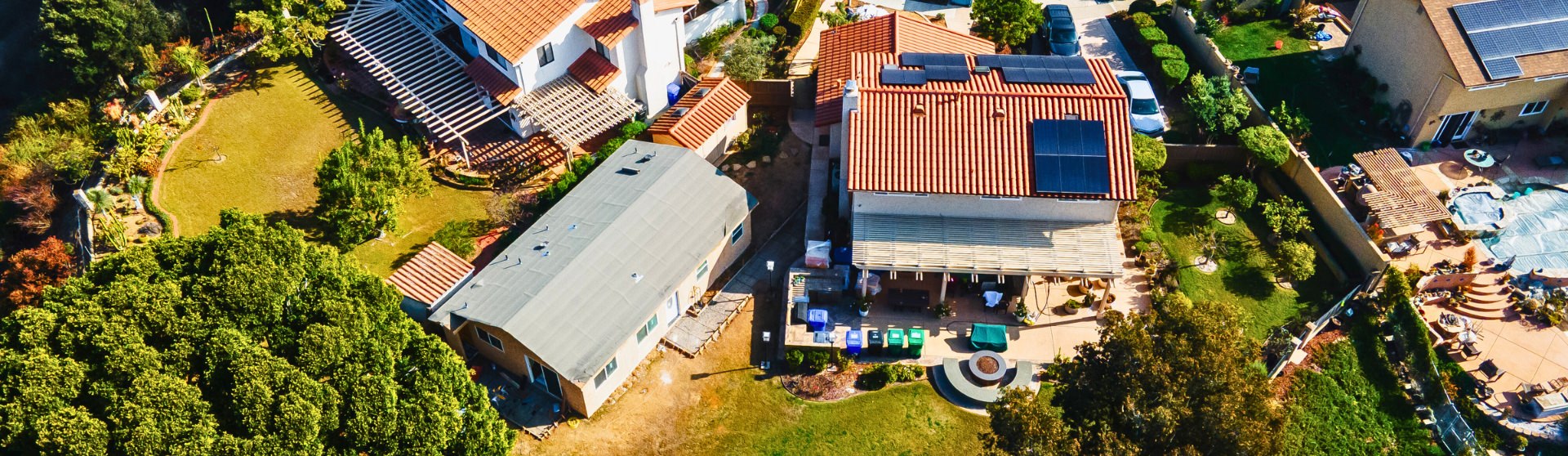
ADU Trends & Insights
How Many ADUs Can You Have on Your Property in California?
Understand California's rules for ADUs and JADUs, including property limits, zoning laws, and strategies to maximize space, rental income, and property value.
-
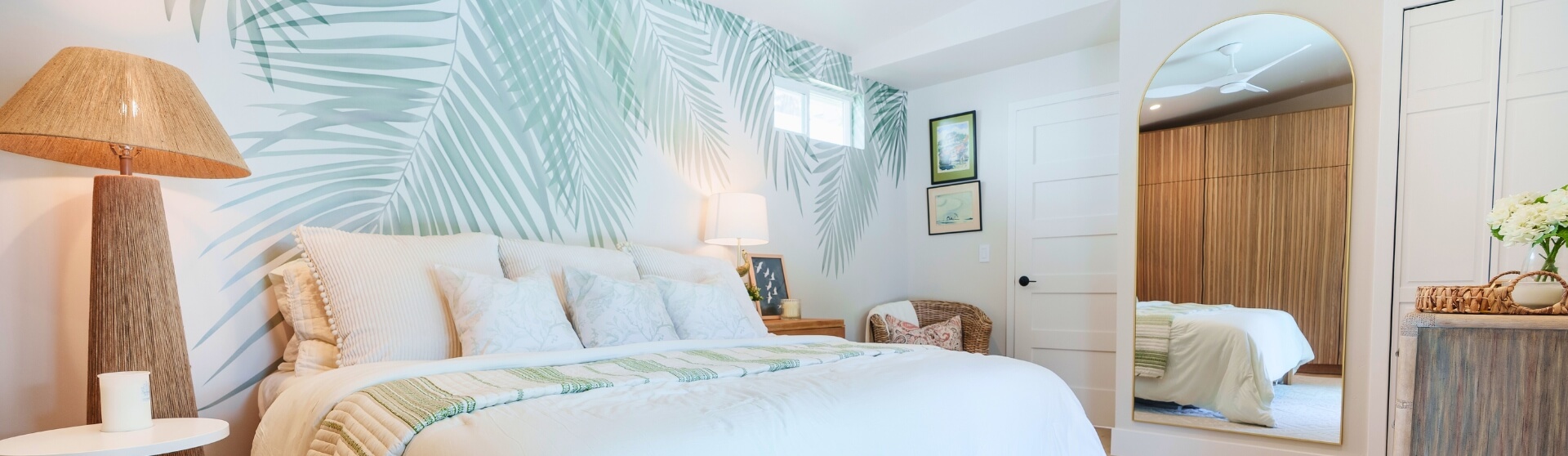
ADU Trends & Insights
How Does Choosing the Right Color Scheme Impact an ADU’s Design and Value?
Choosing the right ADU color scheme—especially light, neutral palettes with intentional accents—can make small spaces feel larger, improve livability, and increase rental and long-term property value.
-
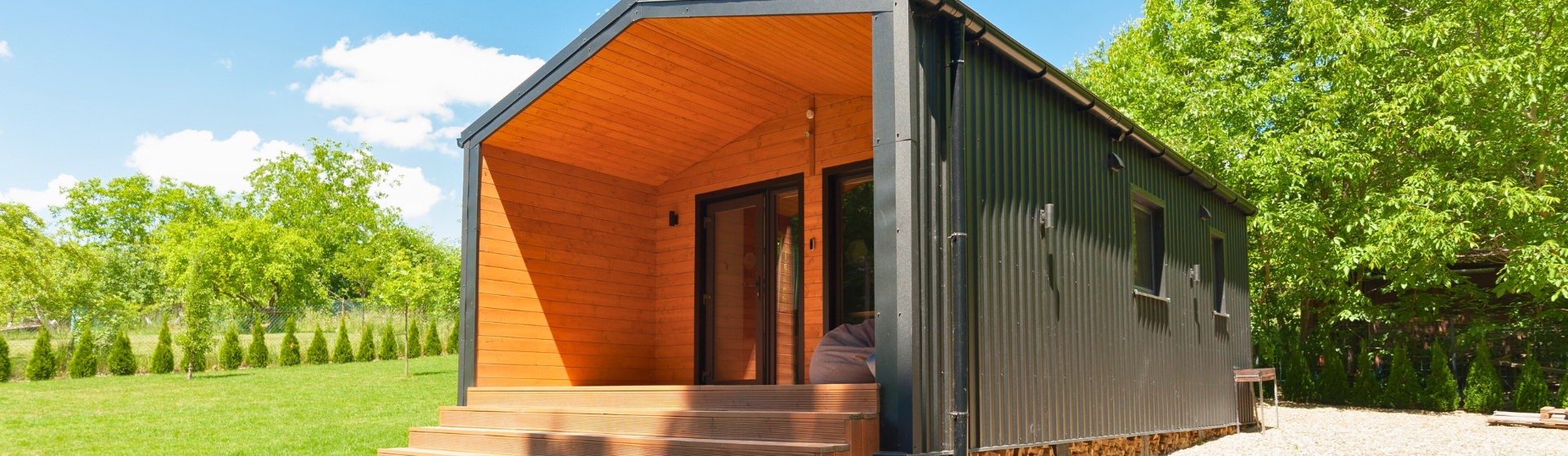
ADU Trends & Insights
ADU Manufactured Homes in San Diego: Are They Right for You?
Discover whether a manufactured home is the right choice by exploring costs, regulations, benefits, and potential drawbacks.
-
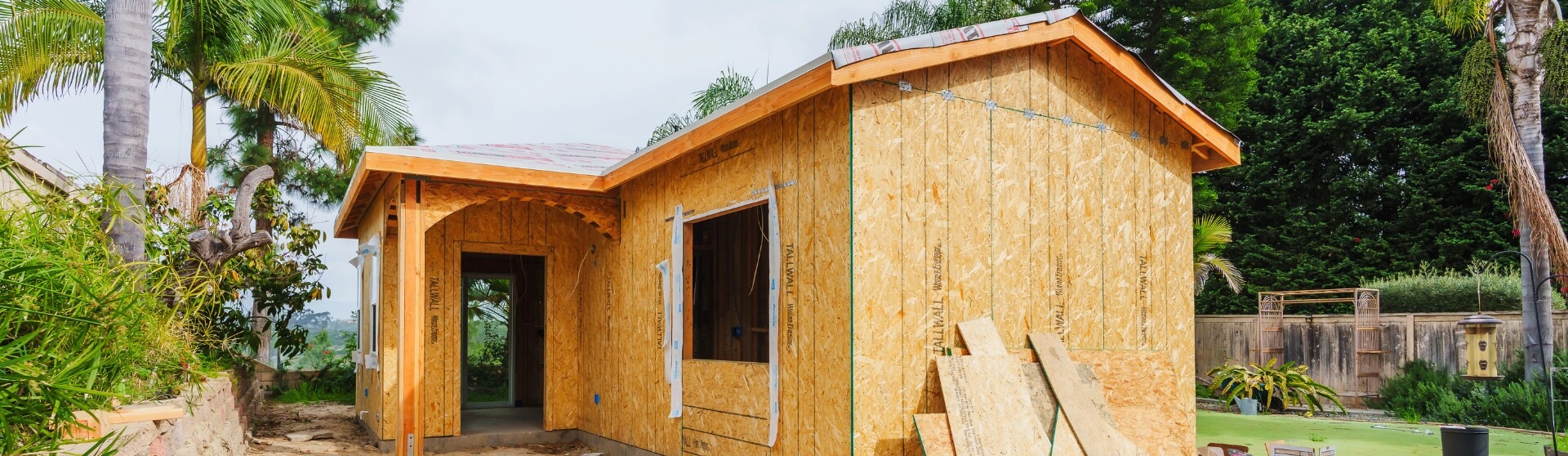
ADU Trends & Insights
What Is the Cost of Building an ADU in California?
The cost of building an ADU in California varies based on factors such as size, design, site conditions, utility work, and local fees. A statewide homeowner survey found that the median ADU construction cost is $150,000, or approximately $250 per square foot, providing a useful benchmark for homeowners planning an ADU. The California Department of […]
-
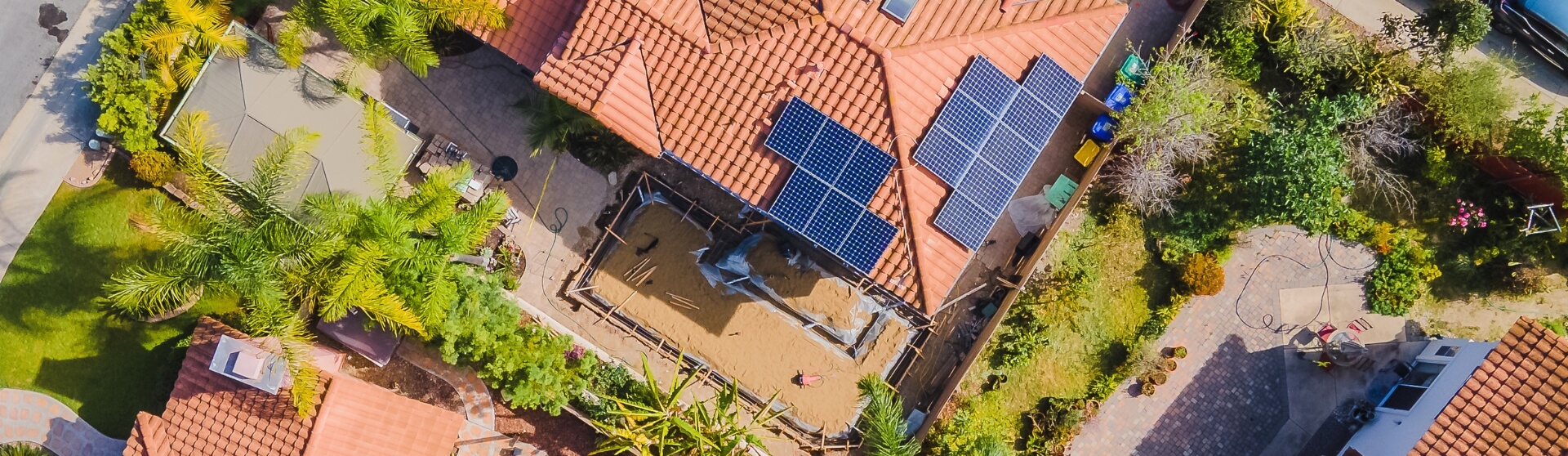
ADU Trends & Insights
What Are ADU Owner Occupancy Requirements?
ADU owner occupancy requirements are rules that require a property owner to live on the same lot as an accessory dwelling unit, either in the primary residence or the ADU itself. These rules were historically imposed by local governments to discourage absentee landlords and preserve neighborhood character. In California, however, owner-occupancy requirements for ADUs are […]
-
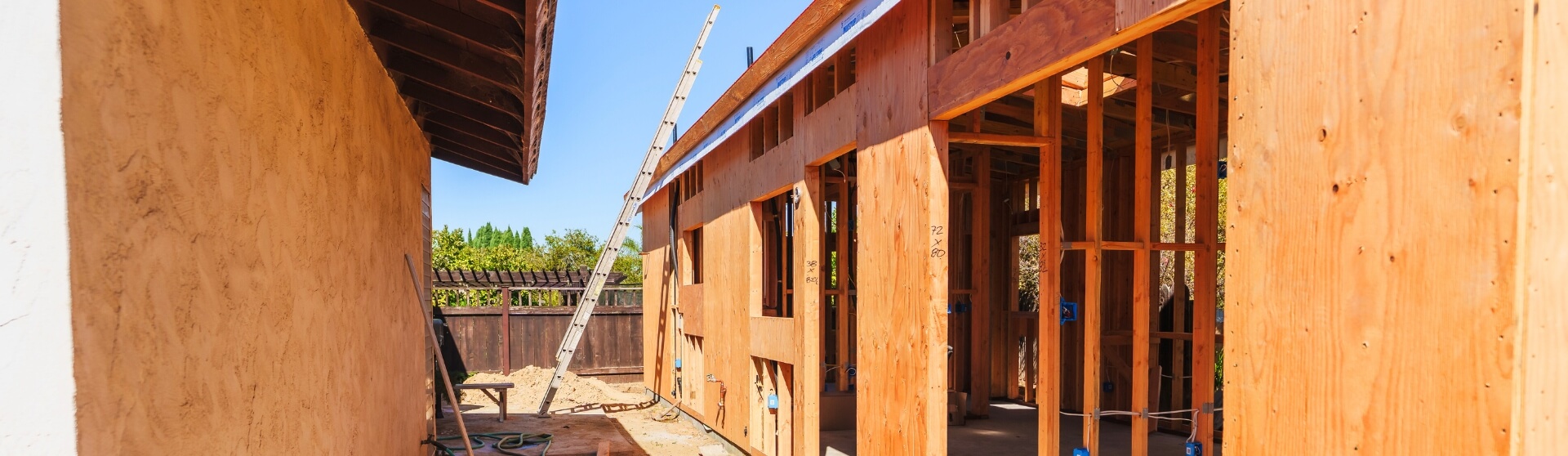
ADU Trends & Insights
Construction Loans vs. Personal Loans for ADUs: What Do California Homeowners Need to Know?
Building an ADU in California typically requires high financing and San Diego homeowners usually choose between construction loans, which are based on the future value of the property, and personal loans, which offer fast approval but higher interest rates.
-
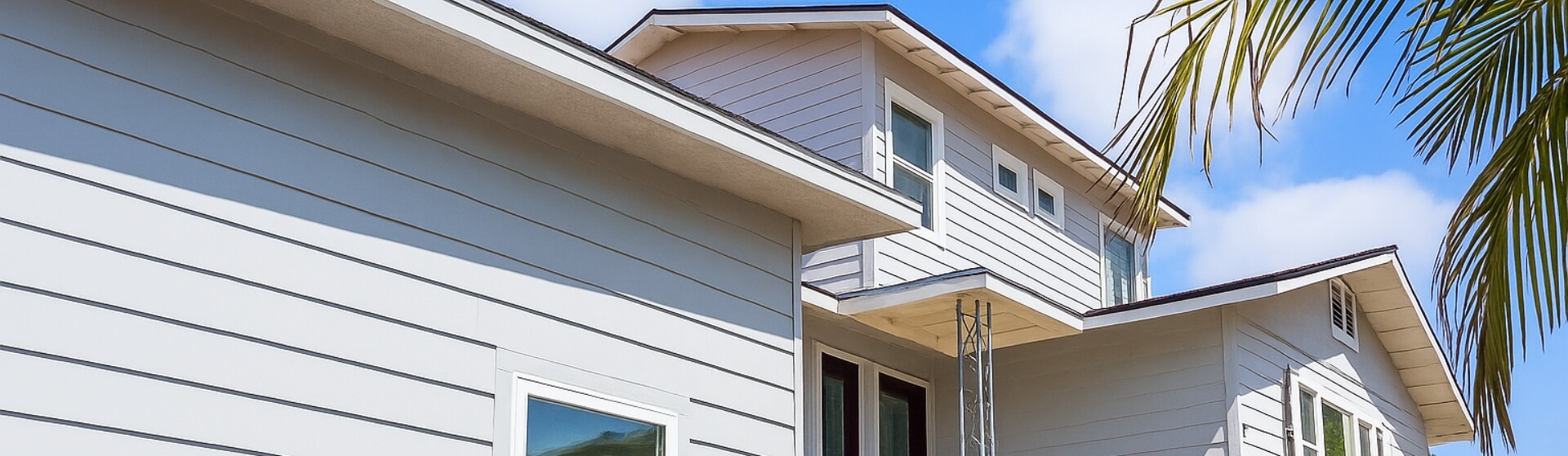
ADU Trends & Insights
20 Day Preliminary Notice for ADUs in California: Requirements and Deadlines
A California 20-Day Preliminary Notice is a required filing for most ADU projects that subcontractors and suppliers must send within 20 days of providing labor or materials, notifying owners, contractors, and lenders.
-
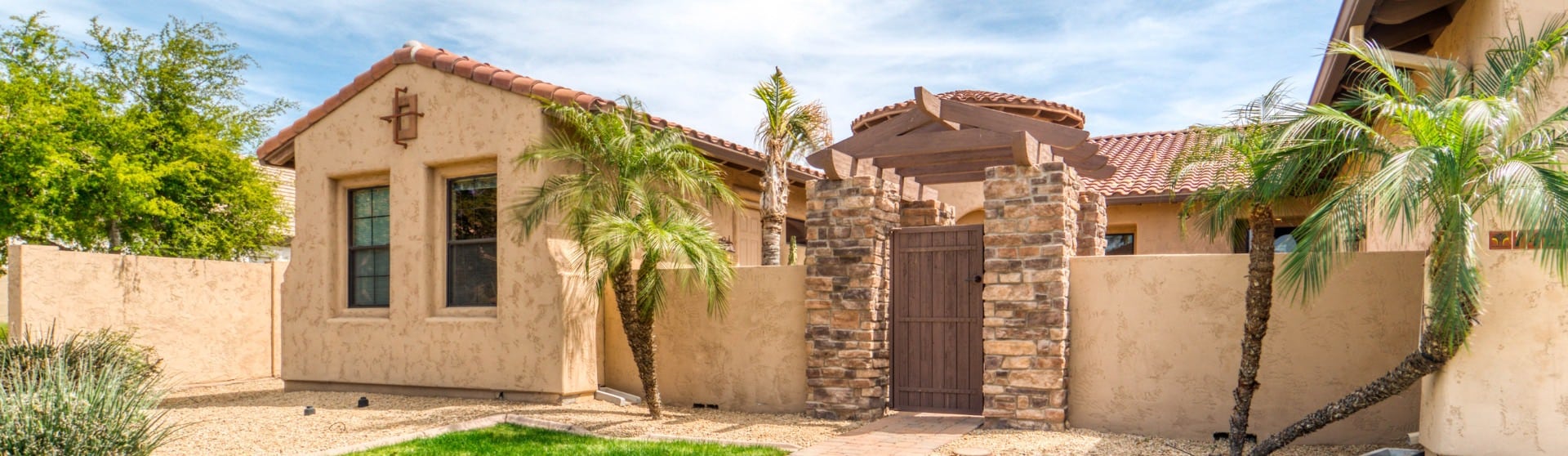
ADU Trends & Insights
Spanish Style ADUs
Explore the timeless elegance of Spanish-style ADUs with iconic features like stucco walls, red tile roofs, and stunning architectural details.
-
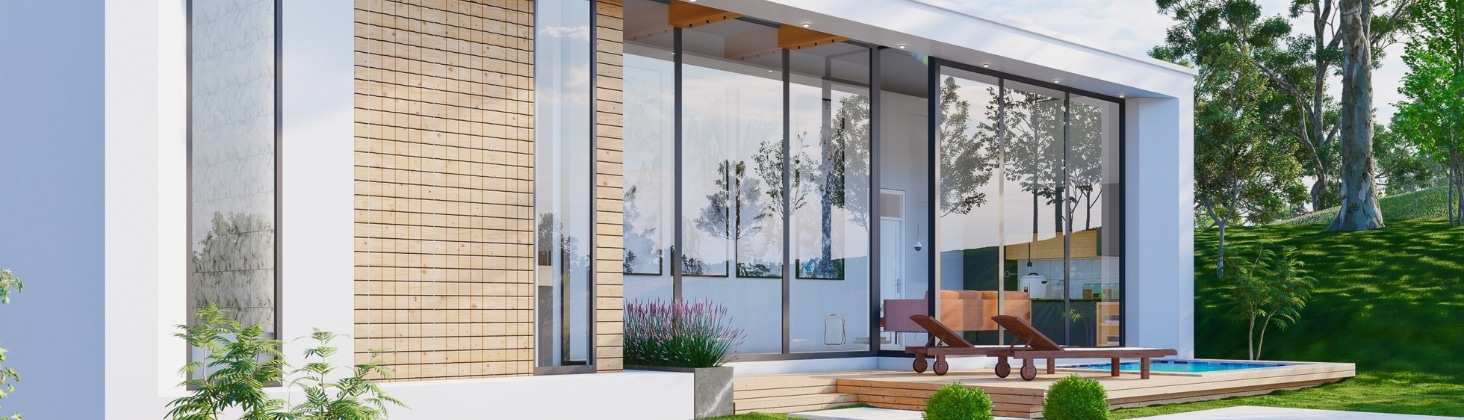
ADU Trends & Insights
Why ADUs & Costs Matter in San Diego
Planning an ADU in San Diego? Get the lowdown on all the hidden costs that can catch you off guard.
-
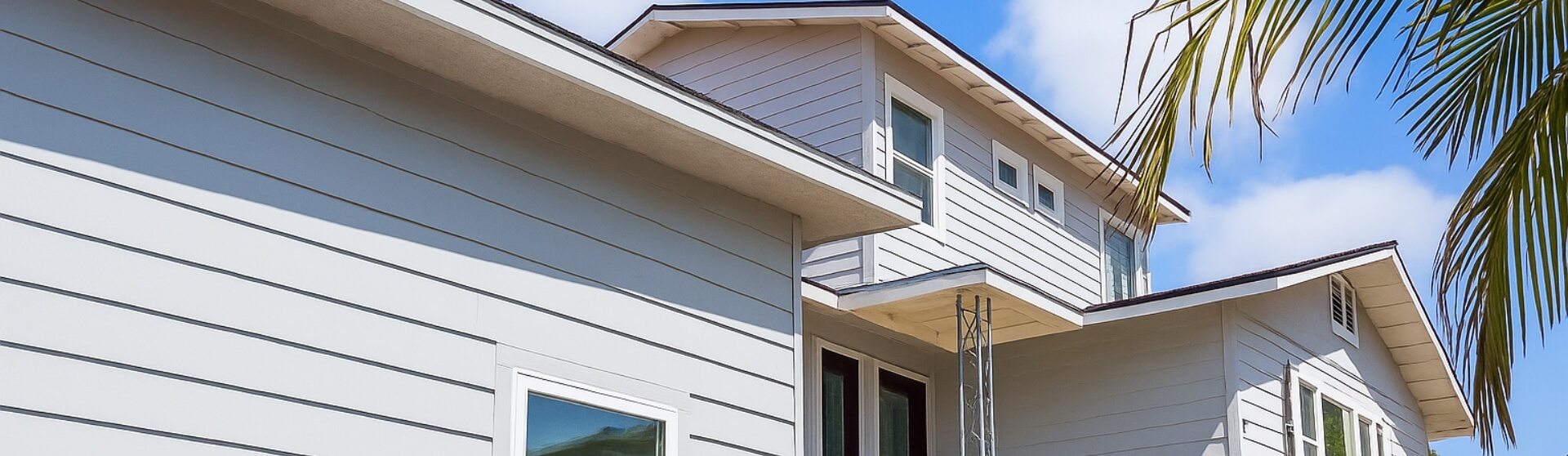
ADU Trends & Insights
Where Can ADUs be Built in San Diego, CA?
ADUs are allowed on nearly all residential lots in California, including single-family and multifamily properties, under state law. In San Diego, any property zoned for residential use qualifies, making it easier than ever for homeowners to add an ADU and expand their living or rental space.
-
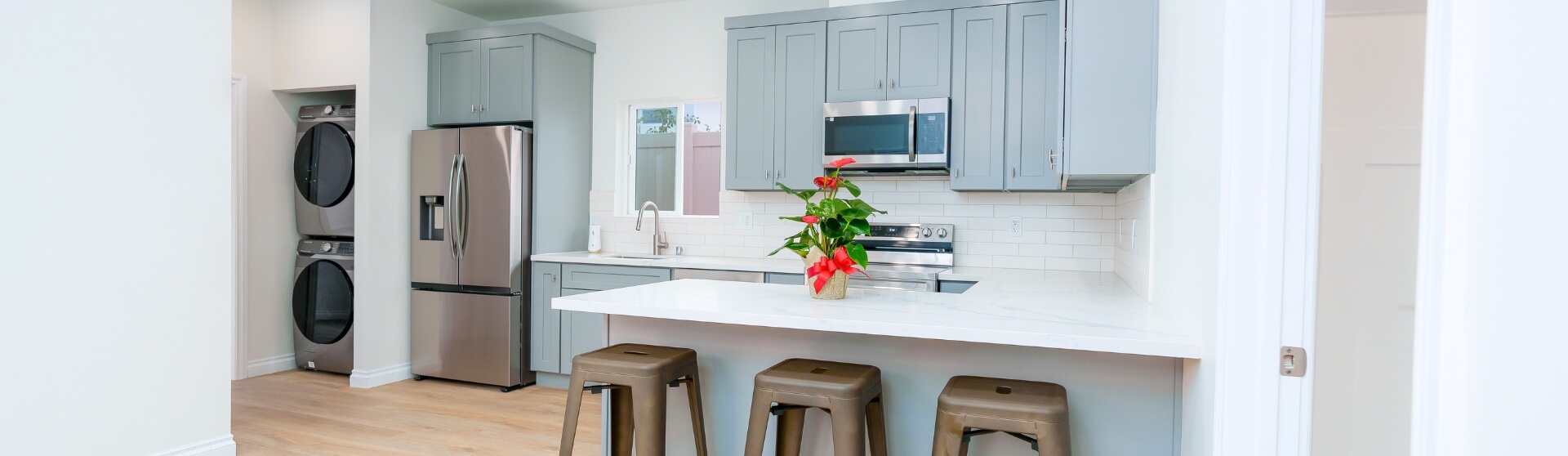
ADU Trends & Insights
How Long Until an ADU Pays for Itself?
Most ADUs pay for themselves within 5–15 years by combining rental income and property value appreciation, with faster payback in high-demand markets like San Diego.
-
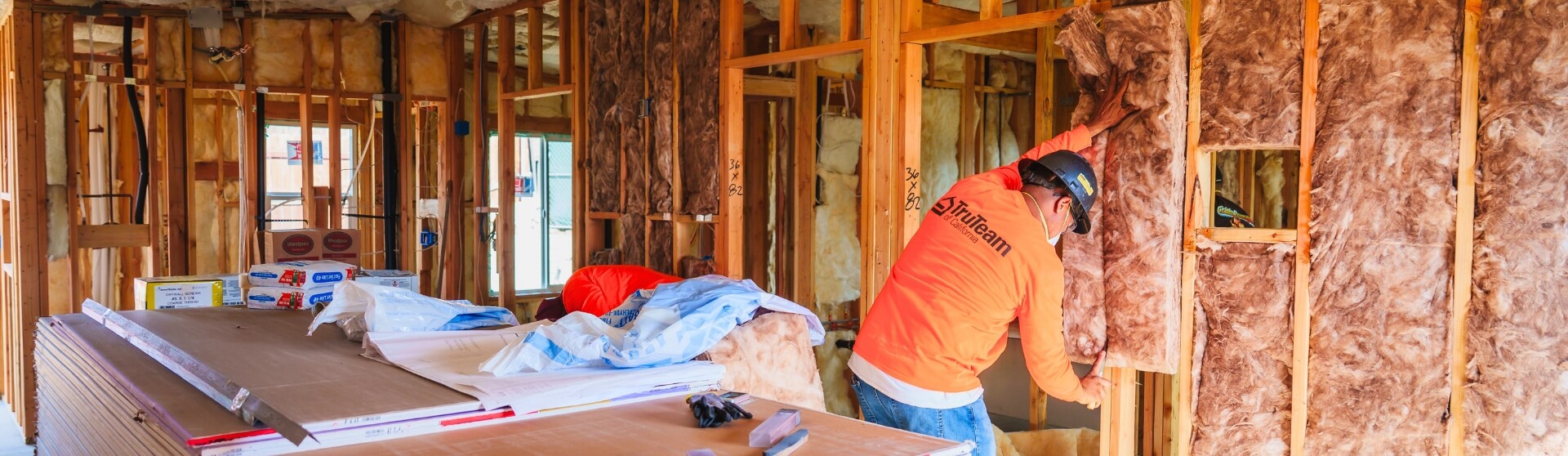
ADU Trends & Insights
Do You Trust Your Builder?
You can trust your ADU builder when they prove real ADU experience, proper California licensing/insurance, and clear written contracts, not just a good sales pitch.
-
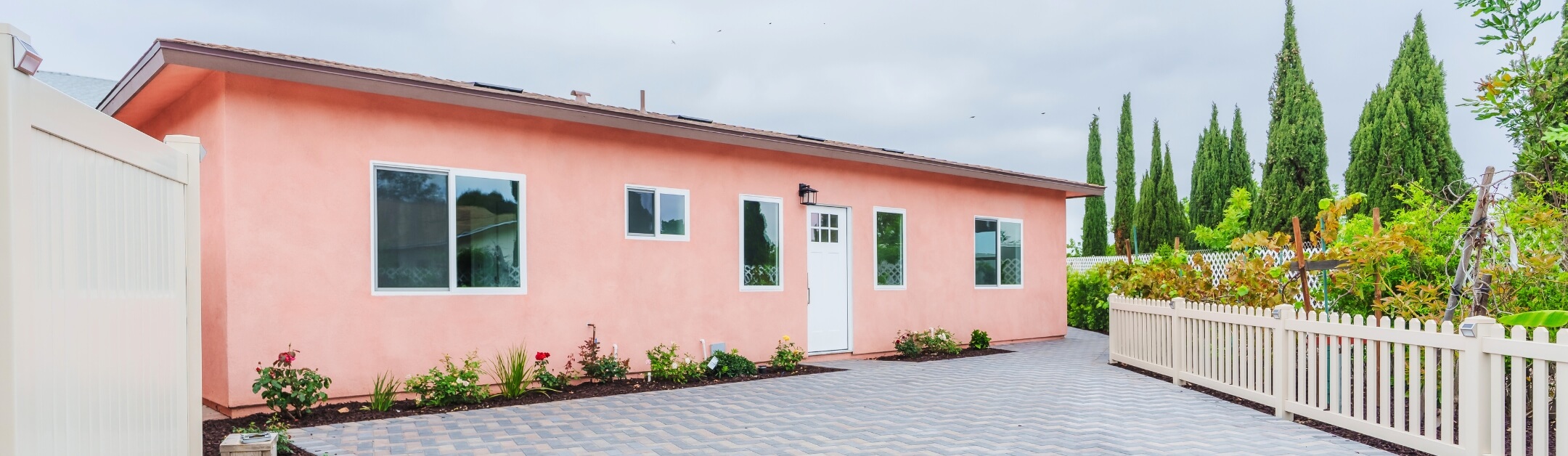
ADU Trends & Insights
What Is an ADU Cost Breakdown?
An ADU cost breakdown shows where your budget goes—hard construction costs (about 85–90%) versus soft costs like plans, permits, and city fees (about 10–15%)—so you can set realistic expectations and avoid surprises.
-
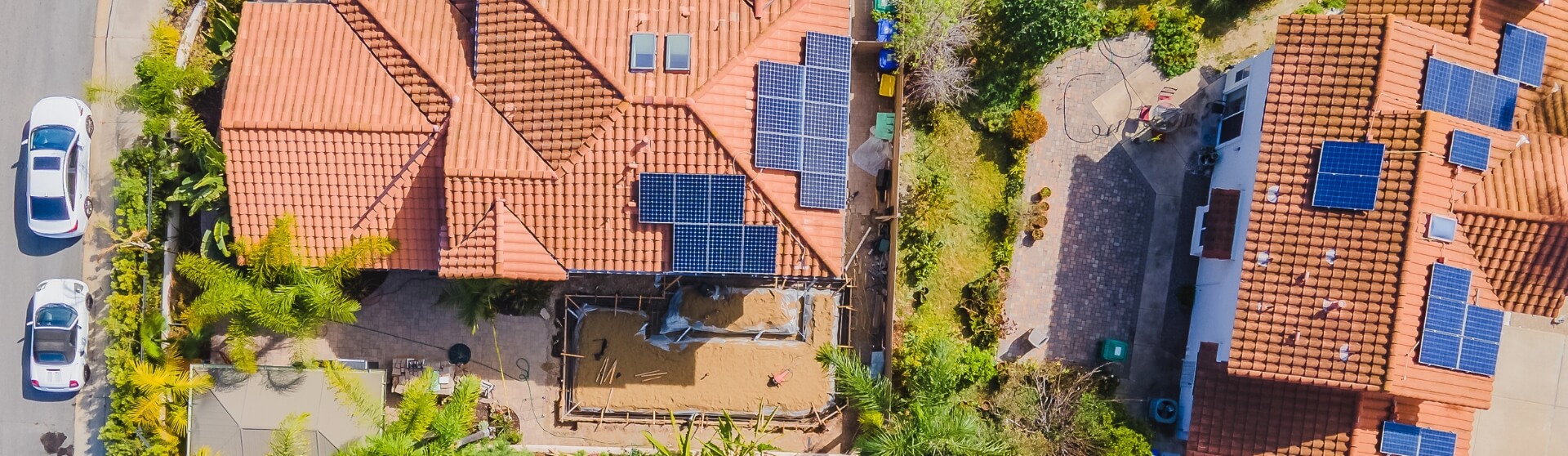
ADU Trends & Insights
What Are the ADU Electrical Requirements in California in 2026?
California ADUs must comply with strict electrical and energy regulations under the California Electrical Code (CEC) and Title 24 energy standards. Most ADUs require detailed planning for electrical panels, load calculations, dedicated circuits, solar readiness, and utility coordination to meet modern safety and efficiency requirements. Homeowners in San Diego and across California often underestimate the […]
-
ADU Trends & Insights
When Do You Need a Survey for an ADU in San Diego?
A survey for an ADU in San Diego is typically required when the new unit is built close to property lines, situated on a sloped or irregular lot, or when local regulations mandate setback verification.
-
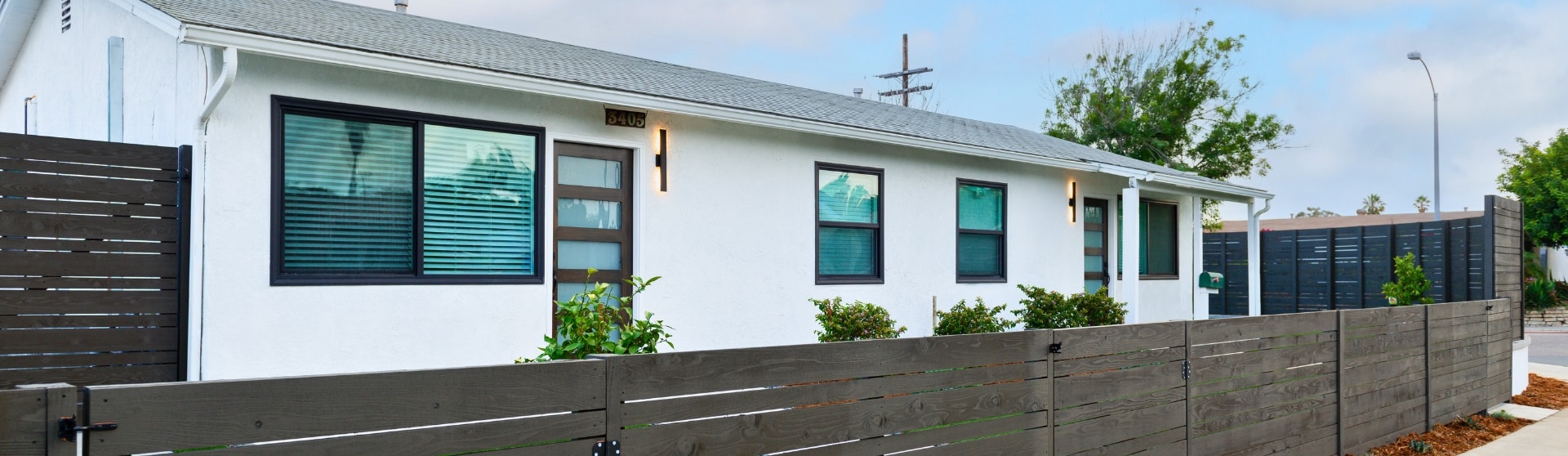
ADU Trends & Insights
What Is ADU Rental Income and Why Are California Homeowners Investing in It?
Explore how to maximize rental income from an ADU with tips on design, rental strategies, and legal considerations to turn your ADU into a profitable investment.
-
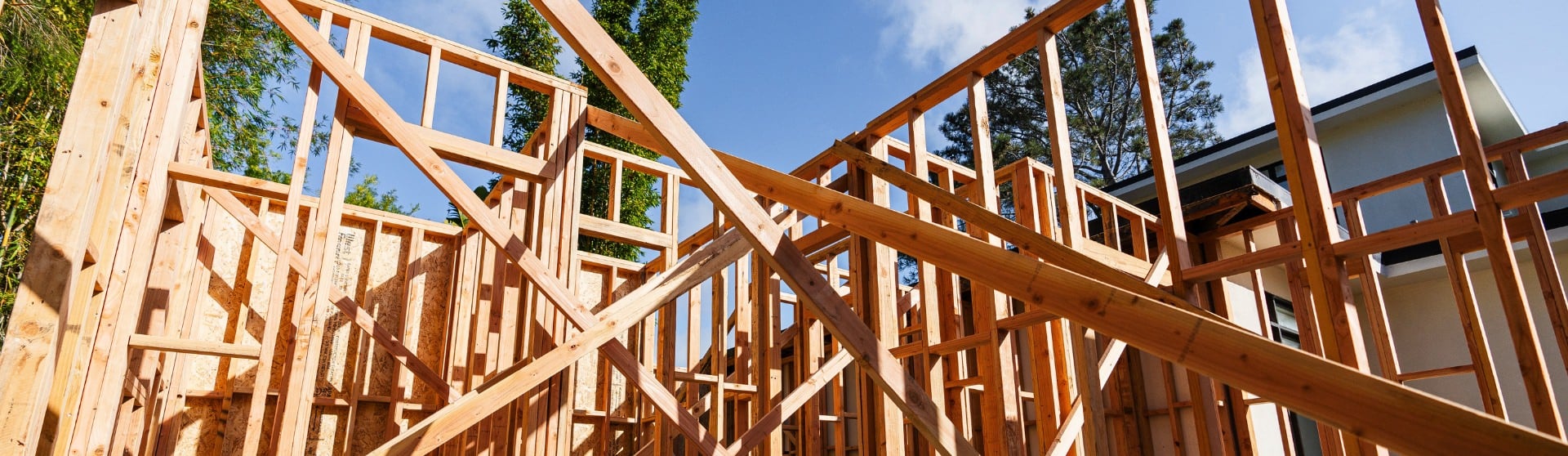
ADU Trends & Insights
What Qualifies as an ADU?
ADUs are reshaping the California housing market, providing homeowners with cost-effective, independent living spaces to meet diverse needs.


