


What Is a Retaining Wall for an ADU?
 Share
Share
60 min read
A retaining wall for an ADU is a structural wall designed to hold back soil, stabilize slopes, and create a level building area so the ADU’s foundation can be built safely. These walls help prevent erosion, protect the structure from water damage, and make construction possible on sloped or uneven lots. According to ADU contractors, retaining walls are only required in about one out of ten ADU projects, with most being needed specifically for slope correction or drainage management (A+ Construction). When a wall is required, it becomes a critical component of site safety, long-term stability, and building code compliance.
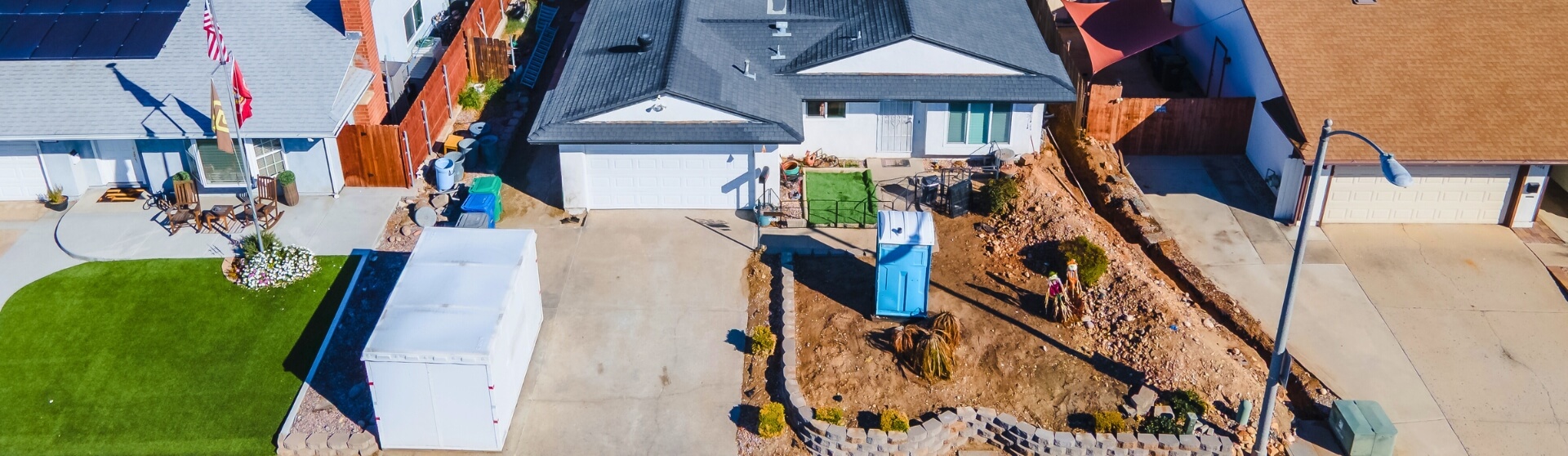

Importance of Retaining Walls in ADU Construction
Why are retaining walls important for ADU construction?
Retaining walls play a critical structural role in many ADU builds, especially on sloped lots or hillside properties where soil stability and site safety are major factors in an ADU project. These walls help stabilize the soil, prevent erosion, create level building pads, and protect the ADU foundation from water damage or shifting ground—issues that often arise when slope steepness or soil conditions are challenging. When the grade becomes steep enough—often when the slope exceeds about 10%—a retaining wall is typically required to ensure safe construction conditions (A+ Construction) and meet local building codes.
Proper drainage systems are essential as well, as “the most common reason a retaining wall fails… is due to improper drainage” (LawnStarter). Beyond structural performance, retaining walls can increase property value, with some projects seeing gains of up to 15% and a 100–200% return on investment (AJM Grounds). Whether built from CMU, reinforced concrete, gabion walls, or keystone block systems, these structures help support safe ADU construction in challenging terrain.
Direct structural benefits for ADUs include:
- They stabilize slopes and create level building pads, making accessory dwelling unit construction possible on uneven terrain.
- They retain soil within a defined boundary, creating a strong, predictable foundation area.
- On sloped sites, they can supplement or substitute a stem wall, depending on engineering requirements and earth pressure.
- They manage drainage and water flow, reducing erosion and hydrostatic pressure around the ADU.
- They help create usable space for backyard expansion, outdoor living areas, or split-level layouts on sloped properties.
What is the purpose of a retaining wall for an ADU?
A retaining wall’s primary purpose is to hold back soil so the ADU can be built on a stable, level surface. By managing elevation changes and controlling soil movement, retaining walls prevent erosion, protect the ADU foundation, and ensure long-term stability. This is especially important for sloped lots, hillside properties, or projects placed close to existing grade changes, where hydrostatic pressure or soil movement could compromise the structure.
How do retaining walls affect ADU foundations and stability?
Retaining walls work alongside ADU foundation systems such as slab-on-grade or stem-wall foundations to create a stable building area. On sites with significant grade changes, a retaining wall may be required to level the pad so the foundation can support the ADU safely and meet structural plans. In some cases, retaining walls make it possible to construct an ADU where a conventional foundation would not provide enough bearing capacity due to soil conditions. They also offer reinforcement where traditional foundation methods are unsuitable because of slope severity, surcharge loading, or soil stability concerns.
Retaining walls vs. stem walls in ADU projects
A stem wall is a vertical structural wall built atop a footing to support the weight of the ADU. A retaining wall, by contrast, is designed to hold back soil, manage grade transitions, and resist lateral earth pressure. On hillside or sloped ADU sites, both systems may be used together depending on engineering requirements, setback limitations, and site analysis. The decision between them is guided by the ADU’s placement, slope steepness, and the recommendations of structural or geotechnical engineers overseeing the project.
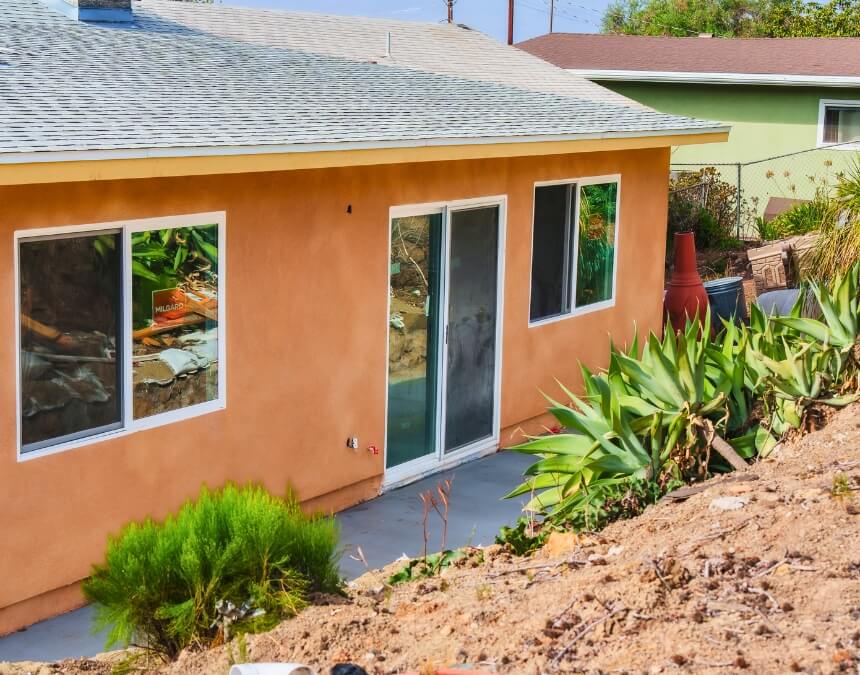
If your ADU sits near a slope, choose a builder who regularly coordinates foundations, grading, and retaining walls together—hillside experience reduces surprises in engineering and permitting.
Assessing the Need for a Retaining Wall
Is a retaining wall necessary for my ADU?
Retaining walls are not required for every ADU, and in most cases, they’re only needed when the property has noticeable slope, unstable soil, or drainage concerns that could affect the ADU foundation. Typically, only 10–15% of ADU projects require a retaining wall, and contractors note that “retaining walls are required only in one out of ten cases” (A+ Construction). A wall becomes necessary when elevation changes or soil movement pose structural risks, or when engineers identify stability issues during the site analysis. For hillside properties in places like Los Angeles or San Diego, retaining walls are even more common due to slope steepness and local city regulations.
How do I determine if I need a retaining wall for my ADU?
To quickly gauge whether a retaining wall may be required for your ADU, review the checklist below. Most homeowners can identify the need early in the feasibility or design phase, especially when grading, drainage installation, or foundation adjustments are part of the permitting process.
You may need a retaining wall if:
- Your lot is sloped or uneven where the ADU will be built.
- There is a risk of soil erosion or sliding near the construction zone.
- Excavation for the ADU will create a cut into a slope.
- Water naturally drains toward the proposed ADU location.
- An engineer, architect, or city reviewer has flagged a stability or drainage issue.
What happens if you don’t have a retaining wall where one is needed?
Skipping a retaining wall when the site conditions require one can lead to major structural and safety issues, especially on sloped lots. Soil may erode or shift, damaging the ADU foundation or affecting bearing capacity. Water may pool behind the structure, creating hydrostatic pressure that weakens walls over time. Research from Iowa State University notes that “poor drainage is by far the most common cause of poor performance for earth retention systems”, while LawnStarter states that “the most common reason a retaining wall fails… is improper drainage” (LawnStarter).
Without proper water control, long-term maintenance issues—or even structural failure—become far more likely.
Evaluating property geography (slope, access, and site constraints)
Retaining walls are especially important on sloped sites, where they create stable, level pads for safe ADU construction. The type of wall required—such as cantilever walls, anchored systems, or segmental blocks—depends heavily on soil conditions and site-specific engineering information. According to A+ Construction, retaining walls “typically become necessary when the slope exceeds about 10%” (A+ Construction).
Slope also impacts building costs: if the ground is sloped, labor costs may increase by 50% or more due to excavation complexity and the additional work required for proper earth retention (Angi).
Although building on flat land is more cost-effective, retaining walls make it possible to use challenging terrain without compromising structural integrity.
Considering zoning, setbacks, and ADU placement
Zoning and setback requirements often dictate where an ADU can be located on a property, sometimes pushing construction into areas with elevation changes or poor soil stability. While local codes do not typically mandate a retaining wall by default, they determine the allowable ADU footprint and how close the structure can be to the property line, which may force placement into a slope.
Key considerations include:
- ADU size allowances, such as up to 800 sq. ft. by-right in many California jurisdictions
- Setback standards that may align the ADU with a hillside
- Lot geometry or grading that places the ADU near soil elevation changes
When zoning forces the ADU into a difficult location, a retaining wall becomes a structural necessity, not just an optional upgrade.
Analyzing soil erosion and drainage risks
Soil composition, slope steepness, and drainage patterns all influence the need for a retaining wall. Some soil types are more prone to shifting or erosion, while others allow water to collect behind the ADU foundation or wall system. Proper drainage design—such as gravel backfill, weep holes, or French drains—is essential to manage hydrostatic pressure.
As HomeAdvisor explains, “without proper drainage, water builds up behind the wall and can push it forward or crack the blocks” (HomeAdvisor). Well-designed grading and drainage systems help protect both the ADU and the retaining wall foundation from long-term soil movement.
A solid drainage plan is often the determining factor in ensuring the long-term safety and performance of an ADU built near a slope.
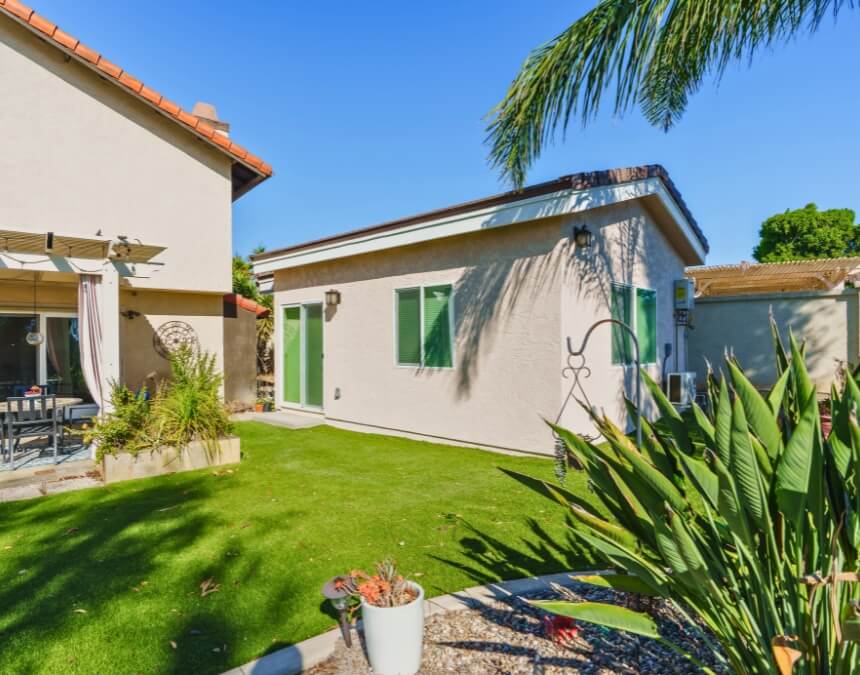
Start your feasibility check with slope: if your ADU pad can be graded level without a cut into the hillside, you may not need a retaining wall—saving major cost and permitting.
Types of Retaining Walls for ADUs
What types of retaining wall are used in ADU projects?
Retaining walls used in ADU construction come in several types, each suited to different soil conditions, site constraints, and structural needs. The most common systems include CMU (Concrete Masonry Unit) or poured-in-place (PIP) concrete walls, keystone/segmental block walls, gabion walls, anchored walls, and cantilever walls. These walls vary in strength, cost, and visual appearance, making it important to select the right solution based on slope steepness, drainage challenges, and overall design goals for the accessory dwelling unit.
CMU (Concrete Masonry Unit) / Poured-in-Place Retaining Walls
CMU retaining walls are durable structural walls made from Concrete Masonry Units or fully poured reinforced concrete. They are typically strengthened with rebar and filled with concrete, creating a vertical structure capable of resisting significant earth pressure. Because they can be engineered precisely, CMU and PIP walls are commonly used on ADU sites that require maximum strength, long-term soil stability, or support near the retaining wall foundation.
Their reinforced design and resistance to hydrostatic pressure also make them ideal for sites with steep slopes or heavy water drainage.
Keystone Block (Segmental) Retaining Walls
Keystone or segmental retaining walls use interlocking concrete blocks designed to “batter”—or lean backward—into the slope for extra stability. Many segmental systems incorporate geogrid reinforcement, forming durable layers behind the wall that perform well under varying soil conditions.
These walls are often chosen for:
- Terraced or sloped landscapes
- ADU sites where visual appeal matters
- Outdoor living areas that integrate structural and aesthetic design
Because they offer both strength and style, segmental walls are ideal for backyard expansion projects or ADUs located near outdoor living spaces.
Gabion Walls
Gabion walls consist of wire cages filled with stone, creating a permeable, flexible, and highly durable retaining wall system. Their natural drainage capability makes them excellent for erosion control and heavy runoff areas.
Gabion walls are commonly used for:
- Hillside or slope-heavy ADU projects
- Locations where water drainage is a key concern
- Sites requiring strong slope stabilization with a natural stone look
They are also well-suited for environmentally sensitive sites where minimizing soil disturbance is part of the civil engineering strategy.
Anchored and Cantilever Retaining Walls (Structural Solutions)
Cantilever retaining walls utilize a reinforced concrete footing and vertical stem wall that rely on soil weight and a lever-arm structure to resist lateral loads. They are typically engineered for tall walls or high surcharge loading, such as when an ADU sits close to the retaining structure.
Anchored Earth Walls use underground anchors, soil nails, or tensioned steel cables to provide additional resistance. These systems are ideal when soil pressure is extremely high or when traditional gravity walls or CMU walls are not feasible.
Both wall types are frequently used on ADU projects with steep slopes, limited access for equipment, or complex load calculations.
Which type of retaining wall do I need for my ADU?
The right retaining wall depends on your site constraints, soil stability, and engineering requirements. In general:
- Taller walls or heavy loads → CMU, PIP, anchored, or cantilever systems
- Aesthetic landscaping integration → Keystone/segmental or gabion walls
- Poor soil or tight access → Engineered CMU or anchored wall systems
- Drainage-heavy sites → Gabion or reinforced segmental walls
Because retaining walls impact the ADU’s structural plans, water drainage, and permitting authorities, the final decision should always be made with a structural or geotechnical engineer and your ADU contractor. Their expertise ensures your retaining wall meets local grading permit standards, withstands seismic activity, and supports long-term home construction goals.
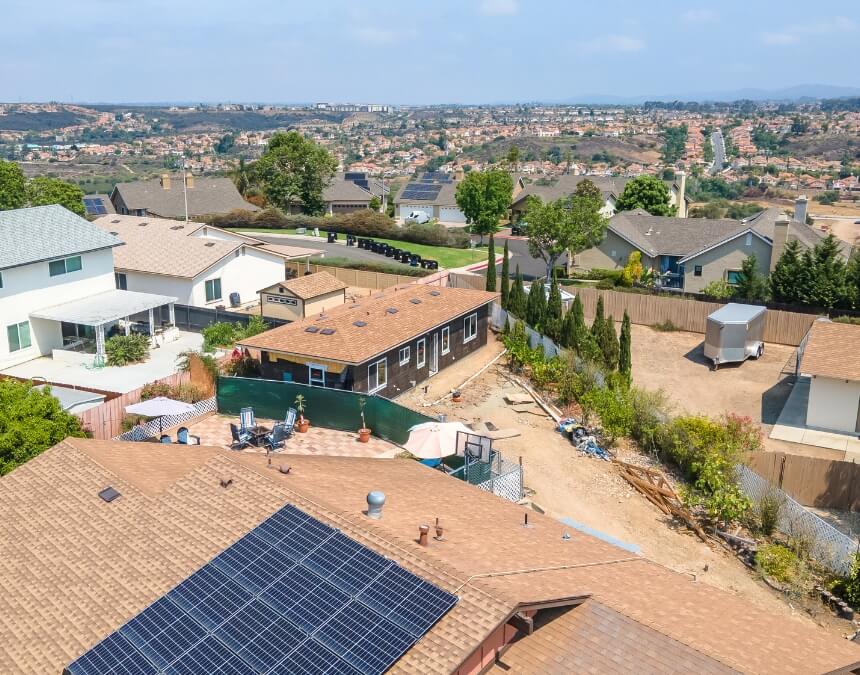
On sloped properties, the right wall type depends on height, soil conditions, and access—engineered concrete for heavy loads, or segmental/gabion systems when drainage and landscape integration are priorities.
Design and Aesthetics
How should retaining walls be integrated into ADU design?
Integrating retaining walls into an ADU project requires a structure-first approach, ensuring that soil stability, water flow, and drainage are addressed before aesthetics come into play. Structural or geotechnical engineering is especially important for taller or more complex walls, where earth pressure and hydrostatic forces must be managed to avoid failure—particularly since improper drainage is the leading cause of retaining wall failure (LawnStarter). Once the engineering requirements are met, homeowners can choose materials such as CMU, keystone block, gabion systems, or natural stone, allowing the retaining wall to complement the ADU exterior and surrounding landscape.
Integrating retaining walls with ADU layout and site plan
Retaining walls significantly influence the ADU’s site plan and circulation, helping create level building pads and ensuring the accessory dwelling unit sits on a stable foundation. They also define functional spaces such as driveways, walkways, patios, and hillside transitions, which can improve access around an existing home or new guest space.
Because retaining walls are typically included in ADU permit sets, integrating them directly into the primary plan can simplify the approval process compared to submitting separate landscape or drainage plans. While building on sloped lots increases complexity—and can raise labor costs by 50% or more on steep terrain (Angi)—strategically placed retaining walls often make challenging properties buildable and more functional long-term.
Enhancing visual appeal with retaining walls
Beyond structure, retaining walls can enhance the visual appeal and outdoor living space surrounding an ADU. They’re commonly used to create terraced landscaping, add dimension to hillside properties, and form attractive transitions between levels.
Design recommendations include:
- Coordinating colors, textures, and finishes of wall materials with the ADU façade.
- Using thoughtful grading and native or drought-tolerant plants to soften the design.
- Adding steps, planters, or integrated seating to create a seamless connection between the retaining wall and usable outdoor space.
- Collaborating with an ADU designer, architect, or concrete contractor to build a cohesive site plan that blends the wall with pathways, patios, and the building footprint.
With intentional planning, retaining walls elevate both the functionality and aesthetics of any ADU project, supporting the overall home and landscape renovation.
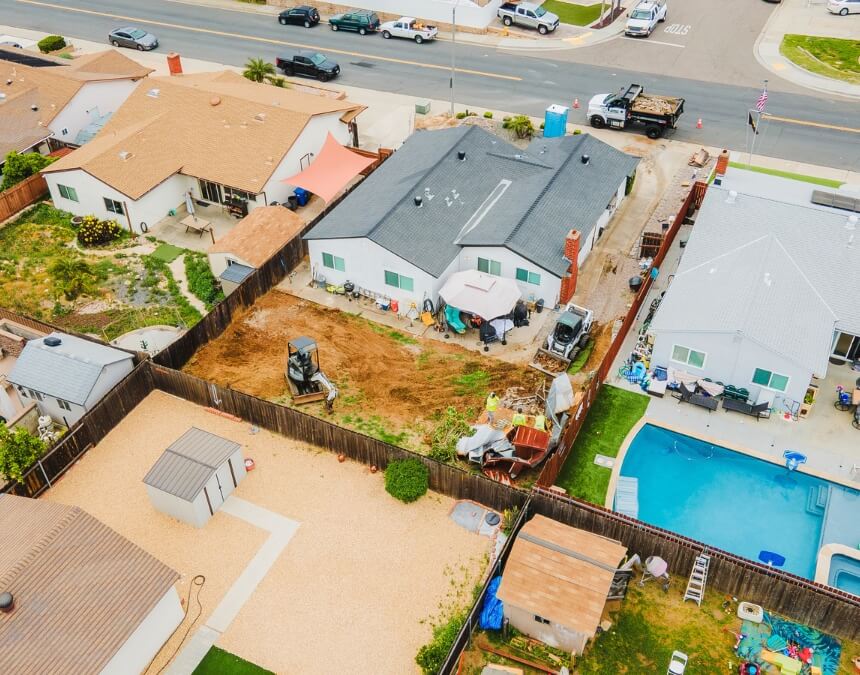
Integrate walls into the site plan, not after—good placement can create usable patios or terraces while keeping drainage paths clear and maintenance access intact.
Costs and Compliance
How much does a retaining wall for an ADU cost?
Retaining walls can significantly affect the overall cost of an ADU project—especially on sloped or uneven lots. For ADU sites that require them, retaining walls commonly add $20,000–$30,000 to the project due to engineering, excavation, drainage systems, and structural materials. General retaining wall pricing ranges from $20–$50+ per sq. ft., or roughly $3,500–$9,400+ total, depending on the material, height, and site access. Costs increase with taller walls, difficult terrain, required geogrid, and enhanced drainage.
Supporting data from sourced research:
- The construction of such a wall will cost you $15–30k, including raw materials… this design will make your ADU project more expensive by an average of $20k.”
— A+ Construction - Retaining walls can cost homeowners anywhere from $1,200 to $13,700, averaging $20–$53 per square foot. (LawnStarter)
“The average cost to build a retaining wall is between $3,500 and $10,000.”
— Fixr - “If the ground is sloped, there’s substantial additional labor involved, which can increase labor costs by 50% or more.”
— Angi
Budget considerations for retaining walls in ADU projects
Retaining wall costs vary based on the wall’s size, height, material, and especially site accessibility—tight or steep spaces require more labor and equipment. Engineering requirements can add significantly to the total cost, especially for taller or surcharge-loaded walls. Deep foundations, anchoring systems, and extensive drainage infrastructure not only increase costs but also consume more yard space. Working with a qualified ADU contractor helps ensure the wall is properly sized, engineered, and optimized to avoid overspending.
Do I need a permit for a retaining wall for my ADU?
Most jurisdictions in California and beyond require a building permit for retaining walls over 3–4 feet tall, or for any wall supporting a surcharge—such as a driveway, building, or slope above the wall. Smaller walls under about 3 feet may not require a permit, but ADU projects often undergo additional scrutiny because the wall affects the foundation and safety of the dwelling. Always verify local requirements early with your city’s planning or building department.
Supporting permit requirements:
- “A building permit shall not be required for … retaining walls that are not over 4 feet in height measured from the bottom of the footing to the top of the wall, unless supporting a surcharge …”
— Montclair Construction - “Most homeowners will need a permit to build a wall taller than three or four feet.”
— Angi
How high can a retaining wall be without engineering or special approval?
Across California, the typical threshold for engineering and building permits is 3–4 feet of exposed wall height. Any wall above that height—or any wall supporting a surcharge—must be engineered and reviewed by local building officials. Tiered walls also count as one system if the upper tier exerts force on the lower tier, and therefore often require engineering. For safety, treat any wall near an ADU as an engineered structure.
How far should an ADU be from a retaining wall?
The required distance between an ADU and a retaining wall depends on the wall’s height, surcharge, and engineering recommendations. The goal is to prevent the ADU from adding unintended load to the wall and to allow space for drainage and maintenance access. Because conditions vary, spacing is determined by the structural engineer and local building code—not by a universal rule of thumb.
Local regulations and legal compliance for retaining walls and ADUs
Local codes determine whether retaining walls are allowed, what heights require engineering, and whether the wall can be located within setbacks. Homeowners should:
- Confirm ADU and retaining wall compliance with local zoning rules
- Meet with planning and building departments early
- Prepare for multiple review stages (planning, building & safety, engineering)
- Stay updated on California ADU law changes that may affect wall requirements
Close coordination with professionals ensures your wall meets structural safety standards and avoids permit delays.
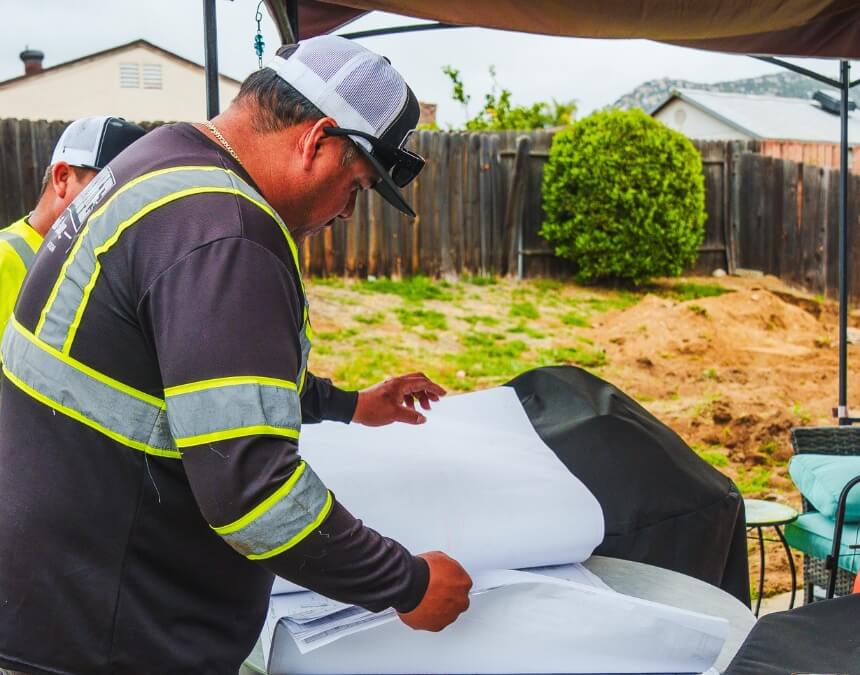
Lock wall costs early by pairing engineering with the ADU budget—taller or surcharge-loaded walls typically trigger permits and can add significant sitework expense.
Potential Drawbacks of Retaining Walls
What are the disadvantages of building a retaining wall for an ADU?
While retaining walls can make sloped ADU sites buildable, they come with several drawbacks. First, they take up valuable yard space, especially at the base of slopes where wider footings or terracing may be needed. They can also add $20K–$30K or more to an ADU project due to engineering, excavation, and structural materials. In addition, walls over 3–4 feet require permits, engineering, and inspections, which adds time and administrative complexity. Building on uneven or sloped terrain also increases logistical challenges such as access, excavation depth, and drainage planning.
“This design will make your ADU project more expensive by an average of $20k and retaining walls take up a lot of space on your land plot.”
Maintenance challenges
Retaining walls require ongoing maintenance to ensure long-term performance and structural safety. Homeowners should schedule periodic inspections for cracks, settlement, or soil movement, and keep all drainage systems—weep holes, French drains, and gravel channels—free of debris. Vegetation should be controlled to prevent roots from exerting pressure on the wall, and anchored or reinforced systems may require specialized upkeep.
Supporting research:
- “Poor drainage is by far the most common cause of poor performance for earth retention systems.”
— Iowa State University / InTrans - Expect five to 20 years from wood, 20 to 100 from metal, 50 to 100 from concrete, and up to 200 from stone. (HomeAdvisor)
Environmental and site impacts
Retaining walls can alter how water flows across a property, and poor design may lead to water accumulation, unintended runoff, or increased erosion. Building on slopes also increases environmental and financial impacts, since excavation, soil hauling, and grading require more resources than building on flat land. Proper engineering and drainage planning are essential to minimize these risks and maintain long-term site stability.
With the right design and maintenance approach, these drawbacks can be managed—but they are important considerations for any homeowner planning an ADU on sloped terrain.
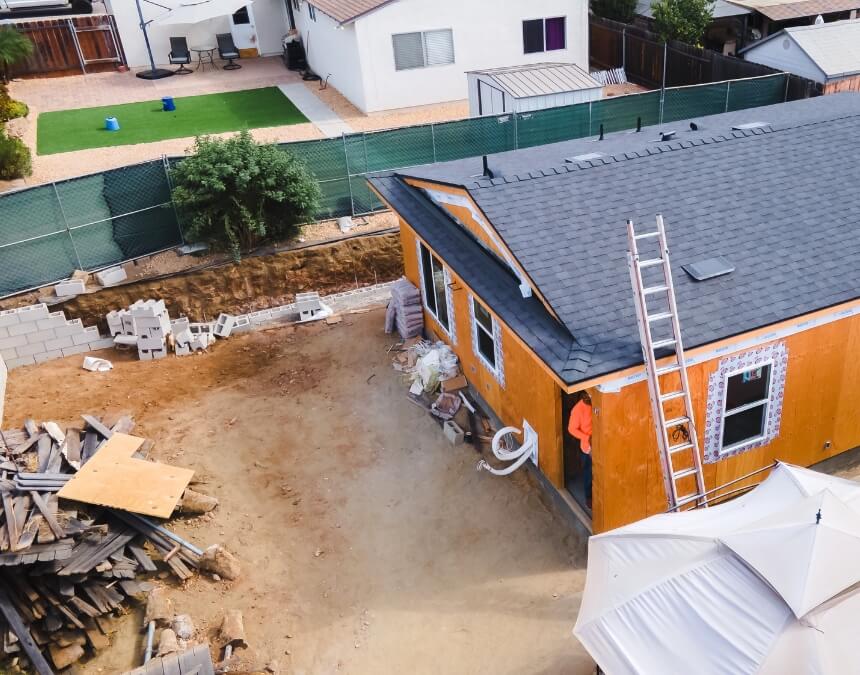
Retaining walls often reduce usable yard area and can complicate staging—plan early for equipment access, material storage, and a clear drainage path so the site stays safe and buildable.
Consulting with Experts
Why should I consult professionals about retaining walls for my ADU?
Retaining walls directly affect the safety, stability, drainage, and foundation of an ADU, which is why expert guidance is essential. Architects, engineers, and experienced contractors can determine whether a retaining wall is actually required—since only about one in ten ADU projects needs one (A+ Construction).
These professionals also recommend the proper wall type, height, and structural design, ensuring it can withstand soil pressure and water flow. Additionally, they help navigate zoning rules, setbacks, and permitting, which can be complex for walls over 3–4 feet or those supporting a surcharge. Proper evaluation of soil and drainage conditions ensures long-term safety and cost control, avoiding issues such as wall failure due to poor drainage, the leading cause of structural problems in retaining walls.
What kind of professionals should I talk to?
To ensure your ADU and retaining wall are designed safely and efficiently, homeowners should work with:
- Structural or Geotechnical Engineers – Provide calculations and design for wall stability, load resistance, footings, and drainage.
- ADU-Focused Architects or Designers – Integrate the wall into the ADU’s site plan, layout, setbacks, and grading.
- Experienced ADU/Retaining Wall Contractors – Offer pricing, constructability insights, project scheduling, and installation expertise based on real-world site conditions.
These specialists work together to ensure the wall meets all structural, aesthetic, and regulatory requirements.
Selecting the right construction partner for ADU + retaining wall
Choosing the right partner is crucial, especially on sloped or complex sites. Look for a contractor or ADU builder that:
- Has proven experience with both ADU builds and retaining wall construction
- Understands how to integrate utility connections (water, sewer, gas, electrical) around sloped terrain or walls
- Can coordinate foundations, retaining walls, grading, and drainage as one cohesive system
- Is familiar with local building codes, engineering requirements, and permit processes
- Can anticipate construction constraints such as access limitations, excavation sequence, or surcharge loads
A qualified partner ensures the entire project—ADU + retaining wall—is engineered safely, permitted correctly, and built to last.
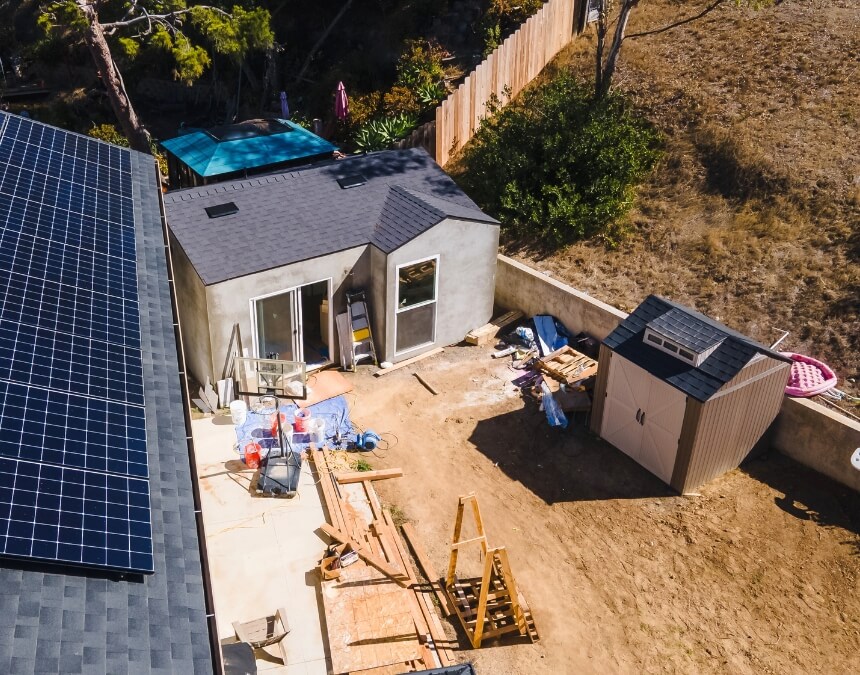
Bring in a structural or geotechnical engineer before final layout—expert site analysis prevents overbuilding (or missing) a wall where soil pressure and drainage demand one.
Key takeaways for homeowners
Retaining walls are essential for some ADU projects but unnecessary for many, with only 10–15% of ADUs requiring one for stability or drainage management When needed, they play a critical role in creating level building space, preventing erosion, and protecting the ADU’s foundation—particularly on sloped or hillside properties. While they do add cost, complexity, and maintenance, they can also improve long-term value. In fact, retaining walls can increase property value by up to 15% and offer a 100–200% return on investment in many landscaping and structural improvement projects.
Early site evaluation and consultation with ADU professionals is the most reliable way to make an informed decision and ensure the project is engineered safely, cost-effectively, and in compliance with local regulations.
Conclusion and Decision-Making Tips
Determining whether your ADU requires a retaining wall comes down to evaluating slope, soil conditions, and placement constraints. If your property has noticeable grade changes, erosion risks, or unstable soil, a retaining wall may be necessary to create a safe, buildable pad. Zoning and setback rules may force the ADU into a sloped area, increasing the likelihood that structural support or slope correction is required. You should also assess whether you are prepared for the added $20,000–$30,000 often associated with retaining wall design and construction. Whenever possible, consider alternative ADU placements on flatter areas of the lot to avoid additional engineering and permitting.
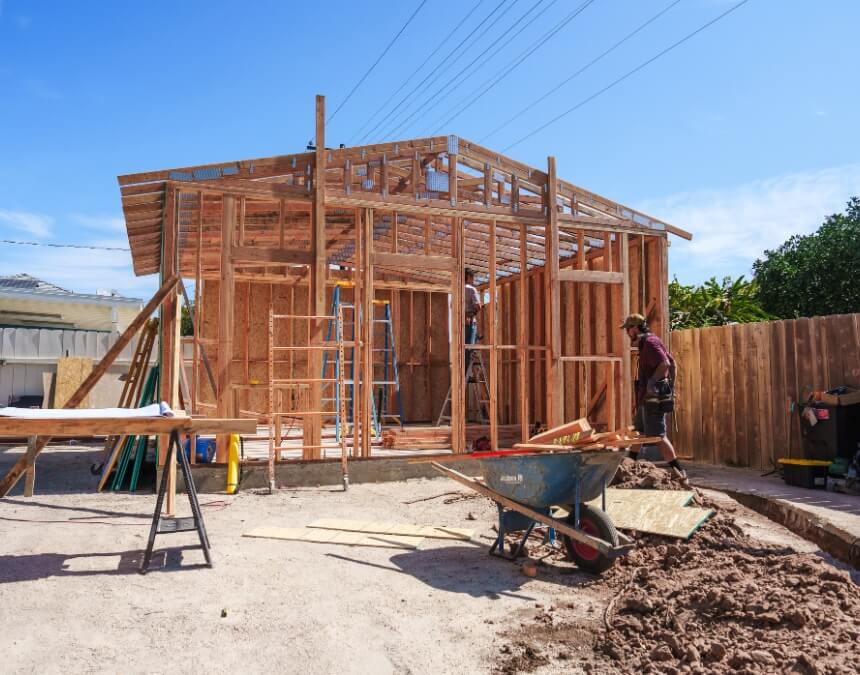
Finalize wall decisions before framing: once the pad and drainage strategy are set, the rest of the ADU build becomes faster, safer, and far less likely to need redesigns.
Frequently Asked Questions
Yes—most retaining walls require a permit if they are over 3–4 feet tall or if they support a surcharge, such as a driveway, slope, or structure. Smaller walls under about 3 feet may not require a permit, but ADU-related walls often receive extra scrutiny because they affect structural safety. The general rule: if the wall is tall, load-bearing, or near the ADU, it will need engineering and a building permit.
California follows a common guideline: retaining walls under 3 feet in height that do not support a surcharge may not require a building permit. Anything taller—or any wall supporting additional loads—must be engineered and reviewed by the building department. Local jurisdictions may apply stricter rules, so homeowners should confirm requirements with their city’s Planning and Building & Safety departments.
The least expensive retaining wall options are usually segmental block (keystone) or gabion walls, depending on site conditions. General cost ranges for retaining walls run from $1,200 to $13,700, averaging $20–$53 per square foot, making these systems among the more affordable. However, if the ground is sloped, labor can increase by 50% or more, which can raise the total cost significantly. For ADUs, engineered CMU or concrete walls may still be required even if they are not the cheapest option.
The “1:3 rule” (or “3:1 slope rule”) is a general grading guideline indicating that for every 3 units of horizontal distance, the slope should rise no more than 1 unit vertically. Slopes steeper than this often require engineered stabilization or a retaining wall to prevent erosion or soil movement. While useful for planning, the rule does not replace local engineering or permitting requirements.
A retaining wall for an ADU is built to hold back soil, stabilize slopes, prevent erosion, and create a level pad where the ADU can be safely constructed. It protects the foundation from soil movement and water pressure, especially on sloped or uneven lots. Retaining walls are typically required when the slope exceeds about 10% or when drainage and soil conditions pose risks to the ADU’s stability. While only one out of ten ADU projects needs a retaining wall, those that do rely on it as a critical safety and structural component.
More Blogs
-
ADU Trends & Insights
Are ADUs a good alternative to nursing homes for California homeowners?
ADUs offer California homeowners a practical alternative to nursing homes by allowing aging parents to live independently on the same property, supporting aging in place while turning ongoing care costs into a long-term home investment.
-
ADU Trends & Insights
How Do You Compare ADU Builder Quotes in San Diego and California?
Compare itemized ADU quotes—labor, materials, permits, timelines—to ensure transparent pricing, true value, and no surprise costs.
-
ADU Trends & Insights
13 Common Misconceptions About ADUs
Uncover the truth about ADU misconceptions and navigate construction, costs, and regulations for informed decisions.
-
ADU Trends & Insights
When Do You Need a Survey for an ADU in San Diego?
A survey for an ADU in San Diego is typically required when the new unit is built close to property lines, situated on a sloped or irregular lot, or when local regulations mandate setback verification.
-
ADU Trends & Insights
California ADU Law: The Ultimate Guide
California has streamlined ADU construction to address the housing crisis, but development standards still apply. Check local regulations before starting your project.
-

ADU Trends & Insights
How Does Choosing the Right Color Scheme Impact an ADU’s Design and Value?
Choosing the right ADU color scheme—especially light, neutral palettes with intentional accents—can make small spaces feel larger, improve livability, and increase rental and long-term property value.
-
ADU Trends & Insights
What Is ADU Construction?
ADU construction involves planning, permitting, and building a self-contained living space on a residential property — adding value, flexibility, and income potential without buying new land.
-
ADU Trends & Insights
What Are the Best Floor Plans for ADUs?
The best ADU floor plans are goal-driven and code-compliant—using efficient layouts like studios, 1-bed/1-bath rentals, or split-bedroom designs that maximize light, privacy, and flexibility while fitting your lot and budget.
-
ADU Trends & Insights
Can an HOA Prevent an ADU in California?
If you’re part of a homeowners association and considering building an accessory dwelling unit on your property, it's key to consider any rules your HOA may have about ADUs.
-

ADU Trends & Insights
Construction Loans vs. Personal Loans for ADUs: What Do California Homeowners Need to Know?
Building an ADU in California typically requires high financing and San Diego homeowners usually choose between construction loans, which are based on the future value of the property, and personal loans, which offer fast approval but higher interest rates.
-
ADU Trends & Insights
How Do You Integrate Outdoor Living Into ADU Design?
Integrating outdoor living features such as patios, decks, and seamless indoor-outdoor connections helps ADUs feel larger, more livable, and more valuable.
-

ADU Trends & Insights
What is the importance of an ADU feasibility study in California and San Diego?
An ADU feasibility study is a comprehensive analysis of zoning, site constraints, existing utilities, and a proposed design that determines whether building an accessory dwelling unit is practical and financially viable on a specific property.
-
ADU Trends & Insights
Why ADUs & Costs Matter in San Diego
Planning an ADU in San Diego? Get the lowdown on all the hidden costs that can catch you off guard.
-
ADU Trends & Insights
What Are Stacked Accessory Dwelling Units (ADUs)?
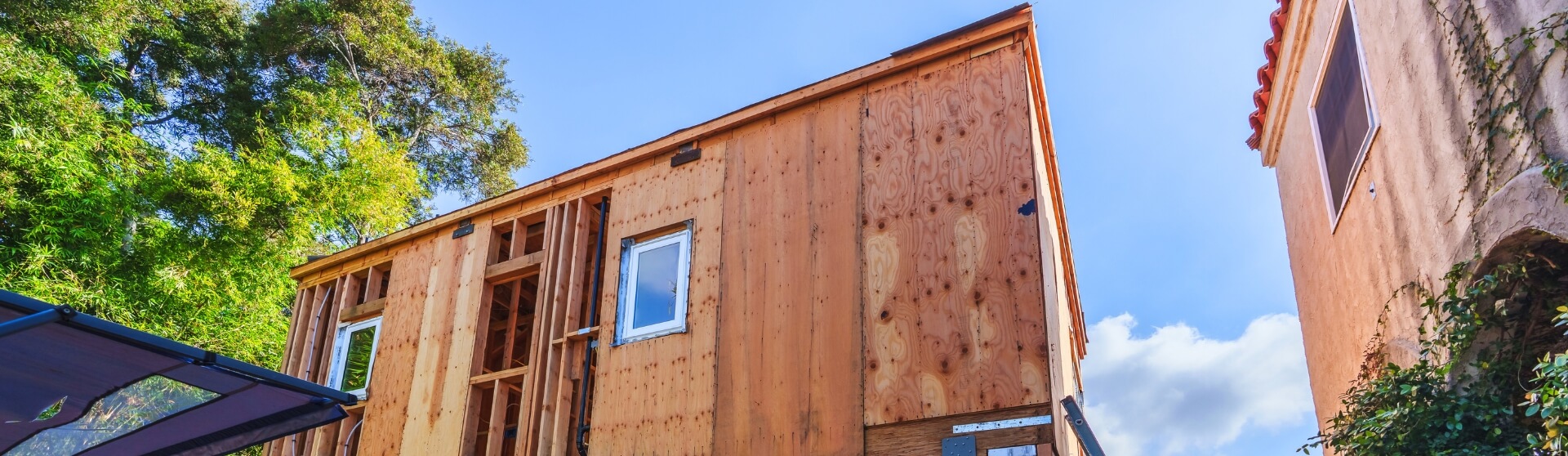
Stacked ADUs are two fully independent accessory dwelling units built vertically in a single two-story structure, allowing California homeowners to add multiple homes on one lot without increasing the building footprint when local height and zoning rules allow.
-
ADU Trends & Insights
Garage ADU: What It Is, Costs, Rules, and Conversion Options
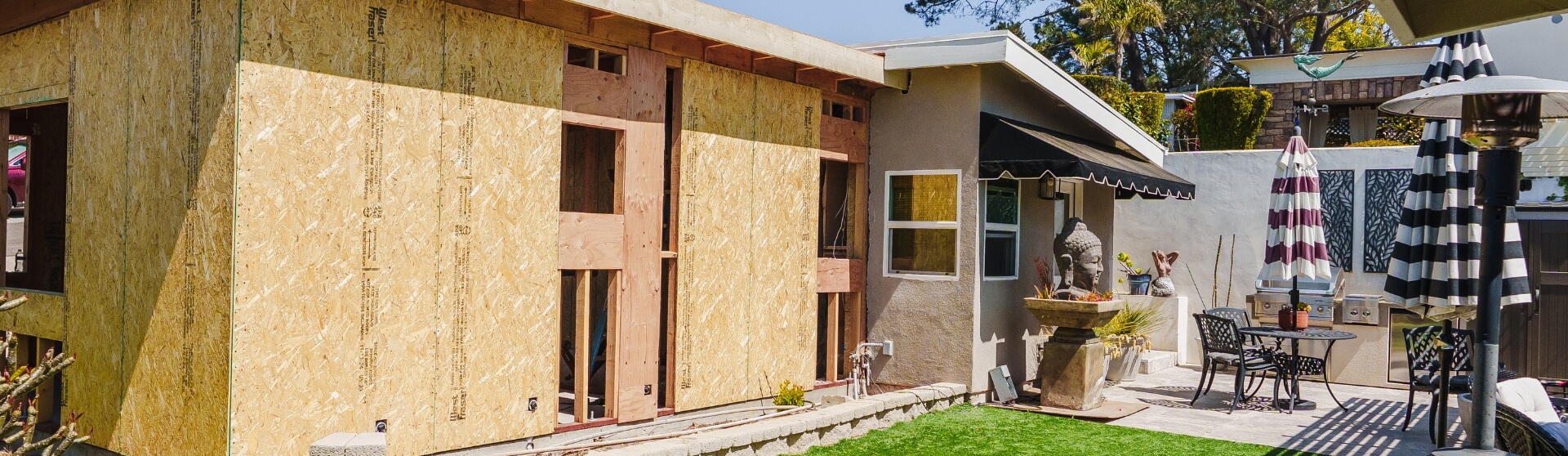
Unlock your property's potential by converting your detached garage into a cost-effective, versatile ADU that increases property value and generates rental income.
-
ADU Trends & Insights
ADU Manufactured Homes in San Diego: Are They Right for You?
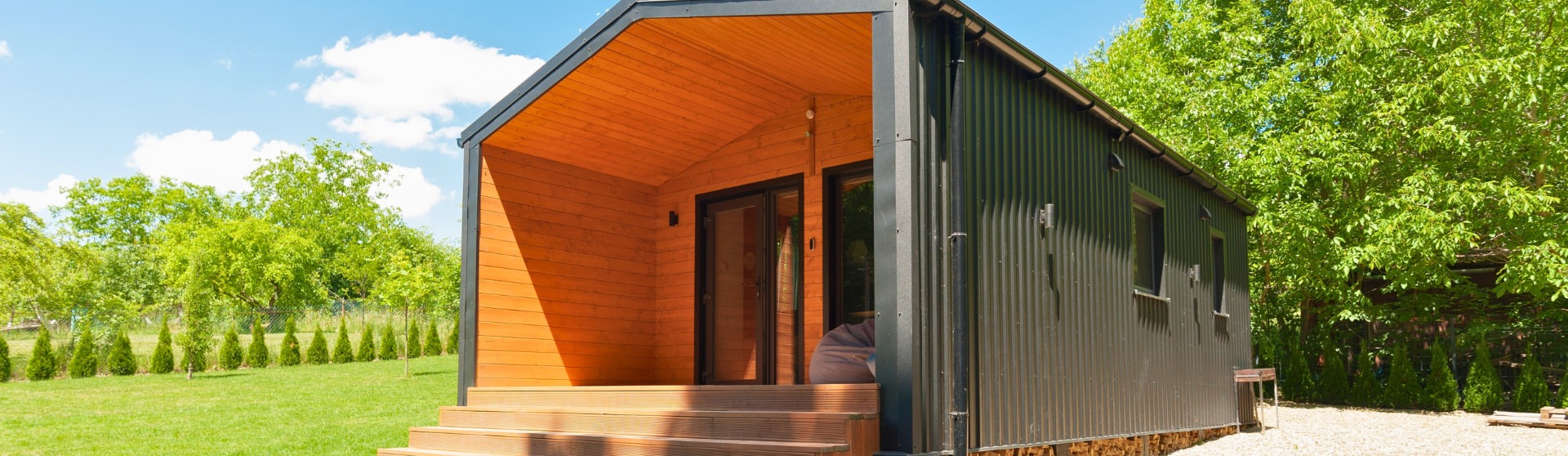
Discover whether a manufactured home is the right choice by exploring costs, regulations, benefits, and potential drawbacks.
-
ADU Trends & Insights
What Is a Casita? Definition, Uses, and How It’s Different From an ADU
Casitas are stylish, small ADUs under 800 sq. ft., perfect for guests, rentals, or in-law suites. Discover the benefits, costs, and designs.
-
ADU Trends & Insights
What Are ADU Electrical Requirements in California?
Get the complete breakdown of electrical requirements for ADUs in California, from panel upgrades to solar compliance, to help you build safely and within code.
-
ADU Trends & Insights
Ultimate Guide to ADU Rental Income: How Much You Can Make and What to Know
Explore how to maximize rental income from an ADU with tips on design, rental strategies, and legal considerations to turn your ADU into a profitable investment.
-
ADU Trends & Insights
How Does ADU Construction Work in San Diego, CA?
San Diego’s ADU process is fast and flexible, with permits approved within 60 days and options for detached units up to 1,200 sq. ft. or garage conversions. Thanks to state laws and the city’s ADU Bonus Program, homeowners can build quickly, add value, and even earn extra units by including affordable housing.
-
ADU Trends & Insights
How to Build an ADU in the San Diego Coastal Zone
Building an ADU in San Diego’s Coastal Zone requires checking if the property is in the Coastal Overlay Zone, which typically triggers a Coastal Development Permit or exemption.
-
ADU Trends & Insights
Downsizing to an ADU: Benefits, Costs, and Key Considerations
Downsizing to an ADU means moving into an Accessory Dwelling Unit—a smaller, self-contained home on your property—while renting out or repurposing your main house.
-
ADU Trends & Insights
Legal Bedroom Requirements in California
California has made building ADUs easier to tackle the housing crisis, but specific state and local regulations still apply. Here's what you need to know before starting.
-
ADU Trends & Insights
Best ADU Designs
Explore essential ADU design trends and practical insights, from layout optimization to style choices, ensuring your accessory dwelling unit maximizes comfort, functionality, and investment potential.
-
ADU Trends & Insights
Setback Requirements for ADUs in San Diego
Ensure your ADU meets California's setback requirements—learn essential rules, local variations, and expert tips to maximize your space and streamline permitting.
-

ADU Trends & Insights
Key Differences Between Pool Houses and ADUs
Discover the differences between pool houses and ADUs to choose the right addition for your property—find out about amenities, regulations, and value impact!
-

ADU Trends & Insights
The Perfect ADU Kitchen
Discover how smart layouts and stylish design choices can transform even the smallest ADU kitchens into luxurious, functional spaces.
-
ADU Trends & Insights
Should You Build Your ADU Yourself or Hire a Contractor in San Diego, California?
Building your own ADU in San Diego can save on labor and contractor markup, but it’s essentially managing a small-house build with permits, trades, and inspections—so hiring an experienced contractor (or using a hybrid approach) often reduces delays, risk, and costly mistakes.
-

ADU Trends & Insights
Is it Worth It To Build An ADU in 2026? Assessing the ROI of Building an ADU
Discover the financial benefits and pitfalls of building an ADU with our comprehensive, detailed guide.
-

ADU Trends & Insights
Can You Sell an ADU in San Diego?
San Diego's pending ordinance may soon enable homeowners to sell ADUs as separate condominiums, expanding affordable housing opportunities.
-
ADU Trends & Insights
20 Day Preliminary Notice for ADUs in California: Requirements and Deadlines
A California 20-Day Preliminary Notice is a required filing for most ADU projects that subcontractors and suppliers must send within 20 days of providing labor or materials, notifying owners, contractors, and lenders.
-
ADU Trends & Insights
How to Finance an ADU Project in California
California homeowners can finance an ADU using home equity, cash-out refinancing, construction or renovation loans, and programs like San Diego’s SDHC (up to $250K), with rental income often helping offset the $200K–$450K build cost.
-

ADU Trends & Insights
Are Pre-Approved ADU Plans Right for You in San Diego?
Compare pre-approved vs. custom plans and why the cheapest option isn't always best.
-
ADU Trends & Insights
Where Can ADUs be Built in San Diego, CA?
ADUs are allowed on nearly all residential lots in California, including single-family and multifamily properties, under state law. In San Diego, any property zoned for residential use qualifies, making it easier than ever for homeowners to add an ADU and expand their living or rental space.
-
ADU Trends & Insights
What Qualifies as an ADU?
ADUs are reshaping the California housing market, providing homeowners with cost-effective, independent living spaces to meet diverse needs.
-
ADU Trends & Insights
Using a HELOC to Fund an ADU in California?
A HELOC lets California homeowners fund an ADU in phases using home equity, paying interest only on what they use. In San Diego, strong rental income often offsets payments, though variable rates and post–draw-period repayment increases should be considered.
-
ADU Trends & Insights
What Is a Granny Flat? Definition, Types, and How They’re Used
Granny flats offer San Diego homeowners flexible housing solutions, from accommodating family to generating rental income, with options including detached builds, garage conversions, or junior ADUs.
-
ADU Trends & Insights
Understanding SB9 and Its Impact on ADUs
While promising, the complexity and lengthy approval process of SB9 projects make traditional accessory dwelling units (ADUs) an often simpler and quicker alternative for expanding property use.
-
ADU Trends & Insights
What Are Vaulted Ceilings and High Ceilings in ADUs and Are They Worth It in California?
Vaulted ceilings enhance ADUs by maximizing vertical space, increasing natural light, improving comfort, and boosting long-term property value in California when designed and built correctly.
-
ADU Trends & Insights
Do You Trust Your Builder?
You can trust your ADU builder when they prove real ADU experience, proper California licensing/insurance, and clear written contracts, not just a good sales pitch.
-
ADU Trends & Insights
What Are the Best Loan Programs for ADUs in California (San Diego Guide)?
California homeowners can finance ADUs through home equity, construction or renovation loans, cash-out refinancing, and programs like CalHFA (when available) and San Diego’s SDHC, with the best option depending on equity, income, and timing.
-
ADU Trends & Insights
ADU vs JADU: What’s the Difference?
Explore the crucial differences between ADUs and JADUs—including size, regulations, costs, and ROI—to determine the best fit for your property and goals.
-

ADU Trends & Insights
What Makes an Ideal Lot for an ADU in California (Especially San Diego)?
An ideal ADU lot in California (especially San Diego) is flat or gently sloped with enough clear buildable space for setbacks, good construction access, nearby utility tie-ins, and minimal easements or overlays—since slope, access, and utility distance are the biggest drivers of cost and feasibility even with “by-right” ADU rules.
-
ADU Trends & Insights
How Much Does an ADU Increase Property Value?
Discover how adding an ADU can significantly boost your property value, generate rental income, and enhance long-term equity—all while making the most of your available space.
-
ADU Trends & Insights
How to Finance an ADU in San Diego
ADUs are growing popular in San Diego, offering housing for family or rental income, but demand substantial upfront investment.
-
ADU Trends & Insights
Spanish Style ADUs
Explore the timeless elegance of Spanish-style ADUs with iconic features like stucco walls, red tile roofs, and stunning architectural details.
-
ADU Trends & Insights
How Long Until an ADU Pays for Itself?
Most ADUs pay for themselves within 5–15 years by combining rental income and property value appreciation, with faster payback in high-demand markets like San Diego.
-

ADU Trends & Insights
How do ADUs benefit real estate agents in California and San Diego?
ADUs benefit real estate agents in California and San Diego by increasing property value and buyer appeal, creating built-in rental and multigenerational living opportunities, and giving ADU-savvy agents a competitive edge in pricing, marketing, and closing deals in a tight housing market.
-

ADU Trends & Insights
How We Make Your ADU’s Interior Design Stress Free & Feel Like Home
Our interior designers simplify the finish selection process—so you get a stylish, renter-friendly ADU without the stress, delays, or costly mistakes.
-
ADU Trends & Insights
What is stormwater management for Accessory Dwelling Units (ADUs) in California?
Stormwater management for ADUs is the process of controlling and treating rainwater runoff generated by new backyard cottages or secondary homes.
-
ADU Trends & Insights
What are the universal design principles for ADUs?
Universal design principles for ADUs focus on creating safe, flexible, and comfortable homes—using features like step-free entries, wider doorways, accessible bathrooms, and intuitive layouts—so the space remains usable for people of all ages and abilities over time.
-
ADU Trends & Insights
What Is an ADU Cost Breakdown?
An ADU cost breakdown shows where your budget goes—hard construction costs (about 85–90%) versus soft costs like plans, permits, and city fees (about 10–15%)—so you can set realistic expectations and avoid surprises.
-
ADU Trends & Insights
Prefab ADUs: Pros and Cons
Explore the pros and cons of prefab ADUs in California, including cost, customization, durability, and ROI, to decide if modular construction suits your needs.
-
ADU Trends & Insights
What Roofing Options Are Best for ADUs in California (Especially San Diego)?
The best ADU roofing in California (especially San Diego) balances budget, durability, and curb appeal—using options like asphalt shingles, metal, tile, or low-slope membranes that meet Title 24 cool-roof/solar requirements and hold up to intense sun, heat, and wildfire risk.
-
ADU Trends & Insights
Custom ADU: Your Ultimate Guide
A custom ADU may cost more than manufactured or prefab units, depending on size, type, and finishes, but it offers several benefits.
-
ADU Trends & Insights
When Should You Build an ADU in San Diego?
ADU construction involves planning, permitting, and building a self-contained living space on a residential property — adding value, flexibility, and income potential without buying new land. In California, ADUs now make up about one in six new homes, reflecting their growing role in solving the state’s housing shortage.


