


What Roofing Options Are Best for ADUs in California (Especially San Diego)?
 Share
Share
50 min read
The best roofing options for ADUs in California include both pitched and flat roof designs using materials like asphalt shingles, metal roofing, clay or concrete tiles, and low-slope membranes. Your choice matters because it affects upfront cost, long-term durability, energy efficiency under Title 24, and how well the ADU matches your main home. This decision is especially timely: California ADU permits surged 15,334% from 2016–2022 (83,865 ADUs) and ADUs accounted for 19% of new housing by 2022 (California YIMBY). In San Diego and across the state, roofing should also withstand prolonged sun, heat events, and wildfire risk while staying energy-efficient.
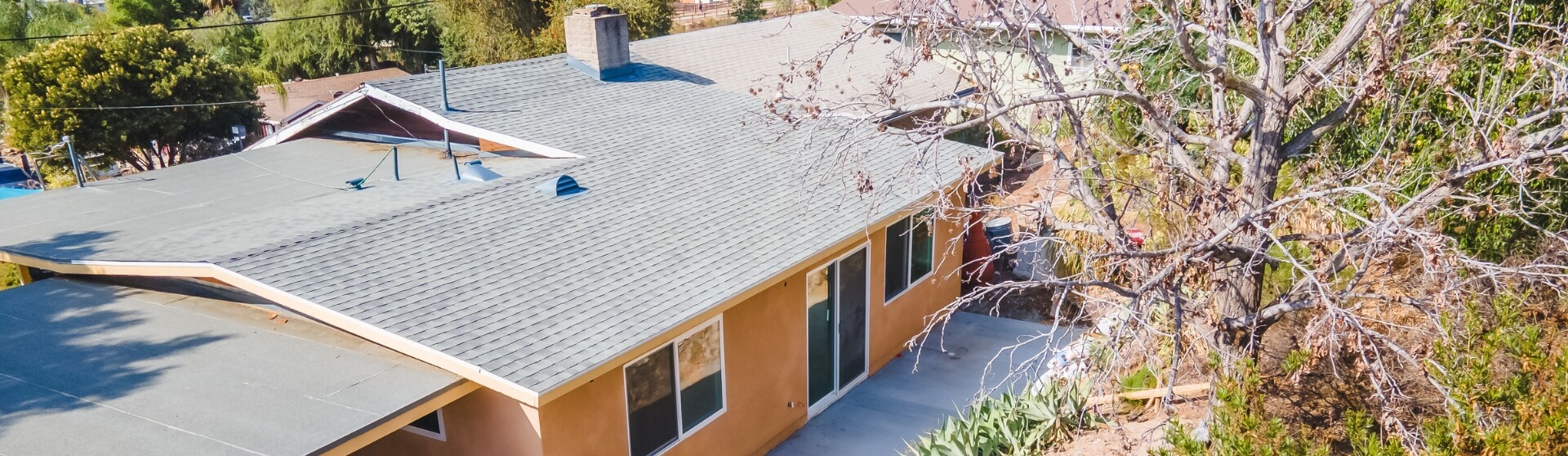

Understanding ADU Roofing Needs
Importance of durability in ADU roofing
Accessory dwelling unit (ADU) roofs take the same beating as your main home—UV, wind, and seasonal rain—but because these backyard cottages are smaller, any repair or roof replacement cost hits harder per square foot. Choosing a longer-life material quality upfront can reduce how often you’ll need to reroof over the ADU’s lifespan. Asphalt shingles are typically the shortest-lived mainstream option at about 15–30 years, while metal panels often last 40–70+ years, clay/concrete tiles 50–100+ years, and slate 75–200+ years (California ADU Experts). In practical terms, durability is a long-term budget decision tied to roof types as much as an aesthetic one.
Efficiency expectations for roofing materials
California’s Title 24 energy standards push ADU roofs toward high reflectivity to reduce heat gain and cooling costs, especially in Greater San Diego and other hotter zones. In many parts of the state, cool-roof certified materials are required, particularly under California’s strict building code in certain climate zones (DECRA / Title 24 cool roof guide). That means your roof choice isn’t just about looks—it needs to meet measurable energy-performance targets. Planning for efficiency early also helps if your ADU design includes solar tiles or standard panels, since roof geometry affects future output.
Title 24 roof takeaways for ADUs (quick scan):
- Many CA climate zones require cool-roof rated products for new ADUs (DECRA).
- Reflective roofing helps limit indoor heat buildup and AC demand.
- Roof shape and pitch should be planned with energy performance (and solar layout) in mind.
Style considerations in ADU design
Beyond performance, your ADU roof often needs to visually “belong” with the primary home—especially in local city areas with design standards, zoning codes, or HOAs. Some California jurisdictions require new detached ADUs to match the main dwelling’s roof materials, form, and pitch to maintain neighborhood consistency (Alameda ADU packet). California’s ADU handbook also allows up to two extra feet of height when needed to align roof pitch with the primary home. Even where San Diego local regulations are more flexible, working with Roofing Contractors for professional installation that complements your home’s architectural style can smooth building permits and keep the finished property feeling cohesive.
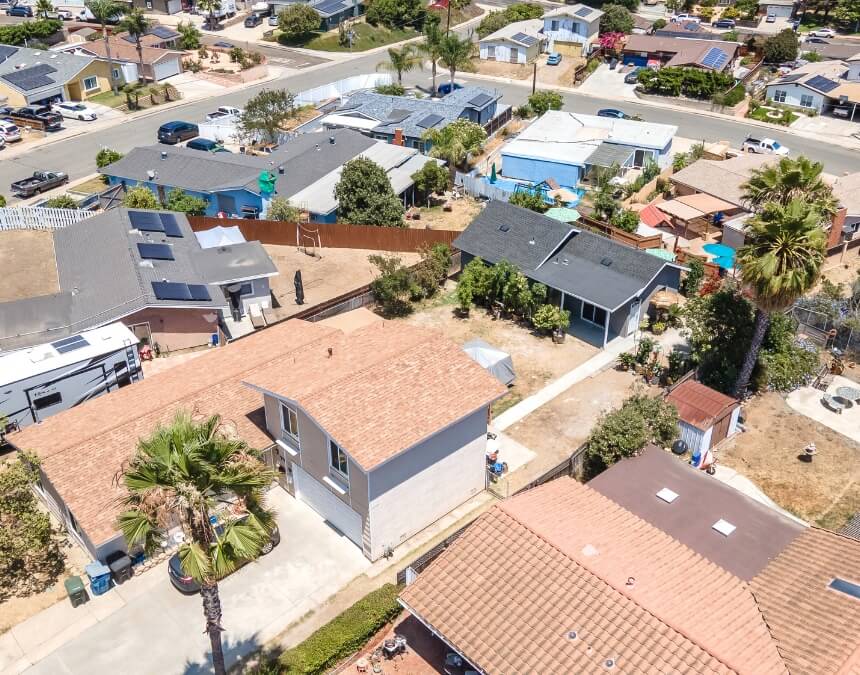
Smaller ADU roofs still face full exposure to sun, wind, and rain, so choosing long-lasting materials early can significantly reduce future replacement costs.
Comparison table: Material vs Cost vs Lifespan vs Best-for California
This comparison table breaks down the most common ADU roofing materials by cost, lifespan, and best-use scenarios in California. Use it to quickly weigh upfront budget against long-term durability, energy performance, and how well each option fits San Diego design and code expectations.
| Material | Typical Cost (per 1,000 sq ft of roof) | Typical Lifespan | Best for California / San Diego ADUs |
|---|---|---|---|
| Asphalt shingles | $1,000–$3,000 | 15–30 years | Lowest-budget builds, traditional gable/hip roofs, easy matching to main home/HOA expectations |
| Metal roofing | $1,000–$8,000 | 40–70+ years | Long-life + low-maintenance, wildfire-smart choice, modern flat/shed ADUs, strong cool-roof fit |
| Clay / concrete tile | $3,000–$25,000 | 50–100+ years | Spanish / SoCal aesthetic, HOA-driven matching, high durability + fire resistance |
| Slate / stone | $6,000–$16,000 | 75–200+ years | Premium/luxury ADUs where lifespan is the #1 priority and structure supports heavier loads |
Asphalt Shingles
Cost-effectiveness of asphalt shingles
Asphalt shingles are often the go-to roof choice for homeowners who want a dependable ADU (or granny flat / in-law suite) without stretching the budget. They’re the most budget-friendly mainstream material and come in a wide range of colors and roof styles, making it easy to match the primary home in neighborhoods with strong design expectations. Cost-wise, asphalt shingles typically run about $1,000–$3,000 per 1,000 sq ft of roof area, keeping them in the lowest-cost tier compared with metal or tile options. For small detached ADUs, gable roofs, additions, or garage conversions, that affordability can leave more room for interior upgrades or site preparation.
Lifespan and maintenance requirements
Shingle roofs are reliable, but they aren’t the longest-lived option, so it’s smart to plan for eventual roof replacement. As a baseline, asphalt shingles generally last 15–30 years before needing reroofing, which is shorter than metal or tile materials. Like any roof, lifespan depends on material quality, professional installation, and solid underlayment (often roofing felt over OSB boards), so periodic inspections and keeping drainage paths clear helps prevent early wear. The upside is that repairs are straightforward, and most roofing services or roofing company crews in California can work on shingles quickly.
Suitability for California climates
“California’s climate demands roofing materials that withstand prolonged sun exposure, occasional high temperatures, and potential wildfires…” (California ADU Experts). For asphalt shingles, that means choosing products that meet cool-roof requirements in climate zones where Title 24 and local building codes apply, since reflective shingles reduce summer heat gain. In wildfire-prone or WUI areas, homeowners should also confirm they’re selecting Class A fire-rated materials to stay aligned with California’s strict building code and local regulations. Done right, asphalt is a solid California ADU roof—especially when cost control and visual matching are top priorities.
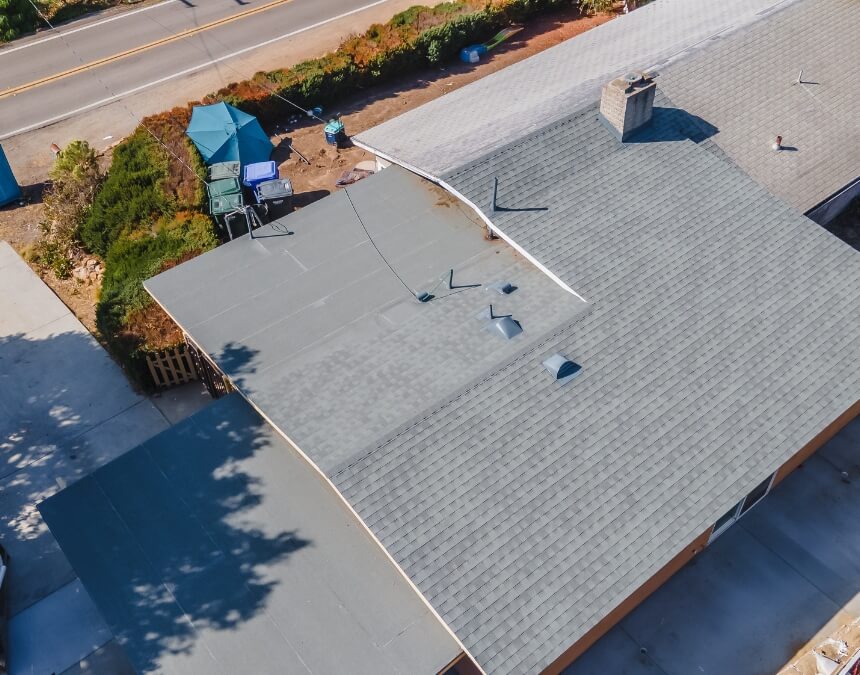
Asphalt shingles are ideal when budget control and easy HOA matching matter more than maximum lifespan.
Metal Roofing
Durability of metal roofing options
Metal is one of the strongest long-term roofing investments you can make for an ADU, especially in California where intense sun and wildfire resistance matter. With professional installation, metal roofing commonly lasts 40–70+ years, so many homeowners won’t face another reroof over their lifetime. Beyond longevity, metal panels resist rot, pests, and high winds, and they perform well in fire-prone regions because they’re non-combustible—an advantage under California’s strict building code. For homeowners who want maximum durability with minimal upkeep, metal is consistently a top-tier choice.
Energy efficiency in metal roofs
Metal roofing is highly reflective, which reduces heat absorption and helps keep accessory dwelling units cooler during hot months. That makes it a strong fit for California’s focus on energy-efficient ADUs and cool-roof performance. In climate zones where Title 24 applies, metal products are often easy to specify as compliant cool-roof materials because they naturally meet reflectivity expectations (DECRA / Title 24 cool roof guide). Pairing a reflective metal roof with good insulation can lower air-conditioning demand and improve comfort without adding major permit costs later.
Metal roofing styles and aesthetics
Metal works for almost any ADU form, from traditional pitched designs to modern flat or mono-pitched roofs. Homeowners often choose standing seam panels for a clean, contemporary look, but metal also comes in profiles that complement classic neighborhood roof styles. Because it’s lighter than tile or slate, metal can be easier to integrate into attached ADUs or garage conversions without upgrading roof trusses or structural framing. The result is a roofing option that blends modern aesthetics, broad design flexibility, and high performance.
Clay Tiles
Traditional appeal of clay tiles
Clay and concrete tiles are a classic Southern California roofing choice, especially for homeowners who want their ADU to feel consistent with a Spanish-style or Mediterranean main house. Their distinctive profile and warm color range help ADUs blend naturally into established California neighborhoods, including many areas of Orange County. Because many communities value visual harmony between the ADU and primary dwelling, tile is often picked when matching the main home’s look is a priority. It’s a style-forward option that still performs well in the region’s climate.
Longevity and maintenance of clay tiles
Tile roofs are one of the longest-lasting mainstream materials used for ADUs, which makes them attractive for homeowners planning to hold onto their property for decades. Clay/concrete tile commonly delivers a 50–100+ year lifespan, far beyond asphalt shingles and competitive with many premium systems (California ADU Experts). They’re also naturally fire-resistant, an important upside in wildfire-conscious parts of California and under California’s strict building code. While tiles cost more upfront and may require added structural support during the permitting process, maintenance needs are generally low once installed correctly.
Climate adaptability of clay tiles
Tiles handle California’s intense sun and heat exceptionally well and don’t degrade quickly under UV exposure. Their thermal mass helps buffer indoor temperature swings, which can improve comfort during hot days and cooler evenings. In San Diego’s long sunny seasons, this makes tile a strong performance match as well as an architectural upgrade that protects interior finishes. For homeowners balancing durability, fire resistance, and classic SoCal curb appeal, clay or concrete tile remains one of the most climate-ready ADU roofing options.
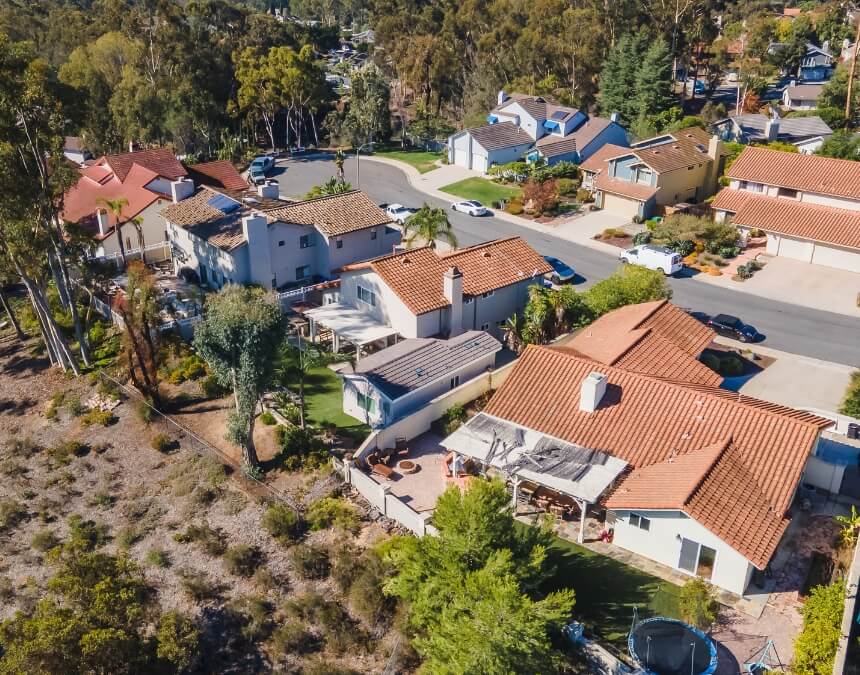
Clay tile roofs excel in heat and fire resistance, making them a strong long-term choice for SoCal ADUs.
Slate / Stone
Premium appeal of slate/stone roofing
Slate and stone roofing sit at the luxury end of ADU roof options, chosen mostly for their timeless look and “forever home” durability. They create a high-end architectural finish that can elevate a detached ADU into a true estate-style secondary home, especially when design continuity is a priority. Because slate/stone is less common on ADUs, it’s typically selected when homeowners want a distinctive, premium aesthetic rather than a standard neighborhood match. This is a stylistic splurge that signals long-term investment.
Longevity and maintenance of slate/stone
Slate is the longest-lasting roofing material in this guide, often outliving the ADU itself. California ADU Experts notes that slate roofing has a 75–200+ year lifespan, making it a multigenerational roof option (California ADU Experts). That longevity comes with low routine maintenance, assuming the roof is installed correctly and engineered for the load. The main tradeoff is weight and cost—slate/stone is heavy and typically requires stronger framing than shingles or metal.
Cost and California fit
Slate/stone is a premium-budget choice: material costs typically fall around $6,000–$16,000+ per 1,000 sq ft of roof area (California ADU Experts). In California’s climate, slate performs exceptionally well against UV exposure and heat, and it’s naturally non-combustible—an advantage in wildfire-aware regions and under California’s strict building code. For San Diego homeowners, this option makes the most sense when the ADU is a long-term legacy asset, you’re prepared for added permitting and inspections tied to structural load, and the budget includes a healthy contingency fund for premium installation.
Eco-Friendly Options
Introduction to green roofs
Green roofs and other sustainable systems are still a niche choice for ADUs in California, but they’re gaining attention with homeowners who want maximum environmental benefit. These roof types are best suited to flat or low-slope ADU designs, since the planting system needs a stable surface and carefully layered waterproofing. Because a living roof adds substantial load, the ADU must be engineered to support the extra weight from soil, plants, and retained water. That means green roofs are typically a design-from-day-one decision rather than a simple upgrade later.
Benefits of sustainable roofing choices
The main appeal of eco-friendly roofs is performance: they can add natural insulation, reduce heat gain, and improve comfort inside the ADU. A vegetated roof can also absorb and slow stormwater runoff, which helps properties dealing with drainage concerns, and some systems can incorporate recycled materials in their growing media or insulation layers. The tradeoff is complexity—green roofs require more layers (root barriers, drainage mats, membranes) and more structural planning than standard roofing. As a result, they’re usually more expensive upfront and are best for homeowners committed to sustainability long-term.
Impact on energy costs and environment
In California, sustainable roofs are most effective when they work with state energy rules, not against them. Pairing a green roof or other eco-system with cool-roof performance helps limit heat gain in climate zones where Title 24 requires reflective roofing (DECRA / Title 24 cool roof guide). It’s also smart to plan the roof around solar placement, since most newly built detached ADUs must include rooftop solar under state law, and early coordination with utility connections and electrical work makes installs smoother. When all three pieces align—cool roof, solar, and sustainable roofing—homeowners get the best mix of lower utility demand and reduced environmental impact under California’s strict building code.
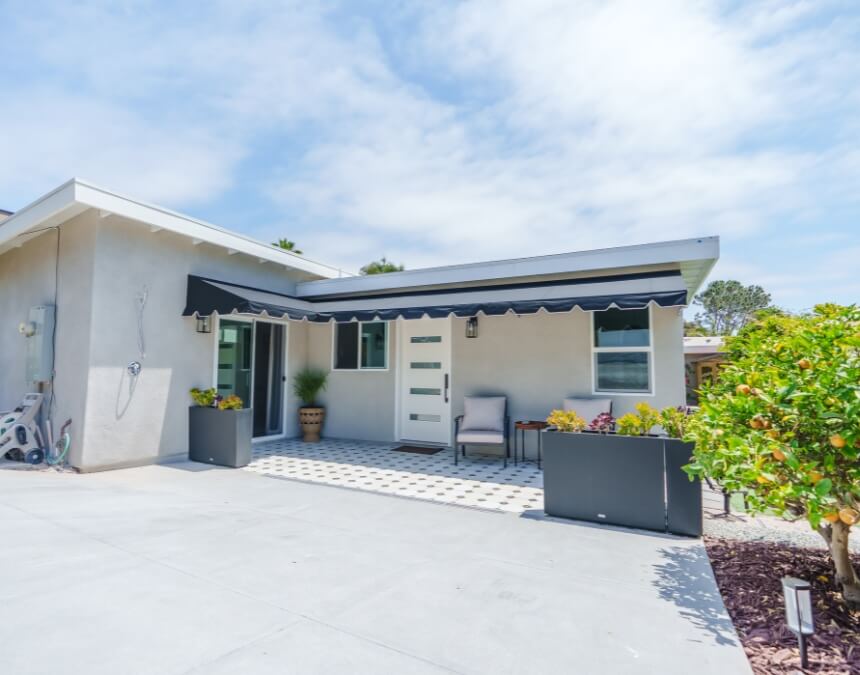
Sustainable roofs work best when engineered early to support added weight and paired with cool-roof performance.
Cost Analysis
Material costs: a detailed breakdown
ADU roofing material costs span a wide range, so your final price depends mostly on what you choose and how large or complex the roof is. Asphalt shingles sit at the lowest tier, metal is mid-range, tile is premium, and slate or stone is the highest-cost category. Even though ADU roofs are smaller than primary homes, the price per square foot stays similar, so material choice still drives the budget more than anything else. For a clear comparison, California ADU Experts lists the following costs per 1,000 sq ft of roof area: Asphalt shingles $1,000–$3,000, metal roofing $1,000–$8,000, tile roofing $3,000–$25,000, and slate/stone $6,000–$16,000+ (California ADU Experts).
Labor costs and installation complexities
Labor can add a significant share of your roofing cost, especially when the design is complex. Steeper pitches, multiple roof planes, or heavier materials like tile require more time and specialized installation, which increases labor. Flat or low-slope ADU roofs are often faster to frame, but they rely on careful waterproofing and drainage detailing, so installer skill still matters under California’s strict building code. The takeaway for homeowners is that two ADUs with the same square footage can have very different roof bids depending on shape, material, and the roofing company’s scope.
Long-term savings on maintenance and energy
Upfront cost isn’t the whole story—roof lifespan and energy performance shape the true long-term value. Metal and tile cost more initially, but their long service lives typically reduce roof replacement cycles and major maintenance over time compared with shingles, especially after sun exposure or roof damage. Energy-wise, choosing materials that meet cool-roof performance where Title 24 applies can help reduce summer heat gain and cooling demand, adding another layer of savings. In practice, the “best value” roof is the one that balances your short-term budget with how long you plan to keep the ADU and what comfort you want long-term.
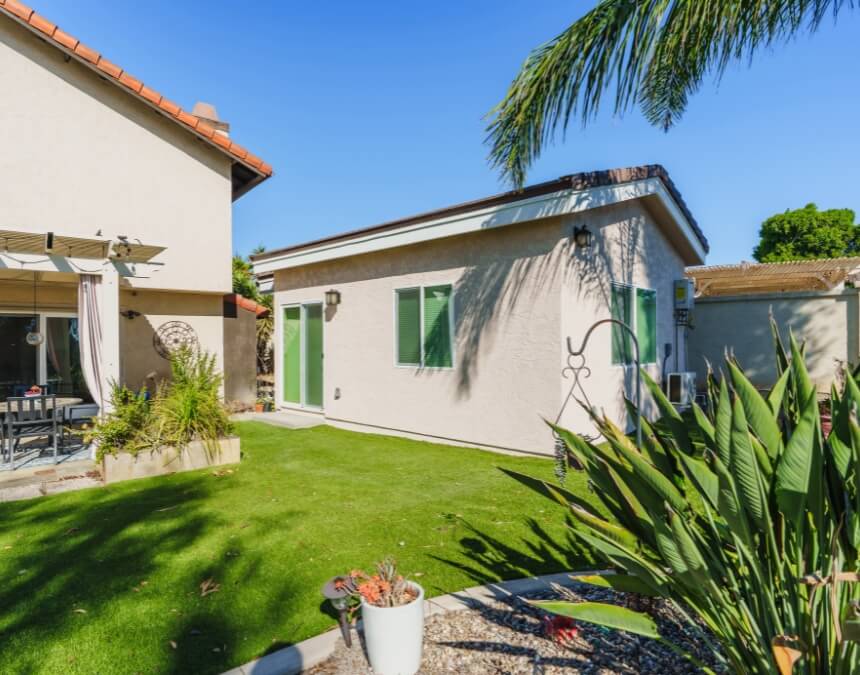
Material choice drives long-term cost more than size—lifespan and maintenance matter as much as upfront price.
California Building Codes and Regulations
Overview of California’s unique roofing requirements
California ADU roofs have to clear a few statewide rules, with energy compliance being the biggest driver of material choice. Under Title 24 and California’s strict building code, many climate zones require reflective cool-roof products for new construction or major reroofs, which directly affects what shingles, metal, membranes, or tiles you can use. As DECRA summarizes, “Homes in climate zones 4 and 8–15 are required to use certified roofing products known as cool roofs…” (DECRA / Title 24 cool roof guide). On top of that, most newly built detached ADUs must include rooftop solar—“California state law requires that all new construction — including newly-built ADUs — must have solar panels”. In fire-prone or WUI areas, you may also need a Class A fire-rated roof, so wildfire risk should factor into your material shortlist.
Compliance tips for ADU projects
Start by confirming your property’s climate zone, because that determines whether cool-roof certification is mandatory and which materials qualify. When selecting products, ask your designer or roofing company to specify Title 24–compliant cool-roof options early so the permitting process doesn’t stall. If your ADU needs solar, plan roof orientation and clear panel space during design rather than after framing, since roof pitch and layout affect solar capacity. Finally, double-check roof pitch and overall ADU height limits with your local building department, since local rules can be stricter than state minimums.
Ensuring safety and legality in construction
Because roofing ties into structural engineering, waterproofing, and fire safety, it’s critical that your approved plans match what gets built on site. Work with licensed professionals so the roof assembly includes correct drainage (especially for flat roofs), proper insulation for energy compliance, and any required fire-resistant detailing. This reduces the risk of failed inspections or expensive redesigns mid-permit. Solid documentation also helps if you’re in an HOA or design-review area where roof materials and form are scrutinized.
San Diego ADU roof rules to know
San Diego follows state ADU law but adds key local height details that influence roof type decisions—especially for ADUs above garages. A big one: “San Diego allows 21 feet for flat roofs and 30 feet for sloped roofs for ADUs above garages” (Streamline Design Group). That means a pitched roof can unlock extra height for vaulted ceilings or loft space, while flat roofs may be more constrained on these builds. If you’re considering a roof deck, be aware it can affect total height calculations and may trigger additional safety or fire-rating requirements near property lines, so check city guidance during design.
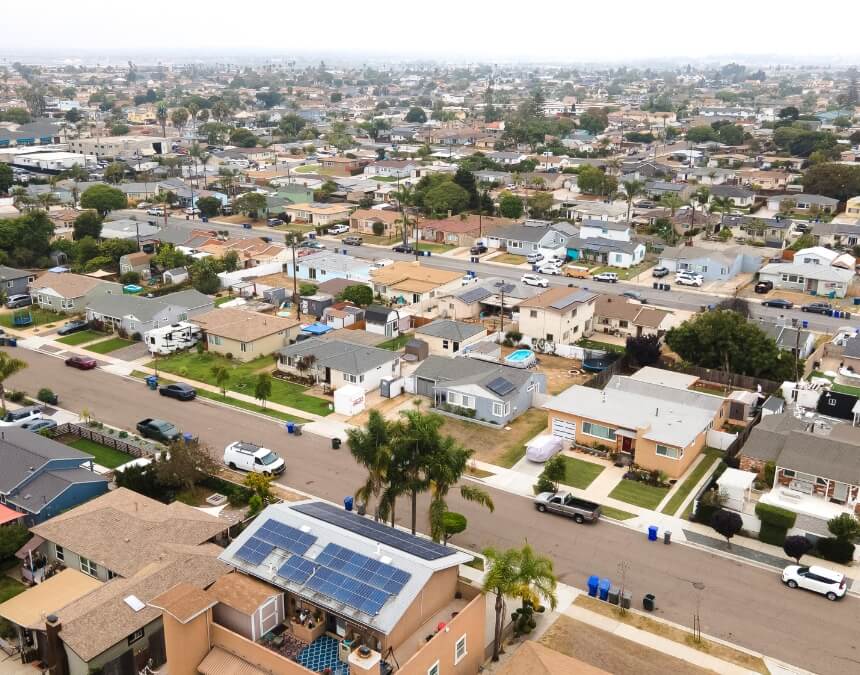
Title 24 compliance and local height rules should be confirmed before finalizing roof type or pitch.
Making the Right Choice
Aligning roofing choices with personal design preferences
Start with how you want the ADU to look and how closely it should match your primary home. Asphalt shingles are a natural fit for traditional California houses and are easiest to color-match when your neighborhood expects consistency under California’s strict building code or HOA rules. Clay or concrete tiles make sense if your main home is Spanish/Mediterranean or if you want a classic Southern California profile that blends into established streetscapes. Metal roofing leans more modern and works especially well for contemporary flat or shed-roof ADUs, which are common in newer San Diego designs.
Evaluating long-term benefits vs. initial costs
Once you know the look you want, weigh price against how long you expect the roof to last. Shingles usually cost the least upfront but have the shortest lifespan, while metal and tile cost more at install yet can dramatically reduce roof replacement cycles. As a quick comparison: asphalt typically lasts 15–30 years, metal 40–70+ years, and clay/concrete tile 50–100+ years. If you’re building a rental ADU you’ll hold long-term, a longer-life roof often pencils out better over time.
Tailoring solutions to specific ADU requirements
Your ADU type and site conditions can narrow choices fast. Detached, attached, and garage-conversion ADUs can all use pitched or flat roofs, but setbacks, height limits, and how much roof area you need for solar can steer the decision. In places like San Diego, pitched roofs may also unlock more height than flat roofs on certain builds (like over-garage ADUs), which can matter if you want vaulted ceilings or a loft. The best roof is the one that fits your budget, matches your property’s style rules, and works with your specific lot and code constraints.
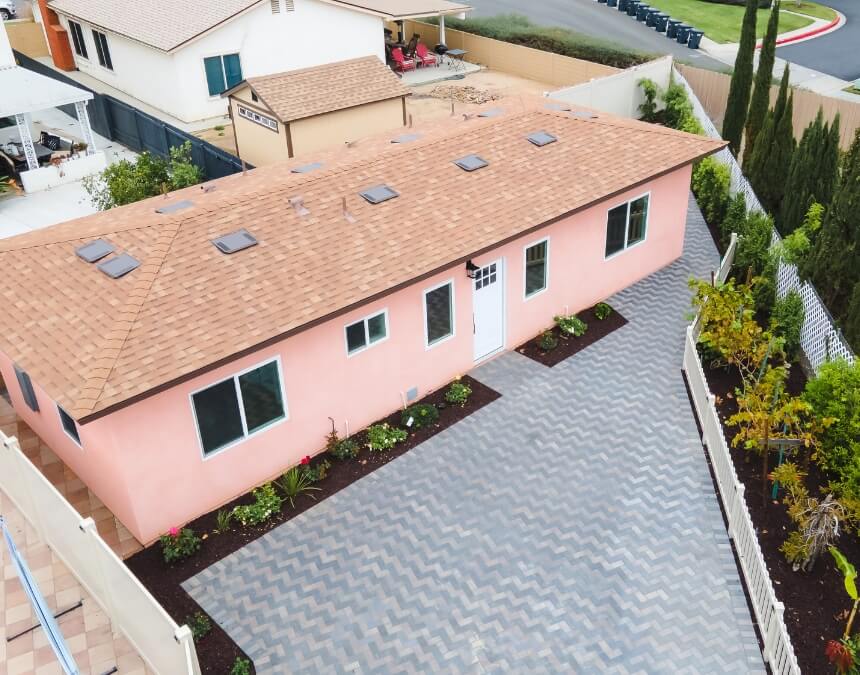
The right ADU roof aligns budget, lifespan, and local code requirements—while visually matching the main home to streamline approvals and boost long-term value.
Conclusion
Choosing the right roof for your California ADU comes down to balancing three things: how long you want it to last, how much you want to spend upfront, and how well it fits local energy and design rules. Asphalt shingles keep costs low and are easy to match, metal offers the best durability-to-maintenance ratio for wildfire-aware homeowners, and clay/concrete tile delivers classic SoCal style with decades of performance. Slate or stone is the premium “lifetime roof” option when budget and structure allow, while green roofs make sense for flat ADUs built around sustainability from day one. Whatever material you lean toward, make sure it’s Title 24 cool-roof compliant where required, leaves adequate space for solar, and aligns with San Diego height/design standards so your permit process stays smooth and your ADU performs well for the long haul.
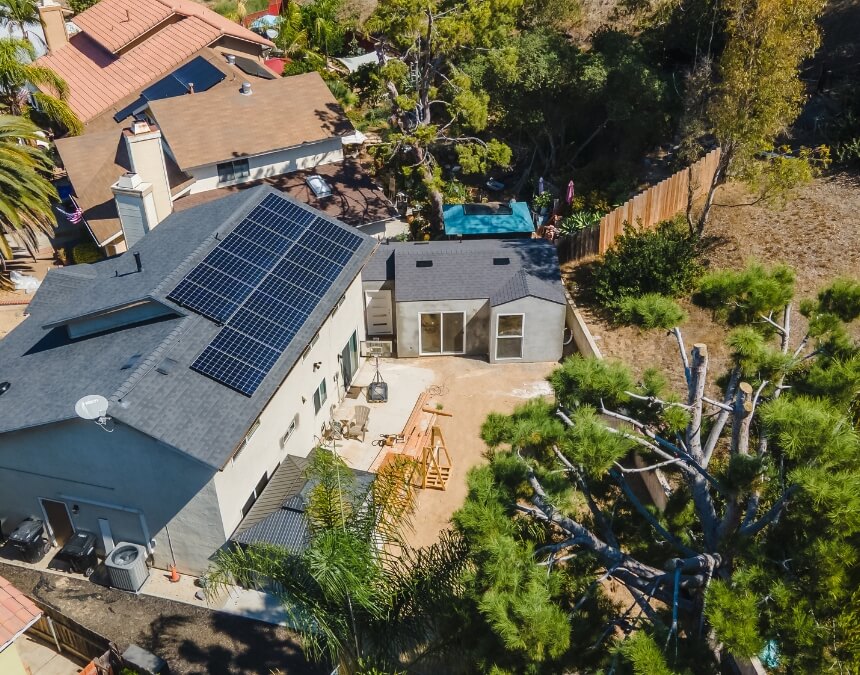
A code-compliant, climate-ready roof ensures your ADU performs well and avoids permitting delays down the line.
Frequently Asked Questions
A 2,000 sq ft roof is roughly double the cost of the per-1,000-sq-ft ranges. Using California ADU Experts’ benchmarks, you’re looking at about $2,000–$6,000 for asphalt shingles, $2,000–$16,000 for metal, $6,000–$50,000 for tile, and $12,000–$32,000+ for slate/stone, depending on product grade and roof complexity. Labor, pitch, and detailing can push totals higher, but this gives a realistic material-driven band.
Not necessarily — it depends on size, pitch, and material. A $30k roof would be high for a small ADU with asphalt shingles, but it can be normal for larger or more complex ADUs using premium tile or slate, which can run up to $25,000 per 1,000 sq ft for tile and $16,000+ per 1,000 sq ft for slate/stone. So the number isn’t “too much” on its own — it’s about what you’re building and with what.
Costs vary by site and design, but ADUs are often a cost-efficient way to add independent living space because they’re built on a smaller footprint and benefit from California’s streamlined ADU rules. The better comparison is your goal: if you need a separate unit for rental or family, an ADU may deliver more value than a simple addition even if total costs are similar.
The biggest downsides are upfront construction cost, working through city codes/HOA design rules, and planning utilities and privacy on a tight lot. Roofing can amplify these challenges since it affects both budget (material + labor range) and compliance (cool-roof rules, solar planning, fire-rating where applicable). In other words: ADUs are powerful, but they require careful planning — especially at the roof/design stage.
More Projects
-
ADU Trends & Insights
Do You Trust Your Builder?
You can trust your ADU builder when they prove real ADU experience, proper California licensing/insurance, and clear written contracts, not just a good sales pitch.
-
ADU Trends & Insights
Is it Worth It To Build An ADU in 2026? Assessing the ROI of Building an ADU
Discover the financial benefits and pitfalls of building an ADU with our comprehensive, detailed guide.
-
ADU Trends & Insights
What Is ADU Construction?
ADU construction involves planning, permitting, and building a self-contained living space on a residential property — adding value, flexibility, and income potential without buying new land.
-
ADU Trends & Insights
Using a HELOC to Fund an ADU in California?
A HELOC lets California homeowners fund an ADU in phases using home equity, paying interest only on what they use. In San Diego, strong rental income often offsets payments, though variable rates and post–draw-period repayment increases should be considered.
-
ADU Trends & Insights
When Should You Build an ADU in San Diego?
ADU construction involves planning, permitting, and building a self-contained living space on a residential property — adding value, flexibility, and income potential without buying new land. In California, ADUs now make up about one in six new homes, reflecting their growing role in solving the state’s housing shortage.
-
ADU Trends & Insights
How to Build an ADU in the San Diego Coastal Zone
Building an ADU in San Diego’s Coastal Zone requires checking if the property is in the Coastal Overlay Zone, which typically triggers a Coastal Development Permit or exemption.
-
ADU Trends & Insights
Legal Bedroom Requirements in California
California has made building ADUs easier to tackle the housing crisis, but specific state and local regulations still apply. Here's what you need to know before starting.
-
ADU Trends & Insights
What Are Vaulted Ceilings and High Ceilings in ADUs and Are They Worth It in California?
Vaulted ceilings enhance ADUs by maximizing vertical space, increasing natural light, improving comfort, and boosting long-term property value in California when designed and built correctly.
-
ADU Trends & Insights
Where Can ADUs be Built in San Diego, CA?
ADUs are allowed on nearly all residential lots in California, including single-family and multifamily properties, under state law. In San Diego, any property zoned for residential use qualifies, making it easier than ever for homeowners to add an ADU and expand their living or rental space.
-
ADU Trends & Insights
How do ADUs benefit real estate agents in California and San Diego?
ADUs benefit real estate agents in California and San Diego by increasing property value and buyer appeal, creating built-in rental and multigenerational living opportunities, and giving ADU-savvy agents a competitive edge in pricing, marketing, and closing deals in a tight housing market.
-
ADU Trends & Insights
How We Make Your ADU’s Interior Design Stress Free & Feel Like Home
Our interior designers simplify the finish selection process—so you get a stylish, renter-friendly ADU without the stress, delays, or costly mistakes.
-
ADU Trends & Insights
What Makes an Ideal Lot for an ADU in California (Especially San Diego)?
An ideal ADU lot in California (especially San Diego) is flat or gently sloped with enough clear buildable space for setbacks, good construction access, nearby utility tie-ins, and minimal easements or overlays—since slope, access, and utility distance are the biggest drivers of cost and feasibility even with “by-right” ADU rules.
-
ADU Trends & Insights
20 Day Preliminary Notice for ADUs in California: Requirements and Deadlines
A California 20-Day Preliminary Notice is a required filing for most ADU projects that subcontractors and suppliers must send within 20 days of providing labor or materials, notifying owners, contractors, and lenders.
-
ADU Trends & Insights
When Do You Need a Survey for an ADU in San Diego?
A survey for an ADU in San Diego is typically required when the new unit is built close to property lines, situated on a sloped or irregular lot, or when local regulations mandate setback verification.
-
ADU Trends & Insights
How Does ADU Construction Work in San Diego, CA?
San Diego’s ADU process is fast and flexible, with permits approved within 60 days and options for detached units up to 1,200 sq. ft. or garage conversions. Thanks to state laws and the city’s ADU Bonus Program, homeowners can build quickly, add value, and even earn extra units by including affordable housing.
-
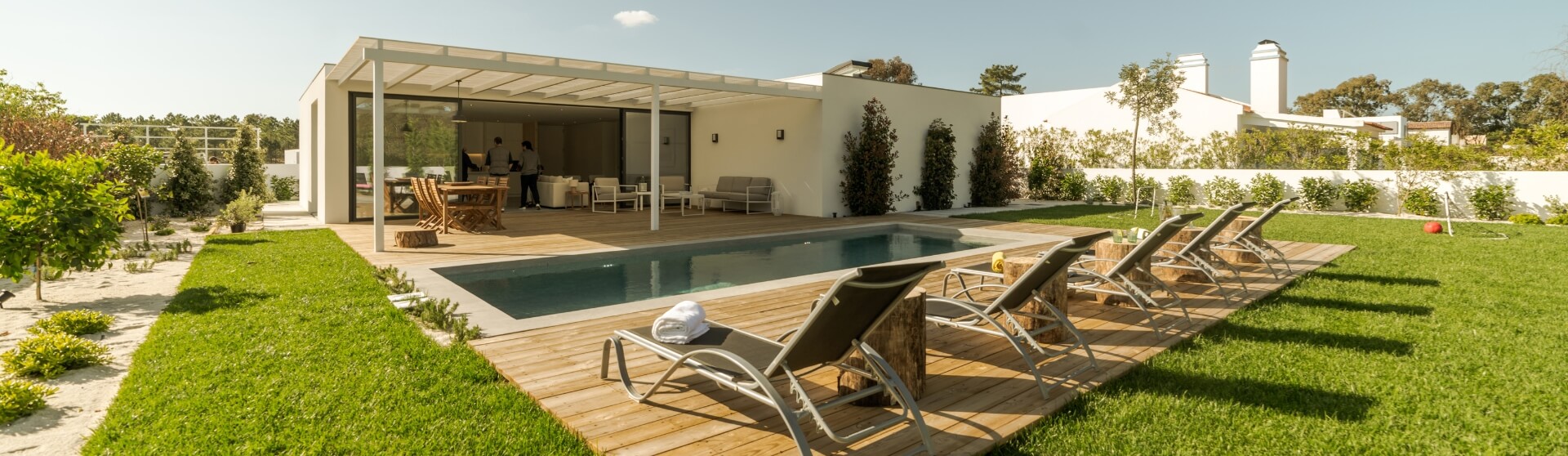
ADU Trends & Insights
How Do You Integrate Outdoor Living Into ADU Design?
Integrating outdoor living features such as patios, decks, and seamless indoor-outdoor connections helps ADUs feel larger, more livable, and more valuable.
-
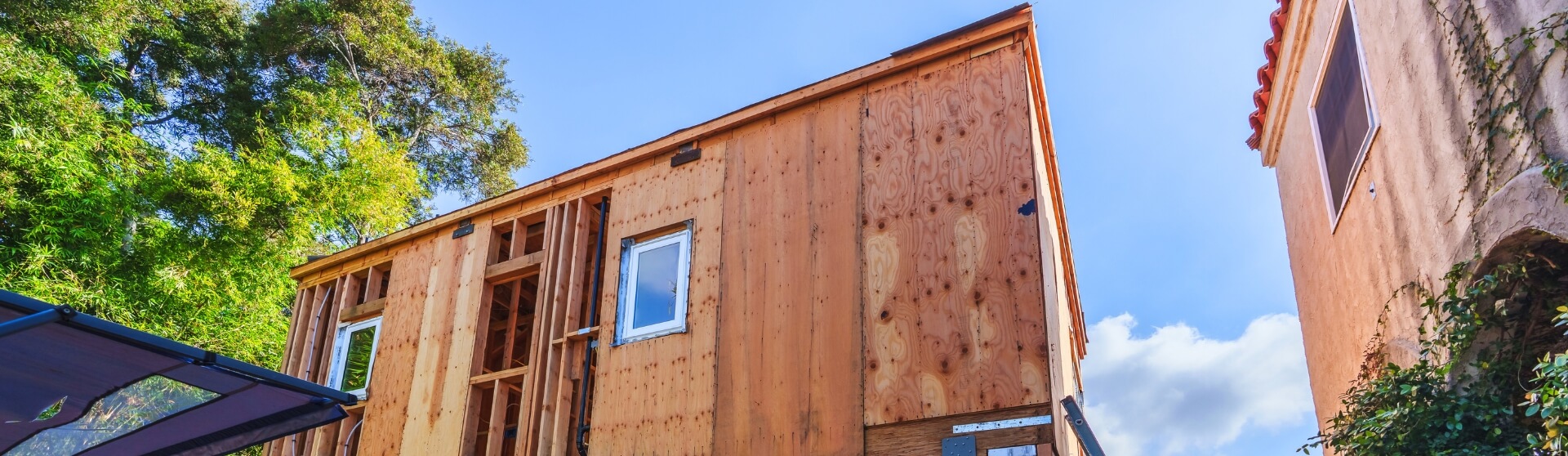
ADU Trends & Insights
What Are Stacked Accessory Dwelling Units (ADUs)?
Stacked ADUs are two fully independent accessory dwelling units built vertically in a single two-story structure, allowing California homeowners to add multiple homes on one lot without increasing the building footprint when local height and zoning rules allow.
-
ADU Trends & Insights
Why ADUs & Costs Matter in San Diego
Planning an ADU in San Diego? Get the lowdown on all the hidden costs that can catch you off guard.
-
ADU Trends & Insights
How to Finance an ADU in San Diego
ADUs are growing popular in San Diego, offering housing for family or rental income, but demand substantial upfront investment.
-
ADU Trends & Insights
Are Pre-Approved ADU Plans Right for You in San Diego?
Compare pre-approved vs. custom plans and why the cheapest option isn't always best.
-
ADU Trends & Insights
What Is a Granny Flat? Definition, Types, and How They’re Used
Granny flats offer San Diego homeowners flexible housing solutions, from accommodating family to generating rental income, with options including detached builds, garage conversions, or junior ADUs.
-
ADU Trends & Insights
Best ADU Designs
Explore essential ADU design trends and practical insights, from layout optimization to style choices, ensuring your accessory dwelling unit maximizes comfort, functionality, and investment potential.
-

ADU Trends & Insights
What is the importance of an ADU feasibility study in California and San Diego?
An ADU feasibility study is a comprehensive analysis of zoning, site constraints, existing utilities, and a proposed design that determines whether building an accessory dwelling unit is practical and financially viable on a specific property.
-
ADU Trends & Insights
The Perfect ADU Kitchen
Discover how smart layouts and stylish design choices can transform even the smallest ADU kitchens into luxurious, functional spaces.
-
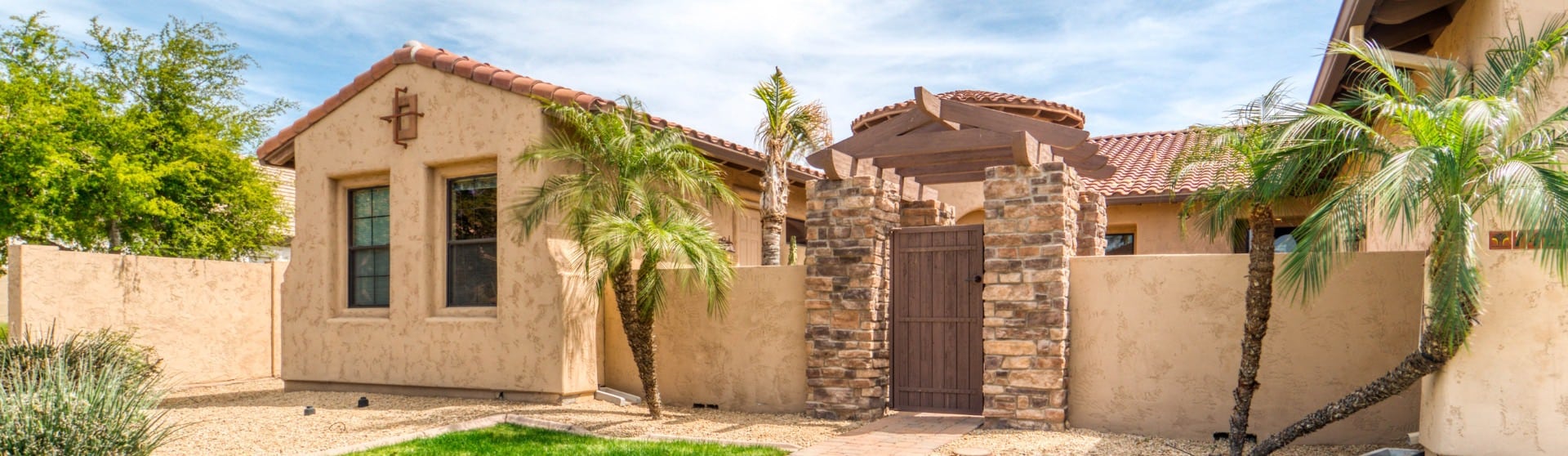
ADU Trends & Insights
Spanish Style ADUs
Explore the timeless elegance of Spanish-style ADUs with iconic features like stucco walls, red tile roofs, and stunning architectural details.
-
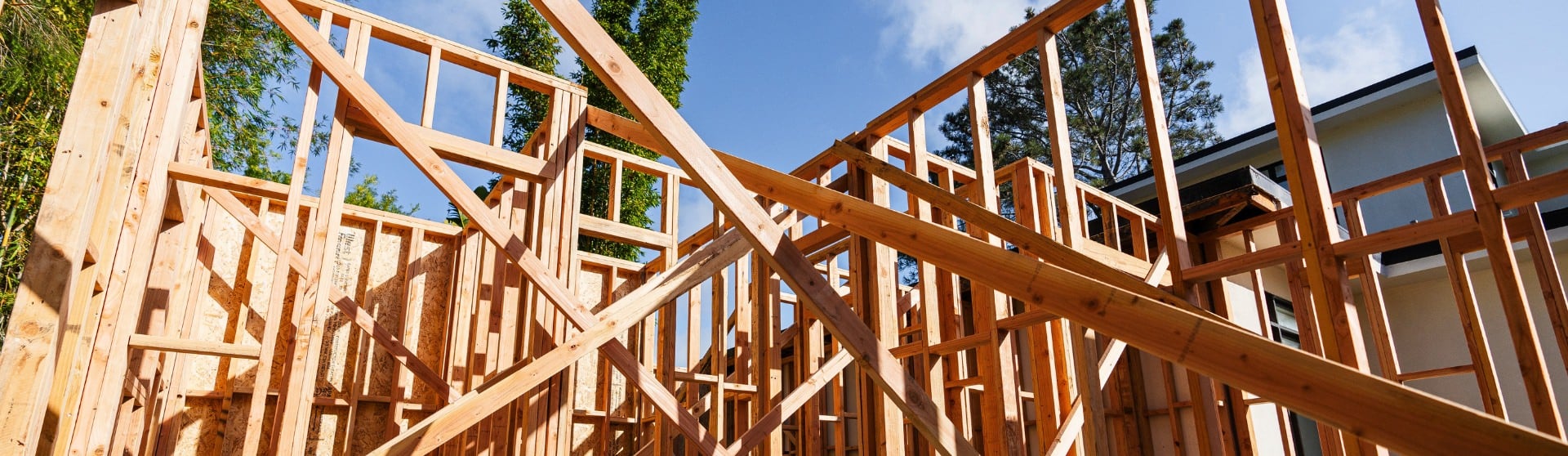
ADU Trends & Insights
What Qualifies as an ADU?
ADUs are reshaping the California housing market, providing homeowners with cost-effective, independent living spaces to meet diverse needs.
-
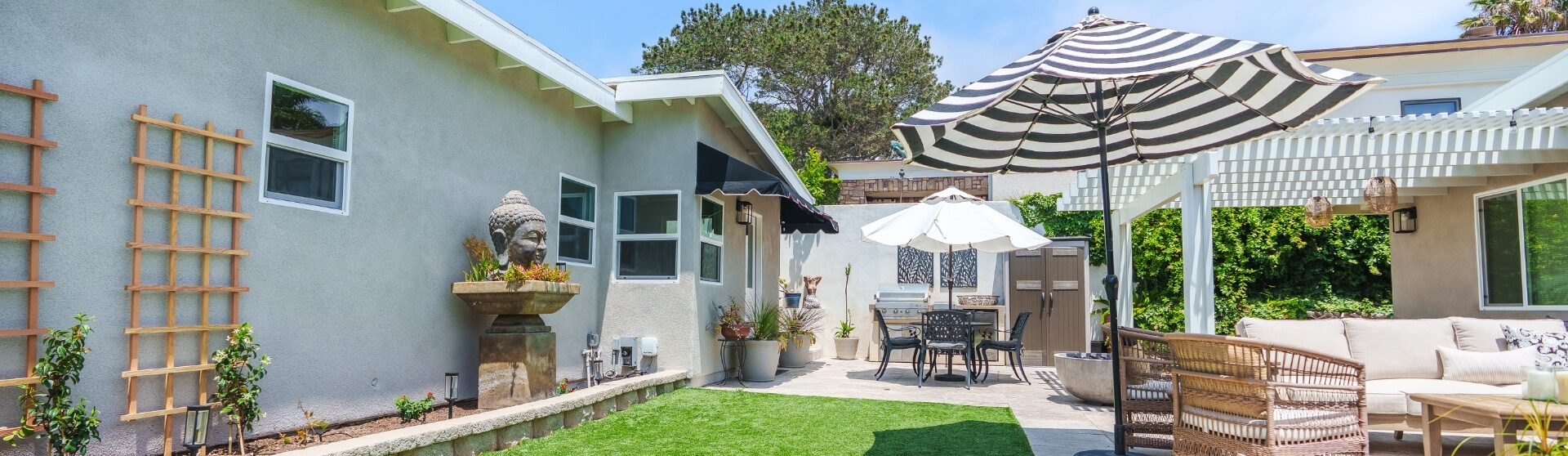
ADU Trends & Insights
What are the universal design principles for ADUs?
Universal design principles for ADUs focus on creating safe, flexible, and comfortable homes—using features like step-free entries, wider doorways, accessible bathrooms, and intuitive layouts—so the space remains usable for people of all ages and abilities over time.
-
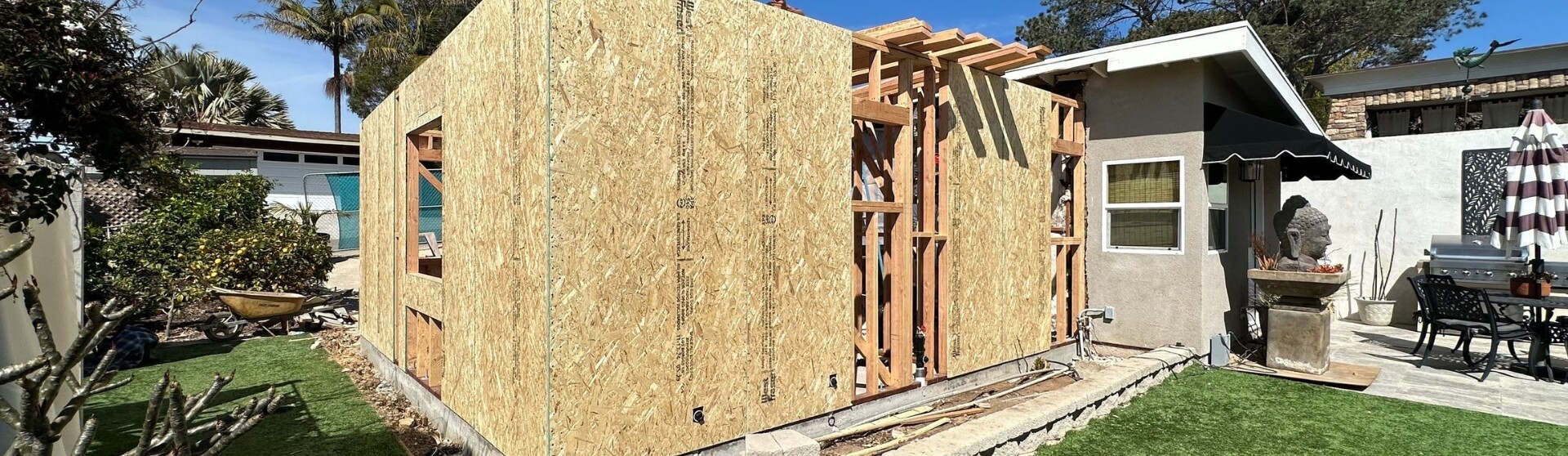
ADU Trends & Insights
ADU vs JADU: What’s the Difference?
Explore the crucial differences between ADUs and JADUs—including size, regulations, costs, and ROI—to determine the best fit for your property and goals.
-
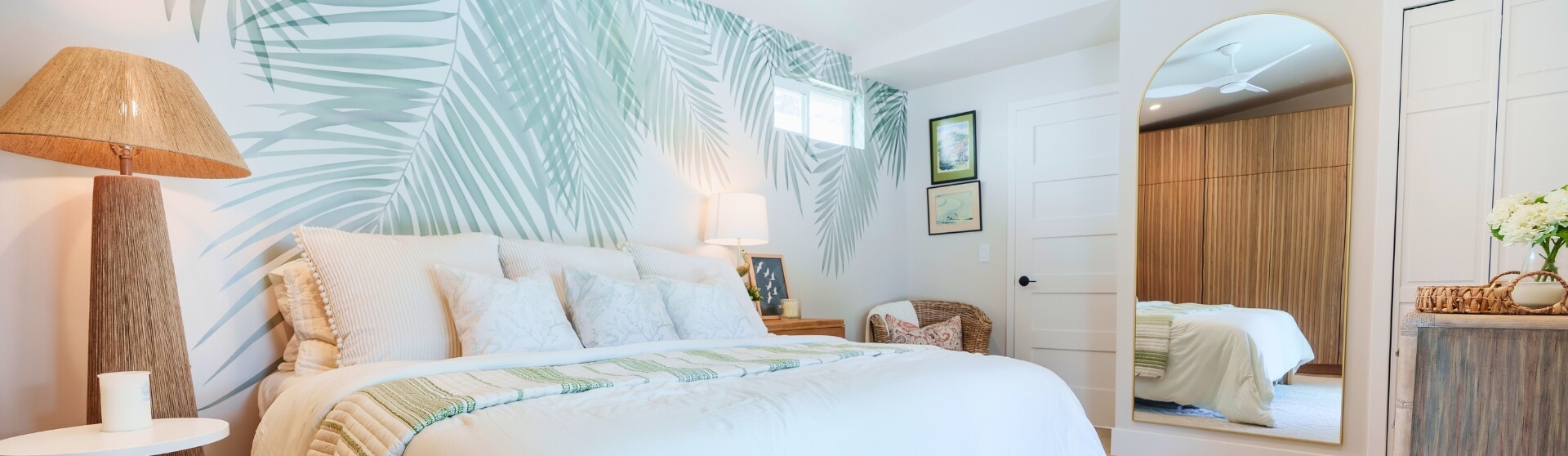
ADU Trends & Insights
How Does Choosing the Right Color Scheme Impact an ADU’s Design and Value?
Choosing the right ADU color scheme—especially light, neutral palettes with intentional accents—can make small spaces feel larger, improve livability, and increase rental and long-term property value.
-
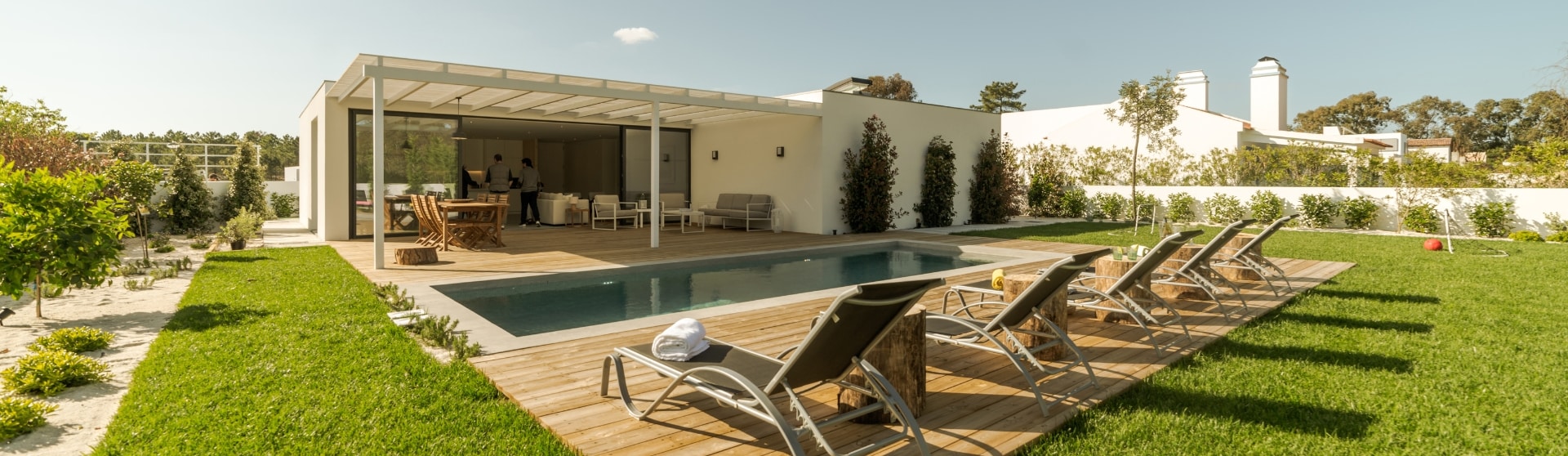
ADU Trends & Insights
Key Differences Between Pool Houses and ADUs
Discover the differences between pool houses and ADUs to choose the right addition for your property—find out about amenities, regulations, and value impact!
-

ADU Trends & Insights
Construction Loans vs. Personal Loans for ADUs: What Do California Homeowners Need to Know?
Building an ADU in California typically requires high financing and San Diego homeowners usually choose between construction loans, which are based on the future value of the property, and personal loans, which offer fast approval but higher interest rates.
-
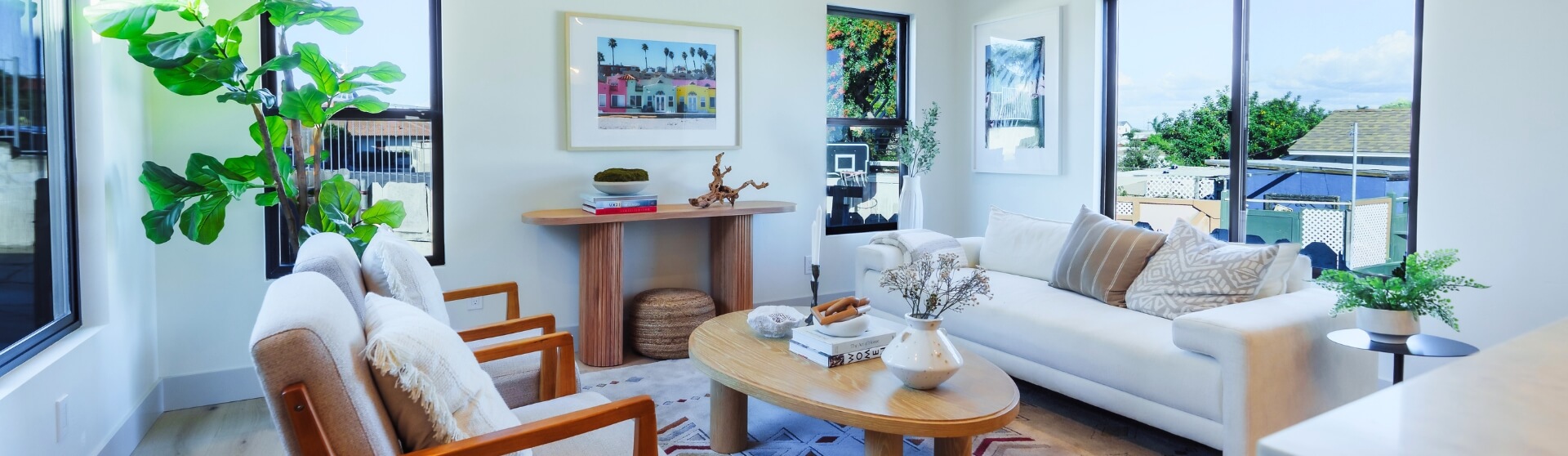
ADU Trends & Insights
Are ADUs a good alternative to nursing homes for California homeowners?
ADUs offer California homeowners a practical alternative to nursing homes by allowing aging parents to live independently on the same property, supporting aging in place while turning ongoing care costs into a long-term home investment.
-
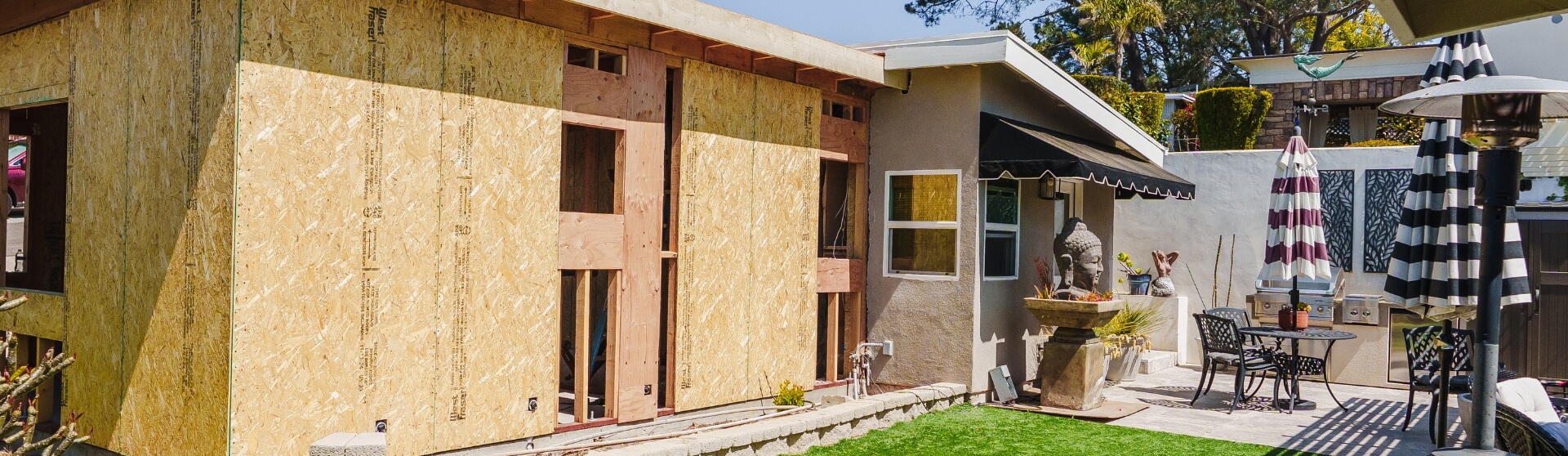
ADU Trends & Insights
Garage ADU: What It Is, Costs, Rules, and Conversion Options
Unlock your property's potential by converting your detached garage into a cost-effective, versatile ADU that increases property value and generates rental income.
-
ADU Trends & Insights
How Much Does an ADU Increase Property Value?
Discover how adding an ADU can significantly boost your property value, generate rental income, and enhance long-term equity—all while making the most of your available space.
-
ADU Trends & Insights
How to Finance an ADU Project in California
California homeowners can finance an ADU using home equity, cash-out refinancing, construction or renovation loans, and programs like San Diego’s SDHC (up to $250K), with rental income often helping offset the $200K–$450K build cost.
-
ADU Trends & Insights
What Is a Casita? Definition, Uses, and How It’s Different From an ADU
Casitas are stylish, small ADUs under 800 sq. ft., perfect for guests, rentals, or in-law suites. Discover the benefits, costs, and designs.
-
ADU Trends & Insights
Downsizing to an ADU: Benefits, Costs, and Key Considerations
Downsizing to an ADU means moving into an Accessory Dwelling Unit—a smaller, self-contained home on your property—while renting out or repurposing your main house.
-
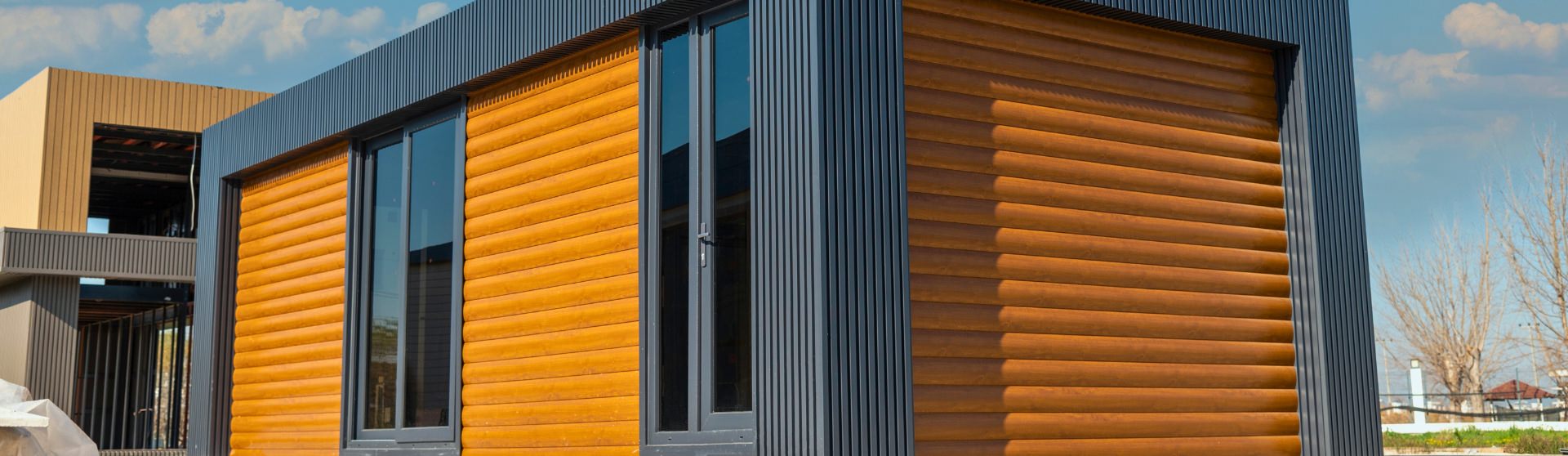
ADU Trends & Insights
Prefab ADUs: Pros and Cons
Explore the pros and cons of prefab ADUs in California, including cost, customization, durability, and ROI, to decide if modular construction suits your needs.
-
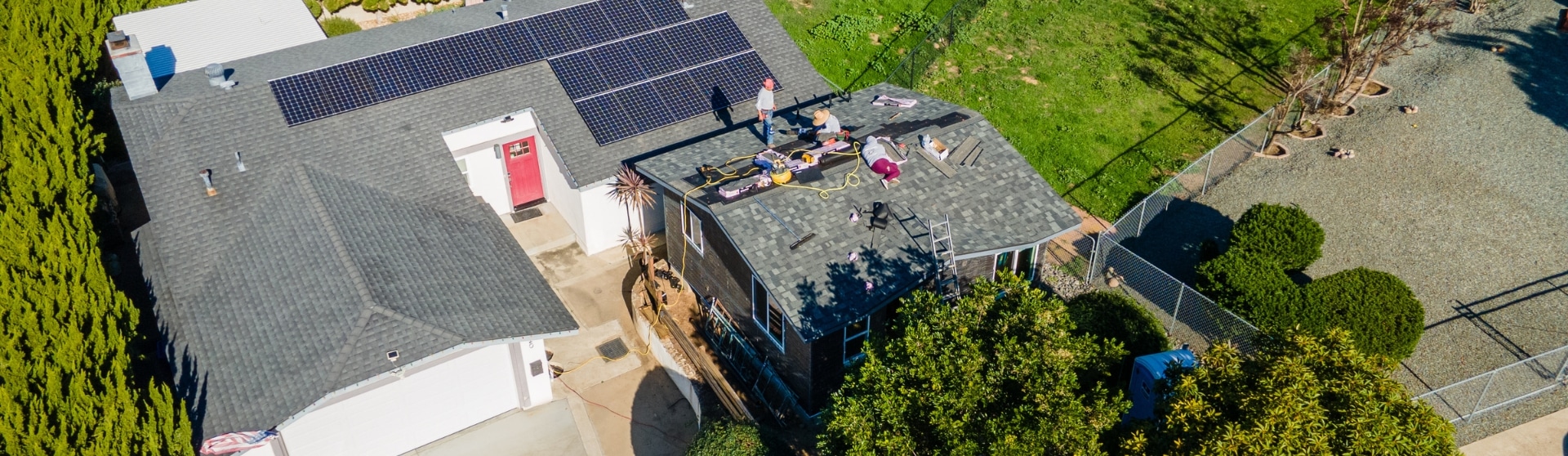
ADU Trends & Insights
What Are ADU Electrical Requirements in California?
Get the complete breakdown of electrical requirements for ADUs in California, from panel upgrades to solar compliance, to help you build safely and within code.
-
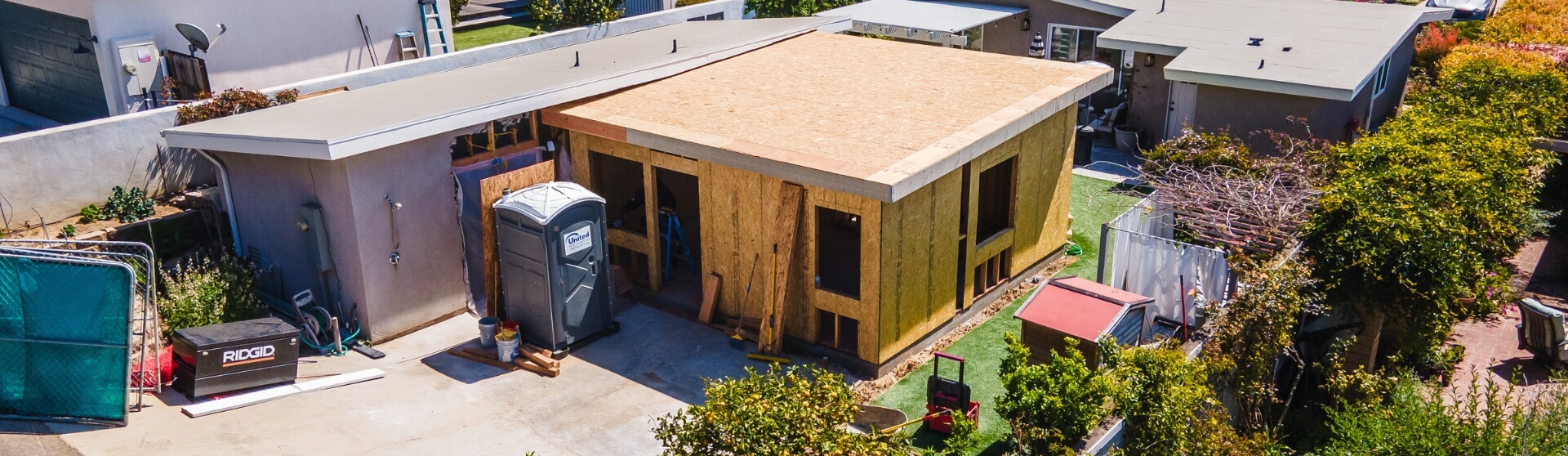
ADU Trends & Insights
Understanding SB9 and Its Impact on ADUs
While promising, the complexity and lengthy approval process of SB9 projects make traditional accessory dwelling units (ADUs) an often simpler and quicker alternative for expanding property use.
-
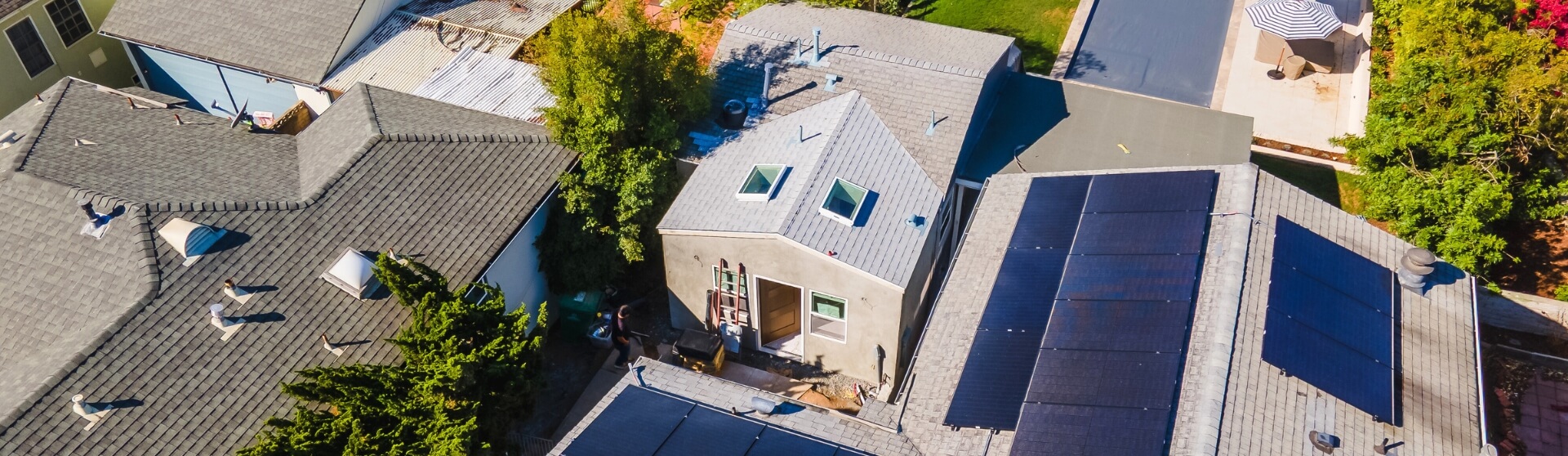
ADU Trends & Insights
Should You Build Your ADU Yourself or Hire a Contractor in San Diego, California?
Building your own ADU in San Diego can save on labor and contractor markup, but it’s essentially managing a small-house build with permits, trades, and inspections—so hiring an experienced contractor (or using a hybrid approach) often reduces delays, risk, and costly mistakes.
-
ADU Trends & Insights
What is stormwater management for Accessory Dwelling Units (ADUs) in California?
Stormwater management for ADUs is the process of controlling and treating rainwater runoff generated by new backyard cottages or secondary homes.
-
ADU Trends & Insights
Can an HOA Prevent an ADU in California?
If you’re part of a homeowners association and considering building an accessory dwelling unit on your property, it's key to consider any rules your HOA may have about ADUs.
-
ADU Trends & Insights
What Are the Best Loan Programs for ADUs in California (San Diego Guide)?
California homeowners can finance ADUs through home equity, construction or renovation loans, cash-out refinancing, and programs like CalHFA (when available) and San Diego’s SDHC, with the best option depending on equity, income, and timing.
-
ADU Trends & Insights
Setback Requirements for ADUs in San Diego
Ensure your ADU meets California's setback requirements—learn essential rules, local variations, and expert tips to maximize your space and streamline permitting.
-
ADU Trends & Insights
How Long Until an ADU Pays for Itself?
Most ADUs pay for themselves within 5–15 years by combining rental income and property value appreciation, with faster payback in high-demand markets like San Diego.
-
ADU Trends & Insights
California ADU Law: The Ultimate Guide
California has streamlined ADU construction to address the housing crisis, but development standards still apply. Check local regulations before starting your project.
-
ADU Trends & Insights
What Is an ADU Cost Breakdown?
An ADU cost breakdown shows where your budget goes—hard construction costs (about 85–90%) versus soft costs like plans, permits, and city fees (about 10–15%)—so you can set realistic expectations and avoid surprises.
-
ADU Trends & Insights
Custom ADU: Your Ultimate Guide
A custom ADU may cost more than manufactured or prefab units, depending on size, type, and finishes, but it offers several benefits.
-
ADU Trends & Insights
ADU Manufactured Homes in San Diego: Are They Right for You?
Discover whether a manufactured home is the right choice by exploring costs, regulations, benefits, and potential drawbacks.
-
ADU Trends & Insights
What Is a Retaining Wall for an ADU?
A retaining wall for an ADU is a structural wall designed to hold back soil, stabilize slopes, and create a level building area. These walls help prevent erosion, protect the structure from water damage, and make construction possible on sloped or uneven lots.
-
ADU Trends & Insights
Can You Sell an ADU in San Diego?
San Diego's pending ordinance may soon enable homeowners to sell ADUs as separate condominiums, expanding affordable housing opportunities.
-
ADU Trends & Insights
What Are the Best Floor Plans for ADUs?
The best ADU floor plans are goal-driven and code-compliant—using efficient layouts like studios, 1-bed/1-bath rentals, or split-bedroom designs that maximize light, privacy, and flexibility while fitting your lot and budget.
-
ADU Trends & Insights
How Do You Compare ADU Builder Quotes in San Diego and California?
Compare itemized ADU quotes—labor, materials, permits, timelines—to ensure transparent pricing, true value, and no surprise costs.
-
ADU Trends & Insights
Ultimate Guide to ADU Rental Income: How Much You Can Make and What to Know
Explore how to maximize rental income from an ADU with tips on design, rental strategies, and legal considerations to turn your ADU into a profitable investment.
-
ADU Trends & Insights
13 Common Misconceptions About ADUs
Uncover the truth about ADU misconceptions and navigate construction, costs, and regulations for informed decisions.


