


How Do You Integrate Outdoor Living Into ADU Design?
 Share
Share
54 min read
Integrating outdoor living into ADU design means intentionally extending an accessory dwelling unit’s usable space into the outdoors through patios, decks, courtyards, and seamless indoor-outdoor connections. This approach makes ADUs feel larger, brighter, and more livable by blurring the boundary between interior and exterior spaces. As design experts note, outdoor features like decks and patios are “a natural way to make your ADU feel larger” (Joy Line Homes), while a well-designed ADU should feel “like a natural extension of the main home” (Resource Furniture). With ADUs becoming a significant share of new housing in California, thoughtful outdoor integration has become a key strategy for improving comfort, functionality, and long-term property value.
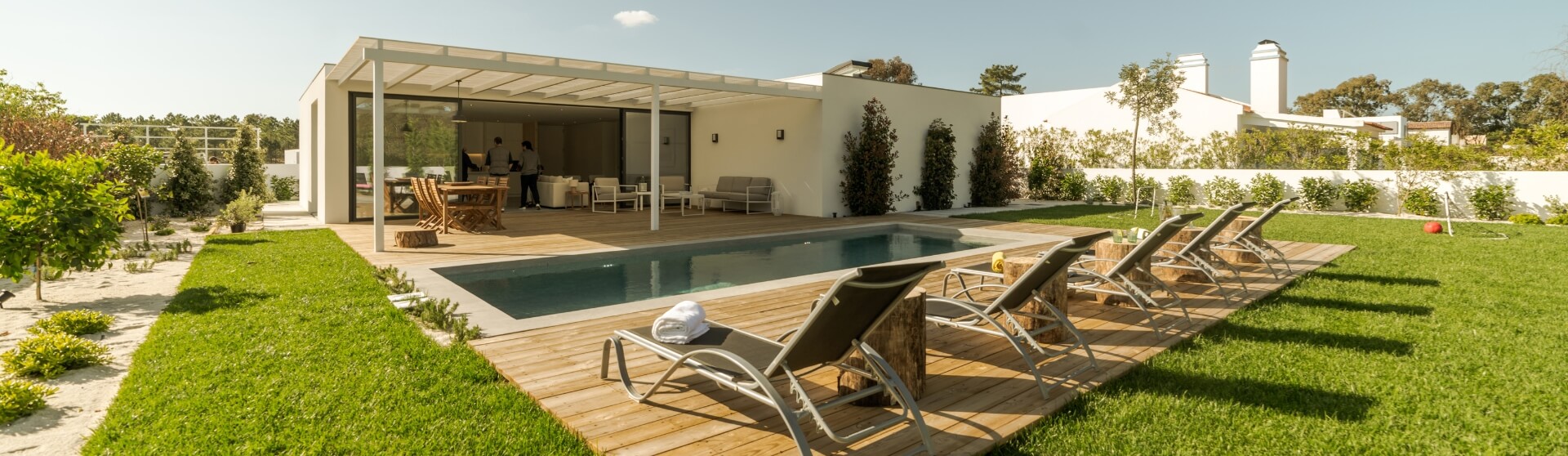

What Is ADU Outdoor Living Design and How Does It Enhance Property Value?
ADU outdoor living design is the practice of extending an accessory dwelling unit’s functional living space into the outdoors through features such as an outdoor patio, decks, courtyards, and large indoor-outdoor openings like bi-fold doors. When outdoor areas are intentionally aligned with thoughtful floor plans or open floor plans, the ADU feels more connected to the backyard living space, improving livability, increasing natural light, and making compact or prefab ADUs feel more spacious while enhancing overall property appeal.
Outdoor integration also shapes how an ADU is perceived and used across different lot sizes and ADU types, from garage conversions to custom designed ADUs. Design professionals note that “outdoor decks and patios are a natural way to make your ADU feel larger,” highlighting how exterior spaces can offset limited interior square footage (Joy Line Homes). Similarly, Resource Furniture explains that a successful ADU should feel “like a natural extension of the main home,” reinforcing why seamless indoor-outdoor flow, biophilic elements, and multi-purpose spaces contribute to both strong design quality and long-term value (Resource Furniture).
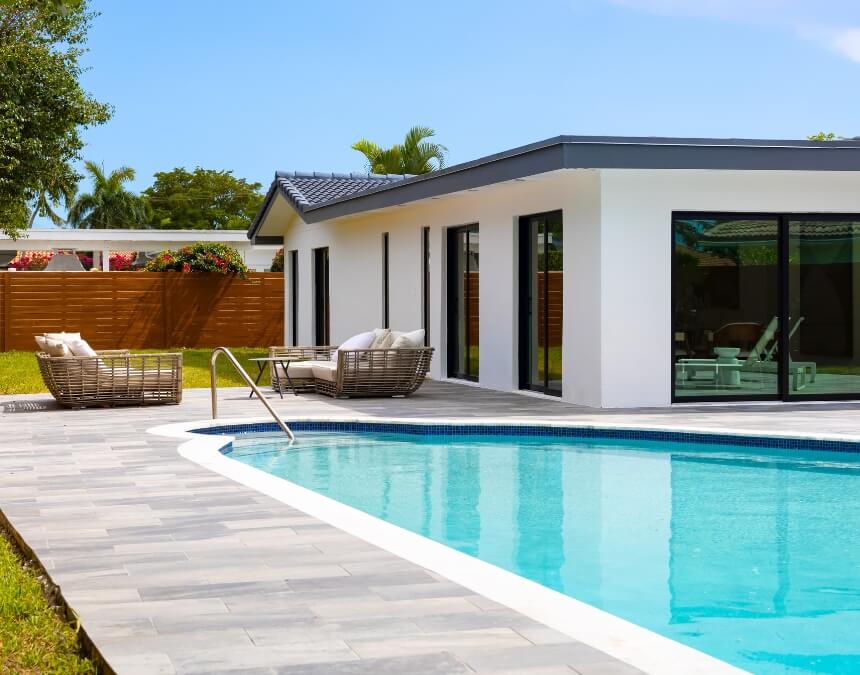
Aligning indoor layouts with adjacent patios increases perceived square footage and strengthens long-term resale value without expanding the building footprint.
The Philosophy of Seamless Integration: Blurring Indoor and Outdoor Boundaries
At the core of successful ADU outdoor living design is the idea that the ADU should function as a natural extension of the property—not a detached or secondary structure separated from daily life. Designing with flexibility allows backyard spaces to become true living environments, where interior rooms and outdoor zones work together through open layouts and thoughtful transitions. Seamless indoor-outdoor integration improves both functionality and visual cohesion, helping the ADU relate naturally to the main home and its surroundings rather than competing with them, whether the style leans toward Traditional ADUs, Rustic ADUs, or a Modern Cottage aesthetic.
Material selection and layout decisions are central to this philosophy. Natural materials such as wood and stone, along with details like pergolas or carefully chosen paint color palettes, help ADUs blend into the landscape and soften the transition between inside and outside. Efficient space planning—including loft spaces or flexible layouts that account for zoning regulations and the permitting process—allows the ADU to function as a complete living environment. As Resource Furniture explains, “a well-designed ADU should feel like a natural extension of the main home,” underscoring why integration, rather than separation, remains the guiding principle behind high-quality ADU design (Resource Furniture).
Maximizing Your ADU’s Potential: Beyond Four Walls
Outdoor integration allows an ADU to deliver more value than interior square footage alone might suggest. By connecting living spaces to patios, decks, or rooftop areas, homeowners can create multi-purpose spaces that feel larger, brighter, and more adaptable to everyday use. Large windows, sliding glass doors, and French doors enhance natural light while visually extending the main floor layout into the outdoors, helping even compact ADUs or garage conversions feel open and comfortable.
This expanded functionality directly supports long-term value. Flexible layouts allow ADUs to serve as guesthouses, home offices, or rental units, while high-end finishes, smart home tech, and well-placed amenities such as a washer and dryer elevate perceived quality without increasing the building footprint. Market data supports this investment: across national and regional studies, homes with ADUs tend to sell for 20% to 35% more than comparable homes without one, reinforcing how thoughtful ADU design contributes meaningfully to property value (Property Focus Blog).
Creating “Outdoor Rooms”: Functional Extensions of Your ADU
Outdoor rooms are one of the most effective ways to translate seamless integration into daily living. Rather than treating the backyard as leftover space, well-designed ADUs incorporate patios, decks, and courtyards as functional zones that support dining, relaxing, and entertaining. These outdoor areas often function like open-air living rooms, especially when connected directly to interior spaces through large openings and consistent floor plan design.
Even modest features can have a meaningful impact. Compact patios, pergolas, or decks placed adjacent to primary living areas significantly expand how the ADU is used day to day. Rooftop decks or gardens can further maximize outdoor living on smaller lots by adding vertical space. As Joy Line Homes notes, “outdoor kitchens, fire pits, and seating areas can turn the space between structures into a shared retreat,” highlighting how outdoor rooms help ADUs feel like complete homes rather than isolated units (Joy Line Homes).
Biophilic Design: Connecting Your ADU to Nature
Biophilic design strengthens the indoor-outdoor relationship by intentionally connecting ADUs to natural elements. Materials such as wood and stone create warmth and continuity, while large windows and French doors allow daylight and outdoor views to become part of the interior experience. Sliding glass doors further blur the boundary between inside and outside, reinforcing a sense of openness and flow.
In some designs, rooftop gardens, potted plants, or landscaped outdoor spaces add another layer of connection by transforming unused areas into calming retreats. This nature-focused approach not only enhances aesthetics but also supports comfort and well-being—an advantage that becomes especially important in smaller living spaces. While many designs reference nature subtly, explicitly applying biophilic principles helps explain why these choices make ADUs feel more livable, balanced, and complete.
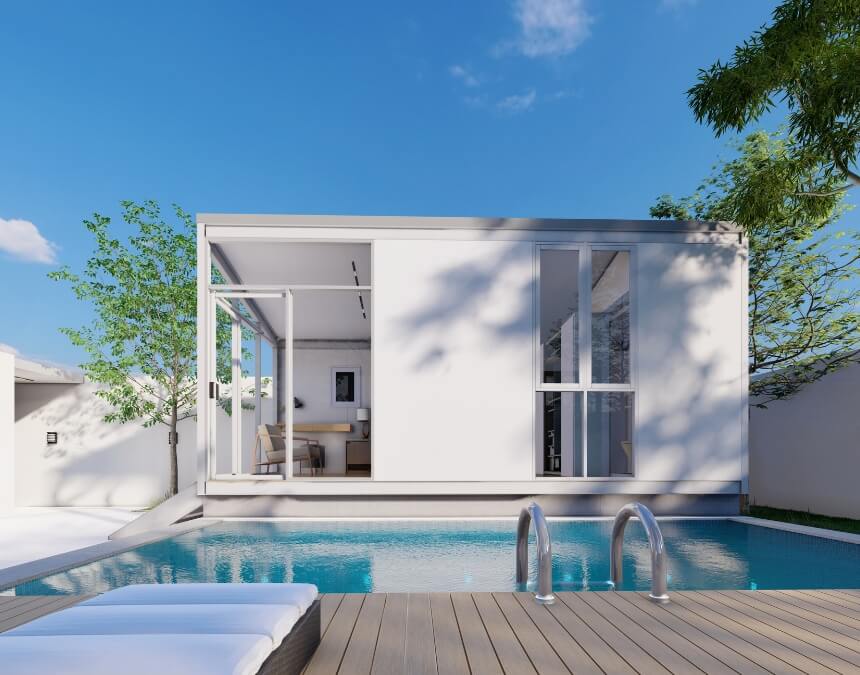
Designing outdoor spaces as natural extensions of interior rooms creates cohesion, improves daily usability, and prevents the ADU from feeling visually detached from the main home.
Designing Your ADU’s Outdoor Living Space: Key Considerations
Designing an ADU’s outdoor living space begins by treating the exterior as an integral part of everyday living rather than an afterthought. Patios, decks, and courtyards expand how the ADU functions by supporting dining, relaxing, and daily routines beyond the interior, regardless of whether the project is a custom build or a turnkey solution. Features such as smart lighting, automated shades, or pergola finishes can improve outdoor comfort and usability, while covered porches help manage sun exposure across changing weather conditions. Selecting sustainable, durable materials—often guided by a local designer or general contractor—also reduces long-term maintenance while aligning with modern ADU design priorities focused on efficiency and longevity.
Site Analysis and Layout Optimization
Effective outdoor living design starts with a detailed site analysis that balances functionality, local jurisdiction requirements, and long-term value. Successful ADU layouts position decks and patios as direct extensions of the main floor layout, shaping natural movement between indoor and outdoor spaces. Budget considerations, lifestyle needs, and zoning regulations influence where outdoor areas can be placed and how they connect to the structure, particularly in dense markets like Los Angeles or Santa Monica. Open-concept interiors paired with clearly defined outdoor zones create flexibility, while coordination with landscape designers and structural engineering teams ensures layouts remain practical without increasing the building footprint. Incorporating smart technology and multifunctional furniture further improves adaptability over time.
Defining Outdoor “Rooms” and Their Multifunctional Roles
Outdoor “rooms” allow ADUs to function as complete living environments rather than compact structures surrounded by unused yard space. Modern ADU designs emphasize multifunctional indoor and outdoor areas that support a range of activities throughout the day. Design elements such as folding walls, patios, and decks create seamless transitions, making outdoor zones feel like natural extensions of the interior. When paired with open layouts, durable finishes, and thoughtful exterior elevations, these outdoor rooms extend usable square footage and improve flow without altering the foundation type or overall structure.
Creative Solutions for Smaller Backyard Footprints
Smaller backyard sites require creative strategies to maximize both indoor and outdoor living without overwhelming limited lot sizes. ADUs are intentionally designed to add livable space without expanding the main home’s footprint, making compact outdoor solutions especially valuable. Pre-designed ADU plans or Tiny House Plans can offer cost-effective options for tight sites while still allowing meaningful outdoor integration. Multi-use spaces—indoors and out—support flexible functions such as working, hosting, or relaxing, while vertical design strategies, including rooftop decks where permitted, help unlock additional outdoor living potential on constrained properties.
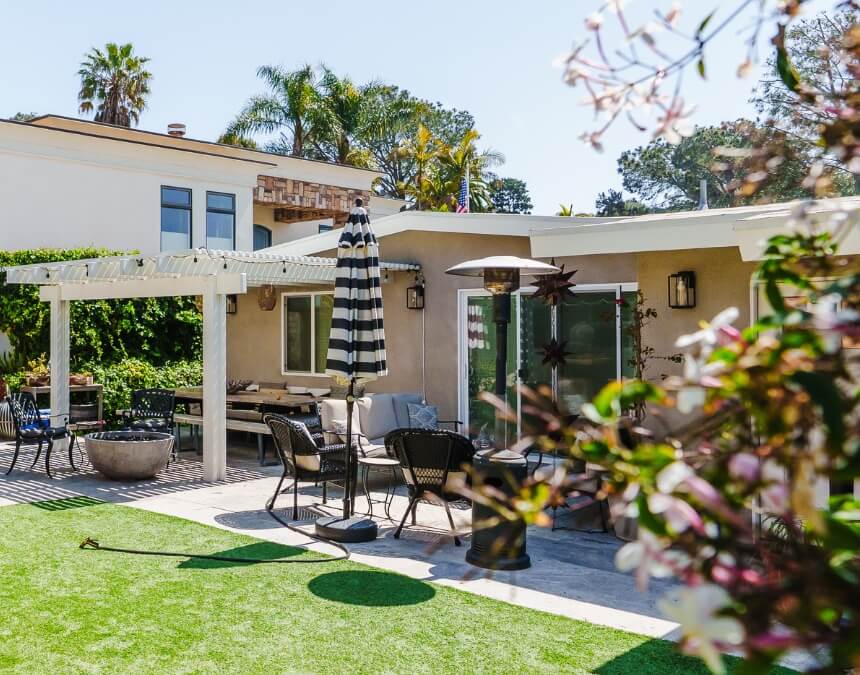
Prioritize orientation, shade, and adjacency to interior rooms to ensure outdoor areas are comfortable and usable throughout the day.
Architectural Elements and Interior-Exterior Connection
Architectural elements play a central role in how successfully an ADU connects to its outdoor environment and supports everyday living. Large windows and glass doors strengthen the visual and functional relationship between interior spaces and outdoor living areas, allowing natural light and views to flow freely and making even compact layouts feel more open. Materials such as wood beams, siding, or finishes inspired by Spanish-style ADUs or French country design add warmth and character, while stone and tile surfaces improve durability and help the ADU blend naturally with its surroundings.
In some designs—such as a Modern Cottage or projects similar to the Northwood ADU—rooftop decks provide an opportunity to expand outdoor living vertically on smaller lots. Throughout the home construction process, exterior elements should remain aligned with local jurisdictional requirements and construction specifications while still supporting a cohesive aesthetic that complements the main home.
Doors and Windows: The Gateway to Outdoor Living
Doors and windows are among the most impactful tools for creating a seamless indoor-outdoor connection in ADU design. Sliding glass doors create fluid transitions between interior living spaces and patios or decks, allowing outdoor areas to function as natural extensions of the home. French doors offer a more traditional option, enhancing daylight and openness while fitting well with styles ranging from Rustic ADUs to coastal coolness. Floor-to-ceiling windows can significantly reduce reliance on artificial lighting by maximizing natural light, while strategic window placement improves comfort, usability, and visual continuity—key factors in helping ADUs with lofted sleeping areas or compact floor plans feel more spacious and connected to their surroundings.
Overhangs and Shading Structures: Comfort, Style, and Energy Efficiency
Overhangs and shading structures contribute both comfort and performance to ADU outdoor living spaces. By blocking direct sunlight during warmer months, they support passive cooling and help maintain comfortable indoor temperatures in line with energy goals such as Title 24 compliance. Shading solutions reduce heat gain while still allowing daylight to filter through, preserving brightness without sacrificing comfort. Visually, elements like pergolas or carefully selected pergola stain extend living space outward and reinforce the indoor-outdoor relationship. When paired with smart technology, such as automated shades, these features further enhance energy efficiency and align with eco-friendly ADU design principles—an especially important consideration in warm climates like Southern California.
Integrated Lighting for Ambiance and Functionality
Integrated lighting helps outdoor ADU spaces remain usable, safe, and inviting beyond daylight hours. Smart lighting systems allow homeowners to adjust ambiance easily, shifting from functional task lighting to softer, atmospheric lighting depending on the activity, whether entertaining or relaxing. Energy-efficient lighting solutions reduce utility costs while supporting sustainability goals and modern living expectations. Features such as remote control and programmable settings improve convenience, particularly for outdoor areas that serve multiple purposes throughout the day. Thoughtfully designed lighting also enhances safety and visual appeal, reinforcing the outdoor space as a true extension of the ADU’s living environment.
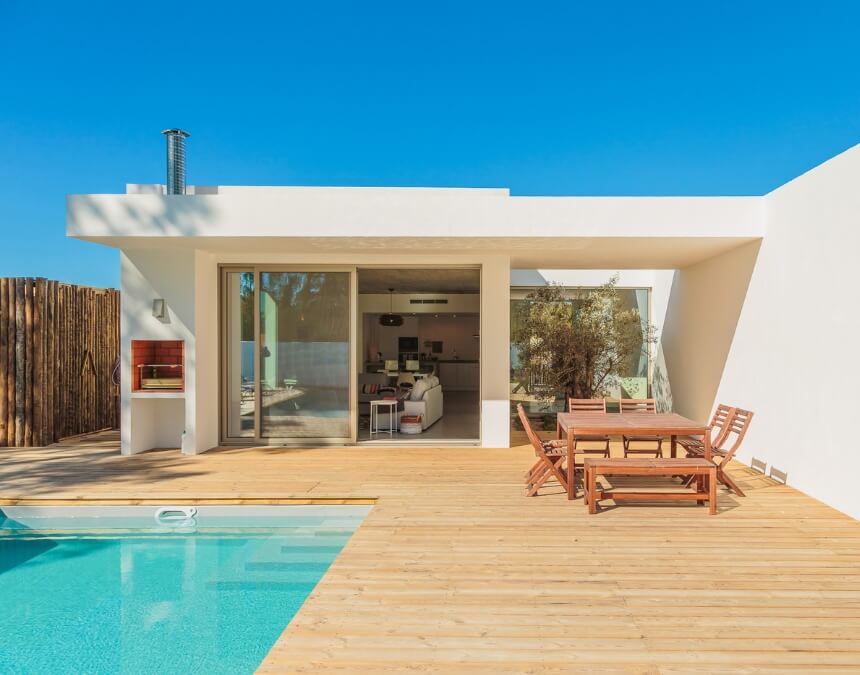
Large openings and consistent materials strengthen flow and help small ADUs feel open, cohesive, and visually connected to the yard.
Materiality, Durability, and Aesthetics for Outdoor Living
Material selection plays a critical role in how well an ADU’s outdoor living space performs over time and how seamlessly it connects to the interior. Outdoor materials should be chosen not only for durability, but also for visual continuity—helping patios, decks, and landscaped areas feel like intentional extensions of the living space rather than afterthoughts. Features such as patios, fire pits, and carefully planned landscaping improve circulation and flow, while cohesive flooring, tile, and finishes visually unify indoor and outdoor zones. Maximizing natural light through doors and windows further improves comfort and energy efficiency, reinforcing the overall quality and usability of the design (Joy Line Homes).
Choosing Weather-Resistant Exteriors and Hardscaping Materials
Outdoor ADU spaces must be built to last, making weather-resistant materials essential across a range of climates. Durable exterior finishes—often coordinated with architectural elements like gabled roofs or exterior elevations—help protect the structure while preserving appearance over time. High-performance insulation supports energy efficiency and Title 24 goals by maintaining consistent indoor temperatures, while hardscaping elements such as patios, decks, and retaining walls extend usable living space outdoors. Selecting materials that balance durability with aesthetics ensures the ADU remains both functional and visually appealing as it ages, particularly in sun-exposed regions like Southern California.
Outdoor Furniture and Finishes: Where Style Meets Function
Outdoor furniture and finishes should enhance flexibility without overcrowding compact ADU spaces. Multipurpose pieces allow outdoor areas to adapt easily for lounging, dining, or entertaining, while features like stone fireplaces or hexagonal tiles add warmth and serve as natural focal points. Thoughtful furniture placement improves circulation and maintains openness, which is especially important when outdoor areas connect directly to interior rooms with compact floor plans. Large windows and doors also support passive cooling, helping regulate temperature while keeping outdoor zones comfortable. Together, these choices balance comfort, organization, and visual cohesion.
Thoughtful Landscape Design: The Green Backbone of Your Outdoor Space
Landscape design provides the connective layer that ties an ADU to its outdoor living areas. Well-planned planting and hardscape enhance usability and privacy while clearly defining patios, decks, and circulation paths. Visual continuity between landscape elements and architecture reinforces seamless indoor-outdoor integration, helping the entire space feel unified. In compact settings, rooftop gardens or vertical landscaping can further maximize outdoor potential without reducing ground-level living space. When approached holistically, landscape design elevates both the function and experience of outdoor living around an ADU.
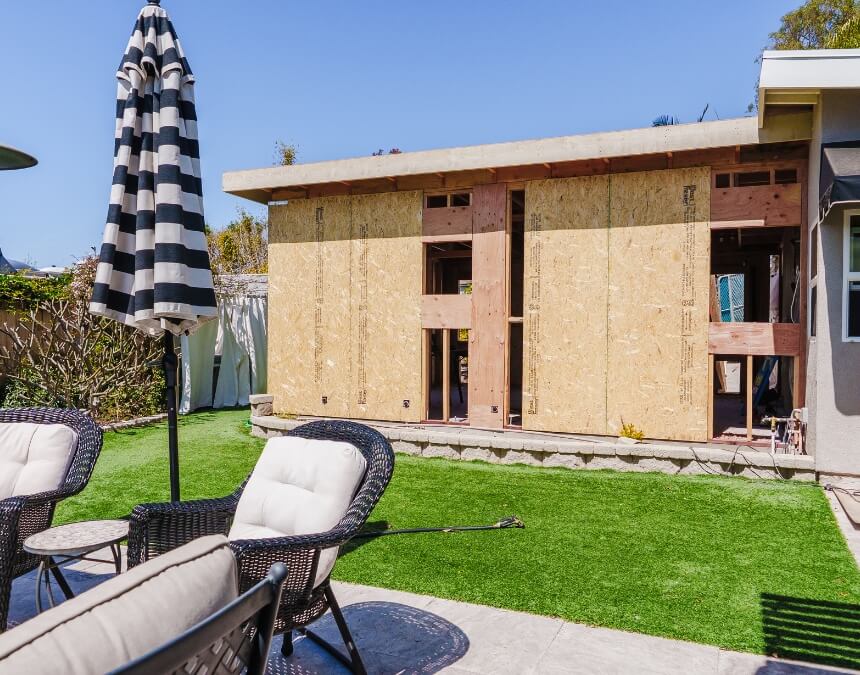
Using consistent, weather-resistant materials across indoor and outdoor areas improves durability while reinforcing visual continuity and low-maintenance performance.
Enhancing the Outdoor ADU Experience with Technology
Technology plays a supporting role in making outdoor ADU spaces feel more comfortable, connected, and easy to use. Smart design choices—such as aligning flooring materials and transitions—strengthen the indoor-outdoor relationship, while rooftop decks can add elevated outdoor options where site conditions allow. Thoughtful details like lighting control and shading improve comfort and usability without adding complexity. These modern enhancements help outdoor spaces remain accessible and adaptable as needs change, reinforcing the idea that outdoor areas are part of the ADU’s everyday living environment rather than secondary features.
Smart Home Technology for Outdoor Living
Smart home technology enhances outdoor living by improving convenience, security, and flexibility. Features such as smart lighting and automated shading allow outdoor areas to be used more comfortably throughout the day and evening, while reducing manual adjustments. Integrating technology early also helps future-proof the ADU, making it easier to adapt as new systems become available. Energy-efficient smart solutions support outdoor areas by reducing unnecessary energy use and aligning with modern living expectations, particularly in climates where outdoor spaces are used year-round.
Energy Efficiency and Sustainable Practices in Outdoor Design
Energy efficiency is an important consideration when designing outdoor living spaces for ADUs, especially in regions with warm climates. Solar integration can help offset utility costs, while high-performance insulation supports consistent indoor comfort by reducing heat transfer. Heat pumps contribute to sustainable heating and cooling strategies that align with long-term efficiency goals. Smart systems, combined with thoughtful orientation and shading, help reduce cooling demand by limiting direct sun exposure while preserving natural light. Together, these practices support outdoor living designs that are both environmentally responsible and comfortable for daily use.
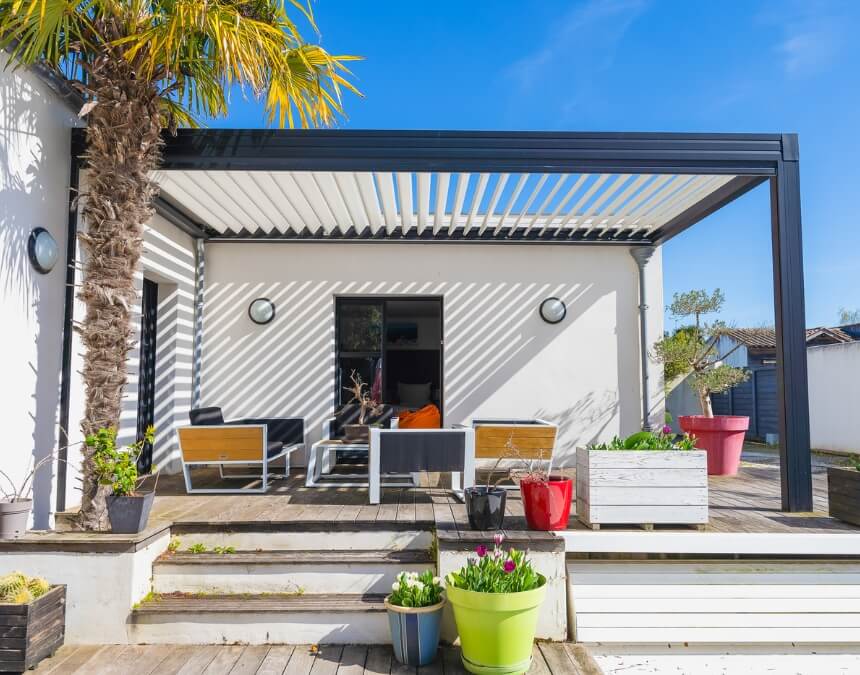
Smart lighting and automated shading increase comfort, extend usability into the evening, and support long-term energy efficiency.
Practical Considerations and Project Planning
Successful ADU projects balance design ambition with practical planning. Efficient layouts help maximize usable space while staying compliant with zoning and building requirements, and pre-designed ADU plans can significantly reduce both cost and project timelines. Aligning budget, site constraints, and zoning rules early prevents redesigns later in the process, while prioritizing natural light improves comfort and reduces reliance on artificial lighting. Multifunctional furniture further increases flexibility in compact interiors and outdoor-adjacent spaces. As ADU expert Kol Peterson emphasizes, “The craftsmanship of the ADU comes with very careful planning,” underscoring the importance of thoughtful decisions from the outset (Accessory Dwellings).
Permitting and Regulations for Outdoor Structures
Outdoor living features associated with ADUs must comply with local zoning, building codes, and setback requirements, which can differ from those governing the ADU structure itself. Decks, patios, and covered porches may trigger separate permitting thresholds depending on height, attachment, or structural complexity. Because requirements vary by jurisdiction, incorporating outdoor elements into the initial planning phase helps avoid delays and redesigns. Working with professionals familiar with local regulations ensures that outdoor spaces are both compliant and buildable, reducing the risk of costly corrections later in the project.
Budgeting for Outdoor Living Enhancements
Budgeting for outdoor living should be approached as part of the overall ADU investment rather than an afterthought. Pre-designed ADU plans often lower upfront costs and provide clearer pricing frameworks for adding patios, decks, or courtyards. Outdoor features can enhance return on investment by improving livability and overall appeal, especially when material choices remain consistent between indoor and outdoor areas. Strategic planning and early coordination with designers and builders help control costs and prevent scope creep. Collaboration with a design-build team ensures outdoor enhancements align with both the project budget and long-term value goals (Property Focus Blog).
Assembling Your Team: Contractors and Landscape Architects
Assembling the right team is critical to delivering a well-integrated ADU and outdoor living space. Experienced contractors help streamline permitting, coordinate trades, and ensure durability and performance across indoor and outdoor elements. Local expertise reduces risk by accounting for regional regulations, climate considerations, and construction best practices. Landscape architects add value by shaping outdoor spaces that complement the ADU’s architecture and improve usability and cohesion. Kol Peterson reinforces the importance of specialized expertise, advising homeowners to “work with an architect who has a passion for designing small spaces,” a principle that applies equally to indoor layouts and outdoor living design (Accessory Dwellings).
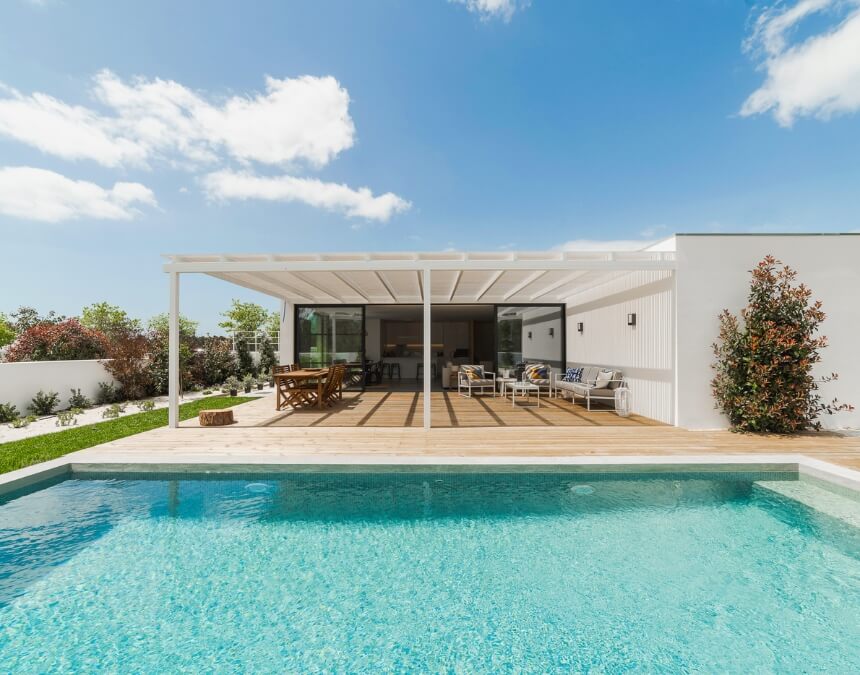
Early coordination between layout, zoning, and outdoor features reduces redesigns, controls costs, and ensures outdoor spaces function as true living areas.
Inspirational ADU Outdoor Living Design Trends & Examples
Modern ADU design trends increasingly emphasize flexibility, efficiency, and elevated finishes, especially when outdoor living is thoughtfully integrated. Multi-purpose ADUs dominate current projects, with compact units relying on smart layouts that blend indoor and outdoor areas to feel larger and more functional. Upscale finishes—paired with intentional lighting—help small ADUs feel polished rather than utilitarian. Tiered decks, patios, and outdoor extensions are especially popular because they add usable space without increasing the ADU’s footprint, reinforcing the value of seamless indoor-outdoor living (Resource Furniture).
Modern ADU Design Trends Embracing Outdoor Integration
Contemporary ADUs often prioritize strong visual and physical connections to the outdoors. Large glass openings—such as sliding or folding doors—are a defining feature, allowing interior spaces to open directly onto patios or decks. Flat-roof ADUs increasingly incorporate rooftop decks to maximize vertical space on compact lots. Flooring continuity between indoor and outdoor areas improves flow and reinforces a seamless transition, while compact patios extend living space without overwhelming the site. When these elements are balanced carefully, the result feels effortless rather than overdesigned (Resource Furniture).
Stylistic Interpretations: From Craftsman to Coastal
Outdoor-integrated ADUs span a wide range of architectural styles, from warm Craftsman-inspired designs to light, coastal-influenced aesthetics. Sustainable materials such as wood and stone support eco-friendly construction while adding texture and character. High ceilings and skylights are frequently used to enhance openness and bring in additional daylight, particularly in smaller units. Climate-responsive design—through shading, orientation, and material choice—improves performance and comfort. Across styles, one theme remains consistent: indoor-outdoor living is central to creating ADUs that feel livable, modern, and connected to their surroundings (Dwell).
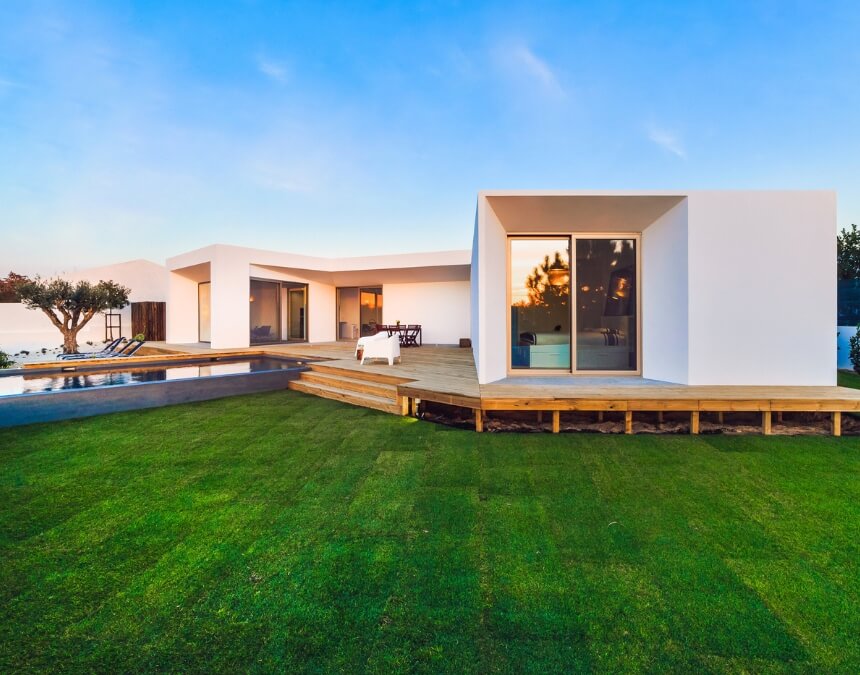
Current ADU trends prioritize flexible indoor-outdoor layouts that maximize livability on smaller lots without increasing overall structure size.
Conclusion
Accessory Dwelling Units have become a mainstream housing solution, and integrating outdoor living is now one of the most effective ways to maximize their livability and value. Thoughtfully designed patios, decks, and seamless indoor-outdoor connections make compact ADUs feel larger, support daily living, and enhance long-term flexibility for uses like rentals, guest suites, or home offices. This design approach is especially relevant in California, where ADU permits “soared from 1,336 ADUs in 2016… with nearly 25,000… in 2022,” and ADUs now represent “almost 20% of all housing permitted statewide… and up to 30% and more in some cities” (Casita Coalition).
As Better Place Design & Build notes, “Outdoor areas can extend livability—adding a patio, porch trellis, or small deck increases functionality without enlarging the footprint”, making early planning and expert guidance essential—homeowners ready to explore an integrated ADU outdoor design can start by connecting with the team by clicking here.
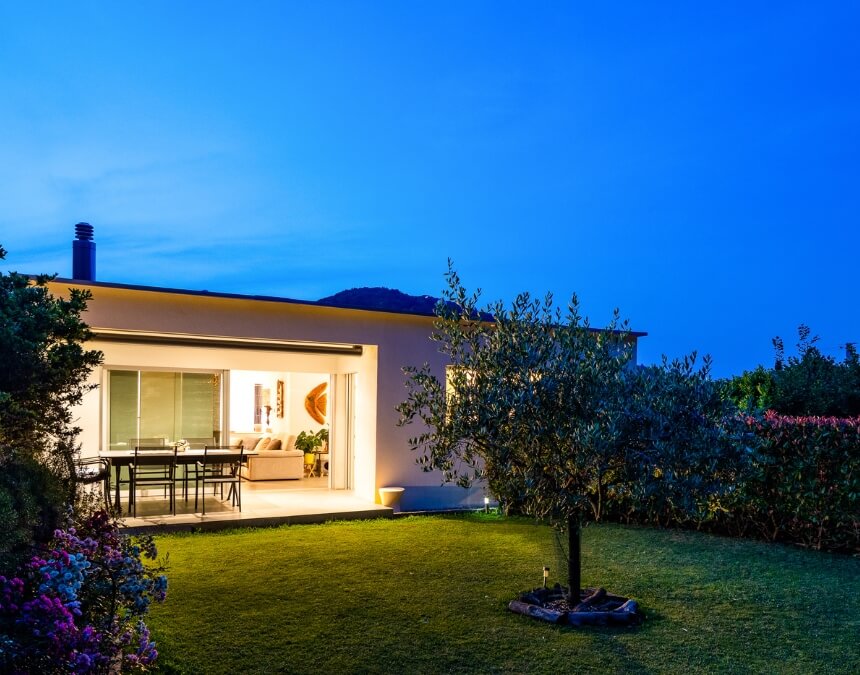
Thoughtful outdoor integration increases livability and adaptability, making ADUs more valuable as rentals, guest spaces, or long-term living solutions.
Frequently Asked Questions
ADU outdoor living design is the practice of extending an accessory dwelling unit’s living space into the outdoors through patios, decks, courtyards, and seamless indoor-outdoor connections. This approach improves livability, increases natural light, and makes small ADUs feel larger. Well-designed outdoor spaces also increase property appeal and long-term value, especially in markets where outdoor living is highly desirable.
Key elements include strong indoor-outdoor connections, clearly defined outdoor “rooms,” shade structures, and material continuity between interior and exterior spaces. Privacy, climate responsiveness, and how the space supports everyday activities like dining or relaxing are also essential. In warm climates, covered patios and thoughtful orientation play a major role in comfort and usability.
An effective outdoor living space should be planned at the same time as the ADU itself, not added later. Early planning allows designers to properly align doors, manage grading and drainage, and address privacy from the start. Careful coordination ensures the outdoor area functions as a true extension of the ADU rather than leftover yard space.
Durable, weather-resistant materials that visually connect indoor and outdoor spaces are best suited for ADU outdoor living. Stone, concrete, and tile provide longevity and natural integration, while wood accents add warmth when properly treated. Using cohesive finishes across interior and exterior spaces improves visual flow and reduces long-term maintenance.
Privacy can be maximized through thoughtful orientation, landscaping, and partial screening rather than solid walls. Positioning patios away from the main home, using trellises or decorative screens, and incorporating greenery helps create separation while preserving openness. Large windows and glass doors can still bring in abundant natural light when sightlines are carefully managed.
Sustainable outdoor ADU design focuses on efficient space use, durable materials, and passive energy strategies. This includes incorporating shading for natural cooling, using high-performance insulation, selecting long-lasting materials, and designing outdoor areas that extend livability without increasing the building footprint. These practices support long-term efficiency and align with modern, eco-conscious housing goals.
More Projects
-
ADU Trends & Insights
ADU Manufactured Homes in San Diego: Are They Right for You?
Discover whether a manufactured home is the right choice by exploring costs, regulations, benefits, and potential drawbacks.
-
ADU Trends & Insights
Garage ADU: What It Is, Costs, Rules, and Conversion Options
Unlock your property's potential by converting your detached garage into a cost-effective, versatile ADU that increases property value and generates rental income.
-

ADU Trends & Insights
Construction Loans vs. Personal Loans for ADUs: What Do California Homeowners Need to Know?
Building an ADU in California typically requires high financing and San Diego homeowners usually choose between construction loans, which are based on the future value of the property, and personal loans, which offer fast approval but higher interest rates.
-
ADU Trends & Insights
Legal Bedroom Requirements in California
California has made building ADUs easier to tackle the housing crisis, but specific state and local regulations still apply. Here's what you need to know before starting.
-
ADU Trends & Insights
Are Pre-Approved ADU Plans Right for You in San Diego?
Compare pre-approved vs. custom plans and why the cheapest option isn't always best.
-
ADU Trends & Insights
Why ADUs & Costs Matter in San Diego
Planning an ADU in San Diego? Get the lowdown on all the hidden costs that can catch you off guard.
-
ADU Trends & Insights
What Is a Casita? Definition, Uses, and How It’s Different From an ADU
Casitas are stylish, small ADUs under 800 sq. ft., perfect for guests, rentals, or in-law suites. Discover the benefits, costs, and designs.
-
ADU Trends & Insights
Understanding SB9 and Its Impact on ADUs
While promising, the complexity and lengthy approval process of SB9 projects make traditional accessory dwelling units (ADUs) an often simpler and quicker alternative for expanding property use.
-
ADU Trends & Insights
What is stormwater management for Accessory Dwelling Units (ADUs) in California?
Stormwater management for ADUs is the process of controlling and treating rainwater runoff generated by new backyard cottages or secondary homes.
-

ADU Trends & Insights
What is the importance of an ADU feasibility study in California and San Diego?
An ADU feasibility study is a comprehensive analysis of zoning, site constraints, existing utilities, and a proposed design that determines whether building an accessory dwelling unit is practical and financially viable on a specific property.
-
ADU Trends & Insights
Can an HOA Prevent an ADU in California?
If you’re part of a homeowners association and considering building an accessory dwelling unit on your property, it's key to consider any rules your HOA may have about ADUs.
-
ADU Trends & Insights
Where Can ADUs be Built in San Diego, CA?
ADUs are allowed on nearly all residential lots in California, including single-family and multifamily properties, under state law. In San Diego, any property zoned for residential use qualifies, making it easier than ever for homeowners to add an ADU and expand their living or rental space.
-
ADU Trends & Insights
Ultimate Guide to ADU Rental Income: How Much You Can Make and What to Know
Explore how to maximize rental income from an ADU with tips on design, rental strategies, and legal considerations to turn your ADU into a profitable investment.
-
ADU Trends & Insights
ADU vs JADU: What’s the Difference?
Explore the crucial differences between ADUs and JADUs—including size, regulations, costs, and ROI—to determine the best fit for your property and goals.
-
ADU Trends & Insights
How to Finance an ADU in San Diego
ADUs are growing popular in San Diego, offering housing for family or rental income, but demand substantial upfront investment.
-
ADU Trends & Insights
What Qualifies as an ADU?
ADUs are reshaping the California housing market, providing homeowners with cost-effective, independent living spaces to meet diverse needs.
-
ADU Trends & Insights
What Is an ADU Cost Breakdown?
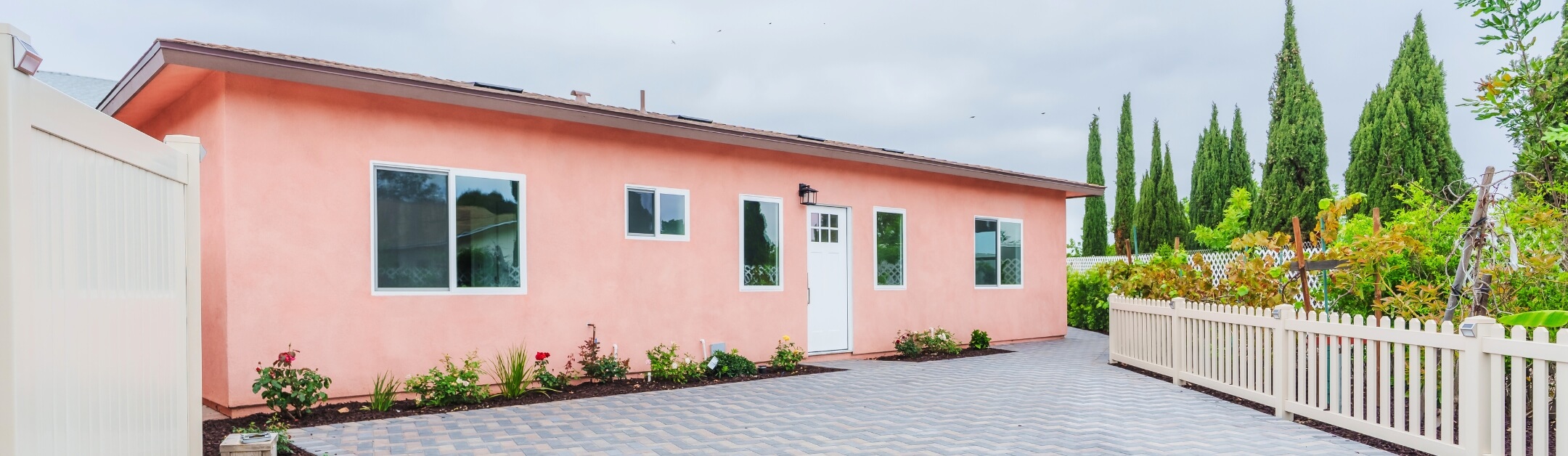
An ADU cost breakdown shows where your budget goes—hard construction costs (about 85–90%) versus soft costs like plans, permits, and city fees (about 10–15%)—so you can set realistic expectations and avoid surprises.
-
ADU Trends & Insights
What Are ADU Electrical Requirements in California?
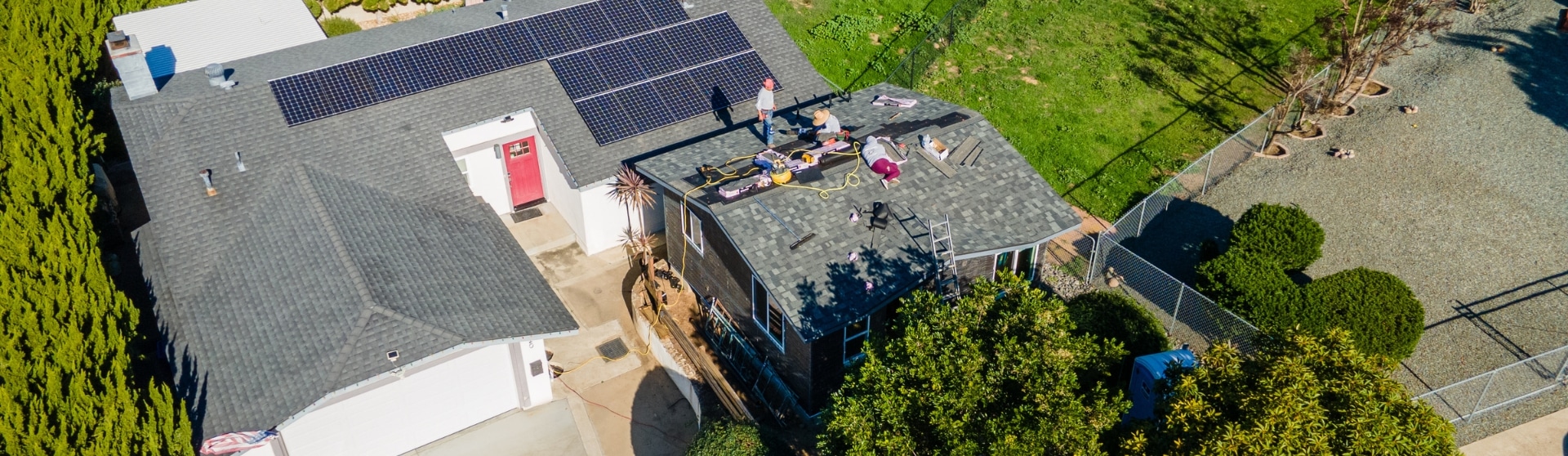
Get the complete breakdown of electrical requirements for ADUs in California, from panel upgrades to solar compliance, to help you build safely and within code.
-
ADU Trends & Insights
The Perfect ADU Kitchen
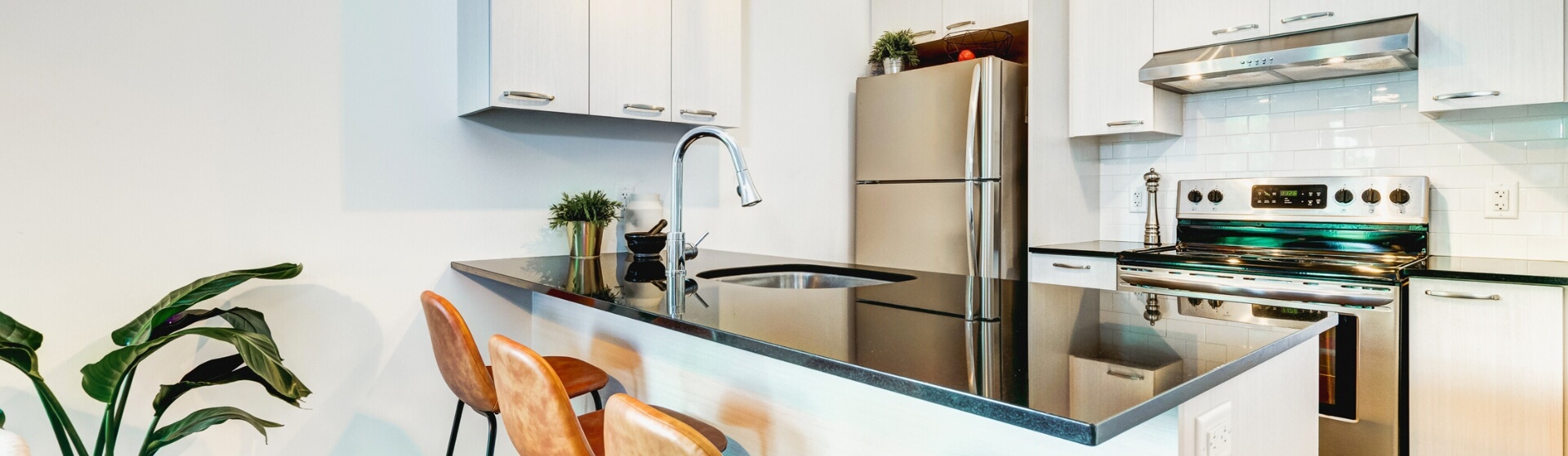
Discover how smart layouts and stylish design choices can transform even the smallest ADU kitchens into luxurious, functional spaces.
-

ADU Trends & Insights
Can You Sell an ADU in San Diego?
San Diego's pending ordinance may soon enable homeowners to sell ADUs as separate condominiums, expanding affordable housing opportunities.
-
ADU Trends & Insights
Prefab ADUs: Pros and Cons
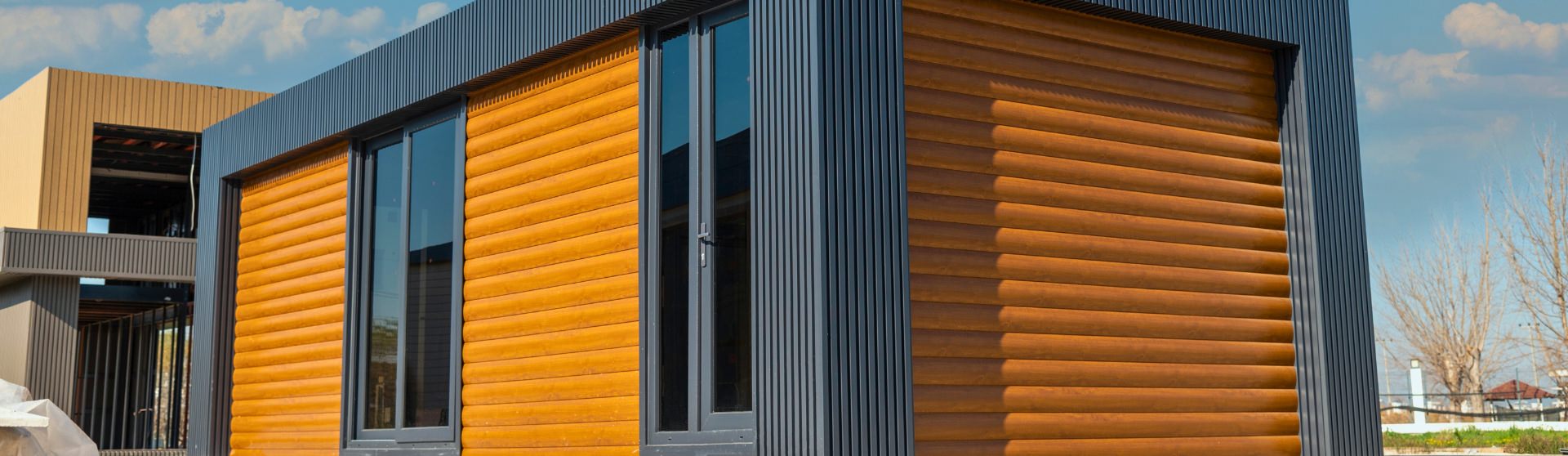
Explore the pros and cons of prefab ADUs in California, including cost, customization, durability, and ROI, to decide if modular construction suits your needs.
-
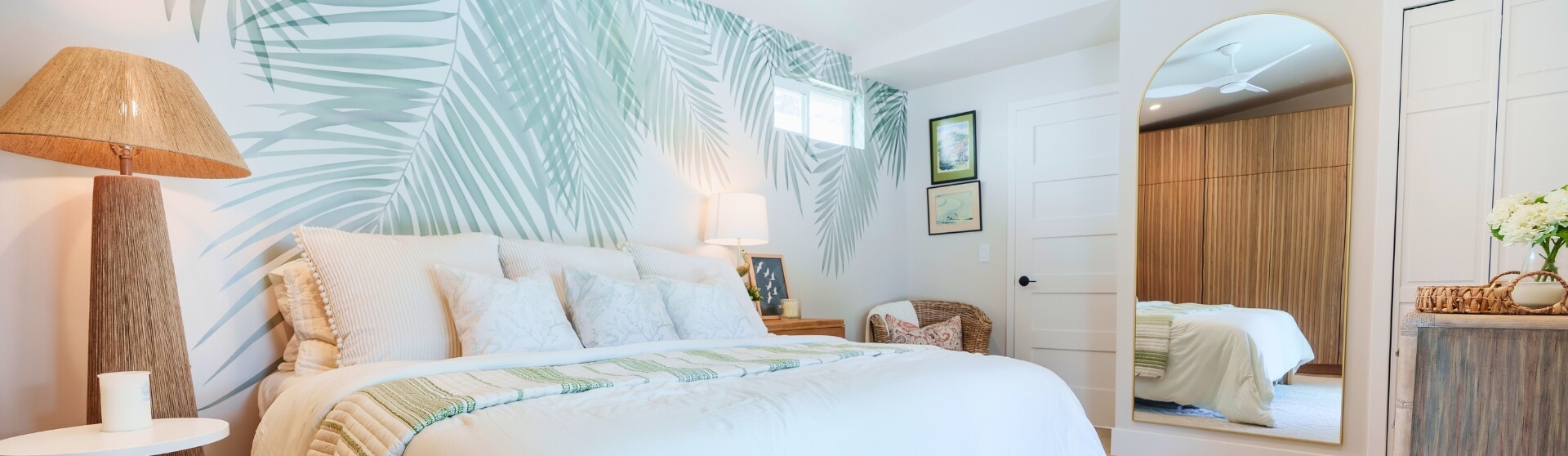
ADU Trends & Insights
How Does Choosing the Right Color Scheme Impact an ADU’s Design and Value?
Choosing the right ADU color scheme—especially light, neutral palettes with intentional accents—can make small spaces feel larger, improve livability, and increase rental and long-term property value.
-
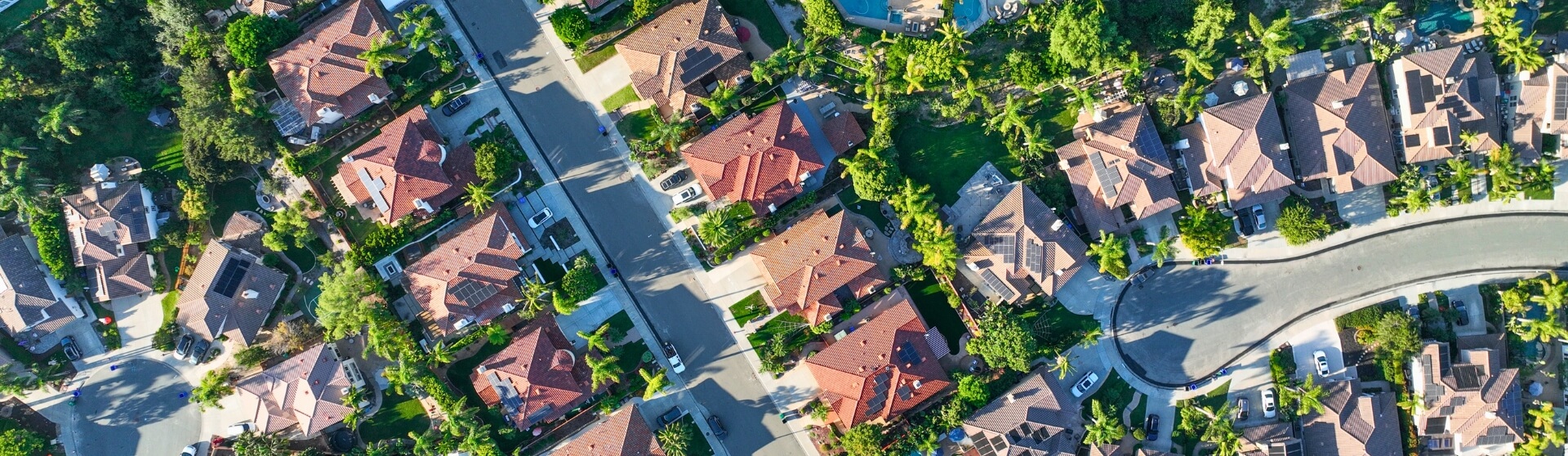
ADU Trends & Insights
When Do You Need a Survey for an ADU in San Diego?
A survey for an ADU in San Diego is typically required when the new unit is built close to property lines, situated on a sloped or irregular lot, or when local regulations mandate setback verification.
-
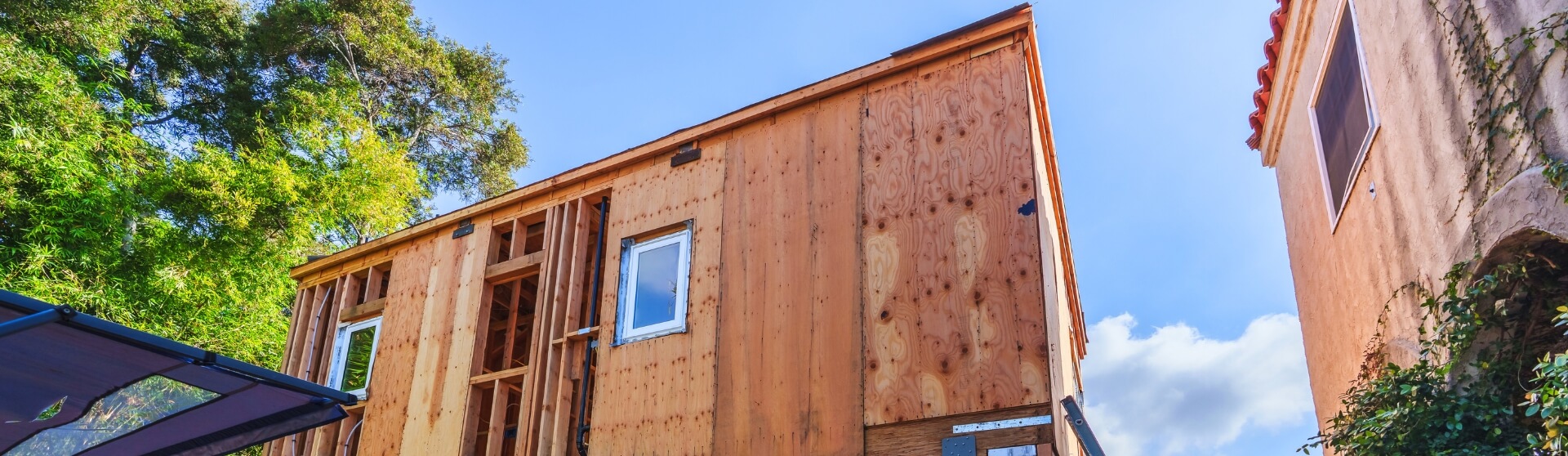
ADU Trends & Insights
What Are Stacked Accessory Dwelling Units (ADUs)?
Stacked ADUs are two fully independent accessory dwelling units built vertically in a single two-story structure, allowing California homeowners to add multiple homes on one lot without increasing the building footprint when local height and zoning rules allow.
-
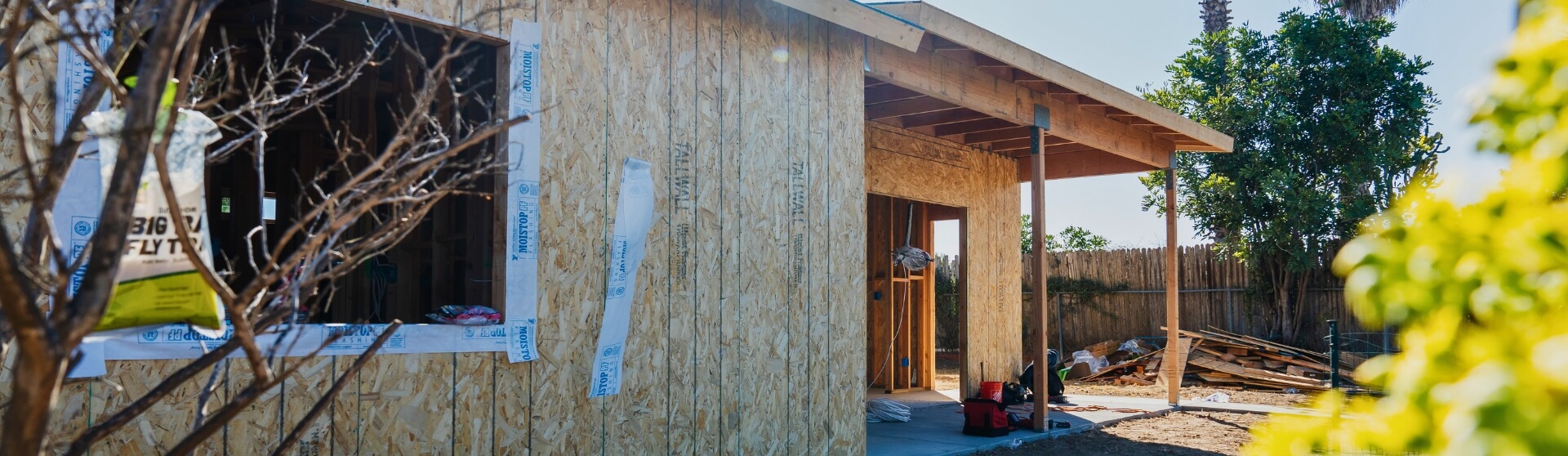
ADU Trends & Insights
What Is a Granny Flat? Definition, Types, and How They’re Used
Granny flats offer San Diego homeowners flexible housing solutions, from accommodating family to generating rental income, with options including detached builds, garage conversions, or junior ADUs.
-
ADU Trends & Insights
Downsizing to an ADU: Benefits, Costs, and Key Considerations
Downsizing to an ADU means moving into an Accessory Dwelling Unit—a smaller, self-contained home on your property—while renting out or repurposing your main house.
-
ADU Trends & Insights
Key Differences Between Pool Houses and ADUs
Discover the differences between pool houses and ADUs to choose the right addition for your property—find out about amenities, regulations, and value impact!
-
ADU Trends & Insights
How We Make Your ADU’s Interior Design Stress Free & Feel Like Home
Our interior designers simplify the finish selection process—so you get a stylish, renter-friendly ADU without the stress, delays, or costly mistakes.
-
ADU Trends & Insights
What Are the Best Floor Plans for ADUs?
The best ADU floor plans are goal-driven and code-compliant—using efficient layouts like studios, 1-bed/1-bath rentals, or split-bedroom designs that maximize light, privacy, and flexibility while fitting your lot and budget.
-
ADU Trends & Insights
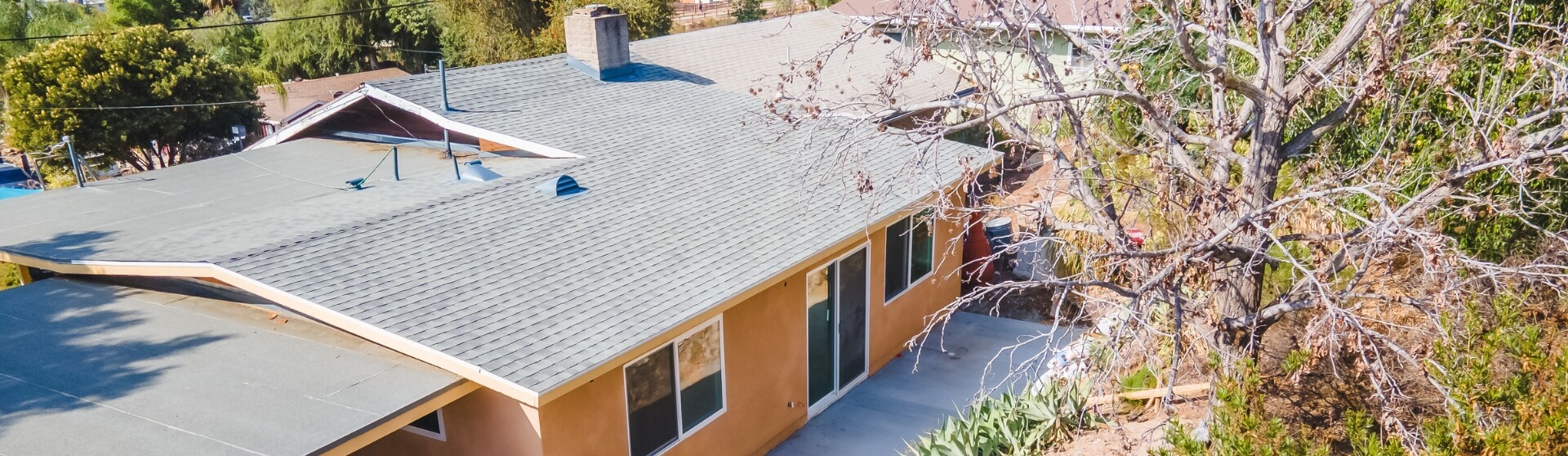
What Roofing Options Are Best for ADUs in California (Especially San Diego)?
The best ADU roofing in California (especially San Diego) balances budget, durability, and curb appeal—using options like asphalt shingles, metal, tile, or low-slope membranes that meet Title 24 cool-roof/solar requirements and hold up to intense sun, heat, and wildfire risk.
-
ADU Trends & Insights
Is it Worth It To Build An ADU in 2026? Assessing the ROI of Building an ADU
Discover the financial benefits and pitfalls of building an ADU with our comprehensive, detailed guide.
-
ADU Trends & Insights
Best ADU Designs
Explore essential ADU design trends and practical insights, from layout optimization to style choices, ensuring your accessory dwelling unit maximizes comfort, functionality, and investment potential.
-
ADU Trends & Insights
How to Finance an ADU Project in California
California homeowners can finance an ADU using home equity, cash-out refinancing, construction or renovation loans, and programs like San Diego’s SDHC (up to $250K), with rental income often helping offset the $200K–$450K build cost.
-
ADU Trends & Insights
20 Day Preliminary Notice for ADUs in California: Requirements and Deadlines
A California 20-Day Preliminary Notice is a required filing for most ADU projects that subcontractors and suppliers must send within 20 days of providing labor or materials, notifying owners, contractors, and lenders.
-
ADU Trends & Insights
What Is ADU Construction?
ADU construction involves planning, permitting, and building a self-contained living space on a residential property — adding value, flexibility, and income potential without buying new land.
-
ADU Trends & Insights
How Does ADU Construction Work in San Diego, CA?
San Diego’s ADU process is fast and flexible, with permits approved within 60 days and options for detached units up to 1,200 sq. ft. or garage conversions. Thanks to state laws and the city’s ADU Bonus Program, homeowners can build quickly, add value, and even earn extra units by including affordable housing.
-
ADU Trends & Insights
Custom ADU: Your Ultimate Guide
A custom ADU may cost more than manufactured or prefab units, depending on size, type, and finishes, but it offers several benefits.
-
ADU Trends & Insights
What Makes an Ideal Lot for an ADU in California (Especially San Diego)?
An ideal ADU lot in California (especially San Diego) is flat or gently sloped with enough clear buildable space for setbacks, good construction access, nearby utility tie-ins, and minimal easements or overlays—since slope, access, and utility distance are the biggest drivers of cost and feasibility even with “by-right” ADU rules.
-
ADU Trends & Insights
Should You Build Your ADU Yourself or Hire a Contractor in San Diego, California?
Building your own ADU in San Diego can save on labor and contractor markup, but it’s essentially managing a small-house build with permits, trades, and inspections—so hiring an experienced contractor (or using a hybrid approach) often reduces delays, risk, and costly mistakes.
-
ADU Trends & Insights
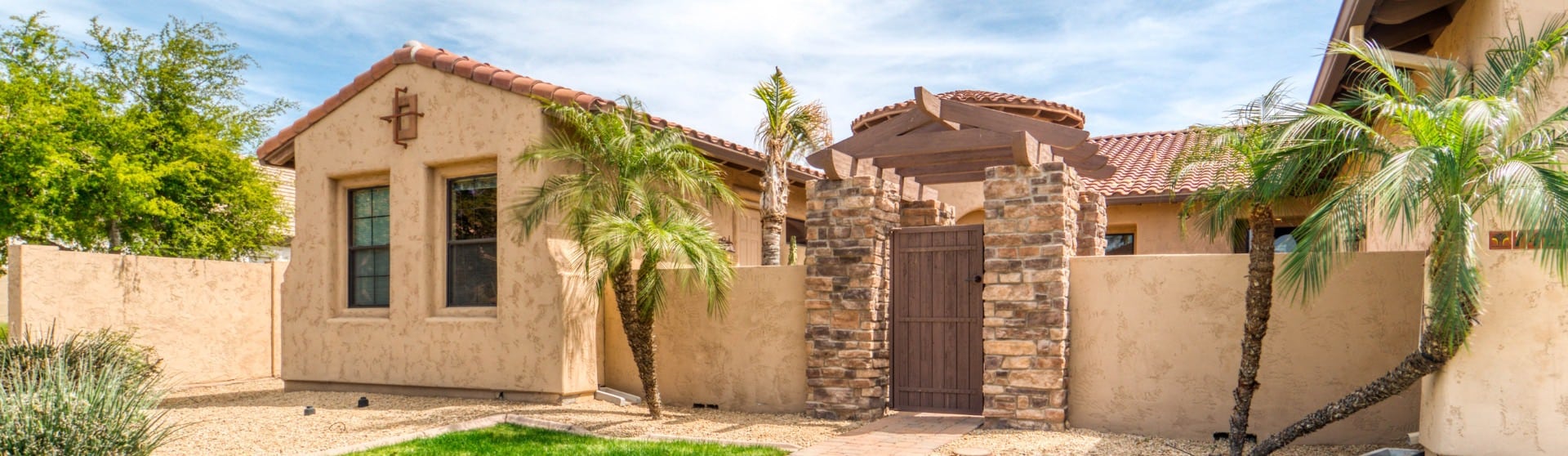
Spanish Style ADUs
Explore the timeless elegance of Spanish-style ADUs with iconic features like stucco walls, red tile roofs, and stunning architectural details.
-

ADU Trends & Insights
How do ADUs benefit real estate agents in California and San Diego?
ADUs benefit real estate agents in California and San Diego by increasing property value and buyer appeal, creating built-in rental and multigenerational living opportunities, and giving ADU-savvy agents a competitive edge in pricing, marketing, and closing deals in a tight housing market.
-
ADU Trends & Insights
How to Build an ADU in the San Diego Coastal Zone
Building an ADU in San Diego’s Coastal Zone requires checking if the property is in the Coastal Overlay Zone, which typically triggers a Coastal Development Permit or exemption.
-
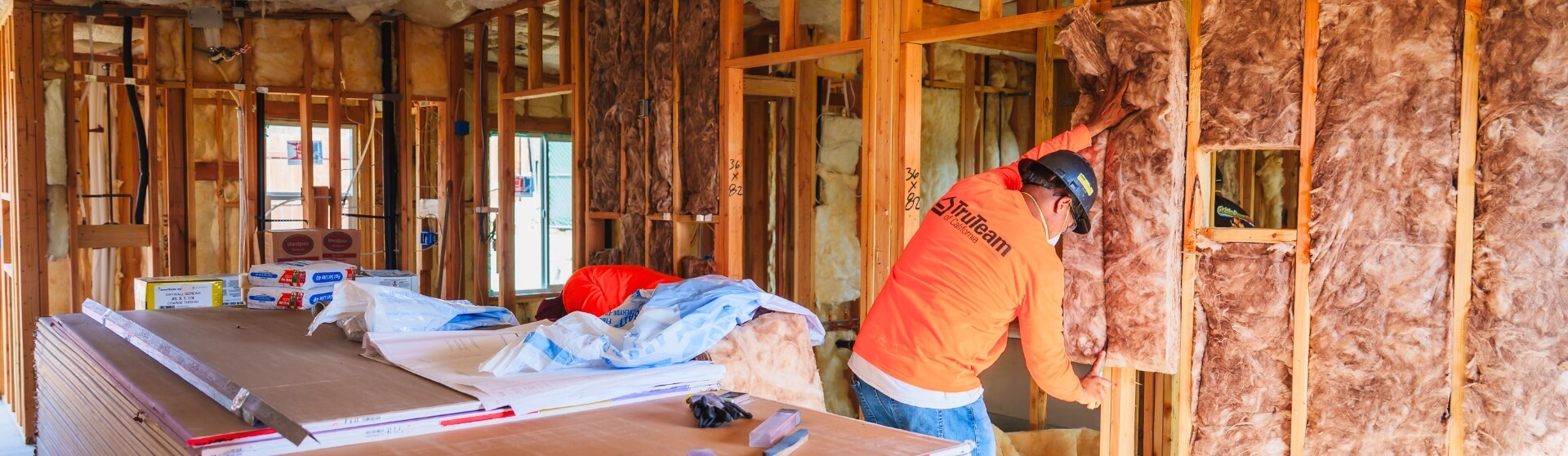
ADU Trends & Insights
Do You Trust Your Builder?
You can trust your ADU builder when they prove real ADU experience, proper California licensing/insurance, and clear written contracts, not just a good sales pitch.
-
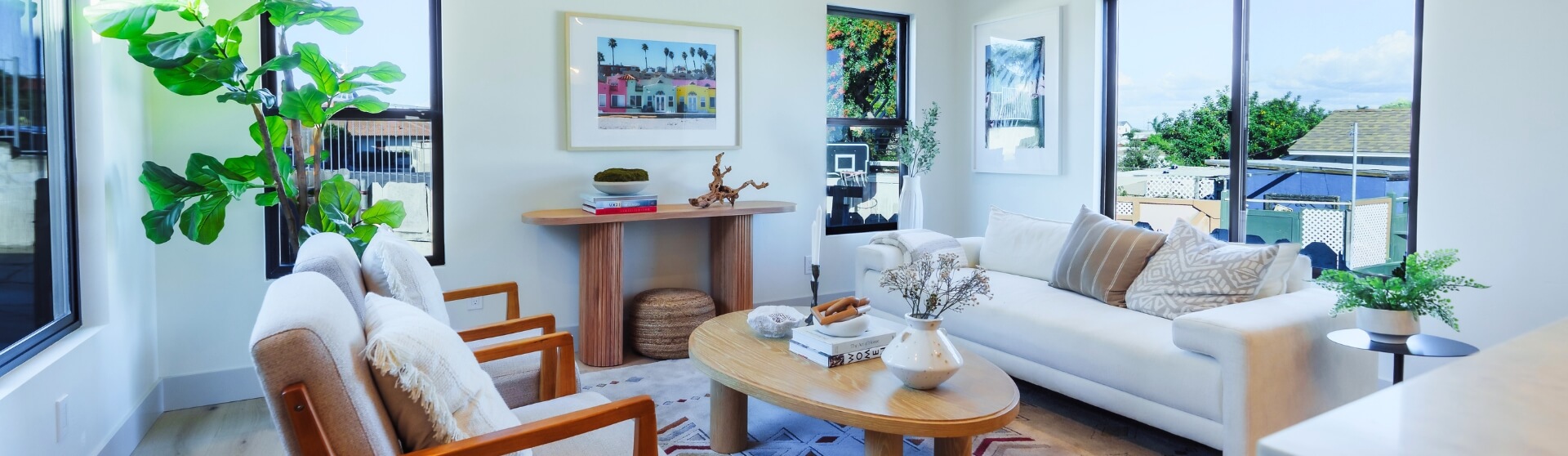
ADU Trends & Insights
Are ADUs a good alternative to nursing homes for California homeowners?
ADUs offer California homeowners a practical alternative to nursing homes by allowing aging parents to live independently on the same property, supporting aging in place while turning ongoing care costs into a long-term home investment.
-
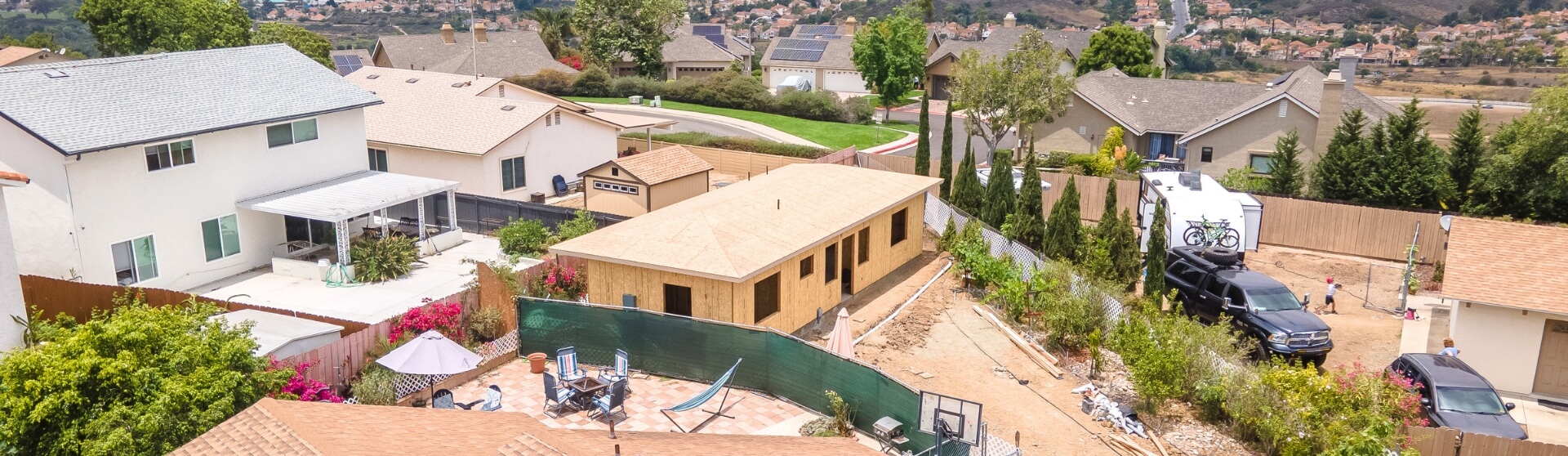
ADU Trends & Insights
When Should You Build an ADU in San Diego?
ADU construction involves planning, permitting, and building a self-contained living space on a residential property — adding value, flexibility, and income potential without buying new land. In California, ADUs now make up about one in six new homes, reflecting their growing role in solving the state’s housing shortage.
-
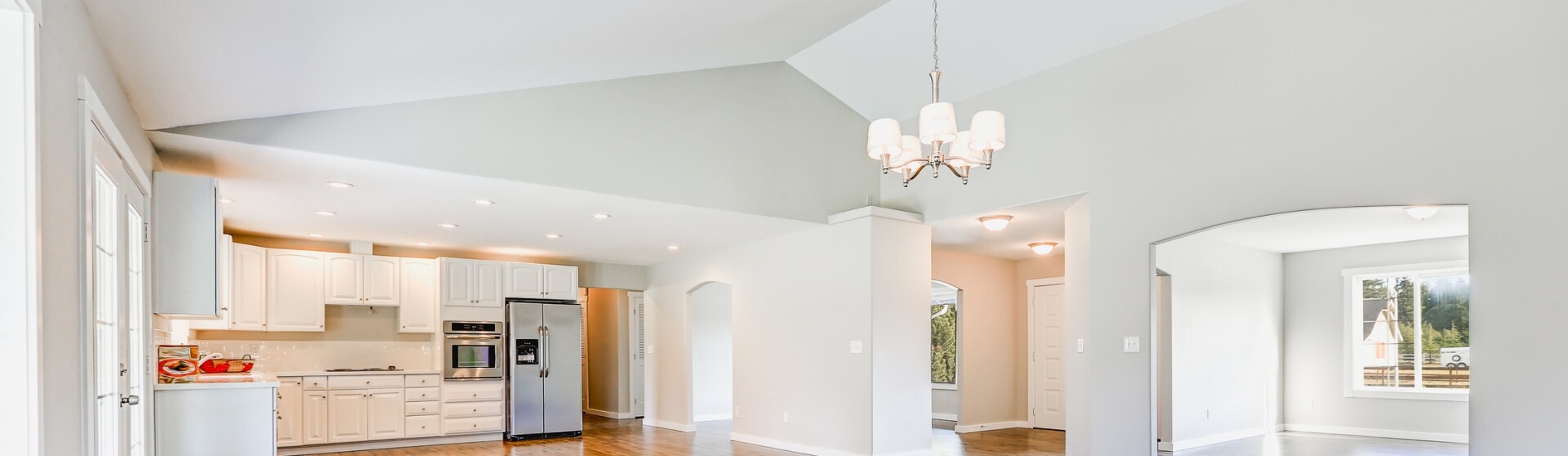
ADU Trends & Insights
What Are Vaulted Ceilings and High Ceilings in ADUs and Are They Worth It in California?
Vaulted ceilings enhance ADUs by maximizing vertical space, increasing natural light, improving comfort, and boosting long-term property value in California when designed and built correctly.
-
ADU Trends & Insights
What Are the Best Loan Programs for ADUs in California (San Diego Guide)?
California homeowners can finance ADUs through home equity, construction or renovation loans, cash-out refinancing, and programs like CalHFA (when available) and San Diego’s SDHC, with the best option depending on equity, income, and timing.
-
ADU Trends & Insights
Setback Requirements for ADUs in San Diego
Ensure your ADU meets California's setback requirements—learn essential rules, local variations, and expert tips to maximize your space and streamline permitting.
-
ADU Trends & Insights
California ADU Law: The Ultimate Guide
California has streamlined ADU construction to address the housing crisis, but development standards still apply. Check local regulations before starting your project.
-
ADU Trends & Insights
13 Common Misconceptions About ADUs
Uncover the truth about ADU misconceptions and navigate construction, costs, and regulations for informed decisions.
-
ADU Trends & Insights
How Do You Compare ADU Builder Quotes in San Diego and California?
Compare itemized ADU quotes—labor, materials, permits, timelines—to ensure transparent pricing, true value, and no surprise costs.
-
ADU Trends & Insights
What Is a Retaining Wall for an ADU?
A retaining wall for an ADU is a structural wall designed to hold back soil, stabilize slopes, and create a level building area. These walls help prevent erosion, protect the structure from water damage, and make construction possible on sloped or uneven lots.
-
ADU Trends & Insights
How Much Does an ADU Increase Property Value?
Discover how adding an ADU can significantly boost your property value, generate rental income, and enhance long-term equity—all while making the most of your available space.
-
ADU Trends & Insights
What are the universal design principles for ADUs?
Universal design principles for ADUs focus on creating safe, flexible, and comfortable homes—using features like step-free entries, wider doorways, accessible bathrooms, and intuitive layouts—so the space remains usable for people of all ages and abilities over time.
-
ADU Trends & Insights
Using a HELOC to Fund an ADU in California?
A HELOC lets California homeowners fund an ADU in phases using home equity, paying interest only on what they use. In San Diego, strong rental income often offsets payments, though variable rates and post–draw-period repayment increases should be considered.


