


What Are Vaulted Ceilings and High Ceilings in ADUs and Are They Worth It in California?
 Share
Share
46 min read
Vaulted ceilings and high ceilings use vertical space to make ADUs feel larger, brighter, and more open without increasing square footage. Architect Daniel Silvernail explains that tall ceilings “take advantage of vertical square footage to create larger volumes,” with vaulted ceilings following the roofline to create cathedral-like spaces prized for spatial quality (Santa Cruz Architect). This approach is especially relevant in California, where ADUs made up nearly 20% of all new housing units in 2023 as homeowners seek to maximize livability in small homes (Better Place Design & Build). Buyer demand supports this design choice, as the share of buyers willing to pay more for ceilings higher than 8 feet rose from 54% in 2003 to 67% in 2018 (National Association of Home Builders).
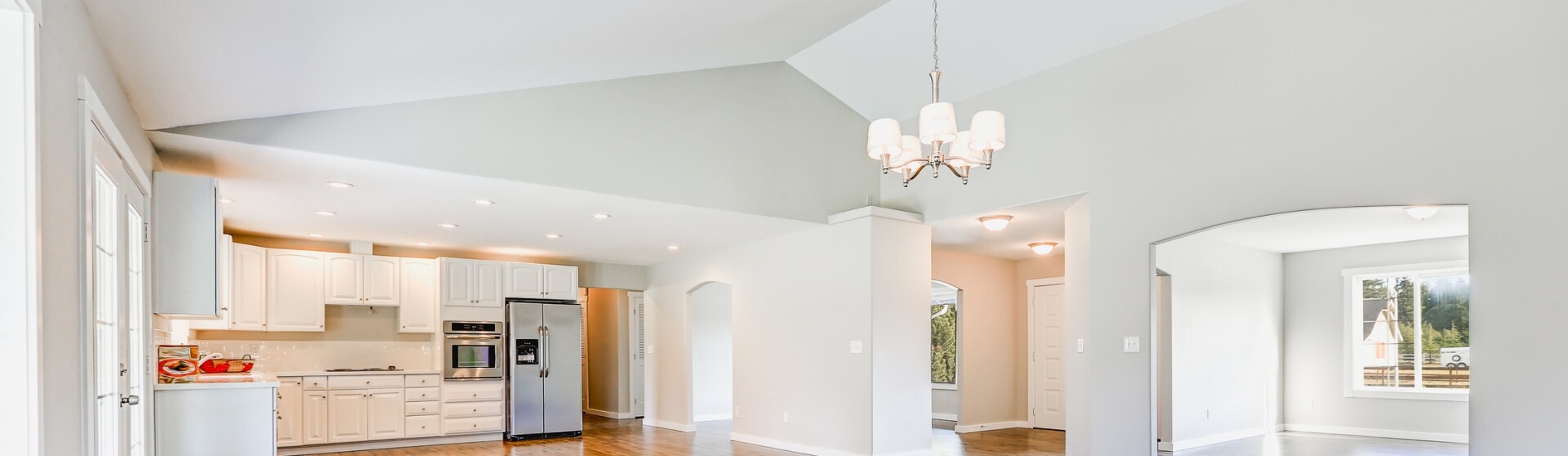

The Allure of Height: Why Vaulted Ceilings Transform ADUs
Vaulted ceilings in ADUs are a design strategy that uses vertical space to create a more open, comfortable vaulted living space without increasing the building footprint. By extending the ceiling to follow the roofline—often reflected in the Roof Plan of a gable roof or similar form—vaulted and Cathedral Ceilings introduce visual height, allow warm air to rise, and support additional natural light through higher window placement. Architect Daniel Silvernail explains that tall ceilings “take advantage of vertical square footage to create larger volumes, thus creating spaciousness,” an approach that is especially effective in compact ADU layouts such as a granny flat or Vaulted 1 Bedroom ADU (Santa Cruz Architect). For California homeowners building ADUs, this vertical expansion can significantly improve livability while remaining within strict size limits and energy calculations.
Why homeowners choose vaulted ceilings in ADUs:
- They visually expand small spaces without adding square footage
- Added height makes room for clerestory windows, transom window details, and skylights
- Improved airflow enhances comfort and can help manage utility costs in mild California climates
- They require additional structural engineering, roof framing coordination, and insulation
- The open, airy feel increases appeal for rentals, guest suites, and long-term rental use
Redefining Small Spaces: Maximizing Perceived Square Footage
Vaulted ceilings are especially impactful in ADUs because they change how the space feels rather than how large it actually is on paper. Drawing the eye upward increases the sense of volume, making compact floor plans—such as a Two Bedroom ADU or converted truss-framed garage—feel open instead of confined. In small homes, vertical space often matters more than floor area, and a vaulted ceiling can become both a visual centerpiece and a functional design feature that improves comfort and usability. Builders note that this openness also enhances airflow and natural light, reinforcing the feeling of spaciousness throughout the living area.
“Adding a vaulted ceiling creates a more open and spacious feel. It allows more new windows, resulting in increased natural light. Raised ceiling height also brings better ventilation and air circulation.” — A+ Construction & Remodeling
A Flood of Natural Light: Enhancing Ambiance with Elevated Ceilings
Vaulted ceilings allow light to enter from higher points in the structure, dramatically improving brightness and overall ambiance. The added height makes it possible to install skylights, gable-end glazing, or high-set wood-framed windows that bring daylight deeper into the ADU. This approach works especially well in open-concept layouts where light can circulate freely through the living room, eat-in kitchen, and adjacent spaces. While the increased air volume requires careful insulation planning and coordination with energy calculations, the result is a brighter, more inviting interior that feels significantly larger than its square footage suggests.
Boosting Appeal and Value: The ROI of a Vaulted ADU for Rental Income or Guest Suites
Vaulted ceilings are frequently cited by designers and builders as a feature that increases the desirability of ADUs used as guest suites or long-term rentals. Higher ceilings contribute to a sense of quality and comfort that occupants immediately notice, helping smaller units compete with larger living spaces. This design choice also supports long-term property value, particularly in California markets where well-designed ADUs are in high demand. According to industry data, adding an ADU can increase a property’s value by roughly 10–20% on average, reinforcing the importance of design decisions—like vaulted ceilings—that enhance overall appeal (Better Place Design & Build).
What Makes a Ceiling “Vaulted” in an ADU Context?
A vaulted ceiling is defined by its sloped form that follows the roof pitch rather than a flat horizontal plane. In ADUs, this design creates a ceiling that rises to a peak—sometimes accommodating timber trusses or a small storage loft—and clearly differs from standard flat ceilings that are typically 9–10 feet high. The result is a more open, airy interior that emphasizes vertical space while enhancing light, airflow, and visual interest, which are key advantages in small ADU floor plans.
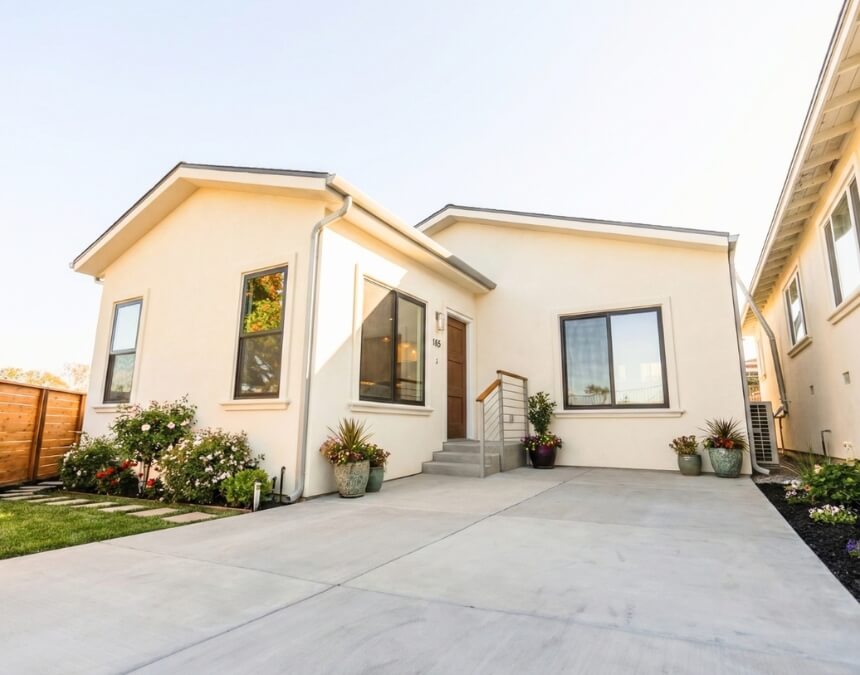
Vaulted ceilings dramatically increase perceived space in small ADUs, making vertical volume just as impactful as square footage when designed correctly.
Understanding the Structural Foundations of a Vaulted Ceiling ADU
Vaulted ceilings require a different structural approach than standard flat ceilings because they change how roof loads are carried and distributed through the building. Instead of loads transferring evenly across ceiling joists, vaulted designs redirect forces to the roof structure, top plate, and supporting walls—an important consideration in garage conversions and prefabricated designs. These structural implications must be accounted for early in the foundation layout plan and coordinated with Exterior Elevations and the electrical plan. The added vertical openness also improves airflow and light penetration, often reducing the need for bulky furniture and making compact ADU layouts feel more open and livable.
The Critical Role of Structural Engineering and Permit Requirements
Do you need a permit to vault a ceiling in an ADU?
Yes. Vaulting a ceiling typically requires permits because it alters structural elements such as roof framing, load paths, and sometimes the foundation system. Local building departments require a structural review to confirm that new loads are safely transferred through the walls and into the slab foundation or crawl space foundation. In California, Construction Documents must also demonstrate compliance with Title 24 energy standards, which often affects insulation design in vaulted roof assemblies. Flat ceilings are generally easier to permit because they rely on conventional framing methods and require fewer structural calculations.
Key Structural Components: Ridge Beams, Rafters, and Roof Trusses
Vaulted ceilings rely on specific structural components to replace the support normally provided by ceiling joists. Ridge beams are often introduced to carry roof loads once the ceiling is opened, while rafters may need reinforcement to meet current code requirements. In many cases, additional Lateral Bracing Members or collar ties are added to prevent roof spread and maintain stability. Roof trusses—commonly found in truss-framed garages—can complicate vaulted ceiling retrofits because they are engineered as complete systems and typically require redesign rather than modification.
Foundation Considerations for Stability and Support
Opening a ceiling can also affect how loads are transferred down to the foundation, particularly in older garages not originally designed for living space. Engineers may determine that footings, slab edges, or portions of the foundation layout need reinforcement to support new beams or posts. Glulam beams are a common solution because they provide long-span strength while fitting within residential construction constraints. These upgrades are essential to prevent long-term settlement issues and ensure structural integrity when converting garages into vaulted-ceiling ADUs.
Exterior Walls and Ceiling Heights: Beyond Standard Construction
Vaulted ceilings are popular in small ADU plans because they dramatically increase perceived space without expanding the footprint. However, taller wall sections, sloped ceilings, and roof assemblies—often paired with a metal roof or upgraded insulation systems—require more detailed Finish + Fixture Specifications to maintain energy efficiency. These construction choices typically increase material, engineering, and labor costs compared to standard flat ceilings, but they also enable brighter interiors, improved airflow, and more comfortable living environments. For many homeowners, the added complexity is a worthwhile tradeoff for the enhanced livability and architectural quality vaulted ceilings provide.
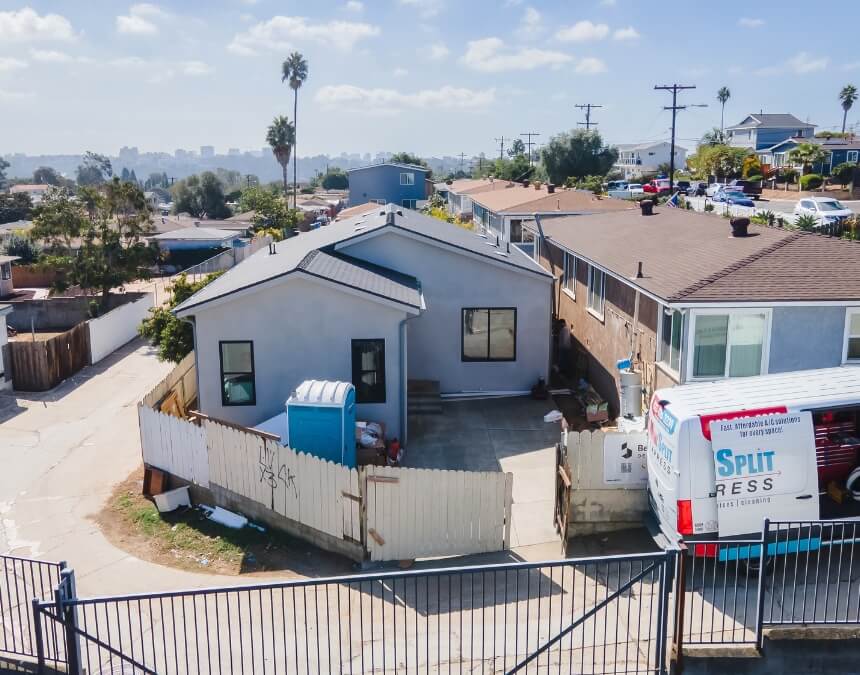
Vaulted ceilings shift roof loads to beams and walls, making early structural engineering essential—especially in garage conversions and older foundations.
Designing Your Vaulted ADU: Aesthetic and Functional Considerations
Vaulted ceilings are both a structural choice and a defining design feature in an ADU, shaping how the space looks, feels, and functions. In compact floor plans, the ceiling often becomes a visual focal point, drawing the eye upward and creating openness that flat ceilings—even with crown molding—cannot replicate. This design approach works well in both garage conversions and detached ADUs, including modular home builds, where vertical space can be leveraged without changing Standard Foundations. Vaulted layouts are also well suited for multi-generational living and long-term rental use, creating bright, comfortable interiors that feel more like a full-sized home than a compact dwelling.
Maximizing Natural Light with Strategic Window and Skylight Placement
Vaulted ceilings make it possible to introduce natural light from higher points in the structure, dramatically improving brightness and ambiance. Clerestory windows and transom window placements allow daylight to enter without compromising privacy, while skylights aligned with the roof pitch bring light directly into the center of the ADU. Gable-end glazing is another common strategy, using vertical wall space near the roofline to brighten living areas. In California’s sunny climate, these daylight strategies pair well with wood-framed or vinyl windows to create airy, light-filled ADUs throughout the day.
Interior Design to Complement Vertical Space
Interior design plays a key role in making the most of a vaulted ceiling. Open-concept layouts allow the vertical volume to be experienced across living, kitchen, and dining spaces, often anchored by finishes like engineered hardwood, laminate flooring, or a quartz countertop in the kitchen. Exposed beams can emphasize height, while minimalist furniture helps prevent the space from feeling cluttered. The added ceiling height also supports improved ventilation and creates opportunities for overhead storage, a small storage loft, or a walk-in closet in larger ADU layouts.
Creating Flow: Door Selections and Space Planning
Vaulted ceilings pair naturally with open layouts that encourage visual and physical flow between rooms. Features like French doors, accordion doors, or double pocket doors help connect interior spaces while maintaining flexibility and light circulation. With fewer walls and less reliance on bulky furniture, the interior can transition smoothly from kitchen to living and dining areas. This combination of vertical openness and thoughtful space planning is why designers often recommend vaulted ceilings for small ADUs where every design decision must enhance comfort, usability, and long-term livability.
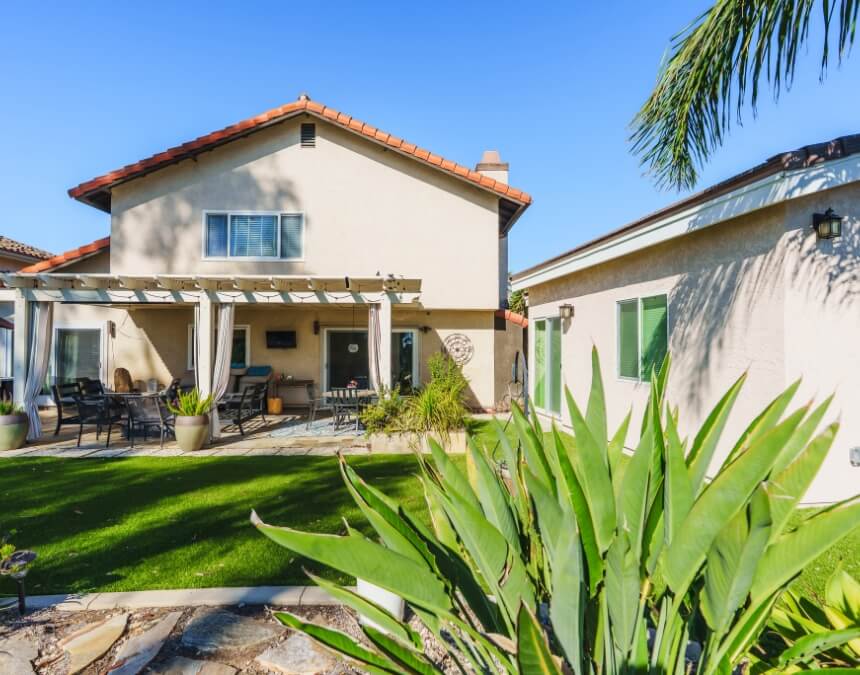
When designing a vaulted ADU, prioritize open sightlines and minimal visual breaks so the vertical volume enhances both flow and functionality.
The Financial Implications: Costs, Energy, and ROI
Vaulted ceilings are considered a premium ADU feature because they introduce additional design, engineering, and construction requirements beyond standard flat ceilings. From revised Foundation Plans to more complex roof framing, these ceilings affect multiple parts of the build. While the upfront investment is higher, many homeowners weigh these costs against long-term comfort, improved energy performance, and stronger property appeal—especially in California markets where ADU quality plays a major role in resale and rental demand.
Deconstructing Vaulted Ceiling Construction Costs
Is it expensive to vault a ceiling in an ADU?
Yes. Vaulting a ceiling typically adds $16,000–$25,000 to a garage-conversion ADU due to the need for structural engineering, roof modifications, and upgraded insulation assemblies. Builders note that costs rise because ceiling joists are removed or reconfigured, ridge beams or reinforced rafters are installed, and roof assemblies must meet California energy standards using details like true 2×4 walls, proper furring strips, and approved ventilation components. While these steps make vaulted ceilings more complex than flat ceilings, they also elevate the perceived quality of the finished space—particularly in designs such as a Bed ADU House Plan or long-term rental conversion.
Energy Efficiency and Climate-Specific Solutions
Are vaulted ceilings energy efficient in ADUs?
Vaulted ceilings can be energy efficient when properly insulated and ventilated, particularly in mild climates like San Diego. One challenge is heat stratification, since warm air naturally rises and can collect near the ceiling if airflow is not carefully managed. Building science experts note that vaulted ceilings “waste energy because room heat naturally rises into the empty space,” making insulation, air sealing, and ventilation strategies essential (Ryan A. Jones). When designed correctly—with higher R-value insulation, Owens Corning vents, and ceiling fans to promote circulation—vaulted ceilings can also improve comfort in warmer regions by keeping heat above the main living zone.
Key energy considerations:
- Heat stratification risks without adequate air circulation
- Higher R-value insulation required in vaulted roof assemblies
- Ceiling fans and ventilation strategies to redistribute warm air
The Return on Investment: Increased Rental Income and Property Value
Vaulted ceilings can positively influence ROI by making ADUs feel larger, brighter, and more desirable to renters and buyers. Higher ceilings contribute to a perception of quality that can elevate even compact layouts with features like a full bath, conditioned office, or interior spiral staircase. Buyer preference data supports this design choice: the share of buyers willing to pay more for ceilings higher than 8 feet increased from 54% in 2003 to 67% in 2018, signaling sustained demand for taller, more open interiors (National Association of Home Builders). When combined with the broader value uplift ADUs provide, vaulted ceilings can help justify their upfront cost through long-term appeal, flexibility of use, and reduced turnover in rental scenarios.
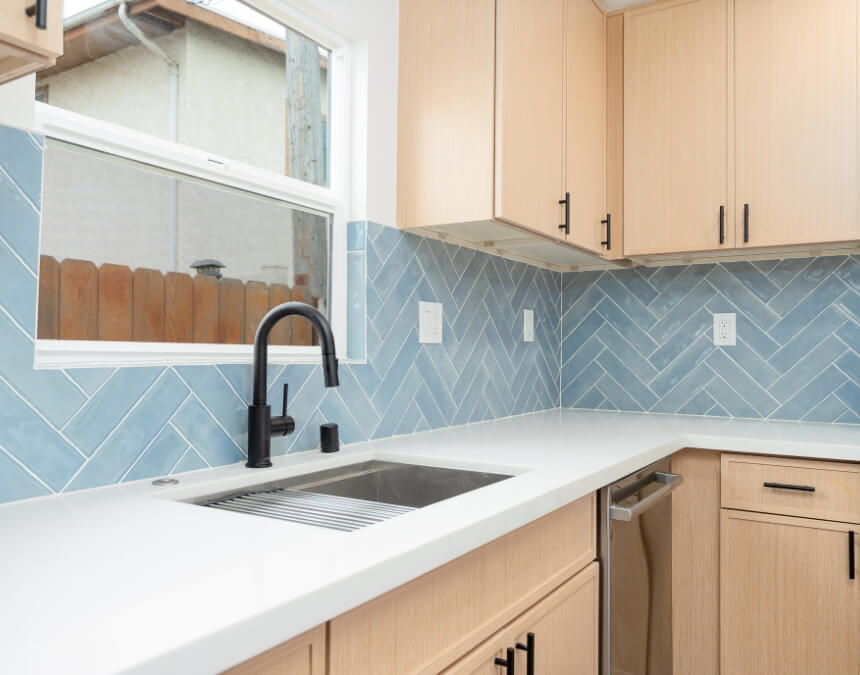
Vaulted ceilings pair best with thoughtful insulation and energy planning, helping balance higher build costs with long-term comfort and rental appeal.
The Construction Journey: From Blueprints to Completion
Building an ADU with a vaulted ceiling requires careful coordination from design through construction because the ceiling directly affects the roof structure, load paths, and energy performance. The process typically begins with modifying the roof design—often replacing or reinforcing ceiling joists with ridge beams or upgraded rafters—followed by sequencing structural work before insulation and interior finishes. Because vaulted ceilings add engineering and material requirements, early budget planning is critical to account for structural upgrades, insulation depth, and potential foundation adjustments. Contractors experienced with ADUs emphasize that addressing these elements upfront helps avoid costly changes later in construction.
Navigating Building Codes and Permit Processes
Do you need planning permission for a vaulted ceiling?
Vaulted ceilings are typically approved as part of the ADU permit process when height limits, setbacks, and energy codes are met. In California, detached ADUs up to 16 feet tall can qualify for streamlined approvals with reduced setbacks, which still allows room for vaulted interior ceilings. Local jurisdictions, such as San Diego, may allow even greater overall building heights when standard zoning setbacks are observed, giving designers flexibility to incorporate vaulted ceilings without triggering additional discretionary review. ADU specialists note that vaulted ceilings are commonly permitted when structural calculations and Title 24 energy compliance are clearly documented.
Choosing the Right Materials and Finishes
Material selection plays an important role in the performance and durability of a vaulted ceiling ADU. Because insulation space is limited in sloped roof assemblies, higher-performance insulation is often required to meet California energy standards. Structural beam choices—such as engineered lumber or glulam beams—must balance strength, span requirements, and visual impact. Roofing materials also need to be compatible with the roof pitch and insulation strategy to ensure proper weather protection and long-term energy efficiency.
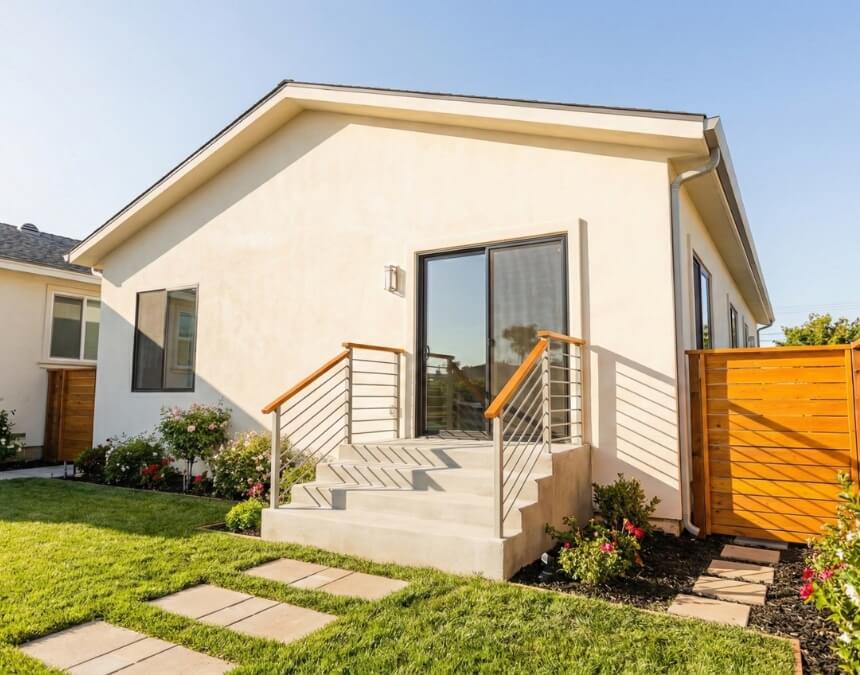
Vaulted ceilings must be coordinated early in the build sequence, as roof framing, insulation depth, and mechanical systems all depend on ceiling design.
Living with Height: Maintenance and Longevity
Living with a vaulted ceiling in an ADU offers long-term comfort and visual appeal, but it also requires thoughtful planning for maintenance. Because vaulted ceilings increase ceiling height and reduce easy access, homeowners benefit from considering upkeep needs early in the design process. Builders note that durability and accessibility are key to ensuring that the benefits of vaulted ceilings outweigh any long-term maintenance challenges.
Practical Tips for Cleaning and Upkeep of High Ceilings
High ceilings can make routine tasks more challenging, especially when it comes to reaching fixtures, vents, or ceiling surfaces. Planning for maintenance during the design phase can significantly reduce long-term effort and cost. Choosing durable finishes and minimizing the number of ceiling-mounted elements can help simplify upkeep in a vaulted ADU.
Key maintenance considerations:
- Access challenges: Cleaning, painting, or repairing high areas may require ladders, extension tools, or professional assistance.
- Fixture planning: Selecting long-life lighting, ceiling fans, and fixtures reduces the need for frequent access and ongoing maintenance.
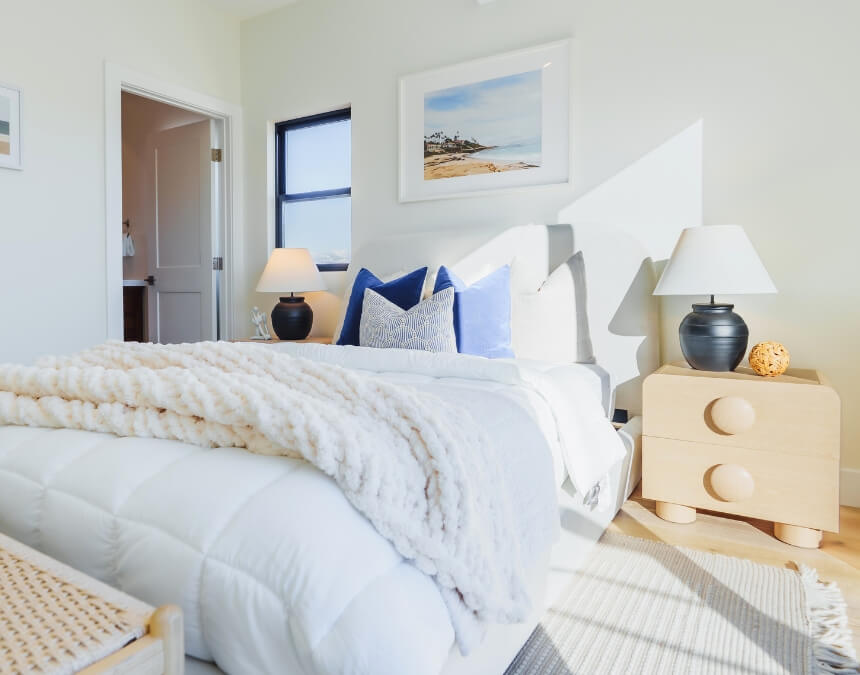
Plan lighting, fans, and finishes with longevity in mind—reducing ceiling-mounted elements minimizes future maintenance challenges.
Inspiration and Customization: Vaulted ADU Styles
Vaulted ceilings adapt well to a wide range of ADU architectural styles, allowing homeowners to customize the look and feel of their space while preserving the benefits of added height, light, and openness. Designers and builders frequently use vaulted ceilings as a unifying element that elevates even compact ADUs, making them feel intentional and well-crafted rather than purely utilitarian.
Modern farmhouse ADUs often pair vaulted ceilings with exposed beams and simple, clean finishes to emphasize warmth and character. This style takes advantage of the ceiling height to introduce clerestory windows or gable-end glazing, enhancing natural light while maintaining a cozy, residential feel—an approach commonly highlighted in vaulted ADU case studies (Sqft Studios).
Contemporary ADUs use vaulted ceilings to reinforce clean lines and open layouts. In these designs, the ceiling height supports large expanses of glass, minimal ornamentation, and seamless transitions between living spaces. The result is a bright, airy interior where the vaulted ceiling becomes a subtle but powerful design feature rather than a decorative focal point (Autonomous).
Ranch-inspired ADUs and other single-story designs also benefit from vaulted ceilings, particularly when homeowners want to preserve a low-profile exterior while maximizing interior volume. By vaulting the interior ceiling within a modest roof height, these ADUs achieve a sense of spaciousness that aligns with traditional ranch aesthetics while delivering modern comfort and functionality—a strategy frequently recommended for small-footprint ADUs.
Across styles, vaulted ceilings offer a flexible foundation for customization, allowing homeowners to balance architectural character, natural light, and livability while tailoring their ADU to personal taste and long-term use.
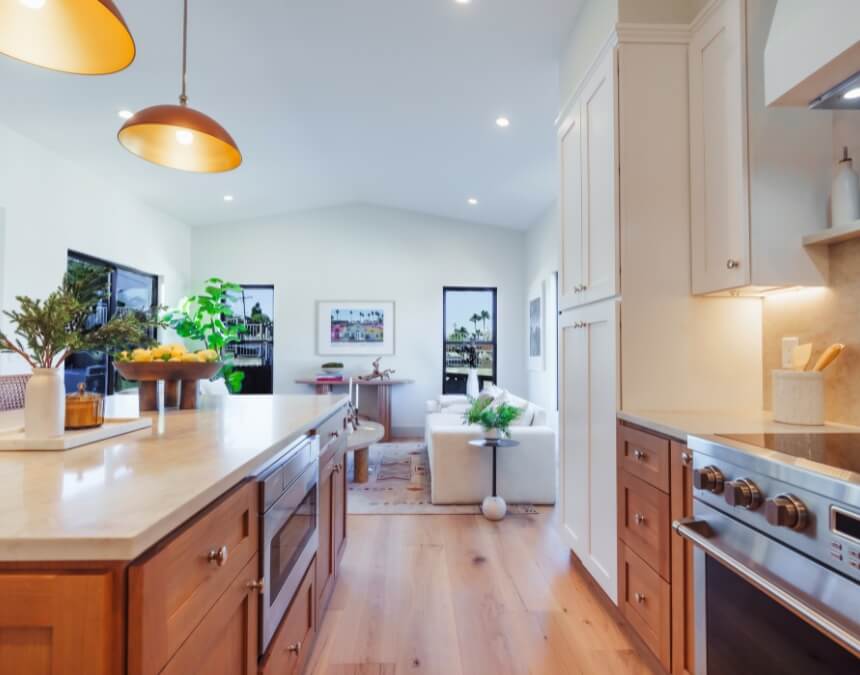
Vaulted ceilings adapt best when the architectural style supports them—roof pitch, window placement, and exterior proportions should work together.
Conclusion: Elevate Your ADU with a Vaulted Ceiling
Vaulted ceilings are one of the most effective ways to enhance an ADU’s livability, natural light, and sense of space—especially in California, where efficient use of square footage is critical. By leveraging vertical volume, homeowners can create interiors that feel open and thoughtfully designed rather than compact, a benefit architect Daniel Silvernail notes when he explains that tall ceilings “take advantage of vertical square footage to create larger volumes”. When executed correctly, this design choice can also support long-term value, as adding an ADU increases property value by 10–20% on average. Because vaulted ceilings affect structural design, energy performance, and permitting, working with an experienced design-build team is essential. For expert guidance from planning through construction, connect with Better Place Design & Build to discuss your ADU project.
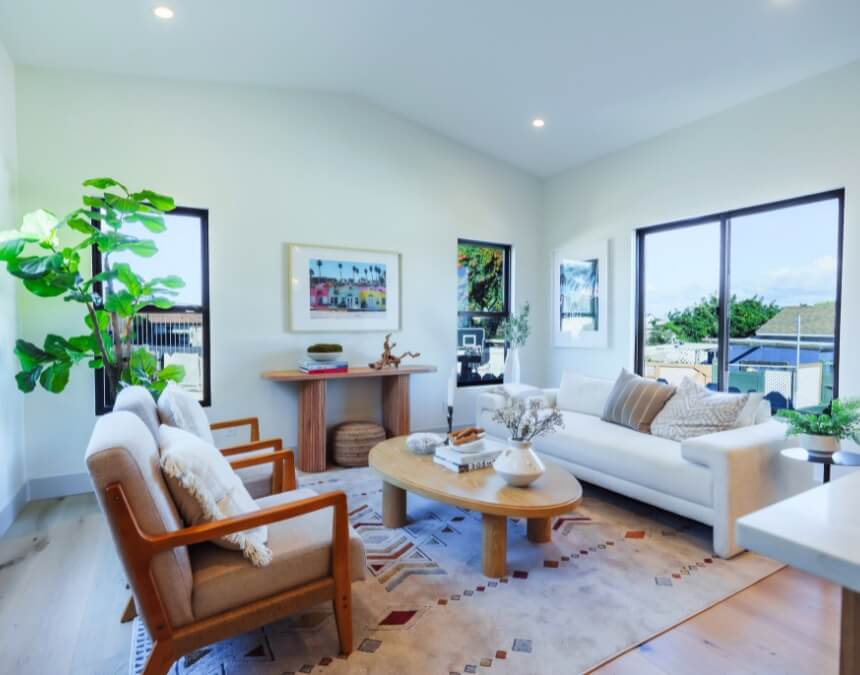
A well-executed vaulted ceiling elevates an ADU from functional to premium, delivering long-term value through comfort, light, and perceived space.
Frequently Asked Questions
Yes. Vaulting a ceiling requires a permit because it changes structural elements such as roof framing, load paths, and insulation assemblies. Building departments typically require engineered plans to confirm the modified structure can safely support roof loads and comply with energy codes, especially in ADU garage conversions.
In most cases, vaulted ceilings are approved as part of the ADU permit process, not through a separate planning approval, as long as height limits, setbacks, and energy codes are met. California’s ADU regulations generally allow sufficient building height to accommodate vaulted interior ceilings, with some cities permitting even greater overall heights.
Yes. Vaulted ceilings are considered a premium feature because they require additional structural engineering, roof modifications, and upgraded insulation. Compared to standard flat ceilings, they involve more labor and materials, which increases overall construction costs.
Vaulted ceilings make ADUs feel larger, brighter, and more comfortable without increasing square footage. They allow more natural light through higher window placement, improve airflow, and create a strong visual focal point that enhances perceived quality—especially valuable in small ADU layouts.
Vaulting a ceiling in a garage-conversion ADU typically adds $16,000–$25,000 to the project cost. This increase reflects structural engineering, roof framing modifications, and higher-performance insulation required to meet California building and energy standards.
Vaulted ceilings require high-performance insulation because the sloped roof assembly limits insulation depth and increases exposure to heat gain and loss. Proper air sealing, higher R-value insulation, and ventilation strategies such as ceiling fans are essential to prevent heat stratification and maintain comfort.
More Projects
-
ADU Trends & Insights
What Are the Key Differences Between Attached and Detached ADUs in California?
An attached ADU shares at least one wall or structural connection with the primary residence, while a detached ADU is a standalone structure located on the same property. Both provide complete independent living facilities, including areas for living, sleeping, cooking, and sanitation, but they differ in privacy, construction requirements, utility infrastructure, design flexibility, and rental […]
-
ADU Trends & Insights
What Is ADU Project Management?
ADU project management is the process of overseeing every stage of an accessory dwelling unit project to ensure it stays on schedule, within budget, and compliant with local regulations. It involves coordinating architects, contractors, and inspectors while managing permits, timelines, and construction milestones. Effective project management also includes tracking costs, minimizing delays, and maintaining clear […]
-
ADU Trends & Insights
Using a HELOC to Fund an ADU in California?
A HELOC lets California homeowners fund an ADU in phases using home equity, paying interest only on what they use. In San Diego, strong rental income often offsets payments, though variable rates and post–draw-period repayment increases should be considered.
-
ADU Trends & Insights
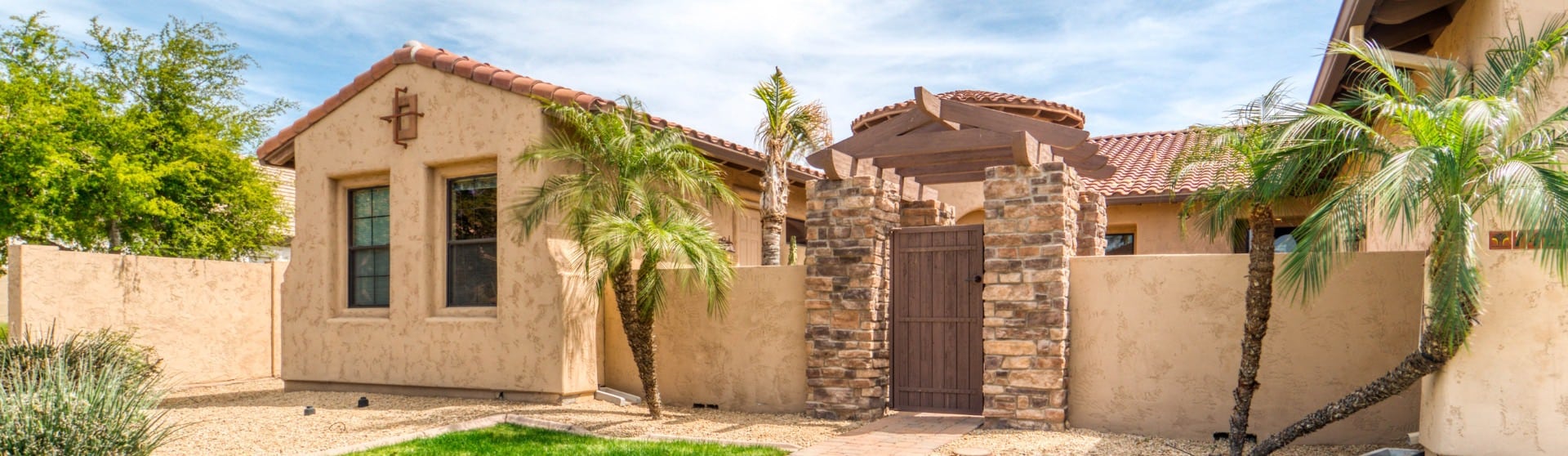
Spanish Style ADUs
Explore the timeless elegance of Spanish-style ADUs with iconic features like stucco walls, red tile roofs, and stunning architectural details.
-
ADU Trends & Insights
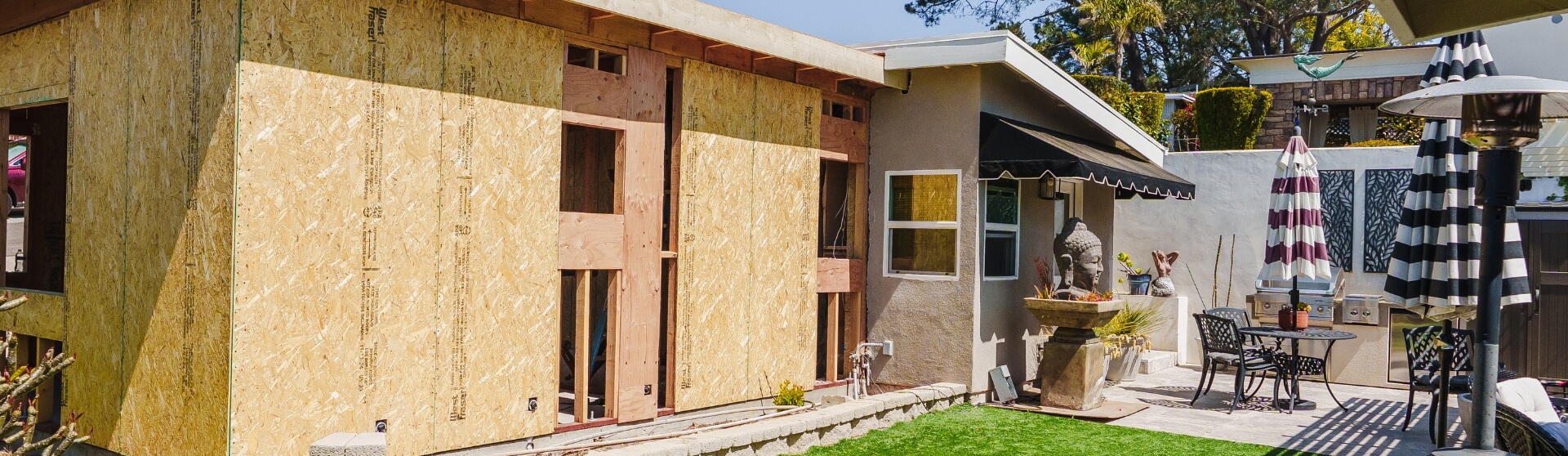
Garage ADU: What It Is, Costs, Rules, and Conversion Options
Unlock your property's potential by converting your detached garage into a cost-effective, versatile ADU that increases property value and generates rental income.
-
ADU Trends & Insights
What Are the Best Loan Programs for ADUs in California (San Diego Guide)?
California homeowners can finance ADUs through home equity, construction or renovation loans, cash-out refinancing, and programs like CalHFA (when available) and San Diego’s SDHC, with the best option depending on equity, income, and timing.
-
ADU Trends & Insights
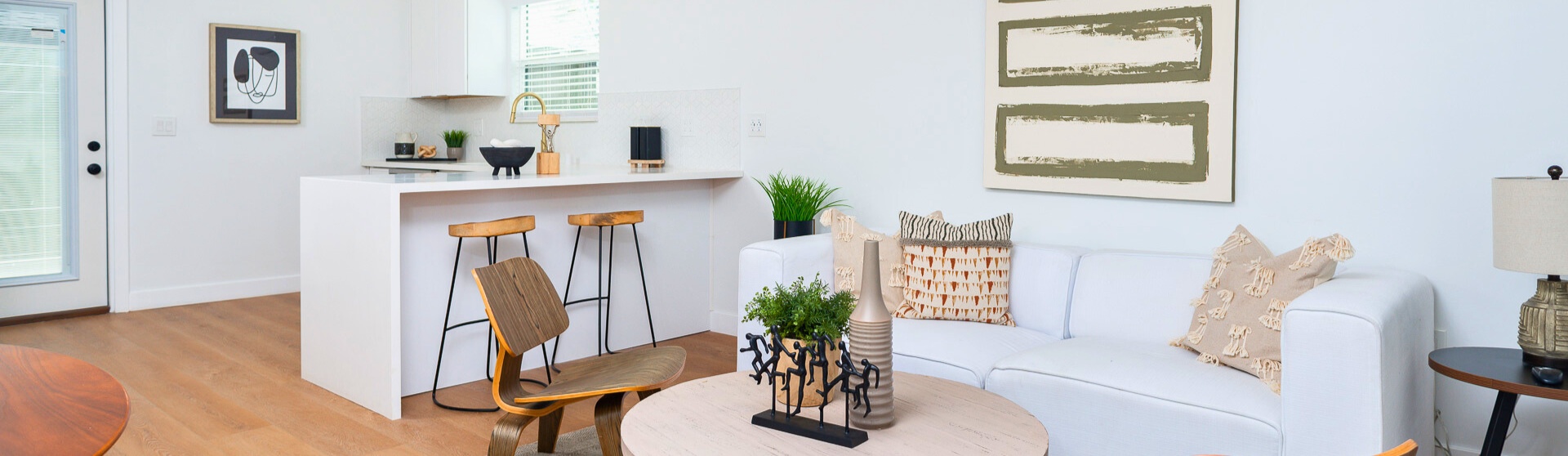
How We Make Your ADU’s Interior Design Stress Free & Feel Like Home
Our interior designers simplify the finish selection process—so you get a stylish, renter-friendly ADU without the stress, delays, or costly mistakes.
-
ADU Trends & Insights
What Qualifies as an ADU?
ADUs are reshaping the California housing market, providing homeowners with cost-effective, independent living spaces to meet diverse needs.
-
ADU Trends & Insights
What Is a Retaining Wall for an ADU?
A retaining wall for an ADU is a structural wall designed to hold back soil, stabilize slopes, and create a level building area. These walls help prevent erosion, protect the structure from water damage, and make construction possible on sloped or uneven lots.
-
ADU Trends & Insights
When Should You Build an ADU in San Diego?
ADU construction involves planning, permitting, and building a self-contained living space on a residential property — adding value, flexibility, and income potential without buying new land. In California, ADUs now make up about one in six new homes, reflecting their growing role in solving the state’s housing shortage.
-
ADU Trends & Insights
Are Pre-Approved ADU Plans Right for You in San Diego?
Compare pre-approved vs. custom plans and why the cheapest option isn't always best.
-

ADU Trends & Insights
The Perfect ADU Kitchen
Discover how smart layouts and stylish design choices can transform even the smallest ADU kitchens into luxurious, functional spaces.
-
ADU Trends & Insights
Why ADUs & Costs Matter in San Diego
Planning an ADU in San Diego? Get the lowdown on all the hidden costs that can catch you off guard.
-
ADU Trends & Insights
Can an HOA Prevent an ADU in California?
If you’re part of a homeowners association and considering building an accessory dwelling unit on your property, it's key to consider any rules your HOA may have about ADUs.
-
ADU Trends & Insights
When Do You Need a Survey for an ADU in San Diego?
A survey for an ADU in San Diego is typically required when the new unit is built close to property lines, situated on a sloped or irregular lot, or when local regulations mandate setback verification.
-
ADU Trends & Insights
How to Finance an ADU Project in California
California homeowners can finance an ADU using home equity, cash-out refinancing, construction or renovation loans, and programs like San Diego’s SDHC (up to $250K), with rental income often helping offset the $200K–$450K build cost.
-
ADU Trends & Insights
What is stormwater management for Accessory Dwelling Units (ADUs) in California?
Stormwater management for ADUs is the process of controlling and treating rainwater runoff generated by new backyard cottages or secondary homes.
-
ADU Trends & Insights
13 Common Misconceptions About ADUs
Uncover the truth about ADU misconceptions and navigate construction, costs, and regulations for informed decisions.
-
ADU Trends & Insights
Should You Build Your ADU Yourself or Hire a Contractor in San Diego, California?
Building your own ADU in San Diego can save on labor and contractor markup, but it’s essentially managing a small-house build with permits, trades, and inspections—so hiring an experienced contractor (or using a hybrid approach) often reduces delays, risk, and costly mistakes.
-
ADU Trends & Insights
What Is ADU Rental Income and Why Are California Homeowners Investing in It?
Explore how to maximize rental income from an ADU with tips on design, rental strategies, and legal considerations to turn your ADU into a profitable investment.
-
ADU Trends & Insights
Why Do You Need an Experienced ADU Builder in California?
An experienced ADU builder helps homeowners navigate California’s complex permitting rules, zoning regulations, and construction requirements while avoiding costly mistakes and delays. Accessory Dwelling Units (ADUs) are secondary housing units built on the same property as a primary residence and can include detached backyard homes, attached additions, garage conversions, or basement apartments with independent living […]
-
ADU Trends & Insights
Prefab ADUs: Pros and Cons
Explore the pros and cons of prefab ADUs in California, including cost, customization, durability, and ROI, to decide if modular construction suits your needs.
-
ADU Trends & Insights
What Is ADU Construction?
ADU construction involves planning, permitting, and building a self-contained living space on a residential property — adding value, flexibility, and income potential without buying new land.
-

ADU Trends & Insights
How do ADUs benefit real estate agents in California and San Diego?
ADUs benefit real estate agents in California and San Diego by increasing property value and buyer appeal, creating built-in rental and multigenerational living opportunities, and giving ADU-savvy agents a competitive edge in pricing, marketing, and closing deals in a tight housing market.
-
ADU Trends & Insights
How Do You Compare ADU Builder Quotes in San Diego and California?
Compare itemized ADU quotes—labor, materials, permits, timelines—to ensure transparent pricing, true value, and no surprise costs.
-
ADU Trends & Insights
Setback Requirements for ADUs in San Diego
Ensure your ADU meets California's setback requirements—learn essential rules, local variations, and expert tips to maximize your space and streamline permitting.
-
ADU Trends & Insights
ADU Manufactured Homes in San Diego: Are They Right for You?
Discover whether a manufactured home is the right choice by exploring costs, regulations, benefits, and potential drawbacks.
-
ADU Trends & Insights
Do You Trust Your Builder?
You can trust your ADU builder when they prove real ADU experience, proper California licensing/insurance, and clear written contracts, not just a good sales pitch.
-
ADU Trends & Insights
What Is a Casita? Definition, Uses, and How It’s Different From an ADU
Casitas are stylish, small ADUs under 800 sq. ft., perfect for guests, rentals, or in-law suites. Discover the benefits, costs, and designs.
-
ADU Trends & Insights
Where Can ADUs be Built in San Diego, CA?
ADUs are allowed on nearly all residential lots in California, including single-family and multifamily properties, under state law. In San Diego, any property zoned for residential use qualifies, making it easier than ever for homeowners to add an ADU and expand their living or rental space.
-
ADU Trends & Insights
What Are Stacked Accessory Dwelling Units (ADUs)?
Stacked ADUs are two fully independent accessory dwelling units built vertically in a single two-story structure, allowing California homeowners to add multiple homes on one lot without increasing the building footprint when local height and zoning rules allow.
-
ADU Trends & Insights
Key Differences Between Pool Houses and ADUs
Discover the differences between pool houses and ADUs to choose the right addition for your property—find out about amenities, regulations, and value impact!
-
ADU Trends & Insights
How to Build an ADU in the San Diego Coastal Zone
Building an ADU in San Diego’s Coastal Zone requires checking if the property is in the Coastal Overlay Zone, which typically triggers a Coastal Development Permit or exemption.
-
ADU Trends & Insights
20 Day Preliminary Notice for ADUs in California: Requirements and Deadlines
A California 20-Day Preliminary Notice is a required filing for most ADU projects that subcontractors and suppliers must send within 20 days of providing labor or materials, notifying owners, contractors, and lenders.
-
ADU Trends & Insights
Should You Invest in Building an ADU in San Diego?
Building an ADU in San Diego can be a worthwhile investment for homeowners looking to generate rental income, increase property value, or create flexible living space for family members. An Accessory Dwelling Unit (ADU) is a secondary residential unit built on the same lot as a primary home, and demand for ADUs continues to grow […]
-
ADU Trends & Insights
Custom ADU: Your Ultimate Guide
A custom ADU may cost more than manufactured or prefab units, depending on size, type, and finishes, but it offers several benefits.
-
ADU Trends & Insights
What Are ADU Owner Occupancy Requirements?
ADU owner occupancy requirements are rules that require a property owner to live on the same lot as an accessory dwelling unit, either in the primary residence or the ADU itself. These rules were historically imposed by local governments to discourage absentee landlords and preserve neighborhood character. In California, however, owner-occupancy requirements for ADUs are […]
-
ADU Trends & Insights
How Do You Budget for an ADU Build in California and San Diego?
Learn how to budget for an ADU in California and San Diego by understanding costs, timelines, financing options, and strategies to avoid surprises and maximize long-term value.
-

ADU Trends & Insights
What is the importance of an ADU feasibility study in California and San Diego?
An ADU feasibility study is a comprehensive analysis of zoning, site constraints, existing utilities, and a proposed design that determines whether building an accessory dwelling unit is practical and financially viable on a specific property.
-
ADU Trends & Insights
What Are the Best Floor Plans for ADUs?
The best ADU floor plans are goal-driven and code-compliant—using efficient layouts like studios, 1-bed/1-bath rentals, or split-bedroom designs that maximize light, privacy, and flexibility while fitting your lot and budget.
-
ADU Trends & Insights
California ADU Law: The Ultimate Guide
California has streamlined ADU construction to address the housing crisis, but development standards still apply. Check local regulations before starting your project.
-
ADU Trends & Insights
What Are the Legal Bedroom Requirements in California?
California has made building ADUs easier to tackle the housing crisis, but specific state and local regulations still apply. Here's what you need to know before starting.
-
ADU Trends & Insights
How Do You Design the Perfect Granny Flat?
Designing the perfect granny flat starts with understanding local ADU regulations, defining the unit’s intended use, and planning a layout that maximizes comfort within a compact footprint. In California, granny flats—legally classified as Accessory Dwelling Units (ADUs)—must comply with state and local rules covering size, setbacks, and permitting. A successful design balances budget, livability, and […]
-

ADU Trends & Insights
Construction Loans vs. Personal Loans for ADUs: What Do California Homeowners Need to Know?
Building an ADU in California typically requires high financing and San Diego homeowners usually choose between construction loans, which are based on the future value of the property, and personal loans, which offer fast approval but higher interest rates.
-

ADU Trends & Insights
What Is an ADU Cost Calculator and How Much Does It Cost to Build an ADU in California?
An ADU cost calculator helps California homeowners estimate the cost of building an accessory dwelling unit based on factors like square footage, construction type, utility work, site conditions, and finish quality. In California, ADU construction costs typically range from $100,000 to $200,000, although detached ADUs with premium finishes or difficult site conditions can exceed that […]
-
ADU Trends & Insights
How Does ADU Construction Work in San Diego, CA?
San Diego’s ADU process is fast and flexible, with permits approved within 60 days and options for detached units up to 1,200 sq. ft. or garage conversions. Thanks to state laws and the city’s ADU Bonus Program, homeowners can build quickly, add value, and even earn extra units by including affordable housing.
-
ADU Trends & Insights
Downsizing to an ADU: Benefits, Costs, and Key Considerations
Downsizing to an ADU means moving into an Accessory Dwelling Unit—a smaller, self-contained home on your property—while renting out or repurposing your main house.
-
ADU Trends & Insights
What Is a Granny Flat? Definition, Types, and How They’re Used
Granny flats offer San Diego homeowners flexible housing solutions, from accommodating family to generating rental income, with options including detached builds, garage conversions, or junior ADUs.
-
ADU Trends & Insights
How Much Does an ADU Increase Property Value?
Discover how adding an ADU can significantly boost your property value, generate rental income, and enhance long-term equity—all while making the most of your available space.
-
ADU Trends & Insights
What are the universal design principles for ADUs?
Universal design principles for ADUs focus on creating safe, flexible, and comfortable homes—using features like step-free entries, wider doorways, accessible bathrooms, and intuitive layouts—so the space remains usable for people of all ages and abilities over time.
-

ADU Trends & Insights
Is it Worth It To Build An ADU in 2026? Assessing the ROI of Building an ADU
Discover the financial benefits and pitfalls of building an ADU with our comprehensive, detailed guide.
-
ADU Trends & Insights
SB9 vs ADU: What’s the Difference and Which Is Better?
While promising, the complexity and lengthy approval process of SB9 projects make traditional accessory dwelling units (ADUs) an often simpler and quicker alternative for expanding property use.
-
ADU Trends & Insights
Are ADUs a good alternative to nursing homes for California homeowners?
ADUs offer California homeowners a practical alternative to nursing homes by allowing aging parents to live independently on the same property, supporting aging in place while turning ongoing care costs into a long-term home investment.
-
ADU Trends & Insights
How Does Choosing the Right Color Scheme Impact an ADU’s Design and Value?
Choosing the right ADU color scheme—especially light, neutral palettes with intentional accents—can make small spaces feel larger, improve livability, and increase rental and long-term property value.
-
ADU Trends & Insights
Best ADU Designs
Explore essential ADU design trends and practical insights, from layout optimization to style choices, ensuring your accessory dwelling unit maximizes comfort, functionality, and investment potential.
-
ADU Trends & Insights
How Long Until an ADU Pays for Itself?
Most ADUs pay for themselves within 5–15 years by combining rental income and property value appreciation, with faster payback in high-demand markets like San Diego.
-
ADU Trends & Insights
How Many ADUs Can You Have on Your Property in California?
Understand California's rules for ADUs and JADUs, including property limits, zoning laws, and strategies to maximize space, rental income, and property value.
-
ADU Trends & Insights
How Do You Integrate Outdoor Living Into ADU Design?
Integrating outdoor living features such as patios, decks, and seamless indoor-outdoor connections helps ADUs feel larger, more livable, and more valuable.
-
ADU Trends & Insights
How to Finance an ADU in San Diego
ADUs are growing popular in San Diego, offering housing for family or rental income, but demand substantial upfront investment.
-
ADU Trends & Insights
What Are the ADU Electrical Requirements in California in 2026?
California ADUs must comply with strict electrical and energy regulations under the California Electrical Code (CEC) and Title 24 energy standards. Most ADUs require detailed planning for electrical panels, load calculations, dedicated circuits, solar readiness, and utility coordination to meet modern safety and efficiency requirements. Homeowners in San Diego and across California often underestimate the […]
-
ADU Trends & Insights
What Roofing Options Are Best for ADUs in California (Especially San Diego)?
The best ADU roofing in California (especially San Diego) balances budget, durability, and curb appeal—using options like asphalt shingles, metal, tile, or low-slope membranes that meet Title 24 cool-roof/solar requirements and hold up to intense sun, heat, and wildfire risk.
-

ADU Trends & Insights
Can You Sell an ADU in San Diego?
San Diego's pending ordinance may soon enable homeowners to sell ADUs as separate condominiums, expanding affordable housing opportunities.
-

ADU Trends & Insights
What Makes an Ideal Lot for an ADU in California (Especially San Diego)?
An ideal ADU lot in California (especially San Diego) is flat or gently sloped with enough clear buildable space for setbacks, good construction access, nearby utility tie-ins, and minimal easements or overlays—since slope, access, and utility distance are the biggest drivers of cost and feasibility even with “by-right” ADU rules.
-
ADU Trends & Insights
What Is an ADU Cost Breakdown?
An ADU cost breakdown shows where your budget goes—hard construction costs (about 85–90%) versus soft costs like plans, permits, and city fees (about 10–15%)—so you can set realistic expectations and avoid surprises.
-

ADU Trends & Insights
What Is the Cost of Building an ADU in California?
The cost of building an ADU in California varies based on factors such as size, design, site conditions, utility work, and local fees. A statewide homeowner survey found that the median ADU construction cost is $150,000, or approximately $250 per square foot, providing a useful benchmark for homeowners planning an ADU. The California Department of […]
-
ADU Trends & Insights
ADU vs JADU: What’s the Difference?
Explore the crucial differences between ADUs and JADUs—including size, regulations, costs, and ROI—to determine the best fit for your property and goals.
-
ADU Trends & Insights
What Are ADU Electrical Requirements in California?
Get the complete breakdown of electrical requirements for ADUs in California, from panel upgrades to solar compliance, to help you build safely and within code.


