


What Makes an Ideal Lot for an ADU in California (Especially San Diego)?
 Share
Share
74 min read
An ideal ADU lot is one where you can build a code-compliant unit without major extra site work or legal hurdles—think flat or gently sloped ground, enough clear buildable space to meet setbacks, and no easements blocking the footprint. Lots with easy construction access (side yard, driveway, or alley) and nearby utility tie-ins usually keep costs and timelines down. California’s statewide ADU rules make ADUs broadly allowed “by right,” with standard 4-ft side and rear setbacks and a guaranteed pathway for units up to about 800 sq ft on most residential lots. For San Diego homeowners, these same ideal-lot traits matter even more because site constraints (slope, access, utility distance) are some of the biggest cost drivers in local builds. (California YIMBY)
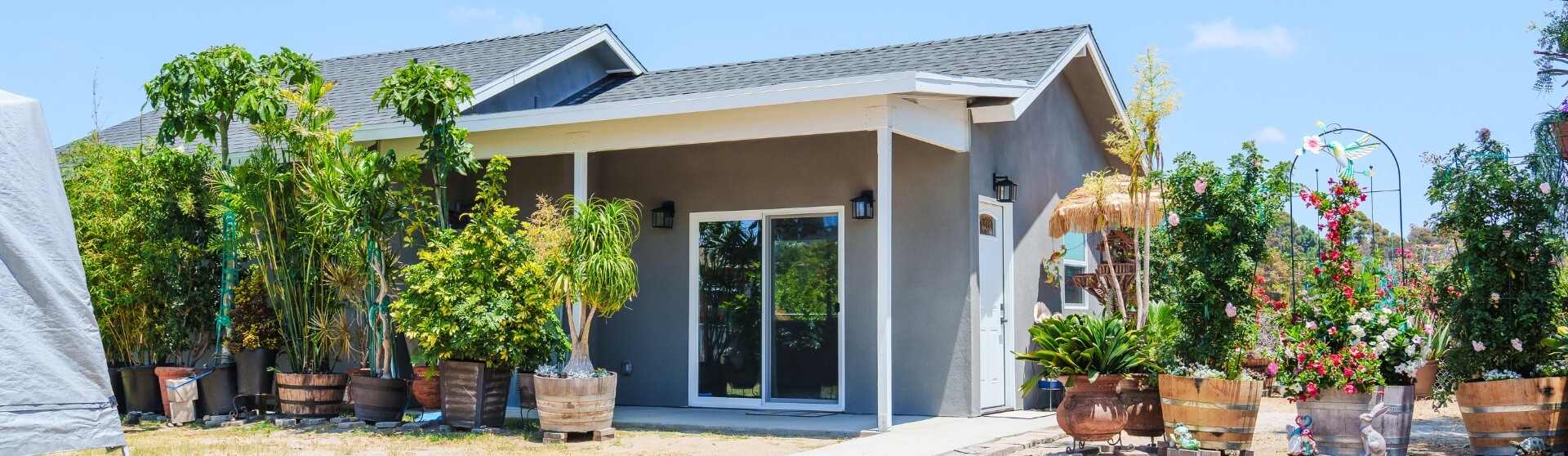

Key Considerations for Choosing a Lot
What features should my lot have for building an ADU?
- Topography (flat is best): For Accessory Dwelling Units, flat or gently sloped lots are ideal because they reduce grading, foundation complexity, and the need for retaining walls. In San Diego and the rest of Southern California, hillside or uneven sites are one of the biggest triggers for added sitework cost, engineering, and a more complicated site plan.
- Buildable area (space that meets setbacks): You need a clear footprint that can fit the ADU while meeting California’s baseline 4-foot side and rear setbacks (unless your city allows less). Even though there’s no minimum lot size statewide under California’s ADU laws, the unit still has to physically fit in a compliant location alongside the primary dwelling and follow local zoning regulations.
- Construction access (how crews get to the site): Lots with a usable side yard, driveway, or alley path make construction faster and cheaper because materials, excavation equipment, and utility trenching can happen normally. Limited access often means more manual labor, smaller equipment, and a more complex permitting process with the building department, which raises costs for property owners.
- Utilities (simple, short tie-ins): The easiest lots already have nearby sewer, water, electrical, and gas connections with enough capacity for another dwelling. Long runs or system upgrades (especially sewer/electrical) are common hidden cost drivers, so shorter, direct tie-ins are ideal and should be confirmed early in your site feasibility review and project plans.
Easements, restrictions, and what can block an ADU
Before you fall in love with a specific ADU spot, check your property records for easements—especially utility, drainage, or access easements—because you generally can’t build over them. Easements can quietly shrink your usable footprint even on large lots, so they’re one of the first things pros verify during feasibility studies and early building plans.
Also scan for any recorded restrictions or overlays (like fire safety zones, historic districts, or coastal rules) that might affect placement, height, or access. These don’t usually prohibit ADUs outright under California’s ADU laws, but they can change where and how your unit must be designed.
Public utilities vs. septic systems
Lots already served by public sewer are typically simpler because an ADU can usually connect to the existing line without major redesign. By contrast, homes on septic systems may need a capacity evaluation or even a new system to support an additional dwelling, depending on local health requirements and existing load. This doesn’t make ADUs impossible on septic lots—it just means more planning, coordination with local agencies, and potential cost.
Single-family vs. multifamily lots (build potential)
Under California law, single-family properties are allowed at least one ADU and one JADU (a smaller unit created within the primary home). Multifamily properties can often add multiple ADUs, including detached units and conversions of unused interior space, depending on the size and configuration of the existing building and local standards. So if you’re on a duplex or small apartment lot, your “ideal lot” checklist should also include how many units you might be able to add—not just where one backyard ADU or in-law suite could go.
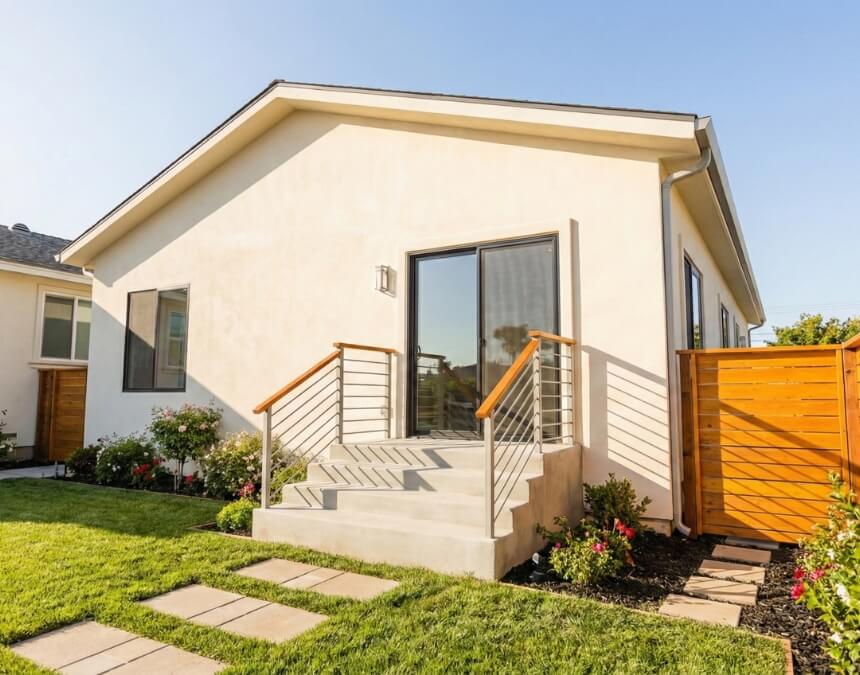
Evaluate your lot with a pro early—setbacks, access paths, and easements can make or break ADU feasibility long before design begins.
Lot Size and Features
California has removed statewide minimum lot-size requirements for ADUs, which means even smaller residential lots can usually qualify as long as a compliant unit can physically fit on the property. Instead of lot size, the real deciding factors are setbacks, open-space rules, height limits, and where the ADU can sit relative to the main residence. State law also guarantees that most property owners can build at least one state-exempt ADU up to 800 sq ft when basic placement and building regulations are met. Prefabricated options and modern floor plans—such as Farmhouse ADUs or compact “tiny house” layouts—can also help maximize limited space while supporting property value. (ADU Planet)
What is the minimum lot size for an ADU in California?
There is no statewide minimum lot size for constructing an ADU in California. This approach allows more homeowners to participate in solving the housing crisis, even on compact lots from San Diego to Los Angeles. While a city can’t deny an ADU simply because the parcel is small, the project must still meet objective rules like setbacks, fire access, and basic safety measures such as smoke and carbon monoxide detectors.
Maximum and minimum ADU sizes (state rules)
California sets statewide size limits while ensuring cities allow practical, livable ADUs:
- Detached ADU maximum: up to 1,200 sq ft, often approved by right if standards are met.
- Attached ADU maximum: up to 50% of the primary dwelling unit’s floor area, but no less than 800 sq ft must be allowed. (housingsocal.org)
- Minimum local allowance: in many cases, cities must permit at least 850 sq ft for a 1-bed ADU and 1,000 sq ft for a 2-bed+ ADU, even on multi-family properties.
These standards ensure homeowners aren’t limited to micro-units—they can build functional home additions suited for rental income, family members, or flexible living layouts.
California “800 sq ft exemption”
State law guarantees that at least one ADU up to 800 sq ft must be allowed on most lots regardless of lot size, lot coverage, or FAR, as long as required height and setback rules are met. Often called the state-exempt or “66323 ADU” pathway, this rule is one reason even deep lots or narrow urban parcels can still support an ADU without extensive redesign.
Setbacks and height limits that shape the lot fit
Even without a minimum lot size, an ADU must fit within California’s placement envelope:
- Setbacks: statewide standard of 4 ft from side and rear property lines.
- Height: typically 16–20 ft, depending on zoning and conditions such as structural design or energy code requirements.
- Overlays: coastal zones, historic districts, and fire-hazard areas may apply additional objective rules that influence site design, utility installation, or roof height.
Bottom line: your lot doesn’t need to be large—but your ADU must be placed strategically within the legal buildable area to meet California’s ADU laws and your local authority’s requirements.
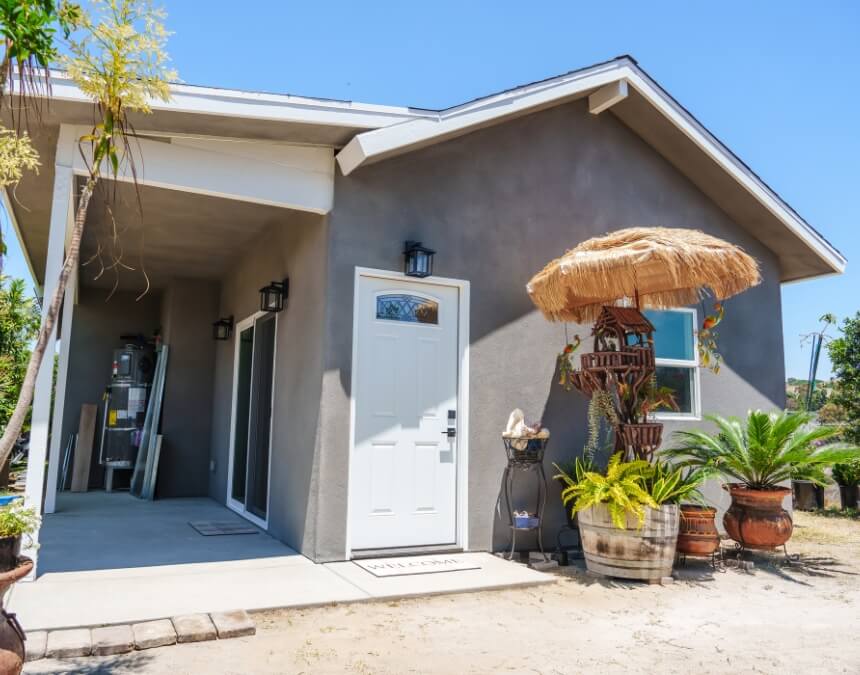
Don’t focus on lot size alone—focus on the buildable area. Even small lots work when the ADU is placed strategically within setback limits.
Accessibility Options: Detached Garage and Alley Access
Lots that already have usable structures or alternate access routes tend to be the easiest (and often cheapest) to turn into ADUs. Across California, converting existing space like a garage or basement is explicitly allowed under California’s ADU laws and usually moves through the same ministerial (“by-right”) building permit process as new ADUs. In San Diego, practical access—through a side yard, driveway, or alley—also matters because it affects construction logistics, renter privacy, and how expensive utility trenching and other cost-saving strategies will be.
Garage conversions
Garage conversions are one of the most common “ideal lot” scenarios because you’re reusing a structure that already sits in a legal location. California Government Code (outlined in the HCD ADU Handbook) treats conversions of existing accessory structures—like garages, carports, or storage buildings—as permitted ADUs, and cities must approve them if they meet objective health and safety standards.
A key advantage is reduced site disturbance: because the foundation and walls already exist, homeowners often avoid major grading or new slab work. State guidance also notes that if you convert an existing structure without expanding its footprint, new setback requirements generally don’t apply—making garages especially valuable on tighter lots where you want to invest more in interior design, green features, or energy-efficient appliances instead of heavy sitework.
Alley or driveway access
If your lot has alley access or a wide driveway/side yard, that’s a real build advantage. It lets crews bring in excavation equipment, stage materials, and trench utilities normally—reducing labor time and cost. Builders in San Diego consistently flag access as a major “hidden” cost variable, because limited entry can force manual hauling or smaller equipment.
From a livability standpoint, alley or driveway access also makes it easier to give the ADU a true separate private entrance, which boosts privacy and renter appeal—especially on single-family lots where the ADU sits behind the main house. Features like a small mini patio, layered lighting, or a Backyard Oasis–style ADU layout feel much more like a standalone home when the approach and entry are clearly defined. (County of San Diego)
Building above garages / vertical solutions
Lots that can support vertical ADU layouts—like building above an existing garage—can be ideal when yard space is limited. California allows over-garage and other “stacked” ADUs as long as the finished unit stays within statewide size limits and meets local height, fire, and access standards. For many urban San Diego lots, vertical solutions are one of the cleanest ways to add living space without sacrificing the entire backyard footprint, while still leaving room for outdoor areas, solar panels, or other eco-minded upgrades.
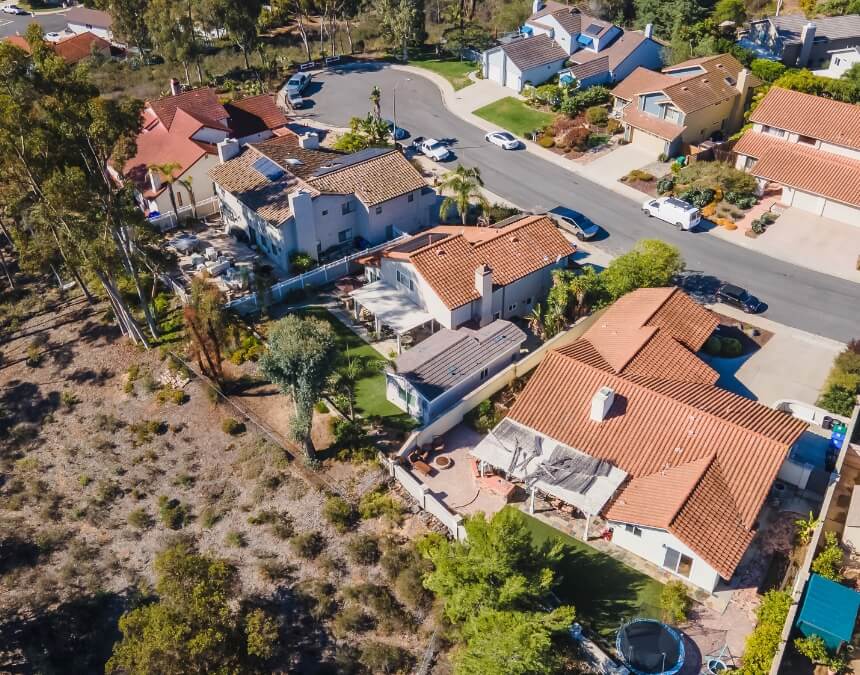
Independent access improves renter privacy and simplifies construction logistics—two major advantages when siting your ADU.
Proximity to Public Transit and Local Amenities
In San Diego, being near public transit can directly affect how many accessory dwelling units you’re allowed to build and whether you’ll need to add parking. The city’s ADU Bonus Program is structured around Transit Priority Areas (TPAs)—zones generally within about a half-mile of major (or planned) transit stops—where the city historically allowed more ADUs, similar to how other cities use laneway house incentives, if some units were deed-restricted as affordable. State law also limits when cities can require parking for ADUs near transit, so a well-located Urban ADU or Backyard Oasis–style ADU can avoid extra stalls and free up more space for outdoor living. (San Diego)
Why transit proximity can change what you can build
If your property is inside a TPA, San Diego’s rules have offered extra density through the Bonus Program: for each affordable ADU you add, you may be able to add a bonus market-rate ADU, and in TPAs the total number of ADUs has been far less restricted than outside TPAs. This makes transit-adjacent sites ideal for compact floor plans and modern design examples—whether that’s a Japandi ADU, Eco ADU, or another small-footprint concept that works well in walkable neighborhoods. (San Diego)
Transit proximity also affects parking requirements. California’s ADU laws prevent the city from imposing new off-street parking requirements for ADUs within TPAs, while newer 2025 reforms add parking requirements for certain bonus/affordable ADUs outside TPAs. That means a transit-adjacent lot can preserve more yard or mini patio space and reduce cost by avoiding on-site parking builds—budget you can instead invest in energy-efficient systems, renewable energy sources, or interior upgrades. (San Diego)
One quick caution for homeowners: San Diego City Council approved significant reforms to the Bonus Program in June 2025, tightening limits in some single-family zones. TPAs remain the most favorable geography for multiple-ADU projects, but exact allowances now depend more on zoning details and deed restrictions than they did before, so it’s important to confirm current standards before finalizing your ADU site plan. (fidentcapital.com)
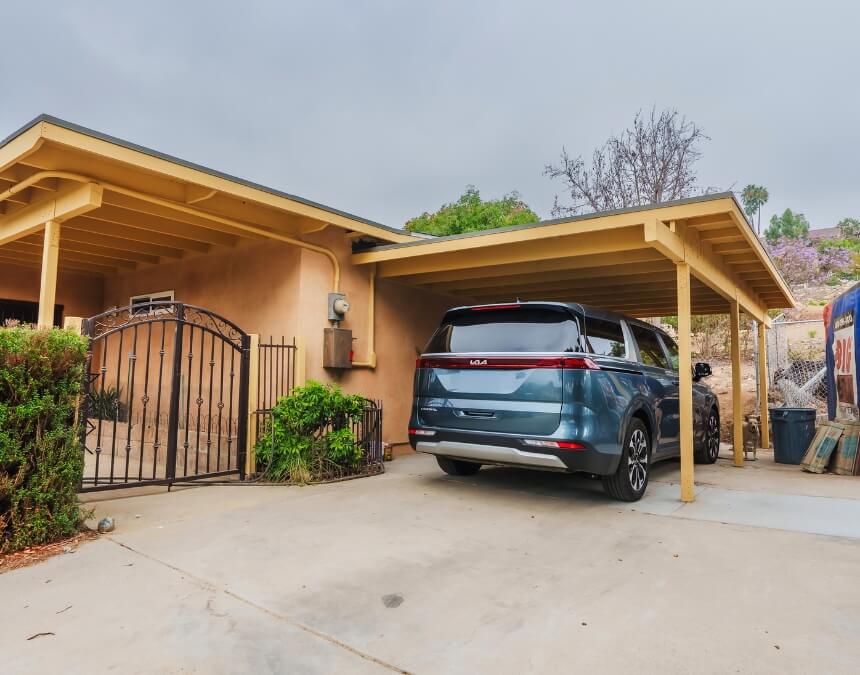
Transit-adjacent lots often reduce or eliminate parking requirements—confirm whether you’re in a TPA to expand ADU potential.
Evaluating Economic Factors
Lot conditions strongly shape the total cost of an ADU because they determine how much extra sitework and infrastructure is needed before vertical construction even starts. The three biggest cost levers tied to the lot are unit size, grading/foundation work, and utility complexity. A flat, utility-ready lot with straightforward access usually stays closer to baseline pricing, while sloped sites or deep lots needing long trench runs can add tens of thousands quickly—especially if you’re aiming for a more customized design like a Backyard Oasis ADU or Spanish Revival–inspired cottage.
How much does an 800 sq ft ADU cost in California?
A common statewide benchmark for ADU construction is about $125–$300 per square foot, depending on finishes, project type (detached vs. conversion), and site complexity. (California ADU Experts)
That wide range exists because fixed costs (permits, design, hookups) don’t scale down much for smaller units, while site conditions can swing budgets dramatically. In high-cost markets like San Diego, detached turnkey builds frequently trend higher, with local builder ranges often cited in the $375–$600+ per sq ft band—especially for more detailed interiors with partition walls, recreation room layouts, or premium finishes.
So for an 800-sq-ft ADU, the realistic takeaway is: your lot and finish level will decide whether you land near the low, mid, or premium end of that spectrum.
Site conditions that raise costs
Some lot traits consistently push ADU budgets upward:
- Slope / hillside terrain:
Sloped lots typically require heavier grading, engineered foundations, or retaining walls. San Diego builders note that grading and retaining-wall packages can exceed $20–30K on hillside sites, depending on soil and elevation change. - Long or complex utility tie-ins:
If sewer, water, gas, or electric lines are far from the ADU location—or if the existing systems are undersized—costs rise fast. SnapADU’s sitework guidance warns that extended trenching and hookups can add up to about $200 per linear foot beyond standard allowances. - Hard-to-reach build sites:
Narrow side yards or blocked access can force smaller equipment or manual hauling, increasing labor time and trenching costs.
Net-net: two lots with the same square footage can produce very different ADU price tags. That’s why a proper site review (topography + access + utilities) is the most accurate way to forecast cost before you lock in design, whether you’re planning a compact Shift ADU–style studio or a larger Prospect ADU–type layout.
Impact of High Local Rental Rates
High rental rates improve ADU ROI because they shorten the payback window. San Diego’s sustained ADU surge—permits more than tripling since 2020—signals strong ongoing demand for small rentals in the region, especially in transit-served or job-rich neighborhoods. In other words, local market conditions don’t just support ADUs—they’re one of the reasons homeowners keep building them. (chpd.ucsd.edu)
Enhancing Income through Strategic Location
Where you place the ADU on the lot can influence rentability and resale flexibility. Lots that allow an ADU to sit with privacy and a clean independent entry usually perform best as long-term rentals, whether the design skews toward a cozy Butterfly ADU–style retreat or a more traditional backyard casita. Similarly, ensuring a practical path from street or parking to the ADU door makes the unit feel separate and livable—an important factor for tenant appeal on single-family properties.
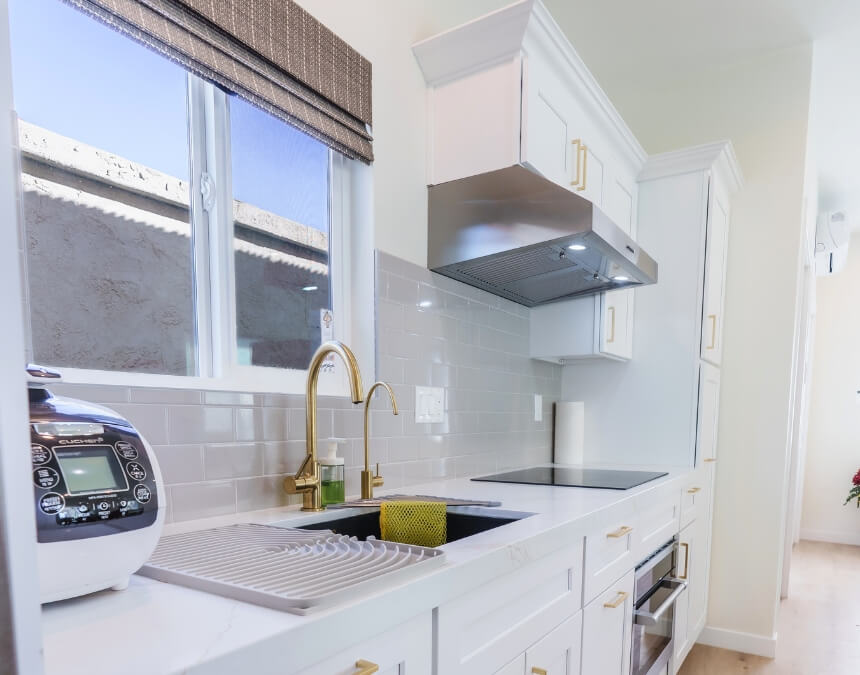
Your site conditions, not just your ADU design, drive the budget. A feasibility review saves thousands by predicting grading and utility expenses early.
Land and Topography Considerations
Topography is one of the clearest predictors of how smooth (or expensive) an ADU build will be. Flat lots usually build faster and cheaper because they avoid major grading, retaining walls, and complex foundations, which makes them ideal for everything from simple studio layouts to more stylized concepts like an Overhang ADU–style design. On sloped or uneven lots, the project is still allowed under California’s ADU laws, but you should expect extra engineering, more permit steps, and higher sitework costs to keep the structure safe and within height restrictions.
Benefits of a Flat Lot for Construction
Flat terrain keeps your ADU project in the “simple sitework” category. With little to no elevation change, builders can pour a standard foundation without building up a pad or cutting deep into the hillside, whether you’re in San Diego, San Jose, or elsewhere in Southern California. Cost calculators used across the state note that flat lots reduce the need for grading, soil compaction, or retaining systems—meaning fewer specialty trades, fewer inspections, and fewer surprises once construction starts.
From a practical standpoint, flat lots also make it easier to bring in excavation equipment and trench utilities normally. That keeps labor efficient and shortens the build schedule, which is one reason flat lots are consistently rated “most ideal” by designers and contractors planning long-term, low-maintenance ADUs that can later be upgraded with features like rainwater harvesting, river rock landscaping, or other sustainability touches.
What if the lot is sloped?
A sloped lot doesn’t block an ADU, but it usually changes the budget math. On steep or terraced sites, builders often need to create a level building pad and stabilize it, which can require engineered grading plans and structural retaining walls. As San Diego builders warn, grading and retaining wall work can exceed $20–30K on heavily sloped lots.
Even moderate slopes can add meaningful cost because foundations may need to step, pier, or cantilever, and utilities must be trenched carefully to maintain proper drainage and clearance. Statewide cost models commonly assume around a 25% cost increase for sloped-lot projects due to these extra requirements. (California ADU Experts) The key takeaway for homeowners: slopes are solvable, but they’re rarely “cheap.” A feasibility check that includes elevation measurements and soils review will help you design within the safest—and most cost-effective—part of your lot.
Optimal Use of Space and Building Feasibility
Even if your lot is small or oddly shaped, California law protects baseline ADU rights. The statewide exemption pathway guarantees most homeowners can build one ADU up to 800 sq ft with 4-ft side/rear setbacks, and cities cannot use lot coverage, FAR, open-space rules, or minimum lot size to deny it. That means the feasibility question is often “where can an ADU safely fit?” rather than “can I build?” even on challenging parcels. (housingsocal.org)
On topographically tricky lots, smart placement is everything: the best ADU spot is usually the flattest usable area with the shortest utility path and clean setback envelope, all while staying consistent with local height restrictions and objective standards. Pairing that placement logic with your state-protected build right is how homeowners successfully add ADUs—even on lots that aren’t “ideal” on paper—whether they’re aiming for a compact guest space or a more expressive design that could sit comfortably coast to coast as a modern California case study.
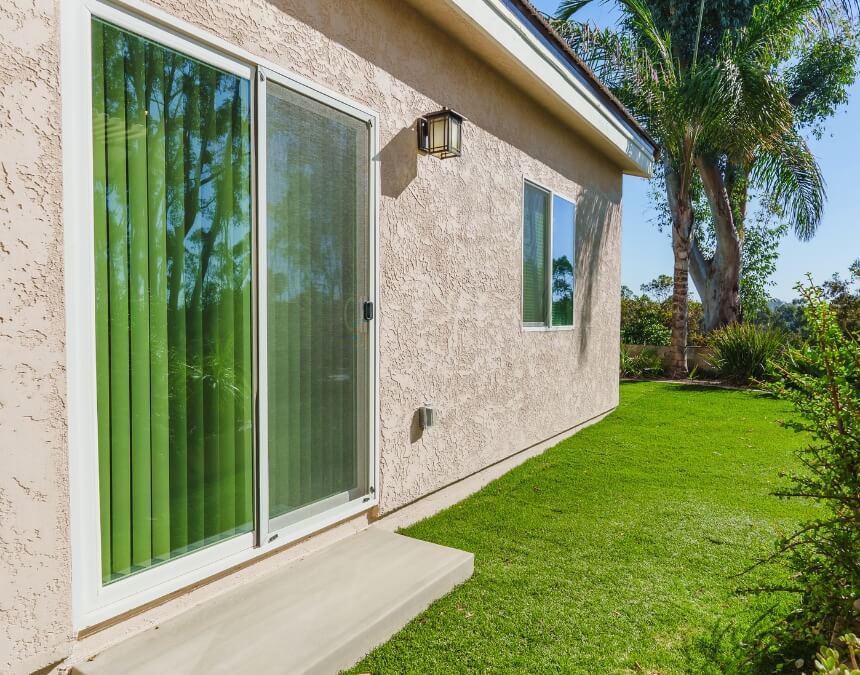
Choose the flattest location for your ADU—level terrain reduces engineering costs and shortens construction timelines significantly.
Navigating Zoning and Legal Requirements
California law gives homeowners strong, statewide rights to build ADUs, and cities can’t use subjective discretion to block them. What local jurisdictions can do is apply objective development and design standards—things like height limits, exterior materials, roof form, or window placement—as long as those standards don’t eliminate your ability to build at least one state-allowed ADU. So before finalizing design, you always want to confirm your local ADU ordinance plus any property overlays (coastal zone, historic district, very high fire hazard severity zones, etc.), because those can affect placement, height, or special review steps.
Regulations for ADU Size and Setbacks
California’s baseline size and setback rules create the legal “box” your ADU has to fit inside:
Size limits:
- Detached ADUs are generally allowed up to 1,200 sq ft, regardless of the main home’s size. (ADU West Coast)
- Attached ADUs can be up to 50% of the primary residence’s living area, but not more than 1,200 sq ft. (LADU)
- Even if a city adopts smaller local caps, it must still allow at least 850 sq ft for a 1-bedroom ADU and 1,000 sq ft for a 2-bedroom ADU in many cases. (Quality First Builders)
Setbacks:
- For most new-construction ADUs, the statewide standard is no more than 4 feet from the side and rear property lines. Cities can allow less, but can’t require more in a way that blocks a compliant ADU. (California.Public.Law)
- If you’re building under the statewide “800 sq ft exemption” (Government Code §66323), the city is limited to a tight set of objective standards: 800 sq ft max, 4-ft side/rear setbacks, and height limits tied to transit proximity. (California.Public.Law)
San Diego note: the city’s ADU bulletin confirms that local base-zone setbacks can apply when they’re less than the 4-ft minimum, and height can change which setback standard controls—so local review still matters. (San Diego)
Innovative Solutions: Building Over Garages or Driveways
When a lot is tight, creative footprints are often how homeowners stay compliant without giving up the entire yard. California allows ADUs above garages or in other vertical configurations as long as they meet the same statewide size/height/setback envelope. (ADUPlanet)
This matters on smaller San Diego parcels where backyard depth is limited: using an existing garage footprint or stacking the unit can preserve open space and reduce new site disturbance, while still staying within state and local objective standards. (Samara)
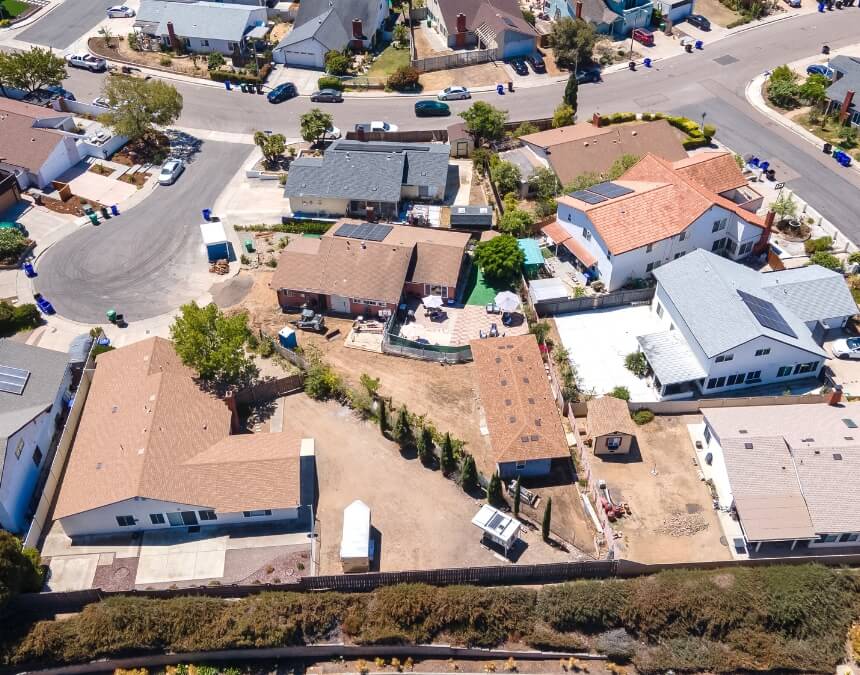
Zoning and objective design standards shape your ADU’s size and placement—review local rules early to avoid project delays.
Utility Considerations
Utilities are one of the biggest real-world feasibility filters for any ADU lot. Ideal lots have short, direct tie-ins to sewer, water, electricity, and (if used) gas, and the existing systems have enough capacity to serve a second dwelling without major upgrades. San Diego builders flag utility distance and load limits as frequent “hidden costs,” so checking utilities early is key to avoiding budget surprises.
Efficient Utility Connection Strategies
The most cost-effective ADU projects start with a clear utility plan:
- Map every existing line before design.
San Diego ADU feasibility studies routinely locate sewer, water, gas, and electrical lines first, because discovering conflicts mid-build often forces reroutes and change orders. - Verify water service capacity (meter + lateral).
Your ADU will connect to the private water line between the meter and the main home; if the meter or lateral is undersized for an added unit’s fixture count, the water district may require an upgrade. - Confirm electrical load / panel capacity.
Most ADUs require a proper load calculation and often a panel upgrade or subpanel to meet California Electrical Code and Title 24 requirements; detached units may also need a dedicated utility pathway or separate metering depending on jurisdiction. (Better Place Design & Build) - Check sewer line capacity and route early.
Sewer laterals sometimes need upsizing or re-routing, especially if the ADU is far from the existing cleanout or if the line is old/undersized. Planning the sewer connection before finalizing size and location helps avoid redesign later. - Know the fee rules.
Under the California ADU Handbook, agencies generally can’t treat an ADU like a brand-new residential use for utility capacity charges, which helps limit surprise connection fees compared with a new standalone home.
Put simply: the more utility-ready your lot is—short runs, clean routes, and enough capacity—the more “ideal” it is for an ADU.
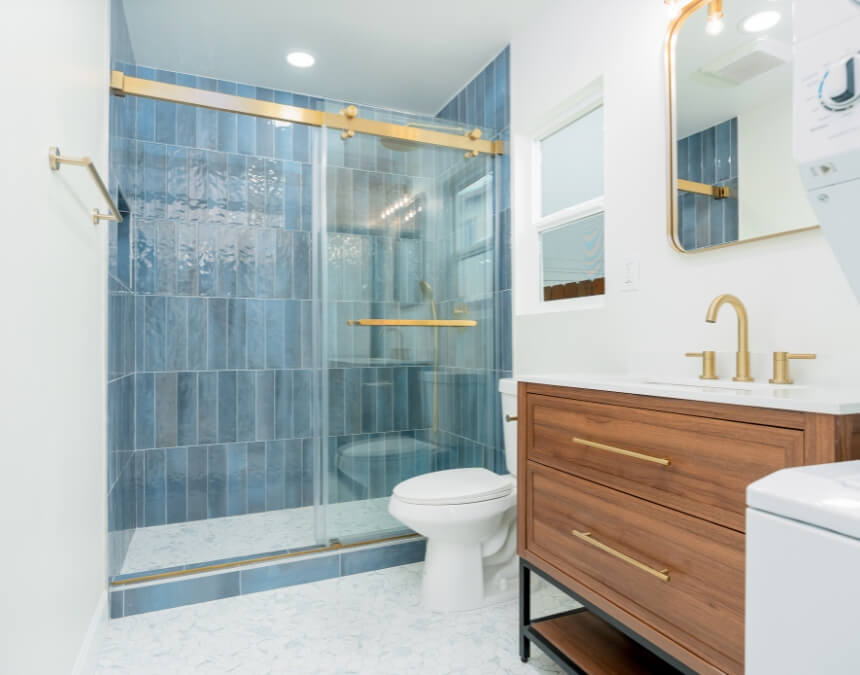
Before designing your ADU, assess sewer, water, and electrical capacity—these determine feasibility and prevent costly redesigns.
Future-Proofing Your ADU Lot
When you’re choosing where an ADU should go, think beyond permitting and construction—think about how you’ll want to use the unit 5–15 years from now. Lots that naturally support privacy, independent access, and flexible layouts usually deliver the most long-term value because they work for rentals, family needs, or resale. In San Diego, this future-proofing mindset matters even more as local ADU rules evolve and neighborhood patterns shift. The best ADU placements are the ones that feel like a true second home, not an afterthought tucked into leftover space.
Resale Value and Market Potential
ADUs are no longer a quirky add-on in California—they’re now a mainstream housing asset and a recognized part of the state’s overall housing production. Since the 2016–2022 reforms, ADUs have grown into a large share of new housing statewide, which signals that buyers, appraisers, and cities increasingly view them as normal, valuable improvements to single-family and multifamily properties. This is why “ideal lot” planning should include resale logic: a well-sited ADU that has its own clear entry, patio/yard allowance, and separable feel will be far easier to market later than one that compromises the main home’s livability.
Flexibility for Multigenerational Living
A lot becomes especially future-proof when the ADU placement supports multigenerational living without friction. Homeowners consistently say ADUs are appealing because they let aging parents, adult children, or extended family live close while still keeping independence and privacy. That means the “best” lot layout often isn’t the one that squeezes an ADU into the tightest corner—it’s the one that allows a real, livable home with separation, quiet, and dignity. Designing for this flexibility keeps your ADU useful even if your rental needs change later.
State-Specific Insights
California’s ADU reforms have created strong, statewide “by-right” opportunities that apply to most residential lots, and those policies have driven massive growth. San Diego builds on the state framework with a Bonus ADU Program that—especially in Transit Priority Areas (TPAs)—has allowed additional units beyond the normal state minimums, though recent City Council actions have tightened that program in some single-family zones. (California YIMBY)
ADU-Friendly Policies in California (with trend stats)
California is the most ADU-friendly state in the country because state law sets the floor for what cities must allow, and that legal clarity has translated into real production. According to permitting data compiled by HCD and summarized by California YIMBY:
- California ADU boom: ADU permits increased 15,334% from 2016 to 2022, totaling 83,865 ADUs permitted statewide in that period. (California YIMBY)
- Major share of housing: By 2022, 19% of all housing units produced in California were ADUs—nearly 1 in 5 new homes. (California YIMBY)
- Growth still accelerating: Outside of the pandemic year, ADU permitting has been rising 42% to 76% year-over-year since 2016, suggesting continued momentum. (California YIMBY)
These numbers matter for homeowners because they show ADUs aren’t a niche workaround anymore—they’re a core part of how California adds housing, and cities must keep their ordinances aligned with that state direction. The California Department of Housing and Community Development (HCD) frames ADUs and JADUs as a key tool for adding housing statewide.
San Diego Bonus ADU Program (local stats + policy watch)
San Diego is one of the strongest local examples of how state ADU law translates into on-the-ground building. A UC San Diego Center for Housing Policy and Design (CHPD) analysis found that:
- San Diego County surge: Between 2020 and 2024, ADU permits more than tripled, while completed ADUs increased by 480%.
- Where growth is concentrated: Most new ADUs are located in the City of San Diego and unincorporated county areas, with Oceanside, Chula Vista, and Encinitas also showing significant growth.
San Diego’s Bonus ADU Program has been a big contributor to that surge, because it historically allowed additional ADUs in TPAs when homeowners or developers included deed-restricted affordable units.
Policy update: The City Council has begun scaling back parts of the program for some single-family areas after neighborhood backlash. Axios reported the rollback process starting in March 2025, and subsequent coverage confirms the Council vote to cap or restrict bonus ADUs on single-family lots in mid-2025. The practical takeaway is that bonus eligibility now varies more by zone and neighborhood than it did before. (Axios)
Bottom line for San Diego homeowners: you’re still operating in one of California’s most ADU-active markets, but the exact number of units and incentives you can access depends on whether your lot is in a TPA and how current bonus rules apply to your zone.
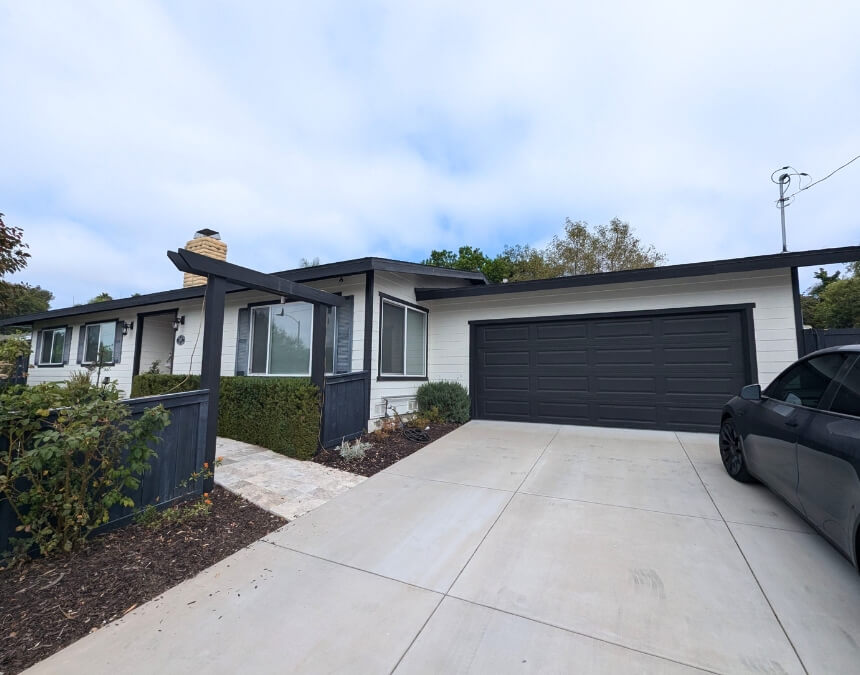
California’s statewide ADU laws offer strong by-right protections—verify your local overlays to take full advantage of them.
Conclusion
ADUs are growing because they solve practical homeowner needs and help California add housing in a way that fits existing neighborhoods. As one industry leader put it, ADUs can “add more housing without changing neighborhood character.”
Homeowners are clearly on board: 66% of California homeowners have considered adding an ADU, and 87% support neighbors building one. That level of interest is exactly why cities like San Diego continue refining their rules to encourage well-designed, well-placed backyard homes.
If your lot is flat, accessible, and utility-ready, you’re likely closer to an ADU than you think. And even if your property isn’t “perfect,” California’s by-right ADU laws mean most homeowners still have a clear path forward. The next step is simple: evaluate your buildable area, confirm utilities and access, then talk with an ADU specialist to map out the most cost-effective placement for your site.
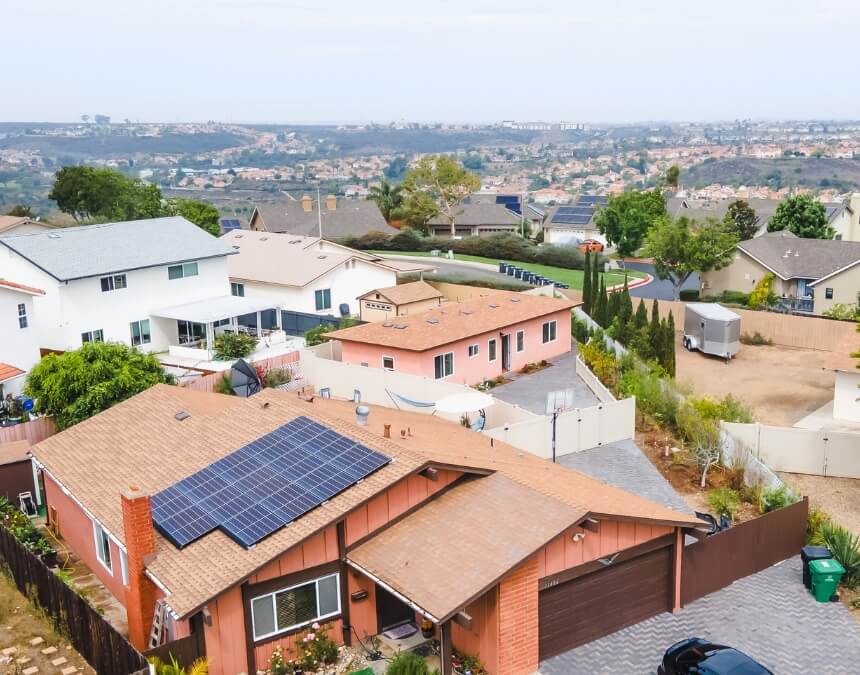
Plan your ADU for long-term flexibility—privacy, access, and layout choices now will boost property value and rental appeal later.
Frequently Asked Questions
A good lot size is one that comfortably fits the house you want plus required setbacks, outdoor space, parking, and future flexibility. What counts as “good” varies by neighborhood, but practically it means the lot meets local zoning standards without forcing cramped design or variances.
California has no statewide minimum lot size for ADUs. If an ADU can fit within required setbacks and objective standards, a city can’t deny it simply because the parcel is small.
The best ADU lots minimize cost and friction. Key factors are:
- Topography: flat or gently sloped lots are cheaper and simpler to build on.
- Buildable area: enough clear space to fit an ADU while meeting setbacks and fire access.
- Construction access: a side yard, driveway, or alley wide enough for crews and materials.
- Utilities: short, direct sewer/water/electric/gas connections with enough capacity.
- Constraints: few or no easements or overlays limiting where you can build.
Zoning controls where the ADU can go and its allowable size through setbacks, height limits, and lot coverage/FAR rules. An ideal lot is one where an ADU fits inside these rules without needing variances.
Building codes set the safety and engineering requirements for the site—foundation type, slope/soil standards, fire separation, access paths, and utility load needs. Even if zoning allows an ADU, codes determine what the lot must support to build it safely and legally.
More Projects
-
ADU Trends & Insights
Using a HELOC to Fund an ADU in California?
A HELOC lets California homeowners fund an ADU in phases using home equity, paying interest only on what they use. In San Diego, strong rental income often offsets payments, though variable rates and post–draw-period repayment increases should be considered.
-
ADU Trends & Insights
What Is ADU Project Management?
ADU project management is the process of overseeing every stage of an accessory dwelling unit project to ensure it stays on schedule, within budget, and compliant with local regulations. It involves coordinating architects, contractors, and inspectors while managing permits, timelines, and construction milestones. Effective project management also includes tracking costs, minimizing delays, and maintaining clear […]
-
ADU Trends & Insights
Construction Loans vs. Personal Loans for ADUs: What Do California Homeowners Need to Know?
Building an ADU in California typically requires high financing and San Diego homeowners usually choose between construction loans, which are based on the future value of the property, and personal loans, which offer fast approval but higher interest rates.
-
ADU Trends & Insights
How to Finance an ADU in San Diego
ADUs are growing popular in San Diego, offering housing for family or rental income, but demand substantial upfront investment.
-

ADU Trends & Insights
Are Pre-Approved ADU Plans Right for You in San Diego?
Compare pre-approved vs. custom plans and why the cheapest option isn't always best.
-
ADU Trends & Insights
Downsizing to an ADU: Benefits, Costs, and Key Considerations
Downsizing to an ADU means moving into an Accessory Dwelling Unit—a smaller, self-contained home on your property—while renting out or repurposing your main house.
-
ADU Trends & Insights
What Is an ADU Cost Calculator and How Much Does It Cost to Build an ADU in California?
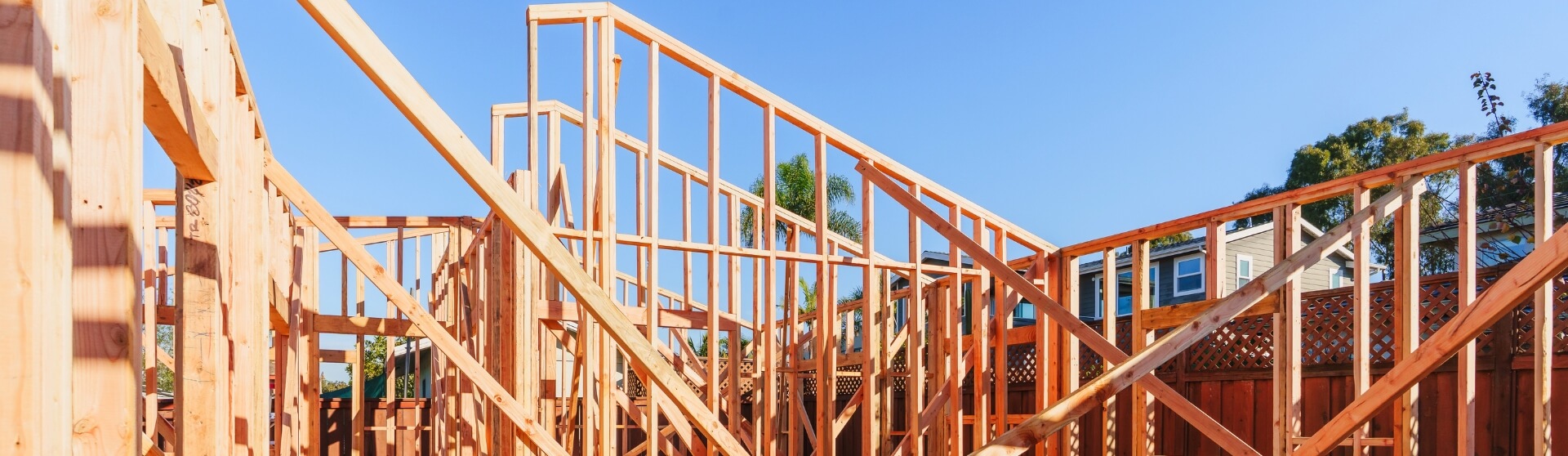
An ADU cost calculator helps California homeowners estimate the cost of building an accessory dwelling unit based on factors like square footage, construction type, utility work, site conditions, and finish quality. In California, ADU construction costs typically range from $100,000 to $200,000, although detached ADUs with premium finishes or difficult site conditions can exceed that […]
-
ADU Trends & Insights
What Is the Cost of Building an ADU in California?
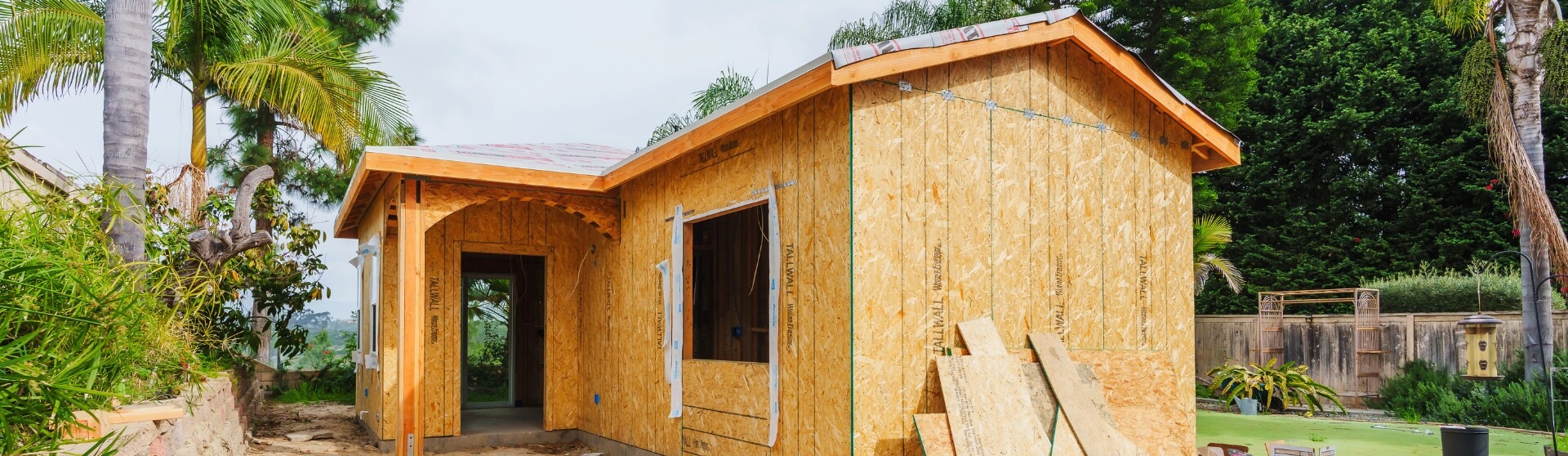
The cost of building an ADU in California varies based on factors such as size, design, site conditions, utility work, and local fees. A statewide homeowner survey found that the median ADU construction cost is $150,000, or approximately $250 per square foot, providing a useful benchmark for homeowners planning an ADU. The California Department of […]
-
ADU Trends & Insights
Can an HOA Prevent an ADU in California?
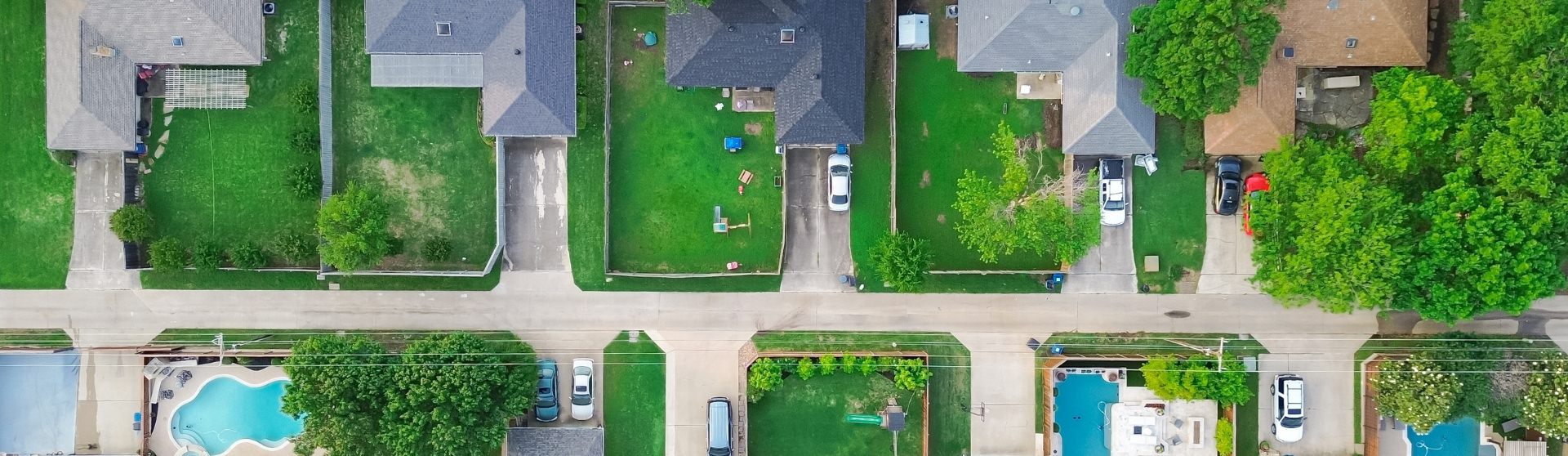
If you’re part of a homeowners association and considering building an accessory dwelling unit on your property, it's key to consider any rules your HOA may have about ADUs.
-
ADU Trends & Insights
How Do You Compare ADU Builder Quotes in San Diego and California?
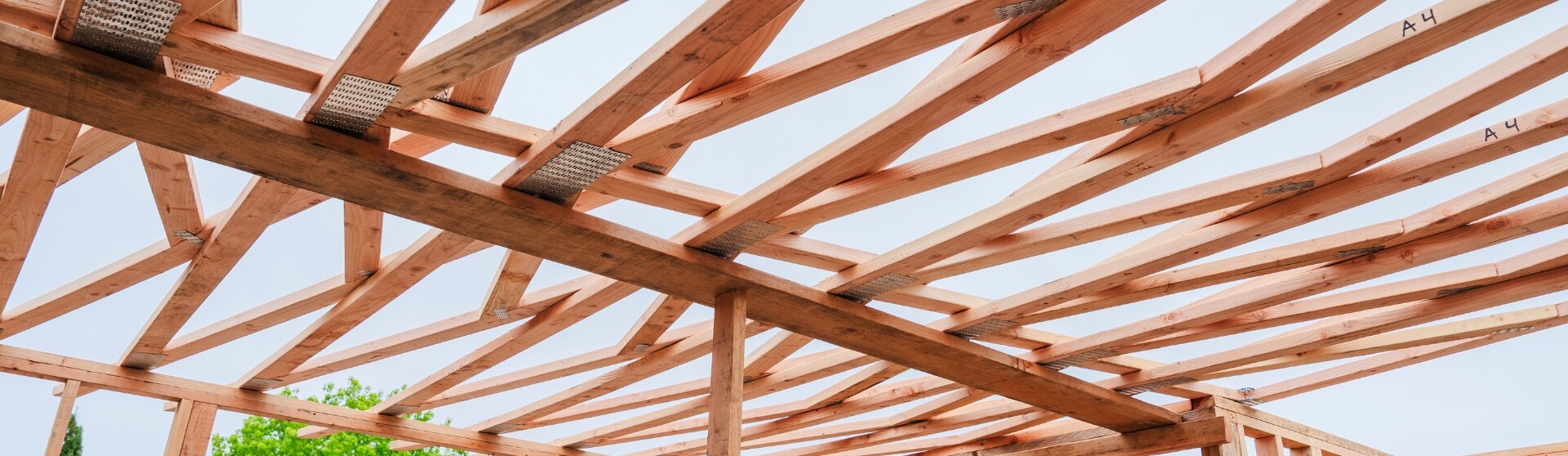
Compare itemized ADU quotes—labor, materials, permits, timelines—to ensure transparent pricing, true value, and no surprise costs.
-
ADU Trends & Insights
Custom ADU: Your Ultimate Guide
A custom ADU may cost more than manufactured or prefab units, depending on size, type, and finishes, but it offers several benefits.
-
ADU Trends & Insights
What Are Stacked Accessory Dwelling Units (ADUs)?
Stacked ADUs are two fully independent accessory dwelling units built vertically in a single two-story structure, allowing California homeowners to add multiple homes on one lot without increasing the building footprint when local height and zoning rules allow.
-
ADU Trends & Insights
What Is ADU Construction?
ADU construction involves planning, permitting, and building a self-contained living space on a residential property — adding value, flexibility, and income potential without buying new land.
-
ADU Trends & Insights
What Are ADU Owner Occupancy Requirements?
ADU owner occupancy requirements are rules that require a property owner to live on the same lot as an accessory dwelling unit, either in the primary residence or the ADU itself. These rules were historically imposed by local governments to discourage absentee landlords and preserve neighborhood character. In California, however, owner-occupancy requirements for ADUs are […]
-
ADU Trends & Insights
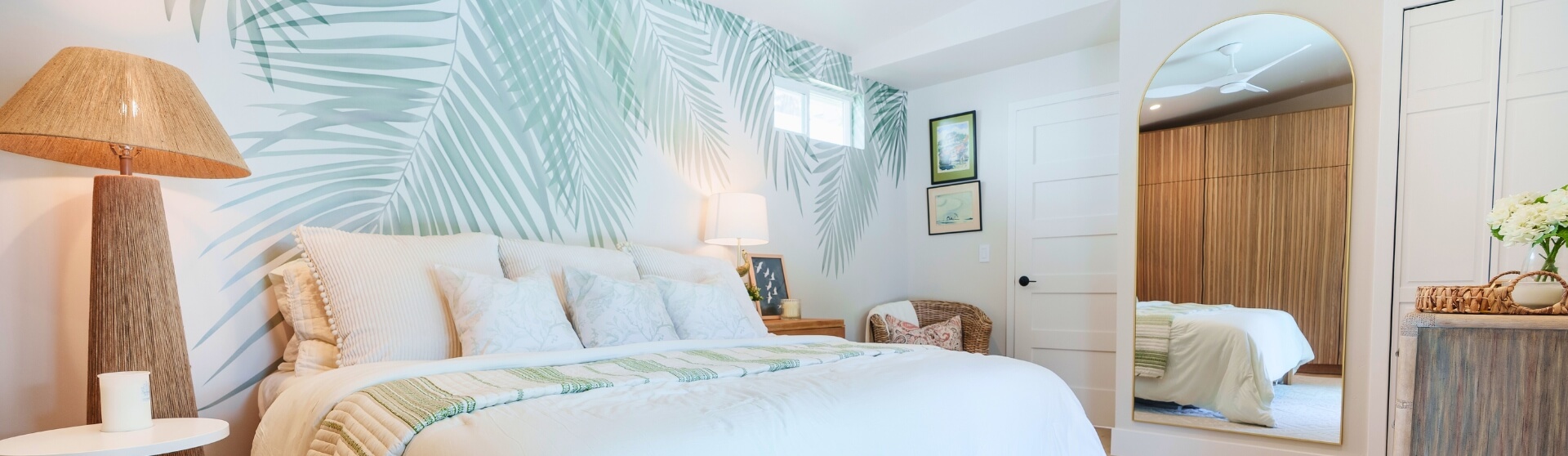
How Does Choosing the Right Color Scheme Impact an ADU’s Design and Value?
Choosing the right ADU color scheme—especially light, neutral palettes with intentional accents—can make small spaces feel larger, improve livability, and increase rental and long-term property value.
-
ADU Trends & Insights
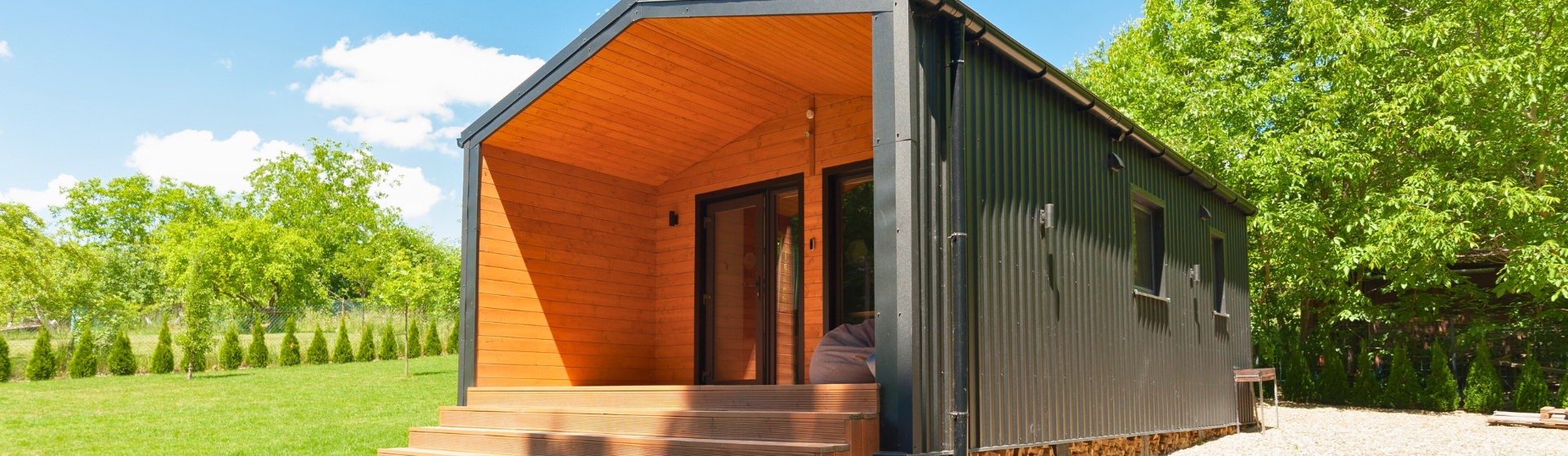
ADU Manufactured Homes in San Diego: Are They Right for You?
Discover whether a manufactured home is the right choice by exploring costs, regulations, benefits, and potential drawbacks.
-
ADU Trends & Insights
What Is an ADU Cost Breakdown?
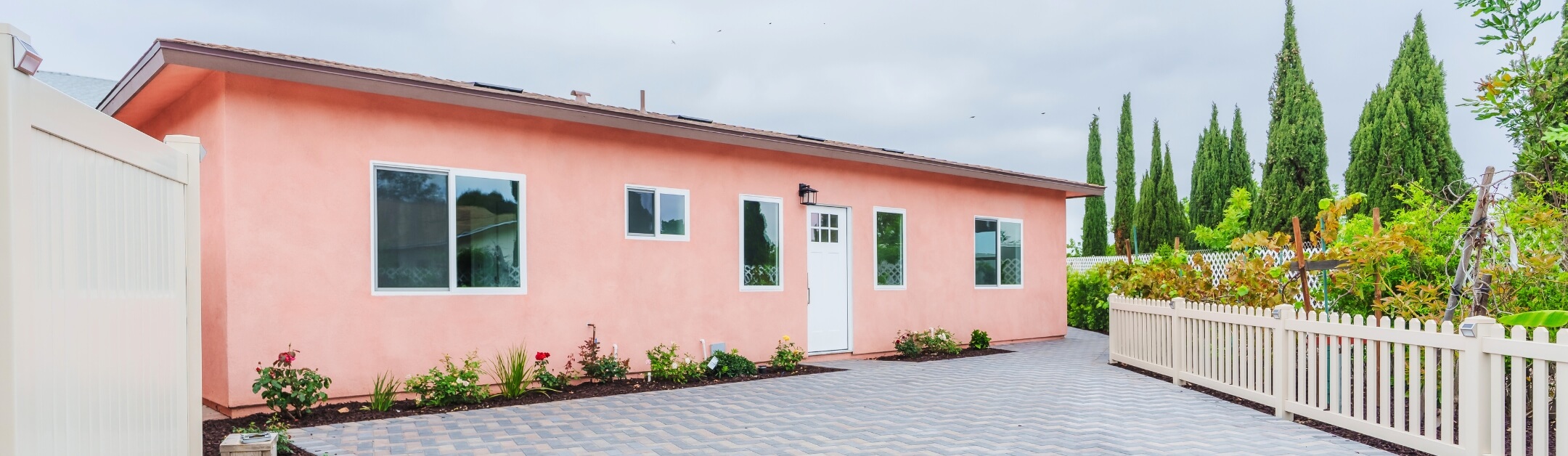
An ADU cost breakdown shows where your budget goes—hard construction costs (about 85–90%) versus soft costs like plans, permits, and city fees (about 10–15%)—so you can set realistic expectations and avoid surprises.
-
ADU Trends & Insights
How Do You Design the Perfect Granny Flat?
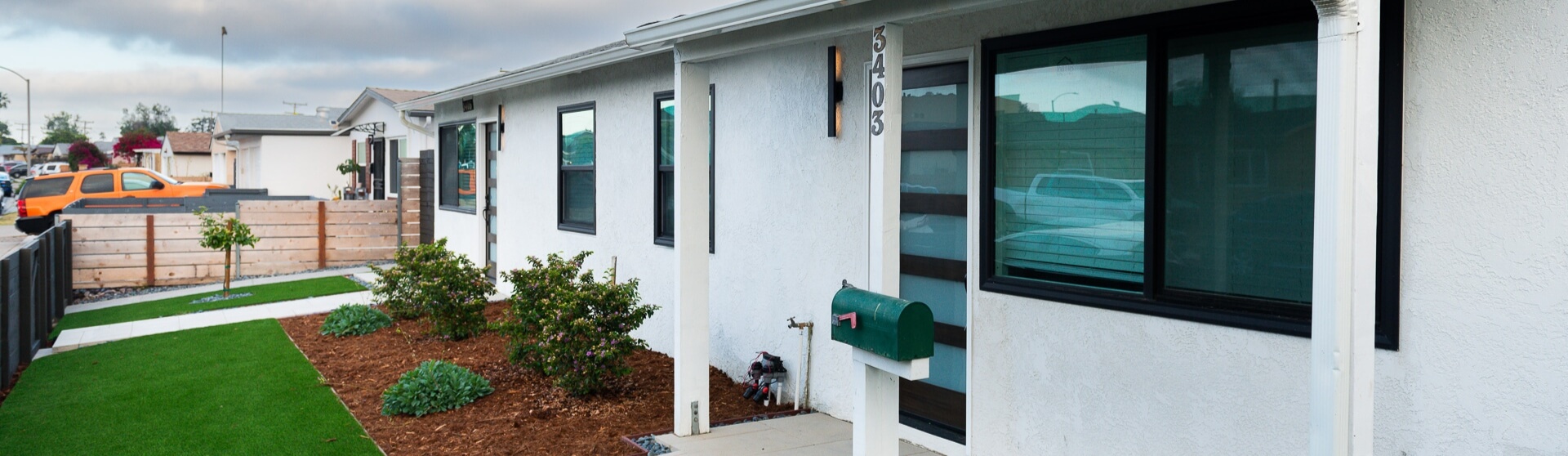
Designing the perfect granny flat starts with understanding local ADU regulations, defining the unit’s intended use, and planning a layout that maximizes comfort within a compact footprint. In California, granny flats—legally classified as Accessory Dwelling Units (ADUs)—must comply with state and local rules covering size, setbacks, and permitting. A successful design balances budget, livability, and […]
-
ADU Trends & Insights
How to Build an ADU in the San Diego Coastal Zone
Building an ADU in San Diego’s Coastal Zone requires checking if the property is in the Coastal Overlay Zone, which typically triggers a Coastal Development Permit or exemption.
-
ADU Trends & Insights
Best ADU Designs
Explore essential ADU design trends and practical insights, from layout optimization to style choices, ensuring your accessory dwelling unit maximizes comfort, functionality, and investment potential.
-
ADU Trends & Insights
SB9 vs ADU: What’s the Difference and Which Is Better?
While promising, the complexity and lengthy approval process of SB9 projects make traditional accessory dwelling units (ADUs) an often simpler and quicker alternative for expanding property use.
-
ADU Trends & Insights
How Many ADUs Can You Have on Your Property in California?
Understand California's rules for ADUs and JADUs, including property limits, zoning laws, and strategies to maximize space, rental income, and property value.
-
ADU Trends & Insights
How Do You Budget for an ADU Build in California and San Diego?
Learn how to budget for an ADU in California and San Diego by understanding costs, timelines, financing options, and strategies to avoid surprises and maximize long-term value.
-
ADU Trends & Insights
Are ADUs a good alternative to nursing homes for California homeowners?
ADUs offer California homeowners a practical alternative to nursing homes by allowing aging parents to live independently on the same property, supporting aging in place while turning ongoing care costs into a long-term home investment.
-
ADU Trends & Insights
When Should You Build an ADU in San Diego?
ADU construction involves planning, permitting, and building a self-contained living space on a residential property — adding value, flexibility, and income potential without buying new land. In California, ADUs now make up about one in six new homes, reflecting their growing role in solving the state’s housing shortage.
-
ADU Trends & Insights
How Does ADU Construction Work in San Diego, CA?
San Diego’s ADU process is fast and flexible, with permits approved within 60 days and options for detached units up to 1,200 sq. ft. or garage conversions. Thanks to state laws and the city’s ADU Bonus Program, homeowners can build quickly, add value, and even earn extra units by including affordable housing.
-
ADU Trends & Insights
What are the universal design principles for ADUs?
Universal design principles for ADUs focus on creating safe, flexible, and comfortable homes—using features like step-free entries, wider doorways, accessible bathrooms, and intuitive layouts—so the space remains usable for people of all ages and abilities over time.
-
ADU Trends & Insights
Why ADUs & Costs Matter in San Diego
Planning an ADU in San Diego? Get the lowdown on all the hidden costs that can catch you off guard.
-
ADU Trends & Insights
20 Day Preliminary Notice for ADUs in California: Requirements and Deadlines
A California 20-Day Preliminary Notice is a required filing for most ADU projects that subcontractors and suppliers must send within 20 days of providing labor or materials, notifying owners, contractors, and lenders.
-
ADU Trends & Insights
How Long Until an ADU Pays for Itself?
Most ADUs pay for themselves within 5–15 years by combining rental income and property value appreciation, with faster payback in high-demand markets like San Diego.
-
ADU Trends & Insights
When Do You Need a Survey for an ADU in San Diego?
A survey for an ADU in San Diego is typically required when the new unit is built close to property lines, situated on a sloped or irregular lot, or when local regulations mandate setback verification.
-
ADU Trends & Insights
Should You Build Your ADU Yourself or Hire a Contractor in San Diego, California?
Building your own ADU in San Diego can save on labor and contractor markup, but it’s essentially managing a small-house build with permits, trades, and inspections—so hiring an experienced contractor (or using a hybrid approach) often reduces delays, risk, and costly mistakes.
-

ADU Trends & Insights
Is it Worth It To Build An ADU in 2026? Assessing the ROI of Building an ADU
Discover the financial benefits and pitfalls of building an ADU with our comprehensive, detailed guide.
-
ADU Trends & Insights
What Are the Key Differences Between Attached and Detached ADUs in California?
An attached ADU shares at least one wall or structural connection with the primary residence, while a detached ADU is a standalone structure located on the same property. Both provide complete independent living facilities, including areas for living, sleeping, cooking, and sanitation, but they differ in privacy, construction requirements, utility infrastructure, design flexibility, and rental […]
-
ADU Trends & Insights
Where Can ADUs be Built in San Diego, CA?
ADUs are allowed on nearly all residential lots in California, including single-family and multifamily properties, under state law. In San Diego, any property zoned for residential use qualifies, making it easier than ever for homeowners to add an ADU and expand their living or rental space.
-
ADU Trends & Insights
What Are ADU Electrical Requirements in California?
Get the complete breakdown of electrical requirements for ADUs in California, from panel upgrades to solar compliance, to help you build safely and within code.
-
ADU Trends & Insights
What Qualifies as an ADU?
ADUs are reshaping the California housing market, providing homeowners with cost-effective, independent living spaces to meet diverse needs.
-
ADU Trends & Insights
California ADU Law: The Ultimate Guide
California has streamlined ADU construction to address the housing crisis, but development standards still apply. Check local regulations before starting your project.
-
ADU Trends & Insights
ADU vs JADU: What’s the Difference?
Explore the crucial differences between ADUs and JADUs—including size, regulations, costs, and ROI—to determine the best fit for your property and goals.
-
ADU Trends & Insights
What Are the Best Floor Plans for ADUs?
The best ADU floor plans are goal-driven and code-compliant—using efficient layouts like studios, 1-bed/1-bath rentals, or split-bedroom designs that maximize light, privacy, and flexibility while fitting your lot and budget.
-
ADU Trends & Insights
Setback Requirements for ADUs in San Diego
Ensure your ADU meets California's setback requirements—learn essential rules, local variations, and expert tips to maximize your space and streamline permitting.
-
ADU Trends & Insights
How Much Does an ADU Increase Property Value?
Discover how adding an ADU can significantly boost your property value, generate rental income, and enhance long-term equity—all while making the most of your available space.
-
ADU Trends & Insights
Do You Trust Your Builder?
You can trust your ADU builder when they prove real ADU experience, proper California licensing/insurance, and clear written contracts, not just a good sales pitch.
-
ADU Trends & Insights
What Is ADU Rental Income and Why Are California Homeowners Investing in It?
Explore how to maximize rental income from an ADU with tips on design, rental strategies, and legal considerations to turn your ADU into a profitable investment.
-
ADU Trends & Insights
What Is a Retaining Wall for an ADU?
A retaining wall for an ADU is a structural wall designed to hold back soil, stabilize slopes, and create a level building area. These walls help prevent erosion, protect the structure from water damage, and make construction possible on sloped or uneven lots.
-
ADU Trends & Insights
What Are Vaulted Ceilings and High Ceilings in ADUs and Are They Worth It in California?
Vaulted ceilings enhance ADUs by maximizing vertical space, increasing natural light, improving comfort, and boosting long-term property value in California when designed and built correctly.
-
ADU Trends & Insights
13 Common Misconceptions About ADUs
Uncover the truth about ADU misconceptions and navigate construction, costs, and regulations for informed decisions.
-
ADU Trends & Insights
How We Make Your ADU’s Interior Design Stress Free & Feel Like Home
Our interior designers simplify the finish selection process—so you get a stylish, renter-friendly ADU without the stress, delays, or costly mistakes.
-
ADU Trends & Insights
What Is a Casita? Definition, Uses, and How It’s Different From an ADU
Casitas are stylish, small ADUs under 800 sq. ft., perfect for guests, rentals, or in-law suites. Discover the benefits, costs, and designs.
-
ADU Trends & Insights
What Roofing Options Are Best for ADUs in California (Especially San Diego)?
The best ADU roofing in California (especially San Diego) balances budget, durability, and curb appeal—using options like asphalt shingles, metal, tile, or low-slope membranes that meet Title 24 cool-roof/solar requirements and hold up to intense sun, heat, and wildfire risk.
-
ADU Trends & Insights
Garage ADU: What It Is, Costs, Rules, and Conversion Options
Unlock your property's potential by converting your detached garage into a cost-effective, versatile ADU that increases property value and generates rental income.
-
ADU Trends & Insights
Why Do You Need an Experienced ADU Builder in California?
An experienced ADU builder helps homeowners navigate California’s complex permitting rules, zoning regulations, and construction requirements while avoiding costly mistakes and delays. Accessory Dwelling Units (ADUs) are secondary housing units built on the same property as a primary residence and can include detached backyard homes, attached additions, garage conversions, or basement apartments with independent living […]
-
ADU Trends & Insights
How to Finance an ADU Project in California
California homeowners can finance an ADU using home equity, cash-out refinancing, construction or renovation loans, and programs like San Diego’s SDHC (up to $250K), with rental income often helping offset the $200K–$450K build cost.
-
ADU Trends & Insights
Spanish Style ADUs
Explore the timeless elegance of Spanish-style ADUs with iconic features like stucco walls, red tile roofs, and stunning architectural details.
-

ADU Trends & Insights
The Perfect ADU Kitchen
Discover how smart layouts and stylish design choices can transform even the smallest ADU kitchens into luxurious, functional spaces.
-
ADU Trends & Insights
Should You Invest in Building an ADU in San Diego?
Building an ADU in San Diego can be a worthwhile investment for homeowners looking to generate rental income, increase property value, or create flexible living space for family members. An Accessory Dwelling Unit (ADU) is a secondary residential unit built on the same lot as a primary home, and demand for ADUs continues to grow […]
-
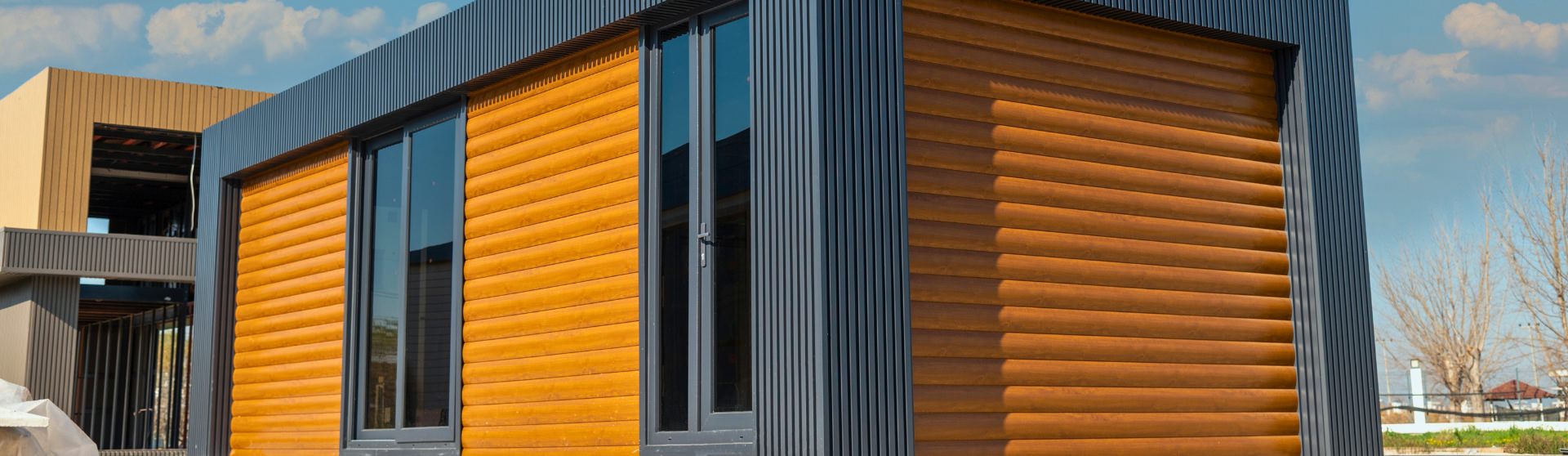
ADU Trends & Insights
Prefab ADUs: Pros and Cons
Explore the pros and cons of prefab ADUs in California, including cost, customization, durability, and ROI, to decide if modular construction suits your needs.
-
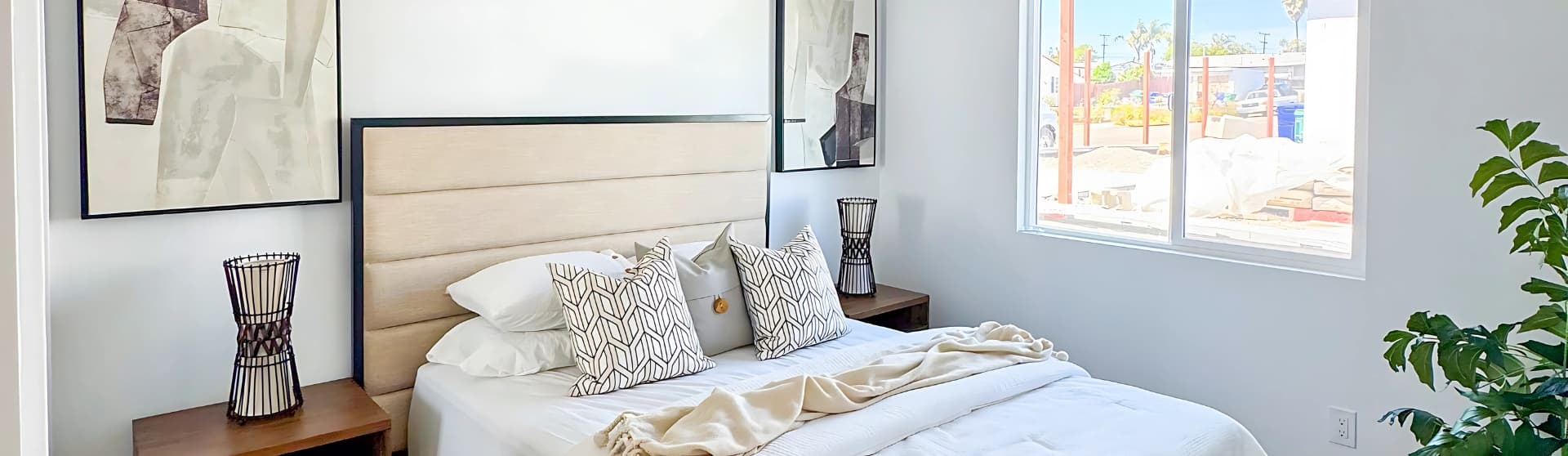
ADU Trends & Insights
What Are the Legal Bedroom Requirements in California?
California has made building ADUs easier to tackle the housing crisis, but specific state and local regulations still apply. Here's what you need to know before starting.
-
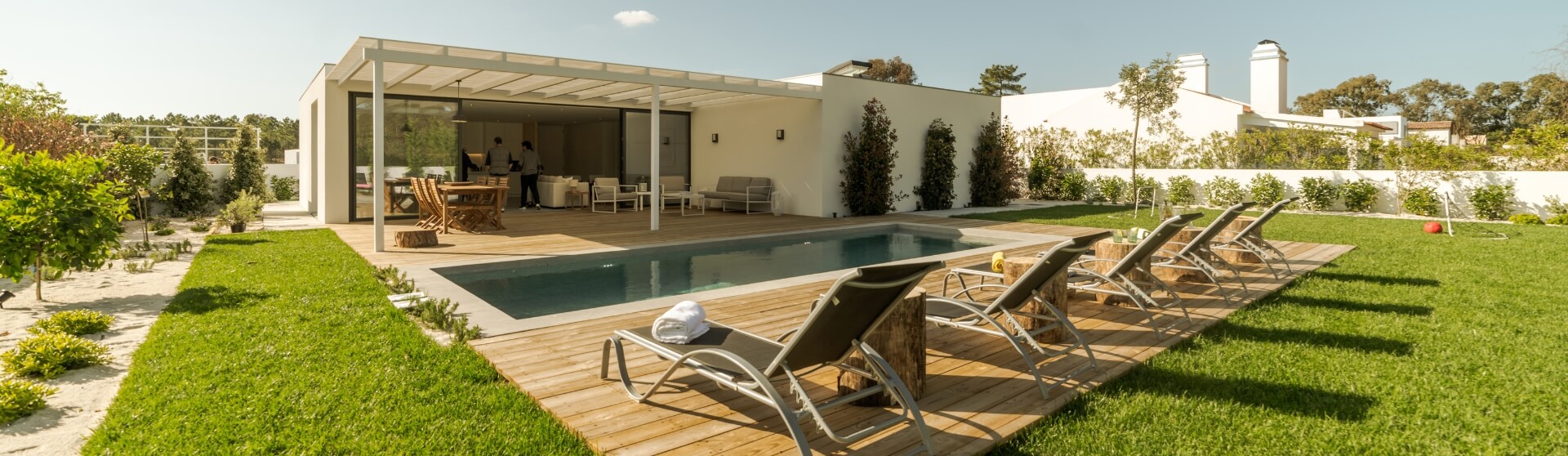
ADU Trends & Insights
How Do You Integrate Outdoor Living Into ADU Design?
Integrating outdoor living features such as patios, decks, and seamless indoor-outdoor connections helps ADUs feel larger, more livable, and more valuable.
-
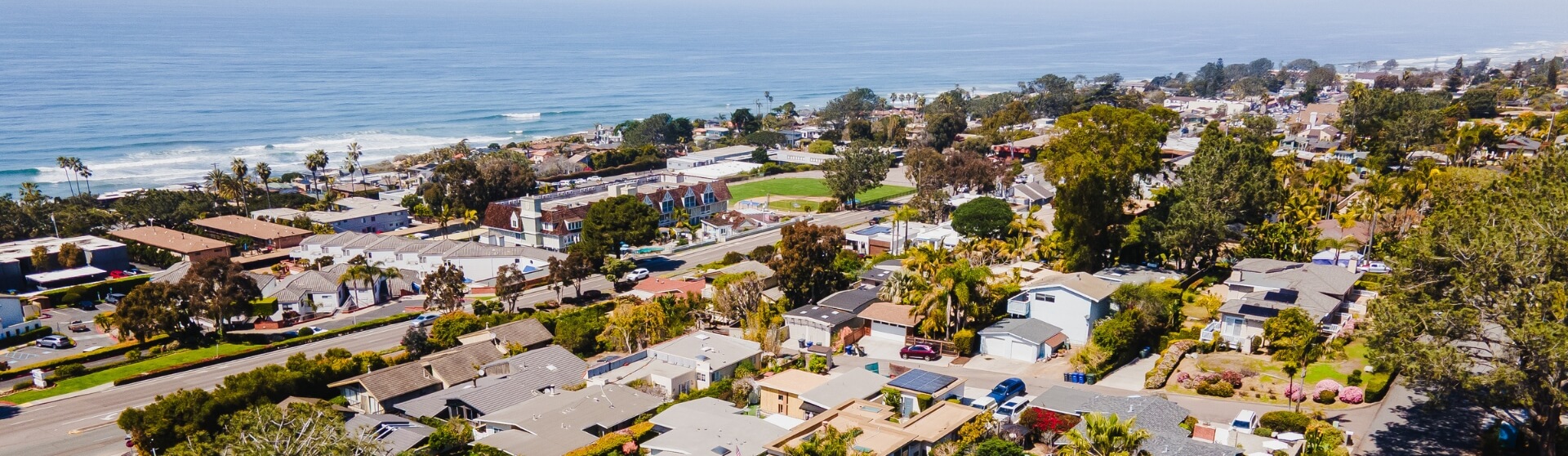
ADU Trends & Insights
Can You Sell an ADU in San Diego?
San Diego's pending ordinance may soon enable homeowners to sell ADUs as separate condominiums, expanding affordable housing opportunities.
-
ADU Trends & Insights
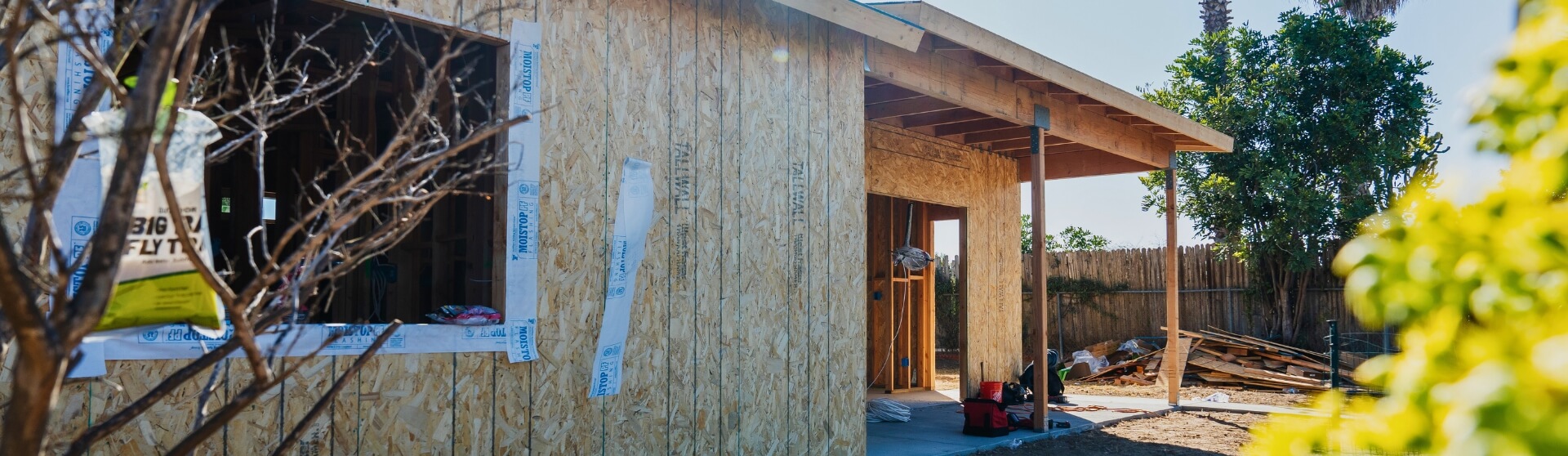
What Is a Granny Flat? Definition, Types, and How They’re Used
Granny flats offer San Diego homeowners flexible housing solutions, from accommodating family to generating rental income, with options including detached builds, garage conversions, or junior ADUs.
-
ADU Trends & Insights
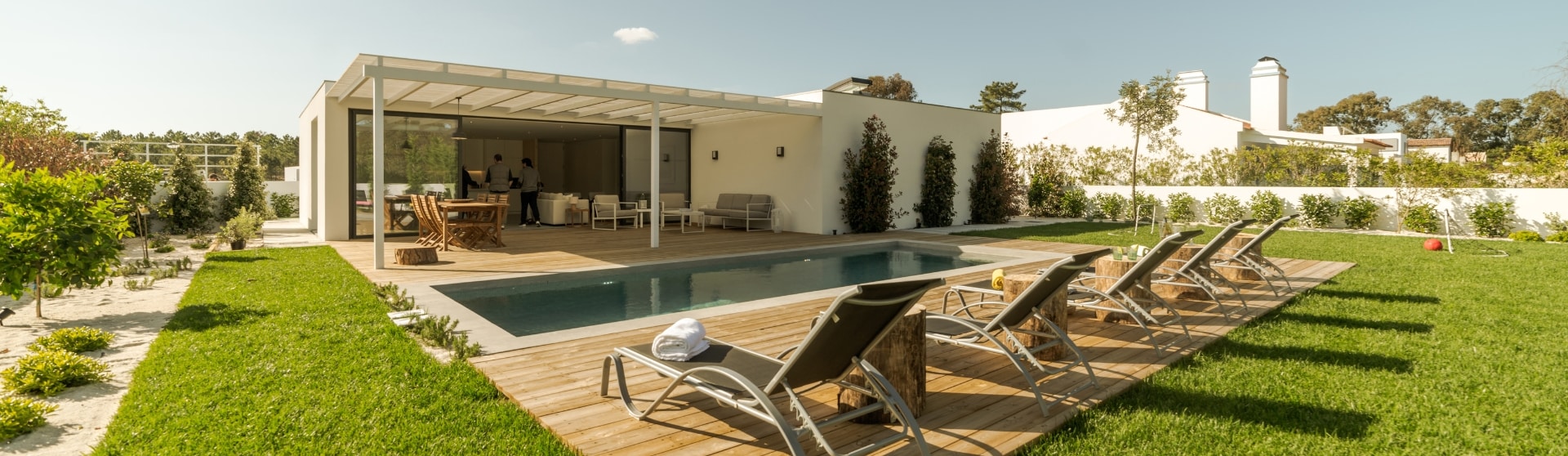
Key Differences Between Pool Houses and ADUs
Discover the differences between pool houses and ADUs to choose the right addition for your property—find out about amenities, regulations, and value impact!
-
ADU Trends & Insights
What is stormwater management for Accessory Dwelling Units (ADUs) in California?
Stormwater management for ADUs is the process of controlling and treating rainwater runoff generated by new backyard cottages or secondary homes.
-
ADU Trends & Insights
What Are the ADU Electrical Requirements in California in 2026?
California ADUs must comply with strict electrical and energy regulations under the California Electrical Code (CEC) and Title 24 energy standards. Most ADUs require detailed planning for electrical panels, load calculations, dedicated circuits, solar readiness, and utility coordination to meet modern safety and efficiency requirements. Homeowners in San Diego and across California often underestimate the […]
-
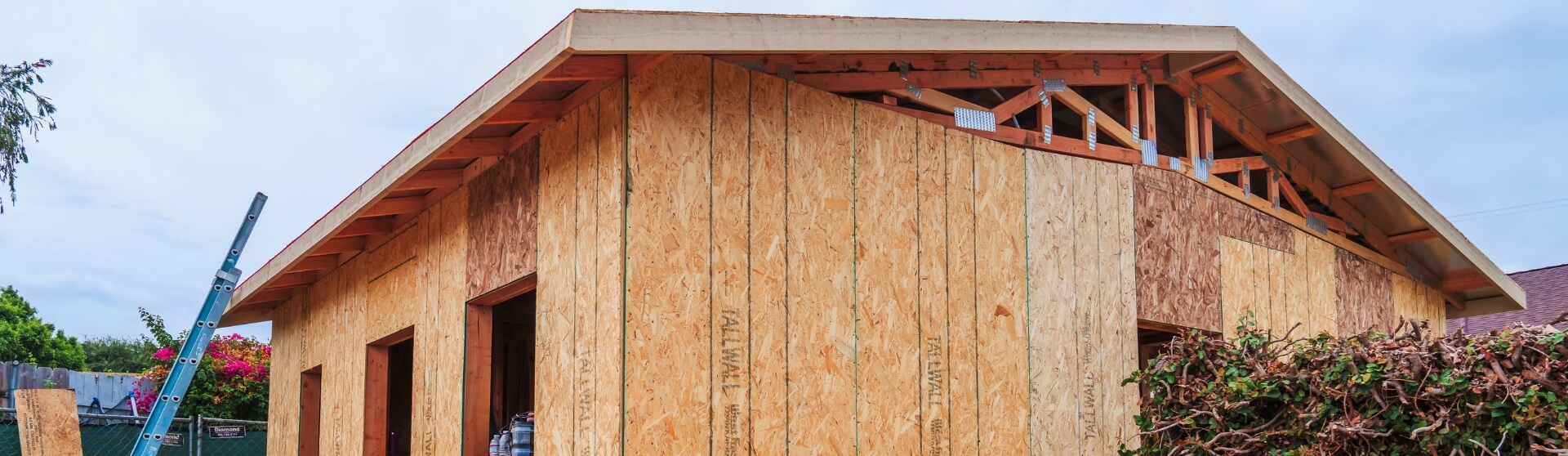
ADU Trends & Insights
What is the importance of an ADU feasibility study in California and San Diego?
An ADU feasibility study is a comprehensive analysis of zoning, site constraints, existing utilities, and a proposed design that determines whether building an accessory dwelling unit is practical and financially viable on a specific property.
-

ADU Trends & Insights
What Are the Best Loan Programs for ADUs in California (San Diego Guide)?
California homeowners can finance ADUs through home equity, construction or renovation loans, cash-out refinancing, and programs like CalHFA (when available) and San Diego’s SDHC, with the best option depending on equity, income, and timing.
-

ADU Trends & Insights
How do ADUs benefit real estate agents in California and San Diego?
ADUs benefit real estate agents in California and San Diego by increasing property value and buyer appeal, creating built-in rental and multigenerational living opportunities, and giving ADU-savvy agents a competitive edge in pricing, marketing, and closing deals in a tight housing market.


