


Construction Loans vs. Personal Loans for ADUs: What Do California Homeowners Need to Know?
 Share
Share
43 min read
Building an ADU in California typically requires financing because projects often range from $100,000 to $400,000+ (Shelterforce). California and San Diego homeowners usually choose between construction loans, which are based on the future value of the property, and personal loans, which offer fast approval but higher interest rates. Construction loans generally provide higher borrowing limits and lower long-term costs, while personal loans work best for smaller or partial ADU projects. Understanding the differences helps homeowners select financing that matches their budget, equity, and timeline.


What Is an ADU?
An Accessory Dwelling Unit (ADU) is a small, self-contained residential unit built on the same lot as a primary residence, complete with its own kitchen, bathroom, and private entrance. Often called granny flats or internal ADUs, these spaces can take the form of detached backyard cottages, attached additions, basement apartments, or garage conversions—depending on local zoning laws and building permits required by California municipalities. ADUs have grown rapidly in California, with San Diego permitting 5,720 ADUs between 2021–2024 (The National Law Review). And because these projects typically cost $100,000 to $400,000+ to build, most homeowners rely on financing options such as construction loans, personal loans, or home equity lines of credit to complete the work (Shelterforce).
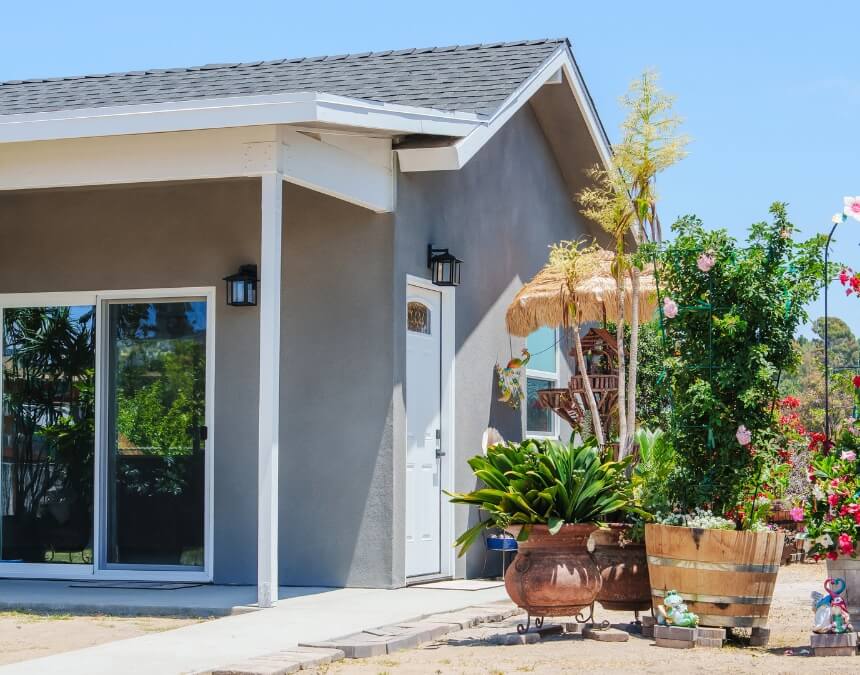
When defining an ADU, emphasize ‘self-contained living’ and note that smart space planning (like combined bath/laundry zones) is what makes small units feel complete.
Construction Loans vs. Personal Loans: What’s the Difference?
What Is a Construction Loan for an ADU?
A construction loan for an ADU is a short-term form of construction financing secured by real estate and based on your home’s future appraised value once the ADU is completed (NerdWallet). Funds are released in phases as work progresses, and the loan typically converts to a long-term fixed-rate loan after construction. These loans offer higher borrowing power but require detailed building plans, architectural designs, and a licensed construction contractor who follows California Building Code and local zoning regulations. Construction loans are often interest-only during the build, making them useful for larger ADU projects or multi-generational living setups.
Key Insight: “These mortgages have an advantage over borrowing from equity: They let you borrow more. That’s because the loan amount is based on the projected value of your property after the ADU is ready for occupancy… In contrast, the amount you can borrow in an equity loan or HELOC is based on the home’s value before the work is done.” — Holden Lewis, NerdWallet.
What Is a Personal Loan for ADU Construction?
A personal loan is an unsecured loan that can be used for ADU construction, often ideal for smaller upgrades like converting a garage into a home office or finishing an internal ADU. These loans typically come with higher interest rates and lower borrowing limits, most commonly capped at $50,000–$100,000 (Otto ADU). Because lenders focus on credit, Household Income, and debt—not home equity—personal loans avoid the need for permits, soil tests, or contractor agreements required for larger projects. They also often include origination fees and shorter repayment timelines.
Additional Insights:
- The average personal loan APR is 12.25% as of 2025 (Bankrate).
- These loans offer fast approval and work well as gap funding, but repayment terms are typically 5–7 years, making them best for modest ADU improvements or lower-cost builds.

Think of personal loans as gap funding: great for sub-$100K needs, but costly to carry for a full ADU build.
ADU Costs in California: Why Financing Is Necessary
Building an ADU in California is typically a six-figure project, which is why most homeowners need financing to complete construction. Shelterforce reports that “total cost estimates start around $100,000 for an attached conversion project and soar to as much as $400,000 (or far more) for a high-end detached new build” (Shelterforce). Expenses often include architectural design, site preparation, building permit applications, energy reports, and compliance with local building codes set by California municipalities. Even though impact fees are waived for ADUs under 750 sq. ft., the overall investment still leads many homeowners to rely on construction loans, cash-out refinancing, or a Home Equity Agreement to cover costs. Rising interest rates in 2024–2025 make affordability more challenging, making it essential to choose the right financing strategy based on loan-to-value considerations and lender policies.
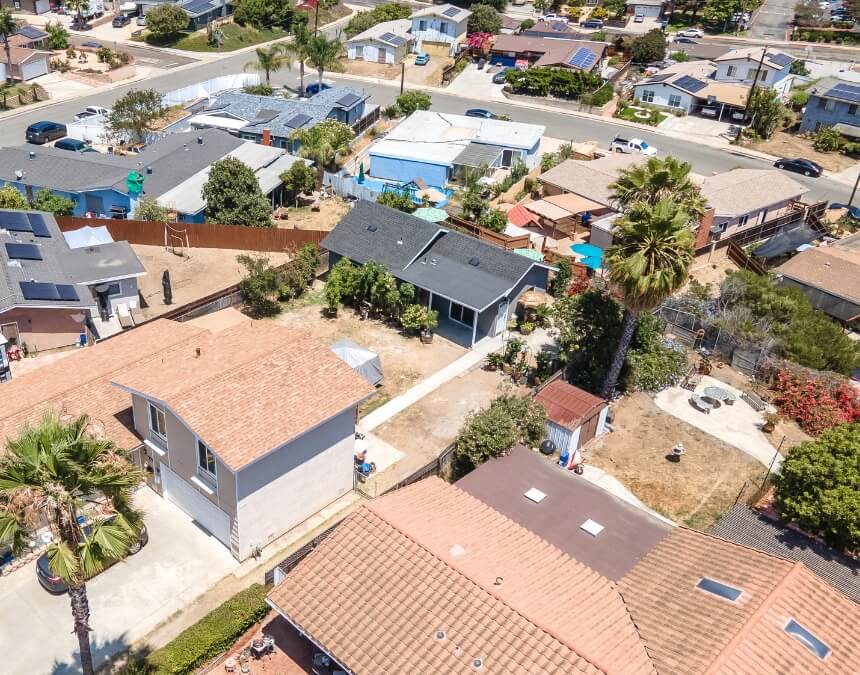
Budget six figures before you pick a loan—site conditions, utility runs, and permit fees can swing total ADU cost more than finishes.
Which Is Better for Building an ADU: Construction Loan or Personal Loan?
The best loan for building an ADU depends on your project size, home equity, and overall credit profile. Construction loans are often preferred for larger projects because they’re based on the future property value once the ADU is finished (NerdWallet). Personal loans, on the other hand, are typically used for smaller ADU projects or upgrades, though they come with higher interest rates and lower borrowing limits (Otto ADU).
When a Construction Loan Is Better
A construction loan is generally the stronger option for a full-scale ADU ranging from $150,000 to $400,000+, whether you’re adding space for housing for family members or creating an income-producing rental next to the main house. Because these loans rely on the projected value of the home after completion, they offer greater borrowing power—an advantage supported by NerdWallet’s Holden Lewis, who explains that construction loans “let you borrow more… based on the projected value of your property after the ADU is ready”. They also typically offer lower long-term payments, converting into a fixed mortgage over 15–30 years and reviewed by residential loan officers who follow local municipalities’ requirements.
Best For:
- Large ADU builds ($150K–$400K+)
- Homeowners needing a higher loan amount tied to future value
- Lower long-term monthly payments
- Projects requiring full plans, permits, and a licensed contractor
When a Personal Loan Is Better
A personal loan is often the right choice for smaller ADU upgrades, like a Home Office ADU, interior finishes, or partial garage conversions under $100,000. Since these loans require no home equity, they’re ideal for homeowners who want quick access to funds without navigating construction inspections or lender policies connected to local building offices. However, personal loan rates are significantly higher—averaging 12.25% APR as of 2025 (Bankrate)—and include short repayment terms, making them more suitable for modest projects rather than full ADU builds.
Best For:
- Small ADU projects or finishing work under $100K
- Homeowners needing fast, paperwork-light financing
- Situations with no available home equity
- Borrowers planning to refinance later using a HELOC or other option
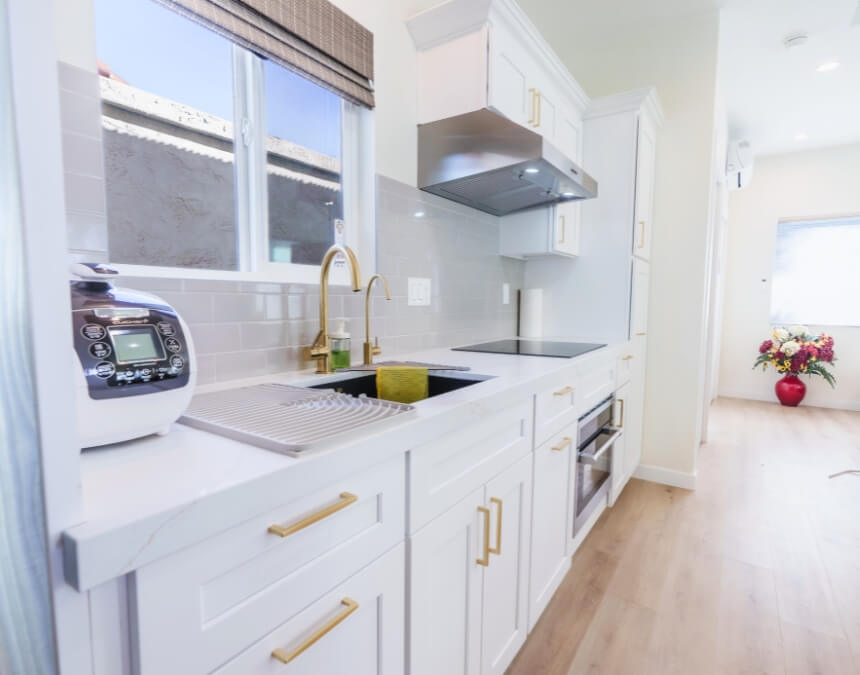
Use this comparison moment to remind readers: larger ADUs usually need future-value financing, so a construction loan often unlocks more budget than unsecured options.
Interest Rates: Construction Loan vs. Personal Loan (2025 Data)
Current Construction Loan Rates
Construction loan rates for ADUs in 2025 typically range between 6.25% and 9.75% APR, according to data from True Built Home. These loans often feature interest-only payments during the construction phase, which helps keep costs manageable while the project is being built. Once the ADU is complete, the loan usually converts into a long-term fixed mortgage, historically landing in the 4%–7% interest range depending on market conditions.
Current Personal Loan Rates
Personal loans—while faster and easier to obtain—come with significantly higher interest. As of late 2025, the average personal loan APR is 12.25% (Bankrate), with higher rates for borrowers with lower credit scores. Because personal loans are unsecured, terms are shorter and interest costs are higher. Additionally, personal loan interest is not tax-deductible, which increases the overall cost of financing an ADU.
Tax Differences
A key financial distinction is the tax treatment of interest. Construction loans and mortgage-based financing may offer tax-deductible interest when the funds are used to “substantially improve” the home—such as building an ADU—subject to IRS rules. In contrast, personal loan interest is not tax-deductible, as clarified by Experian (Experian). This distinction often makes construction and home-equity–based financing more cost-effective over time.
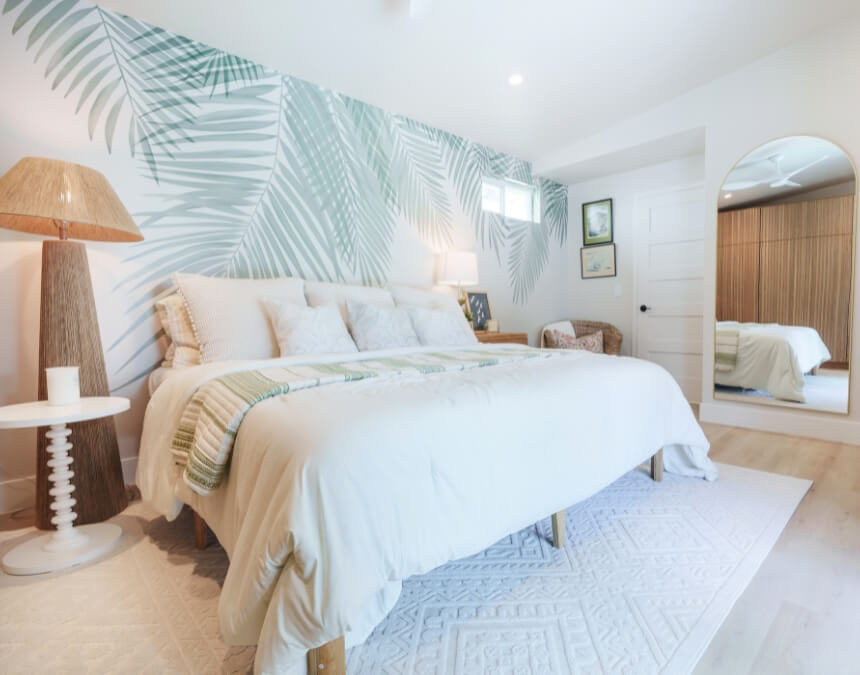
Tie rate talk to real outcomes: a lower construction-loan APR can materially improve long-term cash flow if the ADU will be rented or used for multigenerational living.
How to Qualify: Construction Loan vs. Personal Loan
Construction Loan Requirements
Qualifying for an ADU construction loan is more rigorous because lenders underwrite both you and the project. Most lenders look for a credit score of 680+, a debt-to-income ratio (DTI) below ~45%, and stable, documented income. You must also provide detailed construction plans, permits, and a signed contract with a licensed contractor. A key requirement is an appraisal based on the future value of your home after the ADU is built.
Personal Loan Requirements
Personal loans are easier to qualify for because they rely solely on the borrower’s financial profile, not the construction project. To access higher loan limits—often up to $50,000–$100,000—lenders typically prefer a credit score of 720+ and strong income. Unlike construction loans, no plans, permits, contractor agreements, or appraisals are required, making personal loans a faster but more expensive financing option for ADUs.
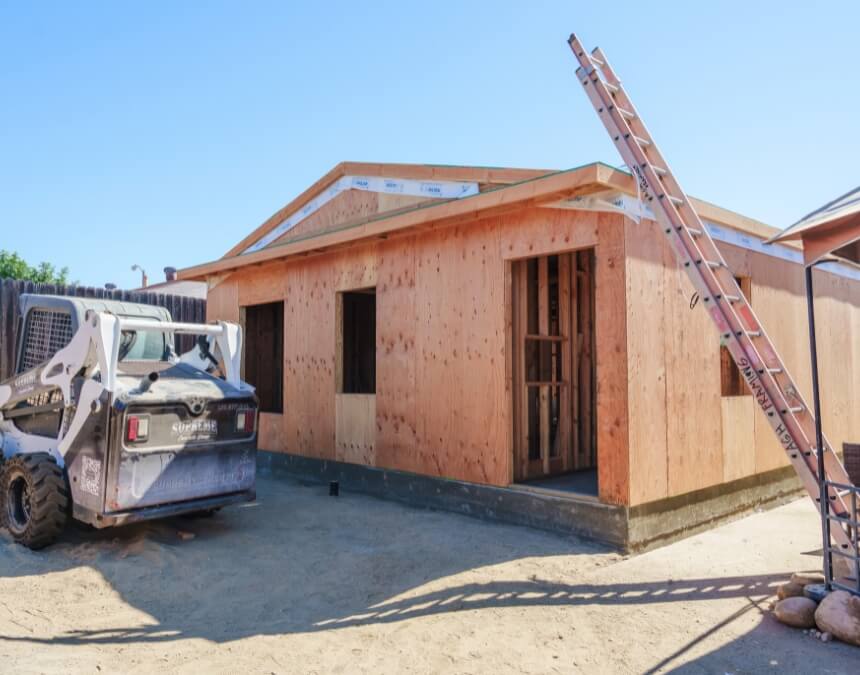
Qualification depends on documentation: highlight that construction loans require plans, permits, and contractor bids, while personal loans rely mostly on income and credit.
California & San Diego ADU Financing Programs
San Diego Housing Commission (SDHC) ADU Loan Program
San Diego offers one of the most robust local ADU financing options through the San Diego Housing Commission (SDHC). The program provides up to $250,000 in funding for eligible homeowners, with 1% interest during construction and a 4% fixed rate after the ADU is completed. Participants must agree to a 7-year affordability covenant, typically requiring the ADU to be rented at affordable rates. As the California Department of Housing & Community Development notes, this program “provides financing to eligible property owners” to encourage ADU development that expands affordable housing in San Diego. This makes SDHC one of the most accessible and cost-effective ADU loan options available statewide.
Other California Programs
Beyond San Diego, several regions across California offer additional ADU financing pathways:
- City of Clovis ADU Loan Program – Offered in partnership with Self-Help Federal Credit Union, this program provides low-interest ADU loans to expand housing options for local residents.
- Housing Trust Silicon Valley ADU Programs – Provides funding to Bay Area homeowners seeking to build ADUs, with a focus on affordability and equity-based lending.
- Fee Waivers & Impact Fee Exemptions – Statewide, California waives impact fees for ADUs under 750 sq. ft., significantly reducing upfront cost burdens for homeowners.
These local and state-level programs reflect California’s push to streamline ADU development and make financing more accessible—especially in high-cost markets like San Diego, Los Angeles, and the Bay Area.
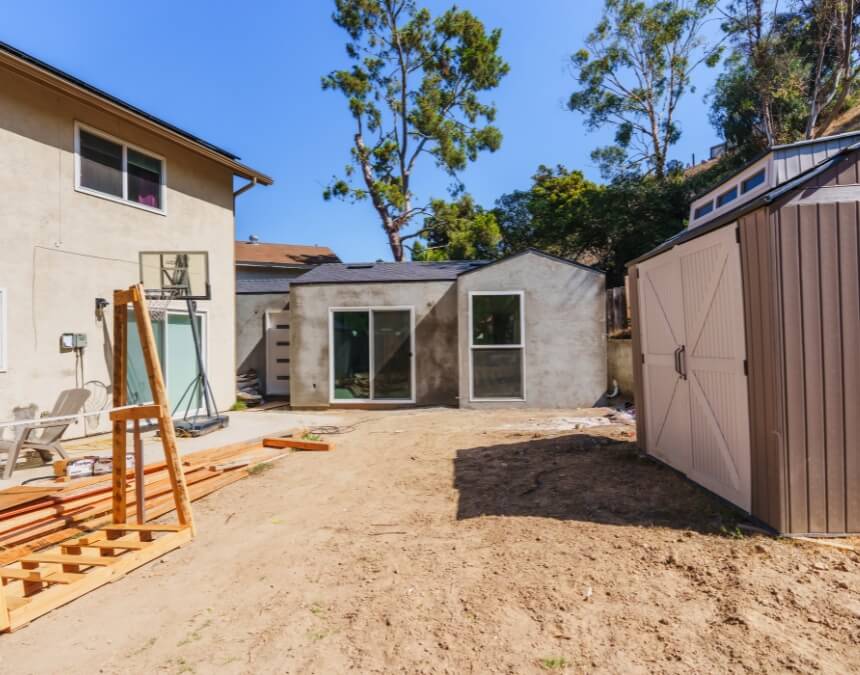
Check local ADU programs early; some require income limits or affordability terms that affect your rental plan and timeline.
Alternatives to Construction and Personal Loans
Home Equity Loan or HELOC
A home equity loan or HELOC is one of the most cost-effective ways to finance an ADU because rates are typically much lower than unsecured personal loans. HELOCs offer flexible, variable-rate borrowing based on the homeowner’s existing equity. According to Experian, “HELOC interest is tax deductible, although you can only deduct HELOC interest when you use the funds to substantially improve your home, among other requirements.” (Experian)
Cash-Out Refinance
A cash-out refinance replaces your existing mortgage with a larger one, allowing you to pull out equity to fund your ADU. This option works best when interest rates are favorable, as it provides long-term, stable payments. However, many California homeowners are currently avoiding cash-out refinances because refinancing would force them to give up low-rate mortgages secured prior to recent rate hikes.
Renovation Loans (FHA 203k, Fannie Mae HomeStyle)
Renovation loans are government-backed or conventional mortgage products that allow homeowners to finance improvements—including ADUs—into a single loan. Products like FHA 203k and Fannie Mae HomeStyle base the loan amount on the after-renovation value, helping borrowers access more capital. The tradeoff is additional paperwork, inspections, and lender oversight, which makes these loans more complex than traditional financing.
Grants & Subsidies
California has introduced several grant and subsidy programs to encourage ADU development:
- The CalHFA ADU Grant, which offered $40,000 for pre-development costs, is now fully allocated—but may reopen depending on future state funding cycles.
- Several counties, such as Santa Cruz, offer forgivable ADU loans when the homeowner agrees to rent the ADU at affordable rates for a set period.
- The California HCD continues to support local jurisdictions offering ADU incentives, making it worthwhile for homeowners to check for city- or county-level opportunities.
These alternatives—especially equity-based and renovation financing—can offer lower rates and better long-term savings than personal loans, depending on the homeowner’s equity and financial profile.
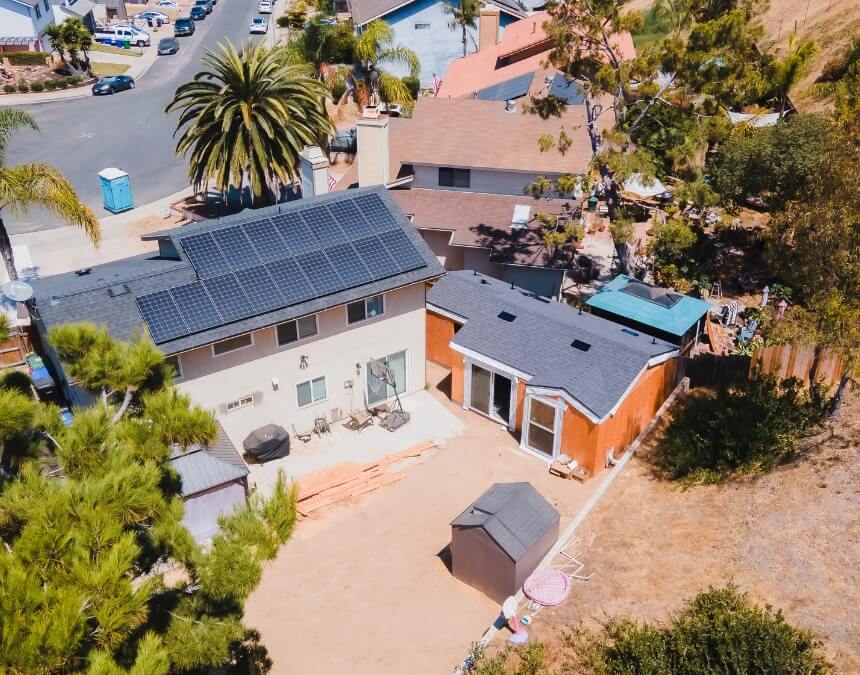
If you have strong equity, compare HELOCs or cash-out refis first—they often beat personal loans on total interest over time.
Expert Insights on ADU Financing
Expert research consistently shows that financing remains one of the biggest barriers to ADU development in California. According to Shelterforce, “Most homeowners have neither the capital nor credit to self-finance an ADU… If financing doesn’t change, ADUs will stay niche and expensive,” underscoring why loan accessibility is critical for expanding ADU production statewide.
Source: Shelterforce
Denise Pinkston, President of the Casita Coalition, emphasizes the need for underwriting reform, stating that “Federal lenders must allow future ADU income to size loans… or risk re-redlining.” This highlights a major policy challenge: borrowers often cannot qualify for ADU loans because lenders do not count rental income from the planned unit.
Source: Shelterforce
Housing expert Laurie Goodman of the Urban Institute further explains why ADU loan access remains limited, noting that “Homeowners must navigate complicated and expensive planning requirements… if they can even find a willing lender.” These structural obstacles often discourage homeowners attempting to finance ADU construction through traditional lenders.

In the expert section, reinforce that lenders favor ADUs designed for real usability (privacy, light, storage), because proven rentability supports stronger financing cases.
Source: Shelterforce
Step-by-Step: How to Choose the Right ADU Loan
Choosing the right ADU loan in California requires understanding your project scope, finances, and available lending options. Follow these steps to make an informed decision and secure the best financing for your ADU:
1. Estimate Your Total ADU Cost
Start by calculating expected construction expenses. ADU projects in California typically range from $100,000 to $400,000+, depending on size, design, site prep, and materials. As Shelterforce notes, ADU development is generally a six-figure project due to design, permitting, labor, and material costs.
2. Check Your Home Equity & Credit Profile
Determine how much equity you have and review your credit score. Construction loan lenders often prefer 680+, while personal loans offering higher limits typically require 720+. Your equity and credit will determine whether you qualify for construction loans, HELOCs, or unsecured loans.
3. Compare Construction Loans, Personal Loans & HELOCs
Evaluate the pros and cons of each option:
- Construction Loans: Allow borrowing based on future home value (NerdWallet) and offer lower long-term payments.
- Personal Loans: Faster approvals but higher APRs (~12.25% on average).
- HELOCs: Lower rates than personal loans; interest may be tax-deductible when used for home improvement.
4. Get Pre-Approved
Speak with lenders—preferably those with ADU experience—to understand borrowing limits, rate estimates, and qualification requirements. Pre-approval helps you determine whether the loan aligns with your ADU budget.
5. Finalize Your ADU Plans
Construction lenders require detailed architectural plans, a contractor agreement, and permit readiness. These documents also help appraisers determine the after-construction value of your home.
6. Complete the Appraisal
For construction and renovation loans, lenders order an appraisal based on the projected value of your home after the ADU is built. This directly impacts your borrowing capacity.
7. Secure the Loan & Begin Construction
Once approved, funds are disbursed in stages—typically called draws—throughout construction. After the ADU is completed, construction loans usually convert to a permanent mortgage, personal loans begin standard repayment, and HELOC users start repaying what they’ve drawn.
| Feature | Construction Loan | Personal Loan |
|---|---|---|
| Interest Rates | Typically 6–9% during construction, often converting to 4–7% fixed after completion | Average 12.25% APR; often higher for lower credit |
| Borrowing Limit | Based on future appraised value of the home after the ADU is built | Usually capped at $50K–$100K, depending on credit |
| Timeline | Slower approval; requires plans, permits, appraisal, and contractor agreement | Fast approval—no project documentation required |
| Collateral | Secured by your home | Unsecured—no collateral needed |
| Best For | Large ADUs costing $150K–$400K+ | Small ADU projects or gap funding (< $100K) |
Conclusion: Which Loan Should You Choose for Your ADU?
The best ADU loan depends on your budget, equity, and project size. A construction loan is ideal for full builds costing $150K–$400K+, especially when you need to borrow against your home’s future value and want long-term, lower monthly payments. A personal loan works better for smaller projects under $100K, quick funding needs, or situations where you have little or no home equity—but expect higher interest and shorter repayment terms.
Alternatives such as HELOCs, cash-out refinances, and renovation loans often offer lower rates and tax advantages, making them strong options for qualified homeowners. San Diego residents may also benefit from local solutions like the SDHC ADU loan program, which provides low-interest support for eligible homeowners.
Before choosing, speak with lenders experienced in California and San Diego ADU financing. Their familiarity with local permitting, appraisal rules, and loan structures can help you select the most cost-effective path for your project.

Match the loan to your scope: full builds usually need future-value financing, while smaller conversions can justify faster options.
Frequently Asked Questions
Yes. Homeowners commonly use construction loans, renovation loans, HELOCs, cash-out refinances, or personal loans to fund ADU construction. Some California cities, including San Diego, also offer special ADU financing programs that provide low-interest loans to eligible homeowners.
For most California homeowners, the best financing method is one that balances borrowing power, monthly payments, and interest cost. Construction loans offer the highest borrowing capacity, HELOCs provide lower interest rates using home equity, and renovation loans fund improvements based on after-construction value. Personal loans are best reserved for small projects or temporary gap funding.
ADU loans are financing products—such as construction loans, renovation loans, HELOCs, and personal loans—used specifically to build or convert space into an Accessory Dwelling Unit. Construction and renovation loans release funds in draws as work progresses and often convert into a long-term mortgage. Personal loans provide fast, unsecured funding but carry higher interest rates.
You can obtain ADU financing through banks, credit unions, mortgage lenders, renovation-loan specialists, and ADU-focused local programs. In California, options include traditional lenders, community credit unions, and local initiatives such as the San Diego Housing Commission’s ADU loan program. Many ADU builders also partner with lenders who understand ADU-specific underwriting.
ADU construction loans require additional documentation because lenders underwrite both the homeowner and the project. Requirements include detailed plans, permits, a contractor contract, and a future-value appraisal. Conventional loans focus primarily on the borrower’s credit and income, while ADU loans also evaluate the construction budget and projected value of the completed ADU.
Common challenges include strict documentation, higher credit requirements, difficulty finding lenders familiar with ADUs, and limited borrowing power when rental income isn’t counted. To overcome these issues, homeowners should:
- Work with lenders experienced in ADU financing
- Prepare detailed plans and budgets early
- Strengthen credit and lower DTI before applying
- Explore local programs, HELOCs, or renovation loans if construction loans are hard to qualify for
The best loan depends on your project size, equity, and credit. Construction loans work best for full ADUs costing $150K–$400K+ because they let you borrow based on the home’s future value. For smaller projects under $100K, a personal loan or HELOC may be more practical. Homeowners with strong equity often find HELOCs or renovation loans the most cost-effective options.
More Blogs
-
ADU Trends & Insights
Ultimate Guide to ADU Rental Income: How Much You Can Make and What to Know
Explore how to maximize rental income from an ADU with tips on design, rental strategies, and legal considerations to turn your ADU into a profitable investment.
-
ADU Trends & Insights
What Is a Casita? Definition, Uses, and How It’s Different From an ADU
Casitas are stylish, small ADUs under 800 sq. ft., perfect for guests, rentals, or in-law suites. Discover the benefits, costs, and designs.
-
ADU Trends & Insights
How We Make Your ADU’s Interior Design Stress Free & Feel Like Home
Our interior designers simplify the finish selection process—so you get a stylish, renter-friendly ADU without the stress, delays, or costly mistakes.
-

ADU Trends & Insights
Is it Worth It To Build An ADU in 2026? Assessing the ROI of Building an ADU
Discover the financial benefits and pitfalls of building an ADU with our comprehensive, detailed guide.
-
ADU Trends & Insights
Spanish Style ADUs
Explore the timeless elegance of Spanish-style ADUs with iconic features like stucco walls, red tile roofs, and stunning architectural details.
-
ADU Trends & Insights
When Do You Need a Survey for an ADU in San Diego?
A survey for an ADU in San Diego is typically required when the new unit is built close to property lines, situated on a sloped or irregular lot, or when local regulations mandate setback verification.
-
ADU Trends & Insights
Why ADUs & Costs Matter in San Diego
Planning an ADU in San Diego? Get the lowdown on all the hidden costs that can catch you off guard.
-
ADU Trends & Insights
Best ADU Designs
Explore essential ADU design trends and practical insights, from layout optimization to style choices, ensuring your accessory dwelling unit maximizes comfort, functionality, and investment potential.
-
ADU Trends & Insights
What Makes an Ideal Lot for an ADU in California (Especially San Diego)?
An ideal ADU lot in California (especially San Diego) is flat or gently sloped with enough clear buildable space for setbacks, good construction access, nearby utility tie-ins, and minimal easements or overlays—since slope, access, and utility distance are the biggest drivers of cost and feasibility even with “by-right” ADU rules.
-
ADU Trends & Insights
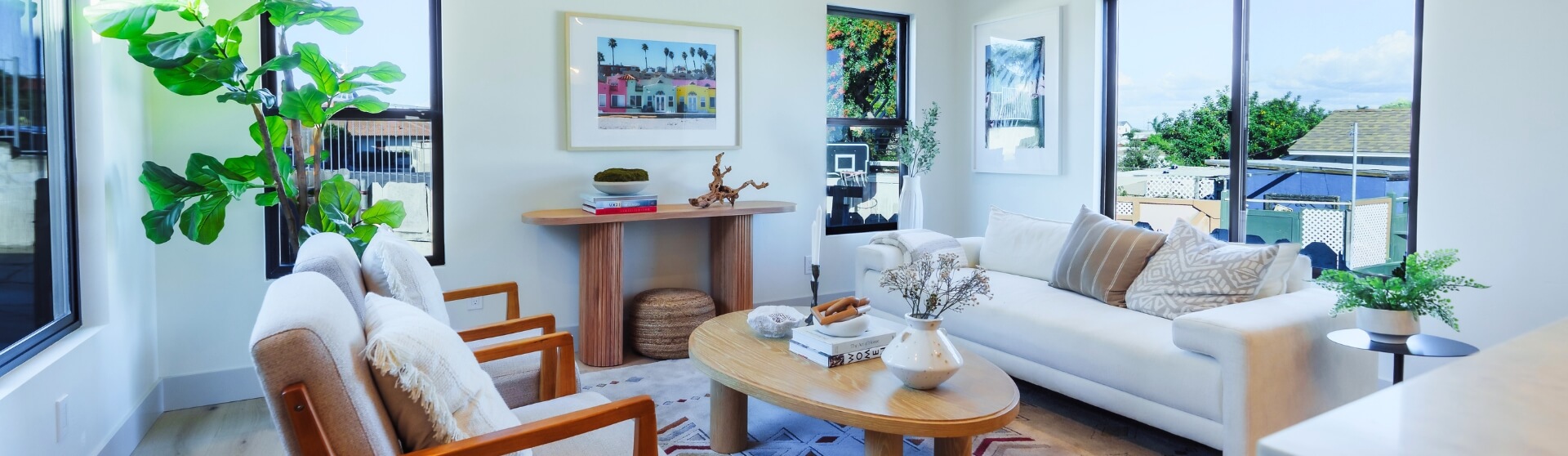
Are ADUs a good alternative to nursing homes for California homeowners?
ADUs offer California homeowners a practical alternative to nursing homes by allowing aging parents to live independently on the same property, supporting aging in place while turning ongoing care costs into a long-term home investment.
-
ADU Trends & Insights
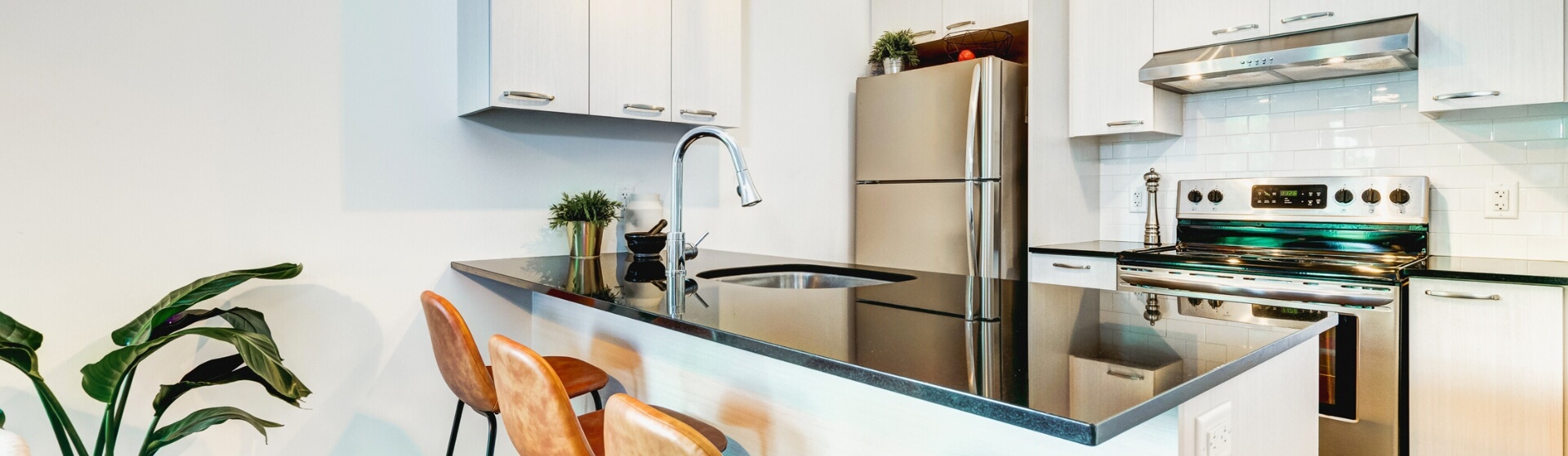
The Perfect ADU Kitchen
Discover how smart layouts and stylish design choices can transform even the smallest ADU kitchens into luxurious, functional spaces.
-
ADU Trends & Insights
What Is an ADU Cost Breakdown?
An ADU cost breakdown shows where your budget goes—hard construction costs (about 85–90%) versus soft costs like plans, permits, and city fees (about 10–15%)—so you can set realistic expectations and avoid surprises.
-
ADU Trends & Insights
What Are the Best Loan Programs for ADUs in California (San Diego Guide)?
California homeowners can finance ADUs through home equity, construction or renovation loans, cash-out refinancing, and programs like CalHFA (when available) and San Diego’s SDHC, with the best option depending on equity, income, and timing.
-
ADU Trends & Insights
Custom ADU: Your Ultimate Guide
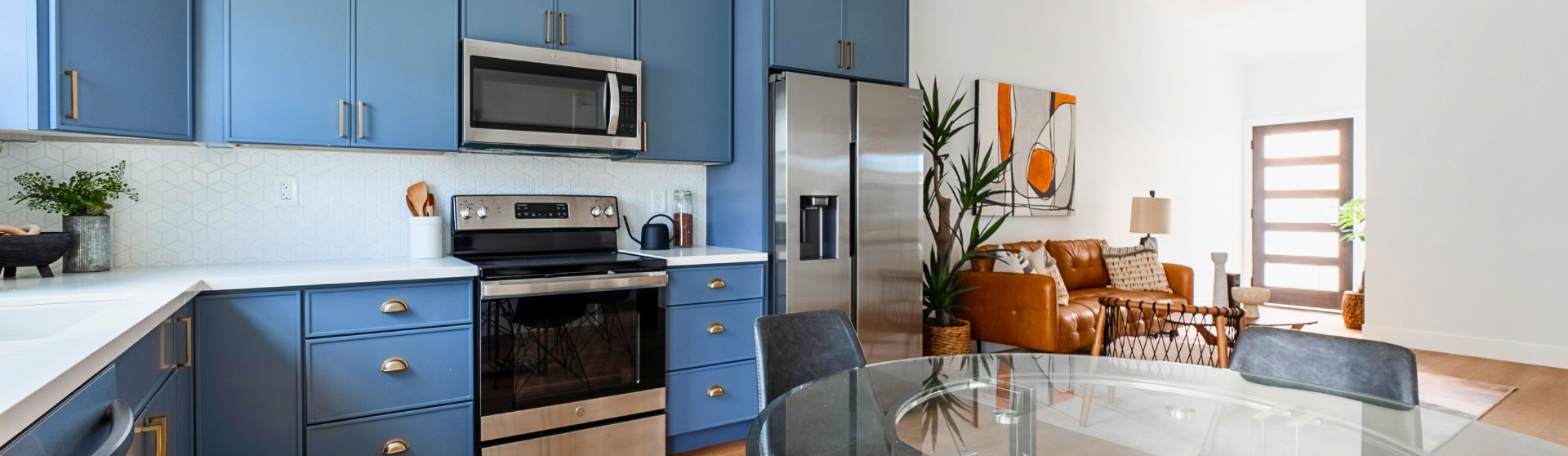
A custom ADU may cost more than manufactured or prefab units, depending on size, type, and finishes, but it offers several benefits.
-
ADU Trends & Insights
Can an HOA Prevent an ADU in California?
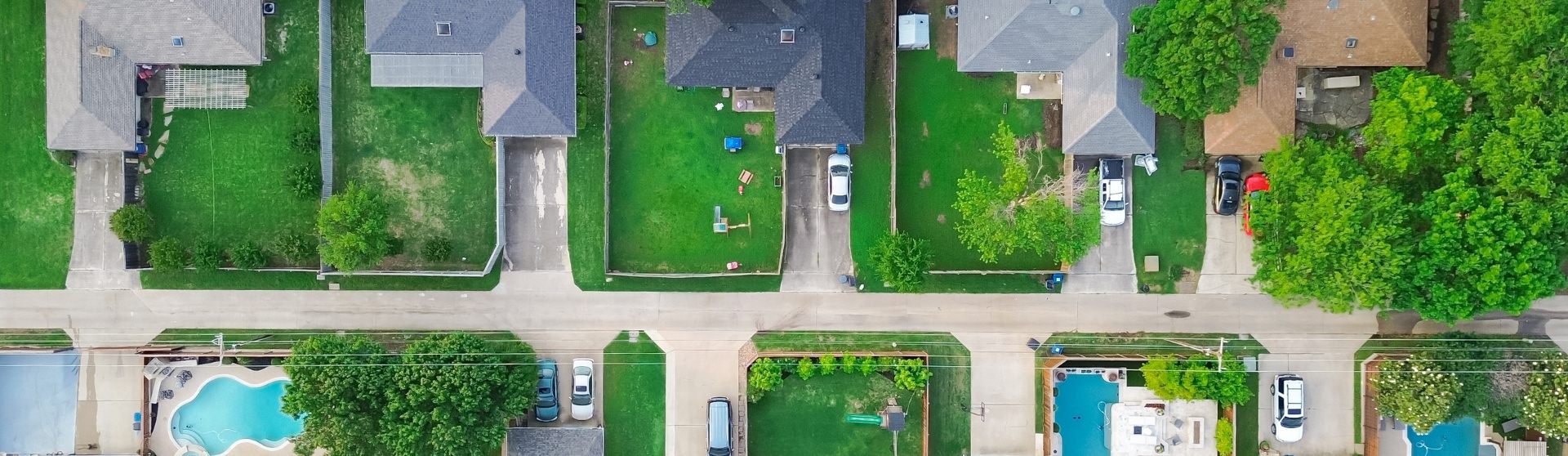
If you’re part of a homeowners association and considering building an accessory dwelling unit on your property, it's key to consider any rules your HOA may have about ADUs.
-
ADU Trends & Insights
Setback Requirements for ADUs in San Diego
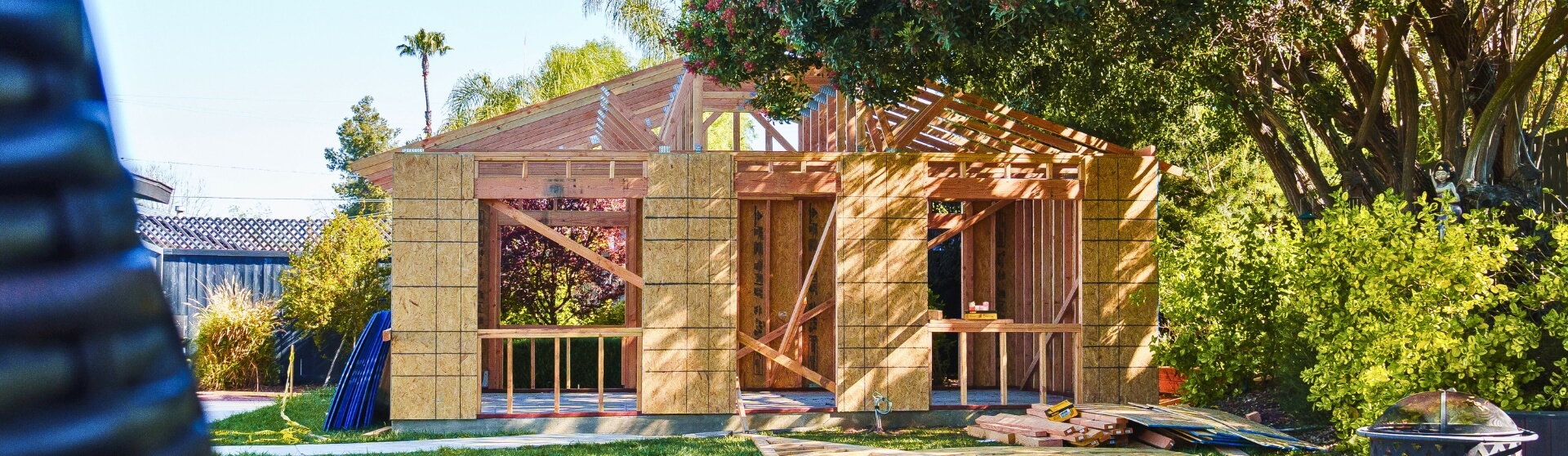
Ensure your ADU meets California's setback requirements—learn essential rules, local variations, and expert tips to maximize your space and streamline permitting.
-
ADU Trends & Insights
How Does ADU Construction Work in San Diego, CA?
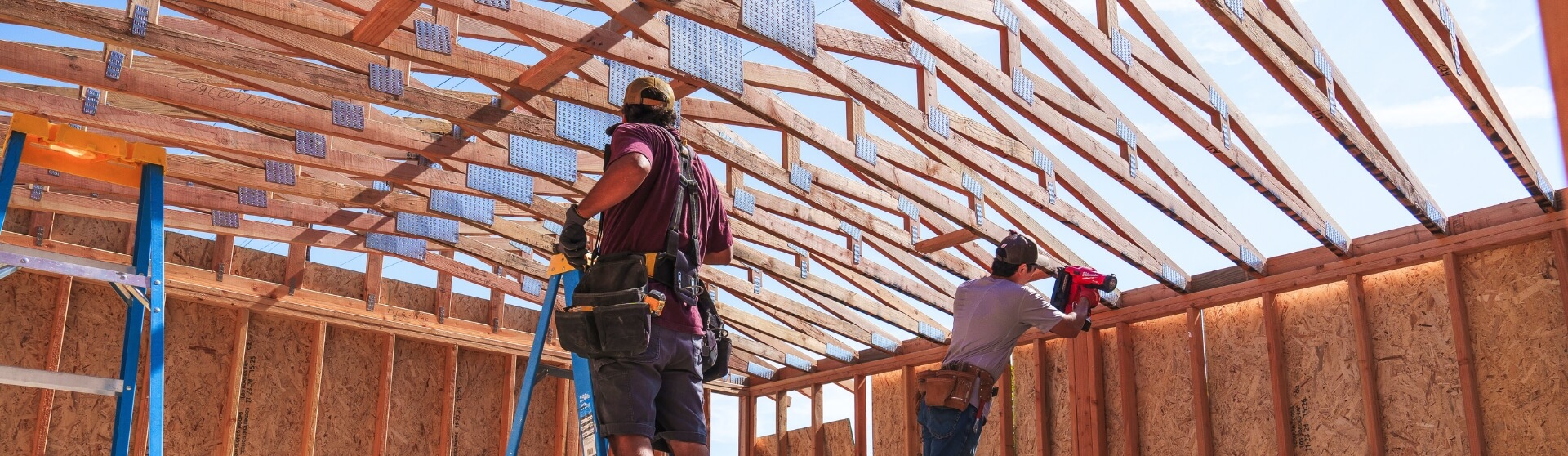
San Diego’s ADU process is fast and flexible, with permits approved within 60 days and options for detached units up to 1,200 sq. ft. or garage conversions. Thanks to state laws and the city’s ADU Bonus Program, homeowners can build quickly, add value, and even earn extra units by including affordable housing.
-
ADU Trends & Insights
What are the universal design principles for ADUs?
Universal design principles for ADUs focus on creating safe, flexible, and comfortable homes—using features like step-free entries, wider doorways, accessible bathrooms, and intuitive layouts—so the space remains usable for people of all ages and abilities over time.
-
ADU Trends & Insights
Key Differences Between Pool Houses and ADUs
Discover the differences between pool houses and ADUs to choose the right addition for your property—find out about amenities, regulations, and value impact!
-
ADU Trends & Insights
Are Pre-Approved ADU Plans Right for You in San Diego?
Compare pre-approved vs. custom plans and why the cheapest option isn't always best.
-
ADU Trends & Insights
Garage ADU: What It Is, Costs, Rules, and Conversion Options
Unlock your property's potential by converting your detached garage into a cost-effective, versatile ADU that increases property value and generates rental income.
-
ADU Trends & Insights
How Much Does an ADU Increase Property Value?
Discover how adding an ADU can significantly boost your property value, generate rental income, and enhance long-term equity—all while making the most of your available space.
-
ADU Trends & Insights
How Do You Compare ADU Builder Quotes in San Diego and California?
Compare itemized ADU quotes—labor, materials, permits, timelines—to ensure transparent pricing, true value, and no surprise costs.
-
ADU Trends & Insights
20 Day Preliminary Notice for ADUs in California: Requirements and Deadlines
A California 20-Day Preliminary Notice is a required filing for most ADU projects that subcontractors and suppliers must send within 20 days of providing labor or materials, notifying owners, contractors, and lenders.
-
ADU Trends & Insights
ADU Manufactured Homes in San Diego: Are They Right for You?
Discover whether a manufactured home is the right choice by exploring costs, regulations, benefits, and potential drawbacks.
-
ADU Trends & Insights
What is stormwater management for Accessory Dwelling Units (ADUs) in California?
Stormwater management for ADUs is the process of controlling and treating rainwater runoff generated by new backyard cottages or secondary homes.
-
ADU Trends & Insights
What Roofing Options Are Best for ADUs in California (Especially San Diego)?
The best ADU roofing in California (especially San Diego) balances budget, durability, and curb appeal—using options like asphalt shingles, metal, tile, or low-slope membranes that meet Title 24 cool-roof/solar requirements and hold up to intense sun, heat, and wildfire risk.
-
ADU Trends & Insights
How do ADUs benefit real estate agents in California and San Diego?
ADUs benefit real estate agents in California and San Diego by increasing property value and buyer appeal, creating built-in rental and multigenerational living opportunities, and giving ADU-savvy agents a competitive edge in pricing, marketing, and closing deals in a tight housing market.
-
ADU Trends & Insights
What Is a Granny Flat? Definition, Types, and How They’re Used
Granny flats offer San Diego homeowners flexible housing solutions, from accommodating family to generating rental income, with options including detached builds, garage conversions, or junior ADUs.
-
ADU Trends & Insights
What Are the Best Floor Plans for ADUs?
The best ADU floor plans are goal-driven and code-compliant—using efficient layouts like studios, 1-bed/1-bath rentals, or split-bedroom designs that maximize light, privacy, and flexibility while fitting your lot and budget.
-
ADU Trends & Insights
Can You Sell an ADU in San Diego?
San Diego's pending ordinance may soon enable homeowners to sell ADUs as separate condominiums, expanding affordable housing opportunities.
-
ADU Trends & Insights
Where Can ADUs be Built in San Diego, CA?
ADUs are allowed on nearly all residential lots in California, including single-family and multifamily properties, under state law. In San Diego, any property zoned for residential use qualifies, making it easier than ever for homeowners to add an ADU and expand their living or rental space.
-
ADU Trends & Insights
Do You Trust Your Builder?
You can trust your ADU builder when they prove real ADU experience, proper California licensing/insurance, and clear written contracts, not just a good sales pitch.
-
ADU Trends & Insights
Should You Build Your ADU Yourself or Hire a Contractor in San Diego, California?
Building your own ADU in San Diego can save on labor and contractor markup, but it’s essentially managing a small-house build with permits, trades, and inspections—so hiring an experienced contractor (or using a hybrid approach) often reduces delays, risk, and costly mistakes.
-
ADU Trends & Insights
What Are ADU Electrical Requirements in California?
Get the complete breakdown of electrical requirements for ADUs in California, from panel upgrades to solar compliance, to help you build safely and within code.
-
ADU Trends & Insights
How to Finance an ADU in San Diego
ADUs are growing popular in San Diego, offering housing for family or rental income, but demand substantial upfront investment.
-
ADU Trends & Insights
California ADU Law: The Ultimate Guide
California has streamlined ADU construction to address the housing crisis, but development standards still apply. Check local regulations before starting your project.
-
ADU Trends & Insights
Legal Bedroom Requirements in California
California has made building ADUs easier to tackle the housing crisis, but specific state and local regulations still apply. Here's what you need to know before starting.
-
ADU Trends & Insights
What Is ADU Construction?
ADU construction involves planning, permitting, and building a self-contained living space on a residential property — adding value, flexibility, and income potential without buying new land.
-
ADU Trends & Insights
Downsizing to an ADU: Benefits, Costs, and Key Considerations
Downsizing to an ADU means moving into an Accessory Dwelling Unit—a smaller, self-contained home on your property—while renting out or repurposing your main house.
-
ADU Trends & Insights
What Are Vaulted Ceilings and High Ceilings in ADUs and Are They Worth It in California?
Vaulted ceilings enhance ADUs by maximizing vertical space, increasing natural light, improving comfort, and boosting long-term property value in California when designed and built correctly.
-
ADU Trends & Insights
Prefab ADUs: Pros and Cons
Explore the pros and cons of prefab ADUs in California, including cost, customization, durability, and ROI, to decide if modular construction suits your needs.
-
ADU Trends & Insights
13 Common Misconceptions About ADUs
Uncover the truth about ADU misconceptions and navigate construction, costs, and regulations for informed decisions.
-
ADU Trends & Insights
How to Build an ADU in the San Diego Coastal Zone
Building an ADU in San Diego’s Coastal Zone requires checking if the property is in the Coastal Overlay Zone, which typically triggers a Coastal Development Permit or exemption.
-
ADU Trends & Insights
Using a HELOC to Fund an ADU in California?
A HELOC lets California homeowners fund an ADU in phases using home equity, paying interest only on what they use. In San Diego, strong rental income often offsets payments, though variable rates and post–draw-period repayment increases should be considered.
-
ADU Trends & Insights
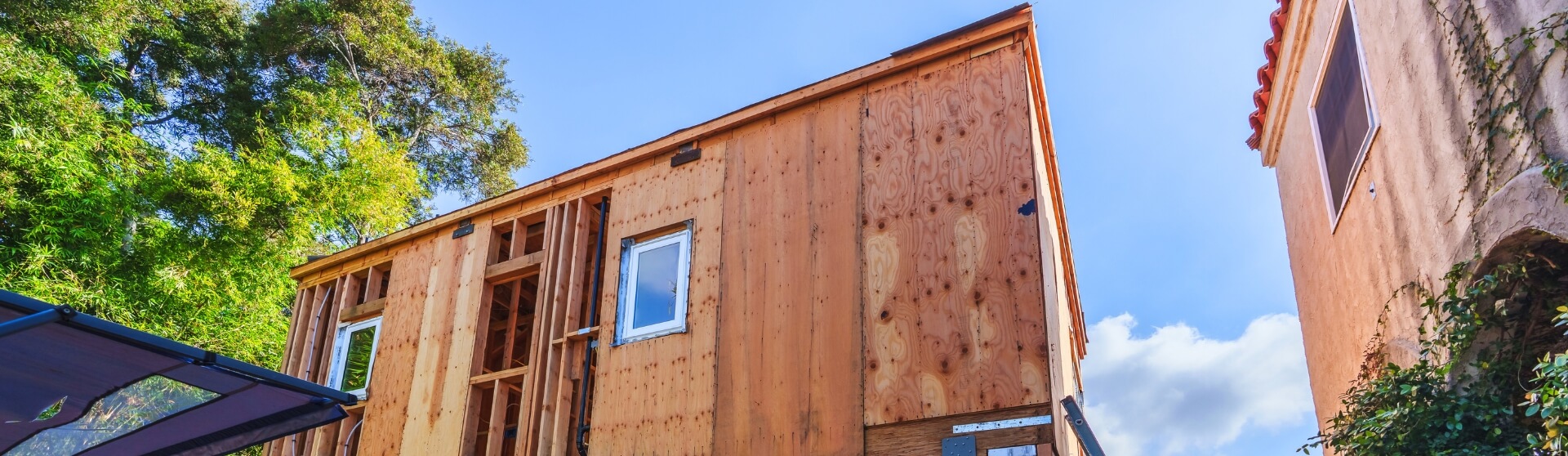
What Are Stacked Accessory Dwelling Units (ADUs)?
Stacked ADUs are two fully independent accessory dwelling units built vertically in a single two-story structure, allowing California homeowners to add multiple homes on one lot without increasing the building footprint when local height and zoning rules allow.
-
ADU Trends & Insights
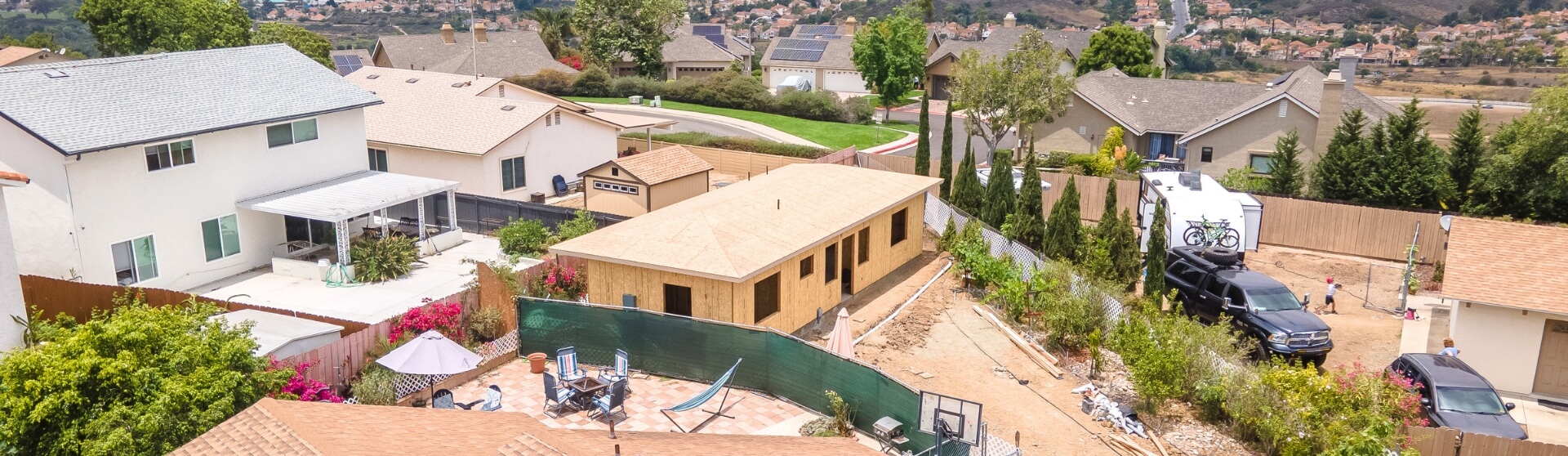
When Should You Build an ADU in San Diego?
ADU construction involves planning, permitting, and building a self-contained living space on a residential property — adding value, flexibility, and income potential without buying new land. In California, ADUs now make up about one in six new homes, reflecting their growing role in solving the state’s housing shortage.
-
ADU Trends & Insights
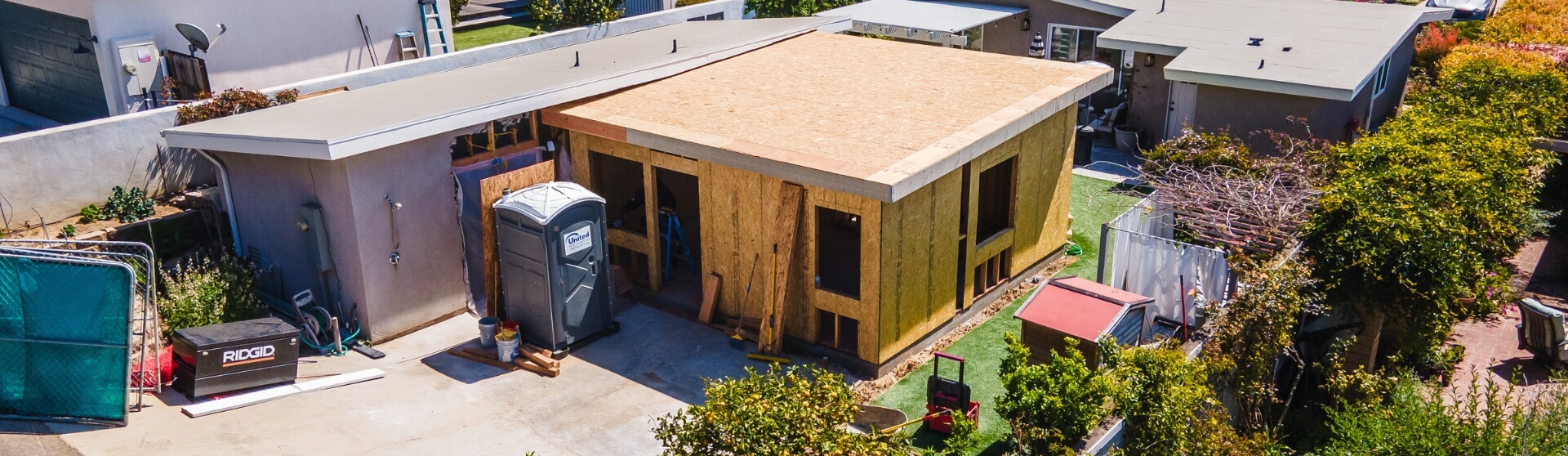
Understanding SB9 and Its Impact on ADUs
While promising, the complexity and lengthy approval process of SB9 projects make traditional accessory dwelling units (ADUs) an often simpler and quicker alternative for expanding property use.
-
ADU Trends & Insights
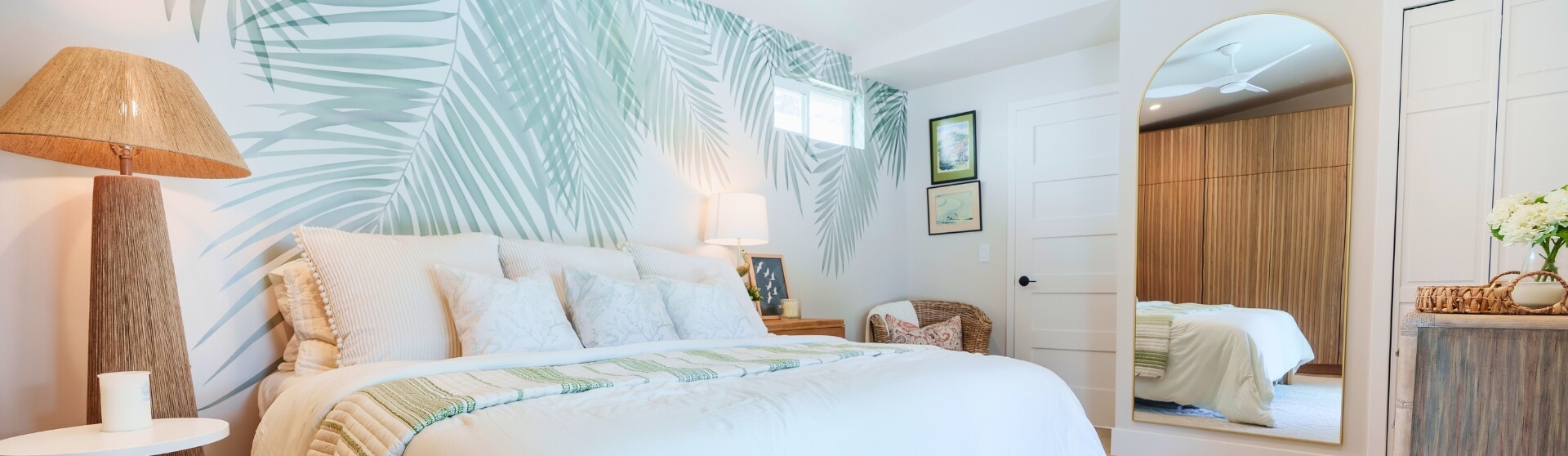
How Does Choosing the Right Color Scheme Impact an ADU’s Design and Value?
Choosing the right ADU color scheme—especially light, neutral palettes with intentional accents—can make small spaces feel larger, improve livability, and increase rental and long-term property value.
-
ADU Trends & Insights
ADU vs JADU: What’s the Difference?
Explore the crucial differences between ADUs and JADUs—including size, regulations, costs, and ROI—to determine the best fit for your property and goals.
-
ADU Trends & Insights
What Is a Retaining Wall for an ADU?
A retaining wall for an ADU is a structural wall designed to hold back soil, stabilize slopes, and create a level building area. These walls help prevent erosion, protect the structure from water damage, and make construction possible on sloped or uneven lots.
-
ADU Trends & Insights
What Qualifies as an ADU?
ADUs are reshaping the California housing market, providing homeowners with cost-effective, independent living spaces to meet diverse needs.
-

ADU Trends & Insights
What is the importance of an ADU feasibility study in California and San Diego?
An ADU feasibility study is a comprehensive analysis of zoning, site constraints, existing utilities, and a proposed design that determines whether building an accessory dwelling unit is practical and financially viable on a specific property.
-
ADU Trends & Insights
How to Finance an ADU Project in California
California homeowners can finance an ADU using home equity, cash-out refinancing, construction or renovation loans, and programs like San Diego’s SDHC (up to $250K), with rental income often helping offset the $200K–$450K build cost.


