


Should You Build Your ADU Yourself or Hire a Contractor in San Diego, California?
 Share
Share
90 min read
DIY ADU construction is legal in California for owner-builders, but it’s essentially building a small house, not a weekend project. The main reason homeowners consider DIY is cost: labor runs about ~40% of total ADU cost, and hiring a general contractor typically adds another 10–20% in overhead and profit. (Angi) However, the DIY path comes with big risks—managing many trades, passing inspections, and absorbing delays—especially since San Diego ADU permits alone typically take about 3–5 months before construction even starts. (GreatBuildz) With ADUs now making up nearly 1 in 5 new homes in California, doing it right (DIY, contractor, or hybrid) matters more than ever for long-term value and livability. (cayimby.org)
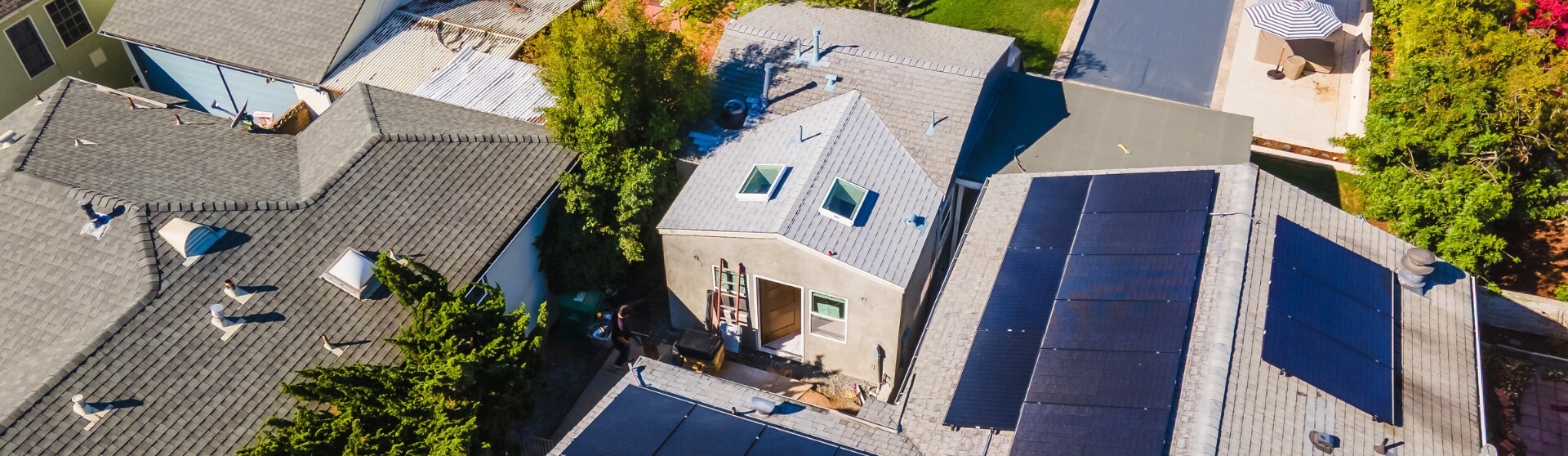

Weighing the Pros and Cons of DIY ADU Construction
Taking a DIY approach to an Accessory Dwelling Unit (ADU) in California is allowed if you qualify as an owner-builder, but it should be treated like a true home building project—not a casual weekend upgrade. GreatBuildz is clear that an ADU is “an extremely complicated undertaking” because you’re stepping into the role a professional home builder or residential contractor would normally fill, from city permit navigation to day-to-day schedule management. (GreatBuildz) The upside is meaningful savings potential, but the tradeoff is taking on full responsibility for the construction process, local regulations, and structural integrity—plus a longer project timeline if you’re not experienced.
Benefits of Going the DIY Route
Potential cost savings.
Labor (general contractor + trades) typically makes up about 30–50% of the total ADU cost—roughly ~40% on average. (Angi) If you act as your own home builder, you may cut a large part of that labor markup. On top of that, hiring a GC often adds 10–20% in overhead and profit. (ohanadwellings.com) In theory, skipping that layer can mean tens of thousands saved—though materials cost and foundation work stay largely the same either way.
More design and material control.
DIY gives you full say over finishes, layout tweaks, and where to spend vs. value-engineer. You’re not negotiating every change through a construction company, and you can phase upgrades over time if your budget needs it.
Personal satisfaction and learning.
For hands-on homeowners, building an ADU can be deeply rewarding. You pick up skills, understand your property better, and have a direct connection to the final outcome.
Best-fit DIY scenarios.
DIY tends to work best when the project is straightforward (like a simple detached ADU or conversion), you already have construction or home remodeling experience, you can dedicate steady weekly time, and you’re willing to hire licensed subs for complex systems like electrical, plumbing, and HVAC.
Challenges Associated with DIY Projects
Reality check on complexity.
GreatBuildz emphasizes that because an ADU is a small house, most homeowners underestimate what it takes to build one safely and to code. (GreatBuildz) That complexity shows up in everything from structural sequencing to Title 24 compliance to inspection readiness under California building codes.
Longer timeline risk—especially in San Diego.
Even before construction starts, San Diego ADU permits typically take about 3–5 months through standard plan check, and coastal lots can run longer. (San Diego) Pre-approved plans can shorten approval, but permitting processes are still a real clock-starter you can’t skip.
Managing many trades.
A typical ADU build involves coordinating ~25+ different specialty trades (foundation, framing, plumbing, electrical wires, HVAC, insulation, drywall, roofing, finishes, etc.). (GreatBuildz) As the owner-builder, you’re responsible for lining them up in the right order, keeping them on pace, and making sure each stage passes city inspectors.
Budget overruns from mistakes or failed inspections.
DIY savings aren’t guaranteed. If work fails inspection or needs re-doing, costs can climb quickly—sometimes wiping out the labor savings you were aiming for. (GreatBuildz)
Safety and liability exposure.
When you DIY, you assume the risk for site safety, injuries, and code compliance. Contractors carry insurance and warranties; as an owner-builder, that burden sits on you.
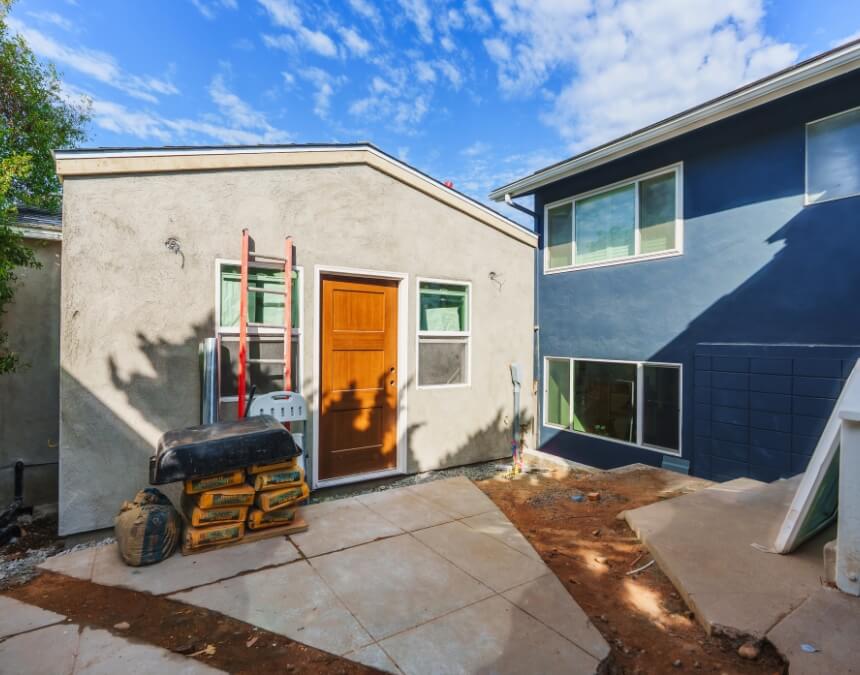
DIY ADU builds can reduce labor costs, but only homeowners with strong construction knowledge and time availability should take on full owner-builder responsibility.
Understanding Building Plans and Permits
Whether you take a DIY home building route or work with an ADU company, an ADU in California must follow state building codes, Title 24 energy standards, and statewide ADU regulations that limit how strict local zoning regulations can be. California’s Department of Housing and Community Development (HCD) summarizes these rules in its updated 2025 ADU Handbook, reflecting new laws effective January 1, 2025. (hcd.ca.gov) In San Diego—and across much of Southern California—you also need to follow city-specific permit requirements and the local ADU/JADU process in Development Services Information Bulletin 400 (IB-400). (San Diego)
Navigating Local Zoning Laws
California baseline rules (state preempts many local barriers).
California law makes ADUs “by-right” in most residential zones when you meet objective standards—so cities can’t add subjective hurdles or require discretionary hearings. The HCD 2025 ADU Handbook outlines statewide rules on ADU types (detached, attached, conversions), parking exemptions, owner-occupancy limits, and minimum/maximum sizes. (hcd.ca.gov) This statewide approach is why ADUs have become a major housing solution and a common home renovation project option.
San Diego-specific notes.
San Diego applies state law through IB-400, which acts as your local rulebook for setbacks, height, size, fire requirements, submittal checklists, and how to apply. (San Diego) San Diego has also been one of California’s most active ADU markets, supported by local incentives like the ADU Bonus Program, which helped drive a surge in backyard units. (Axios) (Even as the city debates scaling the program back, ADUs remain widely supported and permitted at high volume.) (Axios)
Where zoning still matters.
Even with state preemption, zoning and site planning still shape real design constraints—especially in San Diego. Expect rules to affect:
- Setbacks & height (often zone-dependent, with special rules near property lines) (San Diego)
- Lot coverage & floor-area limits
- Fire access / separation between structures
- Coastal overlays, hillsides, or environmentally sensitive lands (these can add time and environmental challenges) (San Diego)
- Utility upgrades (sewer, water, electrical panel capacity)
Importance of Securing Building Permits
DIY is legal as owner-builder.
California allows homeowners to pull ADU permits as owner-builders, but the Contractors State License Board (CSLB) warns that ADUs involve multiple specialized trades and code requirements, so owners need to understand the full project scope before leading the building process. (CSLB) If you hire anyone for construction work, confirm they have the right licenses and certifications for their trade.
Permit stages + inspections you can’t skip.
Your ADU will go through the same inspection ladder whether DIY or contractor-built:
- Plan check / zoning approval
- Foundation inspection
- Framing / shear inspection
- MEP inspections (mechanical, electrical, plumbing)
- Final inspection + certificate of occupancy
Missing or failing a step can trigger permitting issues, delay your timeline, and raise costs.
San Diego plan pathways.
San Diego offers a standard plan-check route and also supports pre-approved ADU plans, which can shorten approval timelines because the city has already vetted the design and architectural planning. IB-400 explains both options and the submittal details. (San Diego)
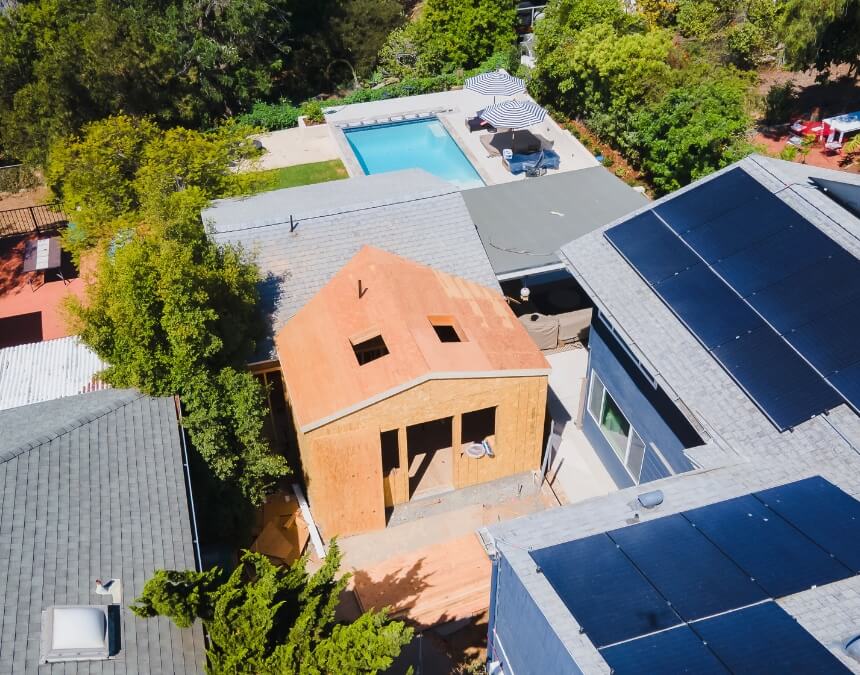
Clear, code-compliant plans are the fastest way through permitting—missteps here often cause the longest delays in California ADU projects.
Project Management Essentials
DIY success hinges less on owning the right tools and more on strong project management: sequencing the construction process, lining up subs, ordering building materials on time, and staying ready for city building inspectors. GreatBuildz notes that an ADU is basically a “small house,” so the real challenge is coordinating what a residential contractor typically handles—from schedule management to quality control. As a California owner-builder, you also take full responsibility for safety, code compliance, and the overall building process once you sign permits. (CSLB)
Managing Time Effectively
What a pro crew does in parallel that DIY must do sequentially.
A contractor runs multiple phases at once—ordering long-lead materials while subs are onsite, overlapping trades where possible, and prepping for inspections ahead of schedule. With a DIY approach, you’re usually tackling those tasks one after another, which stretches the project timeline and increases the chance of gaps between phases.
Common DIY time drains.
- Waiting on subs: GreatBuildz estimates a typical ADU requires coordinating ~25+ specialty trades, and to get competitive pricing you may need to contact three bidders per trade—around 75 companies total. That front-end coordination can take weeks before work even starts.
- Rework after inspections: Miss a code detail and you’ll pause the schedule to fix it and re-inspect, creating a ripple effect for every trade behind it.
- Learning curve: Even experienced DIYers lose time researching unfamiliar steps (Title 24 requirements, shear specs, utility tie-ins, etc.).
Opportunity cost angle (rental income delayed).
A longer DIY timeline doesn’t just add stress—it can mean months of delayed rental income. If your ADU is meant to boost home value and cash flow, every extra month of build time pushes back ROI.
Reducing Stress Through Planning
Create a written phase schedule.
Map your home renovation project into clear phases (site prep → foundation → framing → MEP rough-ins → insulation/drywall → finishes → final). Build buffer weeks between critical trades, and line up your next trade before the previous one wraps.
Inspection readiness checklists.
Treat each inspection like an exam. Before calling the inspector, walk the site with a checklist for that phase (foundation bolts, shear nailing, plumbing rerouting tests, electrical staples, etc.). Passing the first time prevents expensive rework.
Contingency budget.
Even pros carry contingency; DIY projects need it more. A realistic buffer protects you from inspection fixes, material swaps, or scope creep.
Building Relationships with Sub-contractors
Why subs prioritize GCs.
Subs often prefer working with general contractors because GCs bring repeat work, clear sequencing, and fewer unknowns. GreatBuildz highlights that owner-builders must do the same coordination a GC would—without those existing relationships—so response times and scheduling can be tougher. (GreatBuildz)
How to get reliable bids + scheduling.
- Ask for ADU-specific experience (small-site logistics matter).
- Get bids early, confirm start windows in writing, and re-confirm two weeks out.
- Be ready with plans and permits so subs aren’t waiting on you.
Hybrid DIY reminder.
Even committed DIYers usually hire licensed pros for electrical, plumbing, and HVAC—not just for safety, but because these inspections are strict and failures can stall the whole build. CSLB guidance makes clear that you can hire licensed subcontractors, but as the owner-builder you remain responsible for coordinating their work and keeping the payment schedule on track. (CSLB)
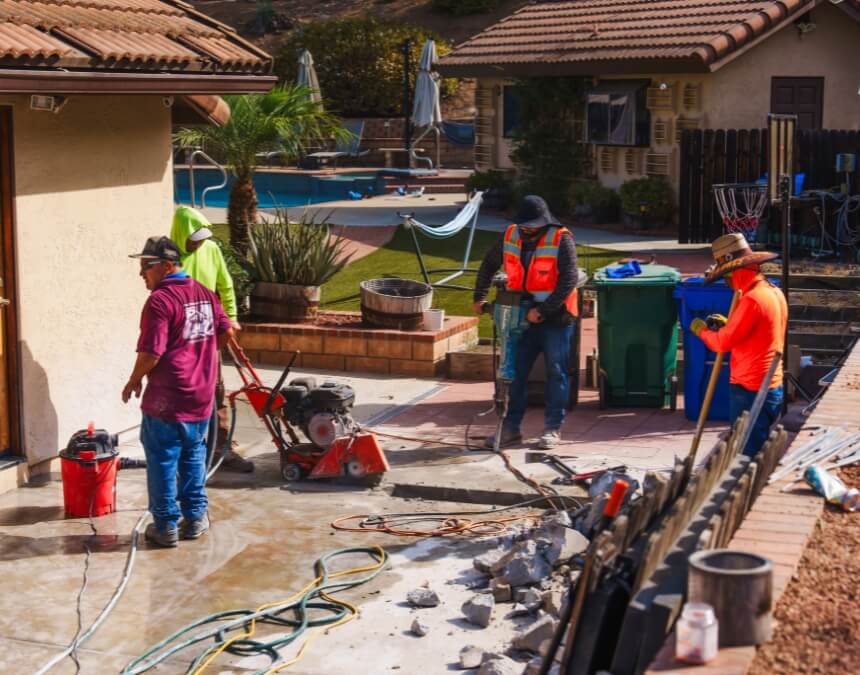
Successful ADU builds depend on sequencing trades correctly—poor scheduling is one of the biggest hidden costs in DIY projects.
Key Construction Skills to Acquire
If you DIY, you’re either doing the work yourself or supervising licensed trades—so you need enough construction know-how to catch issues before city inspections. GreatBuildz stresses that an ADU is “a small house,” meaning a highly technical, multi-trade build, and most successful owner-builders either have real experience or bring in a professional home builder for critical systems. California’s ADU rules and energy code raise the bar further, since every phase must meet objective standards to pass inspection. (hcd.ca.gov)
Basic Carpentry Skills
At minimum, a DIY owner-builder should understand the structural “shell” of the ADU—because framing errors are among the most common (and costly) inspection failures. That includes:
- Framing basics: layout, plates/studs/joists, fastening schedules, and how framing ties into your foundation work.
- Shear & bracing: California inspectors look closely at shear walls, hold-downs, nailing patterns, and roof diaphragm/bracing because ADUs must meet seismic standards just like a full home. (hcd.ca.gov)
- Openings and roof tie-ins: headers, window/door rough openings, and (for conversions or attached ADUs) tying new roof loads into the main home without weakening the structure.
If reading plans and matching them to what’s being built isn’t comfortable for you, it’s hard to keep framing aligned with the design team’s intent.
Electrical and Plumbing Know-How
Even if you plan to hire licensed subs for these systems (which most DIYers should), you still need working knowledge to coordinate them and avoid downstream problems.
- Why these almost always require licensed pros: ADU electrical, plumbing, and gas work must meet California code and local inspection standards. CSLB’s ADU Fast Facts guide notes that multi-trade ADU projects are typically managed by licensed contractors who subcontract specialty work as needed. (CSLB)
- Inspection failure risks: electrical wires, panel sizing, GFCI/AFCI placement, plumbing venting/slopes, and cleanouts are frequent DIY fail points. Missing any of these can cause rework and schedule delays.
- San Diego utility connection hurdles: In San Diego County, ADUs often tie into existing water/sewer/gas lines, but upgrades may be required based on fixture counts or line condition. SnapADU explains when water meter or sewer lateral upgrades (or a sewage pump) may be needed, and electrical load calculations can trigger panel/service upgrades during city review. (Better Place Design & Build)
Bottom line: hire licensed MEP trades, but know enough to sequence their work correctly and verify it before inspection.
Mastering Insulation and Ventilation
Small spaces magnify comfort and moisture issues, so Title 24 compliance isn’t just paperwork—it directly affects livability.
- Title 24 energy compliance: California Title 24 requires ADUs to meet efficiency standards for insulation, windows/doors, HVAC, lighting, and (for most new detached ADUs) solar readiness or installation. (SFBayADU)
- Moisture/mold prevention: Proper insulation thickness, air sealing, vapor barriers, and bathroom/kitchen exhaust protect against mold in compact ADUs. Title 24 also creates tighter building envelopes, so ventilation planning matters. (SFBayADU)
- Small-space HVAC considerations: Right-sized heat pumps/mini-splits and ducting strategies keep ADUs efficient and comfortable without wasting energy-saving fixtures or airflow. (Better Place Design & Build)
If you DIY, learning these systems early reduces inspection surprises and helps you avoid a “finished but uncomfortable” unit.
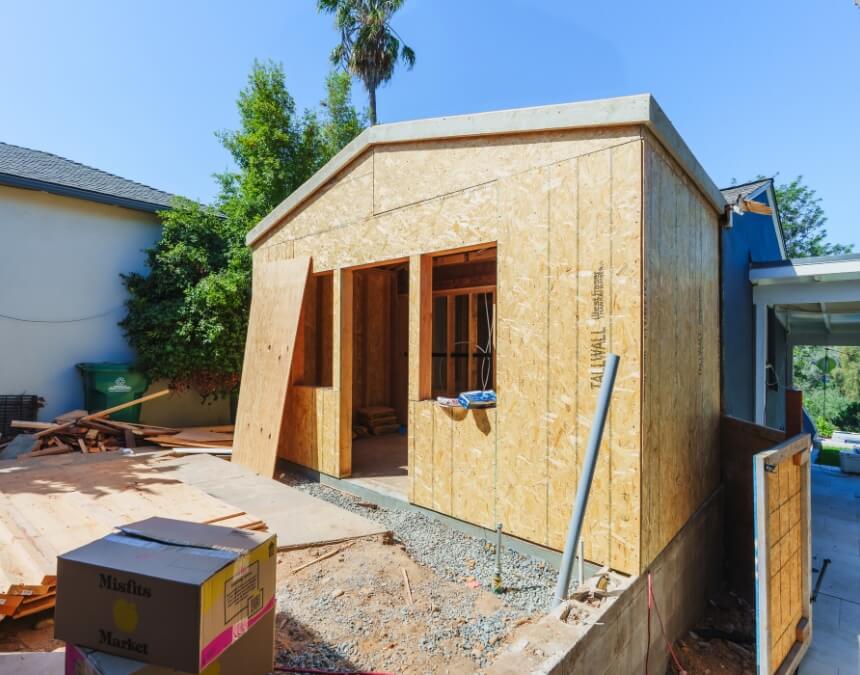
Understanding framing, shear walls, and rough MEP layouts helps owner-builders catch issues before inspections—not after costly rework.
Risk Assessment and Mitigation
DIY ADU projects carry real risk because you’re taking on the role of general contractor and often parts of the build itself. GreatBuildz warns that an ADU is “a small house” and therefore a highly complex, multi-trade job—meaning mistakes can be expensive and delays are common if you don’t plan carefully. (GreatBuildz) California’s CSLB also makes clear that when you sign as an owner-builder, you assume full responsibility for the project, including legal and financial liability. (CSLB) The good news: most DIY risk is manageable if you know where projects typically go wrong and bring in pros at the right moments.
Identifying Potential Structural Issues
Foundation design & soils.
Structural risk starts at the ground. If you skip a proper soils assessment or use an undersized foundation, you can trigger cracking, settling, or inspection failure later. California ADU guidance emphasizes that ADUs must meet the same building and seismic standards as any residence, including correct foundation specs for your site. (California Housing Department)
Load paths and shear walls.
In California, inspectors focus hard on seismic safety—especially framing, shear walls, hold-downs, and nailing schedules. Missing a shear panel detail or interrupting a load path (for example, through oversized openings) is a classic DIY failure point. HCD’s ADU Handbook reinforces that ADUs must comply with the California Building Code and objective structural standards. (California Housing Department)
When to hire a structural engineer.
Even committed DIYers should hire a structural engineer when:
- Your ADU is attached or involves a major conversion (garage, basement, or second-story).
- Your lot is in a hillside, coastal, or liquefaction-risk area (common in parts of San Diego). (San Diego)
- You’re modifying load-bearing walls, rooflines, or adding large openings.
California also passed laws (like AB 2533) that clarify structural engineering standards for ADU legalization and safety—highlighting how important stamped engineering is when structural conditions are non-standard. (ab2533.com)
Avoiding Common Pitfalls in Inspections
Top inspection fail points for DIY.
DIY ADUs most often fail inspections due to:
- Framing & shear details not matching approved plans
- MEP rough-ins (electrical/plumbing/mechanical) that don’t meet code
- Energy compliance gaps (Title 24 insulation, ventilation, lighting)
- Unpermitted plan changes done mid-build. These are repeatedly cited in homeowner and builder guidance, including GreatBuildz and other CA ADU resources. (GreatBuildz)
Do pre-inspection walkthroughs.
Before you call for inspection, do a full walkthrough using a phase-specific checklist (foundation anchor bolts, shear nailing, plumbing pressure test, wire stapling, fire blocking, exhaust fan venting, etc.). Passing the first time prevents expensive rework and momentum-killing delays.
Documenting changes properly.
If you change anything from the approved plans—window sizes, plumbing locations, structural members—document it and confirm whether the city requires a revision before you proceed. San Diego’s IB-400 process is objective, so undocumented deviations can stop a project until corrected or formally resubmitted. (San Diego)
Liability mitigation.
CSLB owner-builder guidance highlights that you may be responsible for worker safety, workers’ comp, and injury liability on your property if anyone gets hurt. (CSLB) That’s why even DIY builders should:
- Hire licensed and insured subs
- Confirm workers’ comp coverage
- Maintain a clean, code-compliant jobsite
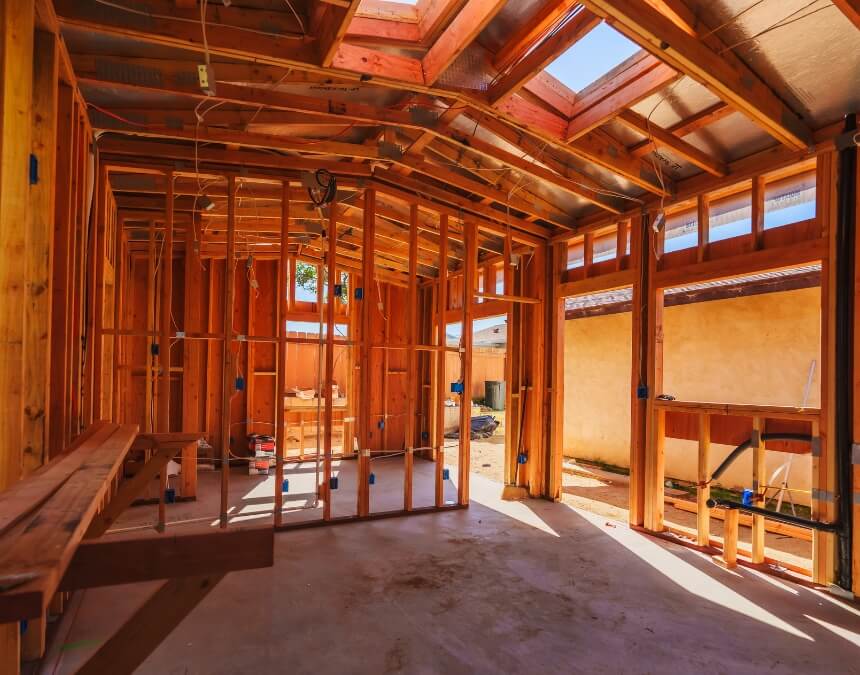
Most ADU risks start below ground—foundation design, soils, and drainage decisions should be validated before construction begins.
The Role of a General Contractor
A general contractor (GC) is essentially the project quarterback for an ADU: they coordinate the full build, manage all subcontractors, and keep permitting and inspections moving so the ADU gets finished efficiently. GreatBuildz notes that because an ADU is “a small house,” most homeowners who try to DIY end up facing the same complexity a GC handles every day—sequencing dozens of tasks and trades, staying code-compliant, and preventing delays. (GreatBuildz) Hiring a GC usually costs more up front, but it often reduces timeline risk, inspection failures, and homeowner stress.
Expert Knowledge on Regulations
A good ADU GC knows how to navigate California building code + Title 24 energy rules and apply them correctly in real-world construction—not just on paper. In San Diego, that also means building to the city’s objective ADU/JADU standards in Information Bulletin 400 (IB-400), including setbacks, height limits, fire requirements, coastal overlay rules, and inspection checkpoints. (San Diego) Because they work with local inspectors regularly, experienced GCs also understand what inspectors expect to see at each stage, which helps avoid failed inspections and rework.
Efficient Management of Timelines
One of the biggest GC advantages is parallel scheduling. While framing is happening, a GC is already lining up rough-in trades, ordering long-lead materials, and prepping for inspections—tasks DIY owners usually perform sequentially, which stretches the schedule. GreatBuildz highlights that ADUs involve a large number of specialty trades; coordinating them efficiently is a major reason homeowners hire a GC. (GreatBuildz)
GCs also tend to have stronger supplier and subcontractor relationships, which can mean better pricing, faster lead times, and fewer gaps between trades—all of which matter in San Diego’s busy ADU market. (Maxable)
Ensuring Quality Workmanship
A licensed GC brings skilled crews, proven subs, and quality control systems that most homeowners don’t have access to on their own. That usually translates to cleaner builds, fewer code issues, and a smoother final sign-off. It also comes with warranty protection and insurance coverage—so if something goes wrong, you’re not carrying the full burden yourself.
From a licensing standpoint, California’s CSLB confirms that B-General Building Contractors are the standard license type for ADU construction because ADUs require coordinating two or more unrelated trades (like framing + plumbing + electrical). B-license contractors are legally authorized to manage multi-trade ADU builds and subcontract the specialty work as needed. (CSLB)
Net takeaway: if you want speed, fewer inspection surprises, and someone else handling the complexity, a GC is usually the safest path—especially for detached new-build ADUs or lots with San Diego-specific constraints.
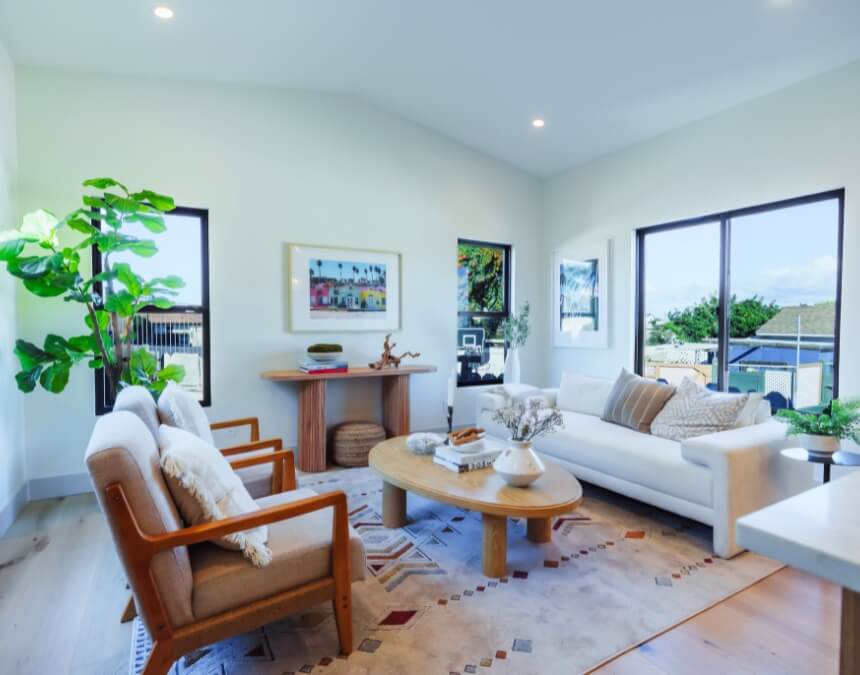
An experienced ADU contractor reduces inspection failures and compresses timelines by managing trades, permits, and quality control in parallel.
Evaluating Your Capabilities
Before committing to DIY, take a hard look at your real-world skills, time, and tolerance for managing a full construction project. GreatBuildz is blunt about the gap most homeowners face: “Most people would admit that they don’t have the experience, time, or ability to build a house themselves,” and an ADU is essentially a small house. (GreatBuildz) California’s CSLB also reminds owner-builders that once you sign a permit in your name, you assume responsibility for all phases of construction, including code compliance, scheduling, and jobsite safety. (CSLB) In other words, DIY can work—but only if your capabilities match the scope.
Assessing Personal Skills and Experience
Start with a clear self-audit. Ask yourself:
- Have you managed a remodel end-to-end?
If you’ve never coordinated multiple trades or handled a construction schedule, an ADU will be a steep leap. ADUs require the same sequencing and inspections as a new home. (GreatBuildz) - Can you read plans and spot mistakes?
Even if you hire subs, you must understand framing layouts, structural notes, and MEP rough-in drawings well enough to catch errors before inspectors do. GreatBuildz emphasizes this because inspection failures are a common DIY budget killer. (GreatBuildz) - Can you handle permitting and inspections?
As an owner-builder, you must pull permits yourself and manage every inspection stage. CSLB’s owner-builder guidance makes clear that this responsibility cannot be delegated away just because you hired a few subs. (CSLB)
If any of these feel unfamiliar, a hybrid path (DIY some work but hire a GC or project manager for coordination) may be a safer fit.
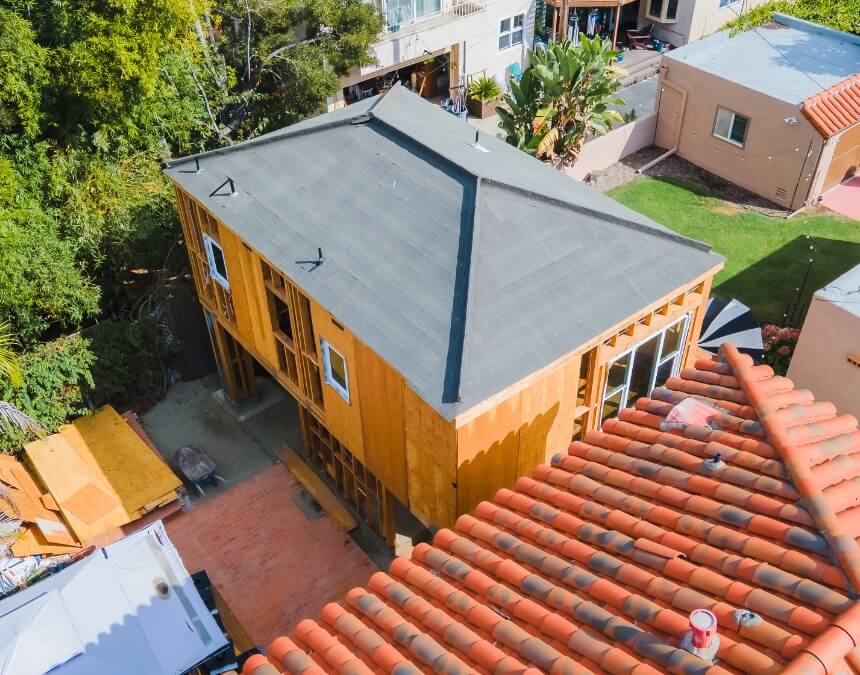
Even DIY-leaning homeowners benefit from professional consults early to validate feasibility, reduce permitting risk, and avoid structural missteps.
Understanding the Scope of Work
It helps to visualize the full ADU task stack. A typical build runs:
demo/site prep → foundation/flatwork → framing/shear → roofing/windows → rough MEP → insulation/drywall → finishes/cabinets/flooring → final MEP + fixtures → landscaping/access → final inspection.
That’s before you factor in ordering materials, solving site surprises, and re-submitting plan changes if needed. GreatBuildz notes that an ADU often involves coordinating 25+ specialty trades, which is why acting as your own GC is so time-intensive. (GreatBuildz)
Also be realistic about tools and equipment: even “DIY-leaning” projects still require rentals (dumpsters, concrete equipment, lifts, compactors), specialized fasteners/hardware, and safe storage for materials. Owner-builder permits don’t reduce permit costs or inspection requirements, and in some cities they can actually increase inspections because the city expects more oversight when a GC isn’t present. (City of Placerville)
| Phase | What Happens in This Stage |
|---|---|
| 1. Demo / Site Prep | Clear existing structures if needed, remove debris, rough grading, mark utilities, set up access and safety controls. |
| 2. Foundation / Flatwork | Excavation, forms, rebar, concrete pour, slab or raised foundation, trenches for utilities. |
| 3. Framing / Shear | Build walls, floors, roof structure; install shear walls, hold-downs, and structural connectors. |
| 4. Roofing / Windows | Dry-in the structure: roof install, waterproofing, windows/doors, exterior weather barrier. |
| 5. Rough MEP | Rough-in Mechanical, Electrical, Plumbing (HVAC lines, wiring, pipes, vents). |
| 6. Insulation / Drywall | Install insulation to Title 24 specs, air sealing, drywall hanging and finishing. |
| 7. Finishes / Cabinets / Flooring | Interior finishes: paint, trim, cabinets, countertops, tile, flooring, doors, lighting fixtures. |
| 8. Final MEP + Fixtures | Install final plumbing/electrical/HVAC fixtures: outlets, switches, toilets, sinks, appliances, registers. |
| 9. Landscaping / Access | Final grading, walkways, fences, drainage, exterior lighting, required access paths. |
| 10. Final Inspection | City final walkthrough, corrections if needed, Certificate of Occupancy issued. |
Consulting with Professionals
Even if you plan to DIY your ADU, most successful owner-builders still bring in professionals at key moments—especially for plans, engineering, MEP systems, and inspection prep. GreatBuildz points out that an ADU is essentially a small house, so the safest DIY builds are usually those where homeowners combine hands-on work with expert guidance rather than trying to do everything alone. California’s CSLB also emphasizes that owner-builders act as the general contractor and remain responsible for the entire project, even when they hire licensed subs—so knowing when to call in help is part of doing DIY the right way. (CSLB)
When to Seek Professional Guidance
Design + structural plans.
Unless you’re trained to design and draft code-compliant residential plans, you’ll want a professional designer or architect to produce your ADU plans. Ohana Dwellings notes that design must meet both state ADU law and local zoning, and consulting an architect or using pre-designed plans helps avoid costly revisions later. (Ohana Dwellings) GreatBuildz similarly recommends working with pros early to ensure plans pass local review the first time.
Soils / foundation.
A structural engineer or soils professional is worth hiring if your ADU is detached new construction, on a slope, in a coastal/hillside zone, or involves any structural conversion. California ADUs must meet full building-code and seismic standards, and foundation errors are among the most expensive DIY fixes.
Electrical / plumbing / HVAC (MEP).
Even highly capable DIY homeowners typically hire licensed subcontractors for MEP rough-ins and finals. These trades are heavily code-regulated, inspections are strict, and CSLB guidance makes clear that owner-builders may hire licensed subs but remain responsible for oversight and compliance. (CSLB)
ADU-experienced project manager (mid-path option).
If full DIY feels too risky but a turnkey GC feels too expensive, a middle ground is hiring an ADU-experienced project manager or construction manager. GreatBuildz highlights this “hybrid” path as a common solution: you stay the owner-builder, but pay a pro to coordinate subs, sequencing, and inspections.
Leveraging Expert Advice for Better Outcomes
Paid consult vs. full turnkey build.
You don’t have to hire a contractor for everything to get value from experts. Many homeowners pay for a few targeted consults—plan review, structural oversight, inspection prep—while still DIYing demolition, finishes, or project coordination. This keeps costs down while reducing high-stakes mistakes.
Using pre-approved plan programs.
San Diego County and nearby cities offer pre-approved or “permit-ready” ADU plans that are already vetted for code compliance. These plans are typically ~85% complete and can shorten plan check because the city has reviewed the core design already. (County of San Diego) If you’re DIY-leaning, this is one of the best ways to reduce permitting risk and speed up approvals.
“Value engineering” with a GC even if you plan to DIY.
Consulting a GC for a one-time review can help you spot cost drivers early (utilities, grading, roof complexity, finish selections). GreatBuildz recommends getting professional pricing feedback upfront so DIY owners don’t get blindsided mid-build. (GreatBuildz) Even a short consult can reveal smarter sequencing or material swaps that preserve quality while controlling costs.
DIY vs. Hiring a Contractor: Which Path Fits Your ADU?
DIY fits homeowners with real construction experience and flexible timelines; hiring a contractor fits homeowners who want speed, lower stress, and predictable inspections. GreatBuildz sums up why this choice is so important: an ADU is “a small house” and a DIY build is an “extremely complicated undertaking” for most people. If you’re unsure, many San Diego homeowners land in the middle with a hybrid approach—DIYing lighter scopes while hiring licensed pros for technical trades and/or project management.
Should I DIY or hire a contractor?
Here’s a simple decision tree you can scan fast:
DIY makes sense if…
- You’ve managed a remodel or build end-to-end before.
- You can dedicate steady weekly hours for 6–12+ months.
- You’re comfortable coordinating many trades and inspections.
- You’re willing to hire licensed subs for electrical/plumbing/HVAC.
Hire a contractor if…
- You don’t have construction or GC-level project management experience.
- Speed matters (rental income, family timeline, etc.).
- You want fewer inspection surprises and someone else handling code compliance.
Hybrid is a strong third option if…
- You want savings but not full risk.
- You DIY demo/finishes/landscaping, but hire pros for plans, structure, and MEP or a project manager to coordinate the build.
What is the most cost-effective way to build an ADU?
The cheapest reliable path usually comes down to controlling the biggest cost drivers:
- Size & simplicity: Smaller footprints and simpler shapes reduce framing, roofing, and finish costs. (Maxable)
- Site prep & access: Flat lots with easy backyard access avoid costly grading, hauling, or crane/lift logistics.
- Utilities: Shorter sewer/water/power runs (and avoiding major panel or lateral upgrades) can save a lot.
- Finish level: Mid-range finishes often deliver the best value without dragging costs into custom-home territory.
DIY can lower costs because labor is a major slice of the budget, but pros often provide cost stability—fewer mistakes, better sequencing, trade discounts, and less rework. A very cost-effective compromise is DIY + prefab or conversion + pro trades, where you keep scope simple and hire experts only where required.
Is it cheaper to build a house yourself or hire a contractor?
Same logic as a full house: DIY can be cheaper on paper, but riskier in practice. GreatBuildz points out most homeowners wouldn’t attempt to DIY a whole house—and since an ADU is a small house, the challenge is similar. Angi reinforces this with a practical warning: “There’s a misconception that ADUs are easy… they’re just as complicated to build as a home addition.” (Angi)
So yes, DIY can save money if you truly have the skills and time. But if delays, inspection failures, or rework pile up, hiring a qualified ADU contractor often ends up being the more predictable—and sometimes ultimately more economical—route.
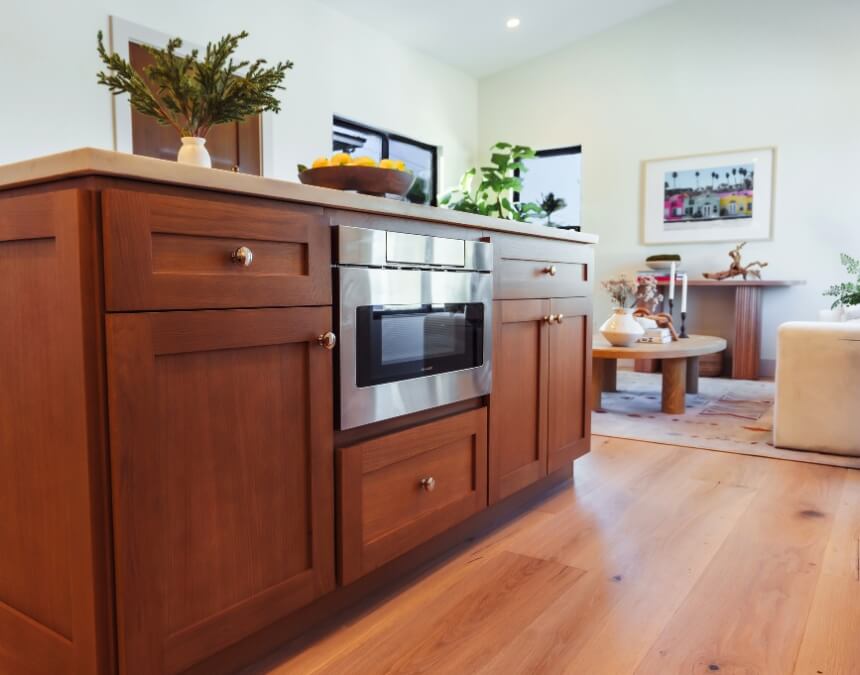
DIY favors flexibility and savings; hiring a contractor favors speed and predictability—hybrid approaches often deliver the best cost-benefit outcome.
ADU Builder vs General Contractor vs DIY
When choosing how to build your ADU in San Diego, you’re really picking between three management styles: a specialized ADU builder, a general contractor (GC), or acting as your own owner-builder (DIY). ADU builders focus on backyard units. They know small-space design, permitting patterns, and construction sequencing for ADUs. General contractors have broader remodel experience. They are better when the ADU is part of a larger home project. (Nestadu) DIY can work, but only for homeowners with strong construction and project-management skills, because you’re taking on the GC role yourself.
When to choose an ADU builder
Choose an ADU builder when you want deep specialization and a turnkey experience. Nestadu highlights that ADU builders are especially valuable for standalone ADU projects, compact-living layouts, and situations where local ADU rules are complex or recently updated. (Nestadu) In San Diego, this matters on lots with extra rules. These include Coastal Overlay Zones, hillside sites, or unusual access or utility conditions. Builders with ADU experience are more likely to predict plan-check issues and inspection needs. (San Diego)
When to choose a general contractor
A general contractor is often the right choice if your ADU is tied to a bigger remodel (kitchen + ADU, whole-home upgrade + garage conversion, etc.) or if you already have a trusted GC you’ve worked with. Nestadu notes that GCs shine when projects involve multiple scopes and you want one manager across everything. (Nestadu)
From a licensing standpoint, California CSLB defines a B-General Building Contractor as the license class that can legally supervise projects requiring at least two unrelated trades—exactly what ADUs involve. (CSLB)
Hybrid path: Owner-builder + ADU consultant
If full DIY feels risky but full turnkey feels expensive, a hybrid approach can be a sweet spot. In this model, you stay the owner-builder. You hire an ADU-savvy consultant or project manager to help with trade sequencing, plan coordination, and inspection readiness. This gives you professional support while keeping some DIY savings. Nestadu and other ADU specialists describe this middle-ground route as increasingly common for capable homeowners who want control without being overwhelmed. (Nestadu)
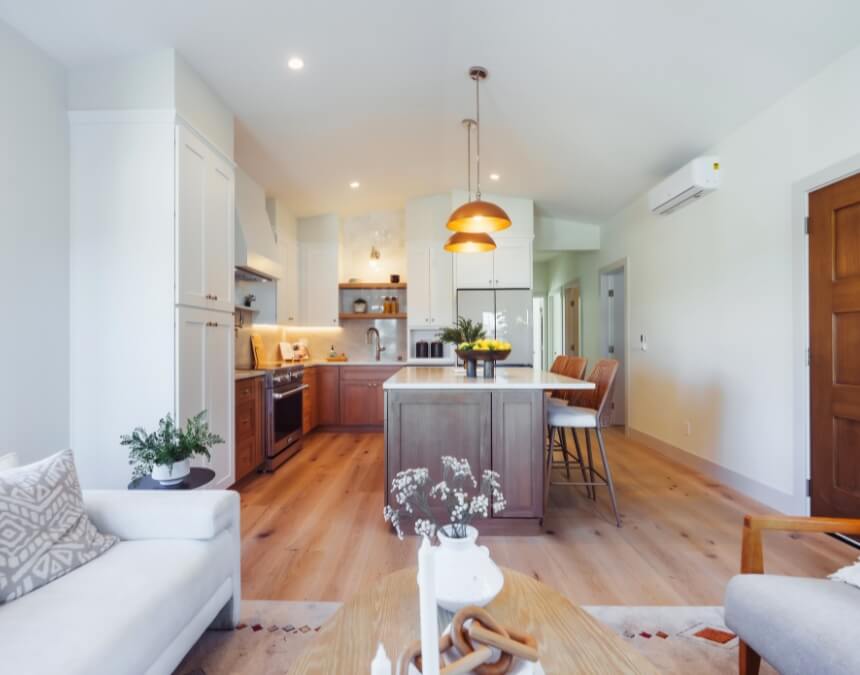
Choosing between DIY, a general contractor, or an ADU specialist comes down to complexity, risk tolerance, and how much coordination you want to manage yourself.
Prefab ADU vs Custom Build (for DIY-leaning homeowners)
Prefab ADUs can lower on-site labor and shorten the build timeline because much of the unit is manufactured in a factory and then delivered for installation. But they still need the same permits, plan checks, foundations, and utility connections as a site-built ADU under California rules. California’s HCD ADU Handbook makes clear that all ADUs—prefab/modular or custom—must comply with state building codes and local objective standards. Local builders echo this: even with prefab, you’re still paying for site prep, craning/transport, foundation, and hook-ups, which can narrow the expected savings. (Groysman Construction Remodeling)
When prefab is cost-effective:
Prefab tends to pencil out best when your lot is simple and access is easy. Think flat yards, straightforward utility tie-ins, and clear delivery paths for a crane or truck. In those cases, you benefit most from prefab’s faster build schedule and reduced on-site labor. ADU specialists note the biggest prefab advantage is speed, especially compared to full stick-built construction. Pre-approved or permit-ready plan programs can stack with prefab to save additional time in places like San Diego.
When custom is smarter (especially in San Diego):
Custom builds usually win on site-specific flexibility. If your San Diego property needs grading, retaining walls, creative setbacks, or has tight access (common in older neighborhoods, canyons, or coastal areas), a custom ADU can be designed around those constraints rather than forcing the lot to fit a factory footprint. Builders in California also point out that prefab costs can climb quickly once you add transport, crane time, foundations, and utility upgrades—sometimes matching or exceeding custom pricing on challenging lots. (Groysman Construction Remodeling) That’s why many DIY-leaning owners choose custom for tricky sites, then DIY selective scopes (like demo or finishes) to keep costs down.
Financing, ROI, and Long-Term Value
ADUs are a major investment, but they often pay off through rental income, added flexibility, and resale upside. In California markets, homes with permitted ADUs commonly sell for about 20–35% more on average, depending on neighborhood and unit quality. (Better Place Design & Build) For San Diego homeowners, the biggest takeaway is that returns depend on two things you can control: your total build cost and how fast the unit becomes rentable.
Cost expectations in California and San Diego
In San Diego, turn-key detached ADUs typically run about $375–$600+ per sq. ft. (roughly $200k–$450k+ total for many common sizes). This range reflects current labor/material pricing and site-specific variables like grading, access, and utility tie-ins.
DIY can reduce costs mainly by cutting contractor labor/overhead, but it doesn’t change most hard costs: foundation, framing lumber, windows/doors, roofing, MEP materials, and required energy upgrades will cost about the same whether you self-manage or hire a pro. Where DIY can backfire financially is timeline and rework—inspection failures or long delays can quickly eat the savings.
Financing options homeowners actually use
Most California homeowners fund ADUs using one of three buckets:
- Home-equity financing (HELOC or home-equity loan).
This is the most common route when you have enough equity and want to keep your current mortgage. NerdWallet’s ADU finance overview lists HELOCs/home-equity loans as a primary option because they’re flexible and tied to your existing property (NerdWallet) - Cash-out refinance.
If you have significant equity and your mortgage terms make sense to refinance, a cash-out refi can roll ADU costs into a new loan. CalHFA’s ADU outcomes report notes cash-out refis as a standard financing path many homeowners use alongside equity loans. (CalHFA) - Construction or renovation loans.
These use the after-completion value of the home + ADU, which can help homeowners without huge equity today. HCD’s Casita Coalition finance guide explains construction-to-permanent loans as a key ADU tool, though they can carry higher rates and tighter timelines.
San Diego-specific help:
If you’re income-eligible within the City of San Diego, the SD Housing Commission ADU Finance Program offers construction-to-permanent loans up to $250,000 plus free technical assistance (with affordability/rent restrictions). (SDHC)
Statewide help:
CalHFA has offered an ADU Grant Program reimbursing up to $40,000 in pre-development costs when funding rounds are available. (Status changes with each funding cycle.) (CalHFA)
ROI and resale
Value uplift.
Multiple California analyses show ADUs often raise resale value by ~20–35% on average, especially for well-designed detached units in high-demand neighborhoods. (Property Focus) Your exact premium depends on unit size, finish level, and whether it’s fully permitted.
Rental income timing vs DIY delays.
ROI isn’t just about resale—San Diego rents are high, so getting to move-in ready quickly matters. A pro-managed build may cost more but often delivers income sooner; a DIY build can save money if your timeline stays tight. But every extra month of construction is a month of lost rent, which can materially change your payback period.
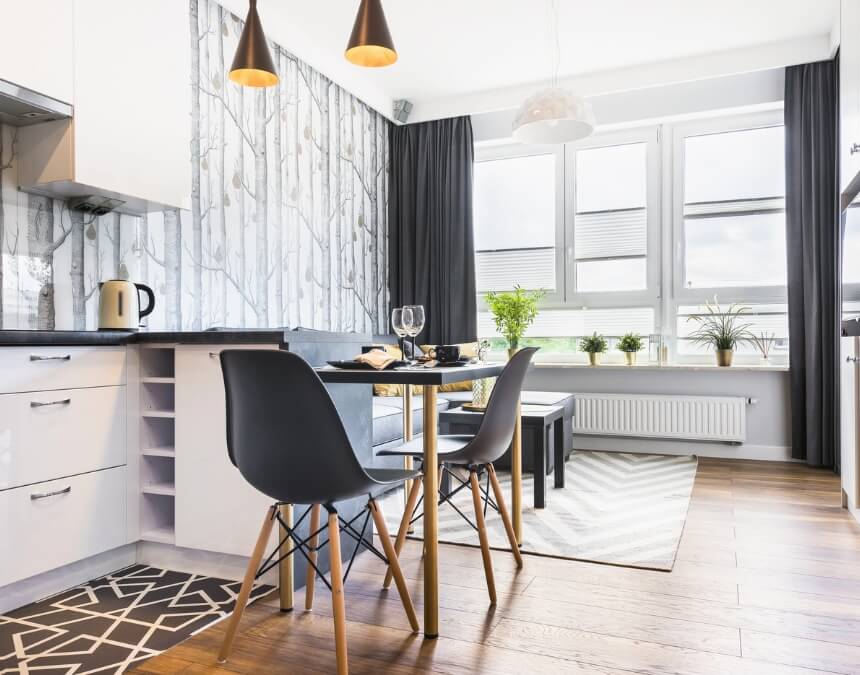
Financing strategy and build speed directly impact ADU ROI—delays can quietly erode rental income and resale upside.
Conclusion: The Best Path for San Diego Homeowners
If you have real construction experience, flexible time, and confidence managing multiple trades and inspections, a DIY or hybrid ADU can work in San Diego – but it’s still a complex, small-house build that demands serious planning. If your priority is speed, lower stress, and a smoother path through inspections, hiring an ADU-experienced contractor is usually the safer and more predictable route. Either way, the smartest next step is to consult with an ADU professional early (even if you plan to DIY) to confirm feasibility, zoning, utilities, and a realistic budget and timeline for your specific lot.
Ready to move forward? Get a San Diego ADU consult/estimate so you know exactly which path – DIY, hybrid, or turnkey – fits your property, goals, and budget.
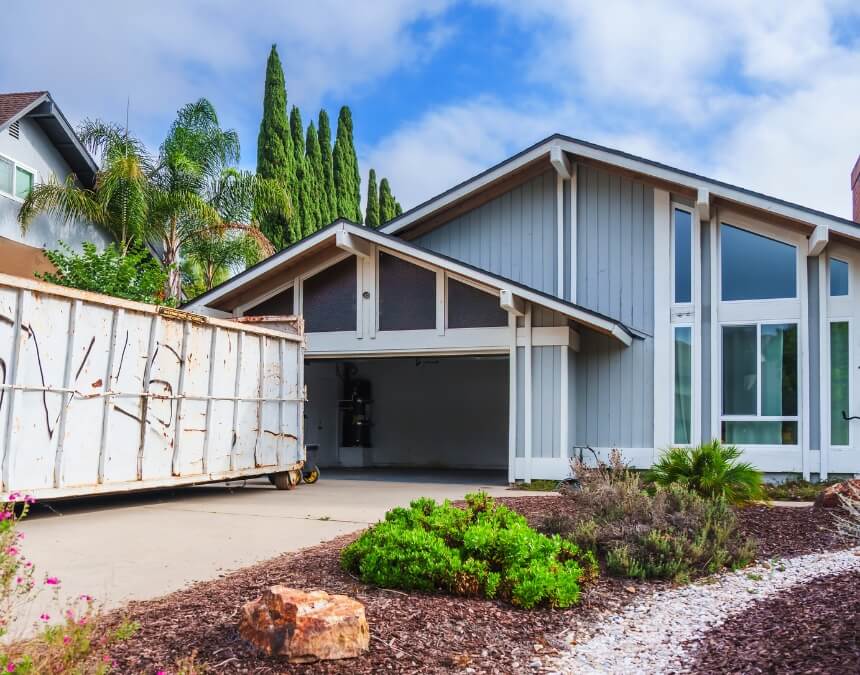
The best ADU path balances budget, timeline, and stress—clarity upfront helps San Diego homeowners avoid costly course corrections later.
Frequently Asked Questions
DIY works if you have real construction experience, plenty of time, and confidence managing permits, inspections, and many trades. Hiring a contractor is better if you want a faster, lower-stress build with fewer inspection surprises. A hybrid approach—DIY some parts while hiring pros for structure and MEP—is often the safest middle ground.
Keep the design simple, minimize site prep and utility upgrades, choose practical mid-range finishes, and avoid changes mid-build. Using pre-approved plans can speed permits and reduce rework. DIY is only cost-effective if you can keep the schedule tight and pass inspections the first time.
DIY can be cheaper because you avoid contractor overhead and some labor costs, but only if you perform at a high level. Mistakes, failed inspections, and long delays can erase savings quickly. Contractors cost more up front but often deliver more predictable budgets and timelines.
Prefab is better for simple, flat lots with good access and when speed is the priority. Custom builds are better for tricky San Diego sites—tight access, slopes, coastal rules, or unusual lot shapes—where you need design flexibility. Both still require permits, foundations, and full utility work.
More Projects
-
ADU Trends & Insights
What Are ADU Owner Occupancy Requirements?
ADU owner occupancy requirements are rules that require a property owner to live on the same lot as an accessory dwelling unit, either in the primary residence or the ADU itself. These rules were historically imposed by local governments to discourage absentee landlords and preserve neighborhood character. In California, however, owner-occupancy requirements for ADUs are […]
-
ADU Trends & Insights
What Is a Casita? Definition, Uses, and How It’s Different From an ADU
Casitas are stylish, small ADUs under 800 sq. ft., perfect for guests, rentals, or in-law suites. Discover the benefits, costs, and designs.
-
ADU Trends & Insights
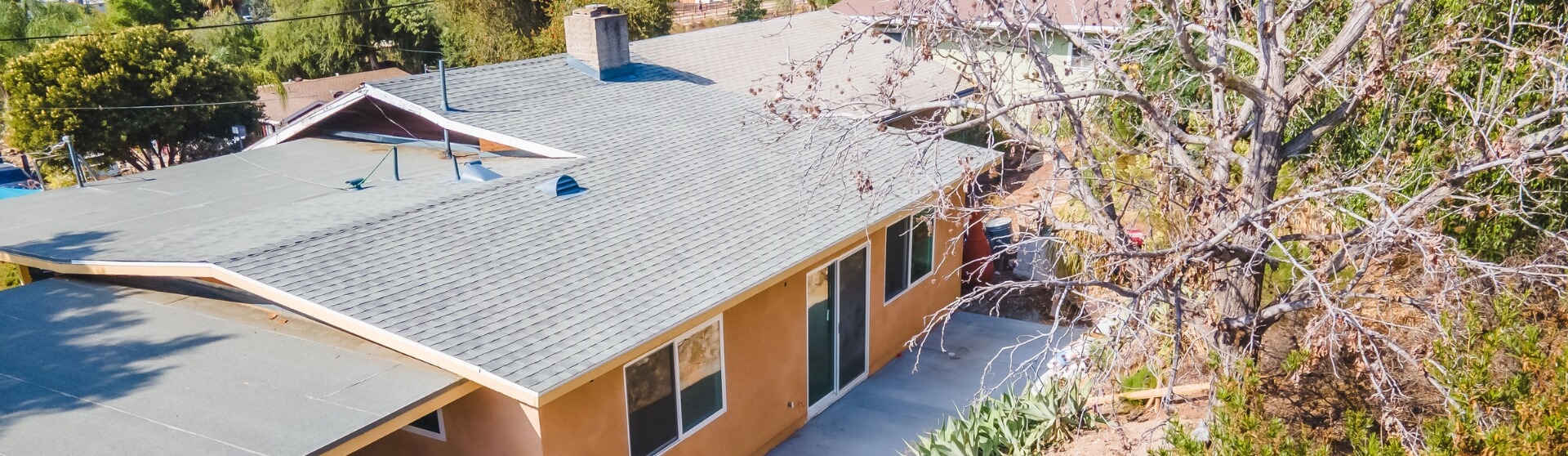
What Roofing Options Are Best for ADUs in California (Especially San Diego)?
The best ADU roofing in California (especially San Diego) balances budget, durability, and curb appeal—using options like asphalt shingles, metal, tile, or low-slope membranes that meet Title 24 cool-roof/solar requirements and hold up to intense sun, heat, and wildfire risk.
-
ADU Trends & Insights
Best ADU Designs
Explore essential ADU design trends and practical insights, from layout optimization to style choices, ensuring your accessory dwelling unit maximizes comfort, functionality, and investment potential.
-
ADU Trends & Insights
What Are ADU Electrical Requirements in California?
Get the complete breakdown of electrical requirements for ADUs in California, from panel upgrades to solar compliance, to help you build safely and within code.
-
ADU Trends & Insights
How We Make Your ADU’s Interior Design Stress Free & Feel Like Home
Our interior designers simplify the finish selection process—so you get a stylish, renter-friendly ADU without the stress, delays, or costly mistakes.
-

ADU Trends & Insights
What Are the Best Loan Programs for ADUs in California (San Diego Guide)?
California homeowners can finance ADUs through home equity, construction or renovation loans, cash-out refinancing, and programs like CalHFA (when available) and San Diego’s SDHC, with the best option depending on equity, income, and timing.
-
ADU Trends & Insights
What Are the ADU Electrical Requirements in California in 2026?
California ADUs must comply with strict electrical and energy regulations under the California Electrical Code (CEC) and Title 24 energy standards. Most ADUs require detailed planning for electrical panels, load calculations, dedicated circuits, solar readiness, and utility coordination to meet modern safety and efficiency requirements. Homeowners in San Diego and across California often underestimate the […]
-
ADU Trends & Insights
20 Day Preliminary Notice for ADUs in California: Requirements and Deadlines
A California 20-Day Preliminary Notice is a required filing for most ADU projects that subcontractors and suppliers must send within 20 days of providing labor or materials, notifying owners, contractors, and lenders.
-
ADU Trends & Insights
How Long Until an ADU Pays for Itself?
Most ADUs pay for themselves within 5–15 years by combining rental income and property value appreciation, with faster payback in high-demand markets like San Diego.
-
ADU Trends & Insights
What Are the Legal Bedroom Requirements in California?
California has made building ADUs easier to tackle the housing crisis, but specific state and local regulations still apply. Here's what you need to know before starting.
-
ADU Trends & Insights
What Is a Retaining Wall for an ADU?
A retaining wall for an ADU is a structural wall designed to hold back soil, stabilize slopes, and create a level building area. These walls help prevent erosion, protect the structure from water damage, and make construction possible on sloped or uneven lots.
-
ADU Trends & Insights
What Is the Cost of Building an ADU in California?
The cost of building an ADU in California varies based on factors such as size, design, site conditions, utility work, and local fees. A statewide homeowner survey found that the median ADU construction cost is $150,000, or approximately $250 per square foot, providing a useful benchmark for homeowners planning an ADU. The California Department of […]
-
ADU Trends & Insights
How Many ADUs Can You Have on Your Property in California?
Understand California's rules for ADUs and JADUs, including property limits, zoning laws, and strategies to maximize space, rental income, and property value.
-
ADU Trends & Insights
What Are Vaulted Ceilings and High Ceilings in ADUs and Are They Worth It in California?
Vaulted ceilings enhance ADUs by maximizing vertical space, increasing natural light, improving comfort, and boosting long-term property value in California when designed and built correctly.
-
ADU Trends & Insights
Can You Sell an ADU in San Diego?
San Diego's pending ordinance may soon enable homeowners to sell ADUs as separate condominiums, expanding affordable housing opportunities.
-
ADU Trends & Insights
What Is ADU Construction?
ADU construction involves planning, permitting, and building a self-contained living space on a residential property — adding value, flexibility, and income potential without buying new land.
-
ADU Trends & Insights
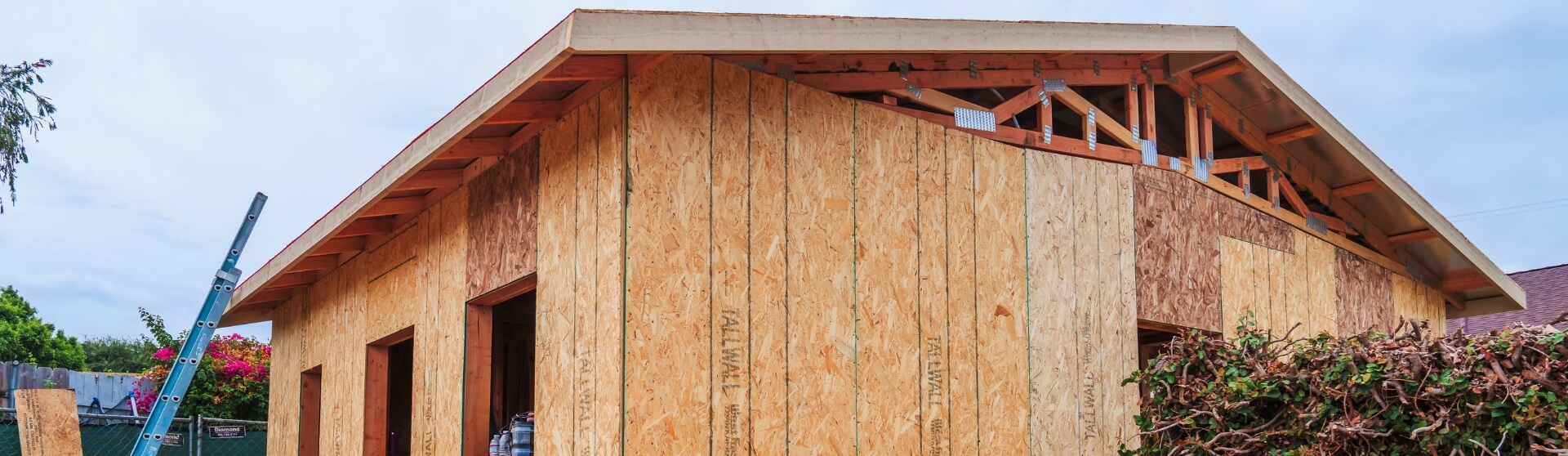
What is the importance of an ADU feasibility study in California and San Diego?
An ADU feasibility study is a comprehensive analysis of zoning, site constraints, existing utilities, and a proposed design that determines whether building an accessory dwelling unit is practical and financially viable on a specific property.
-
ADU Trends & Insights
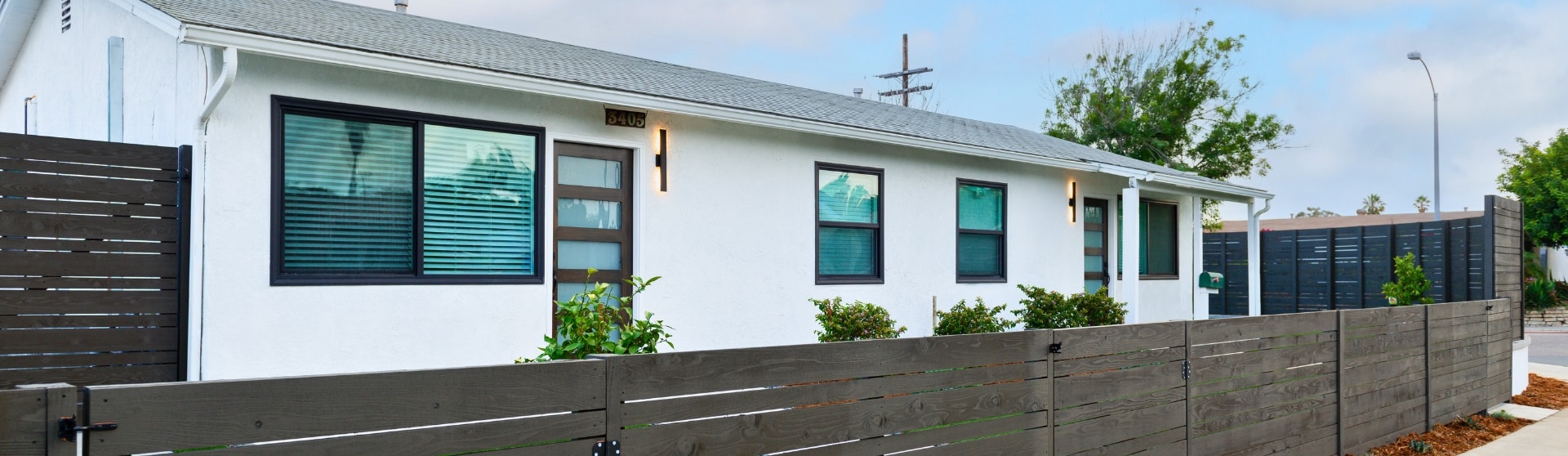
What Is ADU Rental Income and Why Are California Homeowners Investing in It?
Explore how to maximize rental income from an ADU with tips on design, rental strategies, and legal considerations to turn your ADU into a profitable investment.
-
ADU Trends & Insights
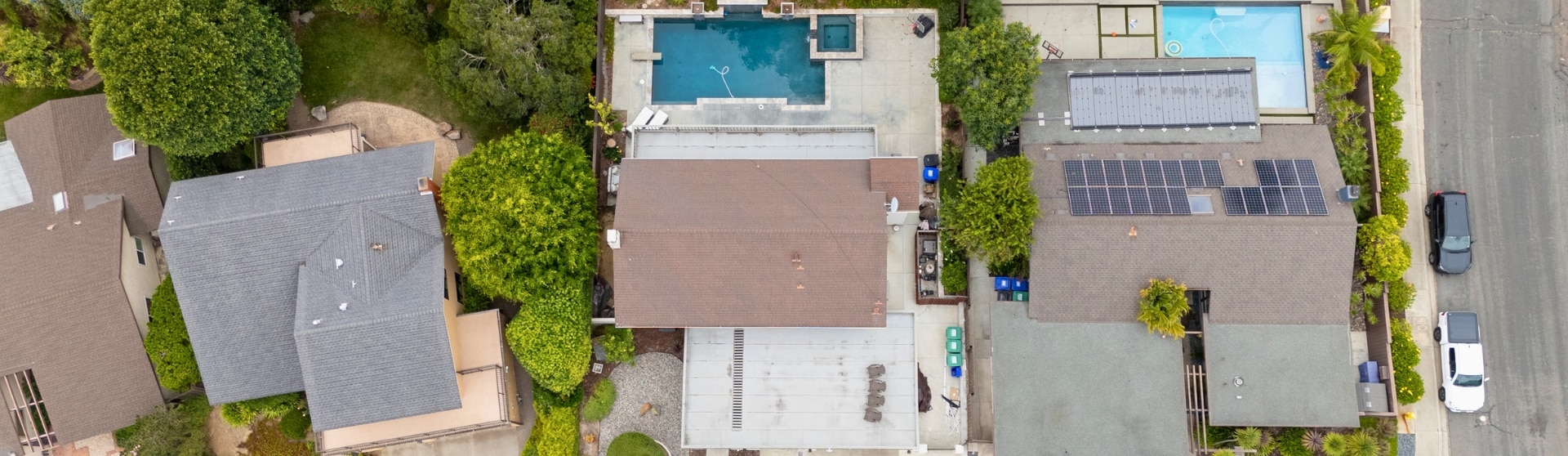
How Much Does an ADU Increase Property Value?
Discover how adding an ADU can significantly boost your property value, generate rental income, and enhance long-term equity—all while making the most of your available space.
-
ADU Trends & Insights
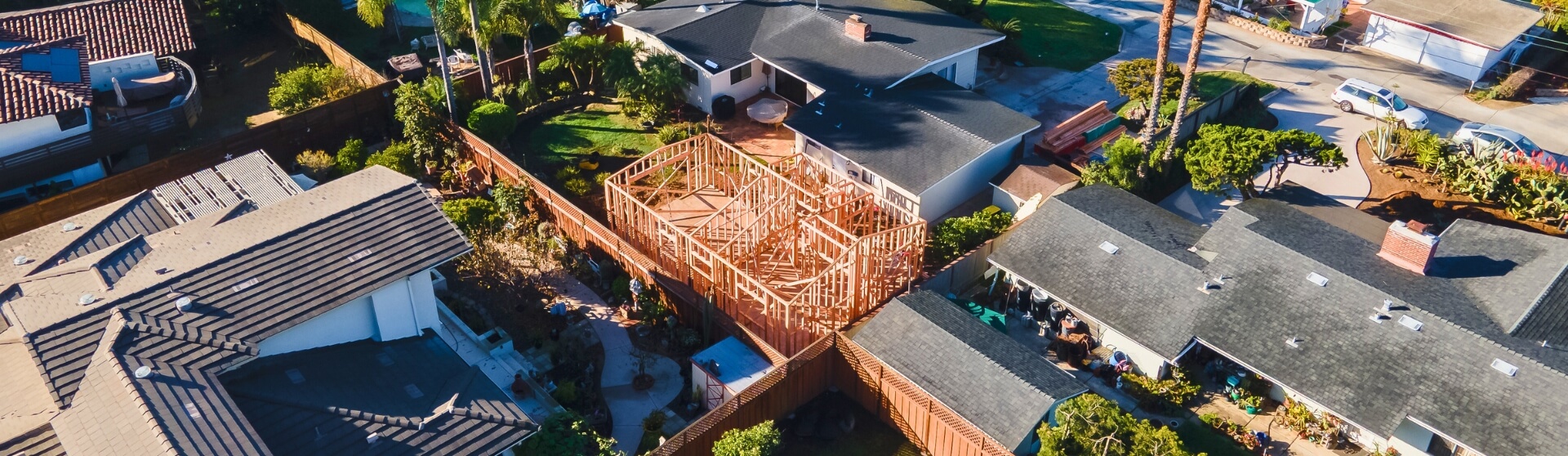
Should You Invest in Building an ADU in San Diego?
Building an ADU in San Diego can be a worthwhile investment for homeowners looking to generate rental income, increase property value, or create flexible living space for family members. An Accessory Dwelling Unit (ADU) is a secondary residential unit built on the same lot as a primary home, and demand for ADUs continues to grow […]
-
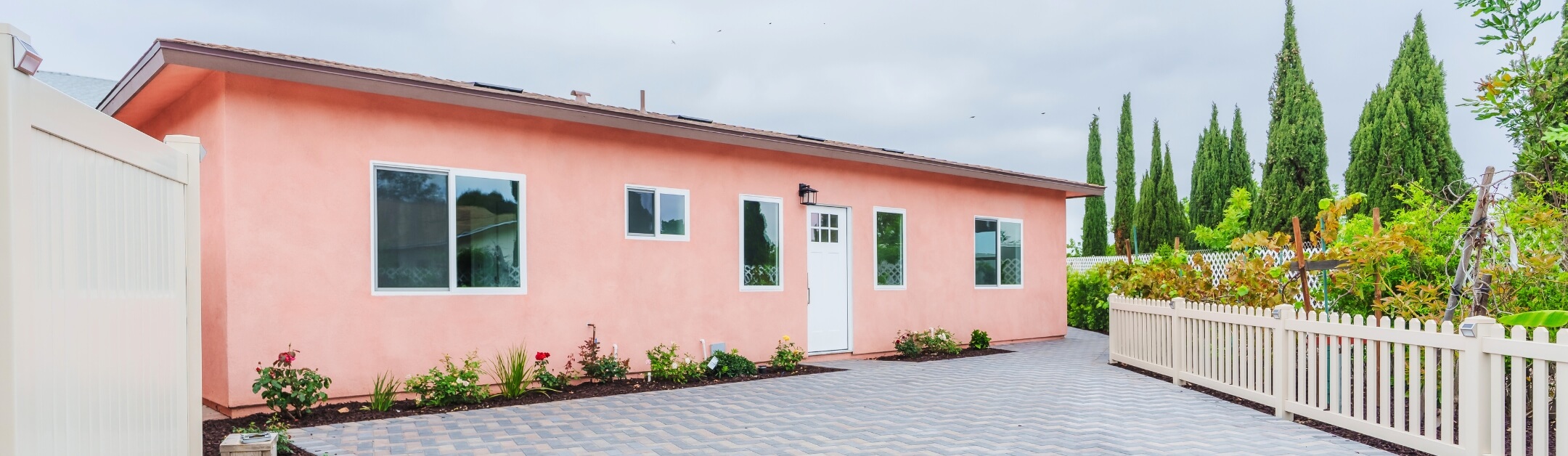
ADU Trends & Insights
What Is an ADU Cost Breakdown?
An ADU cost breakdown shows where your budget goes—hard construction costs (about 85–90%) versus soft costs like plans, permits, and city fees (about 10–15%)—so you can set realistic expectations and avoid surprises.
-
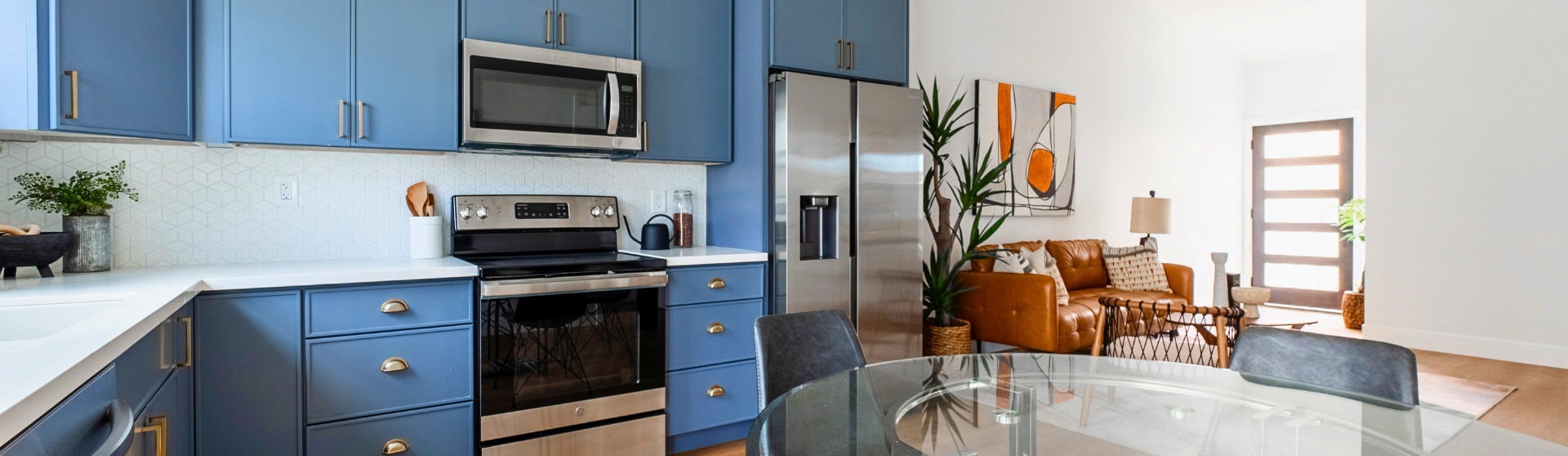
ADU Trends & Insights
Custom ADU: Your Ultimate Guide
A custom ADU may cost more than manufactured or prefab units, depending on size, type, and finishes, but it offers several benefits.
-
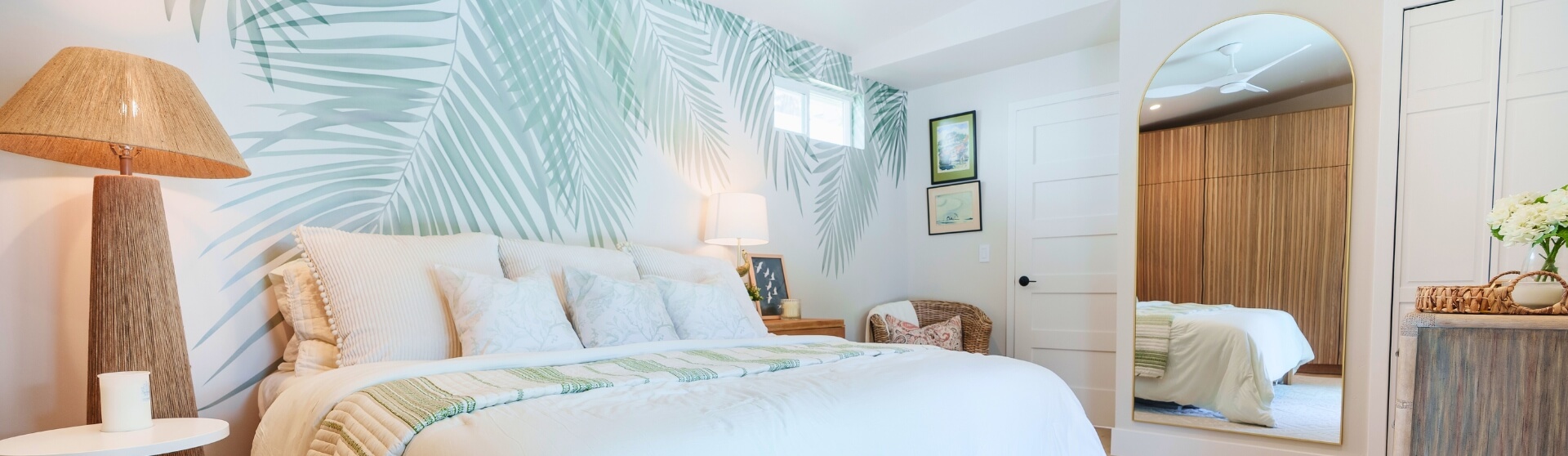
ADU Trends & Insights
How Does Choosing the Right Color Scheme Impact an ADU’s Design and Value?
Choosing the right ADU color scheme—especially light, neutral palettes with intentional accents—can make small spaces feel larger, improve livability, and increase rental and long-term property value.
-
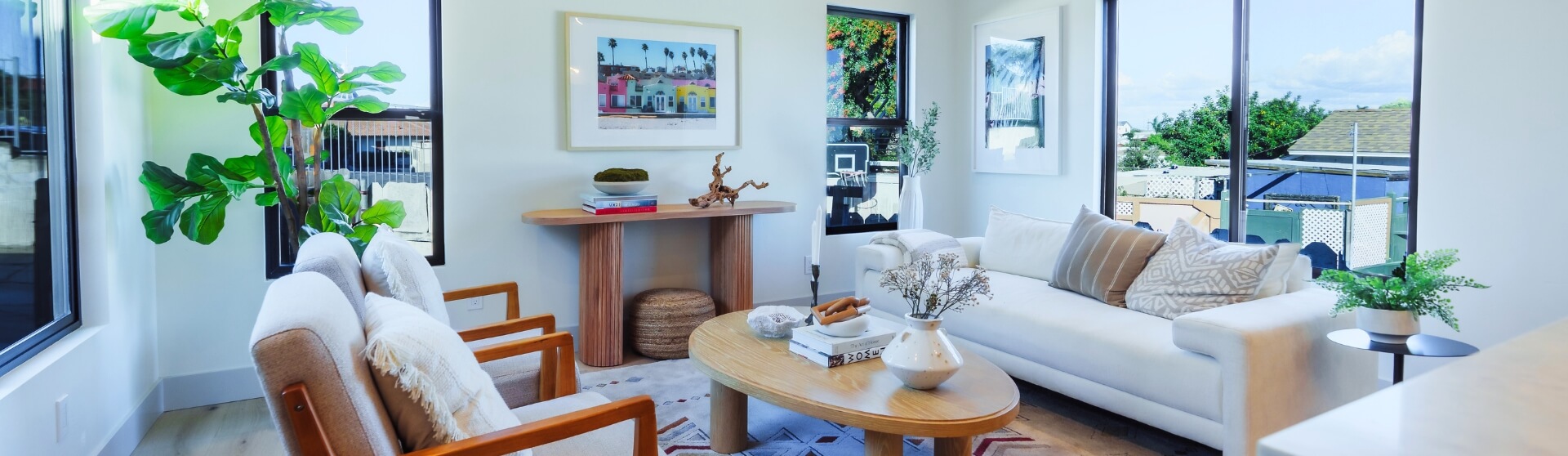
ADU Trends & Insights
Are ADUs a good alternative to nursing homes for California homeowners?
ADUs offer California homeowners a practical alternative to nursing homes by allowing aging parents to live independently on the same property, supporting aging in place while turning ongoing care costs into a long-term home investment.
-
ADU Trends & Insights
What Qualifies as an ADU?
ADUs are reshaping the California housing market, providing homeowners with cost-effective, independent living spaces to meet diverse needs.
-
ADU Trends & Insights
What Are Stacked Accessory Dwelling Units (ADUs)?
Stacked ADUs are two fully independent accessory dwelling units built vertically in a single two-story structure, allowing California homeowners to add multiple homes on one lot without increasing the building footprint when local height and zoning rules allow.
-

ADU Trends & Insights
Is it Worth It To Build An ADU in 2026? Assessing the ROI of Building an ADU
Discover the financial benefits and pitfalls of building an ADU with our comprehensive, detailed guide.
-
ADU Trends & Insights
When Do You Need a Survey for an ADU in San Diego?
A survey for an ADU in San Diego is typically required when the new unit is built close to property lines, situated on a sloped or irregular lot, or when local regulations mandate setback verification.
-
ADU Trends & Insights
Where Can ADUs be Built in San Diego, CA?
ADUs are allowed on nearly all residential lots in California, including single-family and multifamily properties, under state law. In San Diego, any property zoned for residential use qualifies, making it easier than ever for homeowners to add an ADU and expand their living or rental space.
-
ADU Trends & Insights
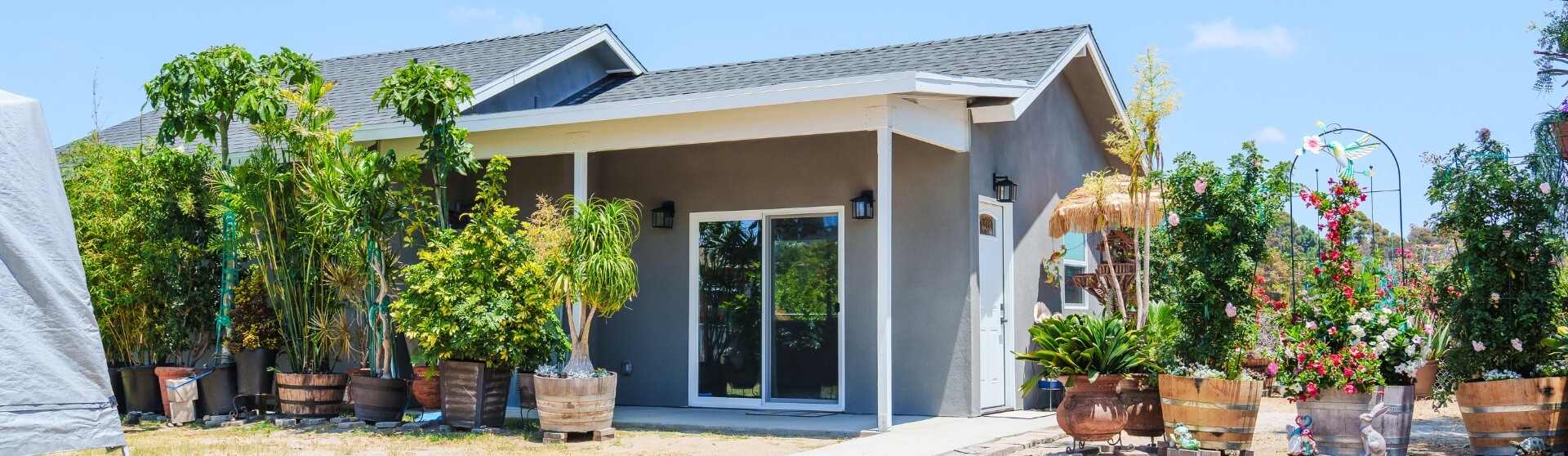
What Makes an Ideal Lot for an ADU in California (Especially San Diego)?
An ideal ADU lot in California (especially San Diego) is flat or gently sloped with enough clear buildable space for setbacks, good construction access, nearby utility tie-ins, and minimal easements or overlays—since slope, access, and utility distance are the biggest drivers of cost and feasibility even with “by-right” ADU rules.
-
ADU Trends & Insights
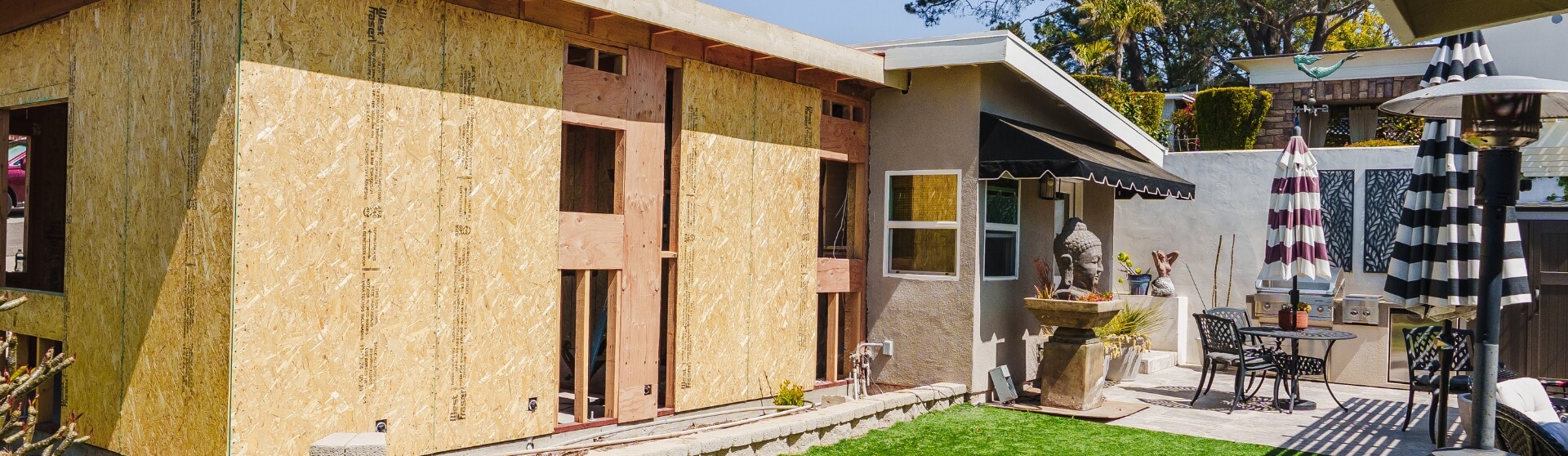
Garage ADU: What It Is, Costs, Rules, and Conversion Options
Unlock your property's potential by converting your detached garage into a cost-effective, versatile ADU that increases property value and generates rental income.
-
ADU Trends & Insights
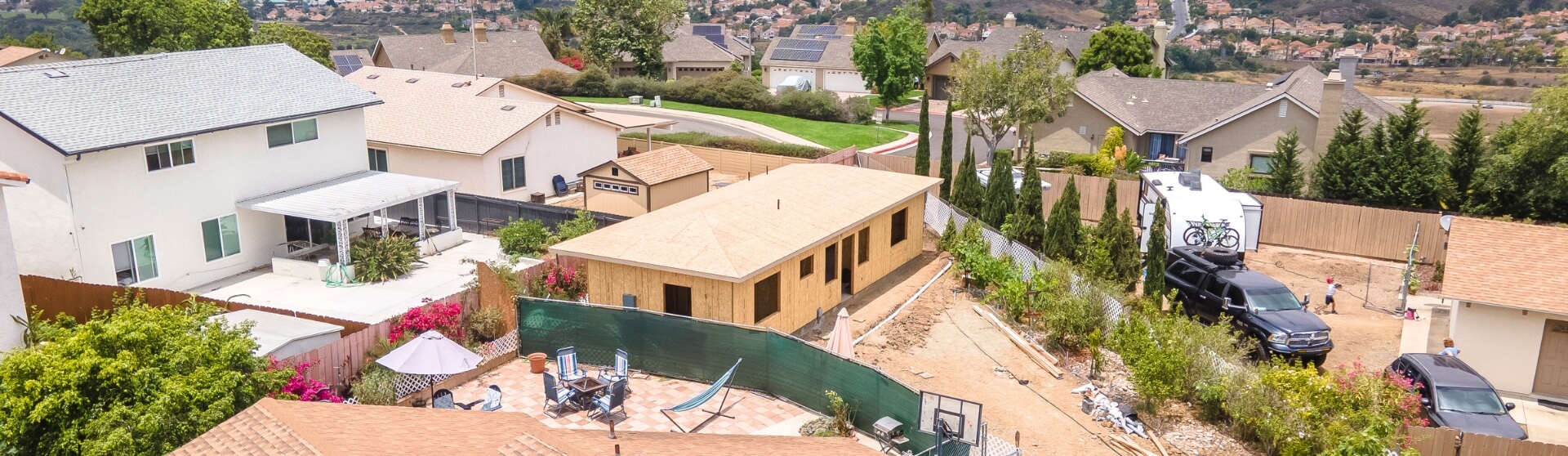
When Should You Build an ADU in San Diego?
ADU construction involves planning, permitting, and building a self-contained living space on a residential property — adding value, flexibility, and income potential without buying new land. In California, ADUs now make up about one in six new homes, reflecting their growing role in solving the state’s housing shortage.
-
ADU Trends & Insights
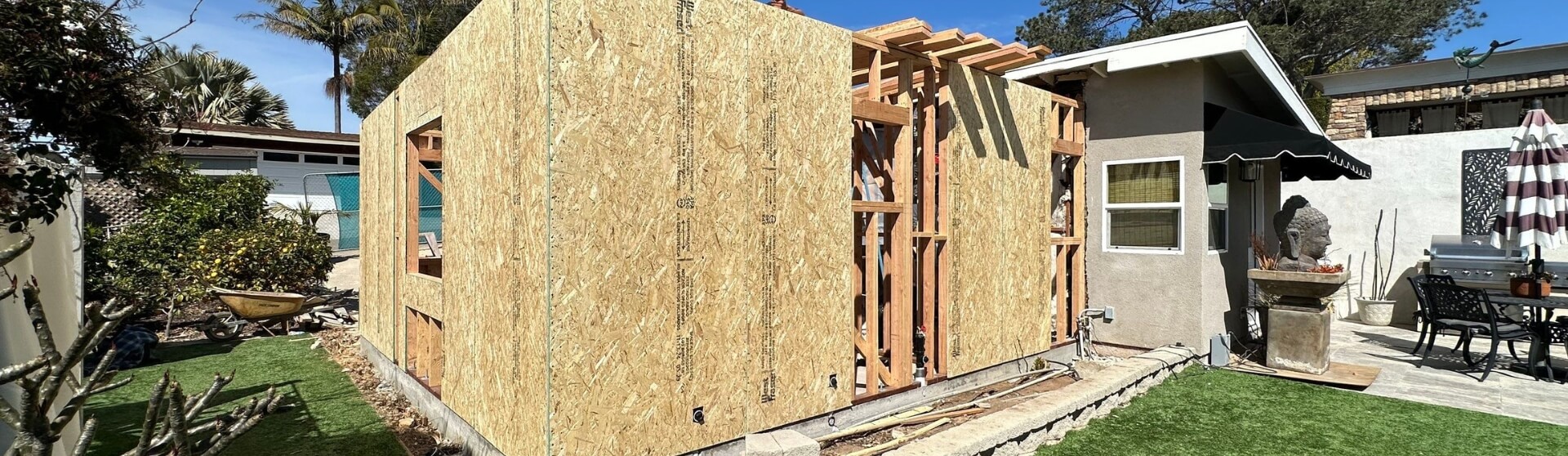
ADU vs JADU: What’s the Difference?
Explore the crucial differences between ADUs and JADUs—including size, regulations, costs, and ROI—to determine the best fit for your property and goals.
-
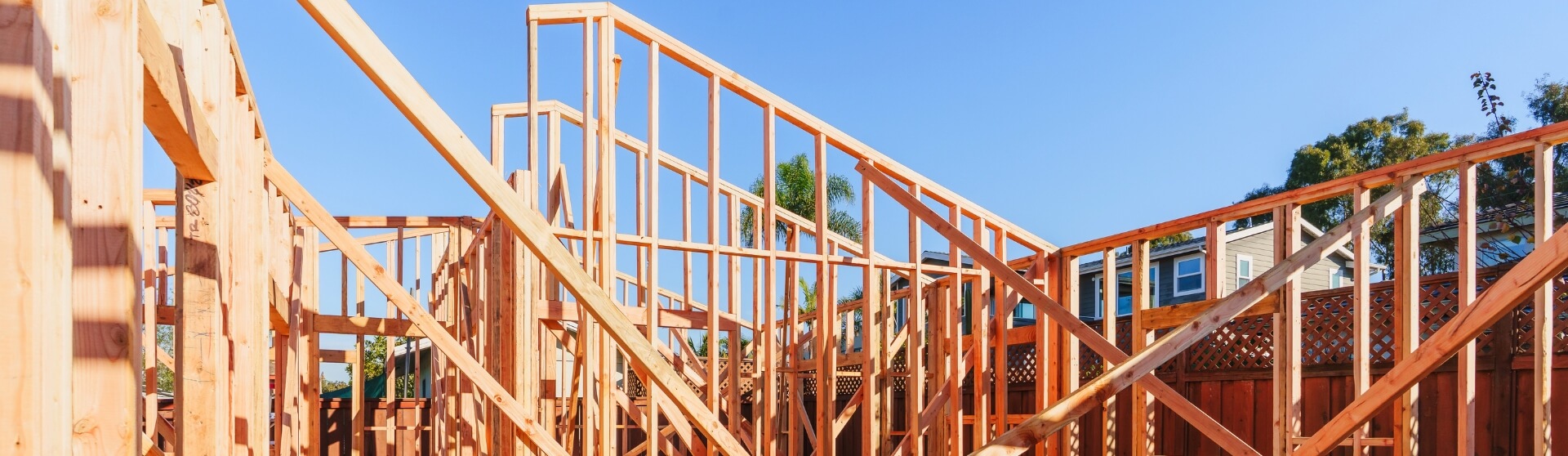
ADU Trends & Insights
What Is an ADU Cost Calculator and How Much Does It Cost to Build an ADU in California?
An ADU cost calculator helps California homeowners estimate the cost of building an accessory dwelling unit based on factors like square footage, construction type, utility work, site conditions, and finish quality. In California, ADU construction costs typically range from $100,000 to $200,000, although detached ADUs with premium finishes or difficult site conditions can exceed that […]
-
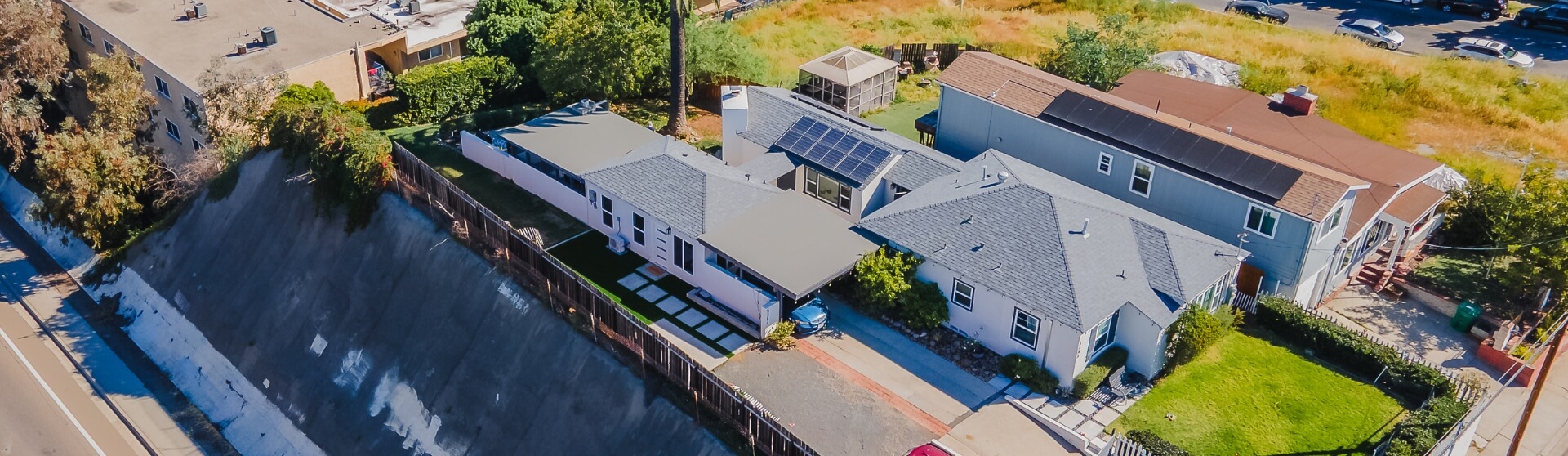
ADU Trends & Insights
What Are the Key Differences Between Attached and Detached ADUs in California?
An attached ADU shares at least one wall or structural connection with the primary residence, while a detached ADU is a standalone structure located on the same property. Both provide complete independent living facilities, including areas for living, sleeping, cooking, and sanitation, but they differ in privacy, construction requirements, utility infrastructure, design flexibility, and rental […]
-
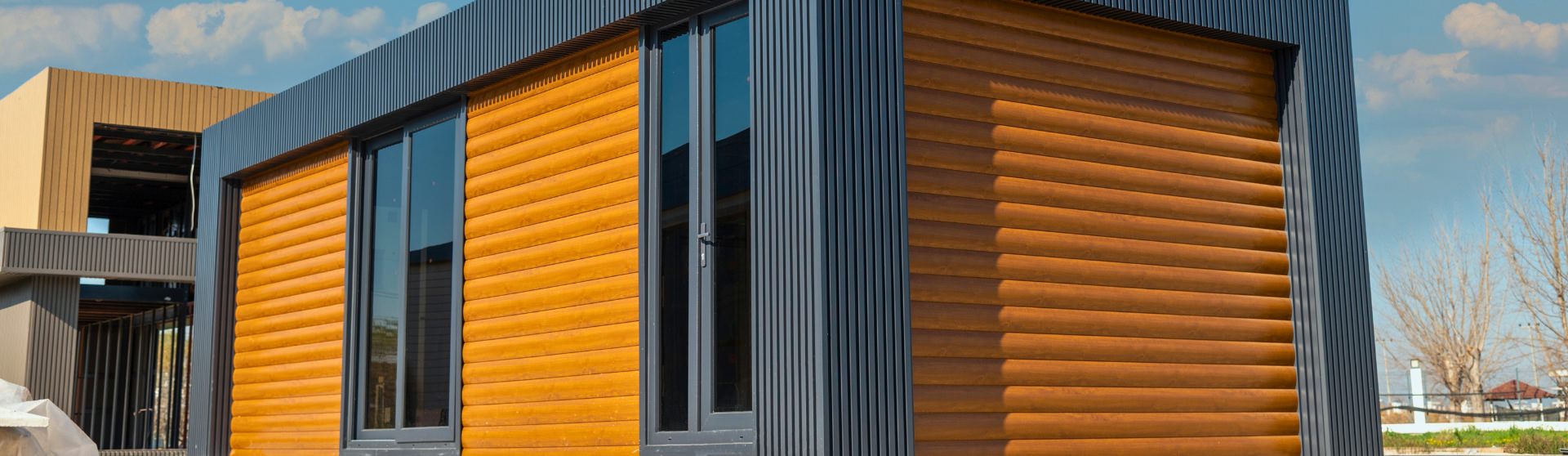
ADU Trends & Insights
Prefab ADUs: Pros and Cons
Explore the pros and cons of prefab ADUs in California, including cost, customization, durability, and ROI, to decide if modular construction suits your needs.
-
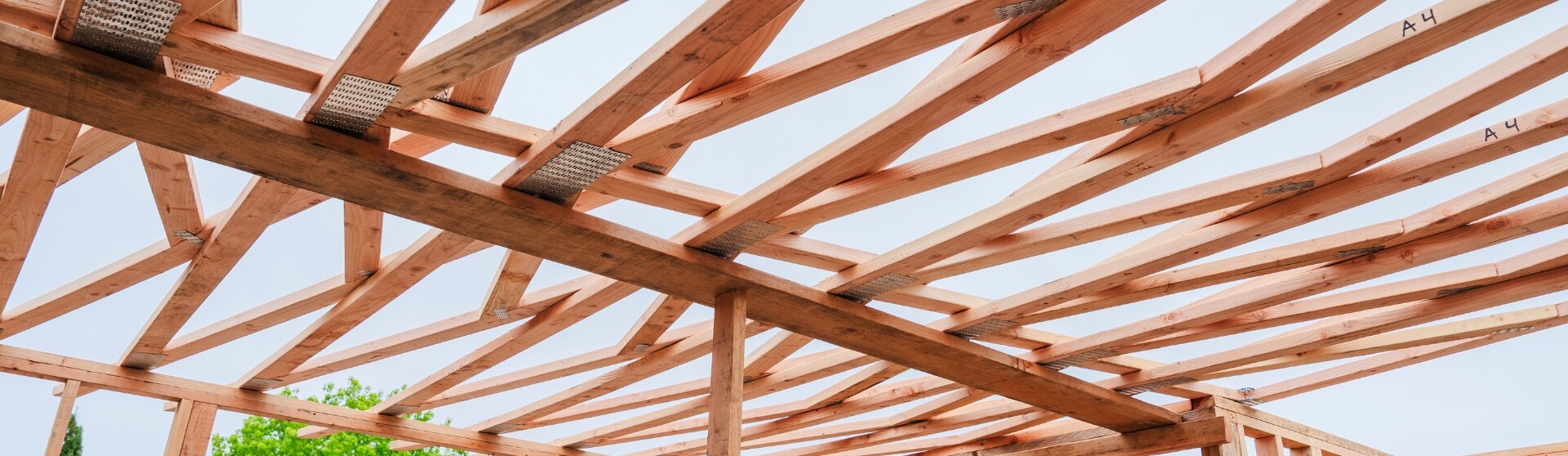
ADU Trends & Insights
How Do You Compare ADU Builder Quotes in San Diego and California?
Compare itemized ADU quotes—labor, materials, permits, timelines—to ensure transparent pricing, true value, and no surprise costs.
-
ADU Trends & Insights
The Perfect ADU Kitchen
Discover how smart layouts and stylish design choices can transform even the smallest ADU kitchens into luxurious, functional spaces.
-
ADU Trends & Insights
How to Finance an ADU in San Diego
ADUs are growing popular in San Diego, offering housing for family or rental income, but demand substantial upfront investment.
-
ADU Trends & Insights
What Is a Granny Flat? Definition, Types, and How They’re Used
Granny flats offer San Diego homeowners flexible housing solutions, from accommodating family to generating rental income, with options including detached builds, garage conversions, or junior ADUs.
-
ADU Trends & Insights
Can an HOA Prevent an ADU in California?
If you’re part of a homeowners association and considering building an accessory dwelling unit on your property, it's key to consider any rules your HOA may have about ADUs.
-
ADU Trends & Insights
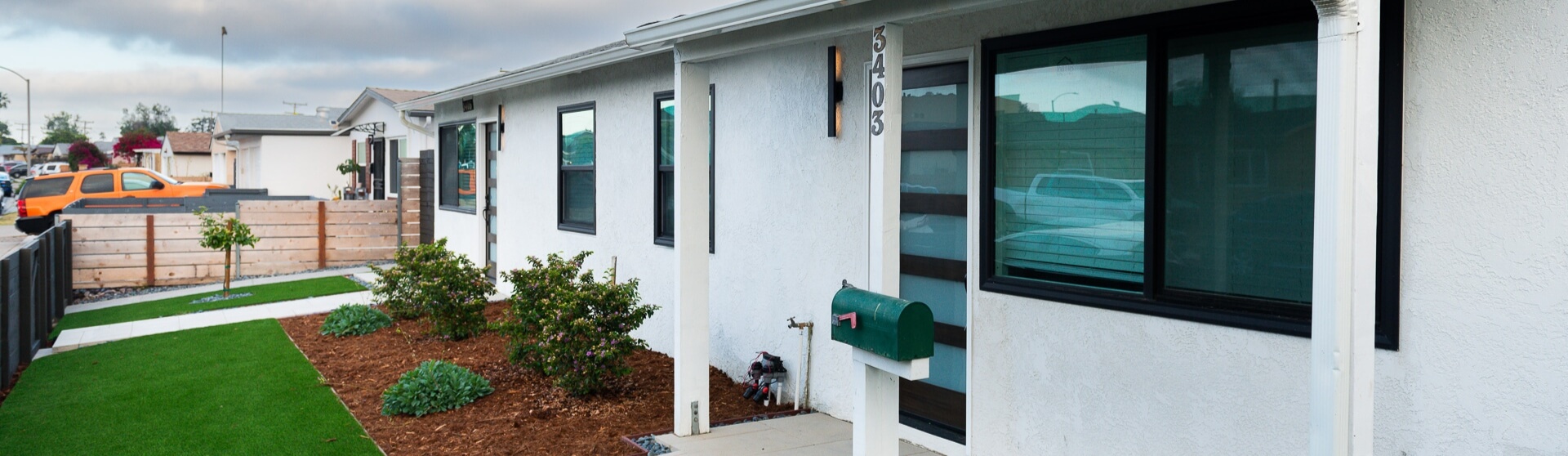
How Do You Design the Perfect Granny Flat?
Designing the perfect granny flat starts with understanding local ADU regulations, defining the unit’s intended use, and planning a layout that maximizes comfort within a compact footprint. In California, granny flats—legally classified as Accessory Dwelling Units (ADUs)—must comply with state and local rules covering size, setbacks, and permitting. A successful design balances budget, livability, and […]
-
ADU Trends & Insights
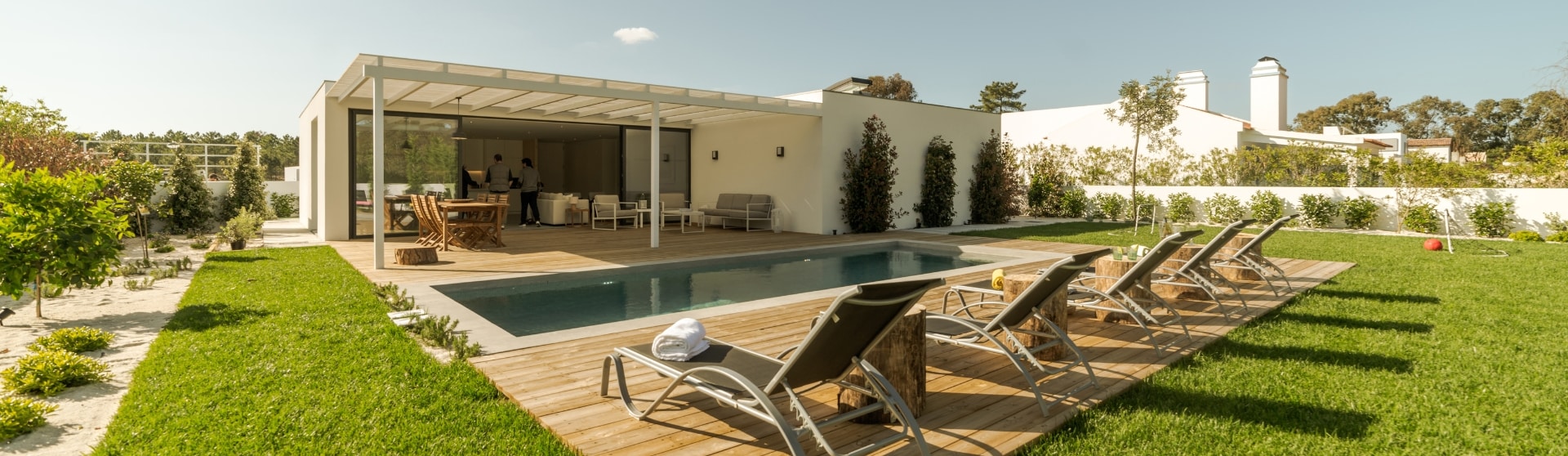
Key Differences Between Pool Houses and ADUs
Discover the differences between pool houses and ADUs to choose the right addition for your property—find out about amenities, regulations, and value impact!
-
ADU Trends & Insights
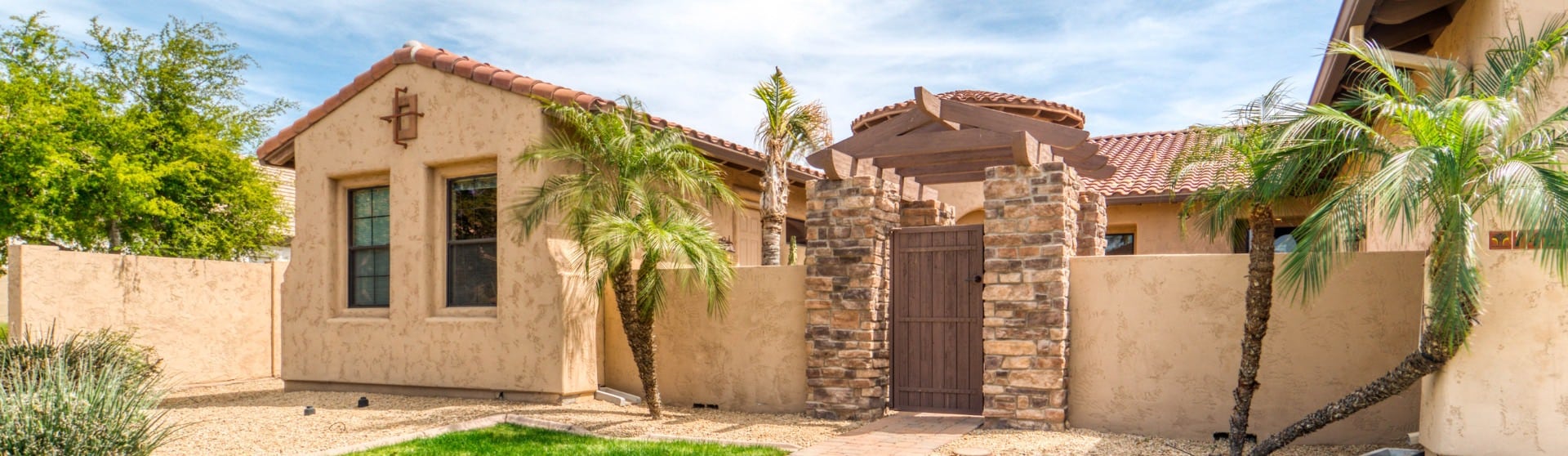
Spanish Style ADUs
Explore the timeless elegance of Spanish-style ADUs with iconic features like stucco walls, red tile roofs, and stunning architectural details.
-
ADU Trends & Insights
How to Finance an ADU Project in California
California homeowners can finance an ADU using home equity, cash-out refinancing, construction or renovation loans, and programs like San Diego’s SDHC (up to $250K), with rental income often helping offset the $200K–$450K build cost.
-
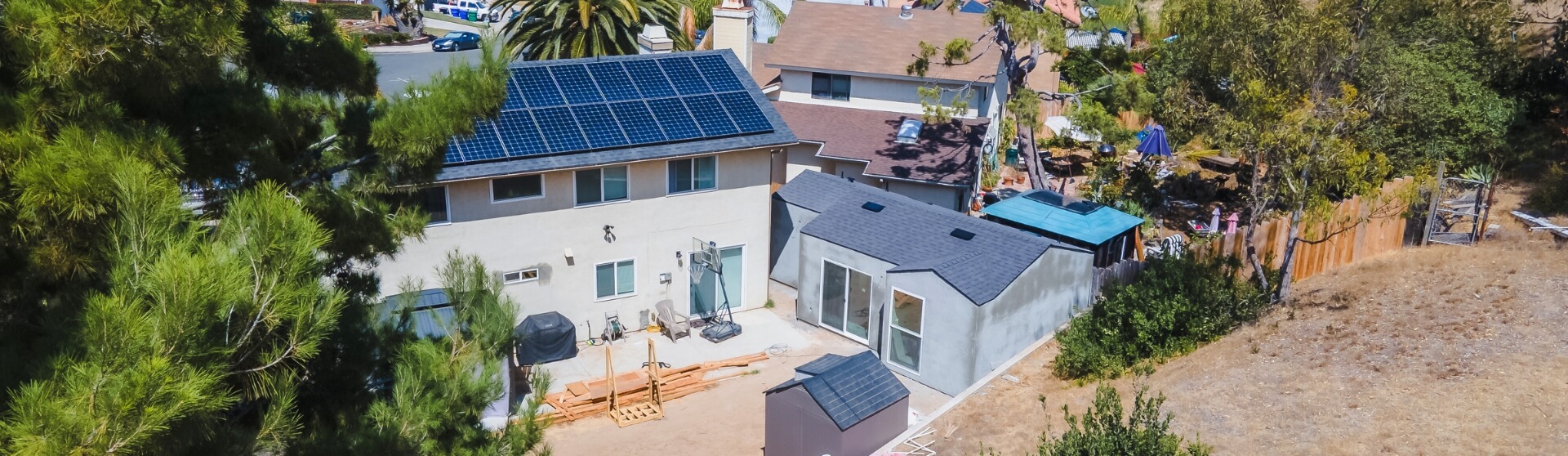
ADU Trends & Insights
How do ADUs benefit real estate agents in California and San Diego?
ADUs benefit real estate agents in California and San Diego by increasing property value and buyer appeal, creating built-in rental and multigenerational living opportunities, and giving ADU-savvy agents a competitive edge in pricing, marketing, and closing deals in a tight housing market.
-
ADU Trends & Insights
How to Build an ADU in the San Diego Coastal Zone
Building an ADU in San Diego’s Coastal Zone requires checking if the property is in the Coastal Overlay Zone, which typically triggers a Coastal Development Permit or exemption.
-
ADU Trends & Insights
Downsizing to an ADU: Benefits, Costs, and Key Considerations
Downsizing to an ADU means moving into an Accessory Dwelling Unit—a smaller, self-contained home on your property—while renting out or repurposing your main house.
-
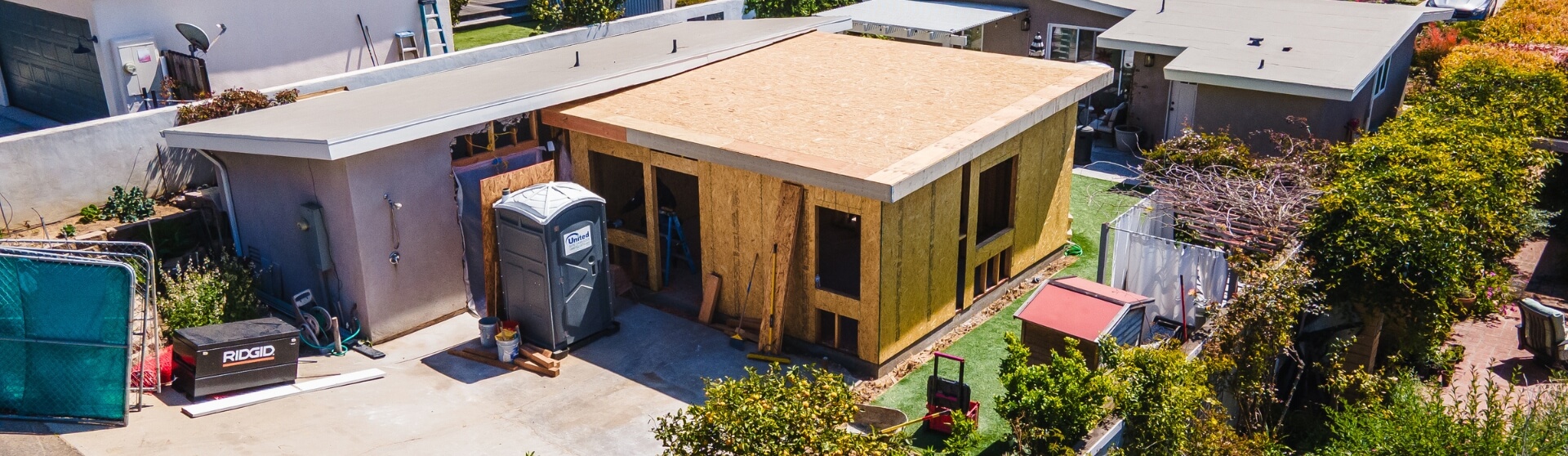
ADU Trends & Insights
SB9 vs ADU: What’s the Difference and Which Is Better?
While promising, the complexity and lengthy approval process of SB9 projects make traditional accessory dwelling units (ADUs) an often simpler and quicker alternative for expanding property use.
-
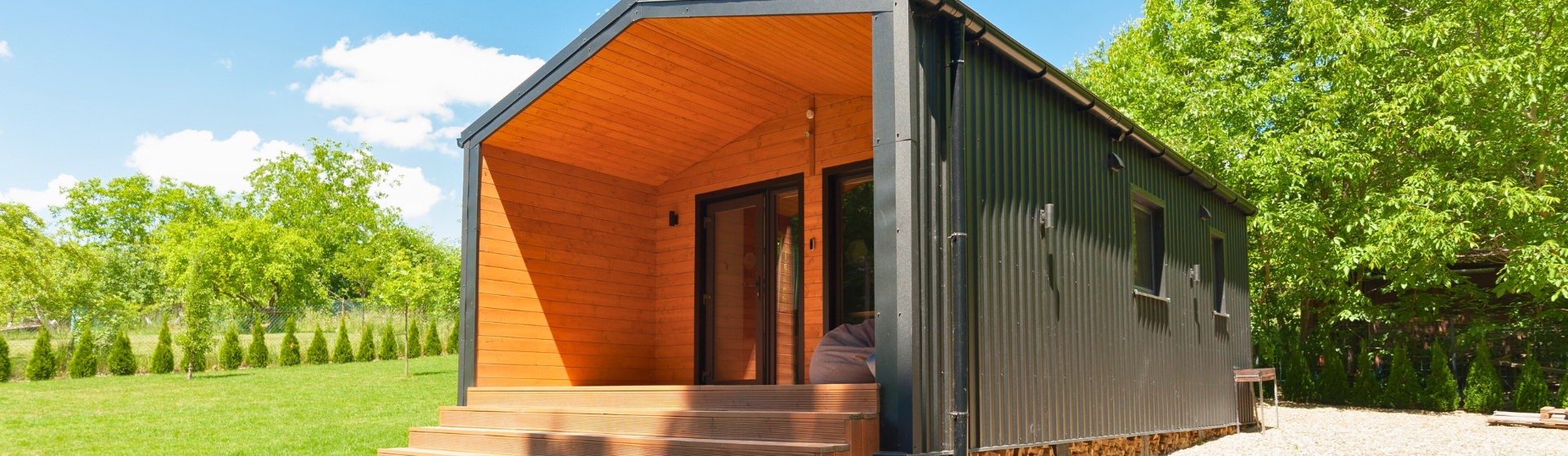
ADU Trends & Insights
ADU Manufactured Homes in San Diego: Are They Right for You?
Discover whether a manufactured home is the right choice by exploring costs, regulations, benefits, and potential drawbacks.
-
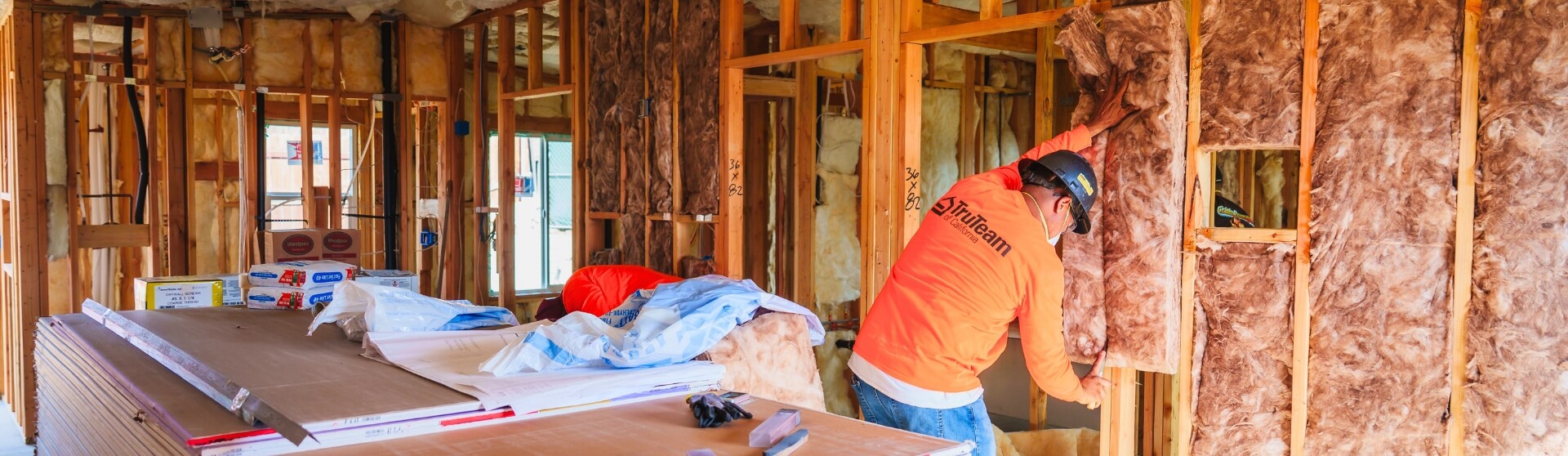
ADU Trends & Insights
Do You Trust Your Builder?
You can trust your ADU builder when they prove real ADU experience, proper California licensing/insurance, and clear written contracts, not just a good sales pitch.
-
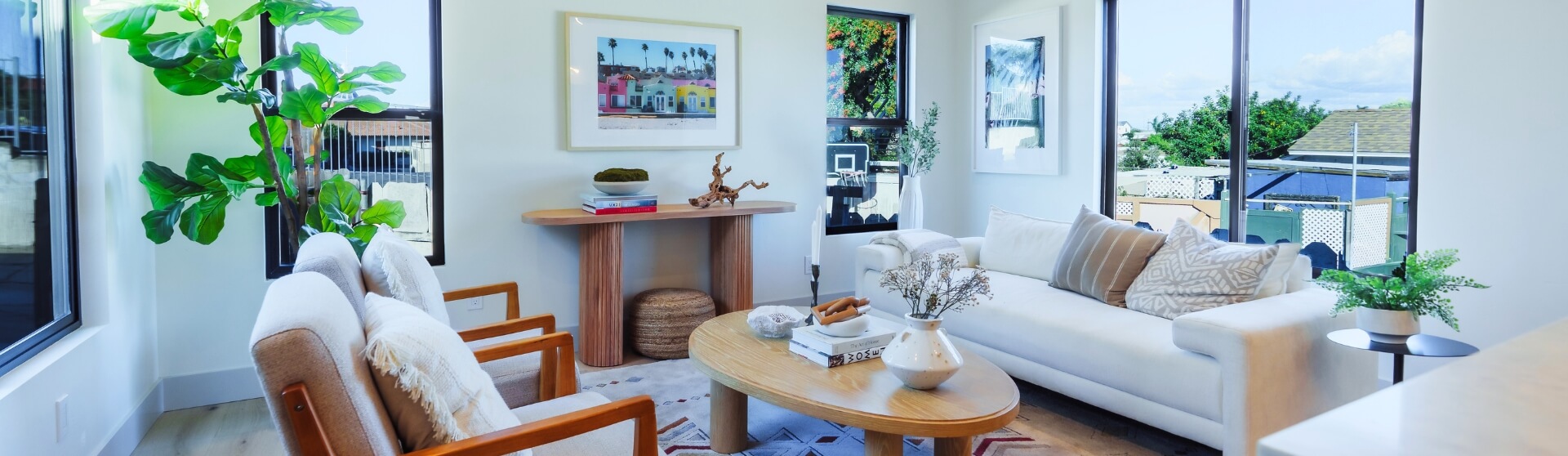
ADU Trends & Insights
What Are the Best Floor Plans for ADUs?
The best ADU floor plans are goal-driven and code-compliant—using efficient layouts like studios, 1-bed/1-bath rentals, or split-bedroom designs that maximize light, privacy, and flexibility while fitting your lot and budget.
-
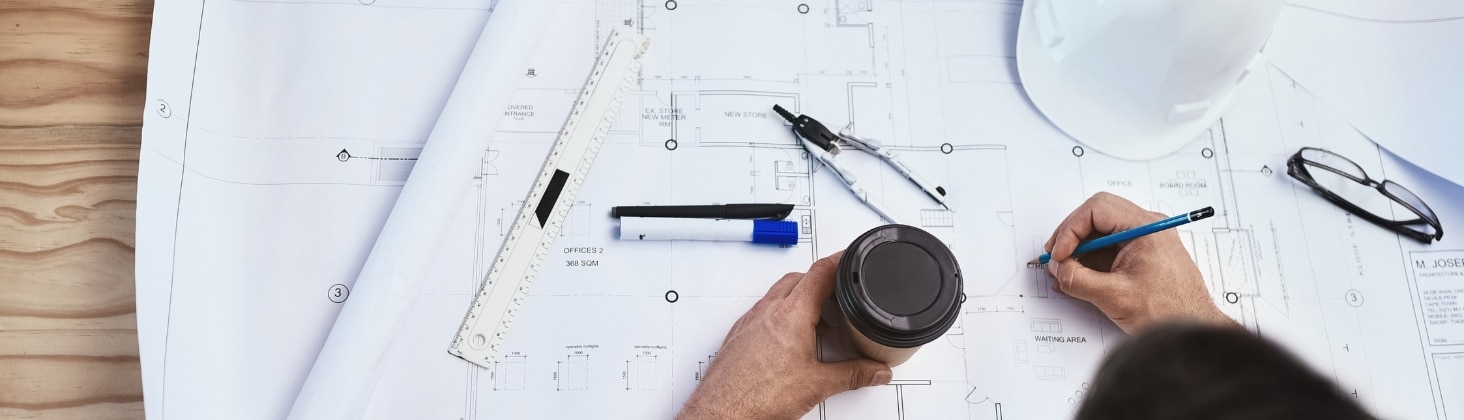
ADU Trends & Insights
Are Pre-Approved ADU Plans Right for You in San Diego?
Compare pre-approved vs. custom plans and why the cheapest option isn't always best.
-
ADU Trends & Insights
How Do You Budget for an ADU Build in California and San Diego?
Learn how to budget for an ADU in California and San Diego by understanding costs, timelines, financing options, and strategies to avoid surprises and maximize long-term value.
-
ADU Trends & Insights
Why Do You Need an Experienced ADU Builder in California?
An experienced ADU builder helps homeowners navigate California’s complex permitting rules, zoning regulations, and construction requirements while avoiding costly mistakes and delays. Accessory Dwelling Units (ADUs) are secondary housing units built on the same property as a primary residence and can include detached backyard homes, attached additions, garage conversions, or basement apartments with independent living […]
-
ADU Trends & Insights
13 Common Misconceptions About ADUs
Uncover the truth about ADU misconceptions and navigate construction, costs, and regulations for informed decisions.
-
ADU Trends & Insights
Construction Loans vs. Personal Loans for ADUs: What Do California Homeowners Need to Know?
Building an ADU in California typically requires high financing and San Diego homeowners usually choose between construction loans, which are based on the future value of the property, and personal loans, which offer fast approval but higher interest rates.
-
ADU Trends & Insights
Setback Requirements for ADUs in San Diego
Ensure your ADU meets California's setback requirements—learn essential rules, local variations, and expert tips to maximize your space and streamline permitting.
-
ADU Trends & Insights
What is stormwater management for Accessory Dwelling Units (ADUs) in California?
Stormwater management for ADUs is the process of controlling and treating rainwater runoff generated by new backyard cottages or secondary homes.
-
ADU Trends & Insights
Why ADUs & Costs Matter in San Diego
Planning an ADU in San Diego? Get the lowdown on all the hidden costs that can catch you off guard.
-
ADU Trends & Insights
Using a HELOC to Fund an ADU in California?
A HELOC lets California homeowners fund an ADU in phases using home equity, paying interest only on what they use. In San Diego, strong rental income often offsets payments, though variable rates and post–draw-period repayment increases should be considered.
-
ADU Trends & Insights
California ADU Law: The Ultimate Guide
California has streamlined ADU construction to address the housing crisis, but development standards still apply. Check local regulations before starting your project.
-
ADU Trends & Insights
How Does ADU Construction Work in San Diego, CA?
San Diego’s ADU process is fast and flexible, with permits approved within 60 days and options for detached units up to 1,200 sq. ft. or garage conversions. Thanks to state laws and the city’s ADU Bonus Program, homeowners can build quickly, add value, and even earn extra units by including affordable housing.
-
ADU Trends & Insights
What are the universal design principles for ADUs?
Universal design principles for ADUs focus on creating safe, flexible, and comfortable homes—using features like step-free entries, wider doorways, accessible bathrooms, and intuitive layouts—so the space remains usable for people of all ages and abilities over time.
-
ADU Trends & Insights
What Is ADU Project Management?
ADU project management is the process of overseeing every stage of an accessory dwelling unit project to ensure it stays on schedule, within budget, and compliant with local regulations. It involves coordinating architects, contractors, and inspectors while managing permits, timelines, and construction milestones. Effective project management also includes tracking costs, minimizing delays, and maintaining clear […]
-
ADU Trends & Insights
How Do You Integrate Outdoor Living Into ADU Design?
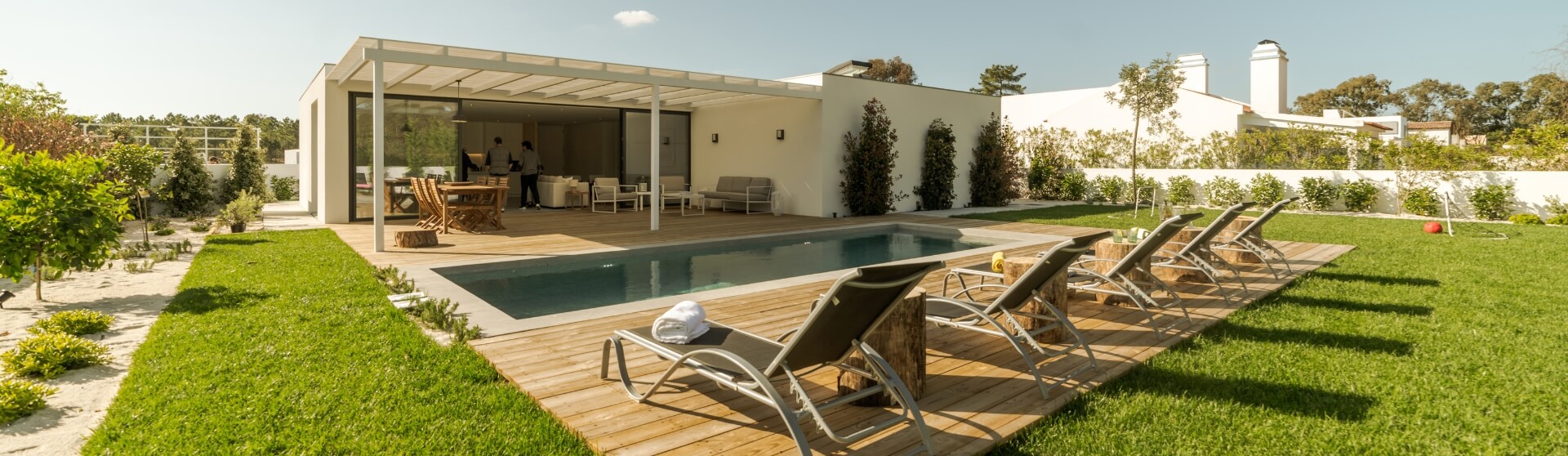
Integrating outdoor living features such as patios, decks, and seamless indoor-outdoor connections helps ADUs feel larger, more livable, and more valuable.


