


How do ADUs benefit real estate agents in California and San Diego?
 Share
Share
54 min read
Accessory dwelling units (ADUs) are now a mainstream value driver in California, giving agents a powerful way to expand buyer appeal, increase listing value, and create new referral and investment opportunities. Statewide reforms sparked an ADU boom—California ADU permits rose 15,334% from 2016 to 2022, and ADUs made up about 19% of all housing produced in 2022. (California YIMBY) In San Diego, ADUs are especially relevant because they represent a major share of local housing growth, with thousands permitted annually and continued momentum across the county. (San Diego) For residential and commercial agents alike, ADU literacy has shifted from a niche skill to a competitive necessity in today’s high-cost, low-inventory market.


Understanding Accessory Dwelling Units (ADUs)
Accessory Dwelling Units (ADUs) are self-contained homes on the same lot as a primary residence. They’re living spaces with their own entrance and amenities, and under California ADU laws they’re permitted statewide. With housing shortages, ADUs are a practical way to add housing supply and increase property potential in markets like San Diego.
ADUs go by many names—granny flats, in-law suites, backyard cottages, casitas—but all refer to a secondary unit sharing a parcel with the main home. Depending on the lot and local zoning regulations, an ADU may be detached (a separate backyard home), attached (a home addition connected to the house), or created by repurposing existing space such as a garage or basement conversion. California also allows “Junior ADUs,” units inside the primary home.
History and Evolution
ADU-style housing existed in many U.S. cities before modern zoning restricted them. As states updated ADU law to improve affordability, these units returned as flexible options for multigenerational families and rental use. (California YIMBY) In California, repeated legal reforms and a streamlined permitting process have made ADUs a part of today’s market.
For real estate professionals, the key takeaway is practical: ADU rules are location-specific, so understanding local standards—size, setbacks, parking, construction costs, and required building permits—is essential for pricing accurately, marketing clearly, and avoiding surprises during escrow.
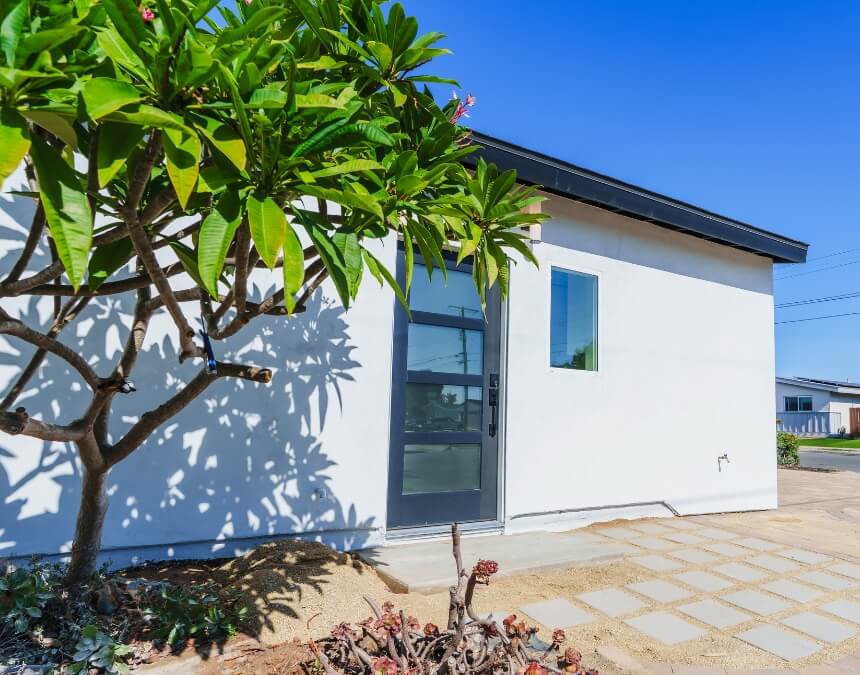
ADUs are most valuable when agents can clearly explain how state law enables secondary units on existing lots—turning underused space into legal housing and long-term equity.
Types of ADUs
ADUs come in several forms, including detached backyard units, attached additions to the main home, conversions of existing structures like garages, and smaller “Junior ADUs” (JADUs) created within the primary residence. California recognizes these configurations statewide, and local ADU regulations in San Diego County outline how each type fits specific lots, building codes, and permitting rules.
In practice, ADU types are defined mostly by where they sit on the property and what structure they use. The California Department of Housing and Community Development (HCD) groups standard ADUs into three core forms—detached, attached, or repurposed existing space—and notes JADUs as a streamlined category inside a single-family home. San Diego County follows the same framework and highlights garage or accessory-structure conversions as common paths, often paired with pre-approved plans to speed up Design and Permitting. (County of San Diego)
- Detached ADUs: standalone units separated from the main home (often backyard cottages).
- Attached ADUs: units connected to the primary residence (home addition ADUs or interior expansions).
- Garage / accessory-structure conversions: created by converting existing permitted space such as a garage, workshop, or similar structure into an independent unit. (County of San Diego)
- Junior ADUs (JADUs): small units (up to 500 sq ft) fully contained within a single-family home, with efficiency-style living and separate access.
Detached ADUs
Detached ADUs are freestanding homes on the same lot as the primary residence. Because they’re separate structures, they offer the most privacy and flexibility for ADU rentals, multigenerational living, or guest accommodations. HCD identifies detached units as a main statewide ADU form, and San Diego County’s handbook confirms them as a standard option when lot conditions and parking and access standards allow. (County of San Diego)
Attached ADUs
Attached ADUs are built into or added onto the primary home, such as a side addition, second-story unit, or converted wing that shares a wall with the main structure. California HCD lists attached ADUs as a core type permitted statewide. Homeowners often choose this approach because it can leverage existing utilities and footprint while still creating an independent unit that works for a home office, aging adults, or long-term rentals.
Garage Conversions
Garage conversions (or other accessory-structure conversions) are ADUs created by repurposing existing, permitted space—usually a garage—into a legal living unit. Both HCD and San Diego County explicitly identify garage conversions as a recognized ADU path. (County of San Diego) For agents, this type matters because it can be the fastest, most cost-efficient ADU development process for clients, provided the conversion meets local building and zoning standards. (County of San Diego)
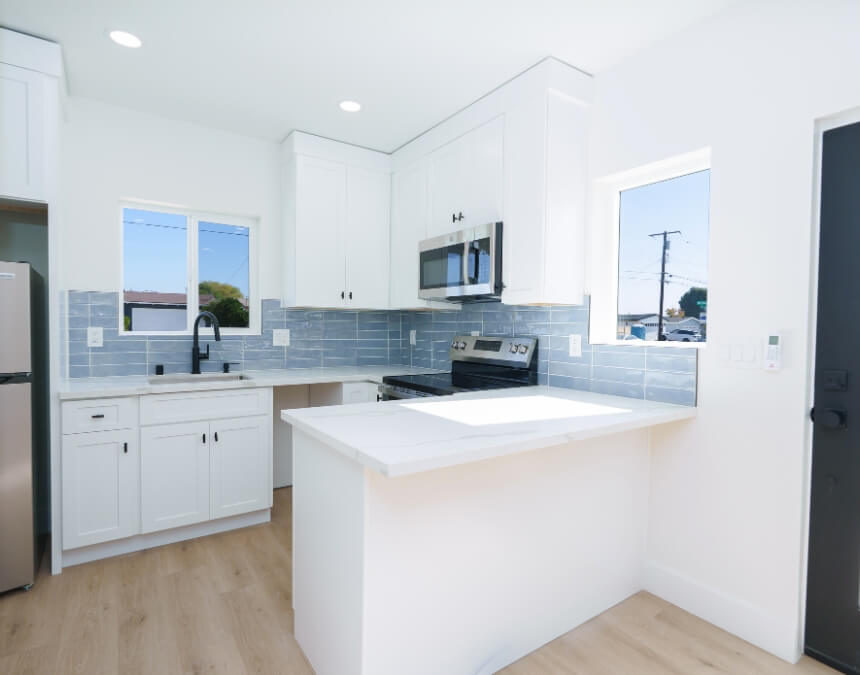
Knowing the difference between detached, attached, and conversion ADUs helps agents quickly assess feasibility, timelines, and resale impact for a given property.
Benefits of ADUs for Real Estate
For real estate professionals, ADUs sharpen a listing’s value story, expand the pool of motivated buyers, and help clients meet real housing demands and income goals. In the California real estate landscape—especially San Diego and other high-cost markets like Los Angeles—ADUs have moved from a niche upgrade to a mainstream feature, so agents who understand ADU potential are positioned to win more clients and close more high-opportunity deals. (California YIMBY)
At a high level, ADUs benefit agents in three overlapping ways:
- they raise a property’s financial and lifestyle upside,
- they broaden who a listing appeals to, and
- they turn ADU-savvy agents into trusted, referral-driven problem-solvers in a tight-inventory market. (California YIMBY)
Increasing Property Value
Homes with ADUs often sell at a premium because buyers value independent living space and built-in rental options. Across the real estate market, multiple analyses show that properties with ADUs command higher resale values than similar homes without them. (Apartment Therapy)
In practice, the value lift comes from two things buyers can price in immediately: usable square footage and income potential. A Porch.com market study found that in major U.S. metros, homes with ADUs were priced about 35% higher on average than homes without them. (Apartment Therapy) For agents, that premium supports stronger pricing narratives and a larger commission base—especially when the ADU is legal, well-built, and positioned as a long-term asset with solid ROI of an ADU. (HomeLight)
Enhancing Market Appeal
ADUs let agents market a home as both a lifestyle solution and an investment appeal. Because the unit can flex between uses, it draws more buyer types than a standard single-family home.
In California, ADUs are especially compelling for multi-generational living, including multigenerational housing and space for aging adults, caregivers, or adult children, as well as for buyers seeking guest accommodations or a dedicated home office. At the same time, ADUs widen appeal to investor-minded buyers looking for ADU rentals, house-hack setups, or future short-term rentals where local rules allow. In listings, agents can elevate demand by showcasing the ADU’s independence (entrance, kitchen, utilities) and by using photos, floor plans, and simple income-scenario callouts that make the value obvious at a glance.
Generating Rental Income
An ADU can deliver steady rental income, which is a major driver of buyer interest in high-cost California markets. Agents can use realistic rent potential to position ADU properties as both livable and financially strategic purchases.
Because ADUs are legally recognized as independent units under California policy, they can be marketed as long-term rentals or flexible family housing depending on the buyer’s goals. That dual utility makes the “income story” especially persuasive in San Diego, where housing costs push many buyers to look for built-in ways to offset ownership expenses. (Axios) Agents add the most value here by confirming permits and explaining how a compliant ADU supports predictable rent, smoother appraisal, and stronger financing outcomes.
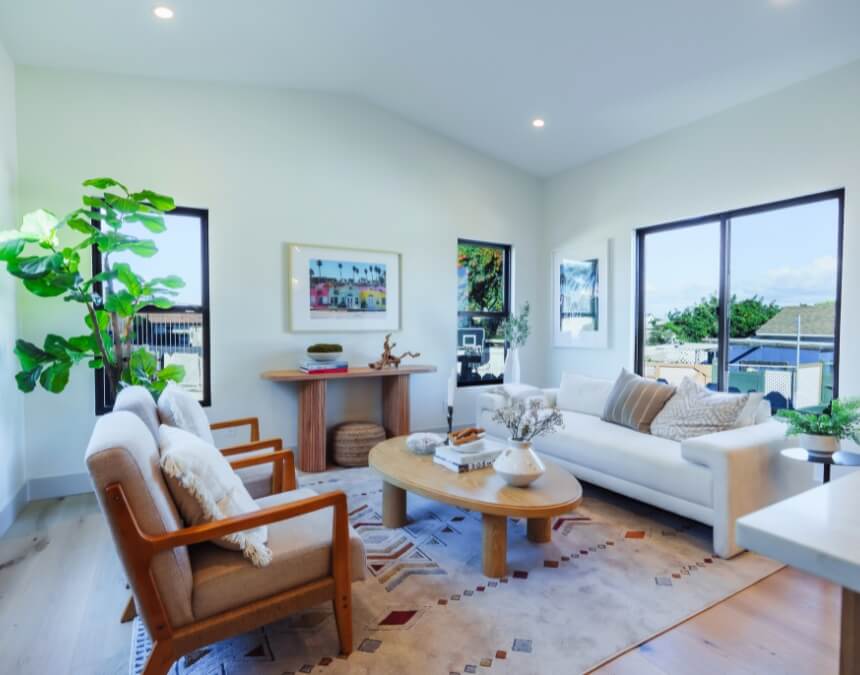
Well-staged ADUs sell both lifestyle and income—agents should market flexibility, not just square footage.
Challenges in ADU Implementation
The main drawbacks of ADUs are a sometimes-slow permitting process, wide variation in local ADU regulations, and valuation/appraisal challenges when a unit isn’t clearly legal or when comparable sales are scarce. California ADU laws make these units broadly allowed, but city-by-city objective standards still determine what can be built on a specific lot, so agents should verify feasibility early. Appraisal and financing can also get sticky without strong local ADU comps, clear documentation, or a credible ROI of an ADU story.
Even in a pro-ADU state, the details matter. The California HCD ADU Handbook explains that cities and counties can apply objective standards like setbacks, height, parking, and maximum size, which means ADU feasibility can shift across jurisdictions. And when an ADU is newer, custom, or hard to comp, appraisal guidance shows valuers often rely on limited comparable sales or income-based approaches, which may produce conservative property values if the ADU facts aren’t clear. (Kenny Appraisal Services)
Navigating Zoning Laws
ADUs are legal statewide in California, but each city or county sets the on-the-ground rules for size, setbacks, parking, height, and how many units are allowed. San Diego publishes separate guidance for city vs. county lots, so agents should confirm site-specific eligibility before marketing ADU potential.
Key practical issues agents should flag early:
- Local objective standards still apply even under state law (setbacks, height, lot coverage, parking).
- Eligibility varies by jurisdiction, so “ADU-ready” in one neighborhood doesn’t guarantee “ADU-ready” in another.
- San Diego example: policy has shifted recently, so agents should rely on current rules at time of listing. (National Law Review)
Overcoming Regulatory Hurdles
The safest way to reduce ADU risk is to pair solid permitting documentation with experienced design and construction support. When legality and specs are clear, escrow, appraisal, and financing tend to move faster and with fewer surprises—regardless of whether a client uses Construction Loans, a HELOC, or Cash-Out Refinancing.
What helps deals stay clean:
- Work with experienced ADU teams who know current state + local requirements and can confirm feasibility quickly.
- Document everything (permits, final inspection, CO, unit specs, utility setup) so appraisers and lenders have what they need. (McKissock Learning)
- Prepare an “ADU facts sheet” for listings to support valuation: size, type, build year, permit status, rent use case. Appraisal standards and lending guides explicitly look for ADU comps and clear zoning compliance when available. (McKissock Learning)
Bottom line: ADUs are a huge advantage in California, but only when they’re feasible, legal, and correctly valued—and that requires agent-level due diligence up front.
Permitting clarity and documentation at this stage can prevent appraisal delays and financing friction later in the transaction.
The Growing Popularity of ADUs
ADUs have become one of California’s fastest-growing housing types, and San Diego is one of the clearest examples of that momentum. As a result, ADUs are no longer a niche feature in listings—they’re a recurring part of housing inventory and buyer demand. For agents, that means ADU literacy is now core to pricing, marketing, and advising clients well in California’s high-cost, low-supply environment. (California YIMBY)
In California, ADUs now account for a meaningful share of new housing production. California YIMBY reports that as of 2022, about 19% of all housing units produced in the state were ADUs, showing how central they’ve become to the pipeline. (California YIMBY) This expansion is especially visible in coastal metros, where affordability pressures, population growth, and the need for gentle density have made ADUs a practical tool for adding homes without changing neighborhood character. (California YIMBY)
San Diego’s recent housing reporting underscores the same trend. The City reported 8,782 new homes permitted in 2024, continuing a multi-year surge in production where ADUs play a major role in filling local housing gaps. (sandiego.gov) Even as local programs evolve, ADUs remain a mainstream tool for adding units in built-out neighborhoods, including through faster paths like garage conversions and prefabricated ADUs. (Axios)
Impact of Regulatory Changes
California’s statewide ADU law reforms are the primary reason adoption accelerated so quickly. Since major changes began in 2016 and expanded through bills like AB 68, ADU permitting has risen steeply year after year, with newer updates continuing to reduce barriers and clarify standards. The result is a stable, long-term policy environment—alongside related housing measures such as SB 9—that keeps homeowners, investors, and developers building ADUs beyond any short-term cycle. (California YIMBY)
Demand in the Housing Market
Demand is being pulled by multiple buyer and homeowner needs at once: affordability, multigenerational living, aging-in-place strategies, and rental income potential. California HCD highlights ADUs as flexible housing on existing lots, which is why they’re often described as gentle density in neighborhoods that can’t absorb large new builds. For agents, this market reality matters because ADU-ready properties can attract more buyer types and command stronger interest—making ADU knowledge a practical advantage in everyday transactions. (California YIMBY)
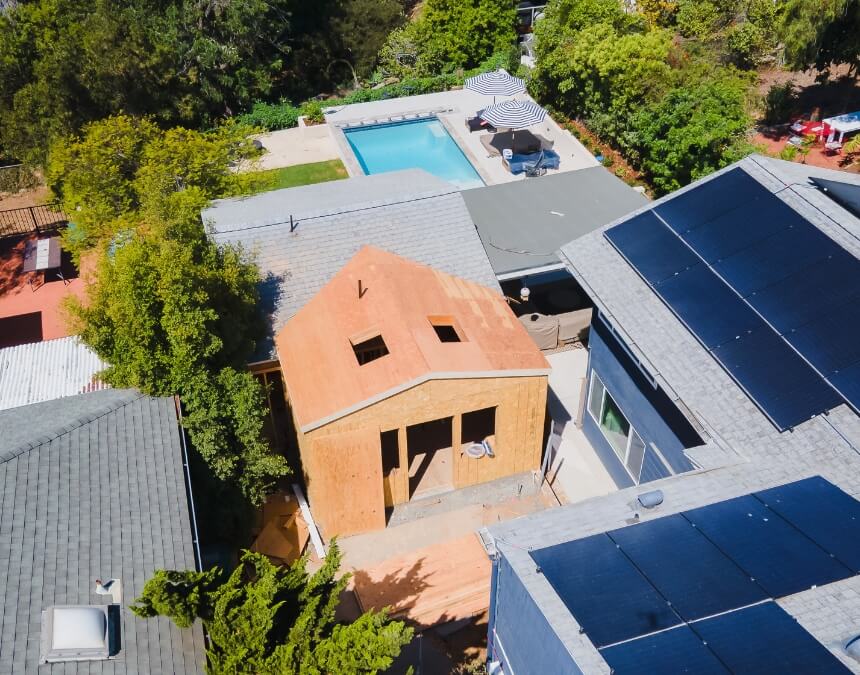
As ADUs become a larger share of new housing in California, agents should treat ADU potential as a core pricing and marketing factor—not a niche feature.
Strategies for Real Estate Agents
To leverage ADUs in California (and especially San Diego), agents should stay current on local ADU regulations, identify ADU-ready properties early, market the lifestyle and income upside clearly, and build a trusted network of ADU contractors and financing partners. This positions you as a solution-driven advisor in a California real estate landscape where ADUs are now a routine part of housing supply and buyer demand.
ADUs aren’t just “an extra unit” anymore—they’re a strategy tool. California HCD frames ADUs and JADUs as a key way to add housing on existing lots, and San Diego’s ADU toolkit shows how many configurations are allowed on single-family and MF ADU properties. Agents who translate that policy into practical buyer/seller guidance earn more trust—and more deals.
Connecting with Diverse Buyers
ADUs expand who a property is “for.” HCD highlights ADUs’ flexibility for family housing and rentals, which maps directly to key buyer niches agents can target. In your marketing and buyer discovery, segment ADU value by use-case:
- Investors / house hackers: emphasize independent rentable space and long-term ROI. (PropertyRadar)
- Multigenerational households: highlight privacy + proximity for parents, adult kids, or caregivers.
- Downsizers & aging-in-place buyers: ADUs allow staying on-site while creating flexibility for family support.
- Remote workers / creatives: market ADUs as future home offices, studios, or guest spaces.
Leveraging State-Level Incentives
California’s multi-year ADU legal reforms are designed to keep production rising, and permitting data shows sustained growth since legalization began. (California YIMBY) That means ADU potential should be treated like any other value-add feature—zoning, FAR, and redevelopment potential—when advising clients.
In San Diego, local incentives and rule updates have shaped how many ADUs can be built and where. San Diego’s ADU toolkit and bulletins outline current standards, including allowances for multiple ADUs on multifamily lots and updated coastal rules. Agents should verify these at time of listing or offer, because eligibility can shift with local ordinances even when state law remains supportive. (The City of San Diego)
Establishing Long-term Client Relationships
ADUs naturally create multi-stage client needs: buy → evaluate feasibility → design/build → stabilize as rental/family asset → reassess value later. HCD’s handbook emphasizes compliant, well-documented ADUs, and valuation guidance shows that clear permits and specs reduce appraisal friction.
That’s where agents can become repeat advisors:
- Help sellers package ADU documentation (permits, CO, size/type, utility setup) for smoother escrow.
- Guide buyers on build-vs-buy ADU decisions using realistic feasibility and use-case framing.
- Maintain a referral bench of reputable ADU builders and lenders (including loan options like Home Equity Lines of Credit or HomeStyle Renovation Loans) so clients see you as a one-stop resource.
Bottom line: In California and San Diego, the agents who win with ADUs are the ones who treat them as a repeatable advisory lane, not a one-off feature—grounded in local rules, clear marketing, and strong partnerships.
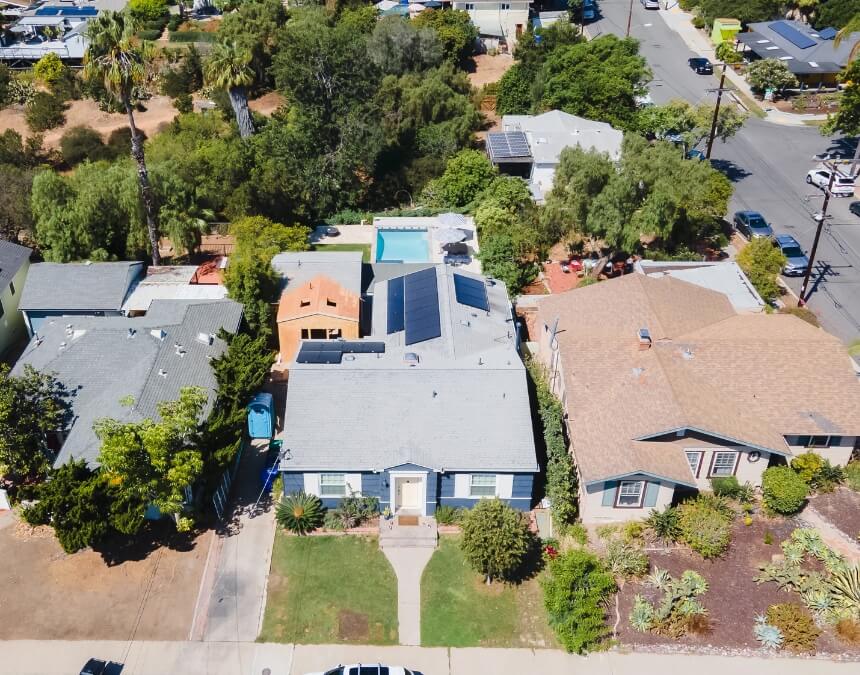
Agents who pair ADU knowledge with strong builder and lender partnerships position themselves as problem-solvers, not just transaction facilitators.
Case Studies and Success Stories
California and San Diego offer two of the clearest, research-backed examples of how ADUs have moved from a niche idea to a mainstream housing and real estate strategy. These case studies show why real estate professionals who understand ADU feasibility can uncover value for clients, identify new housing inventory opportunities, and market properties more effectively in today’s tight California real estate landscape.
Statewide case: California’s rapid ADU adoption after reforms
California’s ADU story is largely a policy-driven success tale. After statewide legalization and streamlining began in 2016, ADU permitting surged dramatically year over year. California YIMBY’s retrospective report shows that annual ADU permits increased by 15,334% between 2016 and 2022, producing 83,865 permitted ADUs statewide during that period. (California YIMBY) By 2022, ADUs had become a meaningful part of the housing pipeline—about 19% of all new homes produced in California were ADUs, or nearly one in five units. (California YIMBY)
Why it matters for agents: This pace of growth means ADUs are no longer fringe inventory. Agents across California are increasingly encountering custom ADUs in listings, buyer wish-lists, and value-add strategies, making ADU literacy a core competency rather than a specialty. (California YIMBY)
Local case: San Diego’s ADU share of new housing
San Diego mirrors California’s broader trend, but at a scale that’s impossible for local agents to ignore. The City of San Diego’s 2025 Annual Report on Homes (tracking 2024 permits) shows the city issued 8,782 new home permits in 2024, continuing a multi-year surge where ADUs are a major contributor to new supply. San Diego’s long-running ADU programs and evolving local rules have made the region one of the most active ADU markets in the state. (sandiego.gov)
Why it matters for agents: In practice, this means a growing share of San Diego listings either include ADUs already or have credible ADU potential. Agents who can identify eligibility early, explain property enhancement clearly, and communicate the lifestyle/rental upside are better positioned to win clients and close higher-value deals. (sandiego.gov)
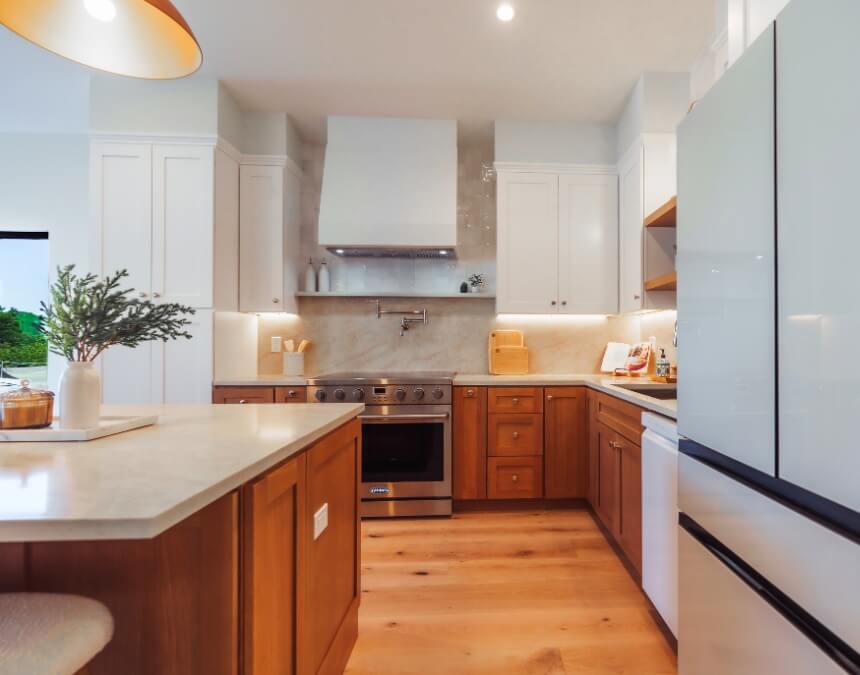
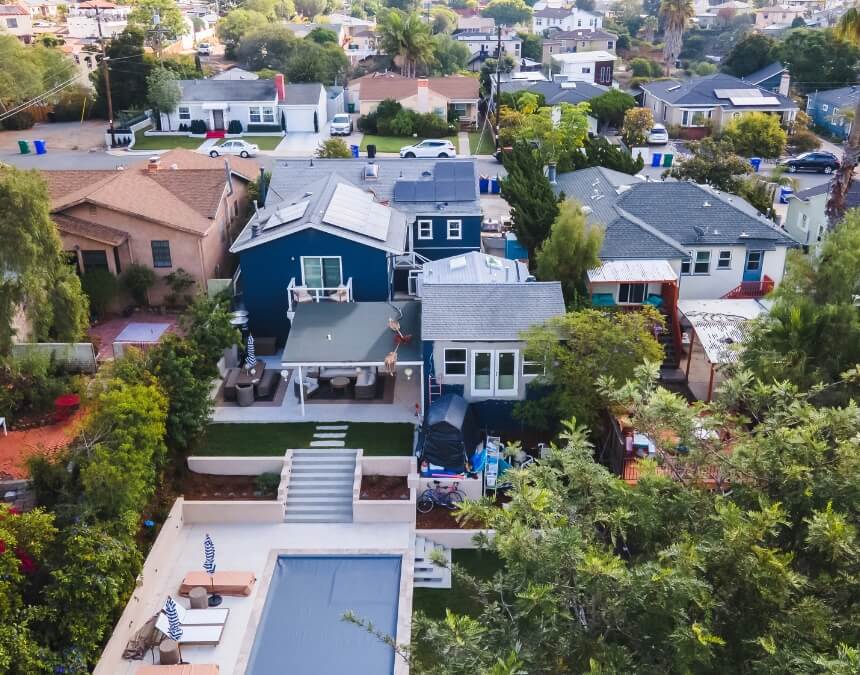
Real-world ADU density shows how policy shifts translate into real inventory—use local data to support pricing and buyer education.
Resources for Learning About ADUs
Agents can upskill fast by using official California and San Diego ADU resources that clarify what’s legal, what’s buildable, and what’s changing under California ADU laws. The California Department of Housing and Community Development (HCD) publishes the statewide ADU Handbook and core ADU law summaries, while San Diego City and County provide local zoning regulations, checklists, pre-approved plans, and annual housing reports. Staying current on these sources helps real estate professionals avoid eligibility mistakes, valuation surprises, and escrow delays tied to building permits and ADU compliance.
Workshops and Training Programs
HCD encourages public-facing ADU education by maintaining a centralized handbook and legal summary that agents can use as the “baseline” before diving into local rules. For agents, the most practical training approach is to pair that statewide grounding with local workshops and builder-led briefings that interpret San Diego–specific standards (e.g., overlays, setbacks, utility expectations). San Diego County’s ADU Handbook also walks through feasibility study steps and the permitting process, making it a strong training companion for agent teams. (County of San Diego)
Online Guides and Tools
- California HCD ADU Handbook + state law hub: The most authoritative statewide source, updated for 2025, covering definitions, JADUs, objective standards, and how state law constrains local ADU regulations.
- San Diego County ADU rules (unincorporated areas): The County’s ADU page explains what qualifies as an ADU/JADU, where they’re allowed, and early feasibility steps for rural and suburban lots. (County of San Diego)
- San Diego County pre-approved / template plan library: Useful for understanding typical ADU footprints, construction plans, and fast-track options clients may ask about. (County of San Diego)
- City of San Diego Annual Report on Homes: A data source for market tracking that includes permitting trends and the share of ADUs in city housing production. (City of San Diego)
How to use these as an agent: Start every ADU conversation with the HCD handbook (statewide “what’s allowed”), then confirm site-specific feasibility on the relevant San Diego City or County page (what’s buildable here), and finally reference the City’s annual report to frame local demand and resale upside with real permitting trends.
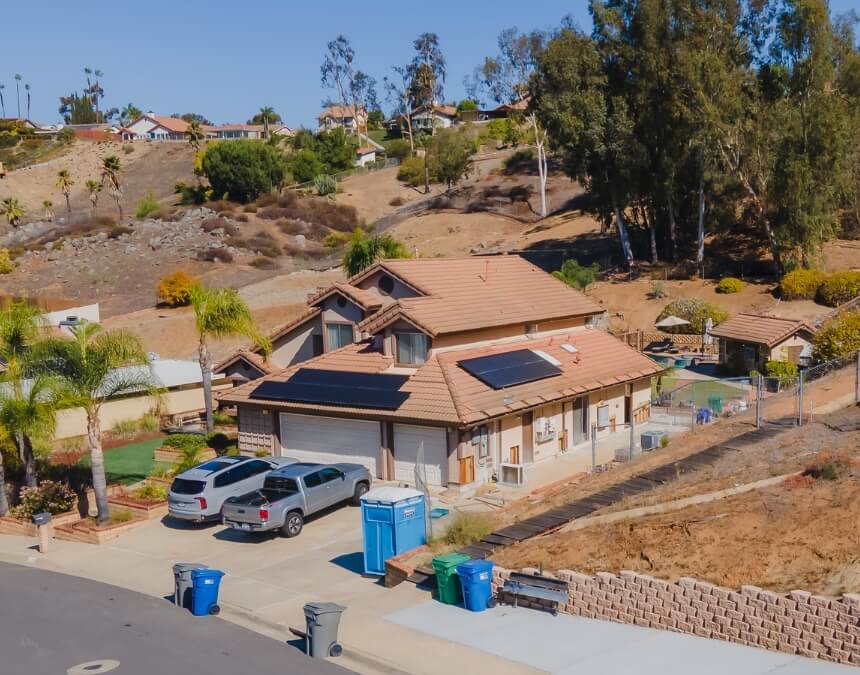
Staying current with state and local ADU resources allows agents to advise confidently, avoid compliance issues, and protect deal momentum from offer to close.
Conclusion and Future Outlook
ADUs have become a normal, expected part of the California real estate market, and San Diego is one of the strongest examples of that shift. Statewide legal reforms have driven sustained ADU adoption, making these units a reliable source of new housing and a recurring feature in listings rather than a niche add-on. For agents, that means ADU literacy is no longer optional: knowing how to evaluate feasibility, explain property enhancement, and market lifestyle and income benefits will increasingly separate top performers from the rest. Looking ahead, pro-ADU policy, ongoing housing inventory pressure, and buyer demand for flexible living and ADU rentals suggest these units will only grow more central to deals across California and San Diego.
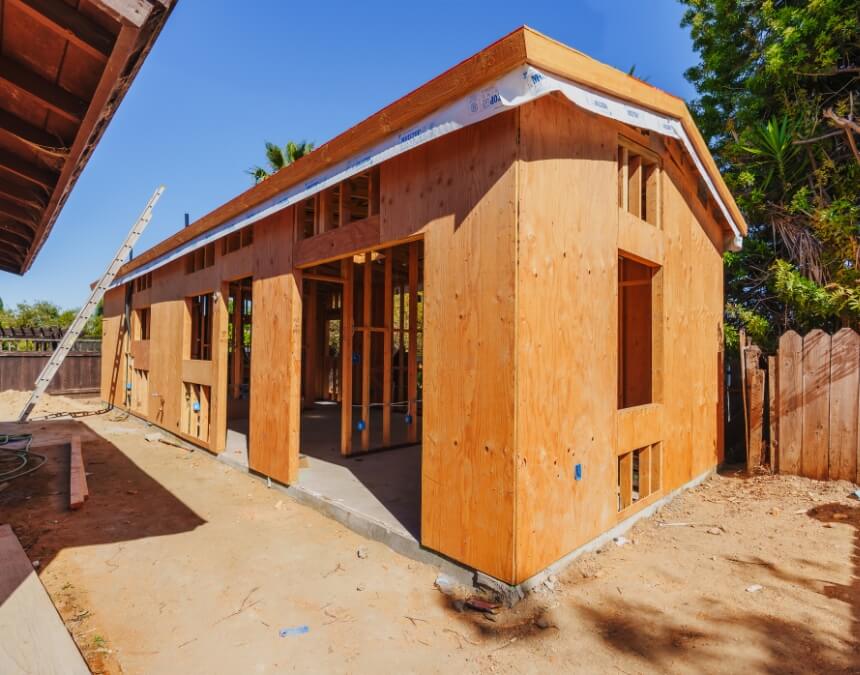
As ADUs become standard, agents who master feasibility, valuation, and use-case storytelling will consistently outperform peers.
Frequently Asked Questions
Commission is negotiable, but a common structure is about 5% total, split between the listing and buyer sides. If total commission is 5%: $500,000 × 0.05 = $25,000 combined commission. If one side is 2.5%: $500,000 × 0.025 = $12,500 for that agent before any brokerage split or referral fees. In today’s market, the final rate can be lower or higher depending on services, deal terms, and negotiation.
ADU stands for Accessory Dwelling Unit — a smaller, independent living space on the same lot as a primary home. In realtor terms, it’s a value-add because it increases property potential through flexible housing, ADU rentals, and uses like multigenerational living or a home office (detached, attached, or a conversion of existing space).
The most common complaints involve misrepresentation or failure to disclose material facts, such as not clearly sharing property defects, conflicts of interest, or transaction risks. These issues are typically framed as breach of fiduciary duty, meaning the agent didn’t fully protect the client’s best interest.
The 2% rule is a quick cash-flow screen: a property looks strong if its gross monthly rent is at least 2% of the purchase price (plus any immediate building costs). Example: $500,000 × 0.02 = about $10,000/month target rent. It’s a rough first filter and often tough to hit in high-cost markets, but it helps investors triage deals fast.
More Projects
-
ADU Trends & Insights
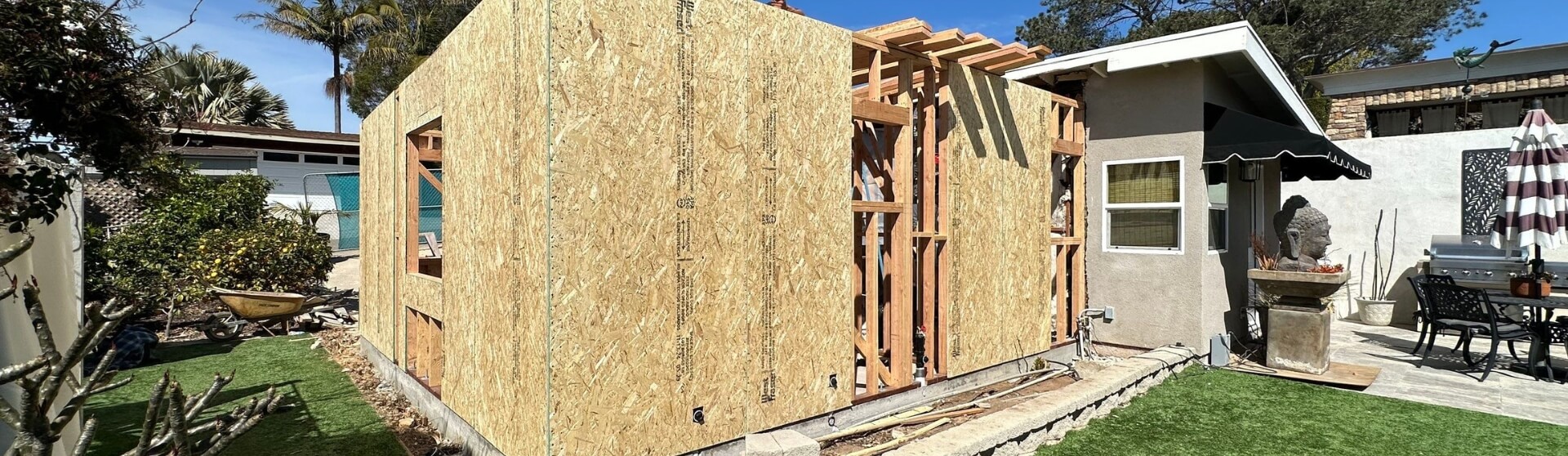
ADU vs JADU: What’s the Difference?
Explore the crucial differences between ADUs and JADUs—including size, regulations, costs, and ROI—to determine the best fit for your property and goals.
-
ADU Trends & Insights
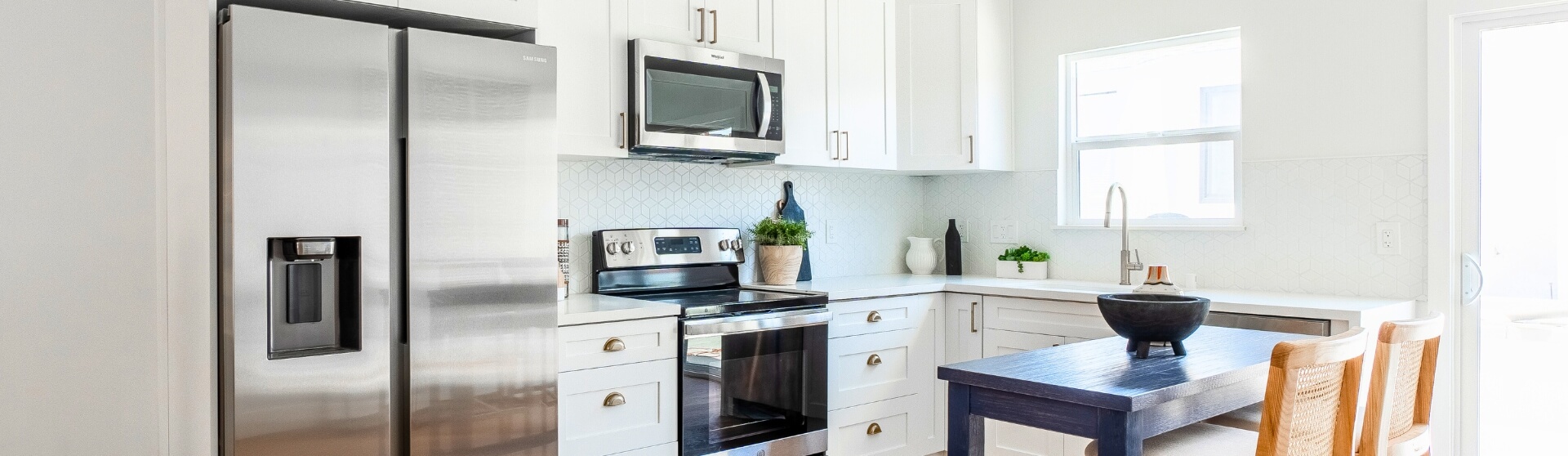
Best ADU Designs
Explore essential ADU design trends and practical insights, from layout optimization to style choices, ensuring your accessory dwelling unit maximizes comfort, functionality, and investment potential.
-
ADU Trends & Insights
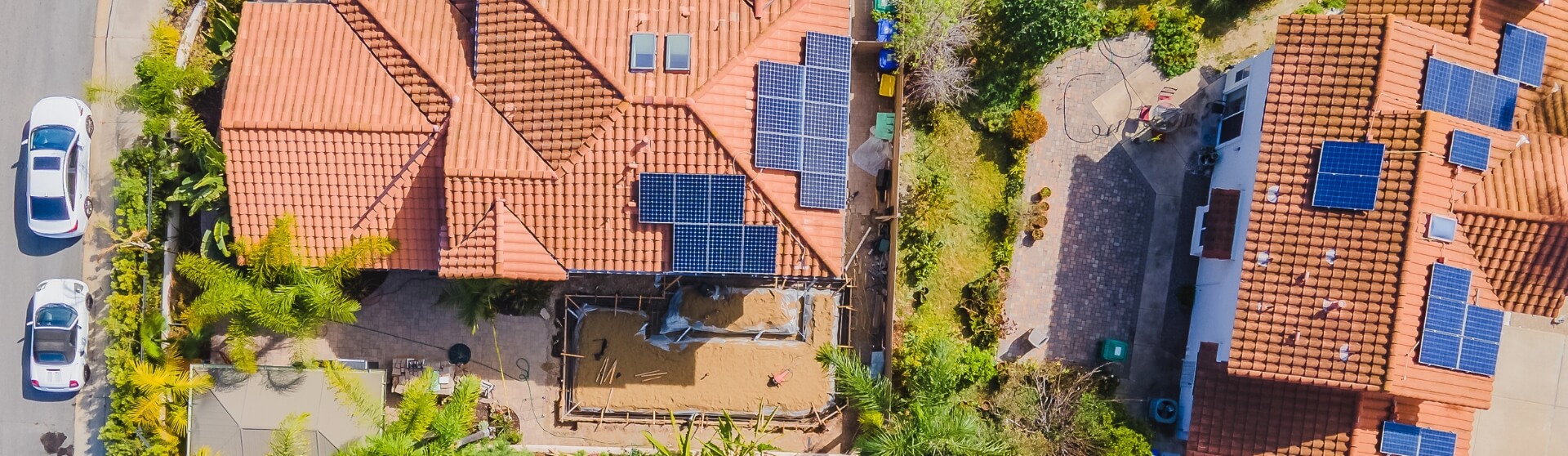
What Are the ADU Electrical Requirements in California in 2026?
California ADUs must comply with strict electrical and energy regulations under the California Electrical Code (CEC) and Title 24 energy standards. Most ADUs require detailed planning for electrical panels, load calculations, dedicated circuits, solar readiness, and utility coordination to meet modern safety and efficiency requirements. Homeowners in San Diego and across California often underestimate the […]
-

ADU Trends & Insights
The Perfect ADU Kitchen
Discover how smart layouts and stylish design choices can transform even the smallest ADU kitchens into luxurious, functional spaces.
-
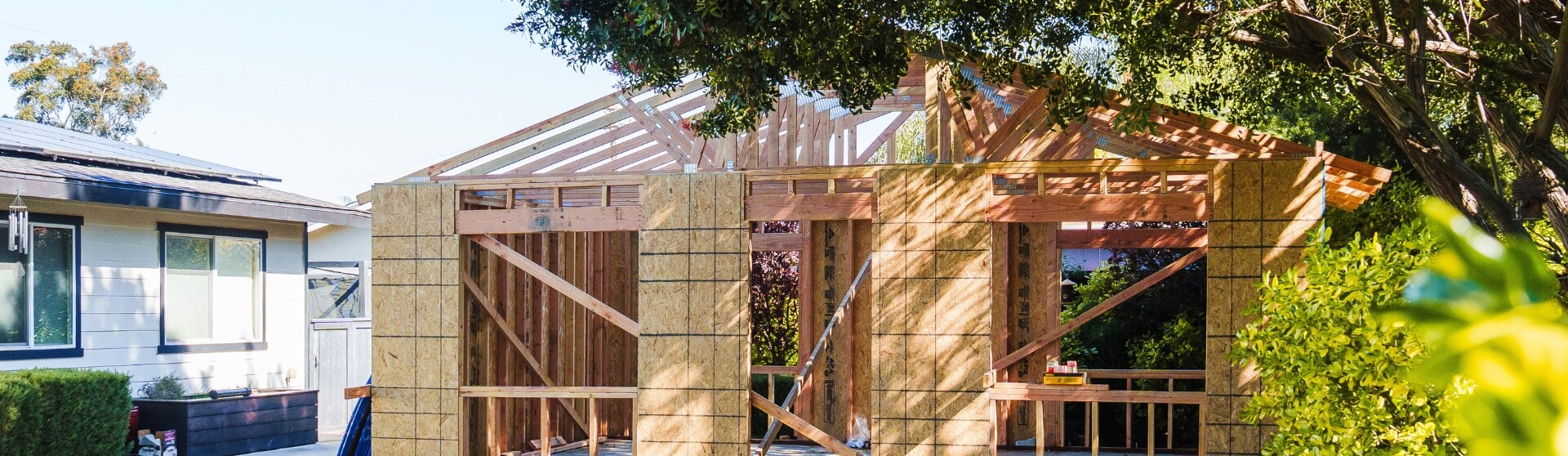
ADU Trends & Insights
What Is ADU Construction?
ADU construction involves planning, permitting, and building a self-contained living space on a residential property — adding value, flexibility, and income potential without buying new land.
-
ADU Trends & Insights
Are ADUs a good alternative to nursing homes for California homeowners?
ADUs offer California homeowners a practical alternative to nursing homes by allowing aging parents to live independently on the same property, supporting aging in place while turning ongoing care costs into a long-term home investment.
-
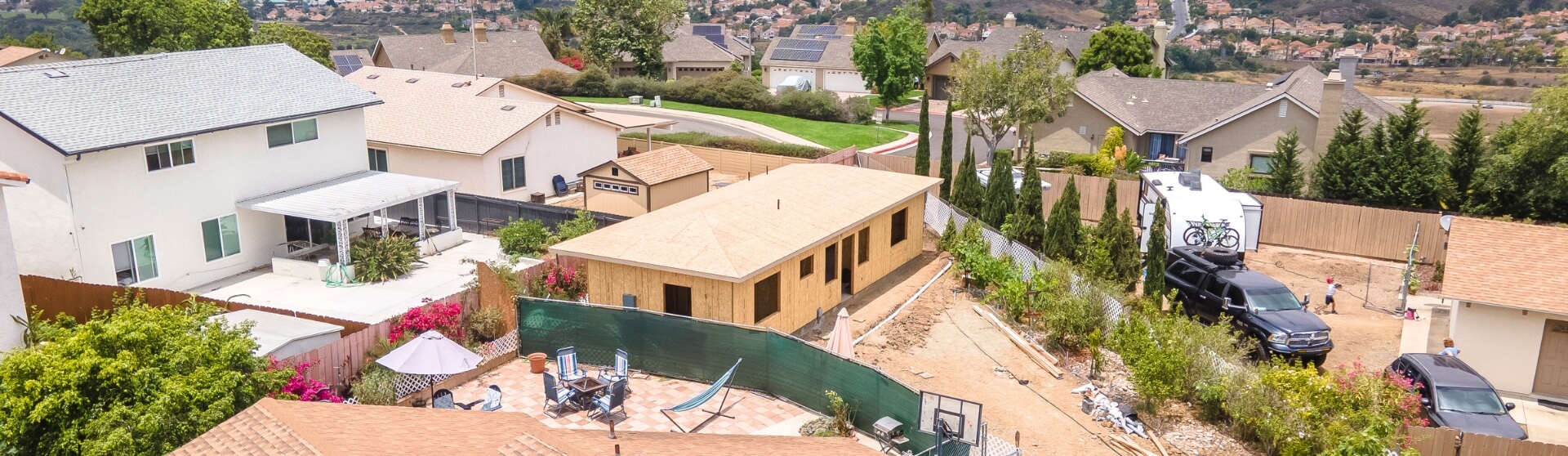
ADU Trends & Insights
When Should You Build an ADU in San Diego?
ADU construction involves planning, permitting, and building a self-contained living space on a residential property — adding value, flexibility, and income potential without buying new land. In California, ADUs now make up about one in six new homes, reflecting their growing role in solving the state’s housing shortage.
-
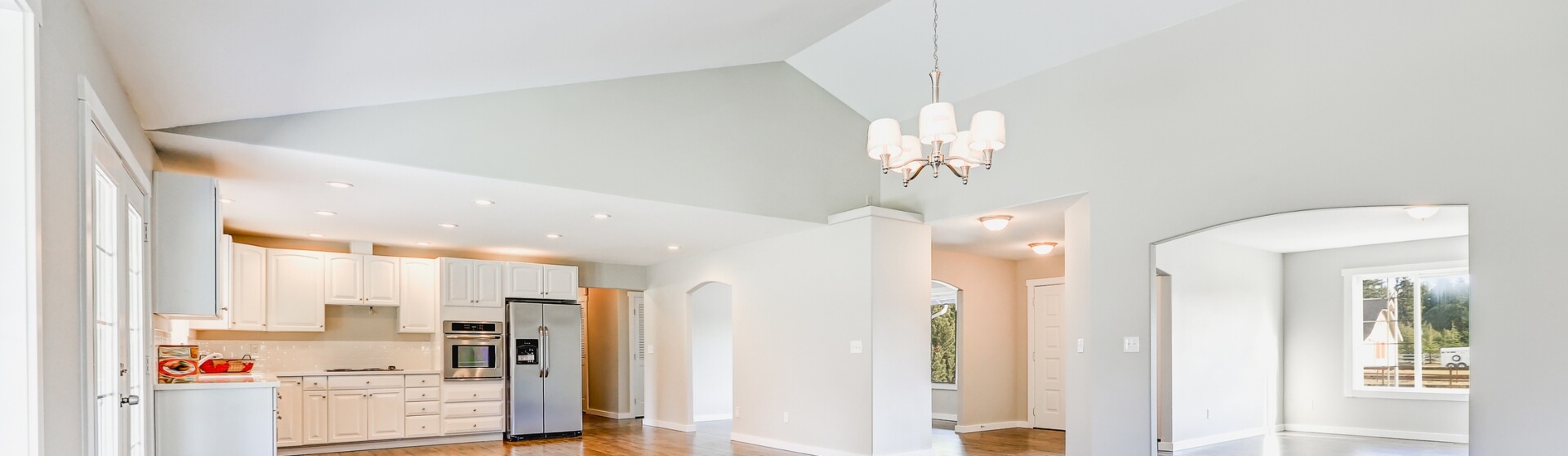
ADU Trends & Insights
What Are Vaulted Ceilings and High Ceilings in ADUs and Are They Worth It in California?
Vaulted ceilings enhance ADUs by maximizing vertical space, increasing natural light, improving comfort, and boosting long-term property value in California when designed and built correctly.
-
ADU Trends & Insights
How Many ADUs Can You Have on Your Property in California?
Understand California's rules for ADUs and JADUs, including property limits, zoning laws, and strategies to maximize space, rental income, and property value.
-

ADU Trends & Insights
Where Can ADUs be Built in San Diego, CA?
ADUs are allowed on nearly all residential lots in California, including single-family and multifamily properties, under state law. In San Diego, any property zoned for residential use qualifies, making it easier than ever for homeowners to add an ADU and expand their living or rental space.
-
ADU Trends & Insights
How Do You Budget for an ADU Build in California and San Diego?
Learn how to budget for an ADU in California and San Diego by understanding costs, timelines, financing options, and strategies to avoid surprises and maximize long-term value.
-
ADU Trends & Insights
Why Do You Need an Experienced ADU Builder in California?
An experienced ADU builder helps homeowners navigate California’s complex permitting rules, zoning regulations, and construction requirements while avoiding costly mistakes and delays. Accessory Dwelling Units (ADUs) are secondary housing units built on the same property as a primary residence and can include detached backyard homes, attached additions, garage conversions, or basement apartments with independent living […]
-
ADU Trends & Insights
Garage ADU: What It Is, Costs, Rules, and Conversion Options
Unlock your property's potential by converting your detached garage into a cost-effective, versatile ADU that increases property value and generates rental income.
-
ADU Trends & Insights
How Long Until an ADU Pays for Itself?
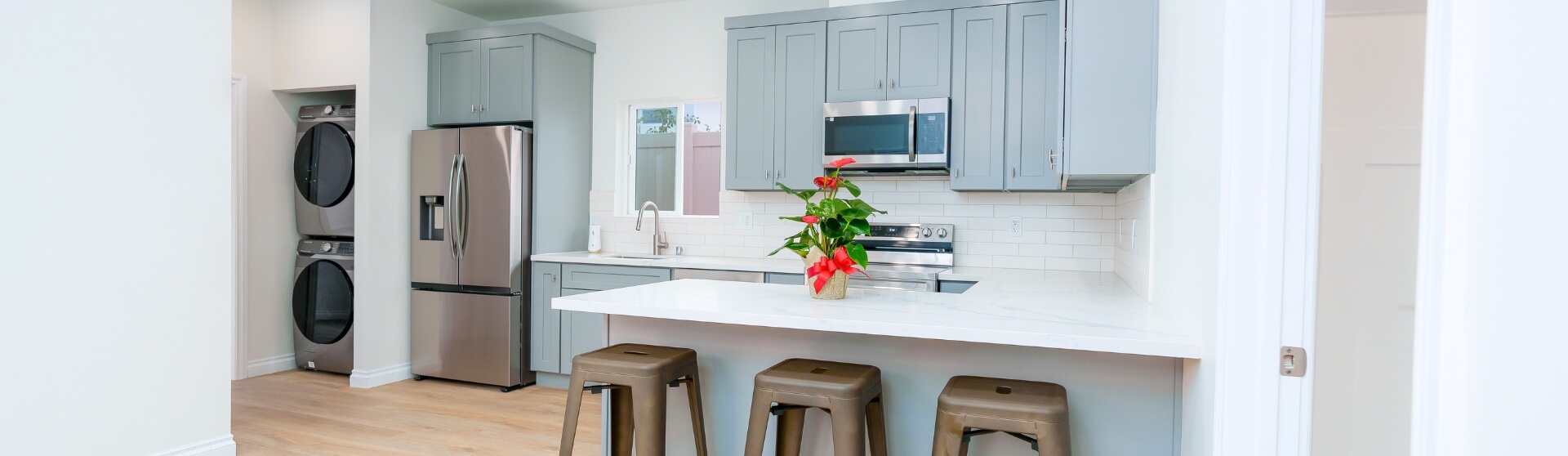
Most ADUs pay for themselves within 5–15 years by combining rental income and property value appreciation, with faster payback in high-demand markets like San Diego.
-
ADU Trends & Insights
How Do You Design the Perfect Granny Flat?
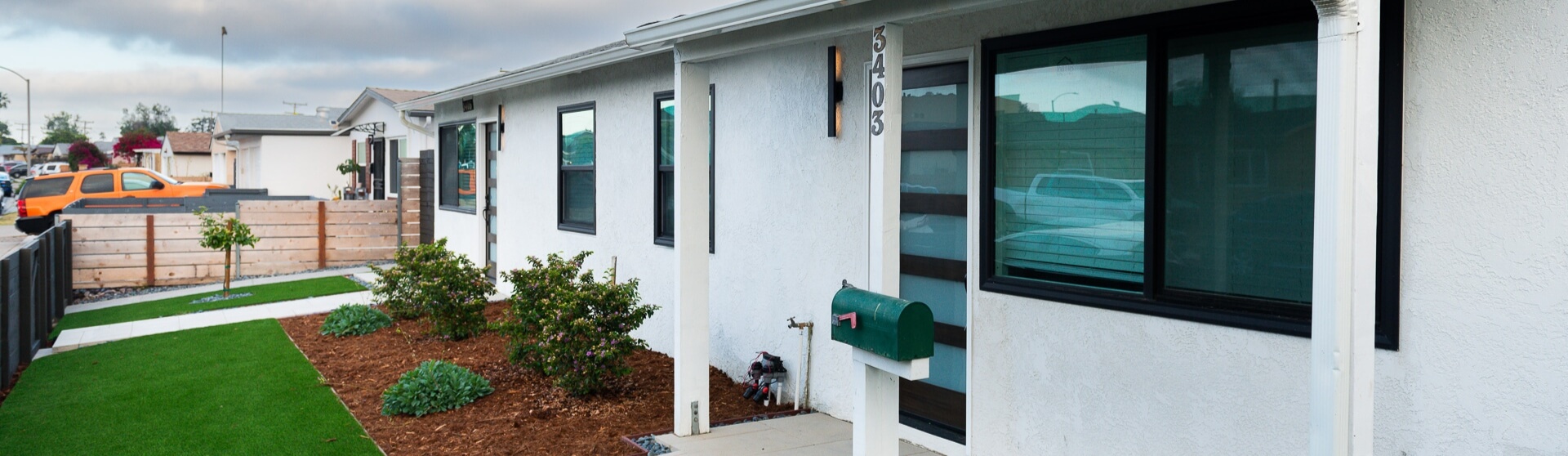
Designing the perfect granny flat starts with understanding local ADU regulations, defining the unit’s intended use, and planning a layout that maximizes comfort within a compact footprint. In California, granny flats—legally classified as Accessory Dwelling Units (ADUs)—must comply with state and local rules covering size, setbacks, and permitting. A successful design balances budget, livability, and […]
-

ADU Trends & Insights
Why ADUs & Costs Matter in San Diego
Planning an ADU in San Diego? Get the lowdown on all the hidden costs that can catch you off guard.
-
ADU Trends & Insights
What Is an ADU Cost Breakdown?
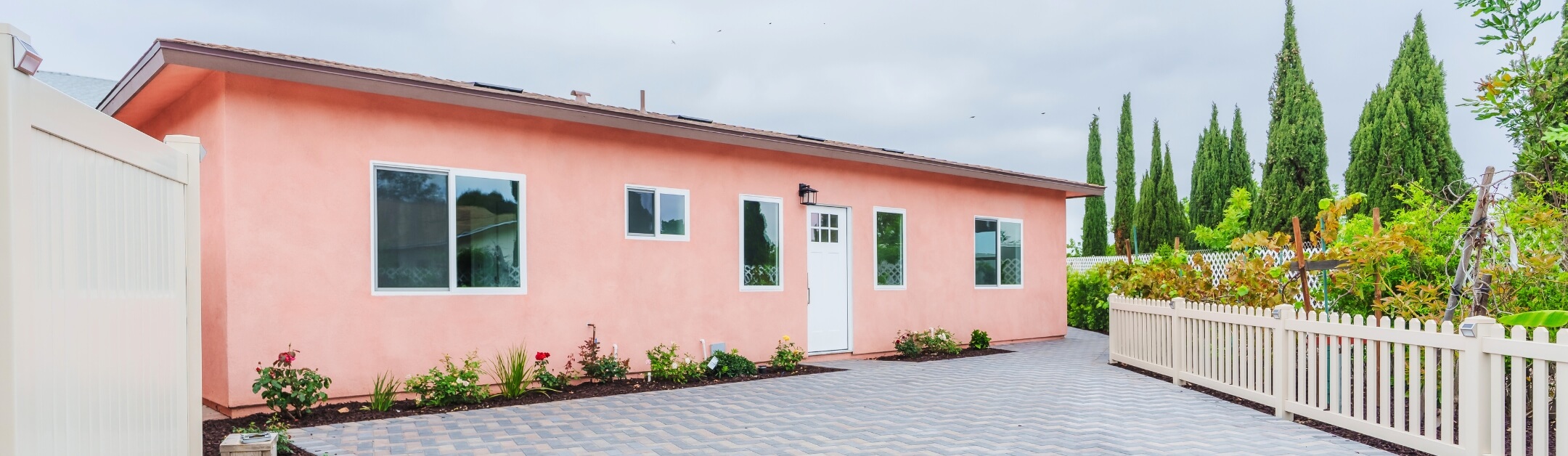
An ADU cost breakdown shows where your budget goes—hard construction costs (about 85–90%) versus soft costs like plans, permits, and city fees (about 10–15%)—so you can set realistic expectations and avoid surprises.
-
ADU Trends & Insights
What Is a Casita? Definition, Uses, and How It’s Different From an ADU
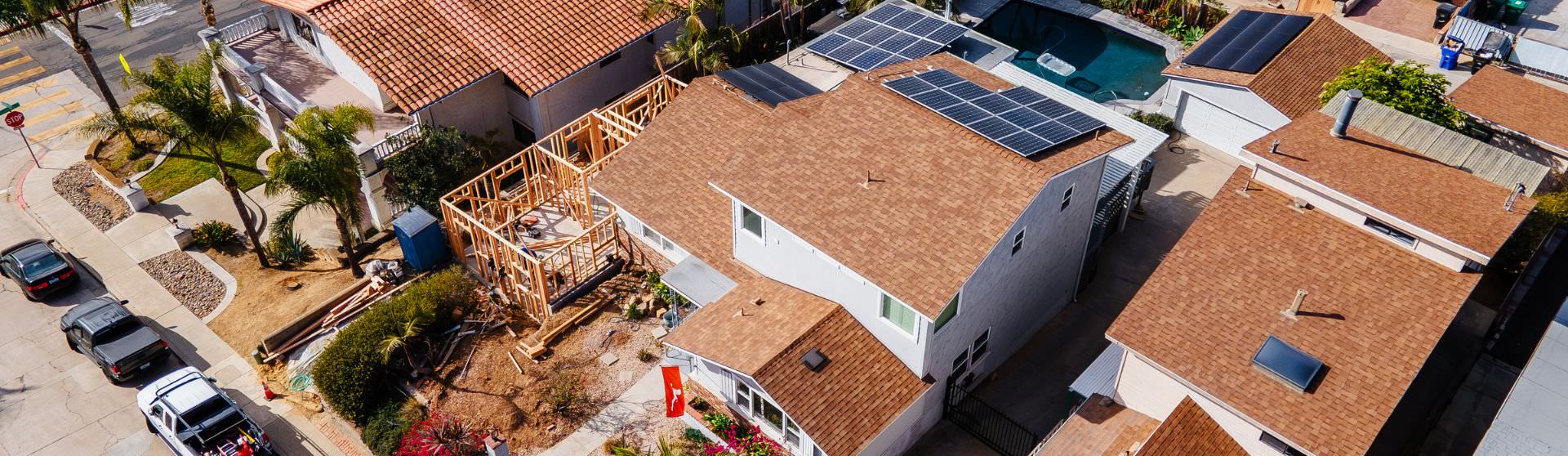
Casitas are stylish, small ADUs under 800 sq. ft., perfect for guests, rentals, or in-law suites. Discover the benefits, costs, and designs.
-
ADU Trends & Insights
What Are the Key Differences Between Attached and Detached ADUs in California?
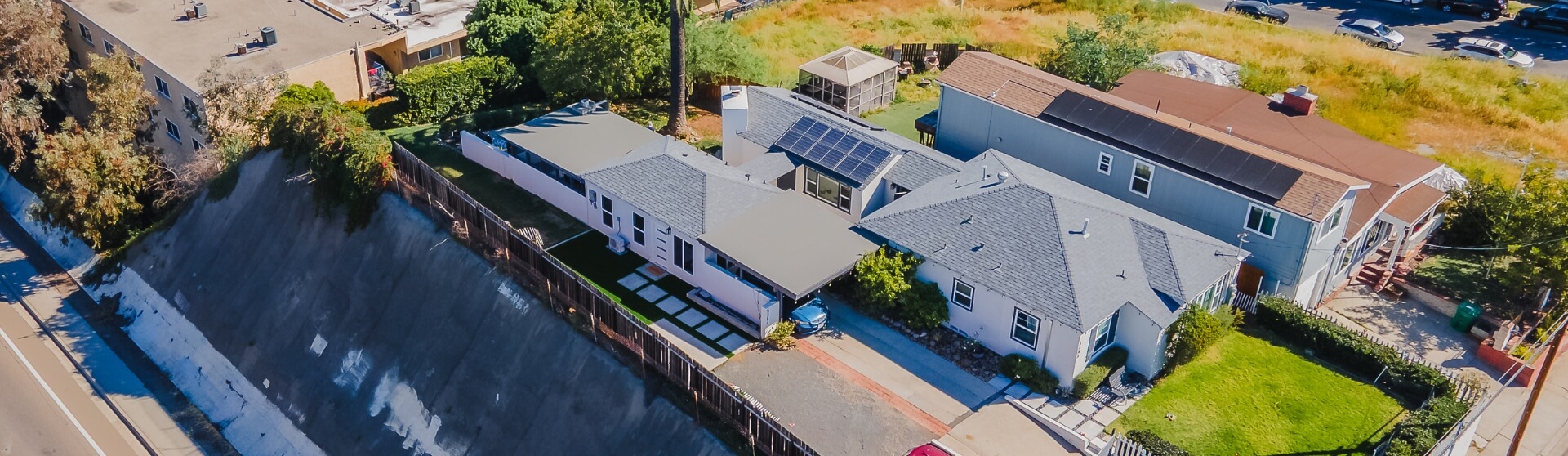
An attached ADU shares at least one wall or structural connection with the primary residence, while a detached ADU is a standalone structure located on the same property. Both provide complete independent living facilities, including areas for living, sleeping, cooking, and sanitation, but they differ in privacy, construction requirements, utility infrastructure, design flexibility, and rental […]
-
ADU Trends & Insights
13 Common Misconceptions About ADUs
Uncover the truth about ADU misconceptions and navigate construction, costs, and regulations for informed decisions.
-
ADU Trends & Insights
What Are Stacked Accessory Dwelling Units (ADUs)?
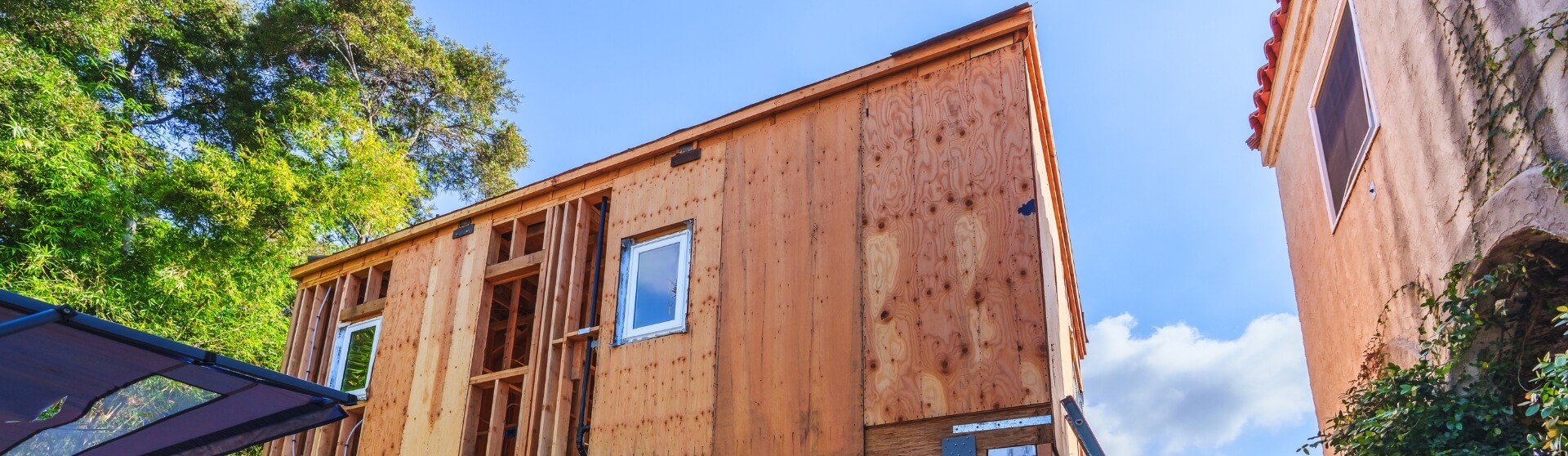
Stacked ADUs are two fully independent accessory dwelling units built vertically in a single two-story structure, allowing California homeowners to add multiple homes on one lot without increasing the building footprint when local height and zoning rules allow.
-
ADU Trends & Insights
What is the importance of an ADU feasibility study in California and San Diego?
An ADU feasibility study is a comprehensive analysis of zoning, site constraints, existing utilities, and a proposed design that determines whether building an accessory dwelling unit is practical and financially viable on a specific property.
-

ADU Trends & Insights
Setback Requirements for ADUs in San Diego
Ensure your ADU meets California's setback requirements—learn essential rules, local variations, and expert tips to maximize your space and streamline permitting.
-

ADU Trends & Insights
What Makes an Ideal Lot for an ADU in California (Especially San Diego)?
An ideal ADU lot in California (especially San Diego) is flat or gently sloped with enough clear buildable space for setbacks, good construction access, nearby utility tie-ins, and minimal easements or overlays—since slope, access, and utility distance are the biggest drivers of cost and feasibility even with “by-right” ADU rules.
-
ADU Trends & Insights
Should You Build Your ADU Yourself or Hire a Contractor in San Diego, California?
Building your own ADU in San Diego can save on labor and contractor markup, but it’s essentially managing a small-house build with permits, trades, and inspections—so hiring an experienced contractor (or using a hybrid approach) often reduces delays, risk, and costly mistakes.
-
ADU Trends & Insights
Downsizing to an ADU: Benefits, Costs, and Key Considerations
Downsizing to an ADU means moving into an Accessory Dwelling Unit—a smaller, self-contained home on your property—while renting out or repurposing your main house.
-
ADU Trends & Insights
What Are the Best Floor Plans for ADUs?
The best ADU floor plans are goal-driven and code-compliant—using efficient layouts like studios, 1-bed/1-bath rentals, or split-bedroom designs that maximize light, privacy, and flexibility while fitting your lot and budget.
-
ADU Trends & Insights
What are the universal design principles for ADUs?
Universal design principles for ADUs focus on creating safe, flexible, and comfortable homes—using features like step-free entries, wider doorways, accessible bathrooms, and intuitive layouts—so the space remains usable for people of all ages and abilities over time.
-
ADU Trends & Insights
What is stormwater management for Accessory Dwelling Units (ADUs) in California?
Stormwater management for ADUs is the process of controlling and treating rainwater runoff generated by new backyard cottages or secondary homes.
-
ADU Trends & Insights
What Is an ADU Cost Calculator and How Much Does It Cost to Build an ADU in California?
An ADU cost calculator helps California homeowners estimate the cost of building an accessory dwelling unit based on factors like square footage, construction type, utility work, site conditions, and finish quality. In California, ADU construction costs typically range from $100,000 to $200,000, although detached ADUs with premium finishes or difficult site conditions can exceed that […]
-
ADU Trends & Insights
How Do You Compare ADU Builder Quotes in San Diego and California?
Compare itemized ADU quotes—labor, materials, permits, timelines—to ensure transparent pricing, true value, and no surprise costs.
-
ADU Trends & Insights
How to Finance an ADU in San Diego
ADUs are growing popular in San Diego, offering housing for family or rental income, but demand substantial upfront investment.
-
ADU Trends & Insights
How Much Does an ADU Increase Property Value?
Discover how adding an ADU can significantly boost your property value, generate rental income, and enhance long-term equity—all while making the most of your available space.
-
ADU Trends & Insights
What Is a Granny Flat? Definition, Types, and How They’re Used
Granny flats offer San Diego homeowners flexible housing solutions, from accommodating family to generating rental income, with options including detached builds, garage conversions, or junior ADUs.
-

ADU Trends & Insights
Key Differences Between Pool Houses and ADUs
Discover the differences between pool houses and ADUs to choose the right addition for your property—find out about amenities, regulations, and value impact!
-

ADU Trends & Insights
ADU Manufactured Homes in San Diego: Are They Right for You?
Discover whether a manufactured home is the right choice by exploring costs, regulations, benefits, and potential drawbacks.
-
ADU Trends & Insights
When Do You Need a Survey for an ADU in San Diego?
A survey for an ADU in San Diego is typically required when the new unit is built close to property lines, situated on a sloped or irregular lot, or when local regulations mandate setback verification.
-
ADU Trends & Insights
What Is ADU Project Management?
ADU project management is the process of overseeing every stage of an accessory dwelling unit project to ensure it stays on schedule, within budget, and compliant with local regulations. It involves coordinating architects, contractors, and inspectors while managing permits, timelines, and construction milestones. Effective project management also includes tracking costs, minimizing delays, and maintaining clear […]
-
ADU Trends & Insights
How to Finance an ADU Project in California
California homeowners can finance an ADU using home equity, cash-out refinancing, construction or renovation loans, and programs like San Diego’s SDHC (up to $250K), with rental income often helping offset the $200K–$450K build cost.
-
ADU Trends & Insights
SB9 vs ADU: What’s the Difference and Which Is Better?
While promising, the complexity and lengthy approval process of SB9 projects make traditional accessory dwelling units (ADUs) an often simpler and quicker alternative for expanding property use.
-
ADU Trends & Insights
What Are ADU Owner Occupancy Requirements?
ADU owner occupancy requirements are rules that require a property owner to live on the same lot as an accessory dwelling unit, either in the primary residence or the ADU itself. These rules were historically imposed by local governments to discourage absentee landlords and preserve neighborhood character. In California, however, owner-occupancy requirements for ADUs are […]
-
ADU Trends & Insights
What Are ADU Electrical Requirements in California?
Get the complete breakdown of electrical requirements for ADUs in California, from panel upgrades to solar compliance, to help you build safely and within code.
-
ADU Trends & Insights
What Is a Retaining Wall for an ADU?
A retaining wall for an ADU is a structural wall designed to hold back soil, stabilize slopes, and create a level building area. These walls help prevent erosion, protect the structure from water damage, and make construction possible on sloped or uneven lots.
-

ADU Trends & Insights
Is it Worth It To Build An ADU in 2026? Assessing the ROI of Building an ADU
Discover the financial benefits and pitfalls of building an ADU with our comprehensive, detailed guide.
-
ADU Trends & Insights
What Is ADU Rental Income and Why Are California Homeowners Investing in It?
Explore how to maximize rental income from an ADU with tips on design, rental strategies, and legal considerations to turn your ADU into a profitable investment.
-
ADU Trends & Insights
Using a HELOC to Fund an ADU in California?
A HELOC lets California homeowners fund an ADU in phases using home equity, paying interest only on what they use. In San Diego, strong rental income often offsets payments, though variable rates and post–draw-period repayment increases should be considered.
-

ADU Trends & Insights
Are Pre-Approved ADU Plans Right for You in San Diego?
Compare pre-approved vs. custom plans and why the cheapest option isn't always best.
-
ADU Trends & Insights
What Are the Legal Bedroom Requirements in California?
California has made building ADUs easier to tackle the housing crisis, but specific state and local regulations still apply. Here's what you need to know before starting.
-
ADU Trends & Insights
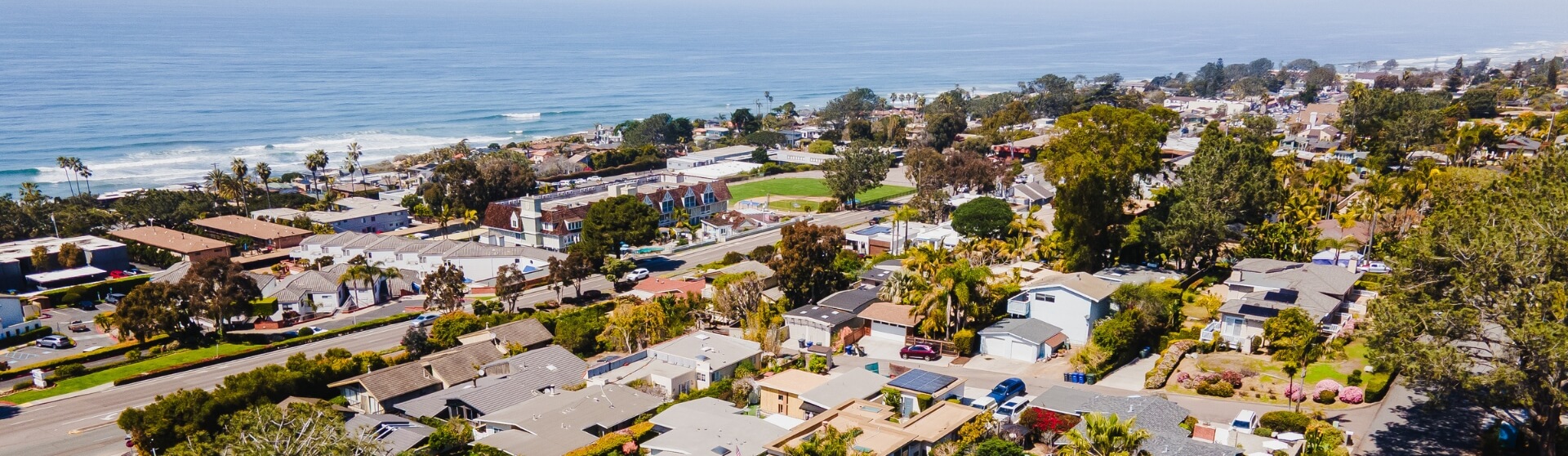
Can You Sell an ADU in San Diego?
San Diego's pending ordinance may soon enable homeowners to sell ADUs as separate condominiums, expanding affordable housing opportunities.
-

ADU Trends & Insights
20 Day Preliminary Notice for ADUs in California: Requirements and Deadlines
A California 20-Day Preliminary Notice is a required filing for most ADU projects that subcontractors and suppliers must send within 20 days of providing labor or materials, notifying owners, contractors, and lenders.
-
ADU Trends & Insights
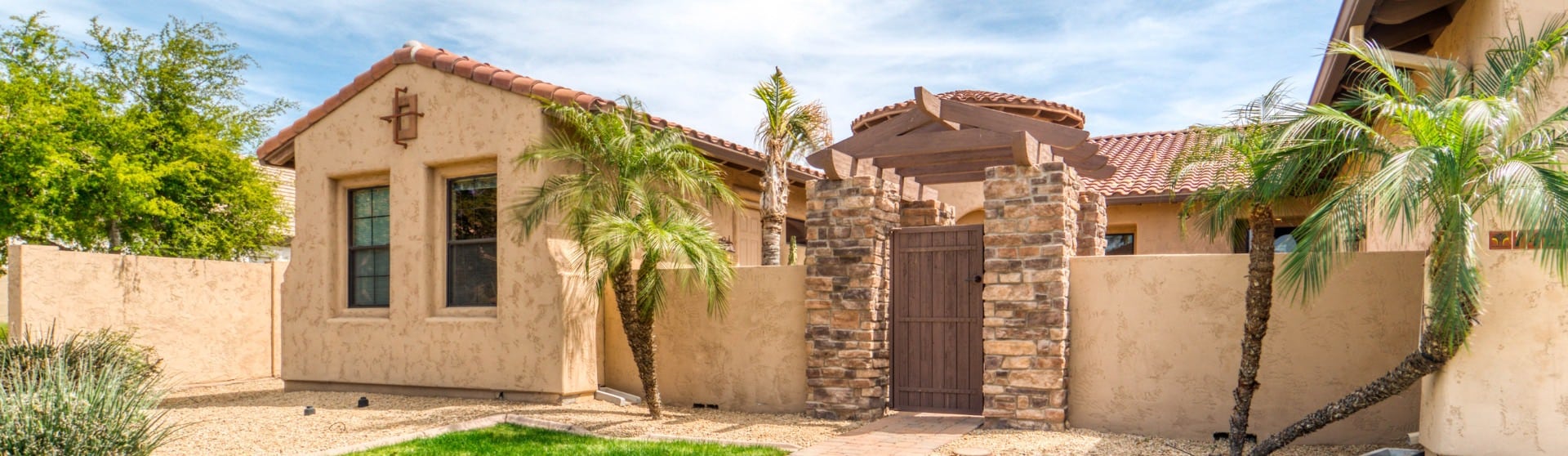
Spanish Style ADUs
Explore the timeless elegance of Spanish-style ADUs with iconic features like stucco walls, red tile roofs, and stunning architectural details.
-
ADU Trends & Insights
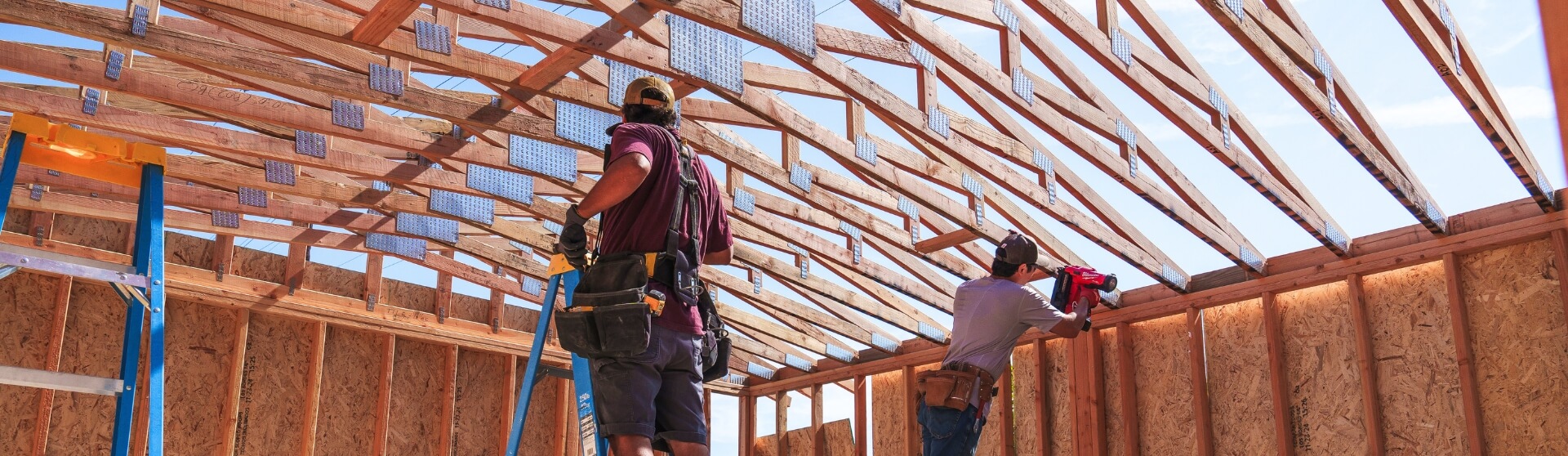
How Does ADU Construction Work in San Diego, CA?
San Diego’s ADU process is fast and flexible, with permits approved within 60 days and options for detached units up to 1,200 sq. ft. or garage conversions. Thanks to state laws and the city’s ADU Bonus Program, homeowners can build quickly, add value, and even earn extra units by including affordable housing.
-
ADU Trends & Insights
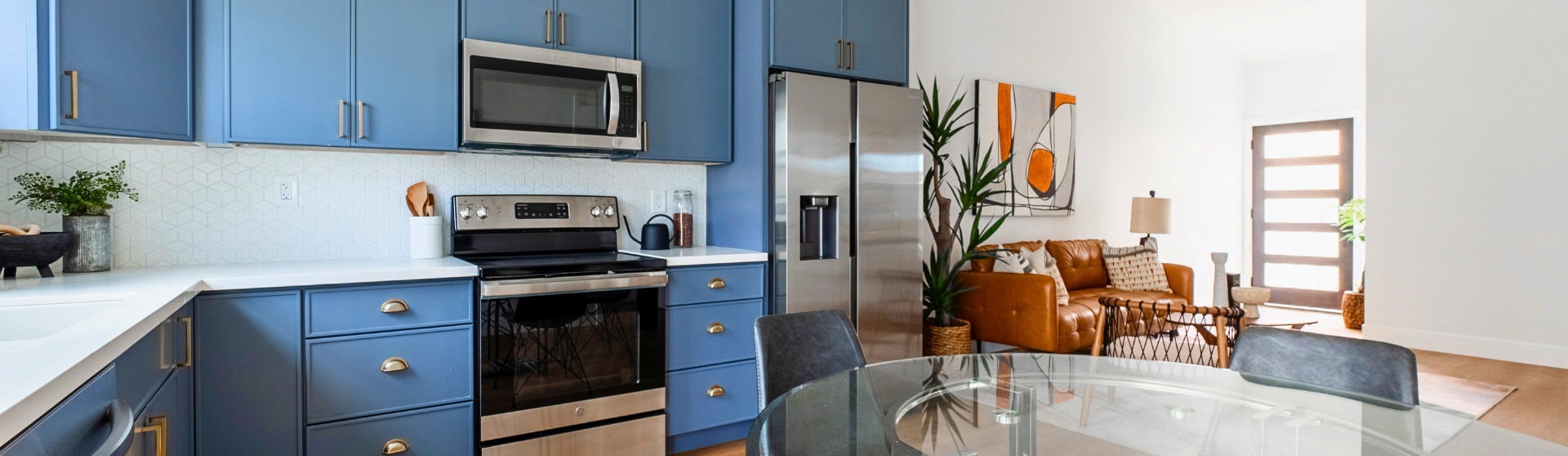
Custom ADU: Your Ultimate Guide
A custom ADU may cost more than manufactured or prefab units, depending on size, type, and finishes, but it offers several benefits.
-
ADU Trends & Insights
What Is the Cost of Building an ADU in California?
The cost of building an ADU in California varies based on factors such as size, design, site conditions, utility work, and local fees. A statewide homeowner survey found that the median ADU construction cost is $150,000, or approximately $250 per square foot, providing a useful benchmark for homeowners planning an ADU. The California Department of […]
-

ADU Trends & Insights
How Does Choosing the Right Color Scheme Impact an ADU’s Design and Value?
Choosing the right ADU color scheme—especially light, neutral palettes with intentional accents—can make small spaces feel larger, improve livability, and increase rental and long-term property value.
-
ADU Trends & Insights
California ADU Law: The Ultimate Guide
California has streamlined ADU construction to address the housing crisis, but development standards still apply. Check local regulations before starting your project.
-
ADU Trends & Insights
Prefab ADUs: Pros and Cons
Explore the pros and cons of prefab ADUs in California, including cost, customization, durability, and ROI, to decide if modular construction suits your needs.
-
ADU Trends & Insights
Should You Invest in Building an ADU in San Diego?
Building an ADU in San Diego can be a worthwhile investment for homeowners looking to generate rental income, increase property value, or create flexible living space for family members. An Accessory Dwelling Unit (ADU) is a secondary residential unit built on the same lot as a primary home, and demand for ADUs continues to grow […]
-

ADU Trends & Insights
How Do You Integrate Outdoor Living Into ADU Design?
Integrating outdoor living features such as patios, decks, and seamless indoor-outdoor connections helps ADUs feel larger, more livable, and more valuable.
-
ADU Trends & Insights
Construction Loans vs. Personal Loans for ADUs: What Do California Homeowners Need to Know?
Building an ADU in California typically requires high financing and San Diego homeowners usually choose between construction loans, which are based on the future value of the property, and personal loans, which offer fast approval but higher interest rates.
-
ADU Trends & Insights
What Roofing Options Are Best for ADUs in California (Especially San Diego)?
The best ADU roofing in California (especially San Diego) balances budget, durability, and curb appeal—using options like asphalt shingles, metal, tile, or low-slope membranes that meet Title 24 cool-roof/solar requirements and hold up to intense sun, heat, and wildfire risk.
-
ADU Trends & Insights
Can an HOA Prevent an ADU in California?
If you’re part of a homeowners association and considering building an accessory dwelling unit on your property, it's key to consider any rules your HOA may have about ADUs.
-
ADU Trends & Insights
What Qualifies as an ADU?
ADUs are reshaping the California housing market, providing homeowners with cost-effective, independent living spaces to meet diverse needs.
-
ADU Trends & Insights
Do You Trust Your Builder?
You can trust your ADU builder when they prove real ADU experience, proper California licensing/insurance, and clear written contracts, not just a good sales pitch.
-

ADU Trends & Insights
What Are the Best Loan Programs for ADUs in California (San Diego Guide)?
California homeowners can finance ADUs through home equity, construction or renovation loans, cash-out refinancing, and programs like CalHFA (when available) and San Diego’s SDHC, with the best option depending on equity, income, and timing.
-
ADU Trends & Insights
How We Make Your ADU’s Interior Design Stress Free & Feel Like Home
Our interior designers simplify the finish selection process—so you get a stylish, renter-friendly ADU without the stress, delays, or costly mistakes.
-
ADU Trends & Insights
How to Build an ADU in the San Diego Coastal Zone
Building an ADU in San Diego’s Coastal Zone requires checking if the property is in the Coastal Overlay Zone, which typically triggers a Coastal Development Permit or exemption.


