


Are ADUs a good alternative to nursing homes for California homeowners?
 Share
Share
49 min read
Yes—Accessory Dwelling Units (ADUs) can be a strong alternative to nursing homes or assisted living for many California families because they let an aging parent live independently on the same property, close to daily family support. ADUs are fully self-contained secondary homes with their own kitchen, bathroom, and sleeping/living space, often called granny flats or in-law suites. (AARP) This option aligns with what older adults want most: AARP’s 2024 survey found 75% of adults 50+ want to stay in their current homes and 73% want to remain in their communities as they age. (MediaRoom) For homeowners, ADUs offer a way to support aging in place while preserving privacy, autonomy, and neighborhood ties instead of moving a loved one into institutional care. (AARP)
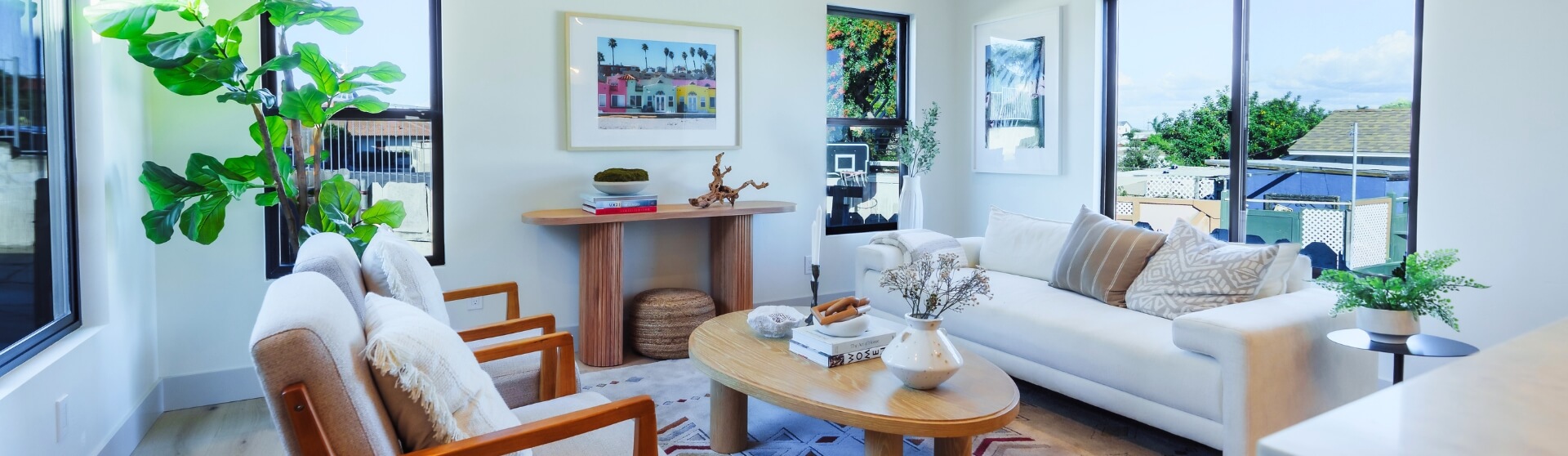

Understanding Accessory Dwelling Units (ADUs)
Definition and characteristics of ADUs
An Accessory Dwelling Unit (ADU) is a small, fully self-contained home built on the same lot as a primary residence. It has its own kitchen (or kitchenette), bathroom, sleeping area, and living space, so it functions as a true independent home—often called a granny flat, backyard bungalow, accessory apartment, or in-law unit. (AARP) For families supporting an aging family member, this setup makes it possible for a loved one to live privately without leaving their neighborhood or family support system, while still being close enough for in-home care when needed. (AARP) That matters because older adults overwhelmingly want to stay put: AARP’s 2024 survey found 75% of adults 50+ want to remain in their homes and 73% want to stay in their communities as they age. (MediaRoom)
Types of ADUs
Homeowners generally see three main ADU types. Detached ADUs are separate backyard cottages or other freestanding structures. Attached ADUs are additions that share a wall with the main house. Converted ADUs repurpose existing space—like a garage, basement, or portion of the home—into legal second units. (AARP) California’s recent zoning changes and permitting reforms have made all of these formats easier to approve under modern zoning laws, helping drive a rapid rise in ADU production across the state despite ongoing construction costs. (Terner Center)
Key features of ADUs for elderly care
ADUs work well for senior living because they combine independence with closeness: parents have their own home and routines, while family is nearby to help when needed. (AARP) As AARP notes, ADUs help older adults stay connected to their community, which is a major emotional and practical benefit of multigenerational housing and aging in place. (AARP) In practice, they can also be designed with safety features and universal design principles—such as step-free entrances, wider doors, walk-in showers, and safer bathrooms—so the space stays comfortable as mobility needs change and can later support rental income if family needs shift. (AARP)
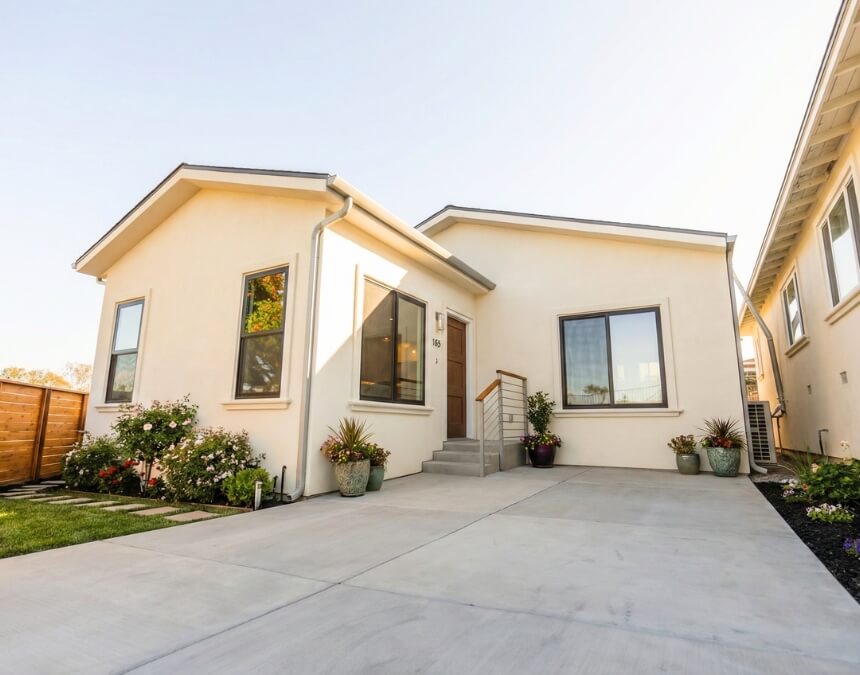
Early ADU framing is the best stage to plan aging-in-place features like wider doorways, zero-step entries, and future bathroom reinforcements—changes that are far cheaper before walls are closed.
Benefits of ADUs over Traditional Nursing Homes
For many California families, ADUs offer a way to support aging parents without defaulting to a senior living facility or other institutional care. Because an ADU is a separate, fully functional home on the same property—sometimes designed like a compact tiny home—it lets a senior live privately while staying close to family for day-to-day support and quick help if needed. Just as important, ADUs shift elder housing from ongoing senior living costs into a one-time investment that remains part of the property, creating meaningful cost savings and helping preserve family wealth over time. AARP and other housing researchers frame ADUs as a practical “aging in place” tool that expands options for older adults who want independence without leaving their community. (AARP)
California’s pro-ADU reforms triggered a massive expansion in supply: permits rose from 5,911 in 2018 to 15,571 in 2019, and completions more than tripled. (Terner Center) Locally, San Diego County is one of the state’s hottest ADU markets—CHPD at UC San Diego reports that permitted ADUs more than tripled between 2020 and 2024, with completions up nearly fivefold. (chpd.ucsd.edu) This growth signals that homeowners are actively choosing ADUs as a flexible housing solution for family needs, including elder care.
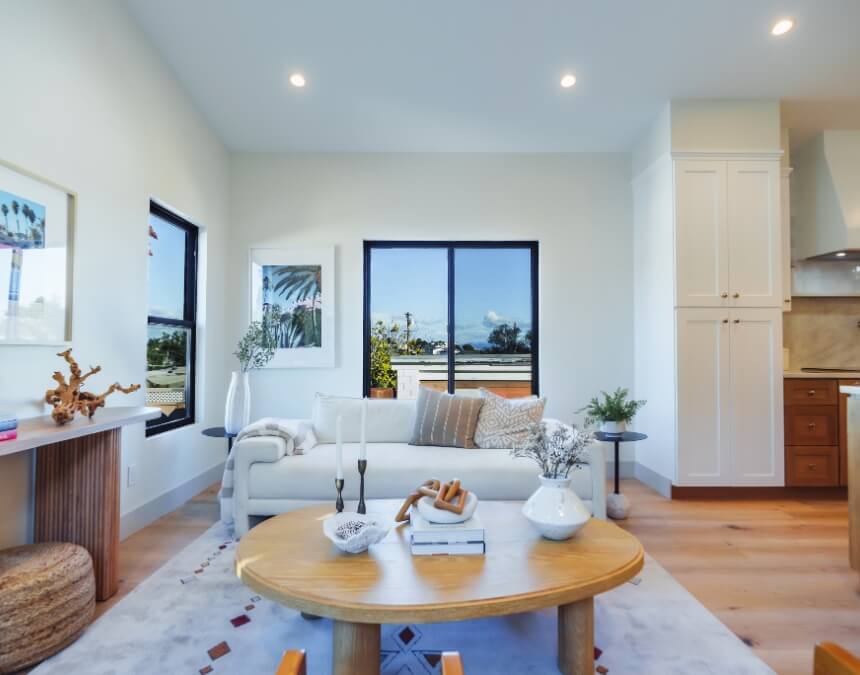
Detached ADUs create physical separation that preserves dignity while keeping caregivers close—something institutional care rarely offers.
Enhanced independence for seniors
ADUs are built for “close but independent” living, often using simple single-level layouts that make daily life easier as mobility changes. Seniors maintain their own routines, privacy, and dignity in a separate home, while family members are just steps away for support. (AARP) This setup also leaves room for care to scale over time—families can add home-based services if needs increase, without forcing a move into a facility. (AARP)
Emotional advantages of proximity to family
Living near family can reduce loneliness and social disconnection that sometimes come with assisted living or skilled nursing homes. ADUs keep older adults in familiar surroundings and close to everyday family life while still giving them personal space. (AARP) AARP’s ADU research also finds strong public openness to ADUs as a way to stay near loved ones, reinforcing that this model fits real family preferences—not just policy goals. (AARP)
Cost-effectiveness compared to nursing homes
The financial contrast is stark: nursing home and assisted living fees are ongoing and inflation-prone, while an ADU is a fixed, upfront project that becomes part of the home’s long-term value. Even a few years of long-term care costs can rival a major portion of ADU construction, which is why many homeowners view ADUs as a long-range cost-control strategy for family care. (AARP)
Customization for safety and accessibility
ADUs can be tailored from the ground up for aging-in-place safety. AARP highlights that new ADUs can incorporate universal design features—such as zero-step entrances, wider doorways, and accessible bathrooms—making them naturally senior-friendly. (AARP) Families can also plan floor plans around future needs, adding bathroom support like grab bar reinforcement to reduce risks and support mobility over time, while keeping the space feeling like home rather than institutional housing. (AARP)
Cost pressure proof (mini comparison table):
| Option | Typical cost structure | National annual median (2024) |
|---|---|---|
| Assisted Living | Ongoing monthly fee | $70,800/year (~$5,900/mo) |
| Nursing Home (Private Room) | Ongoing daily/monthly fee | $127,750/year (~$10,965/mo) |
| Backyard/On-property ADU | One-time build + upkeep | AARP notes ADUs can vary widely, from around ~$40k to the hundreds of thousands , depending on type and size |
Financial and Emotional Considerations
Initial investment and long-term savings
For homeowners weighing an ADU against a nursing facility or other institutional care, the big financial difference is one-time investment vs. recurring fees. National median costs from the latest cost of care survey are already steep—assisted living averages about $70,800 per year, and a private nursing home room averages $127,750 per year. Those costs repeat every year and often rise over time, while an ADU is a single build expense that stays with the property as equity, helping families navigate today’s affordability challenge with more control. AARP also notes ADUs can be reused after elder care needs change—commonly becoming a rental unit, guest suite, or flexible space for caregivers or other family members—and many households pair builds with practical financing options to spread costs while keeping the asset in the family long-term.
Impact on family dynamics and relationships
An ADU supports a healthier “close but separate” arrangement for multigenerational living. Seniors get their own private home and routines, and family members can still provide regular support without the stress that often comes from sharing one roof full-time. This balance of proximity + independence is one reason ADUs are increasingly framed as a practical alternative to assisted living for families who want to stay connected without sacrificing boundaries.
Emotional well-being of seniors in ADUs
Beyond money, ADUs can protect something just as important: a senior’s sense of stability and belonging. Being able to stay near family and remain in a familiar neighborhood helps reduce the disruption that often comes with moving into a facility. As one aging-in-place expert quoted by AARP put it, “An ADU allows people to keep their connections to the community.” Many families also add light-touch smart technology—like motion sensors, simple medical monitoring, or voice assistants—to support safety and reassurance without taking away independence. When older adults can keep their routines, nearby relationships, and local identity intact, they’re more likely to feel secure, valued, and emotionally supported as they age.
Keeping aging parents close—without sharing walls—supports emotional well-being while preserving healthy family boundaries and long-term housing flexibility.
Regulatory and Zoning Considerations
Navigating local regulations and permits
California has deliberately made ADUs easier to build as part of its housing and aging-in-place strategy. A series of statewide zoning and permitting reforms requires cities and counties to allow ADUs in residential areas, including most single-family zoning, and to streamline approvals, limiting local rules that used to block “granny flats” or other supplemental dwelling units. The impact shows up in permit data: the Terner Center reports that ADU permits jumped from about 5,900 in 2018 to about 15,500 in 2019, and completions more than tripled in that same window. (Terner Center) For homeowners, the practical takeaway is that you still must follow local development standards (setbacks, height, utilities, etc.) and secure building permits, but the baseline right to build an ADU is now protected by state law, and local governments must process applications using those state rules.
Emerging trends in zoning for ADUs
State leadership continues to expand ADU opportunity, with HCD’s 2025 ADU Handbook reflecting the newest laws taking effect January 1, 2025 and reinforcing a pro-ADU statewide framework. In practice, this means more uniform standards across California, fewer discretionary hoops, and ongoing refinement to make ADUs faster and less costly to permit under evolving zoning ordinances. San Diego has been an especially active ADU market under this environment, using local programs (like its ADU density/bonus policies) to further encourage production—though those bonus rules have also been adjusted in 2024–2025 to better align with state direction. (sandiego.gov)
Potential challenges in ADU approvals
Even with streamlined state rules, ADU projects can still hit real-world constraints. Lot size, existing structures, utility capacity, and neighborhood-specific land development ordinances can affect what you’re allowed to build and how long approvals take. (Terner Center) In parts of California, builders and homeowners also report delays tied to utility upgrades and service connections, which can lengthen timelines if not planned early. (San Francisco Chronicle) So while California has removed many policy barriers, successful ADU approvals still depend on property feasibility checks and careful coordination with local permitting and utilities.
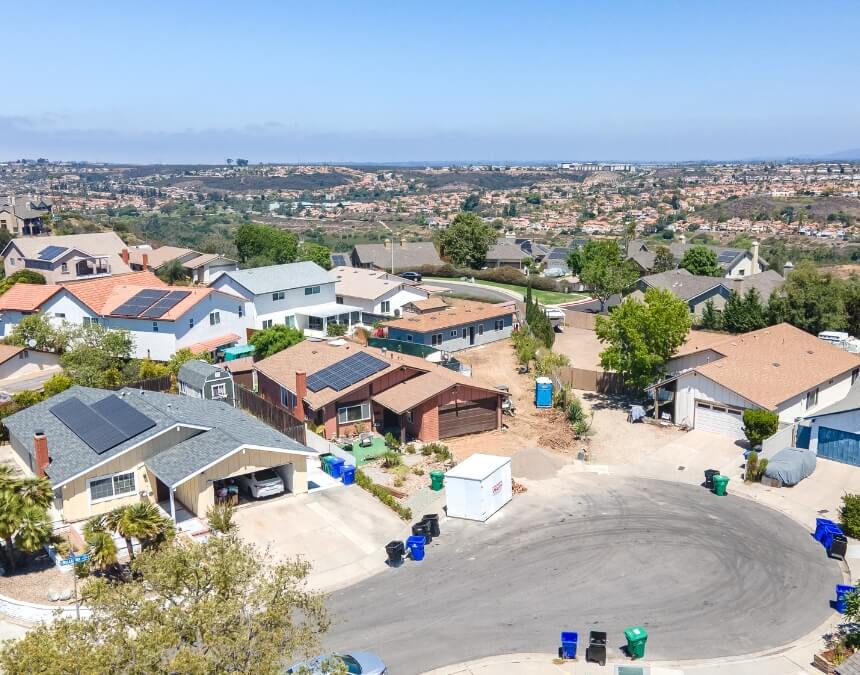
Roofing, height, and setback compliance are common approval checkpoints—confirming zoning limits early helps avoid costly redesigns during inspections.
ADUs as a Solution for Multigenerational Living
Facilitating family integration and support
ADUs make multigenerational living work because they give families a true “close but separate” setup. An aging parent can live in a private, fully independent home on the same property—sometimes similar in scale to modern tiny homes—while adult children remain close enough to help with daily needs, check in regularly, or respond quickly in an emergency. This arrangement supports aging in place by balancing hands-on caregiving proximity with personal dignity and autonomy, avoiding the stress that often comes from combining households under one roof. For many multigenerational families, that balance is what turns “care” into something sustainable long-term.
Enhancing social connections and community involvement
One of the biggest hidden benefits of ADU living is social continuity. Instead of relocating to an unfamiliar facility, seniors can remain in the same neighborhood, near familiar routines, friends, and services—while also being integrated into everyday family life. As aging-in-place experts note, “An ADU allows people to keep their connections to the community,” which is tied to stronger emotional well-being and a better sense of stability as people age. When families add thoughtful comforts—like good natural lighting and simple smart home tech for ease of use—the ADU feels like a real home, not a compromise, encouraging older adults to stay engaged with loved ones and local social networks.
Addressing housing shortages through ADUs
ADUs don’t just help individual households—they’ve become a meaningful part of California’s housing strategy. After statewide reforms removed many barriers, ADU permits surged from about 5,900 in 2018 to about 15,500 in 2019, and completions more than tripled, showing how quickly homeowners adopt ADUs when rules support them. San Diego illustrates this trend locally: ADU permitting in the county has more than tripled since 2020, driven by state policy and local incentives like the city’s ADU bonus program. For homeowners, that means ADUs are now a mainstream, policy-backed solution that supports family care and adds much-needed housing within existing neighborhoods.

Designing ADUs as full homes—not “secondary spaces”—helps multigenerational arrangements succeed long term with fewer boundary issues.
Designing an ADU for Aging in Place
Key design elements for accessibility
When an ADU is meant for an aging parent, the goal is to make the space safe, easy to move through, and adaptable over time. AARP notes that new-construction ADUs can be built with universal design, such as zero-step entrances and doorways, hallways, and bathrooms sized for mobility needs, which helps residents stay independent even if they later use walkers or wheelchairs.
Key elements to prioritize include a single-story or no-stairs layout, wider entrance and interior clearances, non-slip flooring, and age-friendly bathrooms with upgrades like walk-in showers, grab bars, and seated shower options. Garage or basement conversions can be especially practical for aging in place because they often start with ground-level, step-free entry already in place, and can be planned to align with Americans with Disabilities Act (ADA)-informed accessibility standards.
Technologies to improve living conditions
Aging-in-place ADUs can also be prepped for safety and peace of mind with simple, non-intrusive tech. AARP’s aging-in-place resources highlight the role of age-friendly home features and upgrades that support independence, including technology that makes daily living easier and safer. In practice, this can mean voice-activated controls for lighting or thermostats, emergency alert systems, and light-touch remote monitoring systems such as motion sensor lights or door sensors that help family members check in without sacrificing privacy. These additions can reduce everyday risks while keeping the home comfortable and unobtrusive.
Case studies and successful examples
AARP profiles multiple real households using ADUs as part of long-term aging plans. For example, one AARP-featured couple built an ADU with accessible design features that they use now as flexible space and expect to use later for themselves or a caregiver—showing how an ADU can evolve with changing needs. AARP also documents community-based aging-in-place ADU programs where older homeowners downsize into a new age-friendly ADU while staying on their property, reinforcing the model’s real-world viability for seniors, caregivers, and families.
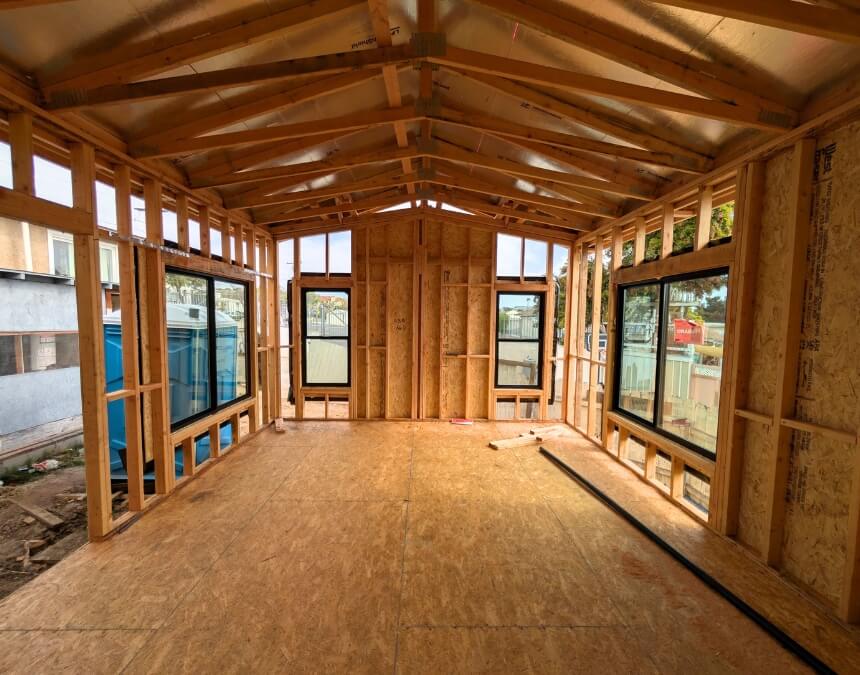
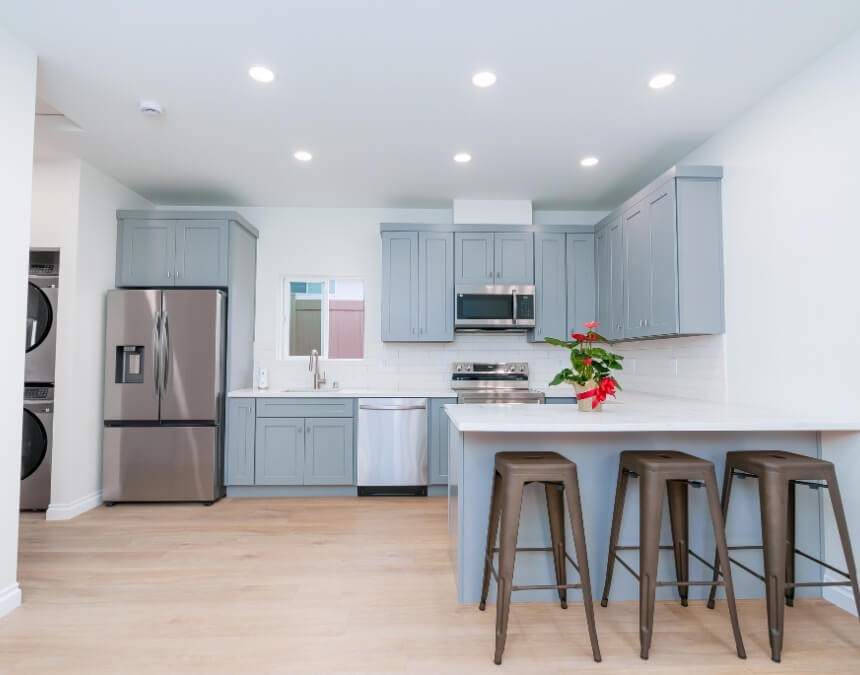
Open kitchens, single-level layouts, and clear circulation paths reduce fall risk and make it easier to adapt the space later for mobility aids or in-home care.
ADUs as an Investment
Long-term financial benefits for families
From a financial planning standpoint, an ADU turns senior housing from a recurring care bill into a one-time property investment. Nationally, assisted living now averages about $70,800 per year, while a private nursing home room averages $127,750 per year—costs that repeat annually and have been rising faster than inflation. By contrast, building an ADU is an upfront expense that becomes part of your home’s long-term equity, and can reduce or delay the need for high-cost institutional care. Many families fund this through practical loan products or home-equity strategies, and AARP highlights ADUs specifically as a practical aging-in-place option that supports families financially and logistically.
Potential for increasing property value
Even when an ADU is built primarily for family care, it also creates a legal second dwelling unit on your lot—which adds functional value to the property. AARP notes that ADUs expand housing choice and provide lasting flexibility for homeowners, including the ability to repurpose the unit later. After an aging parent no longer needs the space, many homeowners convert the ADU into a rental unit (sometimes starting from a garage conversion), guest house, or caregiver suite, which can generate income and improve resale appeal because the property now includes two independent living spaces.
Role in future-proofing against aging population needs
ADUs are increasingly viewed as a future-ready housing strategy because they match what older adults want and what California policy supports. AARP’s 2024 Home and Community Preferences Survey found 75% of adults age 50+ want to remain in their current homes as they age (and 73% want to stay in their communities). At the same time, California’s ADU reforms have normalized these units as part of mainstream housing supply—permits jumped from 5,911 in 2018 to 15,571 in 2019, showing how widely homeowners adopt ADUs when barriers are removed.
Put simply: ADUs are no longer a niche “granny flat” idea—they’re a recognized, policy-backed option for families who want flexible housing that can support aging parents now and serve a new purpose later.
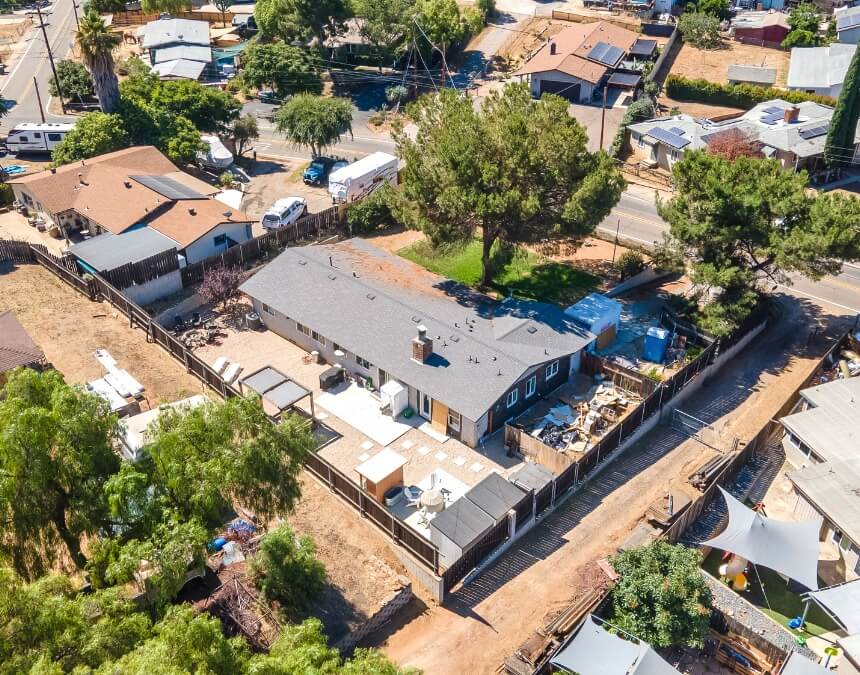
When designed flexibly, an ADU can transition from family housing to rental income or resale value, protecting long-term financial returns.
Financing / Local CA Incentives
California homeowners have a few strong, research-backed ways to reduce the upfront cost of building an ADU—especially when the goal is aging in place for an aging family member instead of a retirement home. The biggest statewide incentive is the CalHFA ADU Grant Program, which offers grants up to $40,000 to reimburse pre-development and non-recurring closing costs tied to ADU construction.
Eligible reimbursements include items that often slow projects down, such as design and architecture fees, building permits, site prep, soil/geotechnical tests, impact fees, property surveys, energy reports, and utility planning/hookups. CalHFA has noted that funding rounds may open and close based on allocation, so homeowners should check current availability through an approved lender when planning their building plans and timeline. (calhfa.ca.gov)
San Diego homeowners may also qualify for local support programs in addition to CalHFA. The City of San Diego highlights the San Diego Housing Commission (SDHC) ADU Finance Program, which provides construction-loan assistance and technical guidance for income-qualified homeowners building ADUs in the city. (San Diego Official Website) Separately, San Diego has used targeted incentives like fee-relief and density/bonus pathways to encourage ADU creation, especially where projects add affordable units—another way local policy can ease construction costs for homeowners.
If you’re considering an ADU for a parent or future aging-in-place plan, it’s worth checking CalHFA grant eligibility and availability, and reviewing the SDHC ADU Finance Program to see what local assistance you may qualify for before you finalize your design or budget.
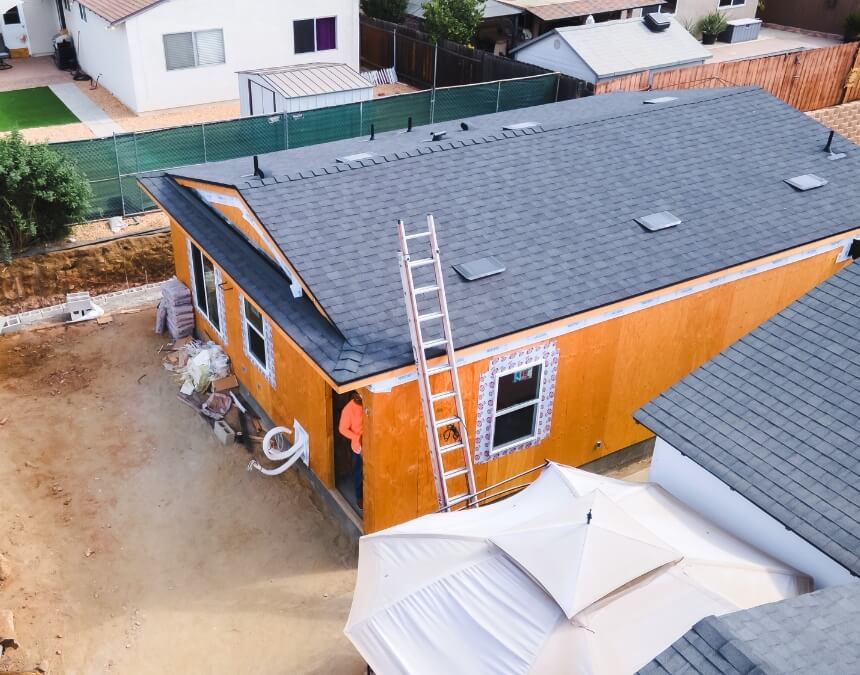
Keeping aging parents close—without sharing walls—supports emotional well-being while preserving healthy family boundaries and long-term housing flexibility.
Conclusion
For California—especially San Diego—homeowners, ADUs offer a practical, future-ready alternative to nursing homes or assisted living within the broader senior living industry. They allow aging parents and other elderly loved ones to stay independent in a private home while remaining close to family relationships and the community they know, matching the strong preference most older adults have to age in place.
Financially, an ADU can replace years of recurring facility costs with a one-time investment that stays with the property and can be repurposed later, helping families plan more sustainably. And because these homes can be tailored with age-friendly upgrades like curbless showers, energy-efficient windows, and even simple medical monitoring equipment if needed, they support safety and comfort over time. Backed by California’s pro-ADU policies and local momentum, building an ADU is increasingly one of the most flexible ways to support multigenerational living, protect family well-being, and plan ahead for aging in place.
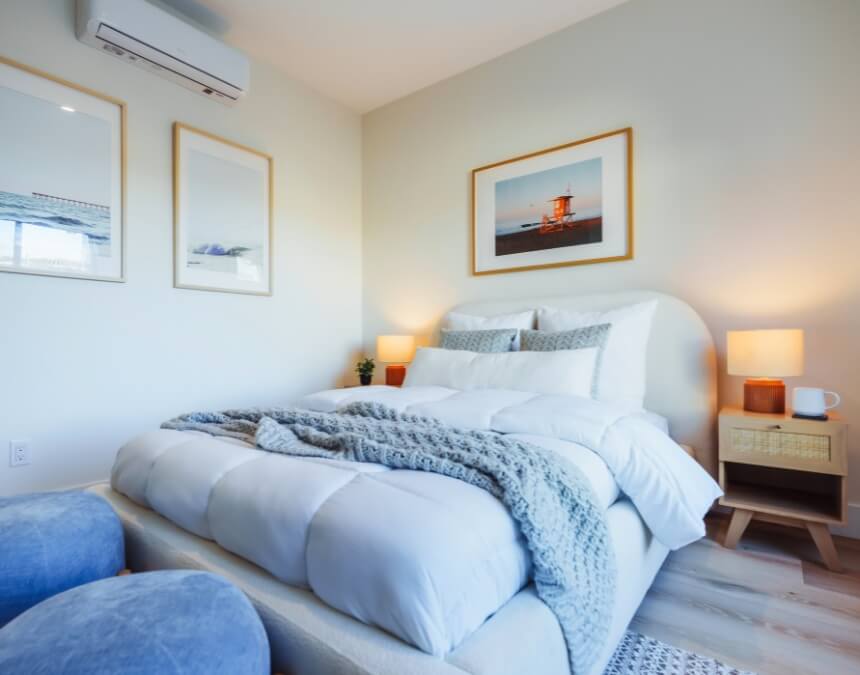
Future-ready ADUs balance today’s caregiving needs with tomorrow’s housing flexibility—making them a strategic family and financial decision.
Frequently Asked Questions
In California, a nursing home doesn’t automatically take your house. The main risk is Medi-Cal estate recovery after death, and since 2017 California usually limits recovery to assets that go through probate. Planning early with an elder-law/estate attorney (for example, using tools that keep the home out of probate when appropriate) is the standard way families protect the home.
California’s 2025 updates keep ADUs broadly legal statewide and add a few homeowner-friendly changes: cities must offer pre-approved ADU plans, owner-occupancy requirements remain largely prohibited for standard ADUs, and there are expanded pathways for ADUs on multifamily lots and for legalizing some older unpermitted units if they meet safety rules.
An ADU lets a parent live independently in a private home steps from family, stay in their community, and avoid the disruption of institutional care. It can be designed for safety and accessibility, and it turns elder housing into a long-term property asset instead of a monthly facility bill.
An ADU is housing: the senior lives in a normal home and care comes from family and/or hired in-home services as needed. A nursing home is medical care: it provides 24/7 skilled staff and structured clinical support for people who need continuous supervision.
Nursing home care commonly costs well over $100k per year, paid every year, while assisted living is also a large ongoing annual cost. An ADU is a one-time build expense (ranging from tens of thousands into the hundreds of thousands), after which you’re mainly paying normal home upkeep—so a few years of facility fees can approach or exceed the cost of building an ADU, except the ADU remains an asset.
More Projects
-
ADU Trends & Insights
What Are the Best Loan Programs for ADUs in California (San Diego Guide)?
California homeowners can finance ADUs through home equity, construction or renovation loans, cash-out refinancing, and programs like CalHFA (when available) and San Diego’s SDHC, with the best option depending on equity, income, and timing.
-
ADU Trends & Insights
What Is a Casita? Definition, Uses, and How It’s Different From an ADU
Casitas are stylish, small ADUs under 800 sq. ft., perfect for guests, rentals, or in-law suites. Discover the benefits, costs, and designs.
-
ADU Trends & Insights
Should You Build Your ADU Yourself or Hire a Contractor in San Diego, California?
Building your own ADU in San Diego can save on labor and contractor markup, but it’s essentially managing a small-house build with permits, trades, and inspections—so hiring an experienced contractor (or using a hybrid approach) often reduces delays, risk, and costly mistakes.
-
ADU Trends & Insights
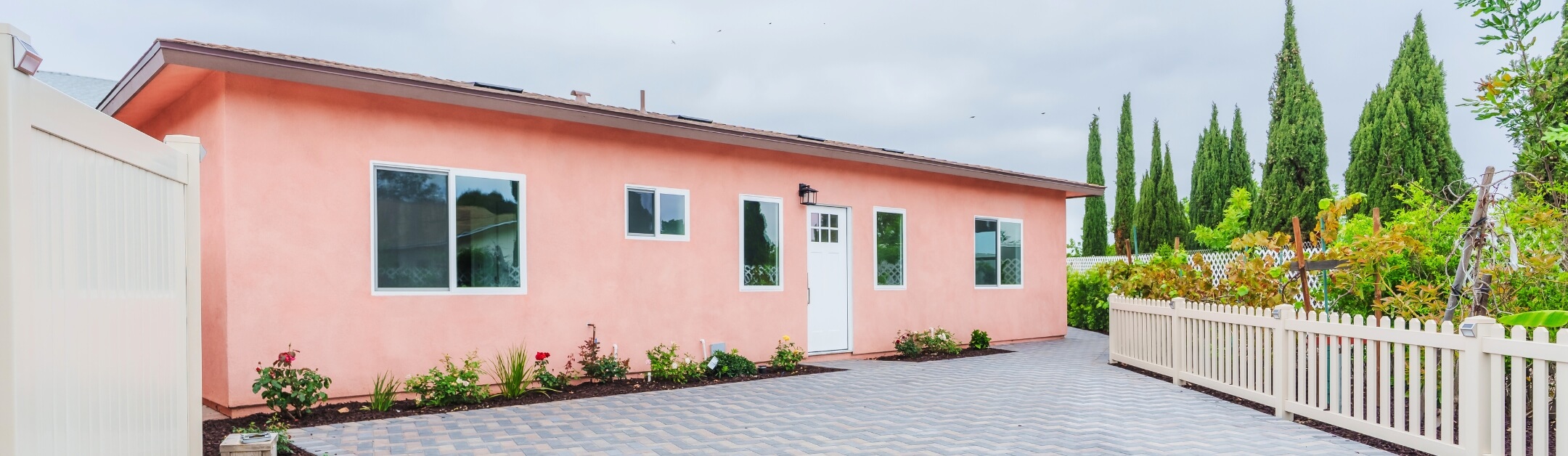
What Is an ADU Cost Breakdown?
An ADU cost breakdown shows where your budget goes—hard construction costs (about 85–90%) versus soft costs like plans, permits, and city fees (about 10–15%)—so you can set realistic expectations and avoid surprises.
-
ADU Trends & Insights
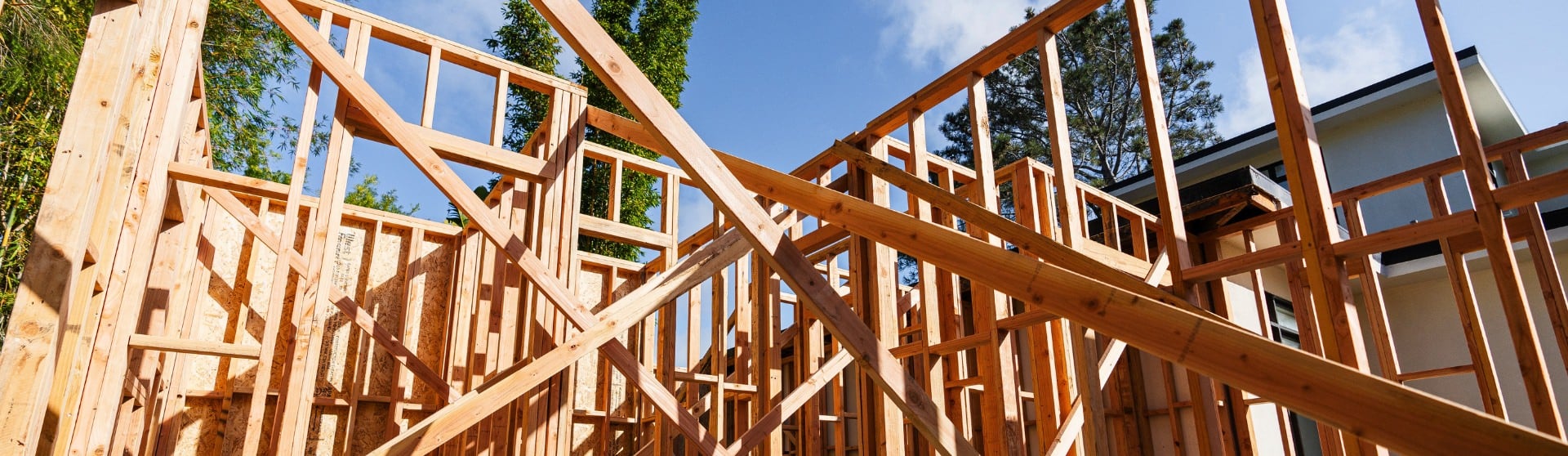
What Qualifies as an ADU?
ADUs are reshaping the California housing market, providing homeowners with cost-effective, independent living spaces to meet diverse needs.
-
ADU Trends & Insights
Are Pre-Approved ADU Plans Right for You in San Diego?
Compare pre-approved vs. custom plans and why the cheapest option isn't always best.
-
ADU Trends & Insights
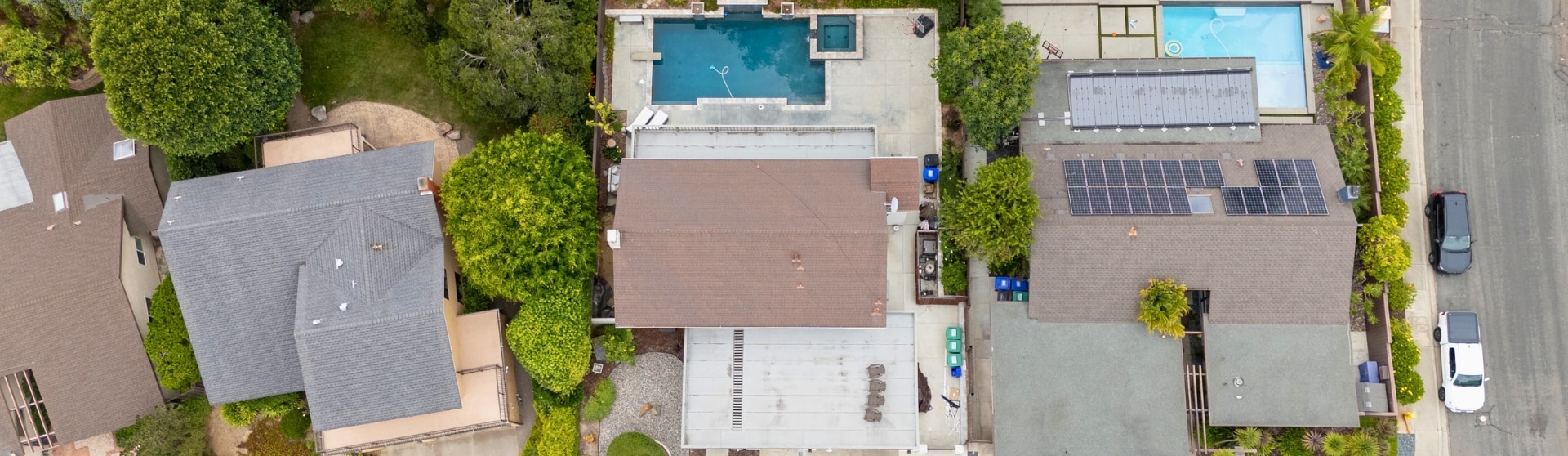
How Much Does an ADU Increase Property Value?
Discover how adding an ADU can significantly boost your property value, generate rental income, and enhance long-term equity—all while making the most of your available space.
-
ADU Trends & Insights
Prefab ADUs: Pros and Cons
Explore the pros and cons of prefab ADUs in California, including cost, customization, durability, and ROI, to decide if modular construction suits your needs.
-
ADU Trends & Insights
The Perfect ADU Kitchen
Discover how smart layouts and stylish design choices can transform even the smallest ADU kitchens into luxurious, functional spaces.
-
ADU Trends & Insights
Where Can ADUs be Built in San Diego, CA?
ADUs are allowed on nearly all residential lots in California, including single-family and multifamily properties, under state law. In San Diego, any property zoned for residential use qualifies, making it easier than ever for homeowners to add an ADU and expand their living or rental space.
-
ADU Trends & Insights
What Roofing Options Are Best for ADUs in California (Especially San Diego)?
The best ADU roofing in California (especially San Diego) balances budget, durability, and curb appeal—using options like asphalt shingles, metal, tile, or low-slope membranes that meet Title 24 cool-roof/solar requirements and hold up to intense sun, heat, and wildfire risk.
-
ADU Trends & Insights
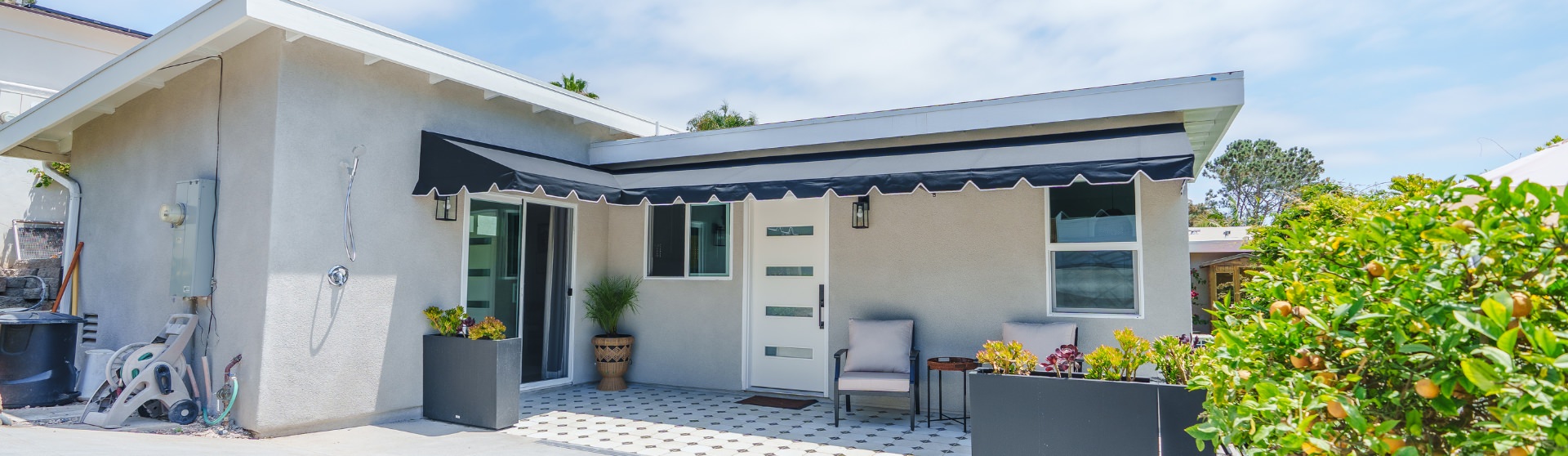
How to Finance an ADU in San Diego
ADUs are growing popular in San Diego, offering housing for family or rental income, but demand substantial upfront investment.
-
ADU Trends & Insights
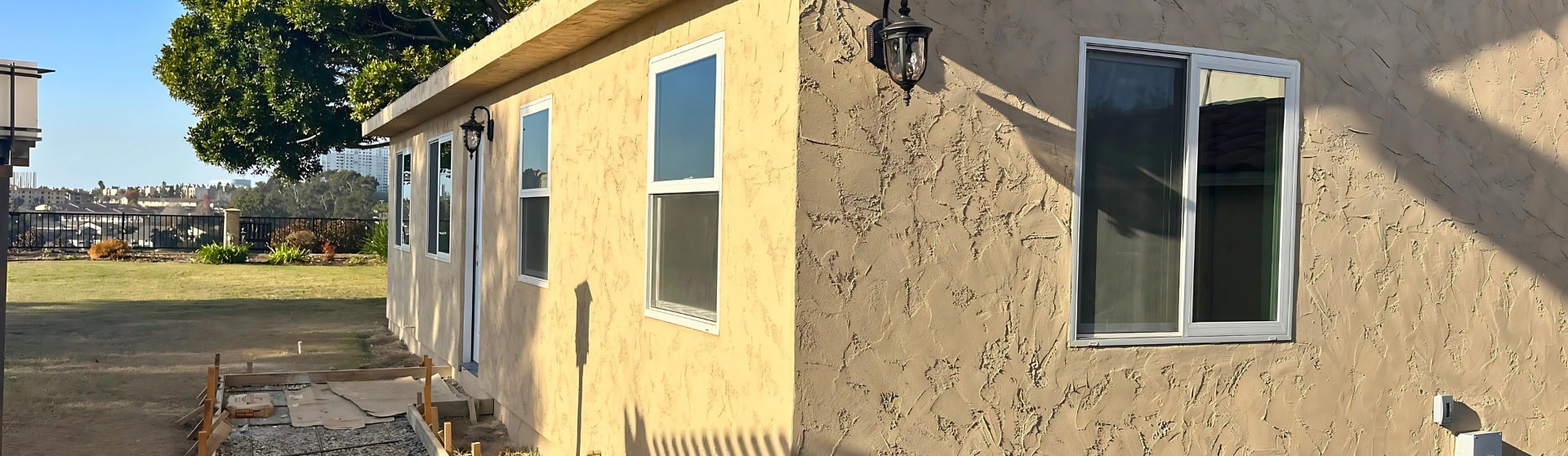
California ADU Law: The Ultimate Guide
California has streamlined ADU construction to address the housing crisis, but development standards still apply. Check local regulations before starting your project.
-

ADU Trends & Insights
Construction Loans vs. Personal Loans for ADUs: What Do California Homeowners Need to Know?
Building an ADU in California typically requires high financing and San Diego homeowners usually choose between construction loans, which are based on the future value of the property, and personal loans, which offer fast approval but higher interest rates.
-
ADU Trends & Insights
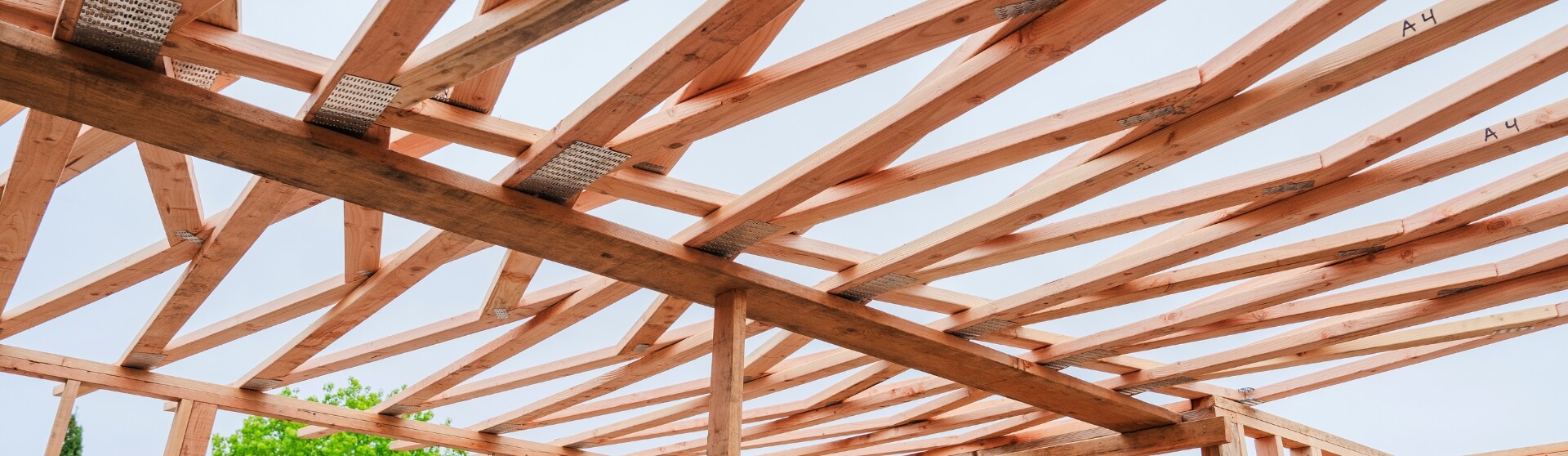
How Do You Compare ADU Builder Quotes in San Diego and California?
Compare itemized ADU quotes—labor, materials, permits, timelines—to ensure transparent pricing, true value, and no surprise costs.
-

ADU Trends & Insights
What is the importance of an ADU feasibility study in California and San Diego?
An ADU feasibility study is a comprehensive analysis of zoning, site constraints, existing utilities, and a proposed design that determines whether building an accessory dwelling unit is practical and financially viable on a specific property.
-
ADU Trends & Insights
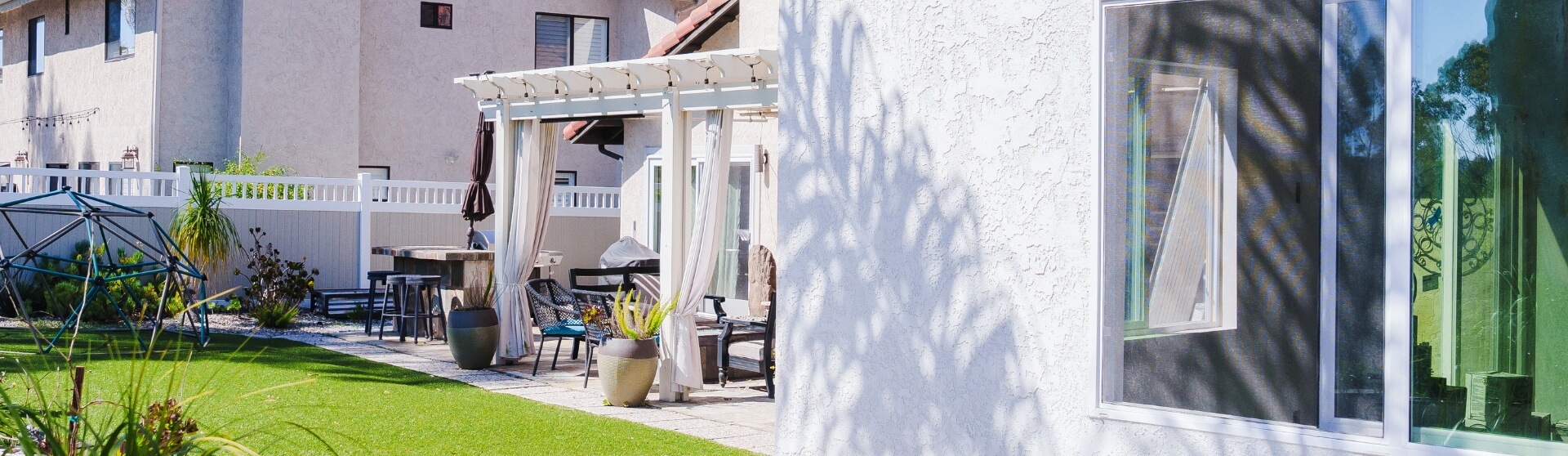
Downsizing to an ADU: Benefits, Costs, and Key Considerations
Downsizing to an ADU means moving into an Accessory Dwelling Unit—a smaller, self-contained home on your property—while renting out or repurposing your main house.
-
ADU Trends & Insights
Using a HELOC to Fund an ADU in California?
A HELOC lets California homeowners fund an ADU in phases using home equity, paying interest only on what they use. In San Diego, strong rental income often offsets payments, though variable rates and post–draw-period repayment increases should be considered.
-
ADU Trends & Insights
Key Differences Between Pool Houses and ADUs
Discover the differences between pool houses and ADUs to choose the right addition for your property—find out about amenities, regulations, and value impact!
-
ADU Trends & Insights
When Do You Need a Survey for an ADU in San Diego?
A survey for an ADU in San Diego is typically required when the new unit is built close to property lines, situated on a sloped or irregular lot, or when local regulations mandate setback verification.
-
ADU Trends & Insights
When Should You Build an ADU in San Diego?
ADU construction involves planning, permitting, and building a self-contained living space on a residential property — adding value, flexibility, and income potential without buying new land. In California, ADUs now make up about one in six new homes, reflecting their growing role in solving the state’s housing shortage.
-
ADU Trends & Insights
Ultimate Guide to ADU Rental Income: How Much You Can Make and What to Know
Explore how to maximize rental income from an ADU with tips on design, rental strategies, and legal considerations to turn your ADU into a profitable investment.
-
ADU Trends & Insights
How Does Choosing the Right Color Scheme Impact an ADU’s Design and Value?
Choosing the right ADU color scheme—especially light, neutral palettes with intentional accents—can make small spaces feel larger, improve livability, and increase rental and long-term property value.
-
ADU Trends & Insights
Can You Sell an ADU in San Diego?
San Diego's pending ordinance may soon enable homeowners to sell ADUs as separate condominiums, expanding affordable housing opportunities.
-
ADU Trends & Insights
ADU Manufactured Homes in San Diego: Are They Right for You?
Discover whether a manufactured home is the right choice by exploring costs, regulations, benefits, and potential drawbacks.
-
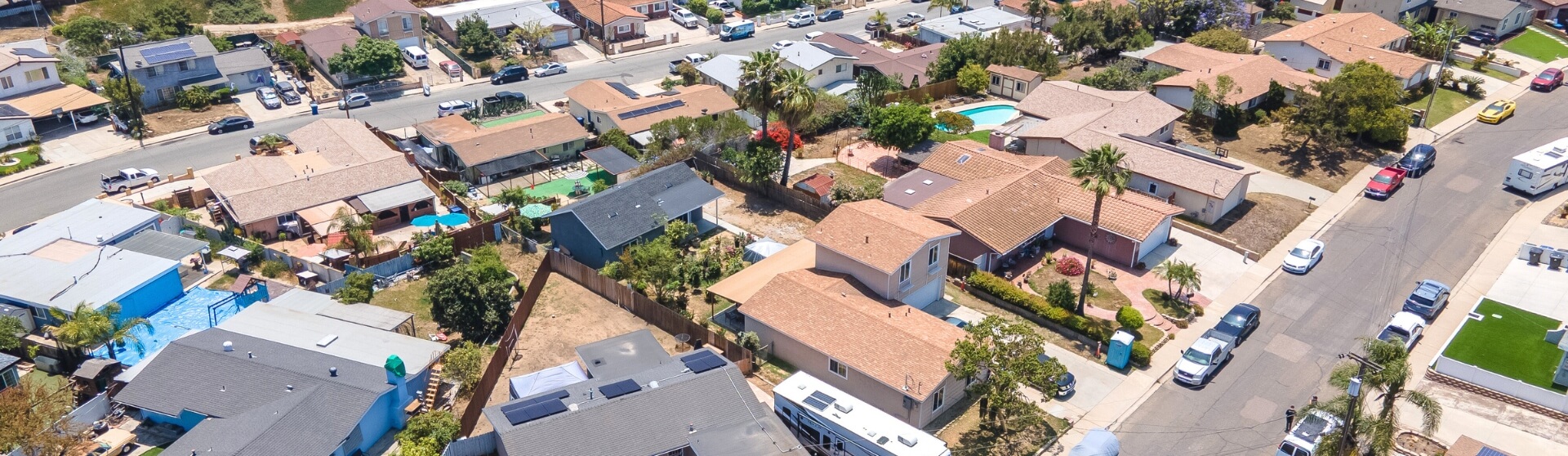
ADU Trends & Insights
What is stormwater management for Accessory Dwelling Units (ADUs) in California?
Stormwater management for ADUs is the process of controlling and treating rainwater runoff generated by new backyard cottages or secondary homes.
-
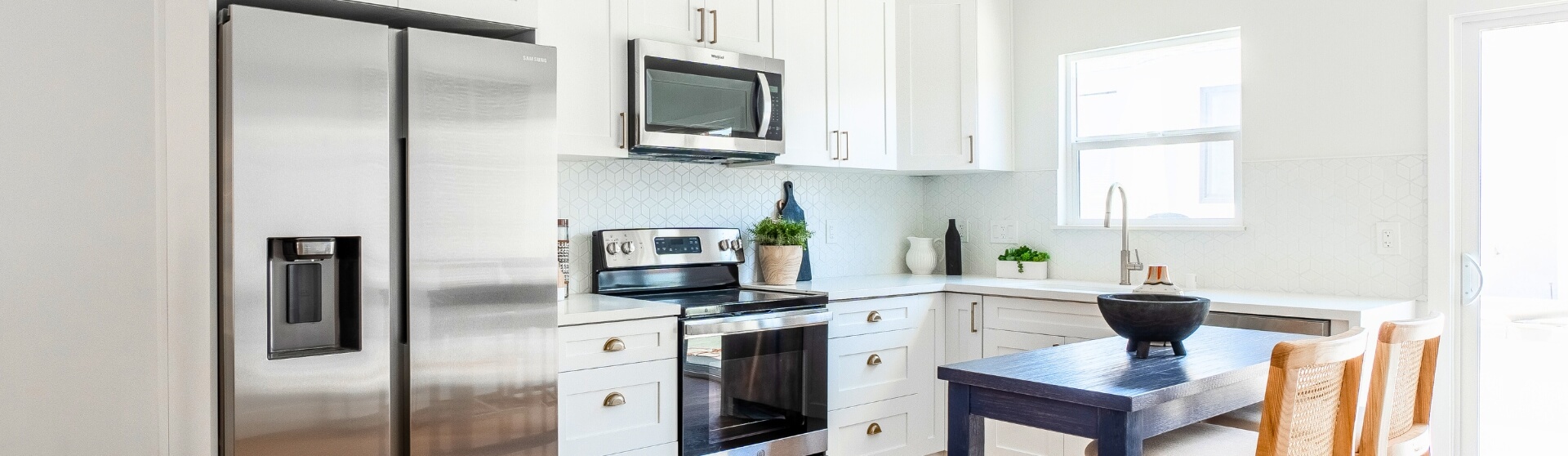
ADU Trends & Insights
Best ADU Designs
Explore essential ADU design trends and practical insights, from layout optimization to style choices, ensuring your accessory dwelling unit maximizes comfort, functionality, and investment potential.
-

ADU Trends & Insights
How do ADUs benefit real estate agents in California and San Diego?
ADUs benefit real estate agents in California and San Diego by increasing property value and buyer appeal, creating built-in rental and multigenerational living opportunities, and giving ADU-savvy agents a competitive edge in pricing, marketing, and closing deals in a tight housing market.
-
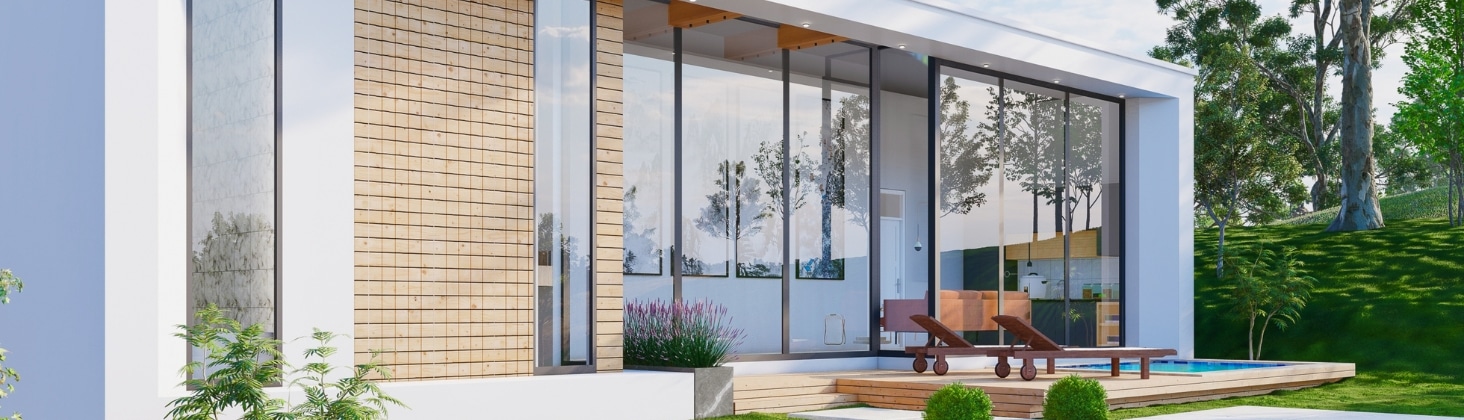
ADU Trends & Insights
Why ADUs & Costs Matter in San Diego
Planning an ADU in San Diego? Get the lowdown on all the hidden costs that can catch you off guard.
-
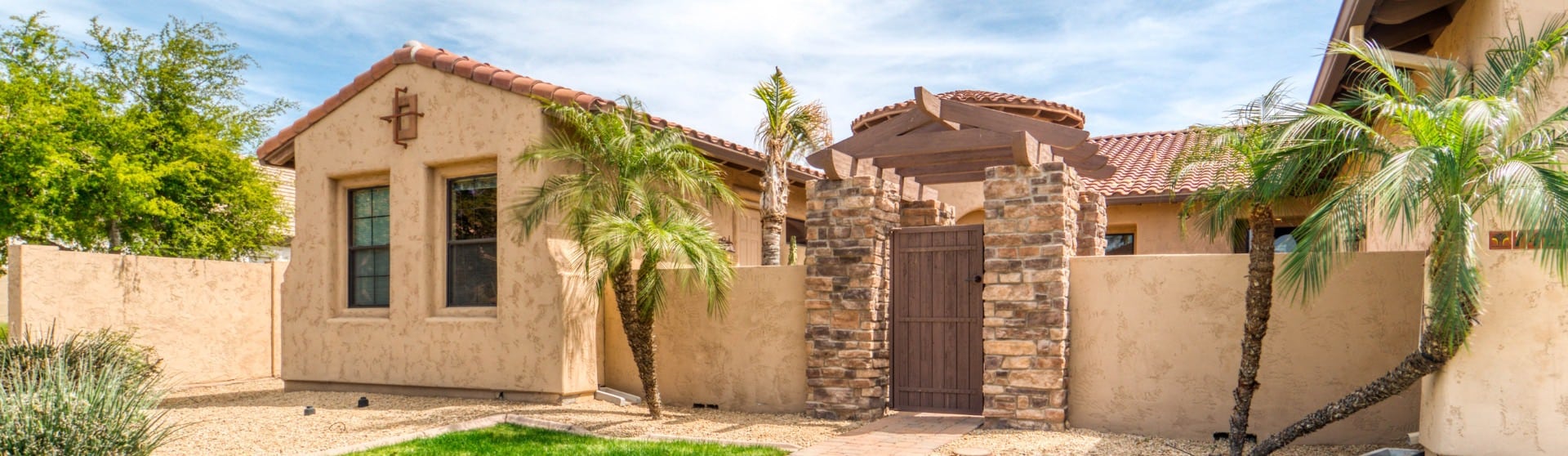
ADU Trends & Insights
Spanish Style ADUs
Explore the timeless elegance of Spanish-style ADUs with iconic features like stucco walls, red tile roofs, and stunning architectural details.
-
ADU Trends & Insights
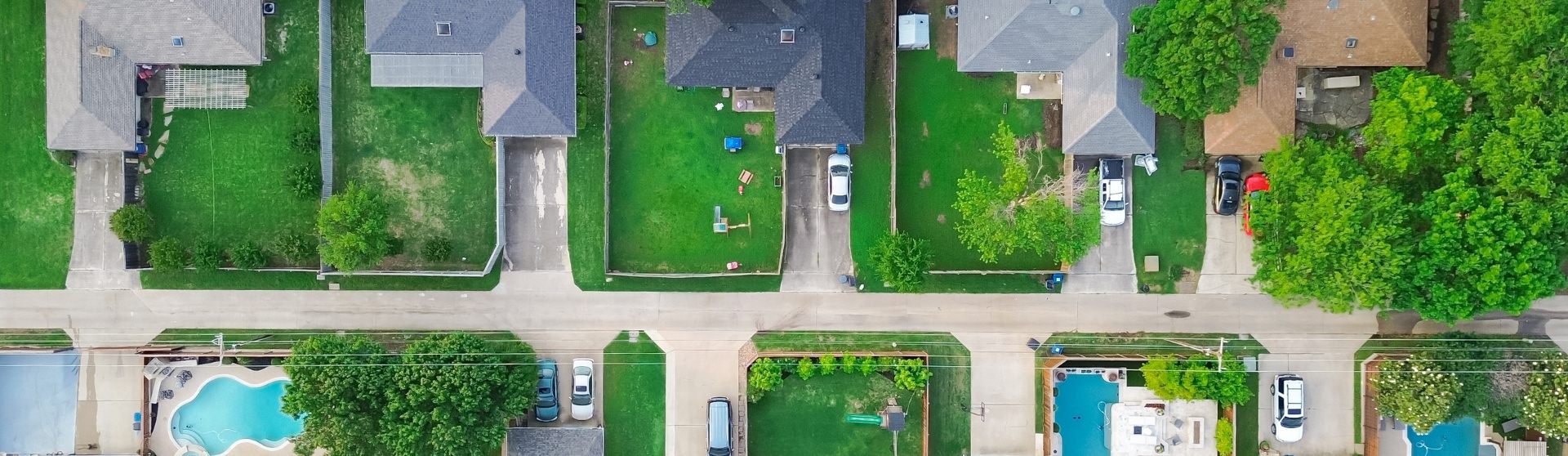
Can an HOA Prevent an ADU in California?
If you’re part of a homeowners association and considering building an accessory dwelling unit on your property, it's key to consider any rules your HOA may have about ADUs.
-
ADU Trends & Insights
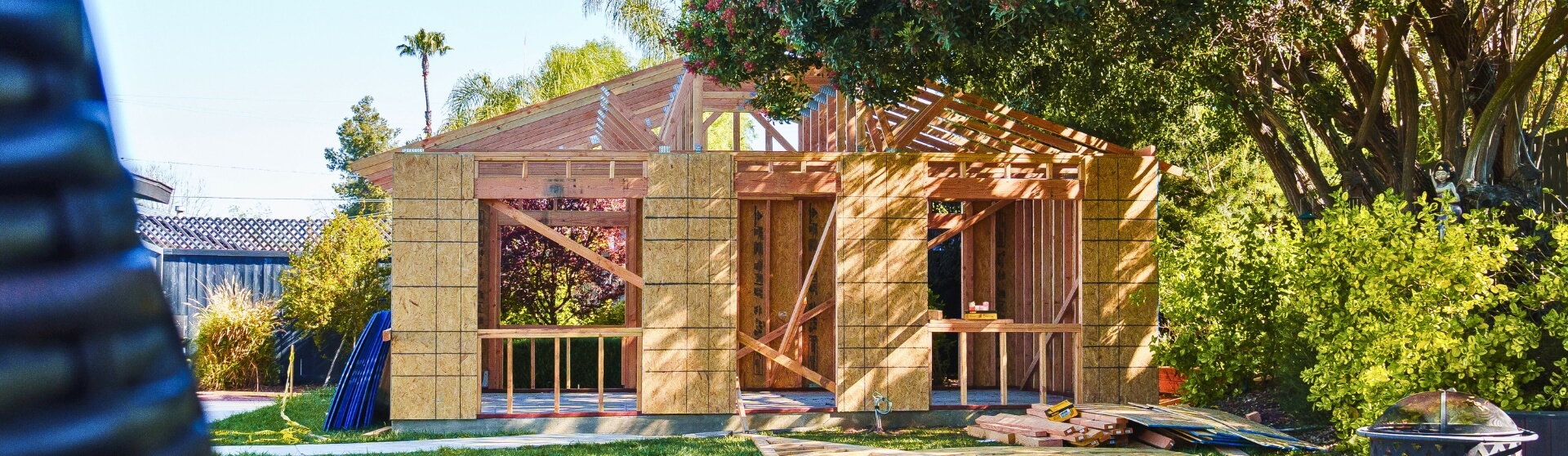
Setback Requirements for ADUs in San Diego
Ensure your ADU meets California's setback requirements—learn essential rules, local variations, and expert tips to maximize your space and streamline permitting.
-
ADU Trends & Insights
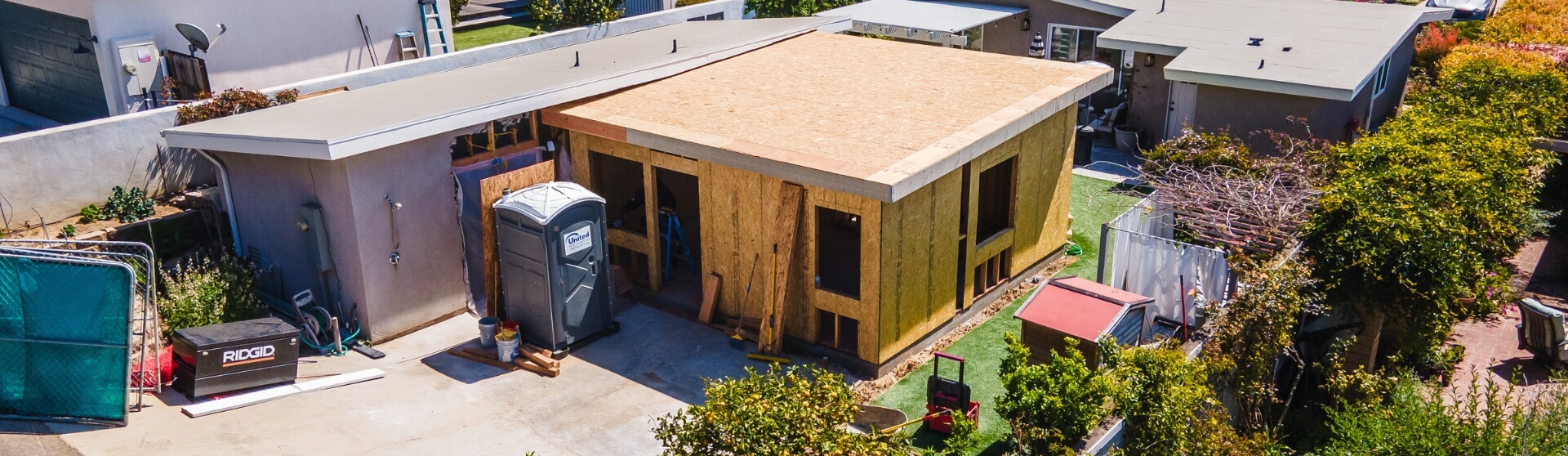
Understanding SB9 and Its Impact on ADUs
While promising, the complexity and lengthy approval process of SB9 projects make traditional accessory dwelling units (ADUs) an often simpler and quicker alternative for expanding property use.
-
ADU Trends & Insights
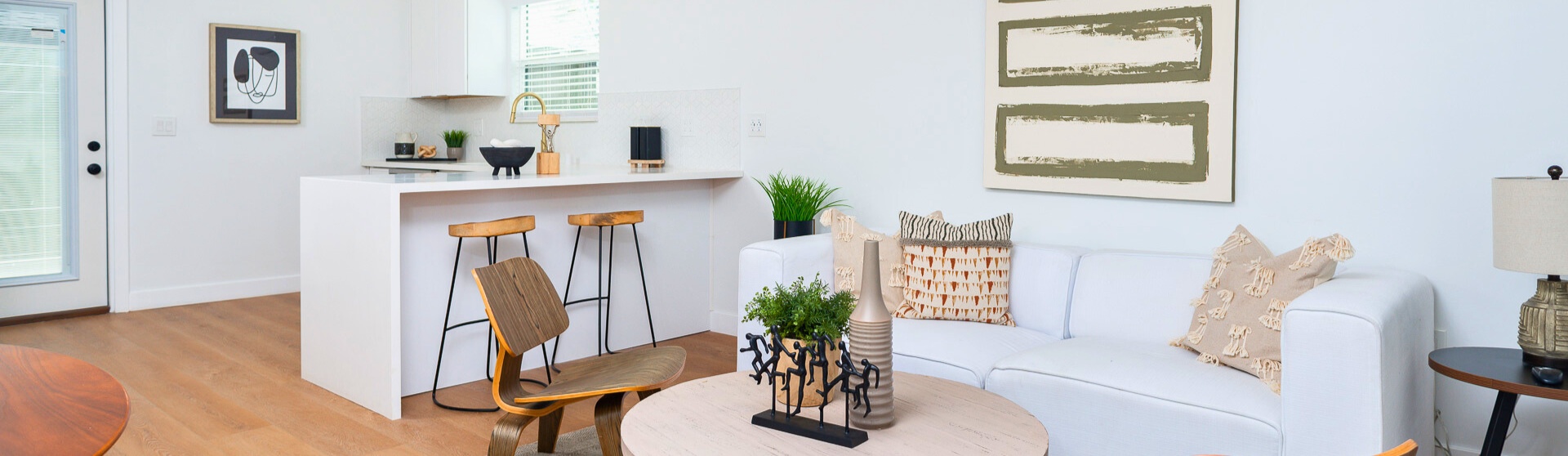
How We Make Your ADU’s Interior Design Stress Free & Feel Like Home
Our interior designers simplify the finish selection process—so you get a stylish, renter-friendly ADU without the stress, delays, or costly mistakes.
-
ADU Trends & Insights
Custom ADU: Your Ultimate Guide
A custom ADU may cost more than manufactured or prefab units, depending on size, type, and finishes, but it offers several benefits.
-
ADU Trends & Insights
What Is a Retaining Wall for an ADU?
A retaining wall for an ADU is a structural wall designed to hold back soil, stabilize slopes, and create a level building area. These walls help prevent erosion, protect the structure from water damage, and make construction possible on sloped or uneven lots.
-
ADU Trends & Insights
What Is ADU Construction?
ADU construction involves planning, permitting, and building a self-contained living space on a residential property — adding value, flexibility, and income potential without buying new land.
-
ADU Trends & Insights
20 Day Preliminary Notice for ADUs in California: Requirements and Deadlines
A California 20-Day Preliminary Notice is a required filing for most ADU projects that subcontractors and suppliers must send within 20 days of providing labor or materials, notifying owners, contractors, and lenders.
-
ADU Trends & Insights
How to Build an ADU in the San Diego Coastal Zone
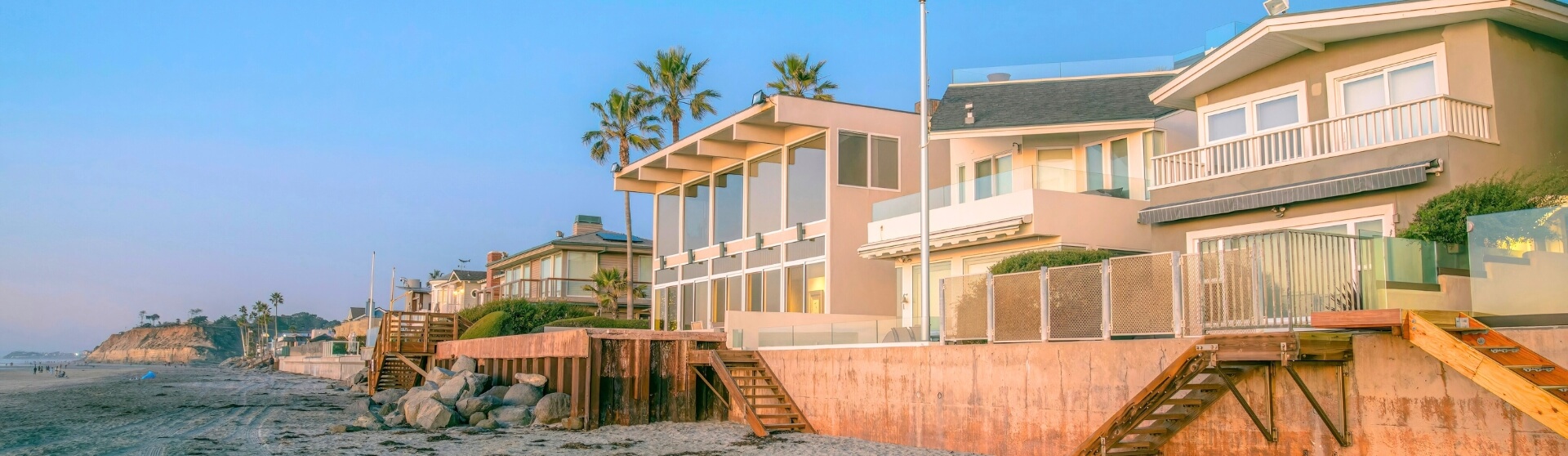
Building an ADU in San Diego’s Coastal Zone requires checking if the property is in the Coastal Overlay Zone, which typically triggers a Coastal Development Permit or exemption.
-
ADU Trends & Insights
What Is a Granny Flat? Definition, Types, and How They’re Used
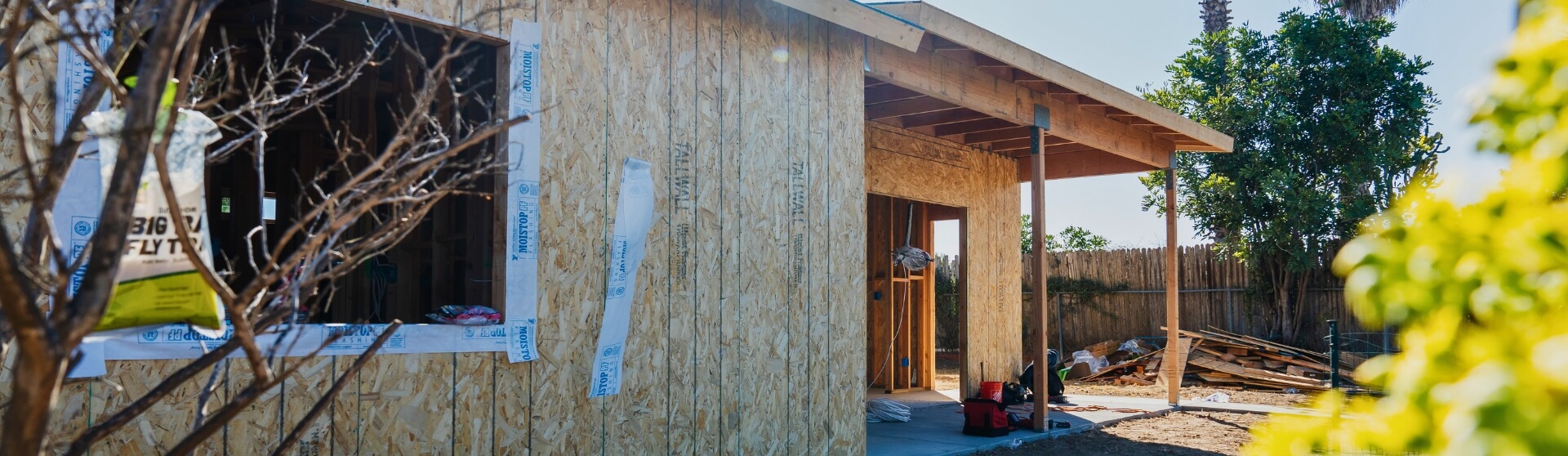
Granny flats offer San Diego homeowners flexible housing solutions, from accommodating family to generating rental income, with options including detached builds, garage conversions, or junior ADUs.
-
ADU Trends & Insights
What Are Stacked Accessory Dwelling Units (ADUs)?
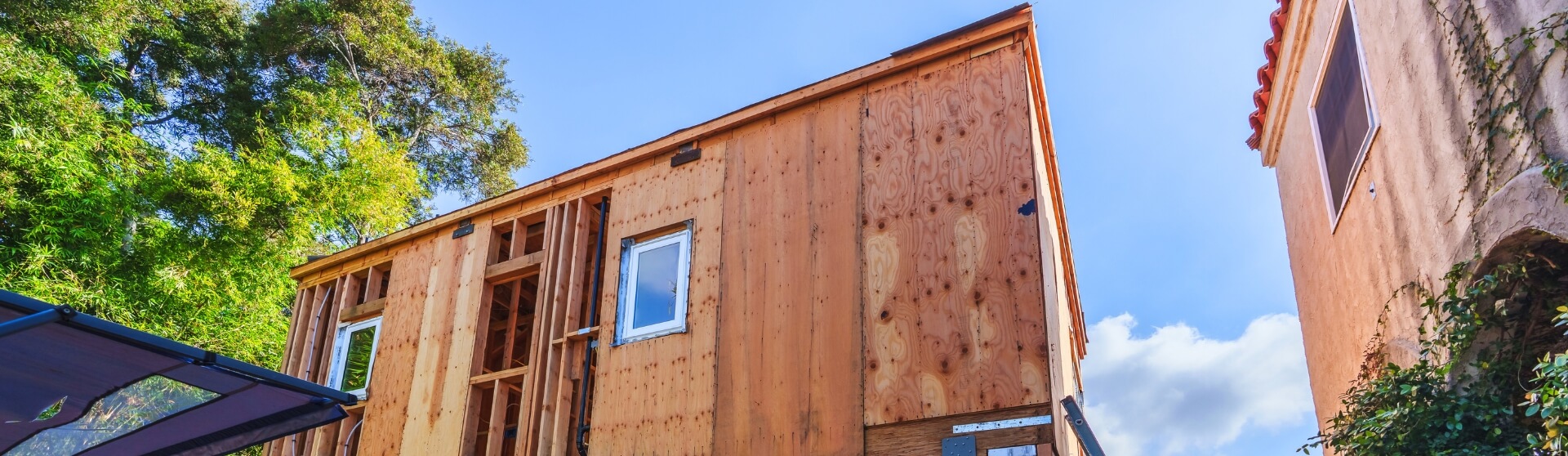
Stacked ADUs are two fully independent accessory dwelling units built vertically in a single two-story structure, allowing California homeowners to add multiple homes on one lot without increasing the building footprint when local height and zoning rules allow.
-
ADU Trends & Insights
Is it Worth It To Build An ADU in 2026? Assessing the ROI of Building an ADU
Discover the financial benefits and pitfalls of building an ADU with our comprehensive, detailed guide.
-
ADU Trends & Insights
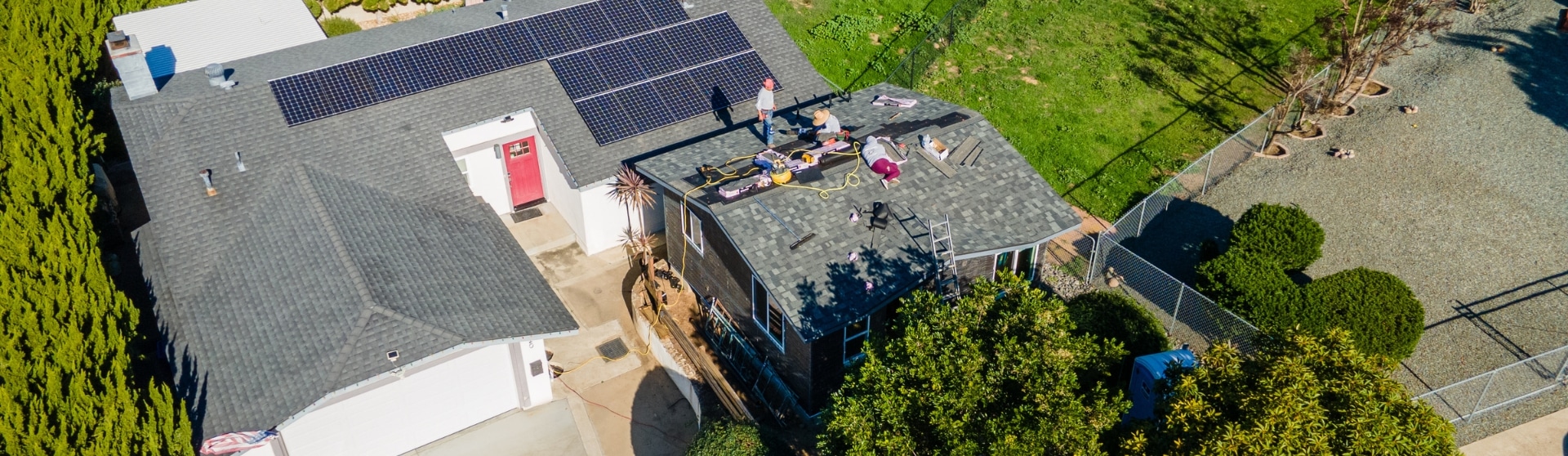
What Are ADU Electrical Requirements in California?
Get the complete breakdown of electrical requirements for ADUs in California, from panel upgrades to solar compliance, to help you build safely and within code.
-
ADU Trends & Insights
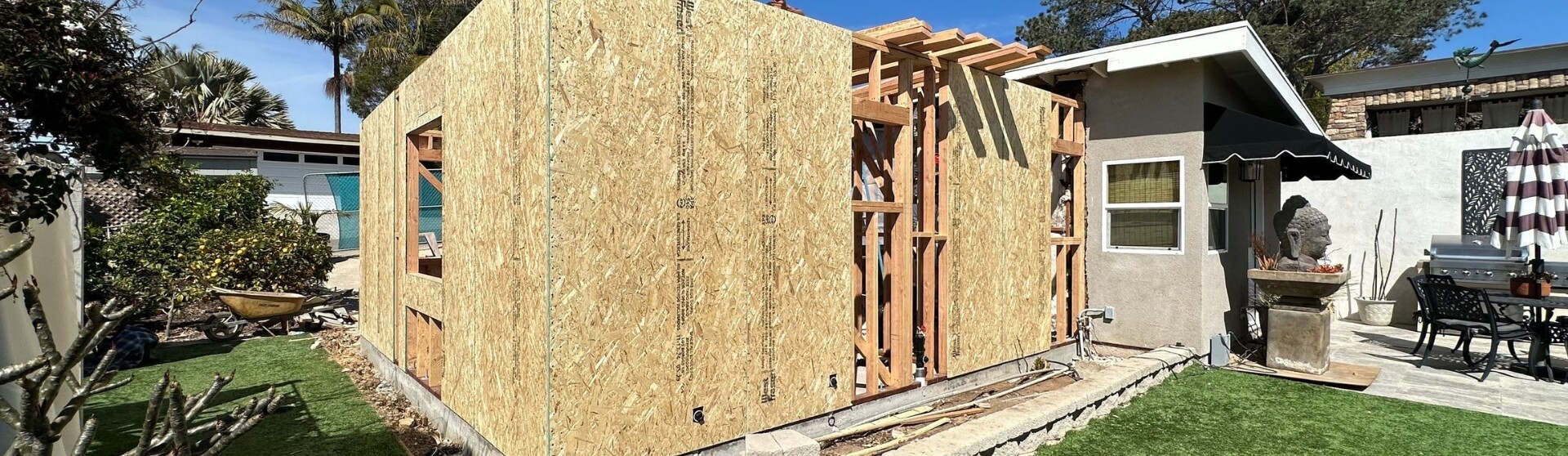
ADU vs JADU: What’s the Difference?
Explore the crucial differences between ADUs and JADUs—including size, regulations, costs, and ROI—to determine the best fit for your property and goals.
-
ADU Trends & Insights
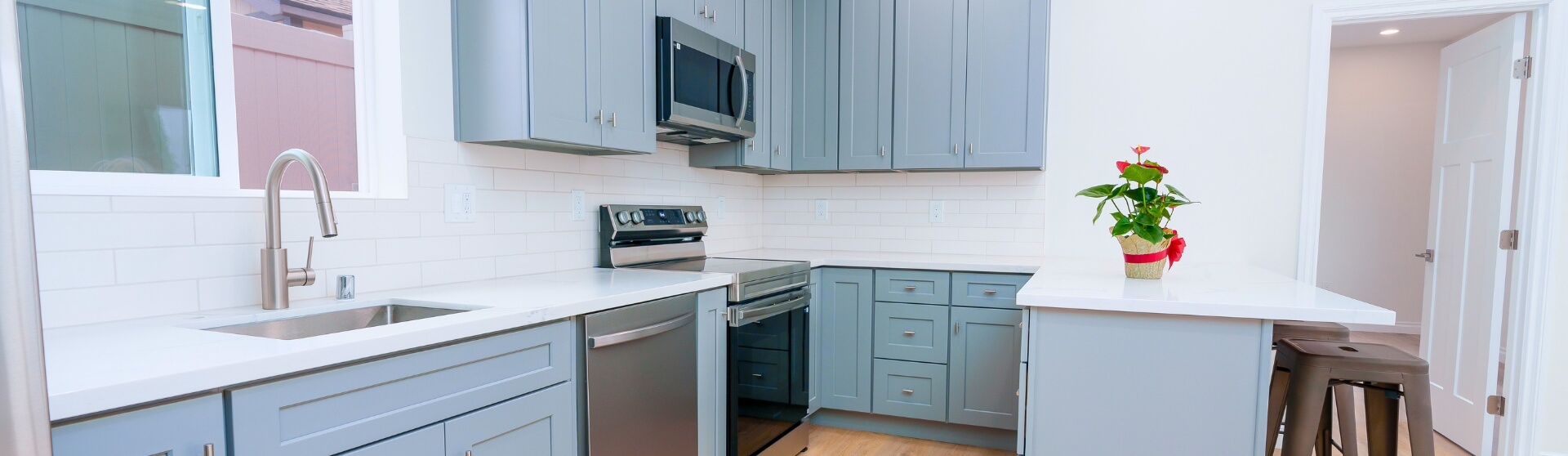
How to Finance an ADU Project in California
California homeowners can finance an ADU using home equity, cash-out refinancing, construction or renovation loans, and programs like San Diego’s SDHC (up to $250K), with rental income often helping offset the $200K–$450K build cost.
-
ADU Trends & Insights
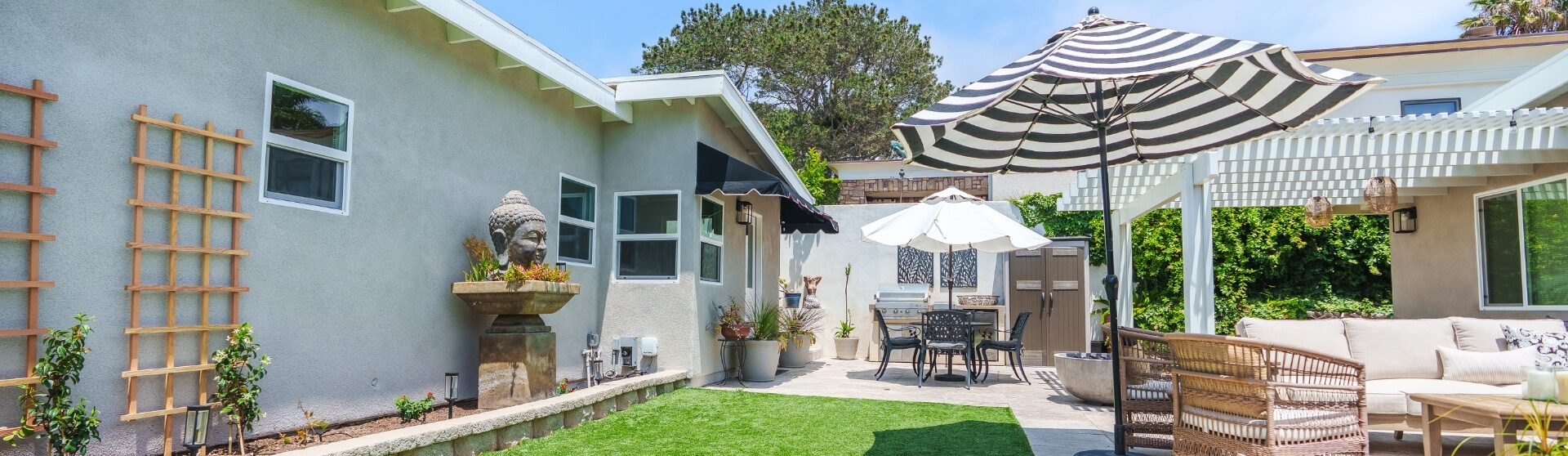
What are the universal design principles for ADUs?
Universal design principles for ADUs focus on creating safe, flexible, and comfortable homes—using features like step-free entries, wider doorways, accessible bathrooms, and intuitive layouts—so the space remains usable for people of all ages and abilities over time.
-
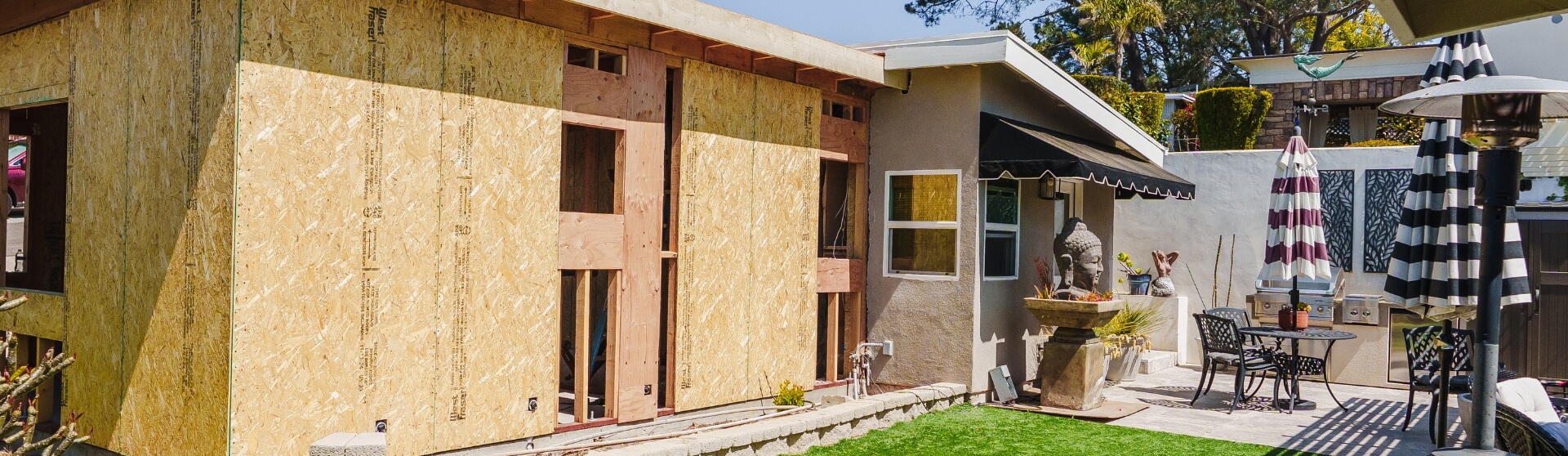
ADU Trends & Insights
Garage ADU: What It Is, Costs, Rules, and Conversion Options
Unlock your property's potential by converting your detached garage into a cost-effective, versatile ADU that increases property value and generates rental income.
-
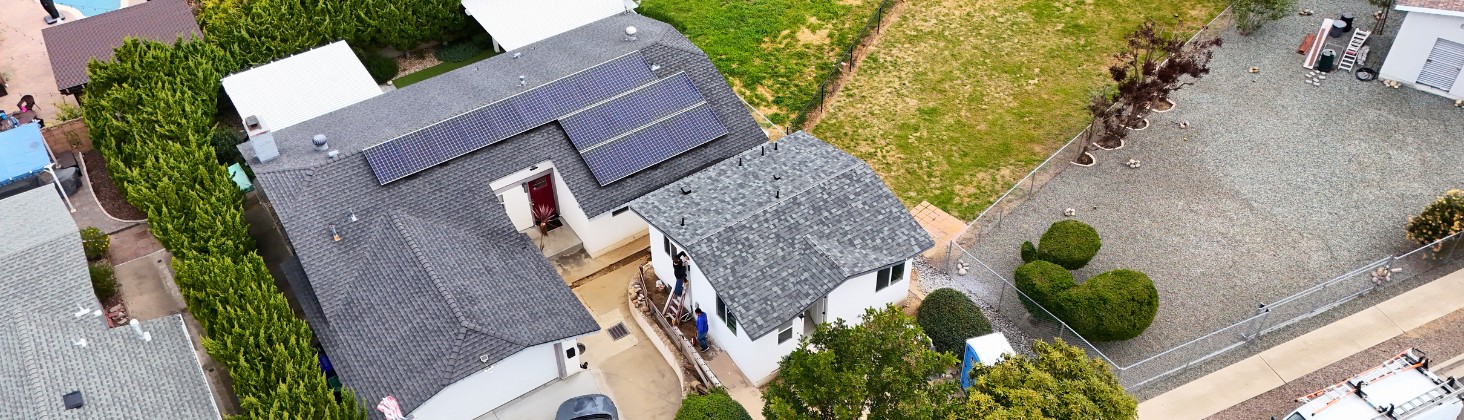
ADU Trends & Insights
13 Common Misconceptions About ADUs
Uncover the truth about ADU misconceptions and navigate construction, costs, and regulations for informed decisions.
-
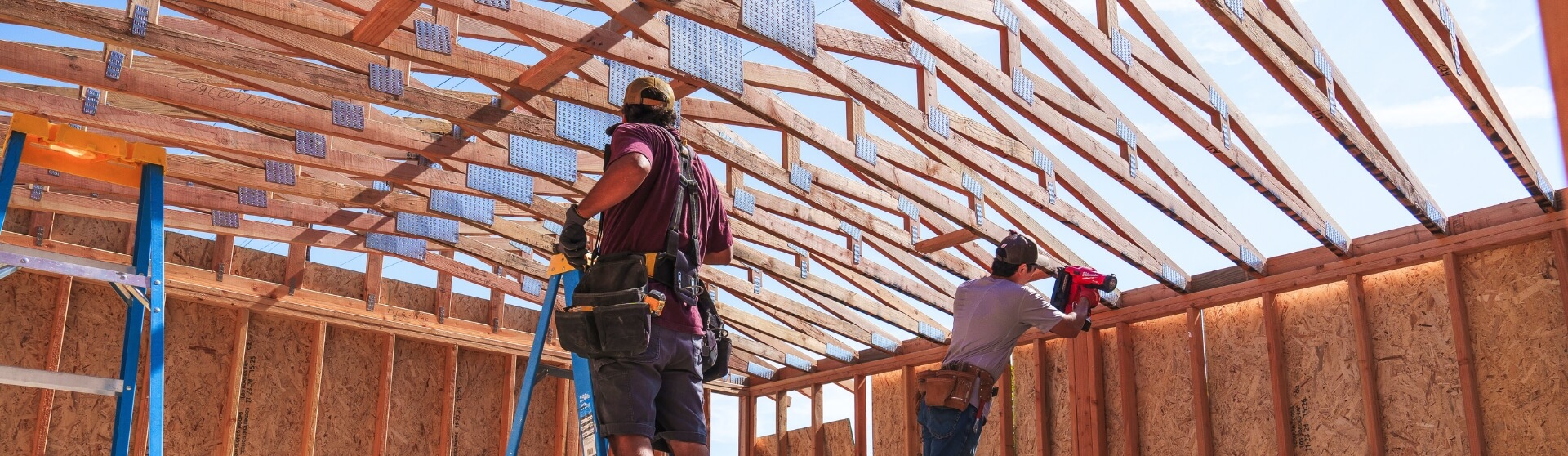
ADU Trends & Insights
How Does ADU Construction Work in San Diego, CA?
San Diego’s ADU process is fast and flexible, with permits approved within 60 days and options for detached units up to 1,200 sq. ft. or garage conversions. Thanks to state laws and the city’s ADU Bonus Program, homeowners can build quickly, add value, and even earn extra units by including affordable housing.
-
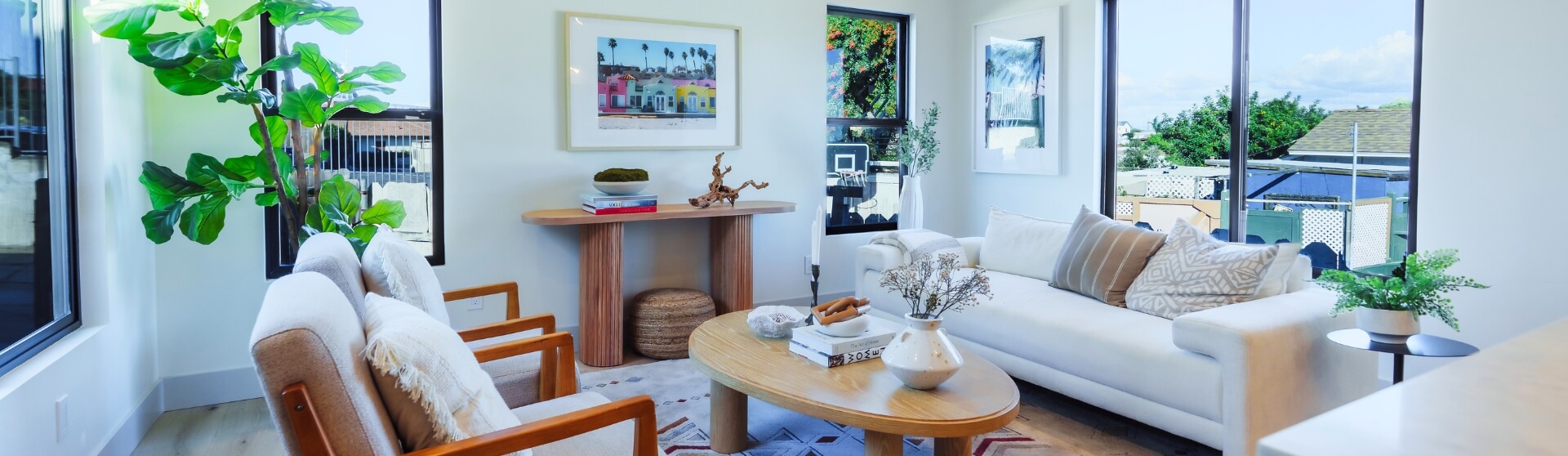
ADU Trends & Insights
What Are the Best Floor Plans for ADUs?
The best ADU floor plans are goal-driven and code-compliant—using efficient layouts like studios, 1-bed/1-bath rentals, or split-bedroom designs that maximize light, privacy, and flexibility while fitting your lot and budget.
-
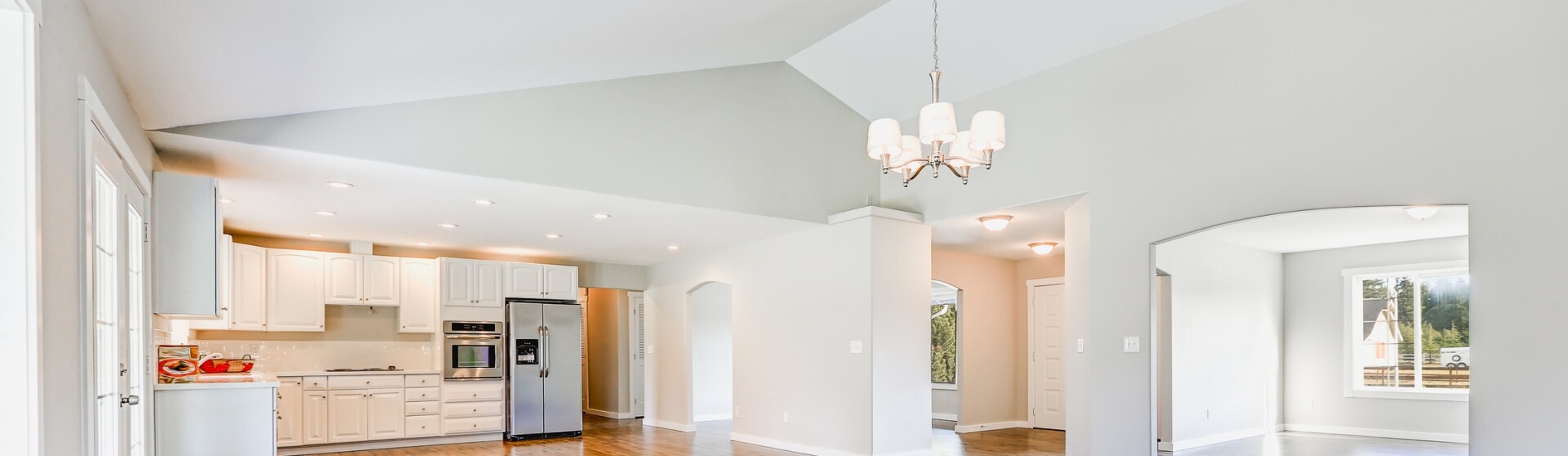
ADU Trends & Insights
What Are Vaulted Ceilings and High Ceilings in ADUs and Are They Worth It in California?
Vaulted ceilings enhance ADUs by maximizing vertical space, increasing natural light, improving comfort, and boosting long-term property value in California when designed and built correctly.
-
ADU Trends & Insights
Do You Trust Your Builder?
You can trust your ADU builder when they prove real ADU experience, proper California licensing/insurance, and clear written contracts, not just a good sales pitch.
-
ADU Trends & Insights
Legal Bedroom Requirements in California
California has made building ADUs easier to tackle the housing crisis, but specific state and local regulations still apply. Here's what you need to know before starting.
-
ADU Trends & Insights
What Makes an Ideal Lot for an ADU in California (Especially San Diego)?
An ideal ADU lot in California (especially San Diego) is flat or gently sloped with enough clear buildable space for setbacks, good construction access, nearby utility tie-ins, and minimal easements or overlays—since slope, access, and utility distance are the biggest drivers of cost and feasibility even with “by-right” ADU rules.


