


Can an HOA Prevent an ADU in California?
 Share
Share
45 min read
If you live in a homeowners association and want to build an accessory dwelling unit (ADU), you may be wondering whether your HOA can legally stop you. California law limits what HOAs can and cannot do when it comes to ADUs, but they may still impose certain restrictions. Here’s what you need to know about your rights and how HOA rules interact with state law. Can an HOA prevent an ADU is a common question among California homeowners, and the short answer is no—an HOA cannot prohibit an ADU that complies with state law. However, HOAs may enforce reasonable restrictions on exterior design, height, and setbacks. Homeowners typically must align their plans with both state ADU regulations and HOA guidelines before construction.

TL;DR: Can an HOA Prevent an ADU?
- In California, an HOA cannot legally prohibit an ADU that complies with state law.
- HOAs may impose reasonable restrictions on exterior design, height, and setbacks, but those rules cannot effectively block construction.
- State ADU laws override any HOA rules or CC&Rs that attempt to ban or unreasonably restrict ADUs.
- Homeowners should review HOA governing documents and align plans with both state requirements and community design standards.
- Disputes may arise during design review, but homeowners have legal protections against burdensome restrictions.
- This article explains what HOAs can regulate, what they cannot, and how to navigate approval.
What Power Does an HOA Have in California?
HOAs have tremendous power over the neighborhoods that they govern. They can mandate and enforce certain aesthetic requirements and “community standards.”
These “community standards” typically have to do with how property owners use, maintain, or alter the appearance of their primary residence. There also may be rules that pertain to community living. For example, an HOA may have rules when it comes to street parking, noise levels, and pets. By living within an HOA, you agree to abide by these rules. Failure to do so can result in a fine.
The state of California mostly allows HOAs to set and enforce their own rules without interference. ADUs, however, are an exception. The state of California is invested in the building of ADUs as a way to create more affordable housing units and help alleviate the state’s housing crisis. Because of this, they’ve passed laws that prevent HOAs from banning most ADUs outright. They do allow HOAs to set what is called “reasonable restrictions,” though, when it comes to ADU size and appearance.
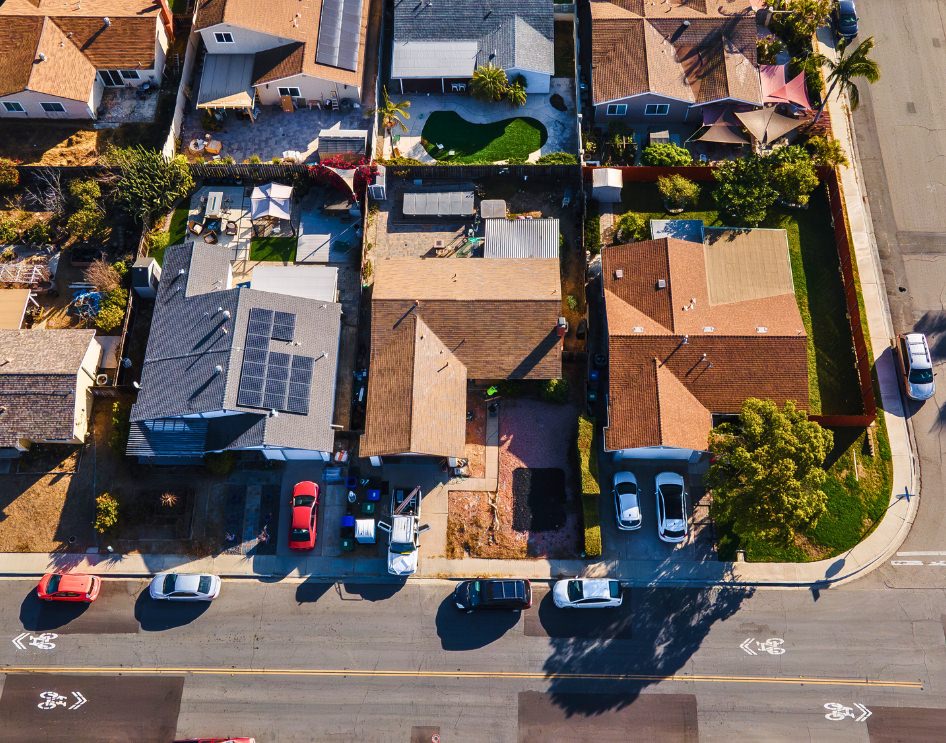
HOAs can enforce community standards but cannot impose restrictions that contradict state ADU laws.
California ADU Laws That Impact HOAs
If you’re a homeowner who is part of an HOA and looking to add a granny flat or casita to your single-family residence, there are 2 laws you should familiarize yourself with: AB 670 and Civil Code Section 4751. These laws prevent HOAs from banning ADUs outright and also stop them from placing burdensome restrictions that might ultimately prevent an ADU build.
AB 670 – Restrictions on Homeowners Associations Regarding ADUs
AB 670 was passed in 2019 to ensure association members maintained certain rights when it came to ADUs. It states that HOAs can’t ban the construction of accessory dwelling units or junior accessory dwelling units (JADUs) outright, though it does allow HOAs to require that homeowners follow certain design standards and height limits when building an ADU on their property. These usually mirror the design standards for the owner’s primary home and the neighboring houses.
Key Provisions
While AB 670 prevents HOAs from banning secondary housing units outright, giving some power back to individual homeowners, HOAs still have the power to place certain restrictions on the building of ADUs.
These include:
- Design standards. HOAs can mandate that any ADUs or in-law units built on a single-family residence follow certain design standards when it comes to style, paint color, etc.
- Setback requirements. An HOA can require that ADUs follow certain setback requirements. These association setback requirements can’t be greater than 4 feet from the rear or side property lines.
- Height & size limits. An HOA can impose certain height or size limits that can differ from those of the city’s building department. For example, while the city of San Diego allows for ADUs to be as large as 1200 square feet, an HOA in San Diego can have a different maximum size.
While AB 670 does allow HOA boards to set certain regulations, these can’t be overly burdensome – Meaning, they can’t be so restrictive that they prevent the homeowner from ever getting past the approval process. These rules are also restricted to the ADU’s exterior. Homeowners maintain the right to choose whatever interior design and floor plan they wish. ADU applications in California are reviewed ministerially, meaning local agencies must approve compliant projects within state-defined timelines, regardless of HOA preferences.
Civil Code Section 4751 – Enforcement Against Unreasonable Restrictions on ADUs
Civil Code Section 4751 is part of California’s AB 318, and it provides specific guidelines about what a burdensome or unreasonable restriction might be when it comes to ADUs. For example, if building a guest house would result in huge fees or HOA fee increases, this would be viewed as unreasonable.
Civil Code Section 4751 also allows homeowners to use their ADU as a rental unit without HOA interference. This supports the state’s belief that ADUs are important to help with the state’s housing shortage.
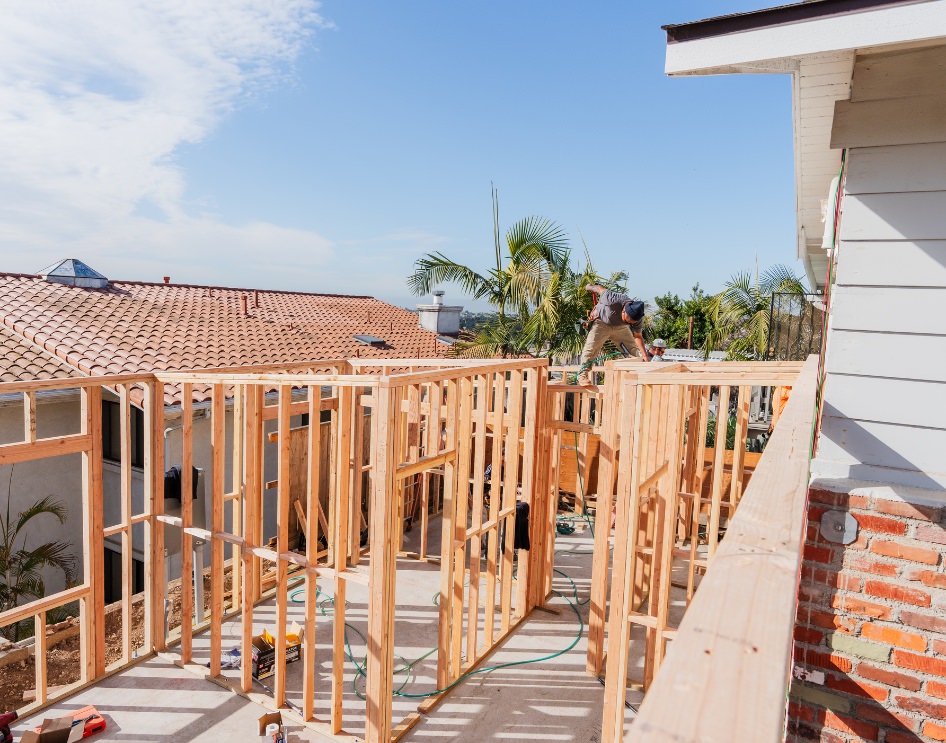
California ADU laws limit HOA restrictions, ensuring homeowners have the right to build with reasonable design standards.
Key Provisions
Civil Code Section 4751 prevents HOAs from placing unreasonable restrictions when it comes to additional costs, design guidelines, or permitting processes that would effectively prohibit the construction of an ADU that otherwise complies with state law. If a homeowner does feel like their HOA restrictions are unreasonable, Civil Code Section 4751 also gives them the right to seek legal advice and even take legal action against the board of directors to get the HOA to change their guidelines.
This provision also prevents HOAs from interfering with a property owner’s right to use their ADU as a rental unit and earn extra income, though it does allow for HOAs to ban short-term rentals under 30 days.
Can an HOA Restrict ADU Rentals?
California law allows homeowners to rent their ADU, and HOAs cannot prohibit long-term rentals that comply with state law. However, HOAs may restrict short-term rentals under 30 days.
What HOAs May Regulate
- Minimum rental terms (e.g., 30-day minimum)
- Community-wide short-term rental bans
- Noise and occupancy standards
What HOAs Cannot Do
- Ban long-term ADU rentals
- Require owner occupancy for most ADUs
- Increase dues solely because you built an ADU
Quick Answers
- Can I use my ADU for Airbnb? Possibly not. Many HOAs restrict short-term rentals.
- Can my HOA require me to live in the main home? Generally no, unless limited JADU rules apply.
- Can the HOA increase my monthly dues for renting my ADU? No, unless applied uniformly and not targeted at ADUs.
Owner-Occupancy Rules for ADUs and JADUs
California no longer requires owner occupancy for most ADUs. However, JADUs may still have limited owner-occupancy rules depending on configuration. This means you can typically rent out both your primary home and ADU without living on the property. Recent updates to California ADU law clarify that owner-occupancy requirements generally do not apply to ADUs, and HOAs cannot impose stricter occupancy rules that conflict with state law.
Key Differences
- ADU: No owner-occupancy requirement
- JADU: May require owner occupancy if sharing sanitation facilities
Quick Answers
- Do I have to live on the property if I build an ADU? No, in most cases.
- Can an HOA require owner occupancy? No, if state law prohibits it.
- Does this apply in condos? Condo developments may have additional complexity depending on shared systems.
Do HOA Rules Override California ADU Law?
No. California state ADU law supersedes any HOA rule or CC&R provision that attempts to prohibit or unreasonably restrict ADU construction.
If there is a conflict between HOA governing documents and state law, state law controls.
How This Works in Practice
- The homeowner designs an ADU that complies with state and local zoning laws.
- The HOA may review for design compliance only.
- Any HOA rule that directly contradicts state ADU law is unenforceable.
Quick Answers
- What if my CC&Rs say “no secondary units”? That provision is void under California law.
- Can my HOA deny my ADU based on old governing documents? No, outdated restrictions that conflict with state law cannot be enforced.
- Does the city require HOA approval before issuing permits? No. Permit approval is ministerial and separate from HOA review.
How Many ADUs Can You Build on One Property in California?
California law allows multiple ADUs on certain properties, depending on zoning and lot type. This means some properties may support up to three total units (primary residence + ADU + JADU). HOAs cannot reduce the number of ADUs allowed under state law.
Quick Answers
- Can an HOA limit me to only one ADU? No, if state law allows more.
- Do all cities allow multiple ADUs? Rules vary slightly, but state minimum allowances apply.
- Can I build two detached ADUs? Not on most single-family lots.
For most single-family lots, you may build:
| Property Type | Detached ADU | Conversion ADU | JADU |
|---|---|---|---|
| Single-Family | 1 | 1 | 1 |
Types of Restrictions HOAs Can Legally Enforce
AB 670 and Civil Code Section 4751 ensure that homeowners maintain the right to build an ADU in their backyard, but they don’t take all power away from HOAs. HOAs still have the right to enforce certain rules.
While “enforcement” doesn’t allow them to prevent ADU construction, it does allow them to fine homeowners on a monthly basis for having an ADU on their property that defies certain rules when it comes to exterior design and overall aesthetics.
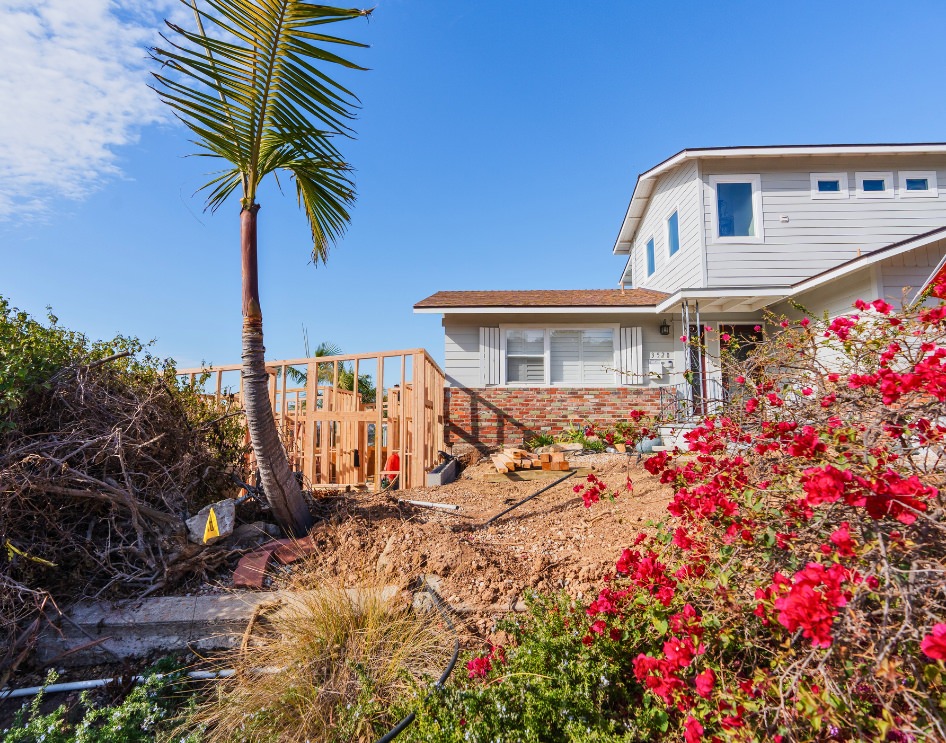
HOAs can enforce reasonable design and setback restrictions but must align with state laws.
Permissible HOA Rules
Permissible HOA rules that can be enforced with fines include:
Design & paint color. HOAs can require that any ADUs be designed in a way that complements the design of the neighboring houses. It can also require certain paint colors or roofing to be used.
Landscaping design. As with primary dwellings, HOAs can set certain standards when it comes to the landscaping of ADUs.
Maintaining certain sight lines. If the association has shared common spaces, like pools or parks, they can require that an ADU not obstruct community views. Maintaining noise and privacy standards. The addition of an ADU isn’t allowed to violate community living standards set forth by the HOA, particularly when it comes to overall noise levels and privacy. For noise, this may mean scheduling construction to fall outside of any designated “quiet hours.”
Reasonableness Requirement
By California law, the above restrictions are all considered “reasonable” because they don’t impede ADU construction and can be achieved by a homeowner without much additional cost. In fact, if you live in an HOA, you’ll notice that many of these provisions are ones you already follow in your single-family home.
Essentially, HOAs maintain the right to enforce the same aesthetic requirements for ADUs as they do for primary dwellings.
What Restrictions Can an HOA Place on an ADU?
While an HOA cannot prohibit an ADU that complies with California law, it may impose reasonable restrictions related to exterior appearance and community standards. These restrictions must be objective and cannot make construction financially or physically impossible.
Examples of Permissible HOA Restrictions
- Architectural style must match the primary residence
- Specific paint colors or roofing materials
- Height limits consistent with neighborhood standards
- Landscaping requirements
- Placement rules that comply with the state’s 4-foot side and rear setback allowance
Restrictions That Are Not Allowed
- Outright bans on ADUs
- Setbacks greater than what state law allows (beyond 4 feet side/rear)
- Excessive design requirements that dramatically increase cost
- Requiring parking replacement for a converted garage (if state law exempts it)
Quick Answers
- Can an HOA require my ADU to match my house? Yes. HOAs may require exterior design consistency, as long as it’s reasonable.
- Can an HOA impose stricter setbacks than the city? No. HOA setback rules cannot conflict with California’s minimum ADU allowances.
- Can an HOA limit the size of my ADU? They may impose size limits, but not in a way that prevents you from building a legally allowed unit.
- Can an HOA require specific materials? Yes, if the requirements are objective and consistent with community standards.
Parking and Garage Conversion Rules for ADUs in HOA Communities
State law limits when parking can be required for ADUs. In many cases, no additional parking is required, especially for garage conversions. HOAs cannot override state parking exemptions.
When Parking Is Typically Not Required
- ADU is within a transit priority area
- ADU is created by converting an existing garage
- Property is near public transportation
Quick Answers
- Can my HOA require me to replace a converted garage parking space? No, if state law exempts the requirement.
- Can they require guest parking spaces? Only if applied uniformly and not in conflict with state law.
- Does street parking factor into approval? HOAs may regulate community parking rules but cannot block ADU construction over parking concerns alone.
Do You Need HOA Approval to Build an ADU?
Even though an HOA cannot prohibit your ADU, most associations still require design review approval before construction begins. This review focuses on aesthetics and exterior standards, not your legal right to build.
Typical HOA Approval Process
- Submit architectural drawings to the HOA design review committee.
- Provide material and finish selections.
- Receive written approval or revision requests.
Failure to obtain design approval may result in fines, even if the ADU itself is legal.
Quick Answers
- Can I skip HOA approval if state law allows ADUs? No. You must still comply with procedural design review rules.
- Can the HOA delay my project indefinitely? No. They must act reasonably and within their own review timelines.
- Can I build first and deal with the HOA later? Doing so may result in fines or enforcement action.
Navigating HOA Guidelines for ADU Construction
Before beginning any ADU project within an HOA-governed neighborhood, review your HOA governing documents to understand the restrictions that might be in place when it comes to ADU design. It’s much easier and more cost-effective to design with these restrictions in mind than to have to modify your plans after you’ve already begun the permitting process.
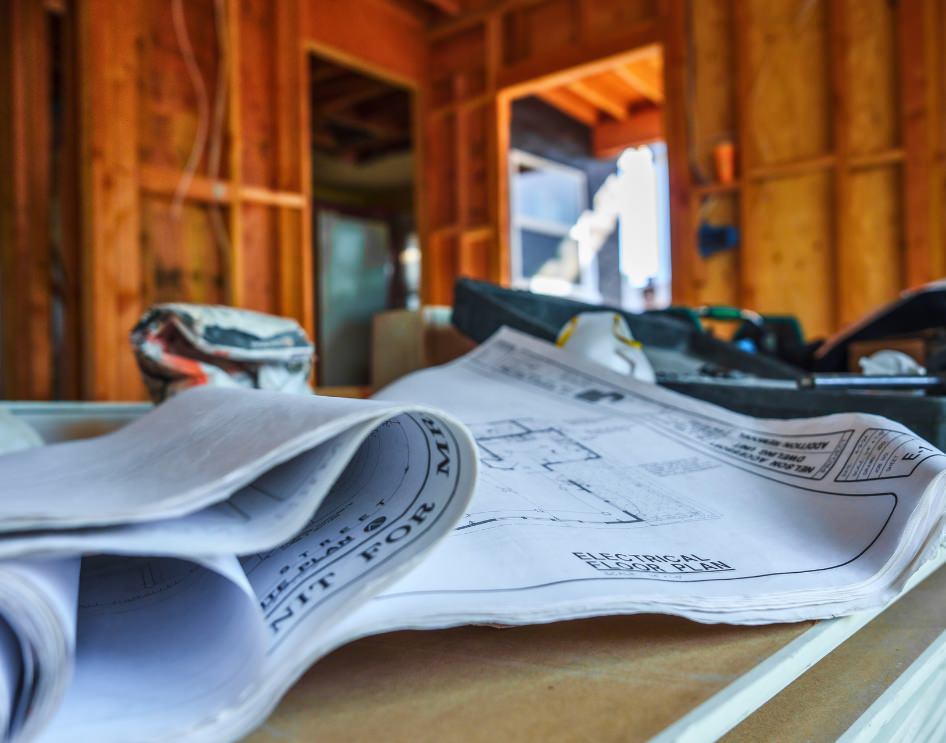
Understanding HOA bylaws and planning in advance saves time and avoids costly revisions during construction.
Reviewing HOA Governing Documents
As an HOA member, you had to sign certain documents before you moved in. These documents outlined any HOA fee structures and bylaws, as well as any Covenants, Conditions, and Restrictions (CC&Rs). It’s in the CC&Rs that you’ll find any restrictions your HOA has outlined when it comes to ADUs.
Seek HOA Approval (When Necessary)
While you as a homeowner have the right to build an ADU regardless of your HOA’s rules, it’s still a smart idea to get your design plans approved by your HOA before you build. It’s a good idea for two reasons: First, it ensures that you read your HOA’s governing documents correctly and won’t incur any fines after the ADU construction is completed. These fines can be billed monthly until modifications are made to bring your ADU up to community standards. Second, getting your design plans approved by your HOA maintains strong community relations, which is essential for maintaining quality of life as an HOA member.
Consulting with Experts
While pre approved plans are readily available online for little or no cost, they may need to be modified to meet your HOA’s standards. This is where an ADU professional like Better Place can help. We help homeowners not only understand and navigate their city’s ordinances but their HOA’s, too, to ensure a smooth construction process from start to finish.
Work with ADU professionals to navigate HOA standards and ensure a seamless construction process that aligns with all regulations.
What to Do if an HOA Blocks Your ADU Project
Legally, an HOA can’t block your ADU project. If an HOA tries to do so or informs you that your ADU design violates community standards, you have 2 courses of action: You can modify your ADU plans to meet community preferences, or you can challenge an unreasonable restriction.
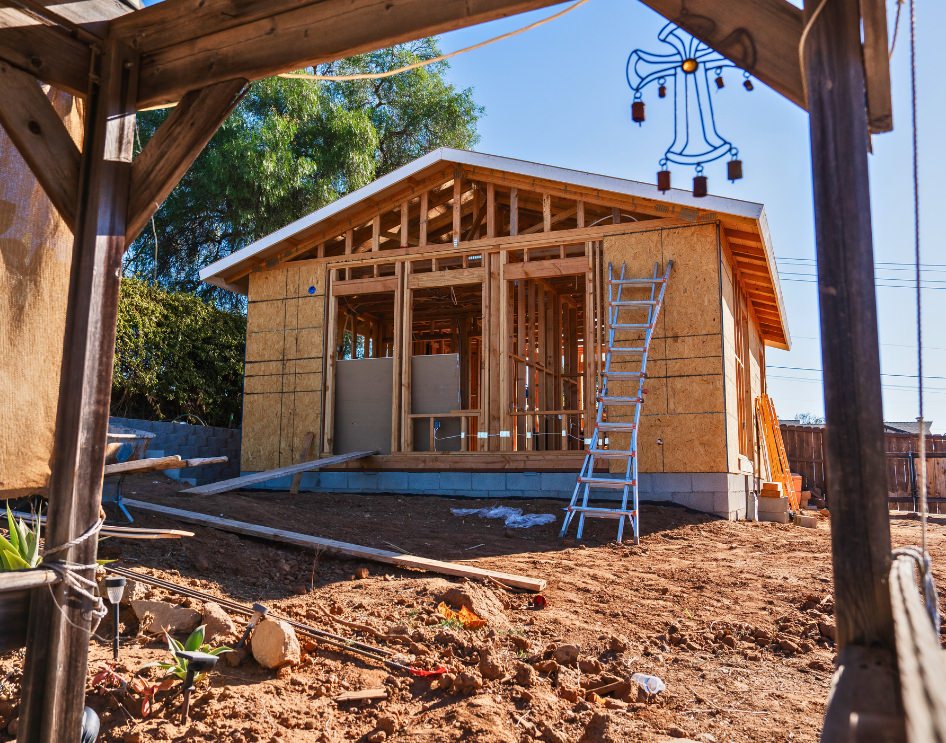
If your HOA blocks your ADU, consult legal experts to challenge unreasonable restrictions under California law.
Challenging Unreasonable Restrictions
If an HOA rejects your current ADU plans due to a restriction you feel is unreasonable (meaning it goes against city or state laws or places an undue burden on your budget or the construction process), you can challenge these restrictions in court. This typically requires consultation with a real estate lawyer.
Alternative Solutions
If an HOA rejects your ADU plans due to its failure to comply with certain setback limits or height limits, this is within their right, and in order to get your plans approved, you must modify them to comply with community standards.
What You Should Know About Building an ADU in Condominiums
Building an ADU or JADU in a condo complex can be more complicated than building in a neighborhood of single-family houses, as condos often share walls, utilities, and other systems that can make building an individual ADU complicated.
While it isn’t always impossible to build an ADU in these situations, it’s something that requires the consultation of your city building department, your HOA, and an ADU expert to see if it’s viable.
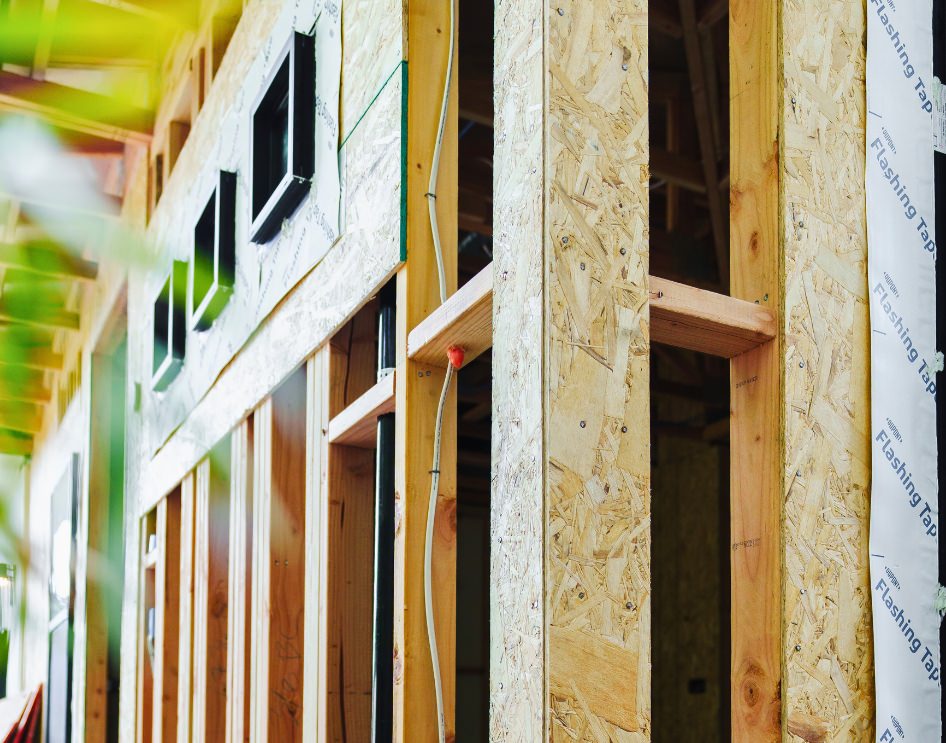
Condo ADUs often face additional hurdles due to shared systems and space—consult experts early to assess feasibility.
FAQs about HOAs and ADUs in California
An HOA can’t legally prevent you from building an ADU, but it can place reasonable restrictions when it comes to its architectural design.
Yes, an HOA can fine you for violations that occur, even if they’re in your backyard behind a fence.
An HOA can’t fine you for building an ADU without approval, but they can fine you for building an ADU that goes against their regulations when it comes to design, height, landscaping, etc.
State law generally overrides HOA restrictions, but HOAs are allowed to impose certain reasonable exceptions that don’t conflict with any state laws.
Work with Experts Like Better Place Design & Build
At Better Place Design & Build, we’re experts at helping homeowners not only design an ADU that meets all their personal requirements, but also those of the state, city, and homeowners association. See what’s possible in your backyard, no matter what kind of restrictions might be in place, by scheduling a free consultation.
More Blogs
-
ADU Trends & Insights
California ADU Law: The Ultimate Guide
California has streamlined ADU construction to address the housing crisis, but development standards still apply. Check local regulations before starting your project.
-
ADU Trends & Insights
How Do You Budget for an ADU Build in California and San Diego?
Learn how to budget for an ADU in California and San Diego by understanding costs, timelines, financing options, and strategies to avoid surprises and maximize long-term value.
-
ADU Trends & Insights
How Many ADUs Can You Have on Your Property in California?
Understand California's rules for ADUs and JADUs, including property limits, zoning laws, and strategies to maximize space, rental income, and property value.
-
ADU Trends & Insights
What Roofing Options Are Best for ADUs in California (Especially San Diego)?
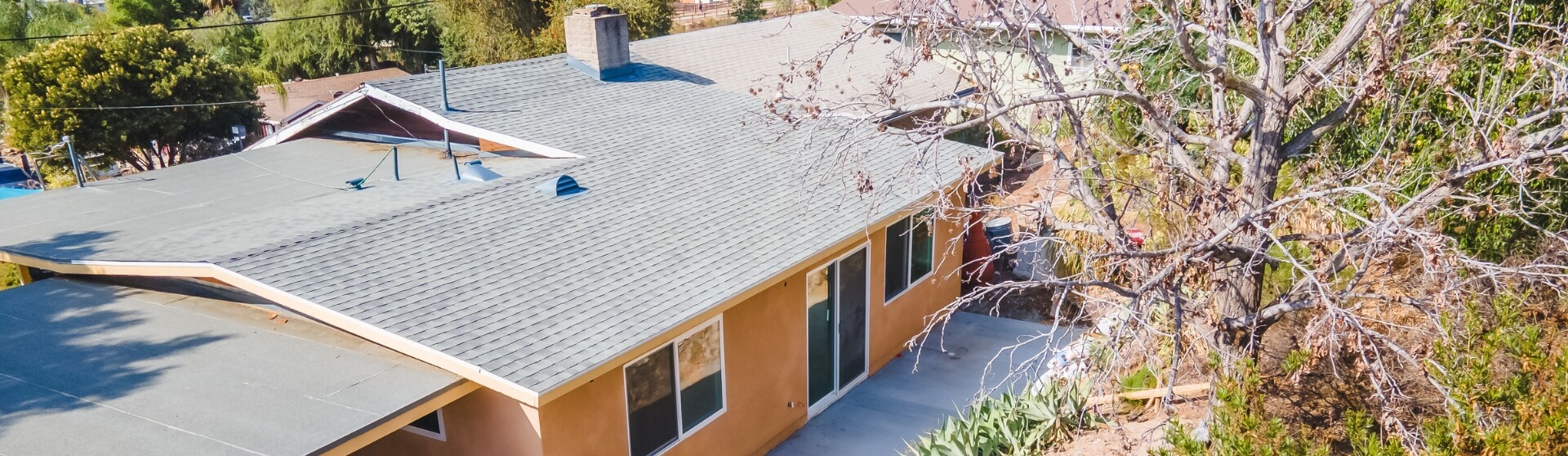
The best ADU roofing in California (especially San Diego) balances budget, durability, and curb appeal—using options like asphalt shingles, metal, tile, or low-slope membranes that meet Title 24 cool-roof/solar requirements and hold up to intense sun, heat, and wildfire risk.
-
ADU Trends & Insights
20 Day Preliminary Notice for ADUs in California: Requirements and Deadlines
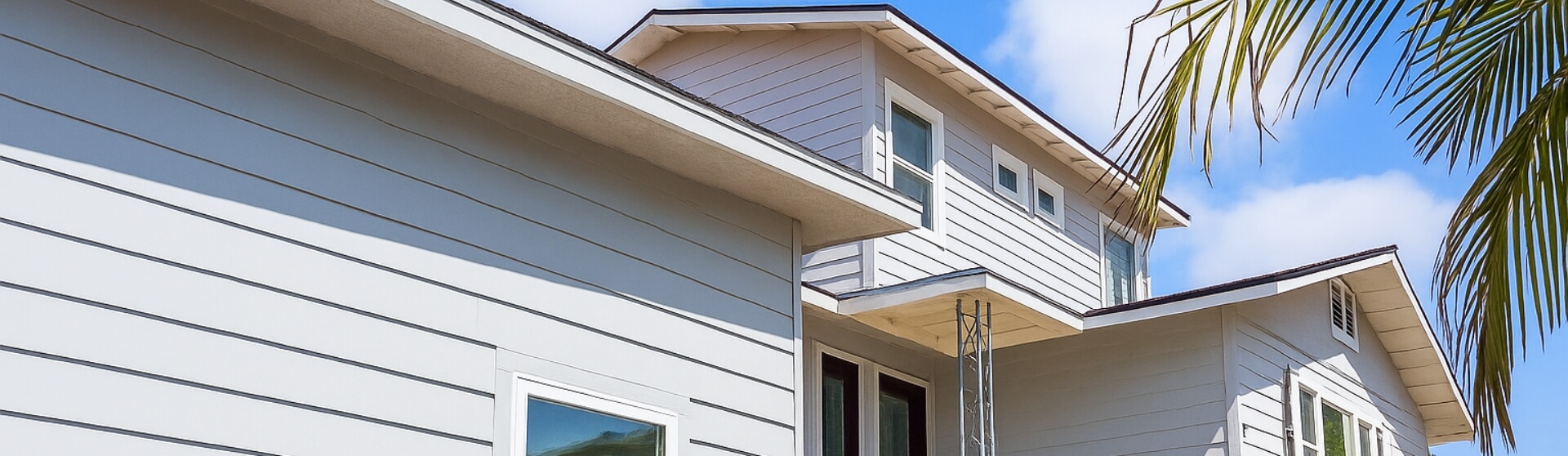
A California 20-Day Preliminary Notice is a required filing for most ADU projects that subcontractors and suppliers must send within 20 days of providing labor or materials, notifying owners, contractors, and lenders.
-

ADU Trends & Insights
Can You Sell an ADU in San Diego?
San Diego's pending ordinance may soon enable homeowners to sell ADUs as separate condominiums, expanding affordable housing opportunities.
-
ADU Trends & Insights
What Are the ADU Electrical Requirements in California in 2026?
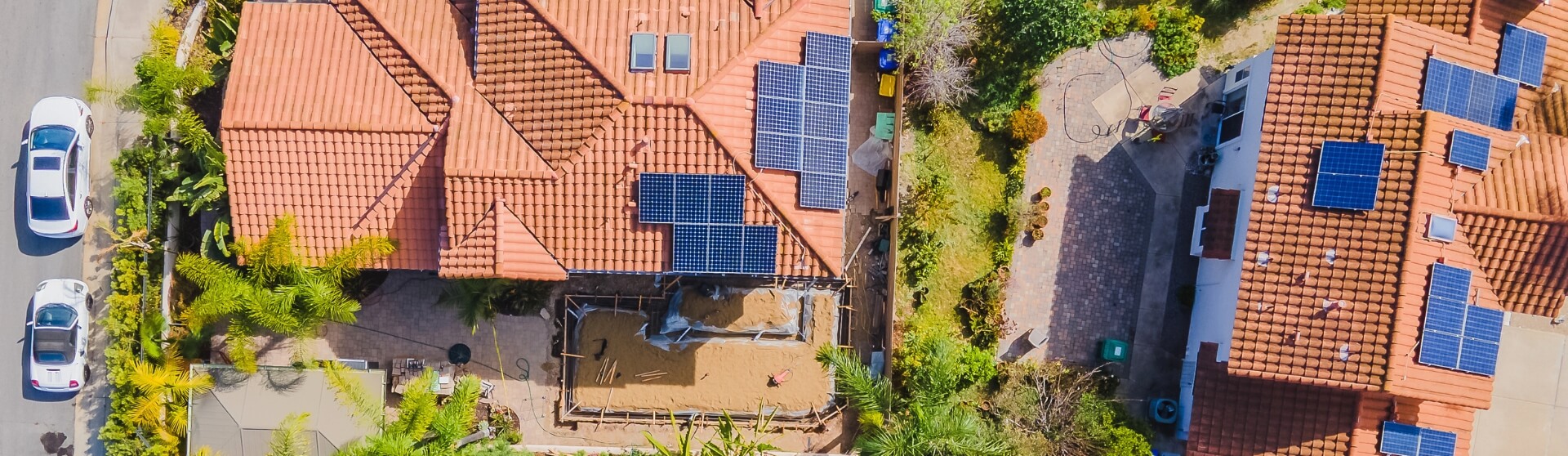
California ADUs must comply with strict electrical and energy regulations under the California Electrical Code (CEC) and Title 24 energy standards. Most ADUs require detailed planning for electrical panels, load calculations, dedicated circuits, solar readiness, and utility coordination to meet modern safety and efficiency requirements. Homeowners in San Diego and across California often underestimate the […]
-
ADU Trends & Insights
ADU vs JADU: What’s the Difference?
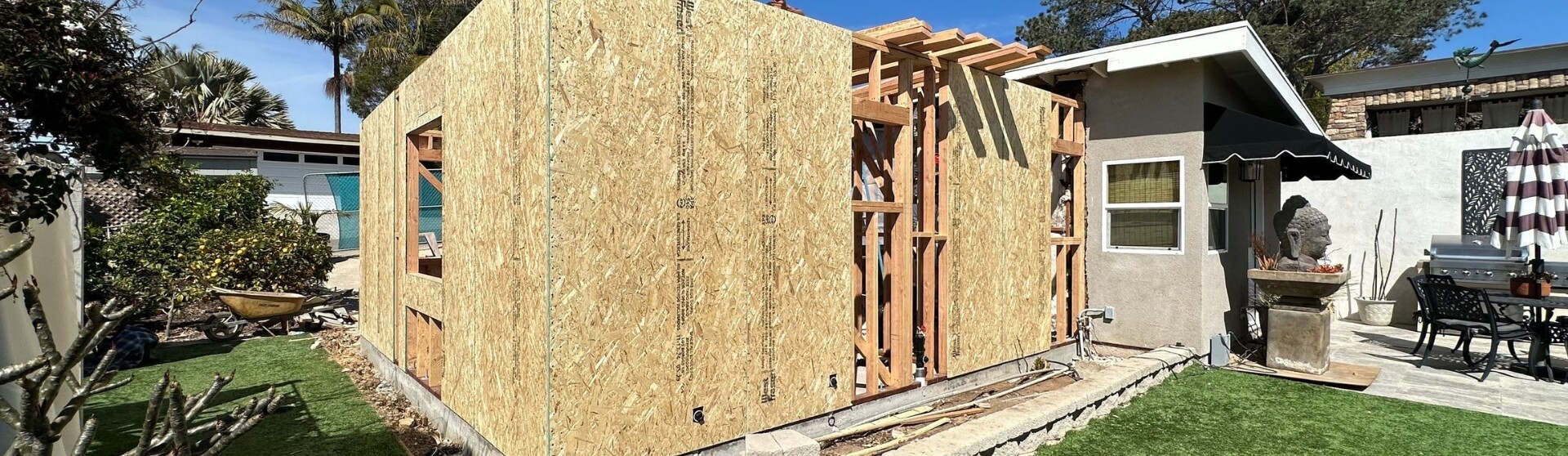
Explore the crucial differences between ADUs and JADUs—including size, regulations, costs, and ROI—to determine the best fit for your property and goals.
-
ADU Trends & Insights
What Is an ADU Cost Breakdown?
An ADU cost breakdown shows where your budget goes—hard construction costs (about 85–90%) versus soft costs like plans, permits, and city fees (about 10–15%)—so you can set realistic expectations and avoid surprises.
-
ADU Trends & Insights
How to Build an ADU in the San Diego Coastal Zone
Building an ADU in San Diego’s Coastal Zone requires checking if the property is in the Coastal Overlay Zone, which typically triggers a Coastal Development Permit or exemption.
-

ADU Trends & Insights
Construction Loans vs. Personal Loans for ADUs: What Do California Homeowners Need to Know?
Building an ADU in California typically requires high financing and San Diego homeowners usually choose between construction loans, which are based on the future value of the property, and personal loans, which offer fast approval but higher interest rates.
-
ADU Trends & Insights
Do You Trust Your Builder?
You can trust your ADU builder when they prove real ADU experience, proper California licensing/insurance, and clear written contracts, not just a good sales pitch.
-
ADU Trends & Insights
Why Do You Need an Experienced ADU Builder in California?
An experienced ADU builder helps homeowners navigate California’s complex permitting rules, zoning regulations, and construction requirements while avoiding costly mistakes and delays. Accessory Dwelling Units (ADUs) are secondary housing units built on the same property as a primary residence and can include detached backyard homes, attached additions, garage conversions, or basement apartments with independent living […]
-
ADU Trends & Insights
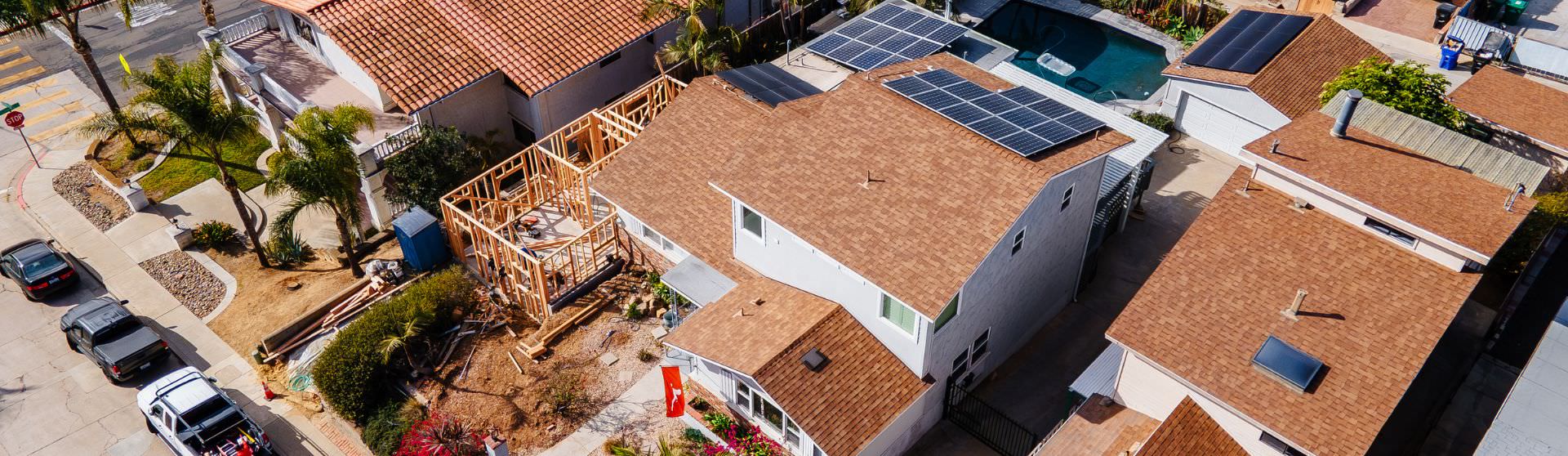
What Is a Casita? Definition, Uses, and How It’s Different From an ADU
Casitas are stylish, small ADUs under 800 sq. ft., perfect for guests, rentals, or in-law suites. Discover the benefits, costs, and designs.
-
ADU Trends & Insights
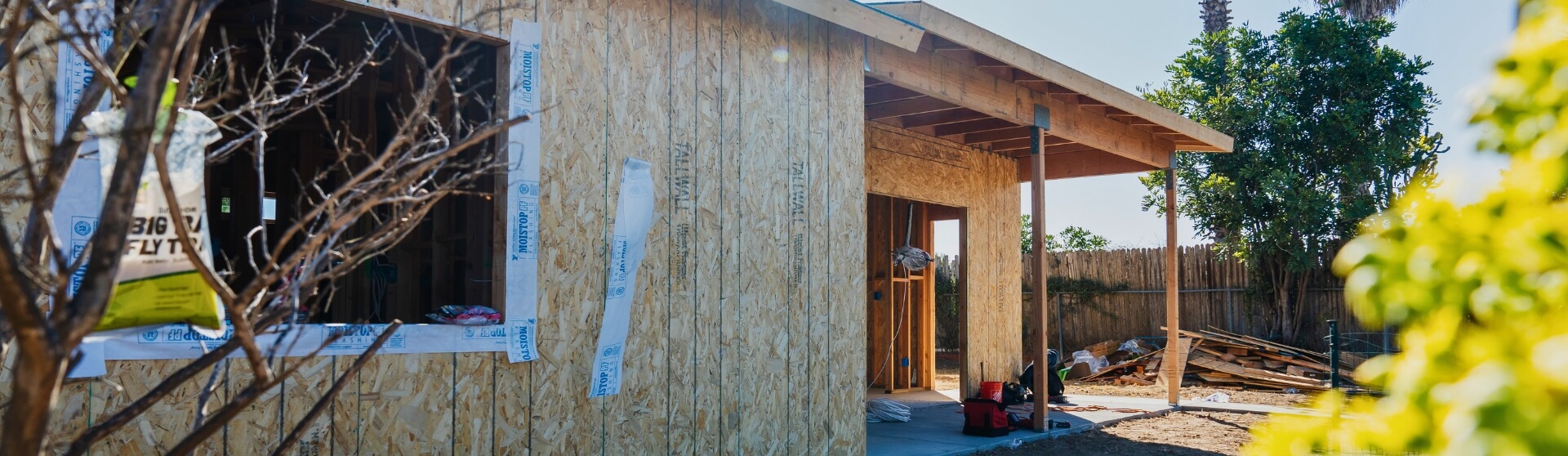
What Is a Granny Flat? Definition, Types, and How They’re Used
Granny flats offer San Diego homeowners flexible housing solutions, from accommodating family to generating rental income, with options including detached builds, garage conversions, or junior ADUs.
-

ADU Trends & Insights
What is the importance of an ADU feasibility study in California and San Diego?
An ADU feasibility study is a comprehensive analysis of zoning, site constraints, existing utilities, and a proposed design that determines whether building an accessory dwelling unit is practical and financially viable on a specific property.
-
ADU Trends & Insights
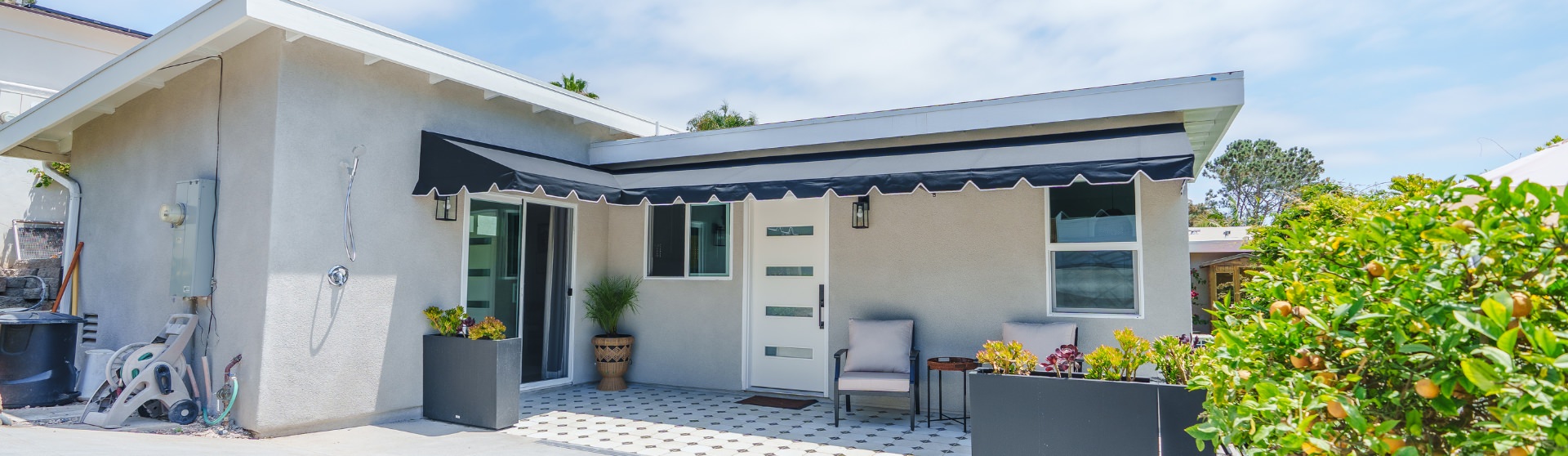
How to Finance an ADU in San Diego
ADUs are growing popular in San Diego, offering housing for family or rental income, but demand substantial upfront investment.
-
ADU Trends & Insights
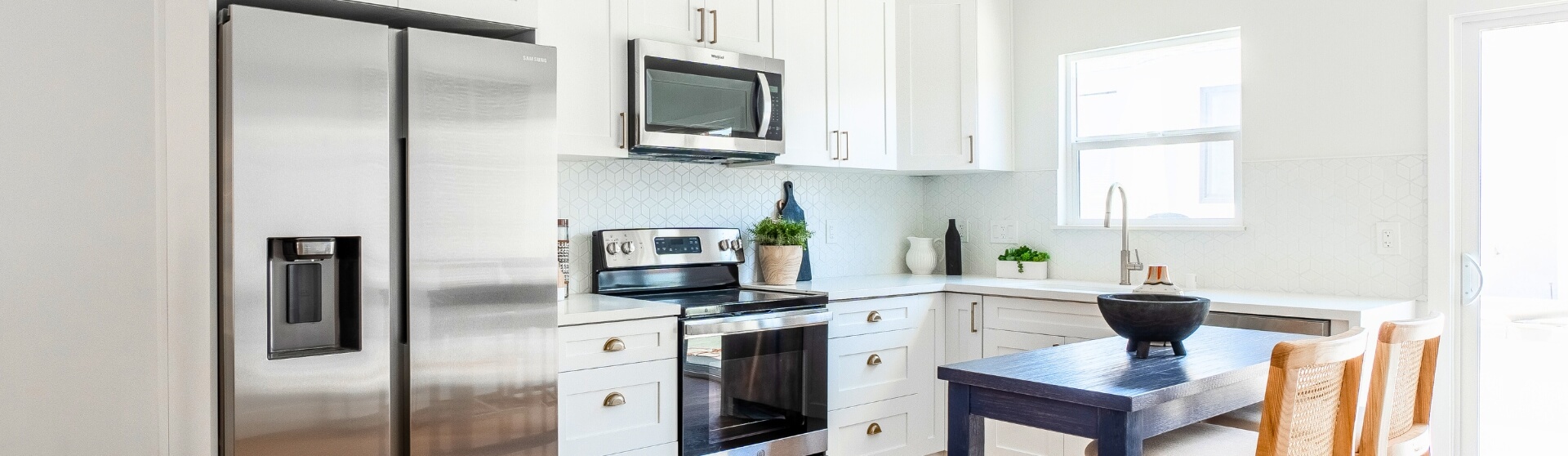
Best ADU Designs
Explore essential ADU design trends and practical insights, from layout optimization to style choices, ensuring your accessory dwelling unit maximizes comfort, functionality, and investment potential.
-
ADU Trends & Insights
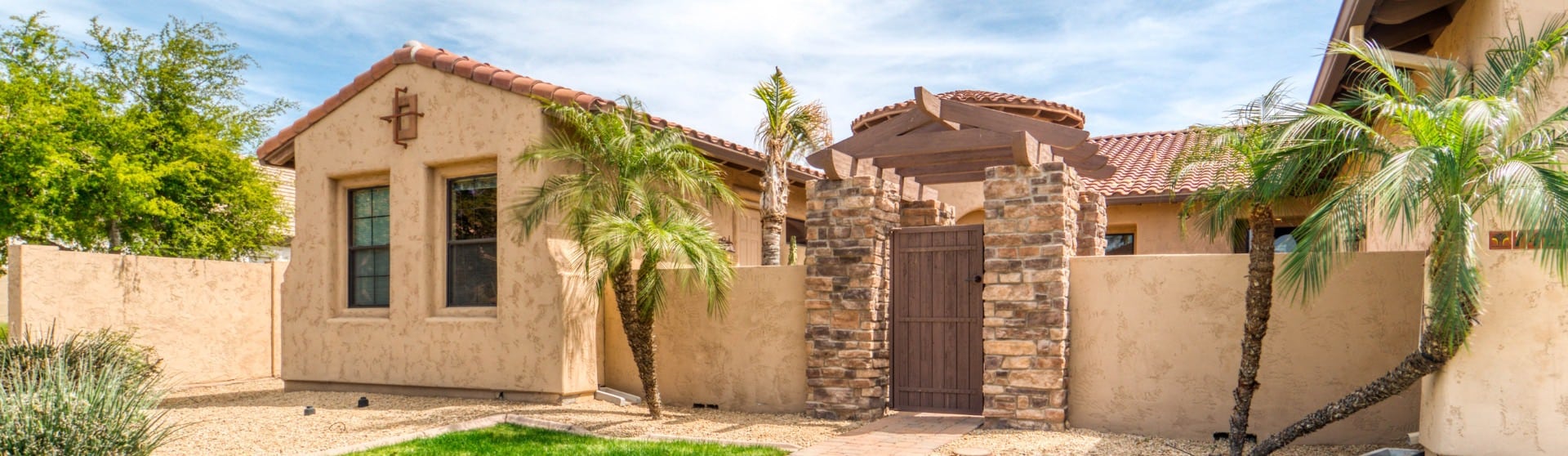
Spanish Style ADUs
Explore the timeless elegance of Spanish-style ADUs with iconic features like stucco walls, red tile roofs, and stunning architectural details.
-
ADU Trends & Insights
Are ADUs a good alternative to nursing homes for California homeowners?
ADUs offer California homeowners a practical alternative to nursing homes by allowing aging parents to live independently on the same property, supporting aging in place while turning ongoing care costs into a long-term home investment.
-
ADU Trends & Insights
What are the universal design principles for ADUs?
Universal design principles for ADUs focus on creating safe, flexible, and comfortable homes—using features like step-free entries, wider doorways, accessible bathrooms, and intuitive layouts—so the space remains usable for people of all ages and abilities over time.
-

ADU Trends & Insights
Key Differences Between Pool Houses and ADUs
Discover the differences between pool houses and ADUs to choose the right addition for your property—find out about amenities, regulations, and value impact!
-
ADU Trends & Insights
Custom ADU: Your Ultimate Guide
A custom ADU may cost more than manufactured or prefab units, depending on size, type, and finishes, but it offers several benefits.
-

ADU Trends & Insights
How do ADUs benefit real estate agents in California and San Diego?
ADUs benefit real estate agents in California and San Diego by increasing property value and buyer appeal, creating built-in rental and multigenerational living opportunities, and giving ADU-savvy agents a competitive edge in pricing, marketing, and closing deals in a tight housing market.
-
ADU Trends & Insights
What Is ADU Construction?
ADU construction involves planning, permitting, and building a self-contained living space on a residential property — adding value, flexibility, and income potential without buying new land.
-
ADU Trends & Insights
How We Make Your ADU’s Interior Design Stress Free & Feel Like Home
Our interior designers simplify the finish selection process—so you get a stylish, renter-friendly ADU without the stress, delays, or costly mistakes.
-
ADU Trends & Insights
Downsizing to an ADU: Benefits, Costs, and Key Considerations
Downsizing to an ADU means moving into an Accessory Dwelling Unit—a smaller, self-contained home on your property—while renting out or repurposing your main house.
-

ADU Trends & Insights
What Makes an Ideal Lot for an ADU in California (Especially San Diego)?
An ideal ADU lot in California (especially San Diego) is flat or gently sloped with enough clear buildable space for setbacks, good construction access, nearby utility tie-ins, and minimal easements or overlays—since slope, access, and utility distance are the biggest drivers of cost and feasibility even with “by-right” ADU rules.
-
ADU Trends & Insights
What Qualifies as an ADU?
ADUs are reshaping the California housing market, providing homeowners with cost-effective, independent living spaces to meet diverse needs.
-
ADU Trends & Insights
Setback Requirements for ADUs in San Diego
Ensure your ADU meets California's setback requirements—learn essential rules, local variations, and expert tips to maximize your space and streamline permitting.
-
ADU Trends & Insights
Prefab ADUs: Pros and Cons
Explore the pros and cons of prefab ADUs in California, including cost, customization, durability, and ROI, to decide if modular construction suits your needs.
-
ADU Trends & Insights
How Long Until an ADU Pays for Itself?
Most ADUs pay for themselves within 5–15 years by combining rental income and property value appreciation, with faster payback in high-demand markets like San Diego.
-
ADU Trends & Insights
When Should You Build an ADU in San Diego?
ADU construction involves planning, permitting, and building a self-contained living space on a residential property — adding value, flexibility, and income potential without buying new land. In California, ADUs now make up about one in six new homes, reflecting their growing role in solving the state’s housing shortage.
-
ADU Trends & Insights
What Are ADU Electrical Requirements in California?
Get the complete breakdown of electrical requirements for ADUs in California, from panel upgrades to solar compliance, to help you build safely and within code.
-
ADU Trends & Insights
What Is ADU Rental Income and Why Are California Homeowners Investing in It?
Explore how to maximize rental income from an ADU with tips on design, rental strategies, and legal considerations to turn your ADU into a profitable investment.
-
ADU Trends & Insights
What Are the Best Floor Plans for ADUs?
The best ADU floor plans are goal-driven and code-compliant—using efficient layouts like studios, 1-bed/1-bath rentals, or split-bedroom designs that maximize light, privacy, and flexibility while fitting your lot and budget.
-
ADU Trends & Insights
What Are ADU Owner Occupancy Requirements?
ADU owner occupancy requirements are rules that require a property owner to live on the same lot as an accessory dwelling unit, either in the primary residence or the ADU itself. These rules were historically imposed by local governments to discourage absentee landlords and preserve neighborhood character. In California, however, owner-occupancy requirements for ADUs are […]
-
ADU Trends & Insights
Why ADUs & Costs Matter in San Diego
Planning an ADU in San Diego? Get the lowdown on all the hidden costs that can catch you off guard.
-
ADU Trends & Insights
Where Can ADUs be Built in San Diego, CA?
ADUs are allowed on nearly all residential lots in California, including single-family and multifamily properties, under state law. In San Diego, any property zoned for residential use qualifies, making it easier than ever for homeowners to add an ADU and expand their living or rental space.
-
ADU Trends & Insights
Should You Build Your ADU Yourself or Hire a Contractor in San Diego, California?
Building your own ADU in San Diego can save on labor and contractor markup, but it’s essentially managing a small-house build with permits, trades, and inspections—so hiring an experienced contractor (or using a hybrid approach) often reduces delays, risk, and costly mistakes.
-

ADU Trends & Insights
How Do You Integrate Outdoor Living Into ADU Design?
Integrating outdoor living features such as patios, decks, and seamless indoor-outdoor connections helps ADUs feel larger, more livable, and more valuable.
-
ADU Trends & Insights
What Are Stacked Accessory Dwelling Units (ADUs)?
Stacked ADUs are two fully independent accessory dwelling units built vertically in a single two-story structure, allowing California homeowners to add multiple homes on one lot without increasing the building footprint when local height and zoning rules allow.
-
ADU Trends & Insights
13 Common Misconceptions About ADUs
Uncover the truth about ADU misconceptions and navigate construction, costs, and regulations for informed decisions.
-
ADU Trends & Insights
SB9 vs ADU: What’s the Difference and Which Is Better?
While promising, the complexity and lengthy approval process of SB9 projects make traditional accessory dwelling units (ADUs) an often simpler and quicker alternative for expanding property use.
-
ADU Trends & Insights
How to Finance an ADU Project in California
California homeowners can finance an ADU using home equity, cash-out refinancing, construction or renovation loans, and programs like San Diego’s SDHC (up to $250K), with rental income often helping offset the $200K–$450K build cost.
-

ADU Trends & Insights
How Does Choosing the Right Color Scheme Impact an ADU’s Design and Value?
Choosing the right ADU color scheme—especially light, neutral palettes with intentional accents—can make small spaces feel larger, improve livability, and increase rental and long-term property value.
-

ADU Trends & Insights
Is it Worth It To Build An ADU in 2026? Assessing the ROI of Building an ADU
Discover the financial benefits and pitfalls of building an ADU with our comprehensive, detailed guide.
-

ADU Trends & Insights
The Perfect ADU Kitchen
Discover how smart layouts and stylish design choices can transform even the smallest ADU kitchens into luxurious, functional spaces.
-

ADU Trends & Insights
ADU Manufactured Homes in San Diego: Are They Right for You?
Discover whether a manufactured home is the right choice by exploring costs, regulations, benefits, and potential drawbacks.
-
ADU Trends & Insights
Garage ADU: What It Is, Costs, Rules, and Conversion Options
Unlock your property's potential by converting your detached garage into a cost-effective, versatile ADU that increases property value and generates rental income.
-
ADU Trends & Insights
Using a HELOC to Fund an ADU in California?
A HELOC lets California homeowners fund an ADU in phases using home equity, paying interest only on what they use. In San Diego, strong rental income often offsets payments, though variable rates and post–draw-period repayment increases should be considered.
-
ADU Trends & Insights
What Are the Legal Bedroom Requirements in California?
California has made building ADUs easier to tackle the housing crisis, but specific state and local regulations still apply. Here's what you need to know before starting.
-
ADU Trends & Insights
What Are the Best Loan Programs for ADUs in California (San Diego Guide)?
California homeowners can finance ADUs through home equity, construction or renovation loans, cash-out refinancing, and programs like CalHFA (when available) and San Diego’s SDHC, with the best option depending on equity, income, and timing.
-
ADU Trends & Insights
How Do You Compare ADU Builder Quotes in San Diego and California?
Compare itemized ADU quotes—labor, materials, permits, timelines—to ensure transparent pricing, true value, and no surprise costs.
-
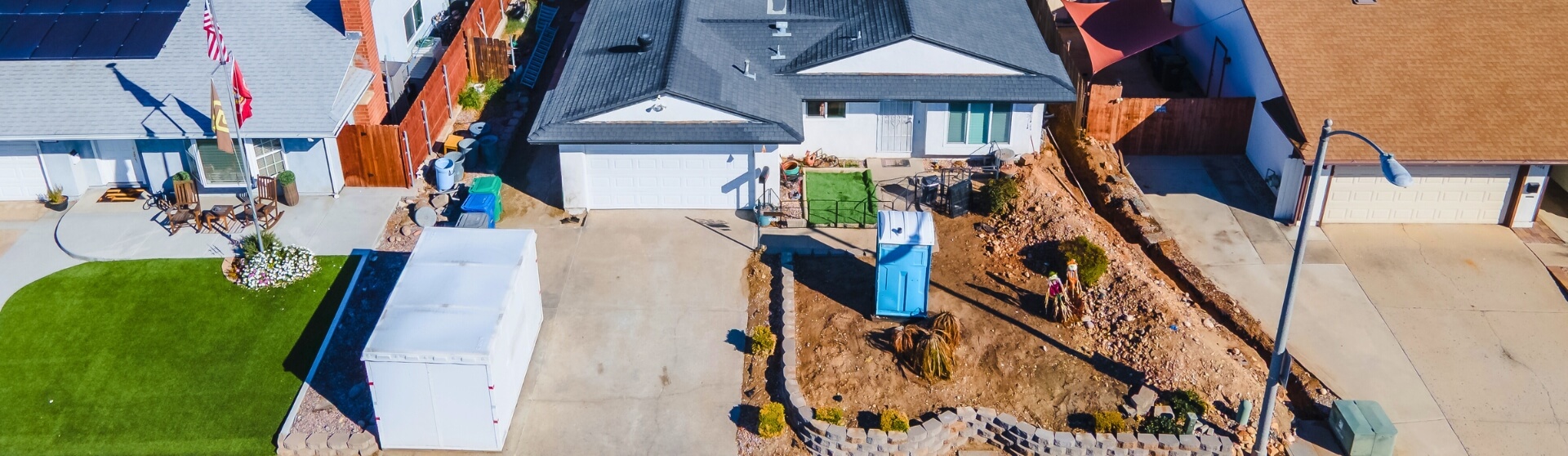
ADU Trends & Insights
What Is a Retaining Wall for an ADU?
A retaining wall for an ADU is a structural wall designed to hold back soil, stabilize slopes, and create a level building area. These walls help prevent erosion, protect the structure from water damage, and make construction possible on sloped or uneven lots.
-
ADU Trends & Insights
What is stormwater management for Accessory Dwelling Units (ADUs) in California?
Stormwater management for ADUs is the process of controlling and treating rainwater runoff generated by new backyard cottages or secondary homes.
-
ADU Trends & Insights
How Does ADU Construction Work in San Diego, CA?
San Diego’s ADU process is fast and flexible, with permits approved within 60 days and options for detached units up to 1,200 sq. ft. or garage conversions. Thanks to state laws and the city’s ADU Bonus Program, homeowners can build quickly, add value, and even earn extra units by including affordable housing.
-
ADU Trends & Insights
How Much Does an ADU Increase Property Value?
Discover how adding an ADU can significantly boost your property value, generate rental income, and enhance long-term equity—all while making the most of your available space.
-
ADU Trends & Insights
Should You Invest in Building an ADU in San Diego?
Building an ADU in San Diego can be a worthwhile investment for homeowners looking to generate rental income, increase property value, or create flexible living space for family members. An Accessory Dwelling Unit (ADU) is a secondary residential unit built on the same lot as a primary home, and demand for ADUs continues to grow […]
-
ADU Trends & Insights
How Do You Design the Perfect Granny Flat?
Designing the perfect granny flat starts with understanding local ADU regulations, defining the unit’s intended use, and planning a layout that maximizes comfort within a compact footprint. In California, granny flats—legally classified as Accessory Dwelling Units (ADUs)—must comply with state and local rules covering size, setbacks, and permitting. A successful design balances budget, livability, and […]
-

ADU Trends & Insights
Are Pre-Approved ADU Plans Right for You in San Diego?
Compare pre-approved vs. custom plans and why the cheapest option isn't always best.
-

ADU Trends & Insights
When Do You Need a Survey for an ADU in San Diego?
A survey for an ADU in San Diego is typically required when the new unit is built close to property lines, situated on a sloped or irregular lot, or when local regulations mandate setback verification.
-
ADU Trends & Insights
What Is ADU Project Management?
ADU project management is the process of overseeing every stage of an accessory dwelling unit project to ensure it stays on schedule, within budget, and compliant with local regulations. It involves coordinating architects, contractors, and inspectors while managing permits, timelines, and construction milestones. Effective project management also includes tracking costs, minimizing delays, and maintaining clear […]
-
ADU Trends & Insights
What Are Vaulted Ceilings and High Ceilings in ADUs and Are They Worth It in California?
Vaulted ceilings enhance ADUs by maximizing vertical space, increasing natural light, improving comfort, and boosting long-term property value in California when designed and built correctly.


