


ADU Tax Credit in California: What Homeowners Actually Qualify For
 Share
Share
35 min read
Many homeowners search for an ADU tax credit hoping to reduce the cost of building a backyard unit. While California does not offer a direct construction tax credit, there are important tax deductions and federal energy incentives that may apply depending on how you use the ADU. This guide explains what qualifies, what doesn’t, and how ADUs affect your overall tax picture.

TL;DR: ADU Tax Credit
- There is no direct California ADU tax credit for construction costs, but certain federal energy credits and tax deductions may apply.
- Homeowners can claim deductions if the ADU is used as a rental property or qualified home office.
- Energy-efficient upgrades such as solar panels may qualify for a federal tax credit of up to 30%.
- Adding an ADU increases property taxes through a blended assessment, not a full reassessment.
- Rental ADUs may qualify for annual depreciation deductions over 27.5 years.
- This article explains available credits, rental deductions, property tax impact, and common misconceptions.
ADU tax credit is a commonly searched term referring to potential tax benefits tied to building or using an accessory dwelling unit. While California does not offer a direct construction tax credit, homeowners may qualify for federal energy credits, rental property deductions, or home office write-offs depending on how the ADU is used. Most tax benefits are claimed annually when filing income taxes and require proper documentation.
What is an ADU Tax Credit?
A tax credit is a dollar-for-dollar reduction in the amount of taxes you owe for the year you’re filing. An ADU tax credit is a dollar-for-dollar reduction in taxes based on construction costs.
While some states like Massachusetts and Vermont offer grant and rebate programs, none offer this type of ADU tax credit. California’s SB 1164, which passed in 2022, does provide legislation surrounding ADU property tax rates that ultimately benefit homeowners. It states that building an ADU on your property doesn’t trigger a full property reassessment but rather a blended assessment, where the value of your secondary housing unit will be added to the previously assessed value of your existing home.
To learn more about SB 1164 and property tax assessments for ADUs, you can read our separate post here.
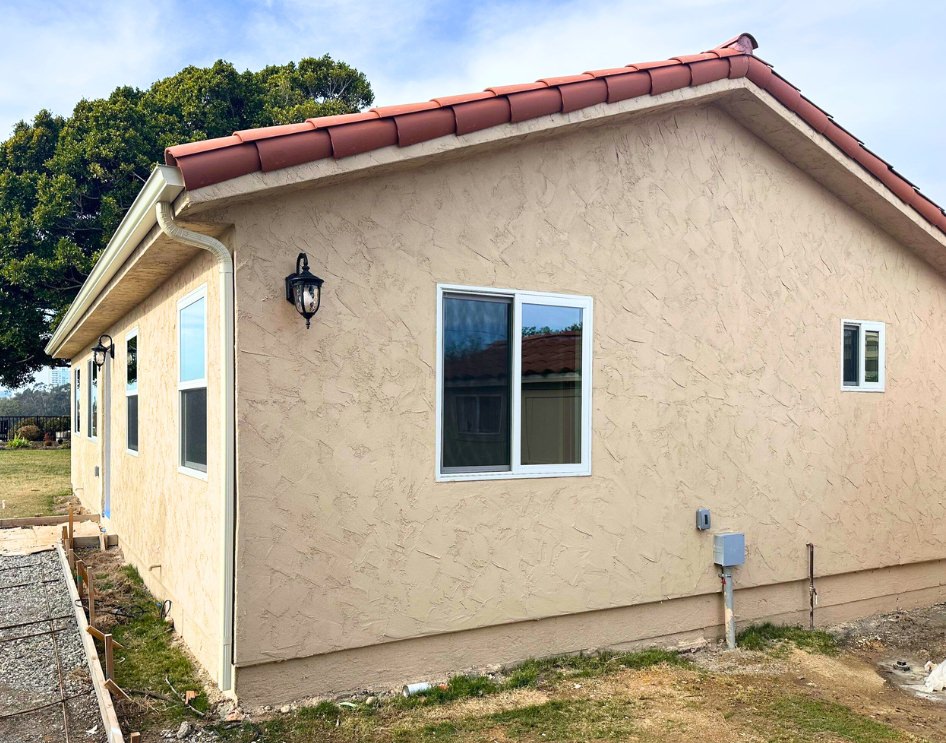
While you may not receive a direct tax credit for ADU construction, homeowners can claim deductions on costs related to rentals or home office use, especially utilities and maintenance.
ADU Tax Credit vs. ADU Tax Deduction: What’s the Difference?
Many homeowners use the terms “tax credit” and “tax deduction” interchangeably, but they are not the same. A tax credit directly reduces the amount of taxes you owe, while a tax deduction reduces your taxable income.
Example
- If you qualify for a $5,000 tax credit, your tax bill drops by $5,000.
- If you qualify for a $5,000 deduction and you’re in a 24% tax bracket, you save $1,200.
Quick Answers
- Is there a California ADU tax credit for construction? No, California does not offer a direct construction tax credit for ADUs.
- Are rental write-offs considered tax credits? No, they are tax deductions.
- Which is better: a credit or a deduction? A credit typically provides a larger financial benefit because it directly reduces taxes owed.
Quick Comparison
| Feature | Tax Credit | Tax Deduction |
|---|---|---|
| How it works | Reduces taxes owed dollar-for-dollar | Reduces taxable income |
| Example | 30% federal solar credit | Rental expense write-offs |
| Applies to ADU construction? | No (in California) | Not for construction itself |
| Applies to rental use? | No | Yes |
| Applies to energy upgrades? | Yes (federal) | Sometimes |
Who Qualifies for the ADU Tax Credit in California?
While there are no state-wide tax credits, there are certain write-offs and incentives that homeowners who build an ADU can qualify for. The first is renewable energy. As with single-family homes, adding solar panels and energy-efficient appliances to your secondary unit can lead to tax rebates. The current federal rebate is as much as 30%, which can both reduce your federal tax liability and increase your annual refund.
You can also write off certain aspects of your ADU if you use it as a rental unit or a home office. Landlords renting out their ADU can write off certain expenses such as mortgage interest, maintenance fees, and cleaning fees. These write-offs will ultimately help to offset any impact an ADU and the rent it generates may have on your individual income taxes.
For those who own their own business and use their ADU as a home office, you can write off utility costs, insurance, and maintenance costs. The write-offs for home businesses are calculated based on square footage. This means that if your ADU accounts for 25% of your property’s total square footage, you can write off 25% of your property’s electricity bill, homeowner’s insurance, etc. A tax professional can help you make these calculations accurately.

Using your ADU as a rental property or home office can qualify you for tax deductions on utilities, insurance, and maintenance. Proper planning ensures you maximize these benefits while keeping property tax increases minimal.
Do Solar Panels or Energy Upgrades Qualify for an ADU Tax Credit?
While ADU construction itself is not eligible for a tax credit, certain energy-efficient upgrades may qualify for federal incentives.
The federal Residential Clean Energy Credit currently allows eligible homeowners to claim up to 30% of qualified solar installation costs, subject to IRS guidelines. Federal clean energy credits remain in effect under current IRS guidelines, but percentage amounts and eligibility rules are scheduled to phase down in future years.
Potential Eligible Upgrades
- Solar panels
- Battery storage systems
- Energy-efficient HVAC systems
- Certain heat pumps
How It Works
- Install qualifying energy equipment.
- Retain invoices and certification documents.
- Claim the credit when filing federal taxes.
Quick Answers
- Does the 30% credit apply to the whole ADU? No, only to eligible energy components.
- Is there a cap on the solar credit? The federal solar credit currently does not have a dollar cap for residential systems.
- Can landlords claim energy credits? Rules differ depending on whether the property is primary residence or rental; consult a tax professional.
How to Apply for the ADU Tax Credit
The best way to apply for any local ADU tax credits or incentives is to first contact your city government to learn more about them, then use an experienced ADU builder to ultimately manage the construction of your ADU. They’ll be familiar with any local incentives and can help design your ADU with these in mind.
For write-offs pertaining to rentals or home offices, a tax professional can help make sure you are taking advantage of all possible tax incentives. Know that in order to do so, though, you need to be able to provide receipts for any relevant expense, be it a repair bill, a cleaning fee, an insurance payment, or something else.
Working with an experienced ADU builder can help you maximize tax incentives and navigate city-specific rebates. Keeping receipts for expenses is key to claiming deductions.
How the ADU Tax Credit Impacts Property Taxes
ADUs typically do lead to additional property taxes, though the impact is often not as much as homeowners assume, especially because building an additional unit on your property doesn’t trigger a full property assessment but rather the blended assessment we mentioned earlier.
You can read more about ADUs and property taxes in our separate post here; know that ADU builders like Better Place often understand how construction costs ultimately impact your final property taxes and can help you keep these costs low while still ensuring you get all the features you need to get the most out of your extra space.
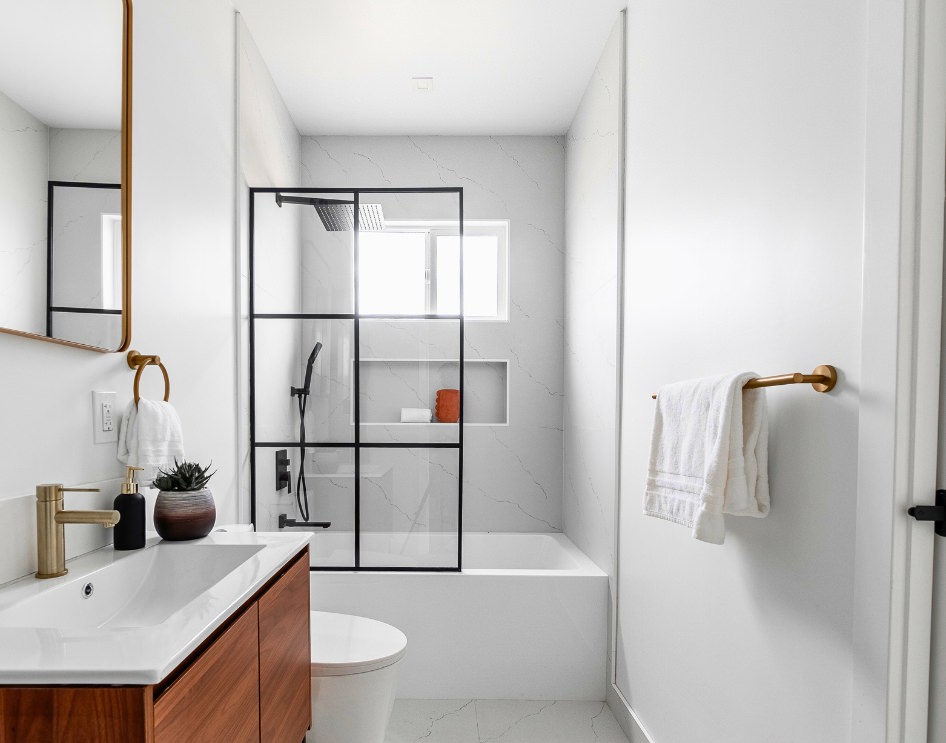
Once your ADU is built, understanding the tax deductions and credits available for maintenance, utilities, and rental income will help optimize your tax savings. Be sure to track all relevant expenses.
What ADU Rental Expenses Are Tax Deductible?
If you rent out your ADU, the IRS generally treats it as a rental property. This means you may deduct ordinary and necessary expenses related to generating rental income.
Common Deductible Rental Expenses
- Mortgage interest (portion tied to the ADU)
- Property taxes (ADU portion)
- Utilities
- Maintenance and repairs
- Insurance
- Property management fees
- Depreciation
High-Level Process
- Track all ADU-related expenses throughout the year.
- Separate personal vs. rental use expenses.
- Report rental income and expenses on Schedule E.
Quick Answers
- Can I deduct the full mortgage payment? Only the portion attributable to the rental space.
- Can I deduct repairs? Yes, ordinary repairs are typically deductible in the year they occur.
- Are improvements deductible? Improvements are usually depreciated over time, not deducted immediately.
- Do I need an LLC to claim rental deductions? No, but many landlords form one for liability protection.
How Depreciation Works for a Rental ADU
If your ADU is used as a rental property, the structure itself may be depreciated over time.
Depreciation allows you to recover the cost of the building (not the land) over a set period, typically 27.5 years for residential rental property.
Example
If your ADU construction cost (excluding land) is $275,000:
- $275,000 ÷ 27.5 years = $10,000 per year in depreciation.
This reduces your taxable rental income annually.
Quick Answers
- Can I depreciate the full construction cost? Only the building portion, not land value.
- Does depreciation reduce property taxes? No, it reduces taxable income for federal tax purposes.
- What happens when I sell the property? Depreciation may be subject to recapture taxes.
What is Tax Deductible with an ADU?
We mentioned earlier that certain tax deductions and incentives for single-family homes also apply to ADUs when it comes to the operational costs of a home office or rental property. This is especially true for the installation of solar and other energy-efficient appliances. It’s important to know, though, that to make the most of write-offs pertaining to a home office, an LLC is required. There are many things that you can deduct as a landlord if you’re renting out your ADU that are different from regular homeowners.
Sidenote: There are some initial costs associated with forming an LLC, even if you are the only employee, as well as some annual state fees. It’s highly recommended to form an LLC if you plan to rent out your unit, as this can help lower liability by directing it towards the LLC instead of yourself personally. Consult a tax professional to learn more.
For homeowners using their ADU as a rental property, it’s important to understand how federal income tax depreciation works. Under IRS rules, residential rental property is typically depreciated over 27.5 years, allowing you to deduct a portion of the building’s value annually to account for wear and tear. This reduces taxable rental income but does not affect your property tax assessment under California law.
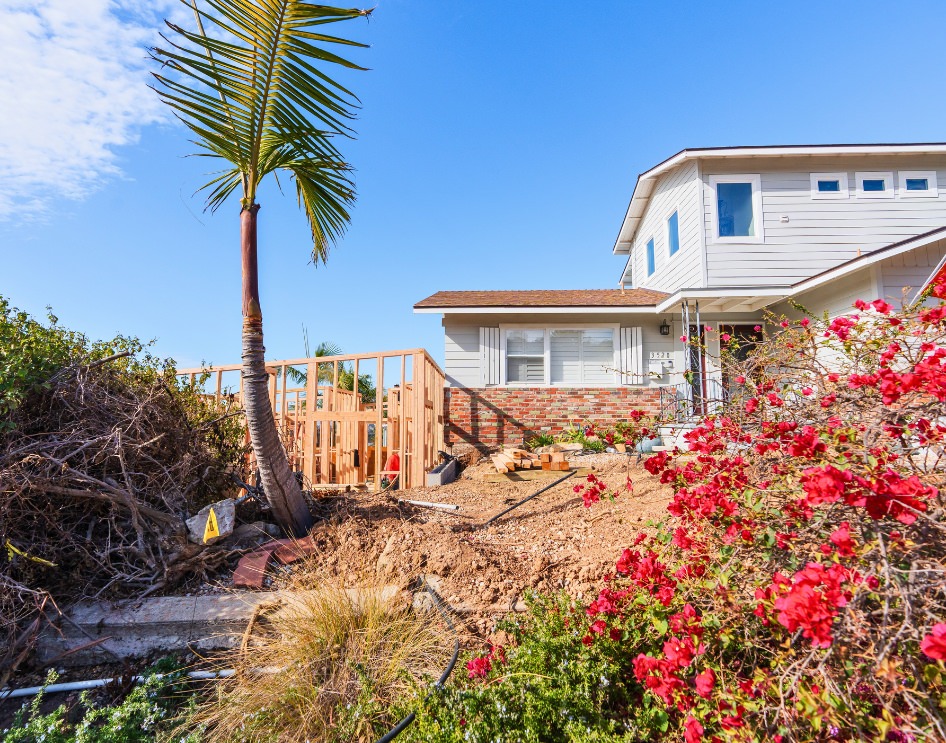
ADU construction costs are not directly tax-deductible, but rental expenses, home office use, and energy-efficient upgrades can qualify for tax deductions. Keeping accurate records is essential for maximizing benefits.
Can You Claim a Home Office Deduction for an ADU?
If you use your ADU exclusively and regularly for business purposes, you may qualify for a home office deduction.
The key requirement is that the space must be used solely for business and not for personal use.
What May Be Deductible
- A percentage of utilities
- A percentage of property insurance
- Maintenance costs
- Depreciation (if applicable)
How It’s Calculated
- Determine the square footage of the ADU used for business.
- Divide it by total home square footage.
- Apply that percentage to eligible expenses.
Quick Answers
- Can I use the ADU as both a guest house and office? No. Mixed-use typically disqualifies the deduction.
- Is the simplified home office method allowed? Yes, depending on IRS eligibility rules.
- Do I need to own a business? Yes, the deduction is generally for self-employed individuals.
How to Claim ADU Tax Benefits on Your Return
Claiming ADU-related tax benefits depends on how the unit is used.
General Overview
- Rental income and expenses are reported on Schedule E.
- Home office deductions may be claimed on Schedule C (if self-employed).
- Energy credits are typically claimed using IRS energy credit forms.
Basic Checklist
- Maintain organized expense records.
- Separate personal and rental costs.
- Retain receipts and invoices.
- Confirm eligibility before filing.
Quick Answers
- Do I need professional help? It’s strongly recommended due to complex rules.
- Can I amend a previous return? Possibly, if eligible credits or deductions were missed.
- What documentation should I keep? Receipts, invoices, utility statements, and proof of rental activity.
Are There Any Active ADU Grants in California?
California previously offered ADU grant programs, but many of those programs have expired or exhausted funding.
Local housing authorities occasionally introduce limited-time incentives, but availability changes frequently.
Past Programs
- California ADU Grant Program (up to $40,000) — no longer active
- Local municipal assistance programs — limited and location-specific
Quick Answers
- Will California pay you to build an ADU? There is no active statewide grant program at this time.
- Are city-level incentives available? Some cities may offer fee reductions or pilot programs.
- Should I wait for new grants? Programs are unpredictable and often limited in funding.
FAQs About ADU Tax Credits in California
The property tax increase is typically around 1% of the ADU’s assessed value. However, it’s generally advisable to contact a tax professional for a more precise estimate.
Unfortunately, building an ADU isn’t tax deductible in and of itself, but certain costs of construction, like solar, may be tax deductible. If you’re using your accessory unit as a separate investment property, you can also deduct additional costs associated with your rental from your taxable income. You can make more deductions if you’re a landlord renting out your ADU than you can as a regular homeowner. Consult a tax pro for details on your options.
California used to offer $40,000 grants to build ADUs as a way to encourage more affordable housing, but this program is no longer active.
San Diego used to also have what is known as the Accessory Dwelling Unit Finance Program, which would offer financial assistance of up to $250,000 to homeowners building an accessory building on their property, but this program is also no longer active.
Better Place Design & Build: Your Partner in Maximizing ADU Benefits
No one understands the accessory dwelling unit landscape better than Better Place Design & Build. We help homeowners navigate all the trickiest parts of the ADU building process, from obtaining a building permit to minimizing their impact fees and their annual property taxes, ensuring a stress-free transformation of your single-family lot.
To learn more about what’s possible on your property and get an accurate estimate, reach out for a free consultation.
More Blogs
-
Comprehensive Guides and Resources
ADU Insurance in California: The Ultimate Guide
Ensure your California ADU is fully protected with this ultimate guide to essential insurance coverage, navigating homeowners, landlord, and liability policies effectively.
-

ADU Trends & Insights
What Is an ADU Cost Breakdown?
An ADU cost breakdown shows where your budget goes—hard construction costs (about 85–90%) versus soft costs like plans, permits, and city fees (about 10–15%)—so you can set realistic expectations and avoid surprises.
-
ADU Trends & Insights
Using a HELOC to Fund an ADU in California?
A HELOC lets California homeowners fund an ADU in phases using home equity, paying interest only on what they use. In San Diego, strong rental income often offsets payments, though variable rates and post–draw-period repayment increases should be considered.
-
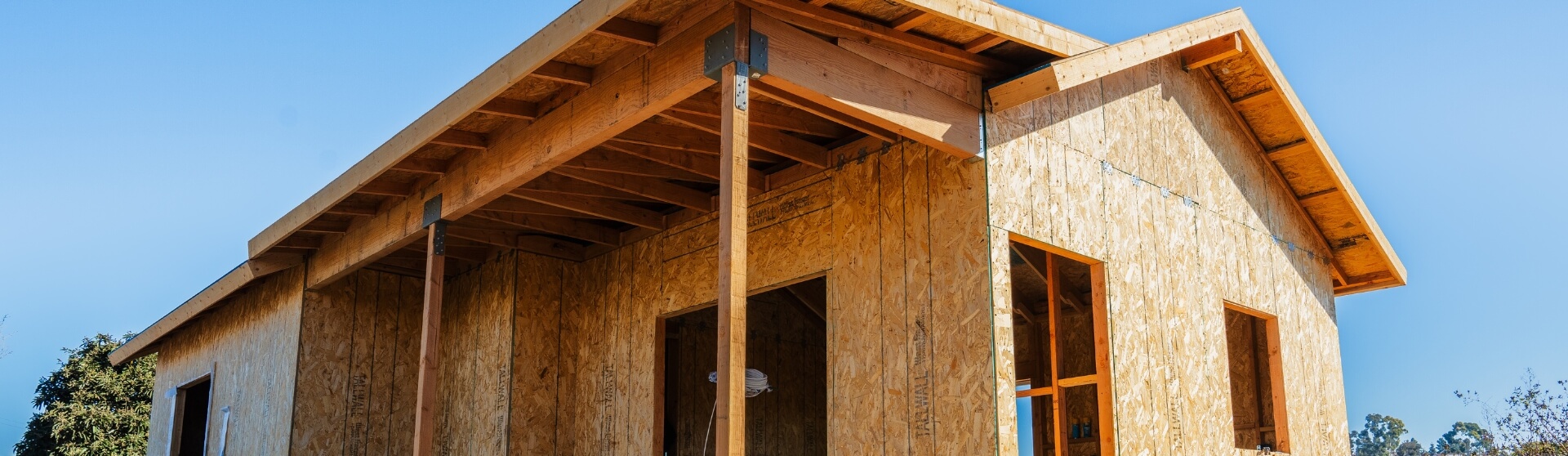
Comprehensive Guides and Resources
Home Construction Warranty: The Ultimate Guide
Protect your ADU investment and maximize peace of mind by understanding essential coverage, exclusions, and benefits of home construction warranties.
-
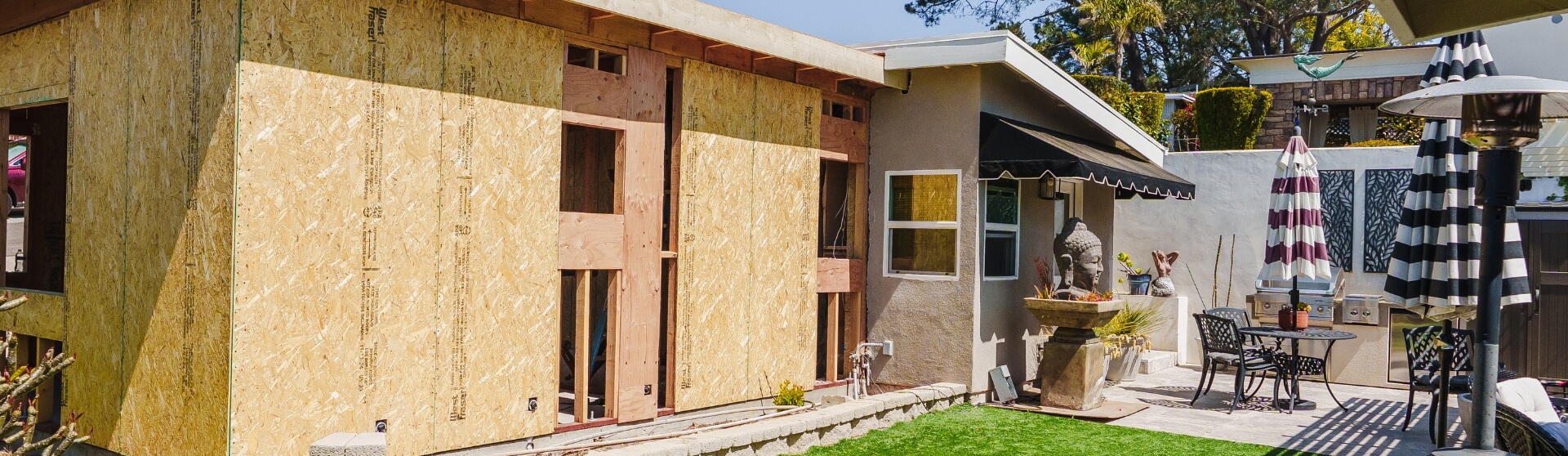
ADU Trends & Insights
Garage ADU: What It Is, Costs, Rules, and Conversion Options
Unlock your property's potential by converting your detached garage into a cost-effective, versatile ADU that increases property value and generates rental income.
-

ADU Trends & Insights
Custom ADU: Your Ultimate Guide
A custom ADU may cost more than manufactured or prefab units, depending on size, type, and finishes, but it offers several benefits.
-

ADU Trends & Insights
Construction Loans vs. Personal Loans for ADUs: What Do California Homeowners Need to Know?
Building an ADU in California typically requires high financing and San Diego homeowners usually choose between construction loans, which are based on the future value of the property, and personal loans, which offer fast approval but higher interest rates.
-
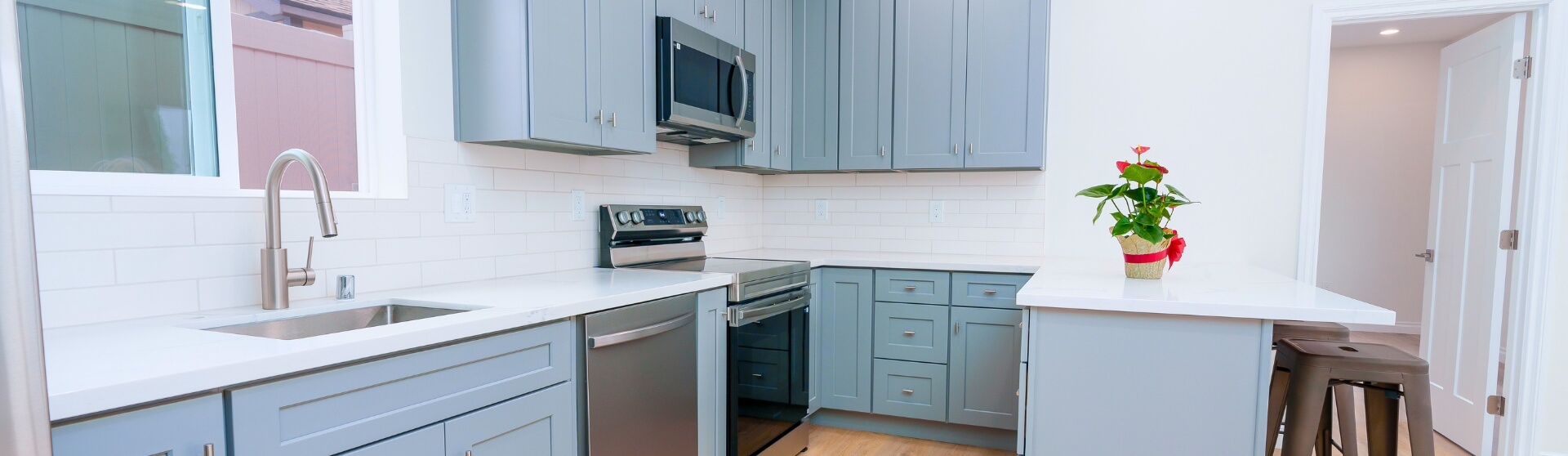
ADU Trends & Insights
How to Finance an ADU Project in California
California homeowners can finance an ADU using home equity, cash-out refinancing, construction or renovation loans, and programs like San Diego’s SDHC (up to $250K), with rental income often helping offset the $200K–$450K build cost.
-

ADU Trends & Insights
Is it Worth It To Build An ADU in 2026? Assessing the ROI of Building an ADU
Discover the financial benefits and pitfalls of building an ADU with our comprehensive, detailed guide.
-

ADU Trends & Insights
Can You Sell an ADU in San Diego?
San Diego's pending ordinance may soon enable homeowners to sell ADUs as separate condominiums, expanding affordable housing opportunities.
-

ADU Trends & Insights
When Do You Need a Survey for an ADU in San Diego?
A survey for an ADU in San Diego is typically required when the new unit is built close to property lines, situated on a sloped or irregular lot, or when local regulations mandate setback verification.
-

ADU Trends & Insights
Why ADUs & Costs Matter in San Diego
Planning an ADU in San Diego? Get the lowdown on all the hidden costs that can catch you off guard.
-
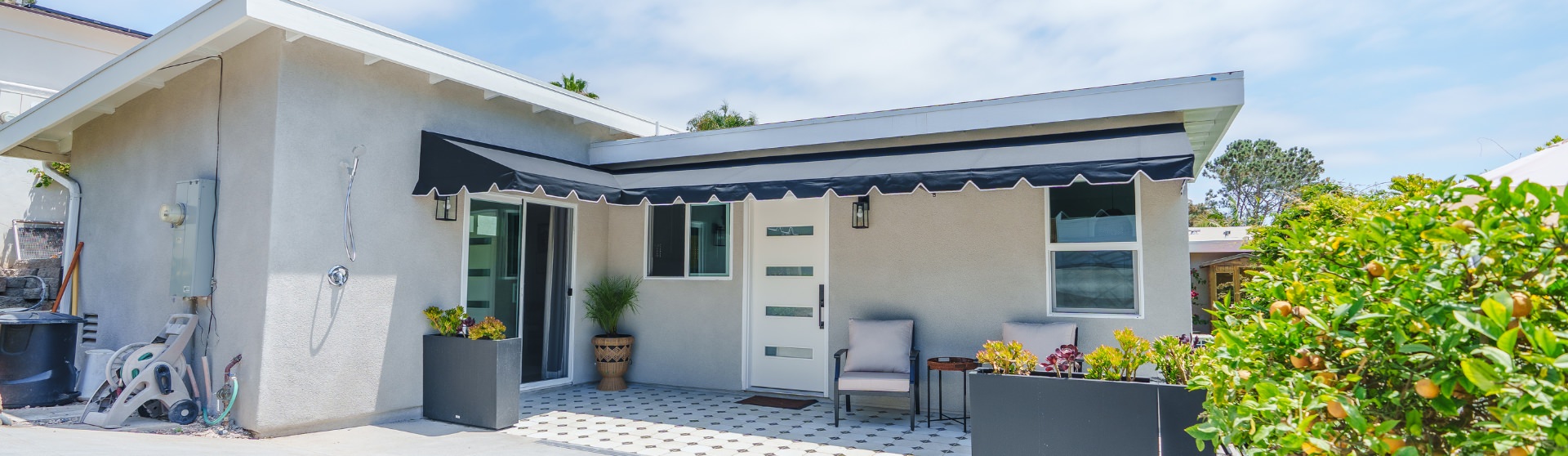
ADU Trends & Insights
How to Finance an ADU in San Diego
ADUs are growing popular in San Diego, offering housing for family or rental income, but demand substantial upfront investment.
-
ADU Trends & Insights
What Are the Best Loan Programs for ADUs in California (San Diego Guide)?
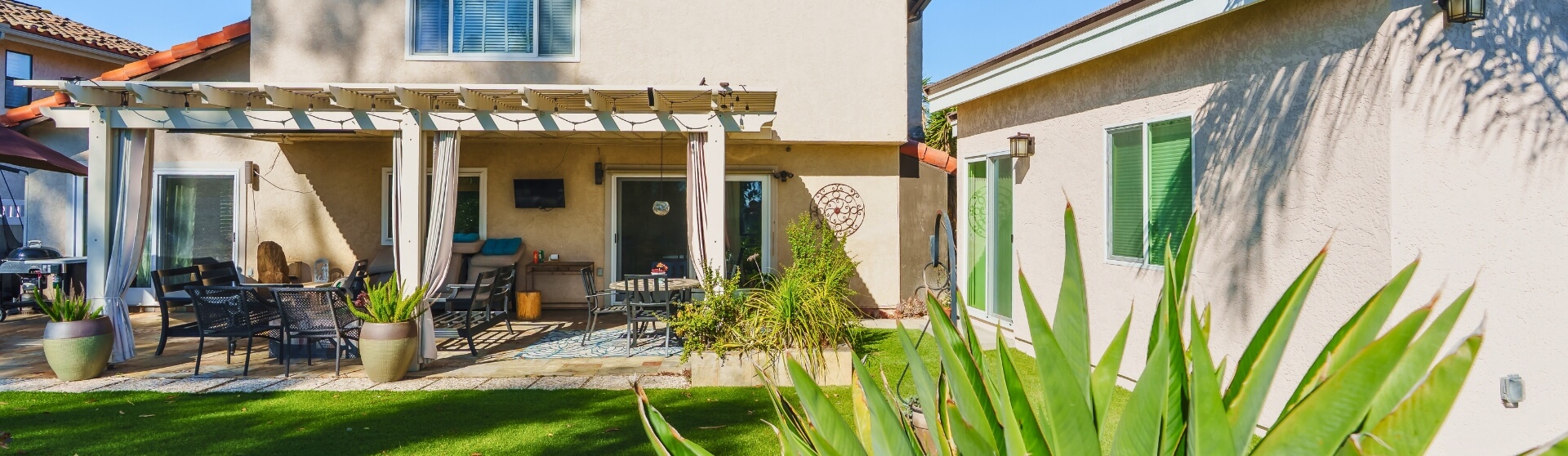
California homeowners can finance ADUs through home equity, construction or renovation loans, cash-out refinancing, and programs like CalHFA (when available) and San Diego’s SDHC, with the best option depending on equity, income, and timing.
-
ADU Trends & Insights
How Long Until an ADU Pays for Itself?
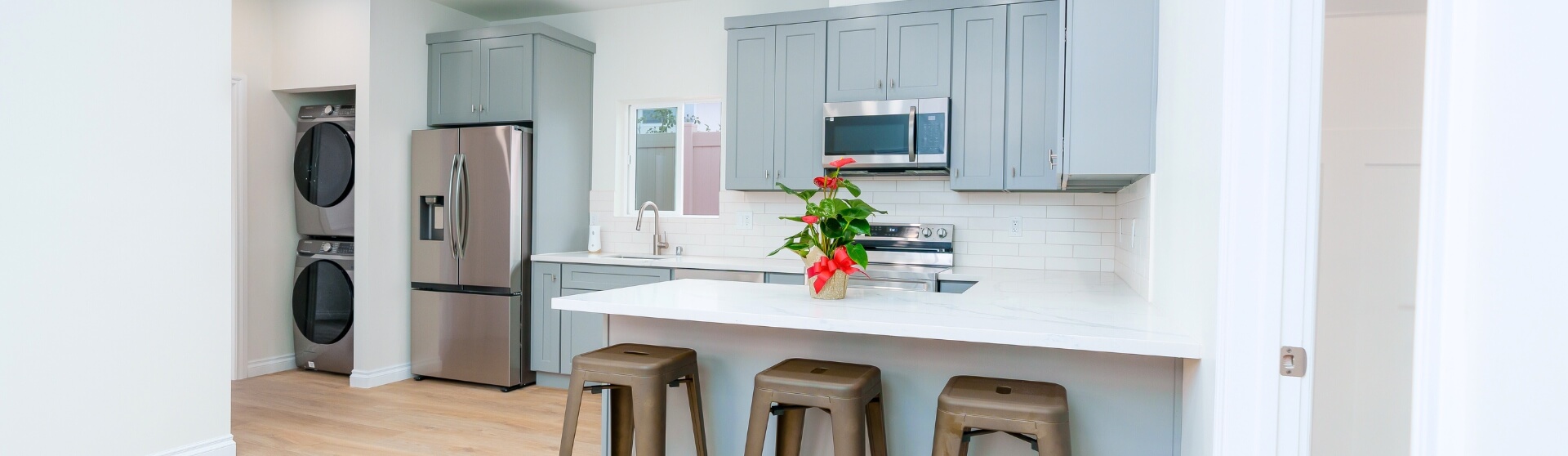
Most ADUs pay for themselves within 5–15 years by combining rental income and property value appreciation, with faster payback in high-demand markets like San Diego.
-
ADU Trends & Insights
20 Day Preliminary Notice for ADUs in California: Requirements and Deadlines
A California 20-Day Preliminary Notice is a required filing for most ADU projects that subcontractors and suppliers must send within 20 days of providing labor or materials, notifying owners, contractors, and lenders.


